


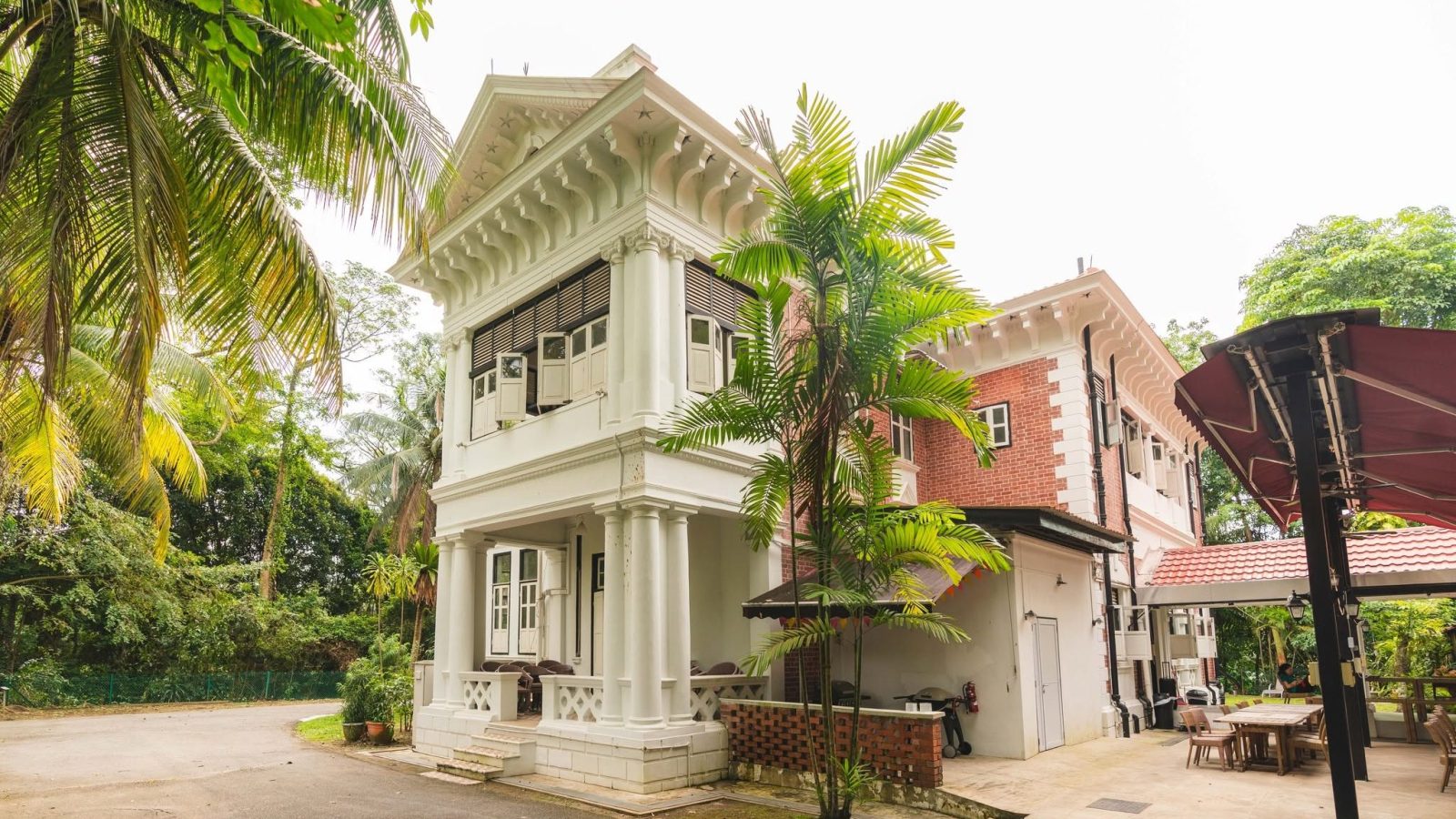
In the afterglow of the recent National Day, it’s an opportunity to take a stroll down memory lane to visit some buildings that have made their mark in Singapore’s history.
It’s hard to believe that in over six decades, Singapore went from a low-rise city filled with kampongs, docks, colonial residences to one that is dotted with skyscrapers, expressways and carefully planned districts. Since the 1960s, when the city faced severe housing shortages and overcrowding, the local landscape has changed beyond recognition.
But as the country evolves, there are some losses that evoke a strong reaction. From the public reaction towards the clearing of Maju forest or Gillman Barracks for public housing, people carry deep sentiments towards preserving places with historical value or environmental impact.
From another perspective, it also shapes Singapore’s identity and what we value as a society.
For instance, URA introduced the Identity Corridors in 2022. Planned as pedestrian trails along historic neighbourhoods, rivers, and rail lines, with the purpose of linking neighbourhoods and places with heritage value. It also served to enhance last-mile connectivity. Other transformation plans have also reshaped neighborhoods. Foremost in our mind is the Bukit Timah Turf City, where 22 heritage buildings and the two former grandstands are being conserved, and will be reimagined as community hubs.
In this article, we take a look at how some of the heritage buildings in Singapore have undergone rejuvenation and found new relevance while retaining their original personality.
1. The Arts House / Old Parliament House
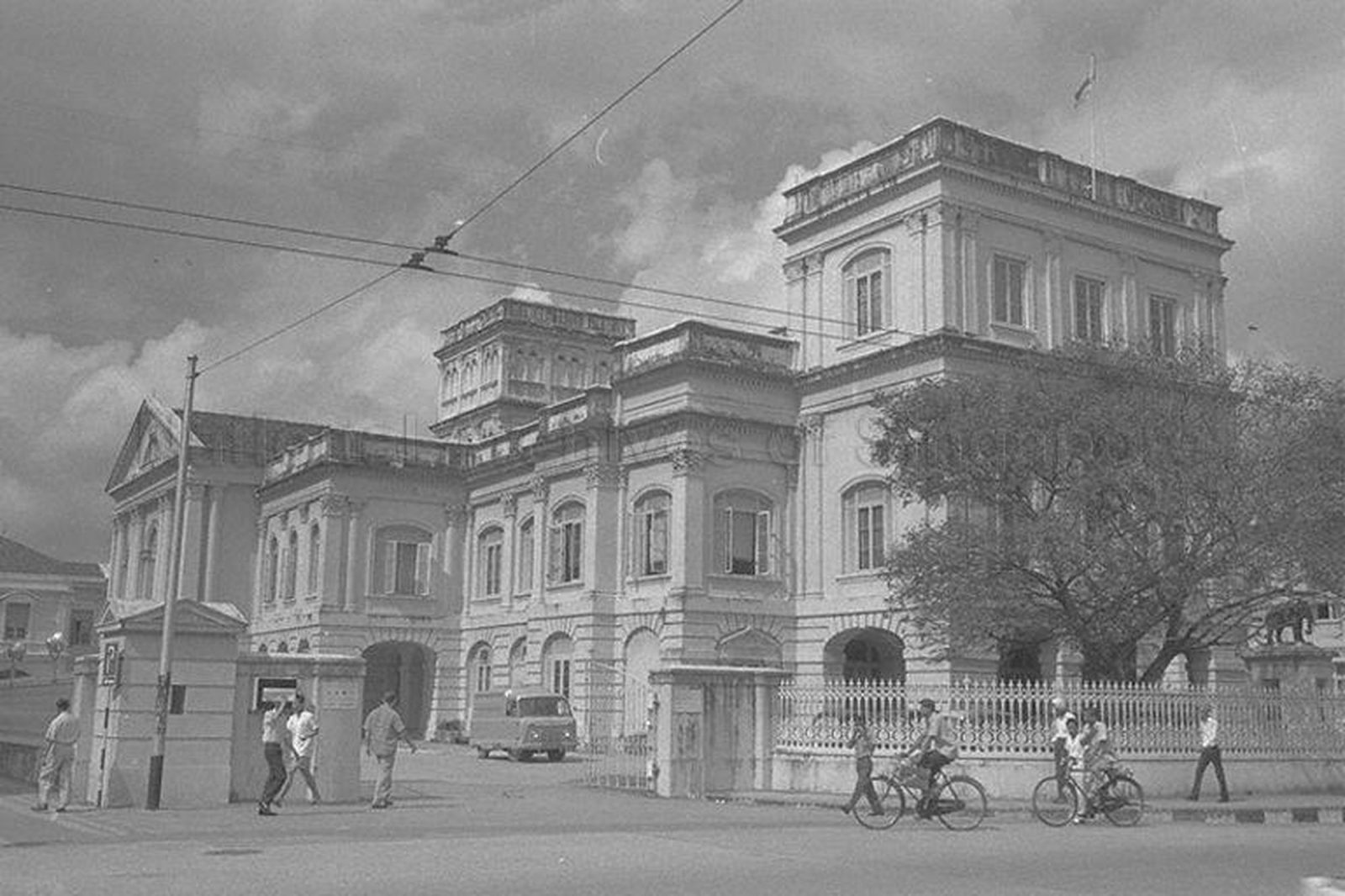
The centrepiece of the Civic District, the Old Parliament House is one of the oldest buildings in Singapore. Designed by architect G.D. Coleman in 1827, it was originally intended to be the private residence of Scottish merchant John A. Maxwell.
But due to an administrative oversight, it was built in an area designated for government buildings, which was laid out in the 1822 Raffles Town Plan. Thus, when it was completed, it became Singapore’s first official courthouse and housed the Supreme Court and government offices. It eventually became the Legislative Assembly House in 1954 and Parliament House after independence in 1965.
In 1992, it was gazetted as a national monument. After four years of restoration - which cost $15 million - it reopened in March 2004 as The Arts House, a multidisciplinary arts and literary centre.
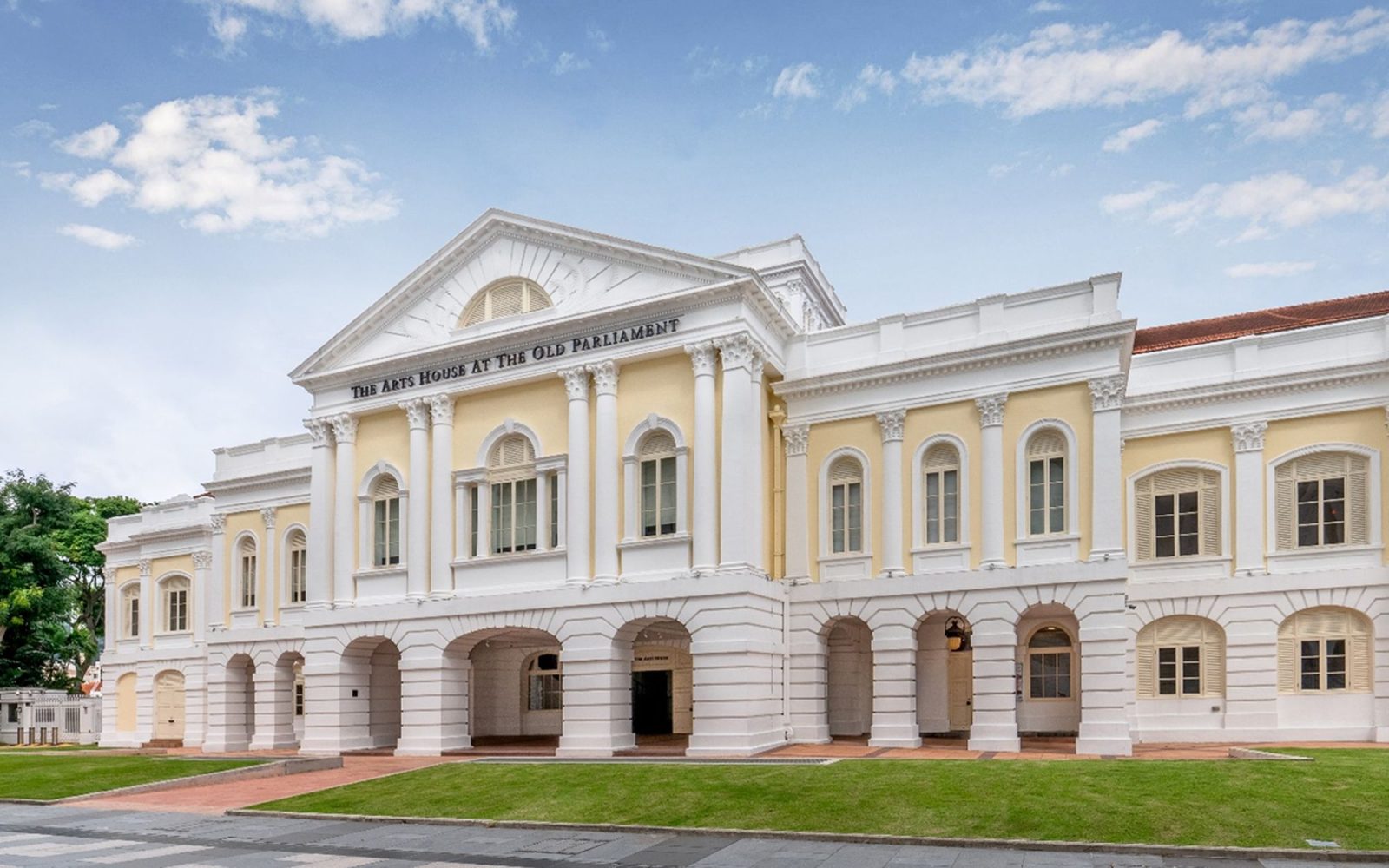
Back then, the original two-storey mansion was in a Neo-Palladian architectural style. Over the years, a series of major alterations and additions gradually shifted its original Palladian character to a Neoclassical Victorian style. Only the arches inside the porch are reportedly from the original building.
2. The Clifford Pier
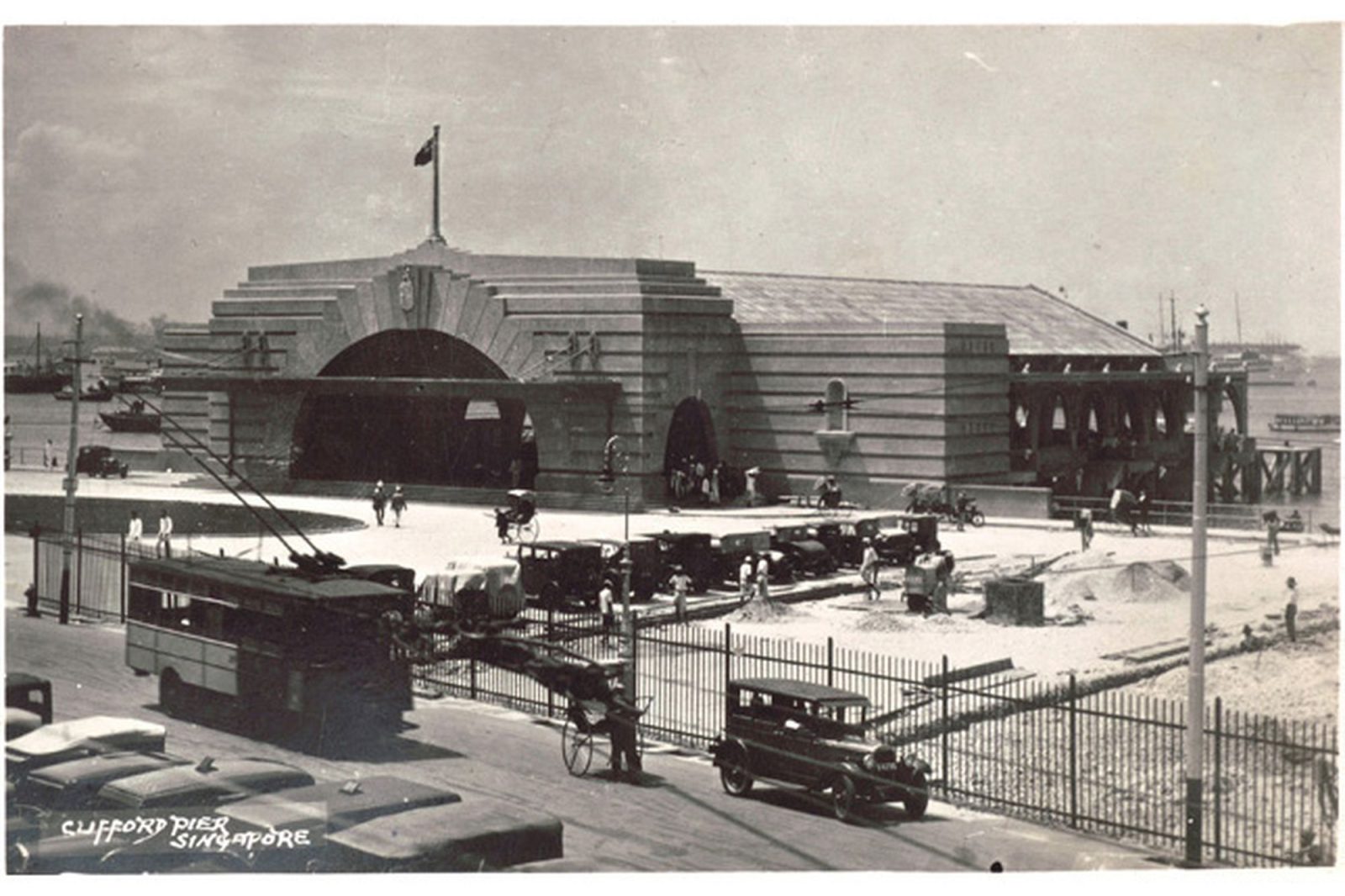
Launched in 1933, The Clifford Pier was local construction firm Woh Hup’s first major landmark project, and it was built to replace the former Johnston Pier. Designed by Frank Dorrington Ward, chief architect of the Public Works Department, the pier was a historic landing point for travellers entering and departing Singapore.
Back then, locals used to call it the “red lamp harbour”, a term coined after the red lamp hung at the end of the pier as a warning for ships in the harbour.
In the 1980s, the pier became a popular embarkation point to neighbouring islands, before it closed officially in April 2006. Eventually it was replaced by Marina South Pier and the building was designated as a national monument on 14 March 2007.
It’s a prime example of 1930s Art Deco design in a building in Singapore that is still standing. The pier had a unique roof of concrete arched trusses with the Straits Settlements of Singapore emblem sculpted into the top of the entrance.
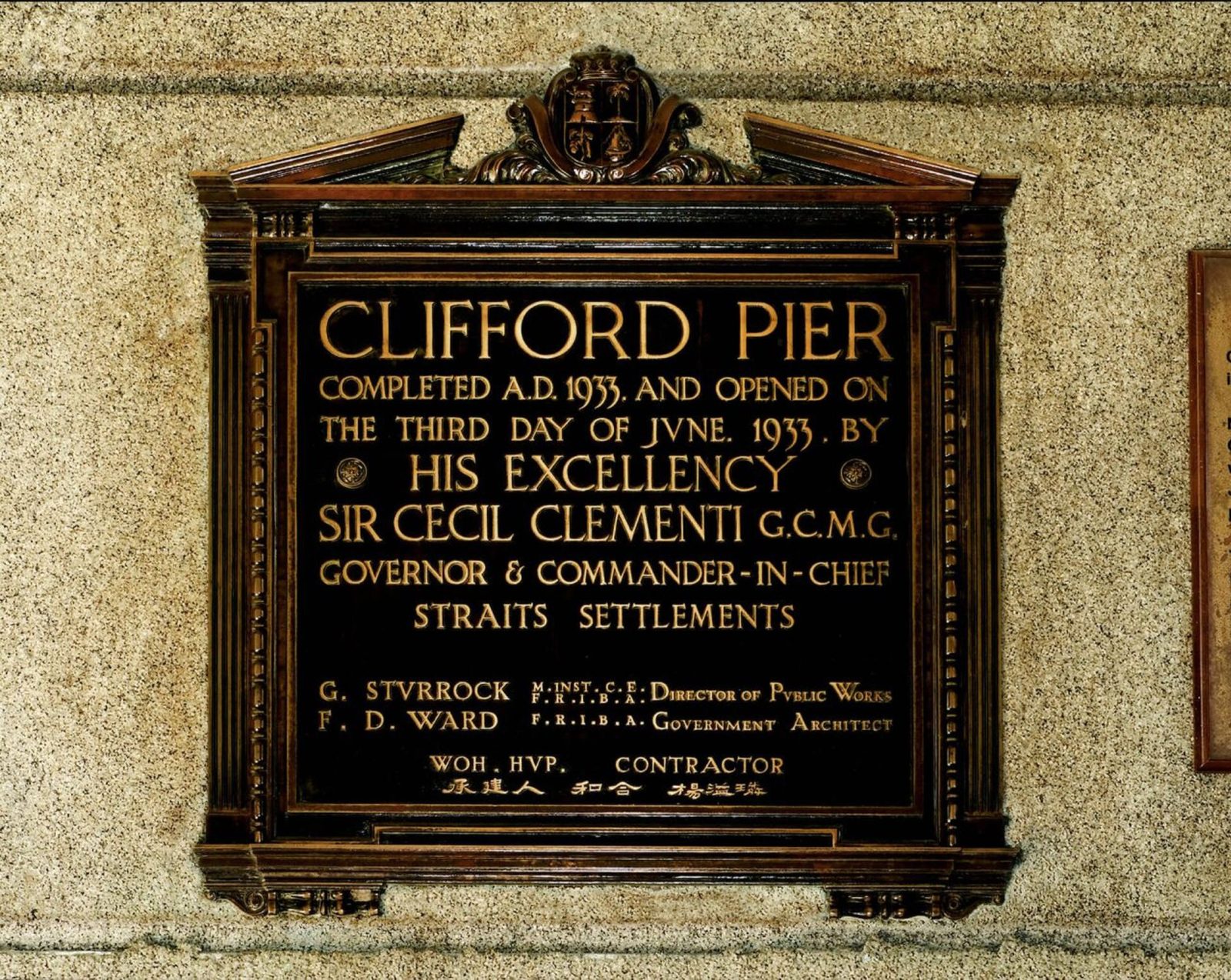
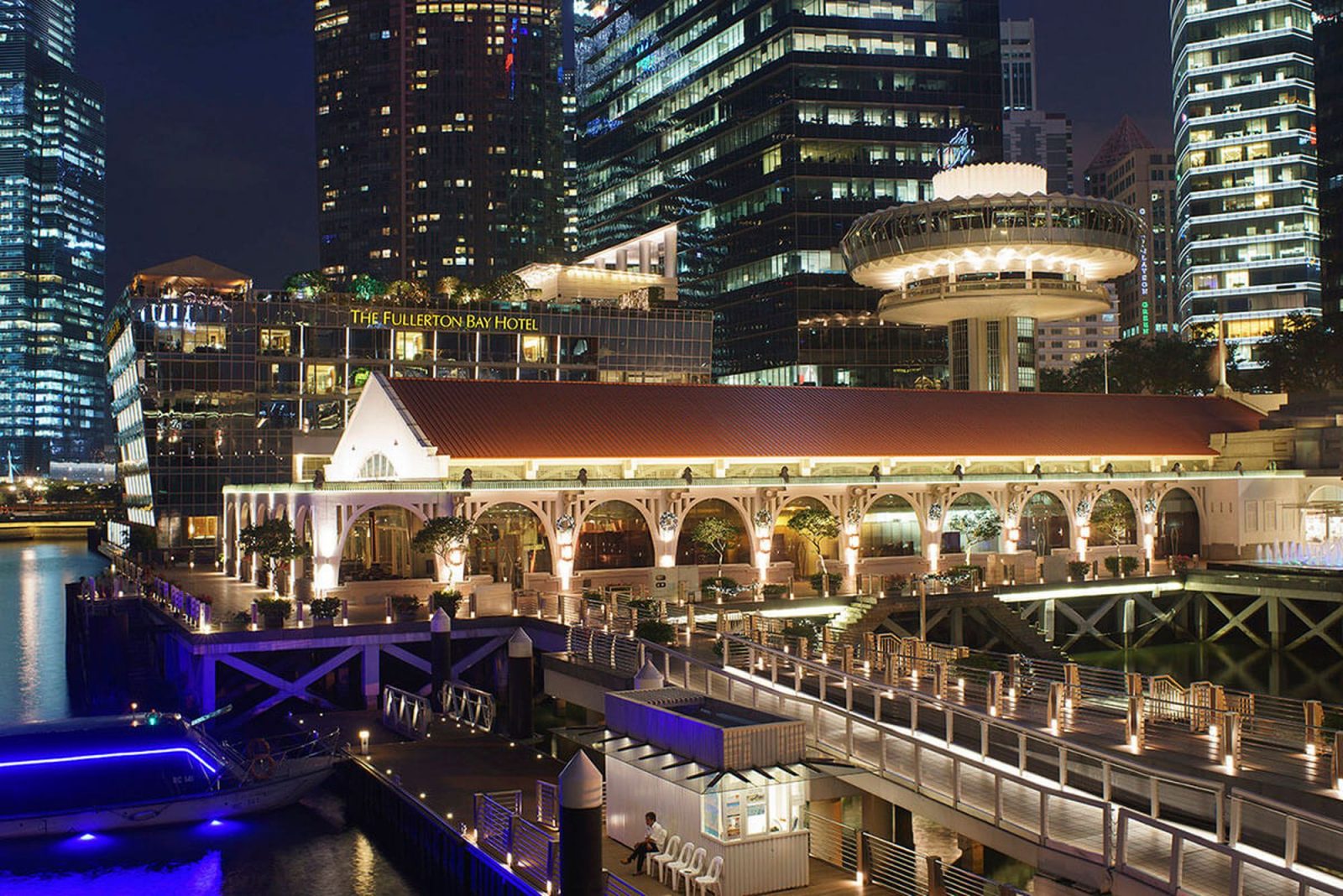
Between 2007–2009, during a conservation-led restoration, a major challenge was to transform the building from one that was fully opened on all sides and naturally ventilated, into a fully air-conditioned space.
Today, Clifford Pier is part of the Fullerton Heritage precinct’s waterfront dining and hospitality complex.
3. Former Bukit Timah Fire Station
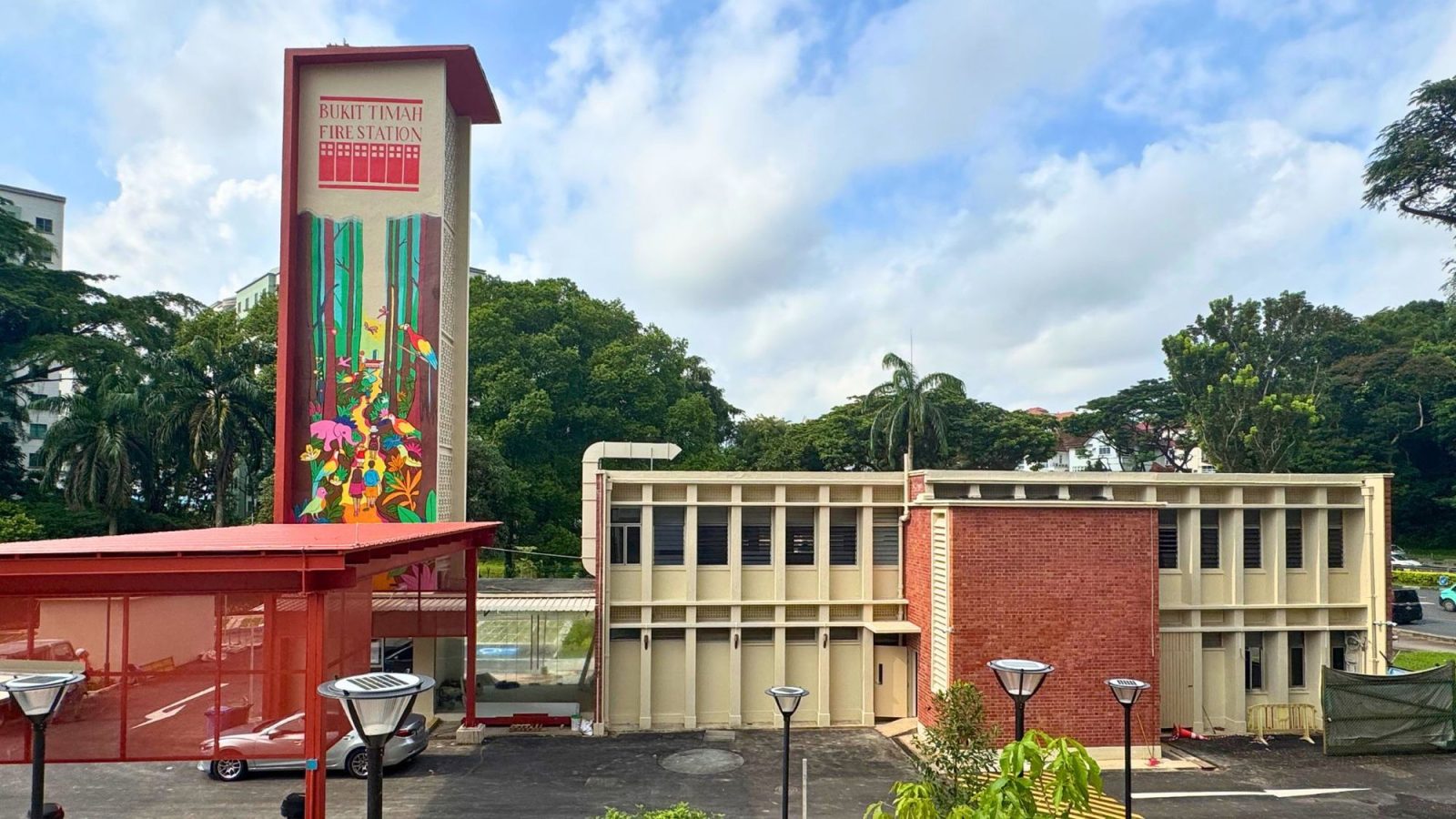
During the 1950s, Upper Bukit Timah was not yet the established residential enclave it is today. Back then, much like the rest of Singapore, it was a semi-rural district with a mix of factories, workshops, quarries and kampung settlements.
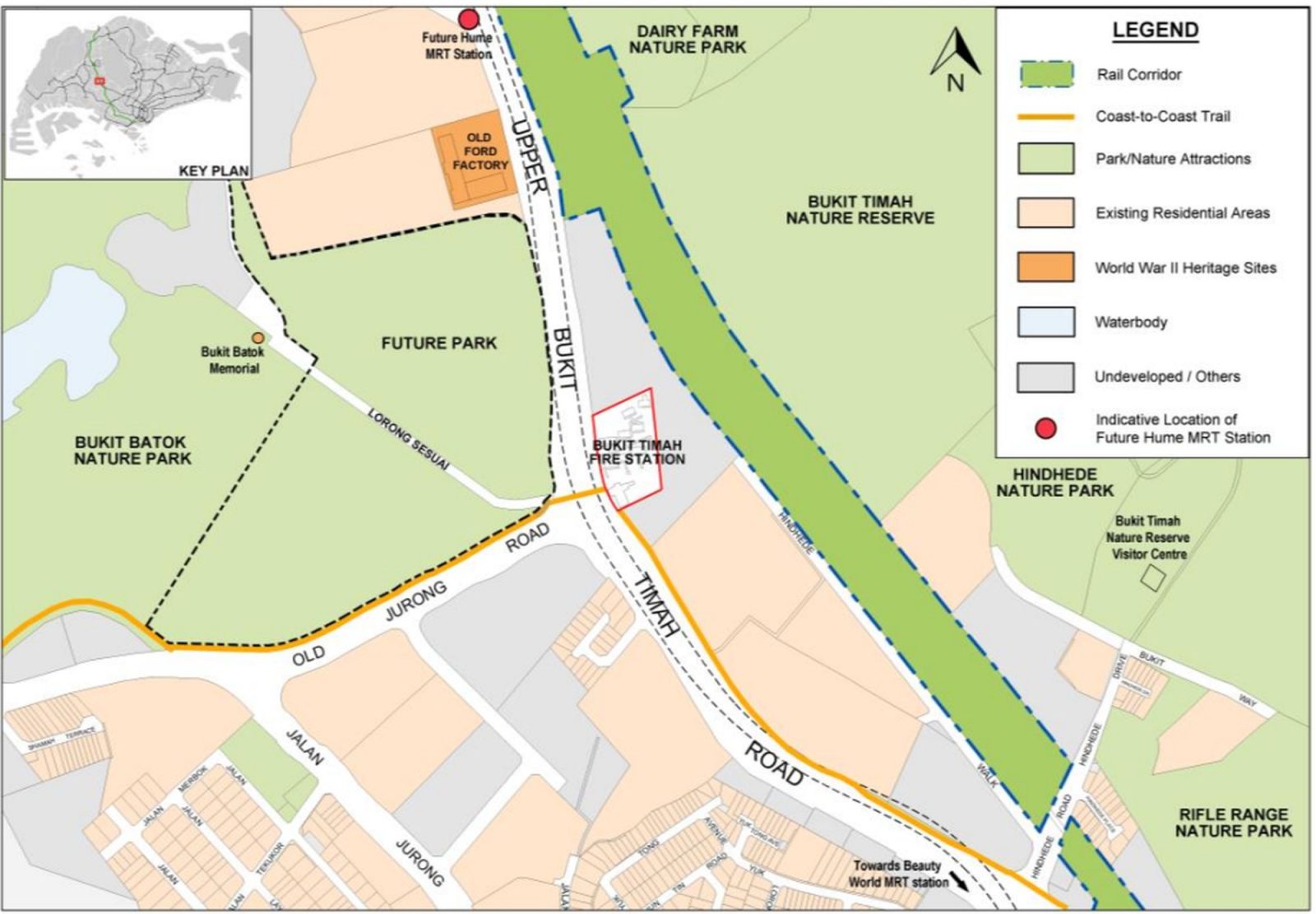
The former Bukit Timah Fire Station (BTFS) is the last surviving of three post-war fire stations built during that time, and a familiar landmark near the former Ford Factory, Bukit Batok Memorial and the Rail Corridor.
Completed in 1956, the fire station served the Upper Bukit Timah and Bukit Batok areas as well as the industrial road. Spanning 0.83 hectares (slightly larger than a full soccer field) the site originally comprised the main fire station, a single-storey residence for the station master, and seven three-storey accommodation blocks for the firefighters’ living quarters.
Architecturally, the facilities were built around the practical requirements of firefighting, featuring a streamlined Modernist design with a distinctive watchtower and a Crown Colony-era coat of arms signalling the period when the station was constructed.
In 2019, it was gazetted for conservation, having ceased operations in 2005. Since then, the Singapore Land Authority has leased it for interim uses, including childcare and enrichment centres, food-and-beverage outlets and other community or lifestyle activities.
In April 2024, co-living operator Coliwoo won the tender after the site was released for adaptive reuse, and spent $7.5 million to develop the site into Coliwoo Bukit Timah Fire Station. That reframed the landmark buildings as a co-living and lifestyle destination.
4. Black and white bungalows in the Southern Ridges conservation area
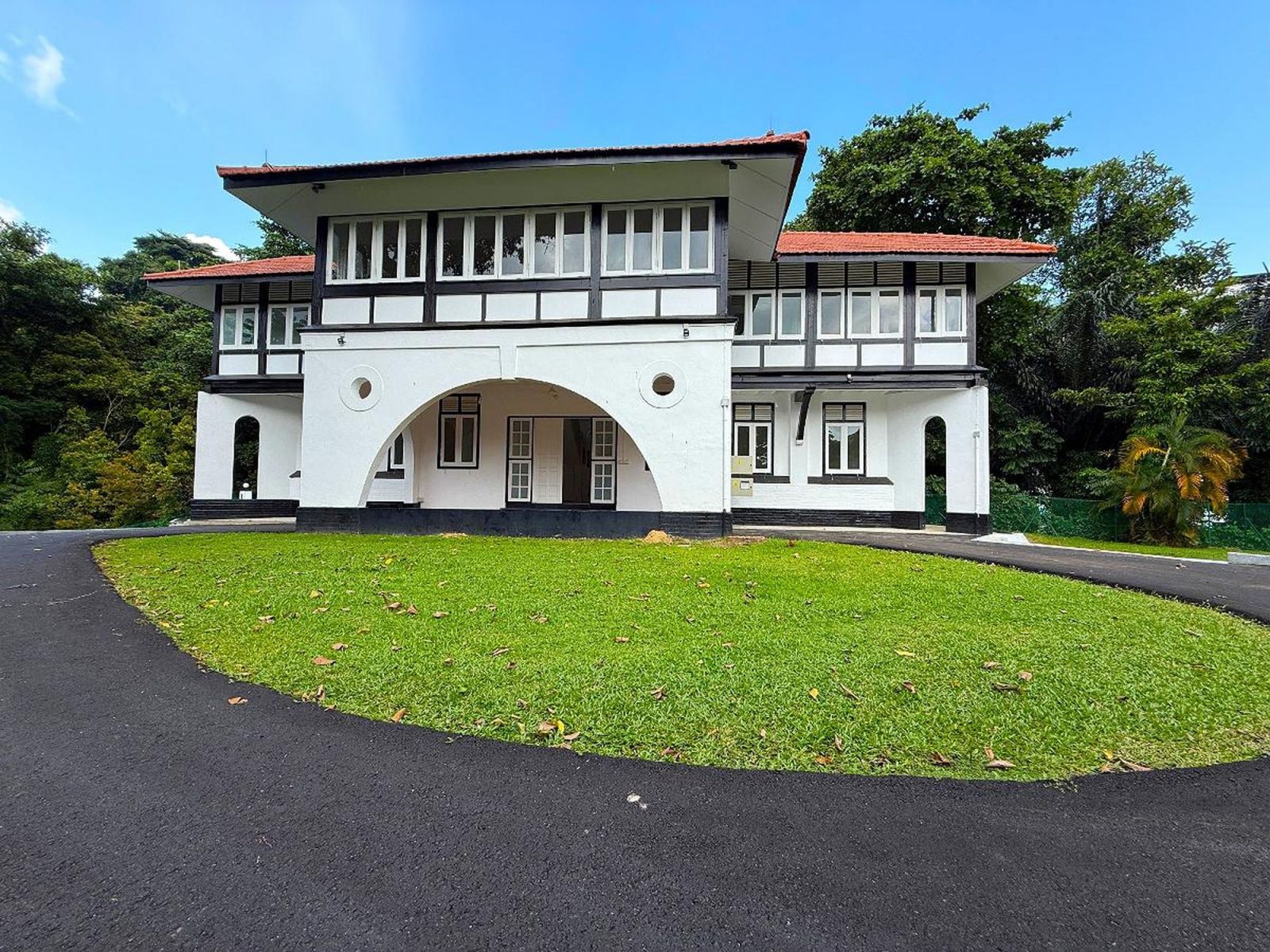
Built between 1903 and 1941, most of the black and white colonial bungalow houses in Singapore were generally used as residences by British officials and military personnel. They are mostly concentrated near former British air and naval bases, and the now-conserved bungalows combine British influences with local adaptations, such as open arches and high ceilings for better ventilation.
The houses were built with dark timber beams with whitewashed walls, creating the eponymous visual contrast. Prominent features include broad overhanging roofs, verandahs, large grounds and features suited to the tropical climate.
In Singapore, there are roughly 500 of these black-and-white houses, out of which URA has identified 25 surviving or historic residences in the Mount Faber–Telok Blangah area that date from roughly the mid-1800s to the 1950s.
A prominent one is The Alkaff Mansion, one of the 25 state properties curated for the Singapore Land Authority’s (SLA) Rediscovery Trail to mark its jubilee anniversary.
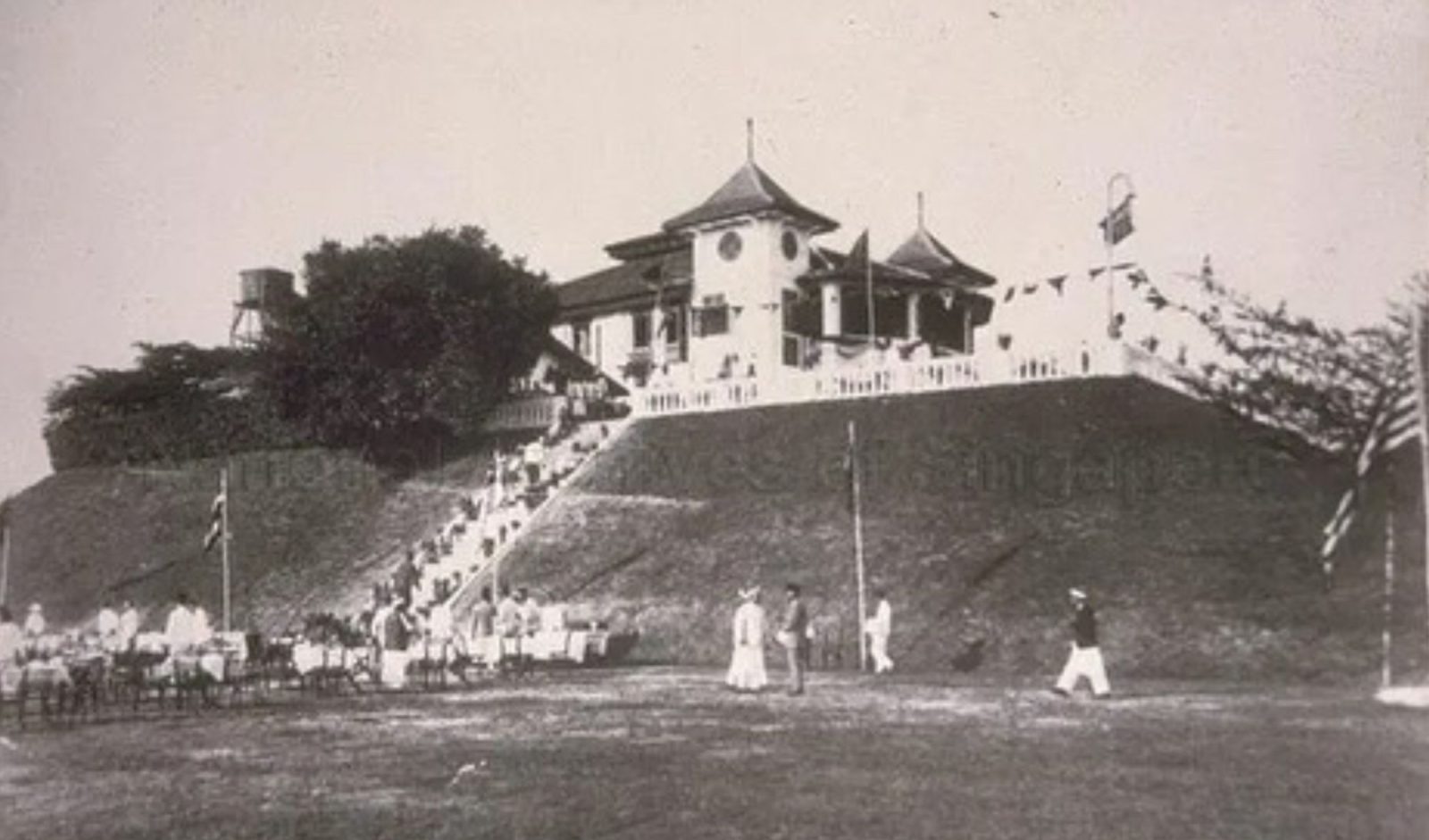
Set atop Telok Blangah Hill, which was once thought to be the highest point of Singapore, this fabled mansion was once owned by one of the early Arab families to arrive in Singapore.
Built by Syed Mohammed bin Abdul Rahman Alkaff, the two-storey Tudor-styled bungalow saw the height of its high society revelry in the 1930s, and guests included British colonial officials, visiting foreign dignitaries, and local personalities.
After World War II, the Alkaffs sold some of their properties including The Alkaff Mansion. In the years that followed, the mansion has undergone at least two major restoration efforts.
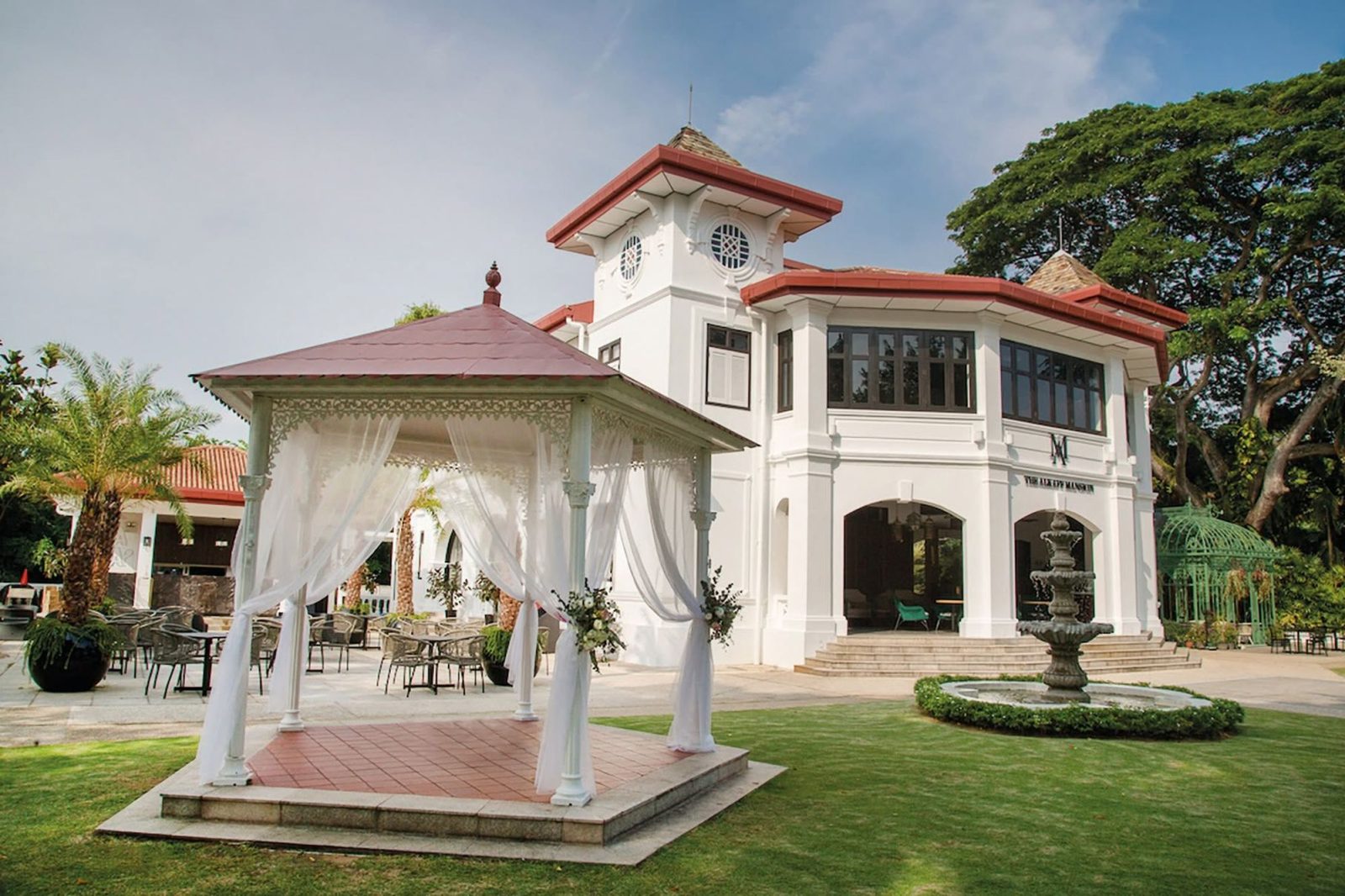
One of these restoration schemes was overseen by the Singapore Tourist Promotion Board in 1987, who appointed Hotel Properties Ltd to restore and manage the property. The second restoration was in March 2010, after SLA launched a tender to lease out the property which had then been earmarked for reuse as a restaurant, art gallery, spa or museum.
Both renovations cost approximately $5 million each and included repairs to the roof and timber flooring, as well as new coloured glass-stained windows. The mansion’s key design features include European-style fountains at its entrance, broad stairways and outdoor gazebos.
On 9 June 2005, URA awarded the building conservation status, with conservation guidelines stating that the mansion’s façade, including the canopy, porch, windows and balustrades, must be retained and restored in any redevelopment.
Today, The Alkaff Mansion is occupied by three dining outlets and remains a popular destination for weddings and corporate events.
5. Danish Seaman’s Church
Along Pender Road, some of the earliest houses there were built in the early 1900s, with more houses built in the 1910s and 1920s. Together, they were part of a corporate residential estate for staff of the Eastern Extension Australasia & China Telegraph Company, with many houses designed by prominent Singapore architectural practice, Swan & Maclaren.
One of the notable buildings here would be the Danish Seamen’s Church Singapore on 10 Pender Road, formerly known as the Golden Bell Mansion.
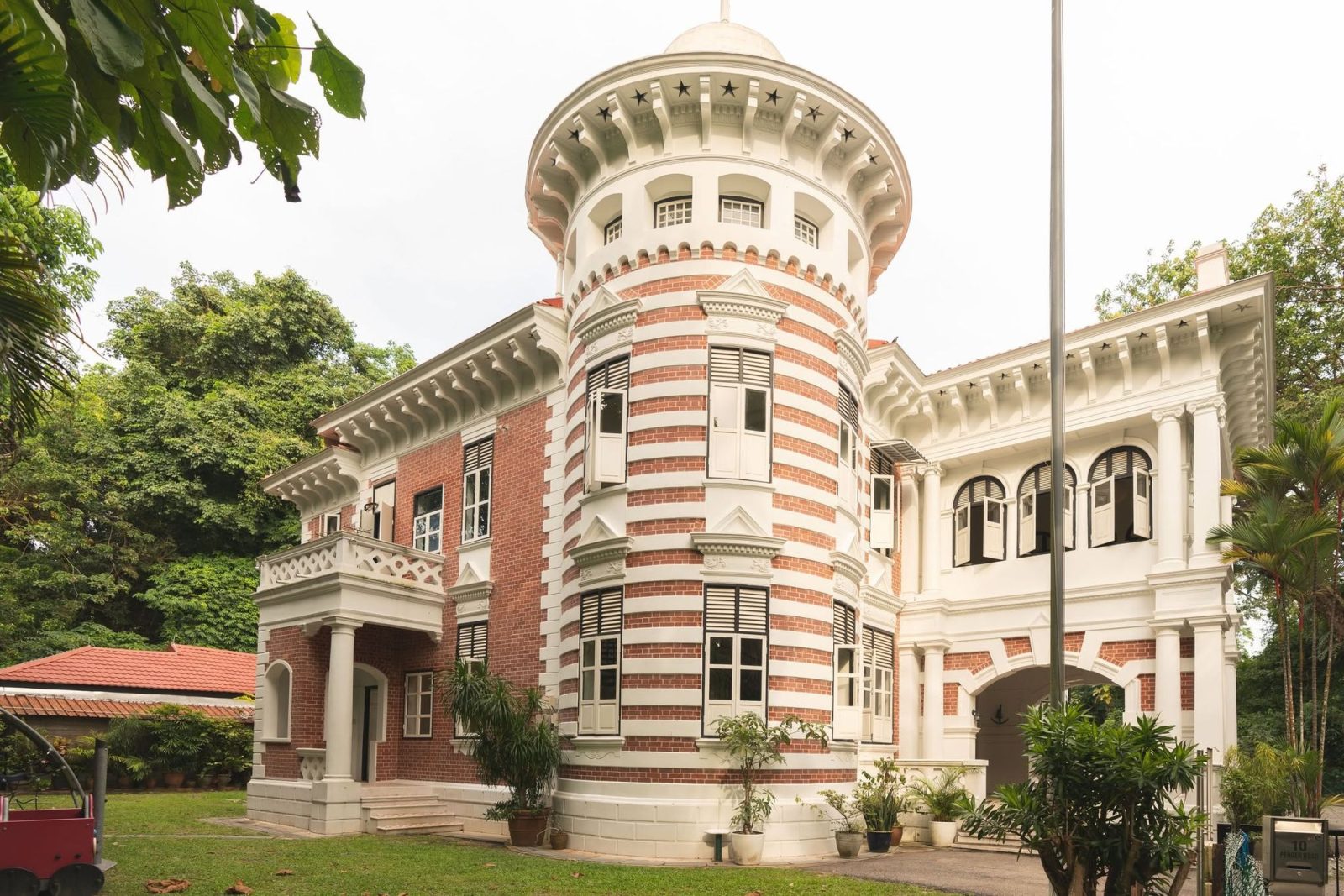
Designed by Mok Wee Tek in 1909, it was the residence of community leader and philanthropist Tan Boo Liat, who named it in honour of his grandfather—Tan Kim Ching.
The building saw history in the making and hosted Dr Sun Yat-sen, the founding father of the Republic of China, who stayed at the mansion with his family when he visited Singapore in 1912. The house was sold in 1934 when Tan Boo Liat died in Shanghai.
The mansion evolved through successive phases of adaptive reuse before landing into its current role as the Danish Seamen’s Church in 1985. It was gazetted as part of the Southern Ridges conservation area in 2005.
The challenge of preserving our heritage while ensuring value and purpose
In any city, a building’s commercial value is measurable through rents, land prices, visitor numbers and development potential. But heritage value can be hard to determine with the lack of quantifiable metrics to count upon.
Yet the Arts House, Clifford Pier, BTFS, Mount Faber’s bungalows and the former Golden Bell Mansion bring something a new building cannot easily reproduce: continuity.
Simply by existing, they allow residents to encounter physical evidence of different eras of Singapore’s history. While that doesn’t mean every old building should be preserved, this is how adaptive reuse offers a middle ground where the building survives, but its use changes.
Ultimately, the success of adaptive reuse depends to a large extent, the value it carries. Without playing a meaningful role in the community, a beautifully restored structure can become little more than a backdrop. This is where placemaking becomes crucial.
URA’s Identity Corridors approach recognises that heritage works best when understood as part of a wider landscape. Through the 2022 Long-Term Plan Review, the six Identity Corridors — including the Rail Corridor and Southern Ridges & Coast — seek to strengthen character and charm while improving connectivity, public spaces and community participation.
An example of how this plays out in reality is the former BTFS. Its future is not only tied to restored architecture but also to its role as a gateway linking people to trails, nature and nearby heritage sites.
Similarly, Clifford Pier benefits from being embedded within the larger Marina Bay waterfront, where historic low-rise buildings sit alongside a dramatically transformed skyline. Marina Bay itself is a product of land reclamation and long-term planning that began in the 1970s.
Singapore’s challenge, therefore, is not simply to save old buildings – it is to give them reasons to stay by remaining relevant. A successful rejuvenation may not be one that is the most commercially successful, but rather one that allows history to participate in contemporary life.
In a city that has changed so dramatically since the 1960s, that continuity may be one of the most valuable forms of infrastructure Singapore can preserve.


1 Comments
What a wonderful article. thanks for this writeup on our historical buildings. Very educational!