


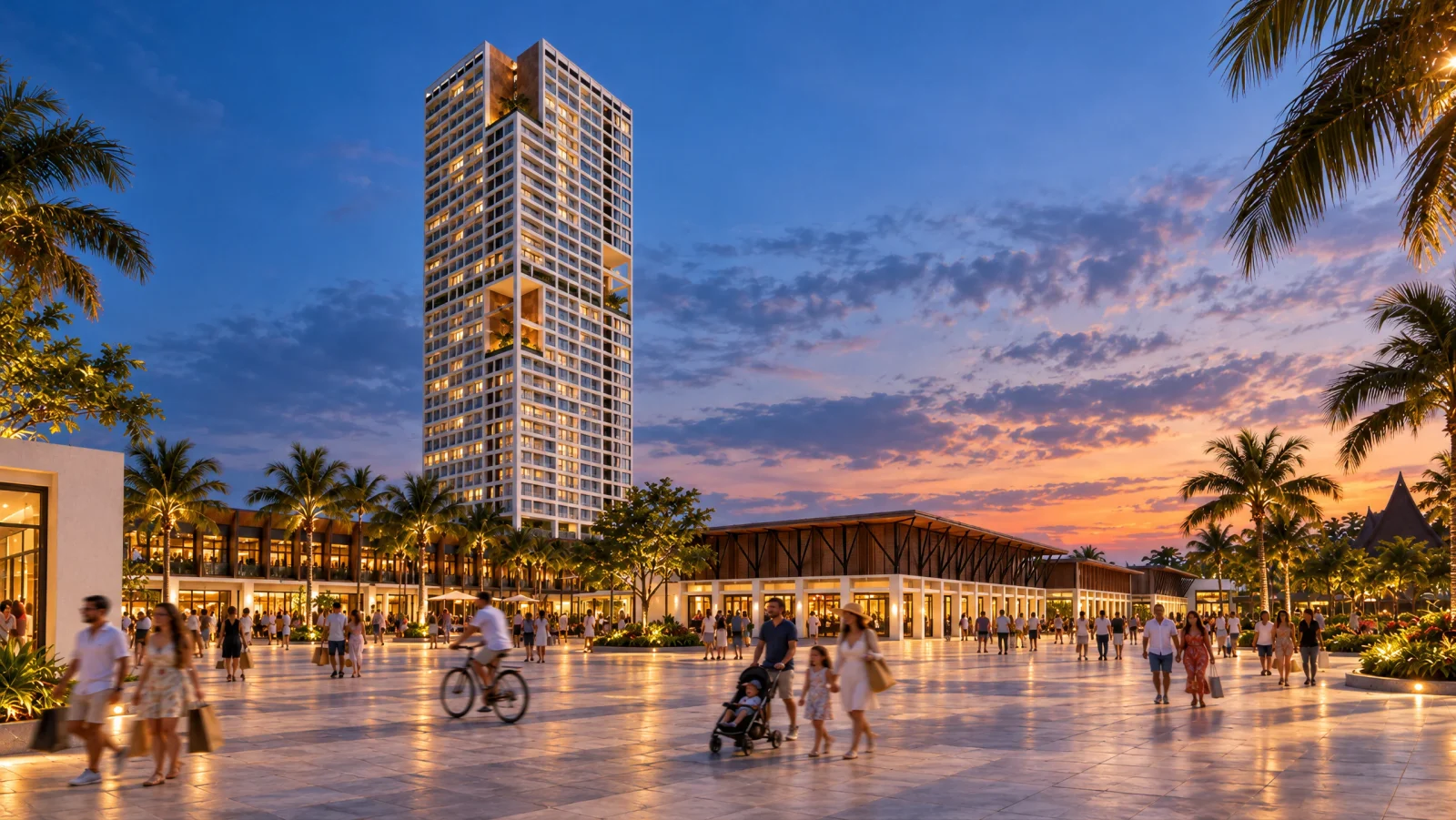
From 2027, visitors to Batam Island will be able to visit and stay at the newest luxury integrated resort, Opus Bay. The 110-ha master planned hospitality, retail, and leisure hub is being developed by Singapore-listed property developer Tuan Sing Holdings.
Located on Batam's West Coast in Sekupang, Opus Bay is set to open in phases from December 2026. The first two developments in the integrated resort that will be completed are its own ferry terminal, Marina Bay Ferry Cove, and Residence on Opus Bay.
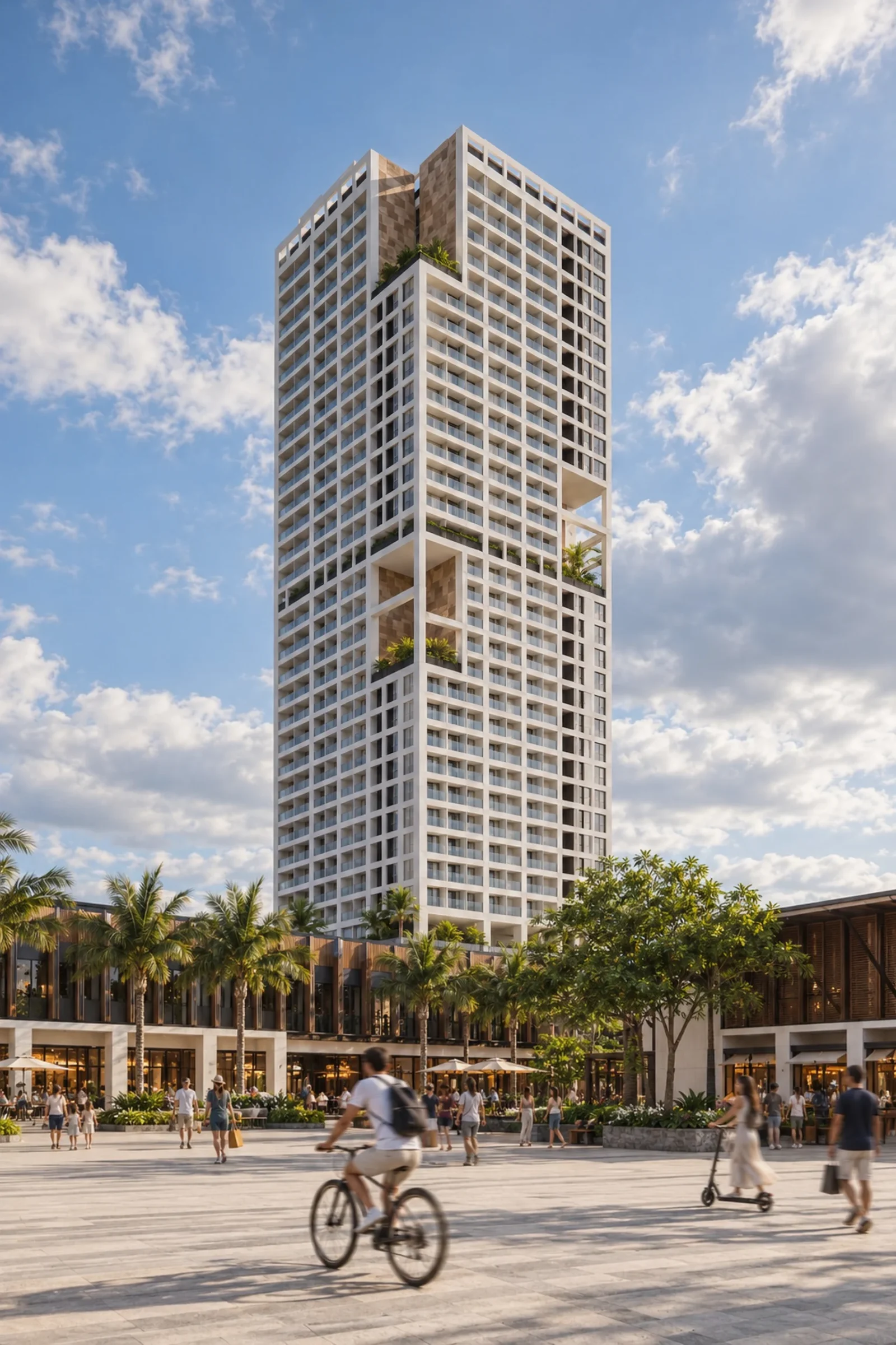
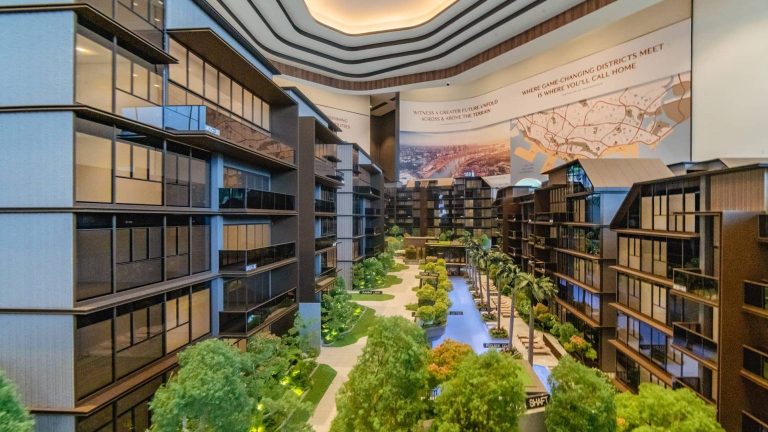
Designed as a new hospitality concept in two separate buildings, Residence on Opus Bay consists of the 493-room hotel Balmoral Tower and the ultra-luxury villa retreat Cluny Resorts. These two developments are set to open next year.
While there are other large integrated hospitality projects on the island, this is the first major luxury project that Batam has seen in recent years.
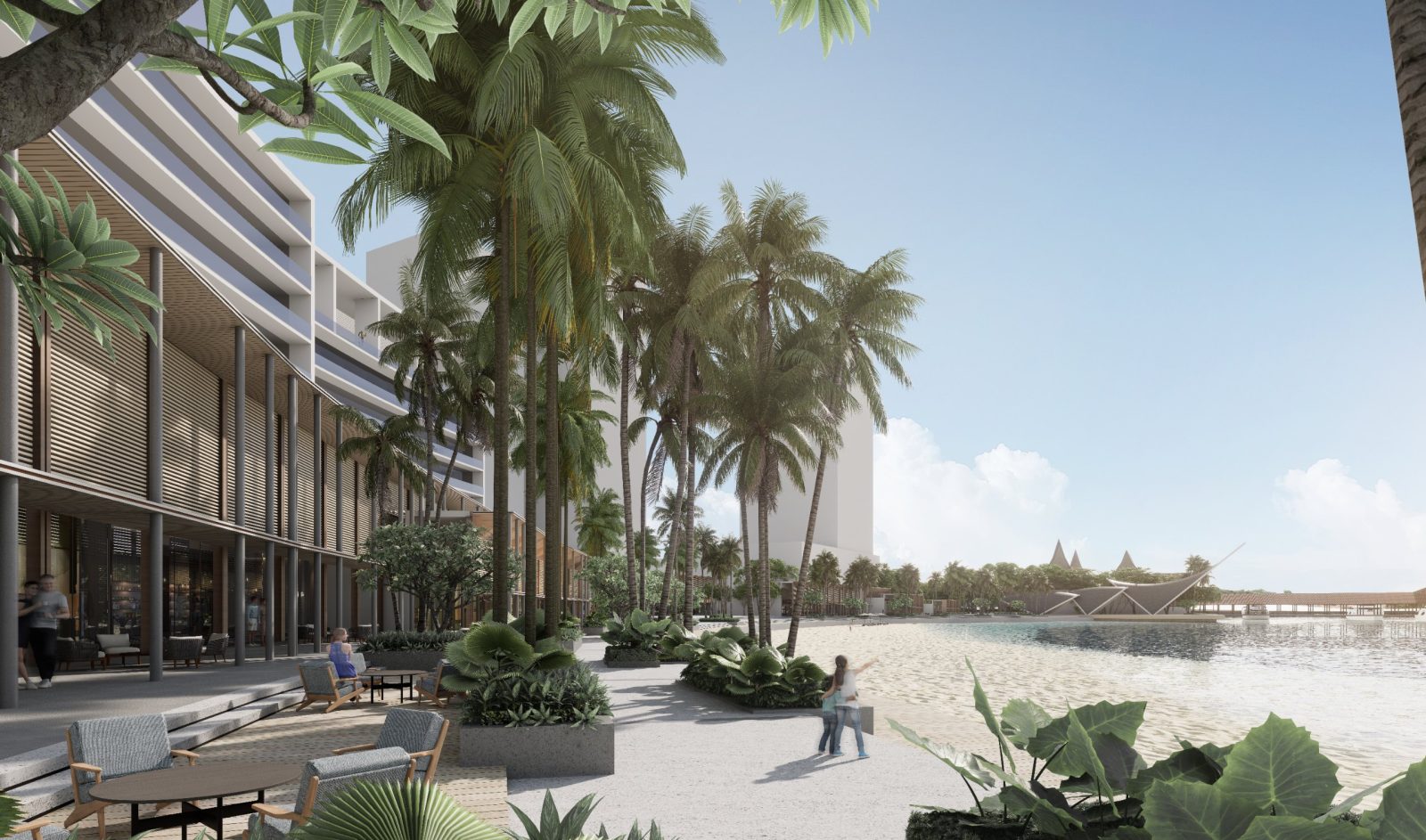
Tuan Sing has brought in US-based architectural firm Kohn Pedersen Fox (KPF) to master plan the integrated resort, which will be anchored by its own designated ferry terminal and service, waterfront retail promenade, and a sports park.
The architectural portfolio of KPF includes the redevelopment of Hudson Yards in New York, Victoria Dockside in Hong Kong, One Bangkok in Thailand, and The Parkside Seoul in South Korea. The firm has also worked on Marina Bay Financial Centre, Marina Bay Residences and Marina Bay Suites in Singapore.
Meanwhile, the 107,600 sq ft waterfront retail and dining promenade is designed by design firm SCDA Architects, and Mitra Adiperkasa, a lifestyle retailer in Indonesia, will be curating the 80-store tenant mix.
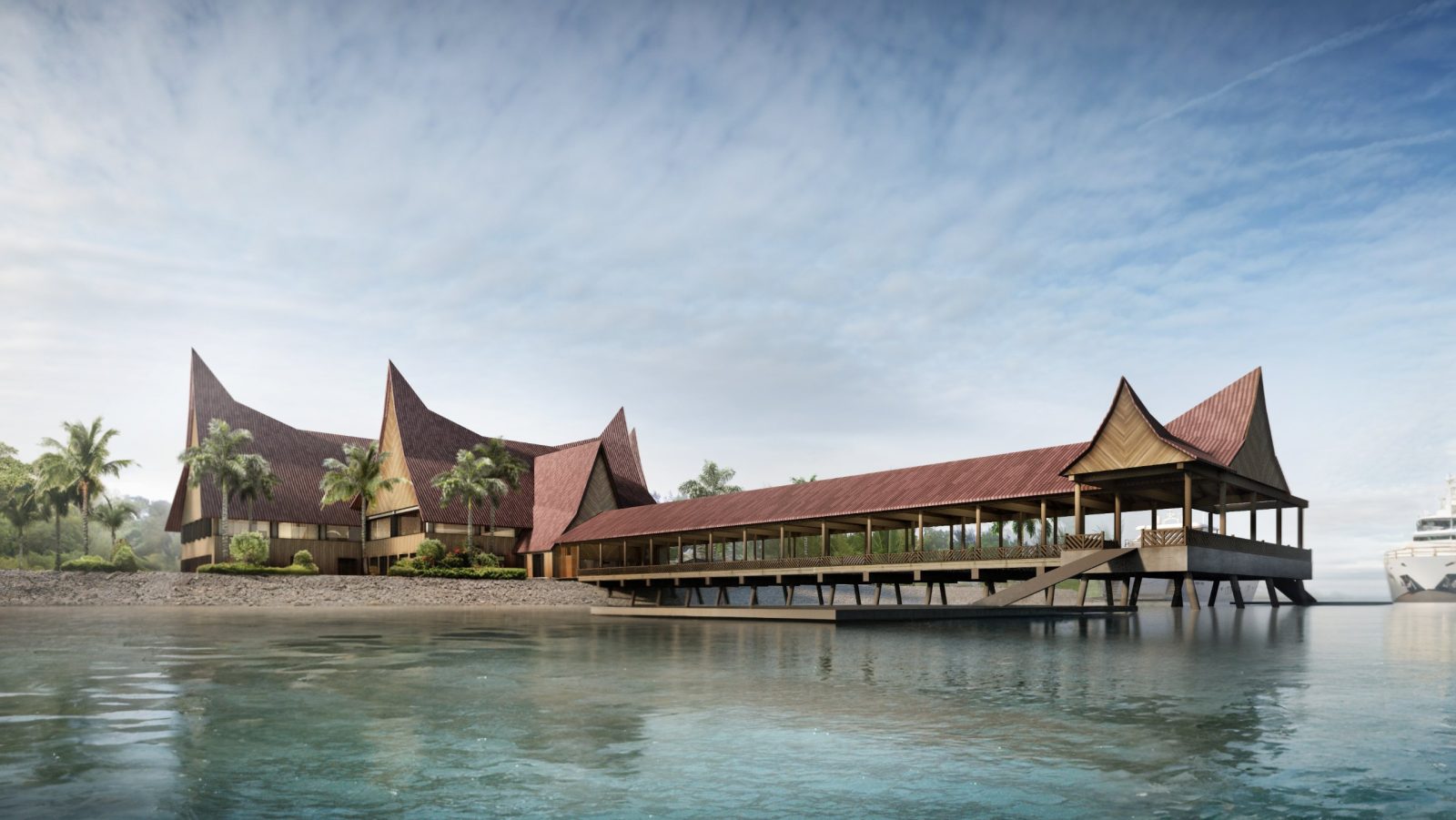
Singapore architectural firm Park + Associates designed Marina Bay Ferry Cove, the dedicated ferry terminal for Opus Bay. The integrated resort will also include a Sports Park, with three padel courts and four pickleball courts.
The master plan for Opus Bay positions it as “A City within a City” for leisure and business travellers alike, according to Tuan Sing. The integrated development in Sekupang is also close to Batam Hills Golf Resort and the newly opened Saung Budaya Batam cultural centre.
Batam's international airport, Hang Nadim International Airport, is 45 minutes away.
The luxury hospitality offering at Opus Bay
The first development phase of Opus Bay will include a new 493-room hotel named Balmoral Tower, and 57 ultra-luxury villas called Cluny Resorts. The hotel is a three-minute walk from Marina Bay Ferry Cove, the dedicated ferry terminal serving Opus Bay.
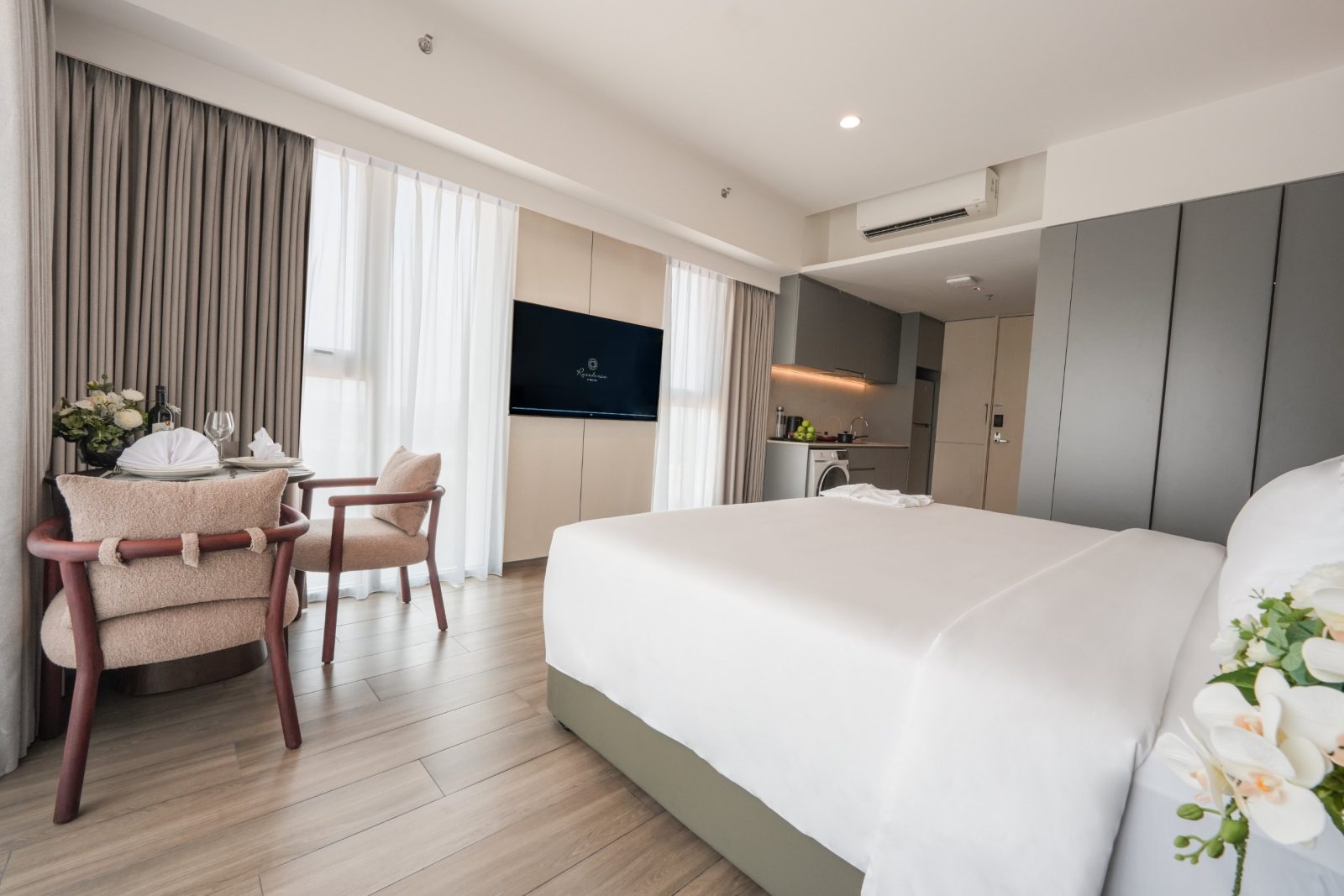
According to Tuan Sing, the 35-storey Balmoral Tower will be Batam's largest hotel, with nine different room types from studios to two-bedroom suites. Its rooms have private balconies with views, kitchenettes, washer-dryers and an AI-powered digital concierge.
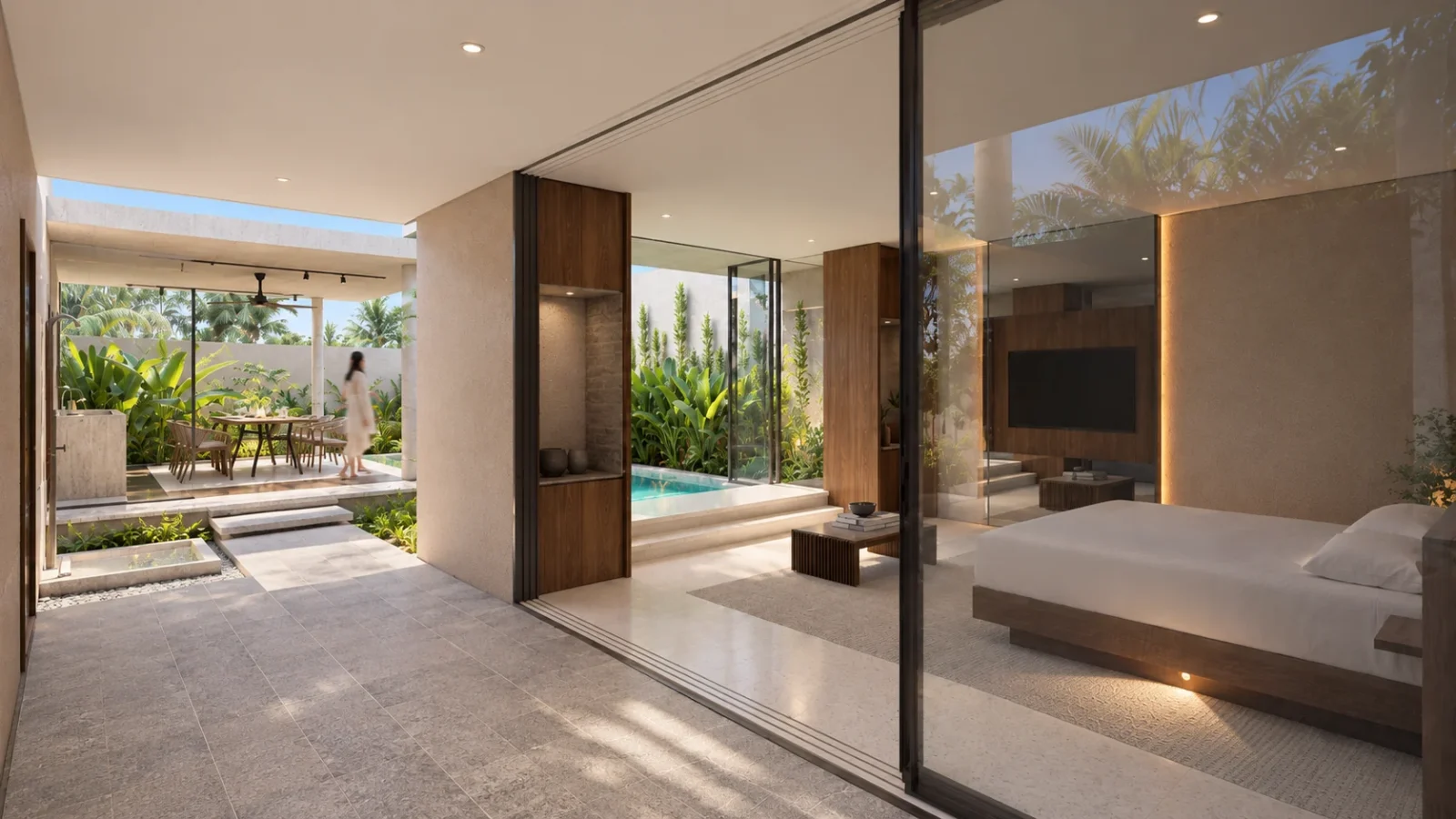
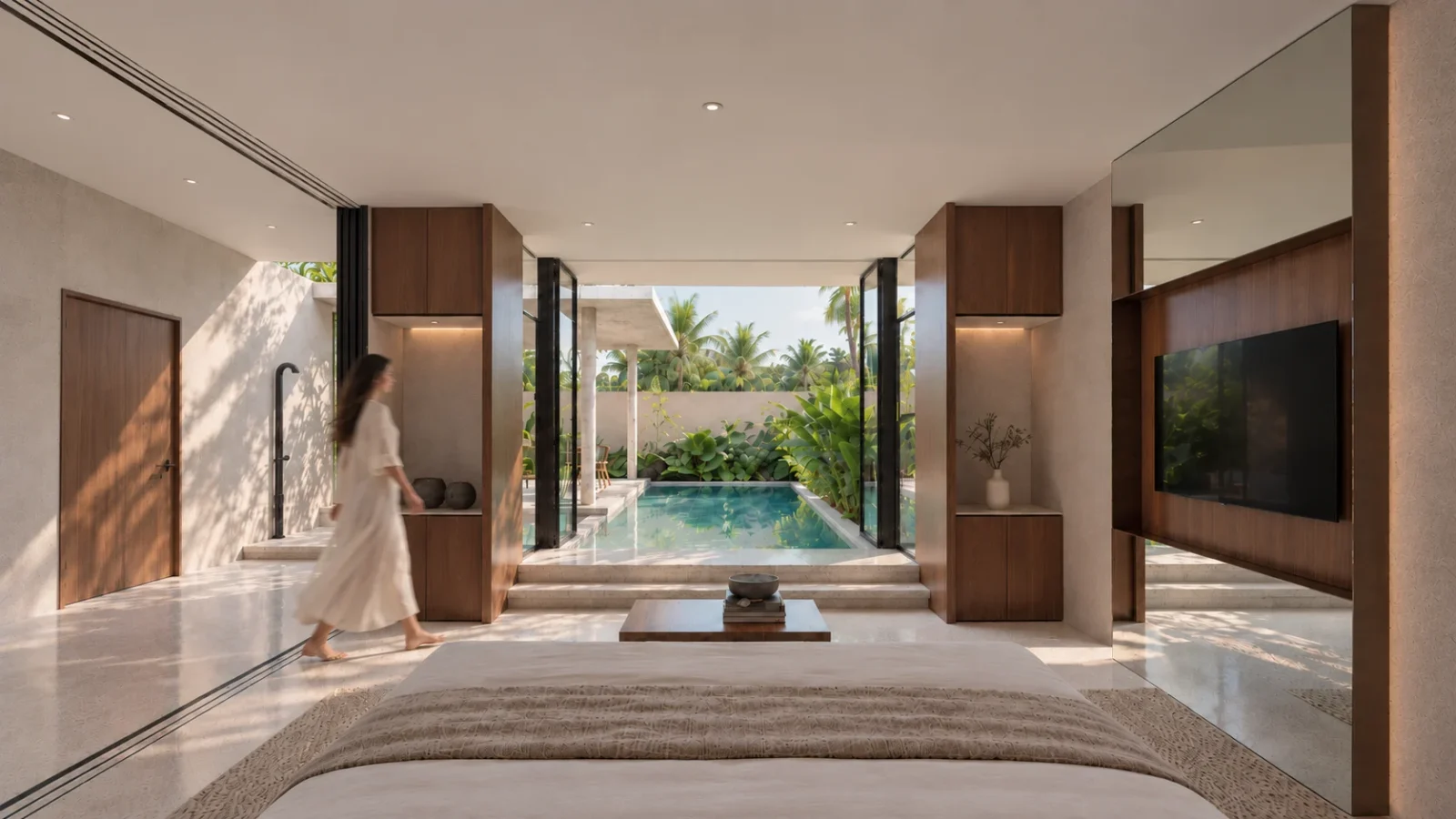
Meanwhile, there are seven categories of villas at Cluny Resorts, which are designed by Singapore architects ONG & ONG. The villas span 1,818 sq ft for a one-bedroom villa to 5,896 sq ft for a three-bedroom Grand Villa. Most villas will also feature a private pool.
Guests staying at Cluny Resorts will be able to utilise a buggy service to travel between the ferry terminal, the waterfront retail promenade, and the villas.
A new identity for Batam
The progressive opening and development of Tuan Sing's Opus Bay come as Batam is ramping up its efforts to become the go-to getaway destination in this part of Southeast Asia. The Indonesian island has recently made concerted efforts towards more growth, particularly in lifestyle and wellness-based tourism.
In 2024, the regional government created a special economic zone split across two sites: a 23.1ha health zone in Sekupang, anchored by a hospital from India’s Apollo Hospitals and Indonesia’s Mayapada Healthcare, and a 24.07ha tourism zone in Nongsa.
Batam's regional government is also targeting growth in the digital economy, building data centres to serve Singapore-based technology firms. Singapore’s DayOne is building a 72MW campus at Nongsa Digital Park, and a US$5 billion (S$6.5 billion) AI data centre project was announced for Nongsa in May.
Collectively, these developments and economic plans add to Batam's existing base as a manufacturing hub, which is supported by a free trade zone enacted in 2009. The Batam-Bintan-Karimun region is home to five special economic zones that offer tax concessions, expedited permits and licensing, and dedicated infrastructure for foreign investors.
According to Indonesian tourist data, Batam recorded 143,523 foreign visitor arrivals in July 2026, up 16.19% y-o-y. Singaporeans accounted for 40% of foreign arrivals to the Riau Islands, which includes Batam, from January to July this year.
At Opus Bay, Tuan Sing seems to be hoping that its dedicated ferry terminal and ferry service - which is a 45-minute ferry ride from Singapore - will encourage more Singaporeans to consider Batam, and its new integrated resort, as a regular destination.
What's the Batam Market Looking Like?
Transaction data from Indonesian property portal Rumah123 shows that listing prices for apartments across Batam have moderated in recent months. Last month, the median asking price for a Batam apartment fell 1% to IDR 776.57 million ($59,400), while houses held flat at IDR 1.5 billion ($115,000).
There are underlying concerns that the success of the Batam property market depends on foreign demand, similar to concerns about growth in Malaysia's Johor Bahru, which can change quickly.
In general, foreign buyer demand for Batam properties, especially hospitality and serviced apartment-style developments, also hinges on developers' ability to complete projects up to expectations and on time. Buyers also consider the stability across the business and political sectors to support long-term growth.
There’s also the risk of short land leases, as developers in Batam can only hold land for set terms in some developments, allocated by the island’s free-zone authority. These typically run 30 years, with renewals requiring approval and fresh land fees.
Finally, concerns about basic infrastructure are certainly salient, with the recent data centre expansion on the island triggering protests from residents over water shortages. It remains to be seen whether the public infrastructure can keep up with the heavy demands that such large-scale developments will bring to the island.

0 Comments