



This is a contributed article written by Otto Twist, Southeast Asia Director, International Residential Sales at Savills Singapore.
Generally speaking, property buyers who aspire to own a second home overseas tend to fall into one of three camps: an investment property purchased primarily for returns, a holiday home reserved for a few weeks of personal use each year, or buying a property to support their children studying overseas.
Increasingly, however, the distinction between an overseas investment asset and a holiday home is becoming less clear.
Buyers looking at a second home overseas may want a property they can genuinely enjoy themselves, while also considering how it can be used during the months when they are not there. That could mean renting it out for part of the year, spending longer periods there as their circumstances change, or eventually using it as a more permanent home.
This changes the way buyers consider which overseas market they want to shortlist, as well as the type of property that they may be eyeing.
Location and price remain important factors, but so too are other questions such as how often they intend to use the property, who will manage it when they are away, whether there is a viable rental market, and whether the home will still suit their needs five or ten years from now.
The conclusion can vary depending on whether the buyer is considering an apartment in Osaka or Bangkok, a villa in Phuket, or a home in one of Japan's ski destinations.

The second home has to do more
Lifestyle is often the starting point for a holiday-home purchase. Buyers may already have a connection to a destination through regular holidays, food, culture, skiing or simply familiarity with the city. But enjoying a destination as a visitor and owning a home there are two different propositions.
A property that sits empty for much of the year still incurs maintenance, management and other ownership costs. For some buyers, the ability to rent the home during periods when they are not using it therefore becomes part of the purchasing decision.
That does not necessarily mean maximising rental yield is the overriding objective.
A buyer who intends to spend several months a year in the property may make very different choices from an investor seeking the highest possible return. They may place greater value on a particular location, larger living spaces, amenities or proximity to the activities they enjoy, even if another property could potentially deliver a stronger yield.
In addition, developments that come with a fully managed service, whether provided by the agent at the point of purchase or by the developer, are now the most in demand.
Based on our teams’ interactions with these types of buyers, they are often looking for a hands-off approach, with income generated from their property. We’ve found that it is crucial to understand the role the property is expected to play.
A home bought primarily for family holidays but rented for the remainder of the year is different from an investment property that an owner occasionally occupies. That distinction should influence everything from location and property type to furnishing, management and financing.

City or resort? The economics can be very different
Urban markets such as Osaka and Bangkok offer a different proposition from seasonal or resort destinations. A city home is used for business trips, holidays and longer stays throughout the year, while benefiting from the broader demand generated by a large metropolitan market.
For buyers, that can give an urban second home a different usage and rental profile from a property in a more seasonal destination.
This is because the property market there is well-supported by local residents who live and work year-round, rather than a tourism-reliant market where occupancy rates may be closely tied to a particular season.
Yet even between two major Asian cities like Osaka and Bangkok, the considerations can be quite different.
Purchase prices, property types, ownership rules, financing and rental regulations all influence how a second home can be used and what buyers should expect from it.
For example, a buyer choosing Osaka may be attracted by a property holding a minpaku licence (permitting short-term rentals), with the benefit of occasional personal use throughout the year.
On the other hand, in Bangkok, we are seeing buyers purchase apartments in centrally located areas such as Lumphini Park or near shopping districts. These buyers tend to be purchasing weekend homes, taking advantage of Bangkok's great food and shopping scene.
The comparison demonstrates why there is no single model for an overseas city home: what works depends on both the market and what the owner expects the property to do for them.
The trade-off is that a city property may not provide the same sense of escape that attracts buyers to resort markets in the first place. Someone buying an apartment in Osaka because they regularly visit Japan has a different motivation from someone who wants to wake up beside a ski slope each winter.
This is why comparing second homes purely on price or headline rental returns can be misleading. What matters is whether the property matches the owner's intended pattern of use — and whether the economics still make sense once the periods of personal occupation are taken into account.

A ski home that works when its owner isn't there
Japan's ski destinations illustrate this particularly well.
For a Singapore buyer who skis in Japan every year, owning a home in a popular ski destination can have an obvious lifestyle appeal. Instead of booking accommodation for each trip, the family has a familiar base of its own and can potentially spend longer periods there.
But they are unlikely to occupy it throughout the ski season, let alone the entire year.
A professionally managed rental arrangement may allow the property to generate income while the owner is away. But buyers need to look beyond the headline nightly rates achieved during peak periods. Occupancy can vary throughout the year, while management fees, maintenance and other operating costs all affect what the owner ultimately receives.
For a Singapore couple considering an overseas second home, Niseko offers an interesting alternative to the traditional city apartment. At Snowville CK in Hokkaido, a new freehold, three-bedroom chalet of approximately 110 sqm starts from around S$760,000, comparable to the cost of a typical 70 sqm resale apartment in Tokyo, but with the additional benefit of private land and potential holiday rental income.
Comparable three-bedroom chalets in Niseko can command indicative nightly rates of S$650–S$1,600, depending on the season, location and property specification, allowing owners to offset some of their holding costs when not using the property themselves.

Increasingly, the appeal of Niseko extends beyond its established winter ski season, with summer activities including golf, hiking and cycling offering the prospect of broader year-round occupancy.
For buyers, the opportunity is to combine personal enjoyment with a property capable of generating income, rather than simply owning a holiday home that sits vacant for much of the year.
There is also a more fundamental question: how much of the property's prime rental period does the owner intend to use personally? If the family wants the home every Christmas, Chinese New Year and school holiday, for example, they may be occupying it during some of the periods when rental demand is strongest.
That isn't necessarily a reason not to buy. It simply illustrates why a lifestyle property should not be assessed in the same way as a pure investment. The value to the owner includes the time they spend there themselves.
Phuket shows why micro-location matters
The same principle applies in Phuket, although the market dynamics there are different.
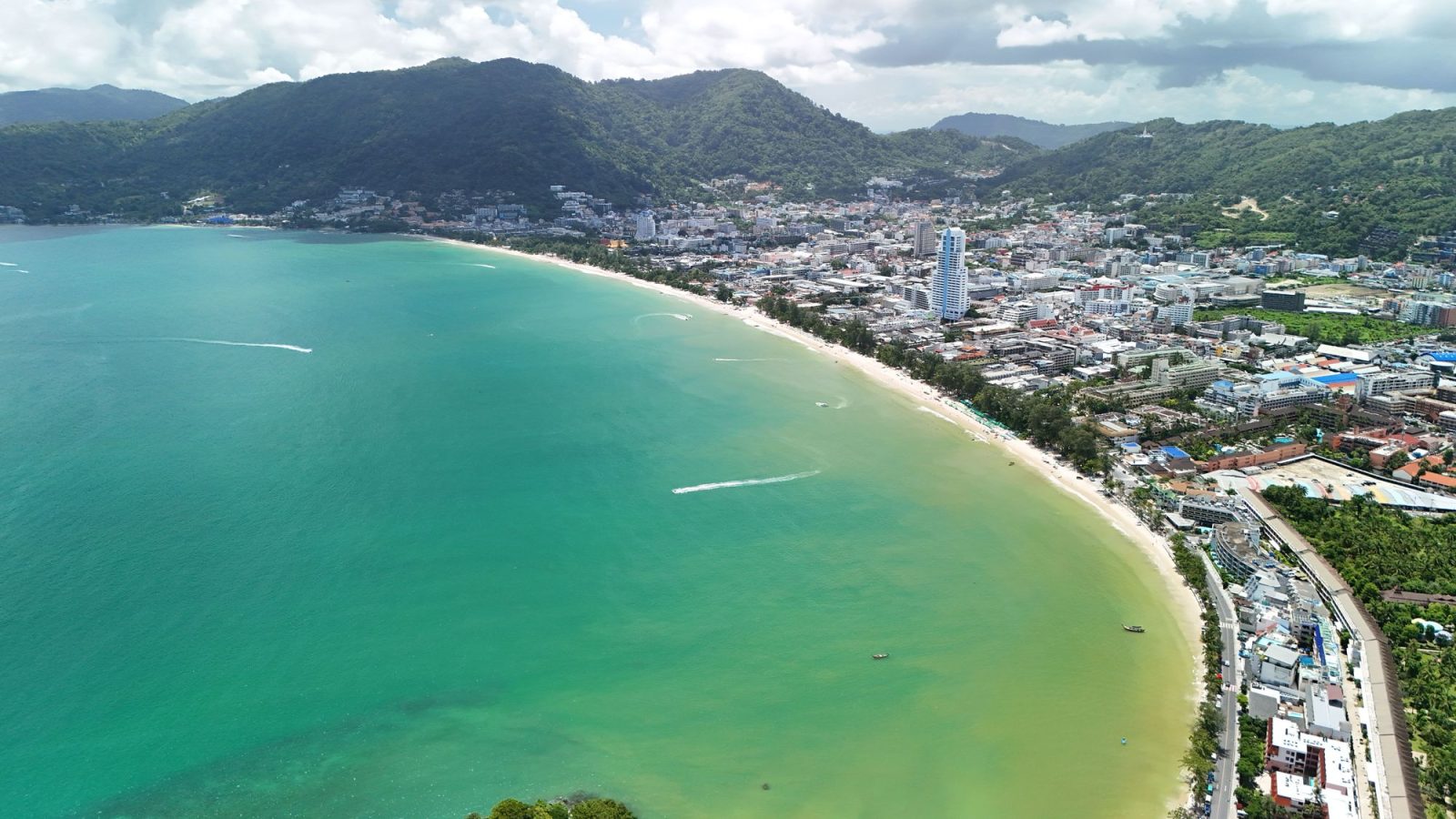
The island has long appealed to international buyers looking for a second home in a tropical destination, but "Phuket property" is far too broad a category for buyers to treat as a single market. Beachfront and inland properties can offer different price points, lifestyles and rental propositions.
A two-bedroom beachfront villa with a pool can cost around S$1.4 million, offering coastal living. On the flip side, for a similar price, a buyer could purchase a three-bedroom apartment of approximately 125 sqm, 10 minutes from the beach, within a condominium development offering full amenities.
The condominium may suit buyers looking for a weekend holiday home used for limited periods each year, while the beachfront may be more appealing to those approaching retirement who intend to spend longer periods there.
For a buyer intending to spend substantial periods in Phuket, the decision may also come down to how they actually want to live. Immediate beach access may be important to one owner; another may prefer greater space, privacy or facilities further inland.
Rental considerations introduce another layer. The property that works best for the owner's lifestyle may not necessarily be the one with the strongest rental profile, so buyers need to decide where their priorities lie before purchasing.
Think about tomorrow, not just the next holiday
Another important consideration when buying an overseas home is the time horizon.
A property bought for holidays today may eventually be used very differently. Children grow up, working arrangements change and owners may have more freedom to spend longer periods overseas later in life. A home initially occupied for several weeks a year could gradually become somewhere its owner spends several months.
For some buyers, that makes longer-term liveability an important consideration from the outset. Is the property somewhere they would be comfortable staying for months rather than days? Is it well connected to everyday amenities and transport? Who looks after it while they are away? And if their circumstances change, can the property adapt with them?
Beyond the property's rental potential, buyers also need to consider how the purchase will be financed. The options available to overseas buyers can differ considerably from those available when buying at home, and the cost and availability of financing can affect the overall economics of a holiday-home purchase.
There are practical considerations too. Rental rules vary considerably between markets, and buyers should not assume that a property can automatically be offered for short-term stays simply because there is tourist demand. Management arrangements, taxes, financing and ongoing costs also need to be understood before committing to a purchase.
Ultimately, an overseas home does not have to be either a lifestyle purchase or an investment. For some owners, it can serve both purposes, provided buyers are clear about their priorities from the outset.
The starting question should therefore be less about finding the property with the highest theoretical return and more about what the owner wants the home to do for them. A second home that fits the way they want to live, can work for them when they are away and remains useful as their circumstances evolve may ultimately prove more valuable than one chosen on a single metric alone.


0 Comments