


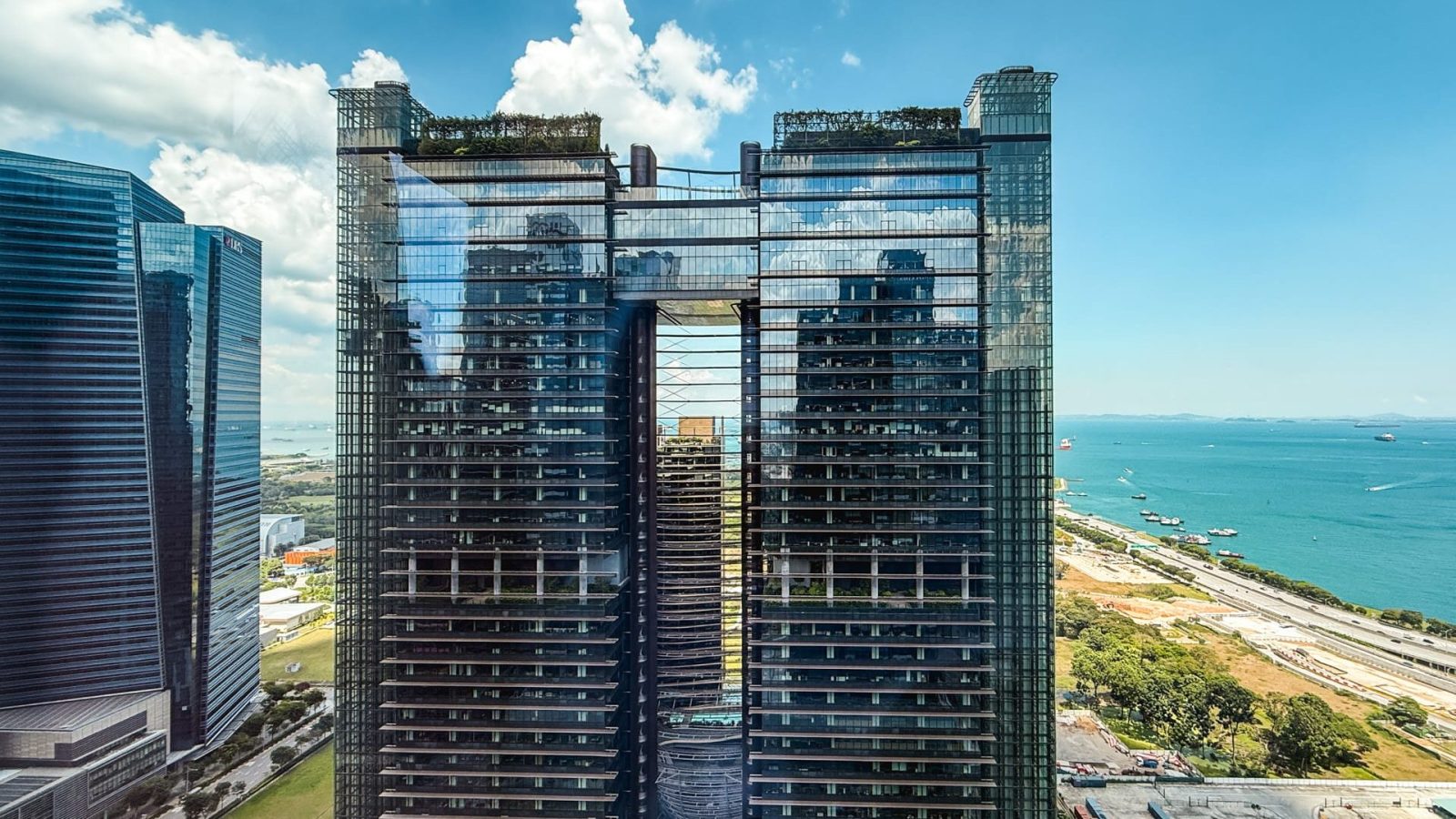
Selling a condo at a loss is relatively uncommon in Singapore. But at Marina One Residences, it's become almost the norm.
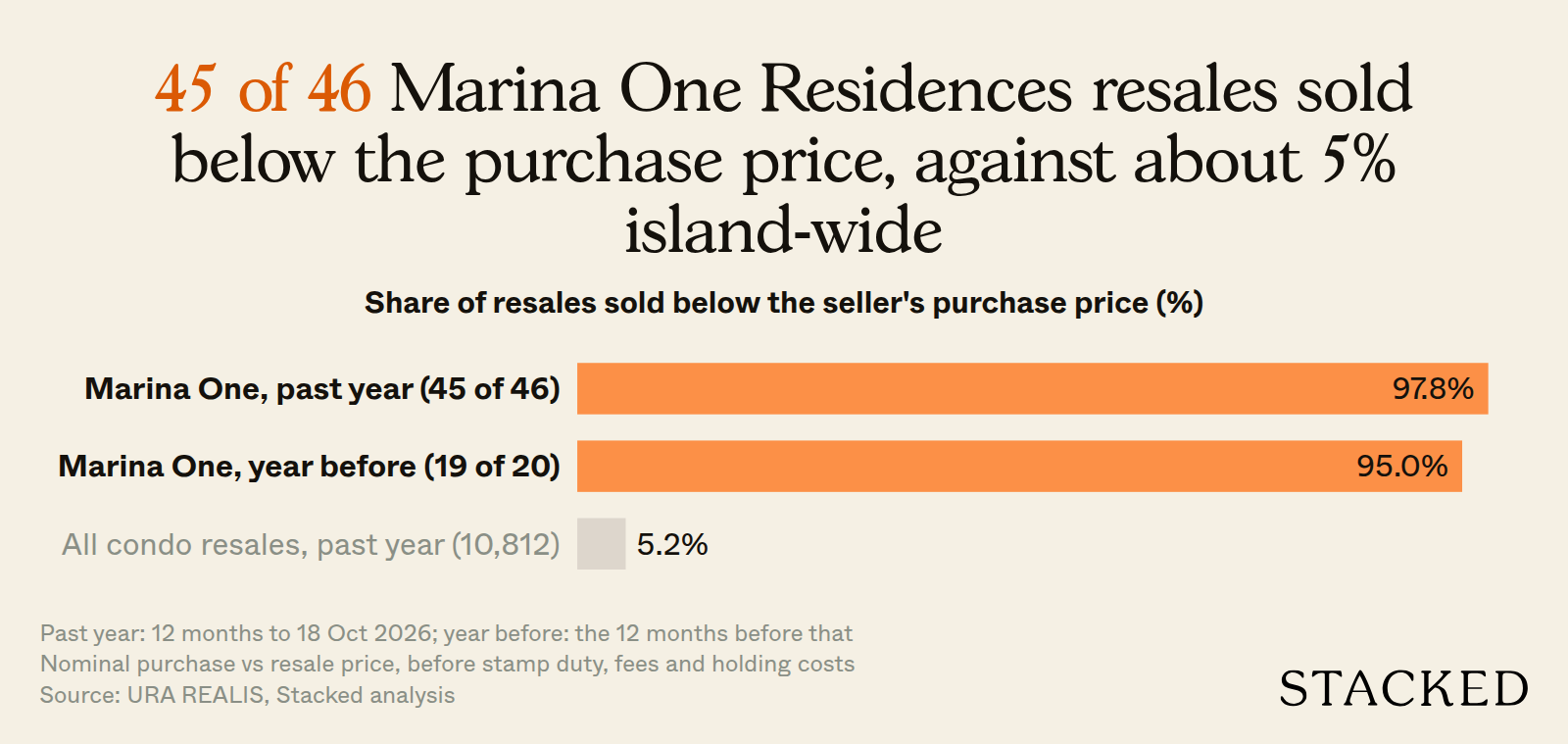
Over the past 12 months, 45 out of 46 resale transactions that we could trace back to an earlier purchase were sold at a loss. That's a staggering 98%, with the typical seller losing around $339,000, or 18.4% of their purchase price. And that's before accounting for stamp duties and other transaction costs.
To put this into perspective, just 5.2% of condo and apartment resales across Singapore over the same period were loss-making, based on non-EC properties purchased from 2000 onwards.
It's a striking contrast, particularly for a development in the heart of Singapore's Downtown Core.
So what has gone wrong for owners at Marina One Residences, and why has its resale performance been so different from the wider market?
What the numbers say
The typical seller at Marina One Residences had purchased their unit around 2019 at $2,282 psf, before selling at $1,905 psf roughly 7.2 years later.
That works out to a median loss of 18.4%, or around $339,000. Of the 46 sellers in our analysis, only one managed to turn a profit, with a relatively modest gain of 3.2%.
What's particularly interesting is that this isn't just a recent development.
In the preceding 12-month period, 19 out of 20 resale transactions at Marina One Residences also recorded a loss. That's 95% of sellers, compared to 98% in the latest period.
As the chart below shows, this stands in sharp contrast to the wider Singapore market, where just 5.2% of the 10,812 condo and apartment resales in our latest comparison were loss-making.
While the earlier period had a much smaller sample of just 20 transactions, the figures suggest that the losses at Marina One Residences aren't simply a one-year anomaly.
Who is selling, and when they bought
What's particularly striking about Marina One Residences is that the losses aren't confined to owners who bought at a particular point in time.
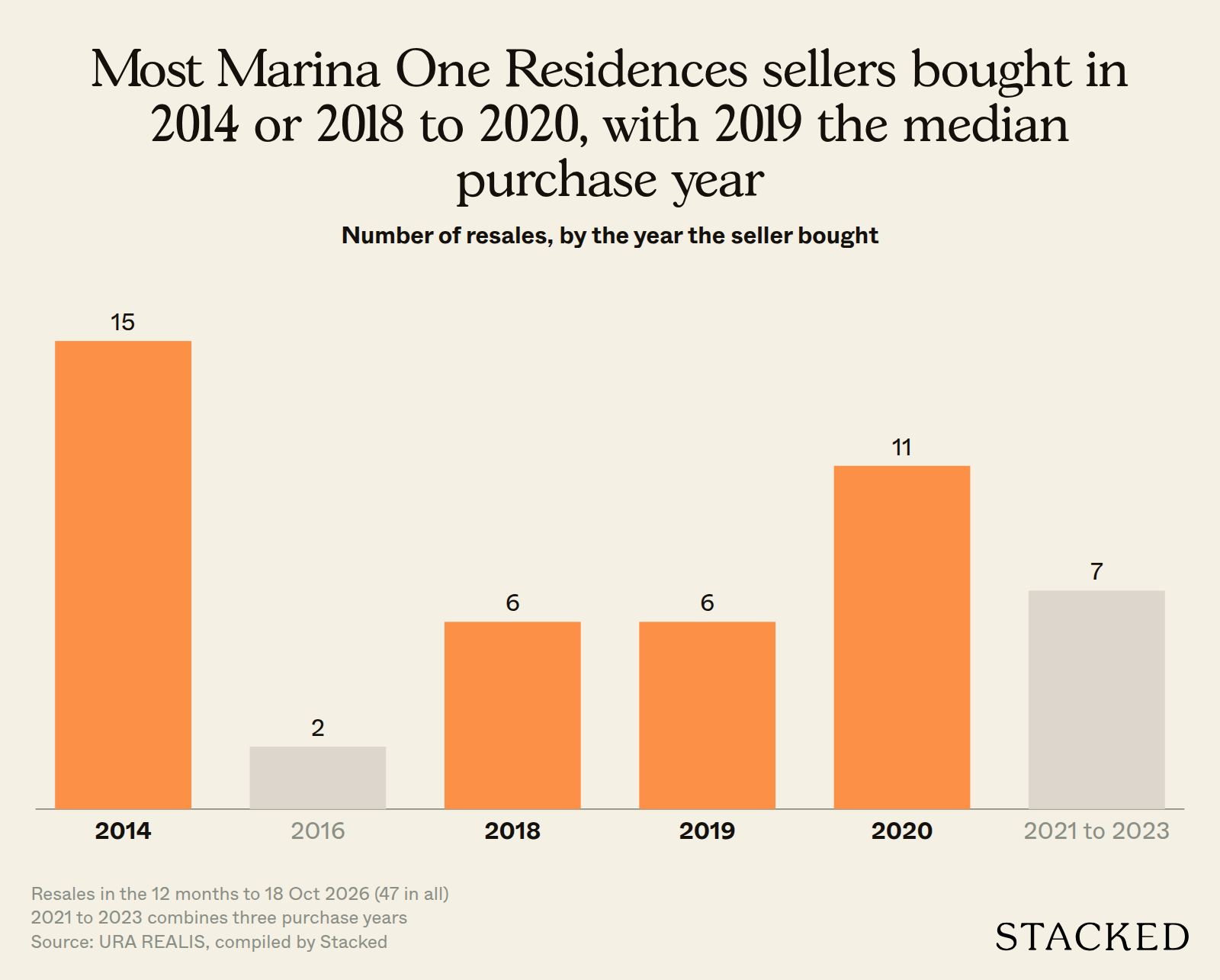
Looking at the 47 resale transactions we could match to earlier purchases, sellers had bought their units across different years, with notable concentrations in 2014, 2019 and 2020. The median purchase year was 2019.
Some owners had held their units for more than a decade, while others bought much more recently. Yet almost all ended up selling at a loss.
The chart below shows when these 47 owners originally purchased their units, including one loss-making transaction excluded from our earlier analysis due to a flagged caveat.
What This Means For Buyers And Owners
At a median resale price of $1,905 psf, buyers today are entering at prices considerably below what many previous owners paid. The high proportion of loss-making transactions also suggests that sellers have been willing to accept these lower prices rather than continue holding out.
That could present an opportunity, although it doesn't necessarily mean prices have bottomed out. What matters is whether Marina One Residences represents good value compared to other condos in the area, rather than simply being cheaper than what previous owners paid.
It's also worth remembering that our calculations only account for the difference between purchase and sale prices. Once stamp duties, agent commissions and other costs are factored in, the actual losses could be considerably higher. On the other hand, owners who rented out their units may have collected years of rental income that helped offset some of these losses.
Why Has Marina One Residences Performed So Poorly?
This brings us to a more interesting question. Why has a development in a prime location struggled so much with resale profitability?
There isn't one obvious explanation, but we think part of the answer could lie in the type of buyers Marina One Residences attracts.
On paper, the development has plenty going for it. It has a good location, has excellent MRT connectivity, and offers the facilities and convenience of an integrated development.
But being a convenient place to live for someone working in the CBD isn't necessarily the same as being a desirable home for the wider resale market.
Unlike established residential neighbourhoods such as River Valley or Bukit Timah, the Marina Bay area is primarily a commercial district. While there are plenty of dining and retail options, it doesn't offer quite the same residential environment or school options that many families prioritise.
This could make Marina One more appealing to investors and tenants than to families looking for a long-term home.
And there's another factor worth considering: the size of the units.
While Marina One has its share of compact one-bedders, its larger layouts are particularly generous by today's standards. Two-bedroom units range from 969 to 1,281 sq ft, while three-bedders are between 1,507 and 1,593 sq ft.
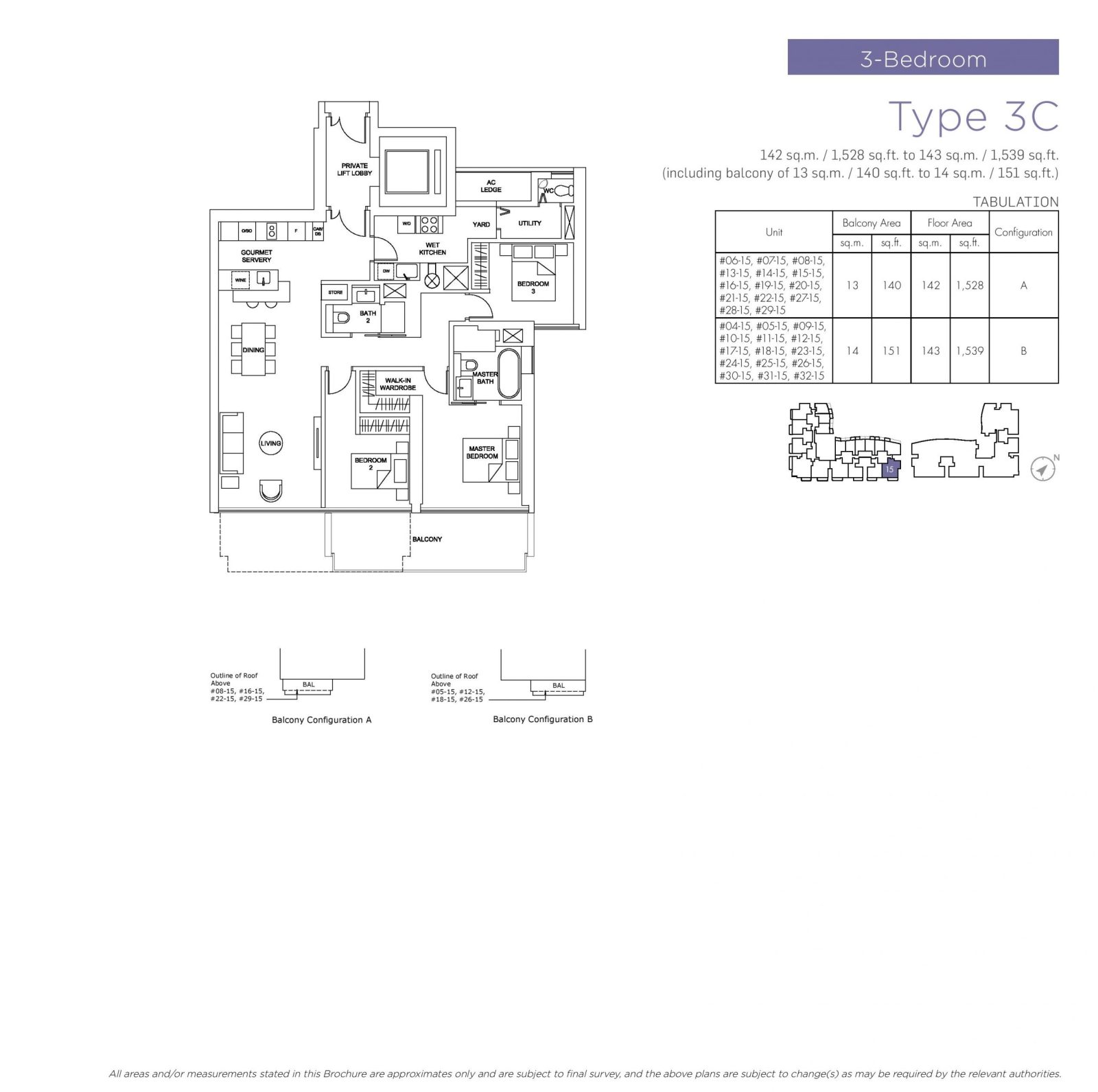
That's certainly attractive for buyers who value space, but it also means a higher overall price.
Even at $1,905 psf, a 1,500 sq ft unit would cost close to $2.9 million. At that price, buyers have alternatives, including condos in more established residential neighbourhoods.
The changing profile of buyers could also have played a role.
When Marina One Residences first launched in 2014, it attracted considerable interest from investors, including foreign buyers. In fact, the initial launch saw substantial bulk purchases, with some buyers purchasing multiple units.
But the market has changed considerably since then. With Additional Buyer's Stamp Duty (ABSD) for most foreign buyers now at 60%, an important segment of the potential resale market faces a much higher cost of entry.
That could have made it harder for existing owners to find buyers willing to pay the same premiums they originally did.
Of course, these are possible contributing factors rather than conclusions we can draw directly from the transaction data. And Marina One isn't the only CBD development that has struggled with resale profitability.
Still, the figures highlight an important distinction that buyers sometimes overlook.
A condo can have an excellent location, generous layouts and strong appeal to tenants, yet still struggle to appreciate in value.
Ultimately, the price you pay matters. But so does the type of buyer who will be willing to take the property off your hands when it's time to sell.


0 Comments