


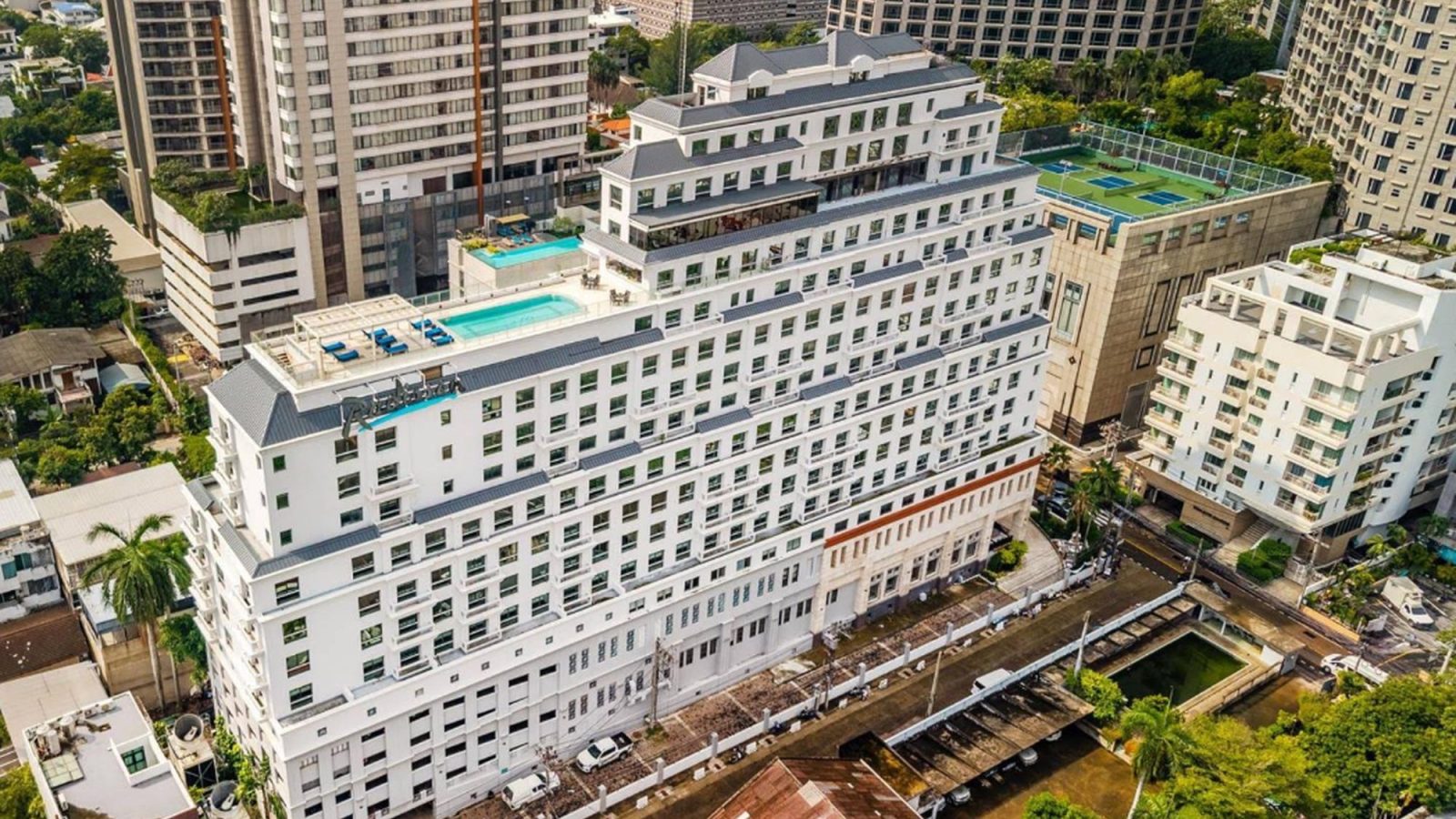
After more than three decades, the family-owned hotel Chateau de Bangkok has transformed into the new Radisson Hotel Chateau de Bangkok.
This appears to be a timely change, against the backdrop of major redevelopment and changes in land ownership in the surrounding neighbourhood. This includes the court-ordered demolition of two nearby properties, Aetas Hotel and Aetas Residence, following building height violations under Thailand's Building Control Act.
Owned by the Karnchanachari family, Chateau de Bangkok operated as a serviced apartment prior to the rebrand under the Radisson Hotel Group. The landmark hotel stepped into a new chapter earlier this year following a period of renovation.
Located at Soi Ruamrudee in Ploen Chit, a commercial and residential district in downtown Bangkok, the 178-room hotel continues to honour its heritage while embracing European-inspired elegance and contemporary Thai hospitality.
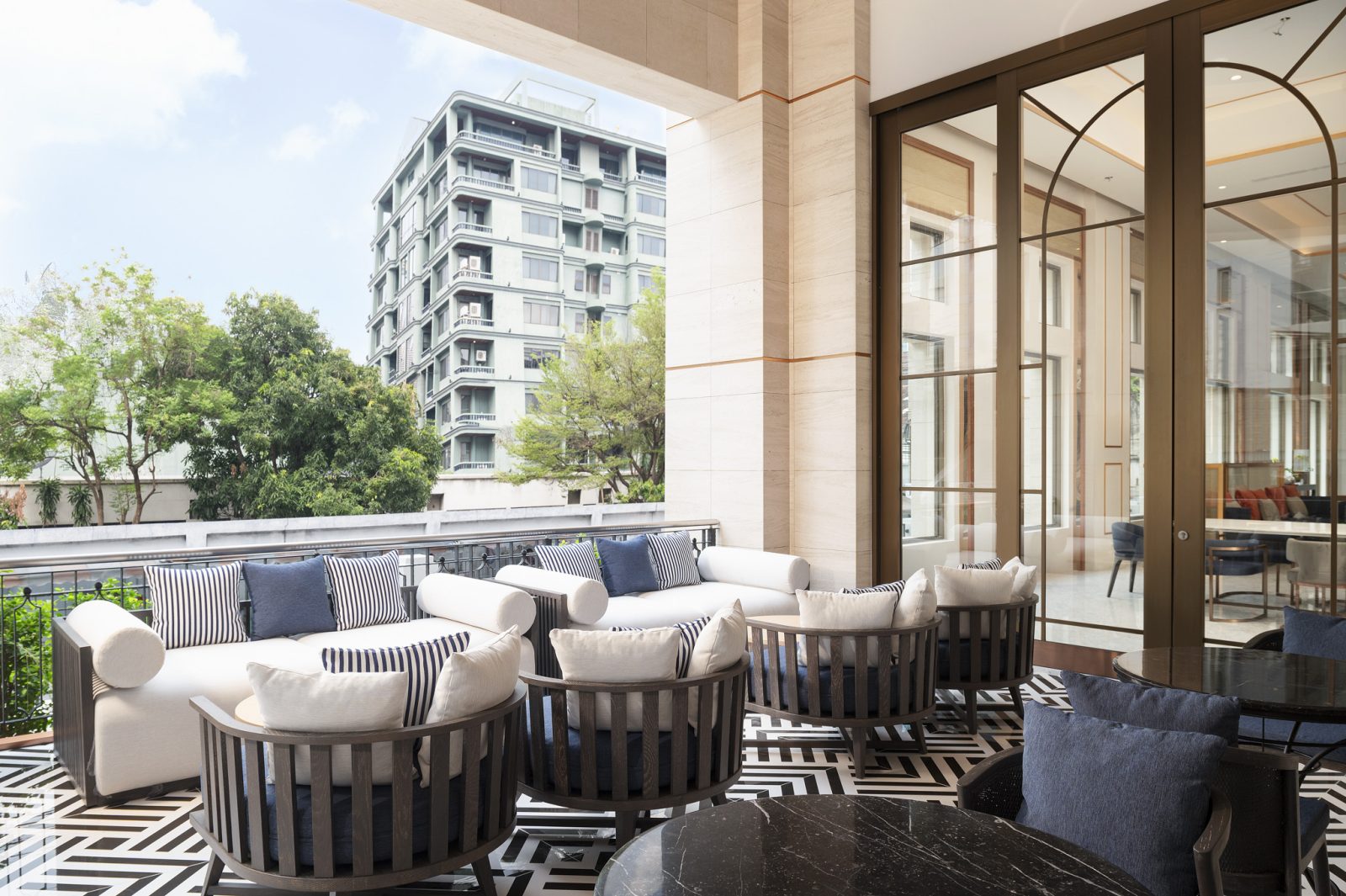
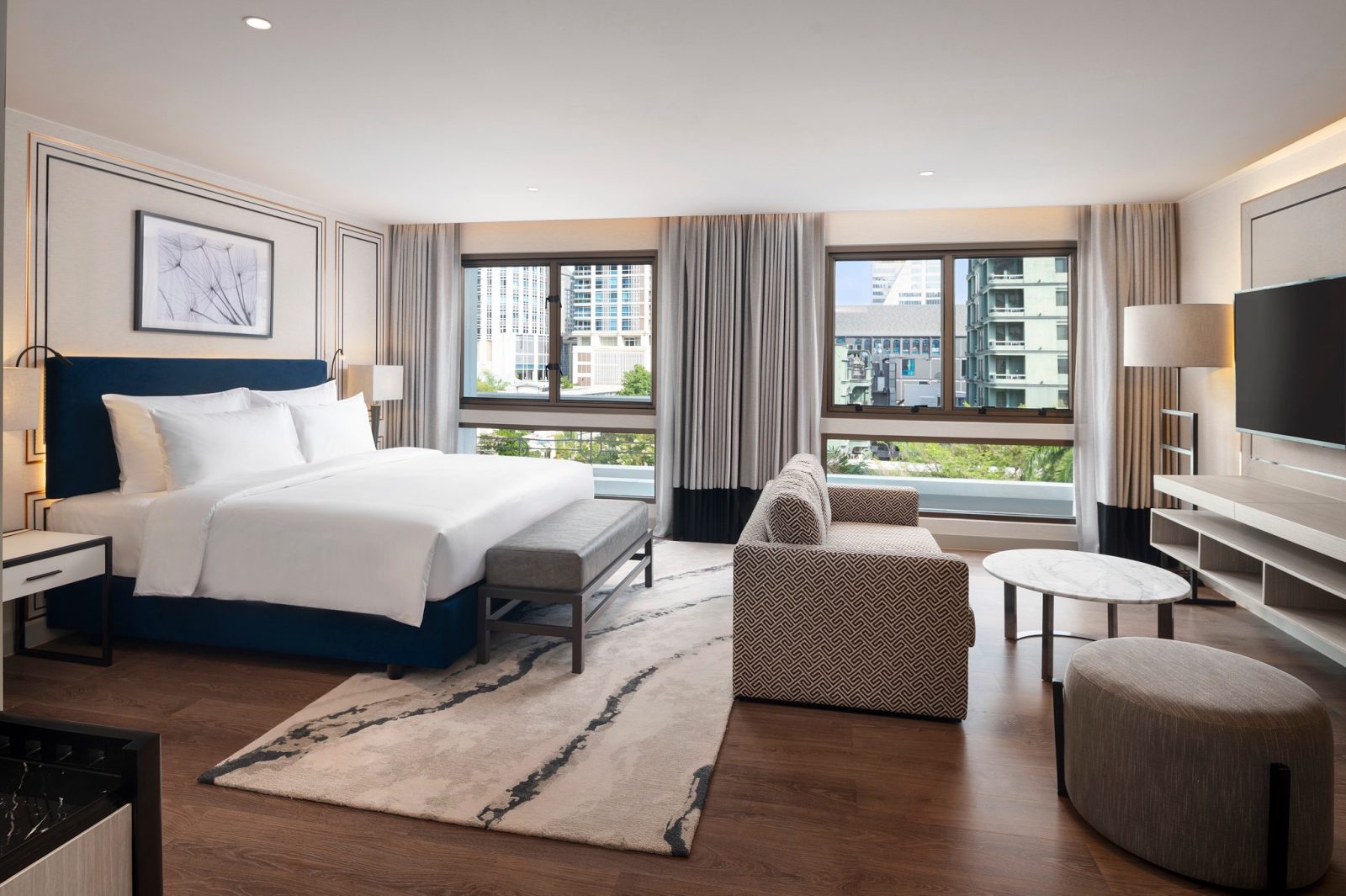
The hotel offers superior, deluxe, family rooms and junior suites and one-bedroom suites, spanning 32 to 57 sqm (344 to 614 sq ft). For long-stay guests, the suites come with kitchenettes.
The hospitality property features three full-service restaurants and a bar. Other amenities include an indoor fitness centre, a spa room, as well as meeting & event facilities. The Crystal Lotus Hall accommodates up to 250 guests, while the Ploenchit meeting room and Ruamrudee boardroom offer more intimate spaces and can be combined to fit up to 100 guests.
A design philosophy driven by harmony
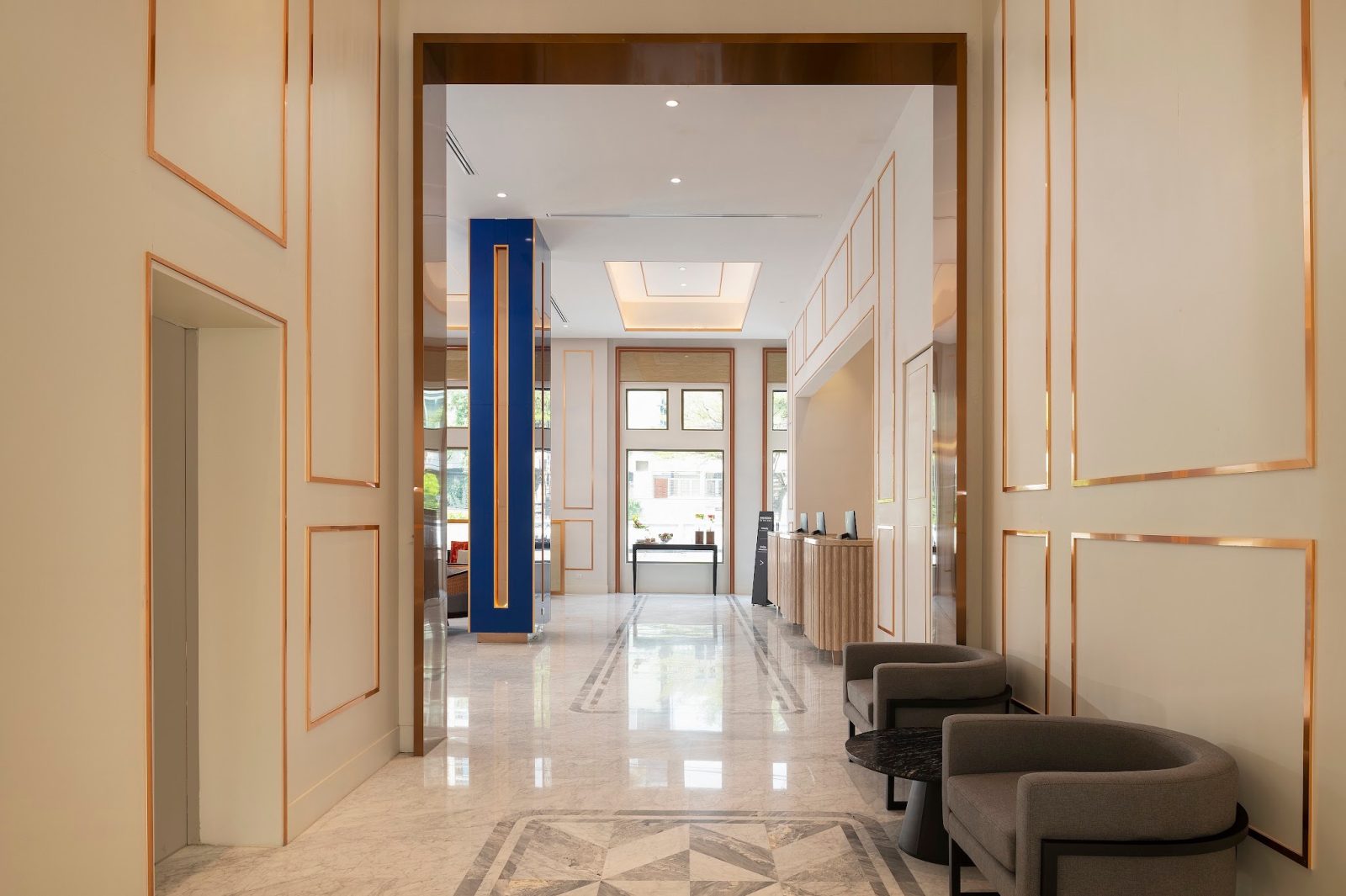
At the heart of the hotel’s transformation is a Feng Shui-inspired design philosophy guided by the concept of “harmony within a home”.
In the family's interpretation of Feng Shui, the number six represents love, harmony, and the connections shared among family members. Hence, it inspired the six design 'chapters' that unfold throughout the hotel, with a unique element reflecting the essence of what makes a house feel like a home.
Drawing inspiration from nature, the hotel lobby has a Lotus Wall, which symbolises purity, resilience, and renewal in Thai culture.
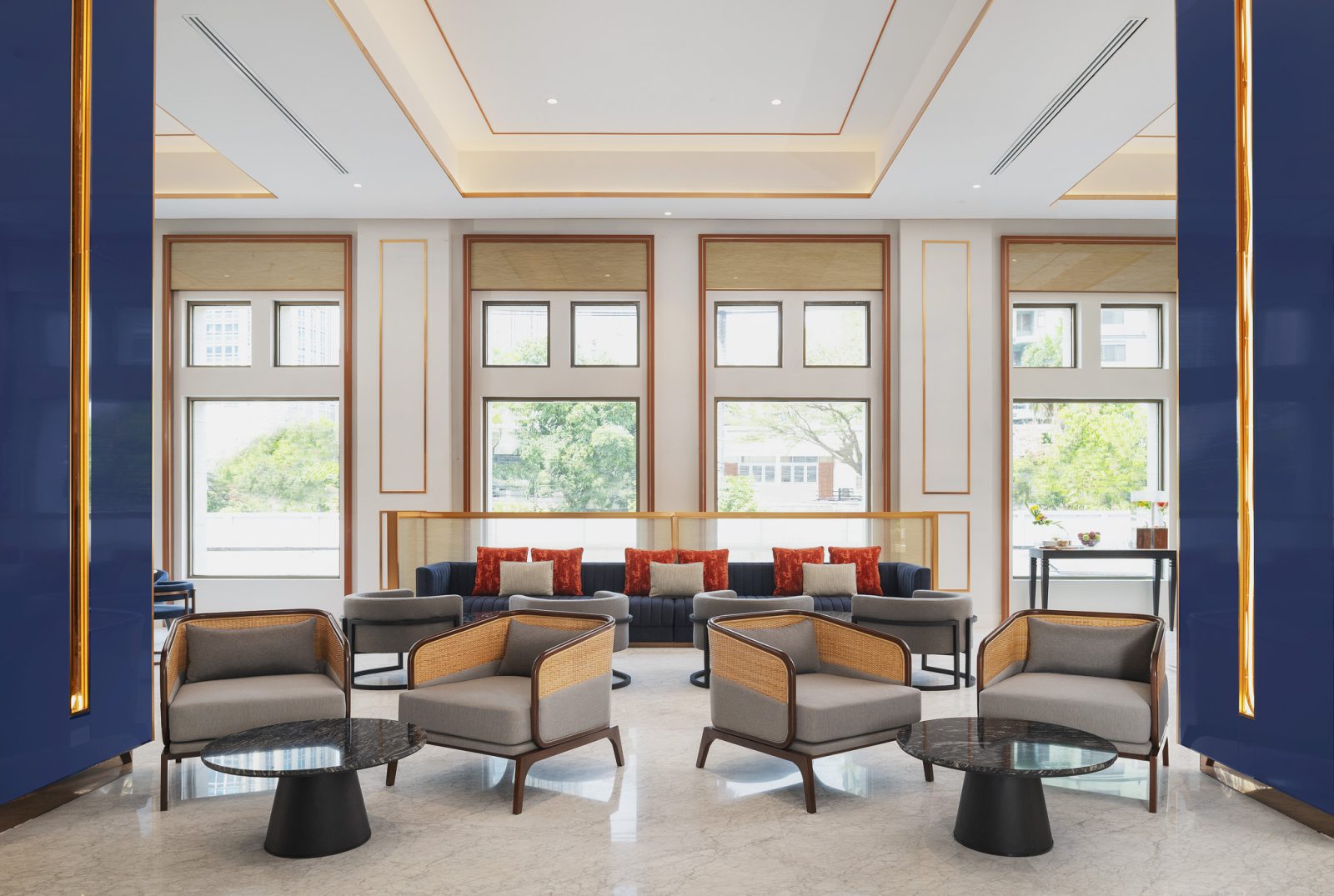
The second 'chapter' begins with the Golden Birds art piece at the reception, which welcomes each guest with an invitation to discover, connect, and experience something new. The third 'chapter' is represented by The Golden Bell at Chateau Botanique, a ceiling feature at the restaurant to mark moments of significance, bringing people together for celebrations, ceremonies, and shared experiences.
The exterior of the hotel features the fourth chapter, The Art Wall, a visual invitation for guests to experience the restaurant beyond flavours, and to celebrate memorable dining through bold colours, dynamic compositions, and imagery inspired by food and drink.
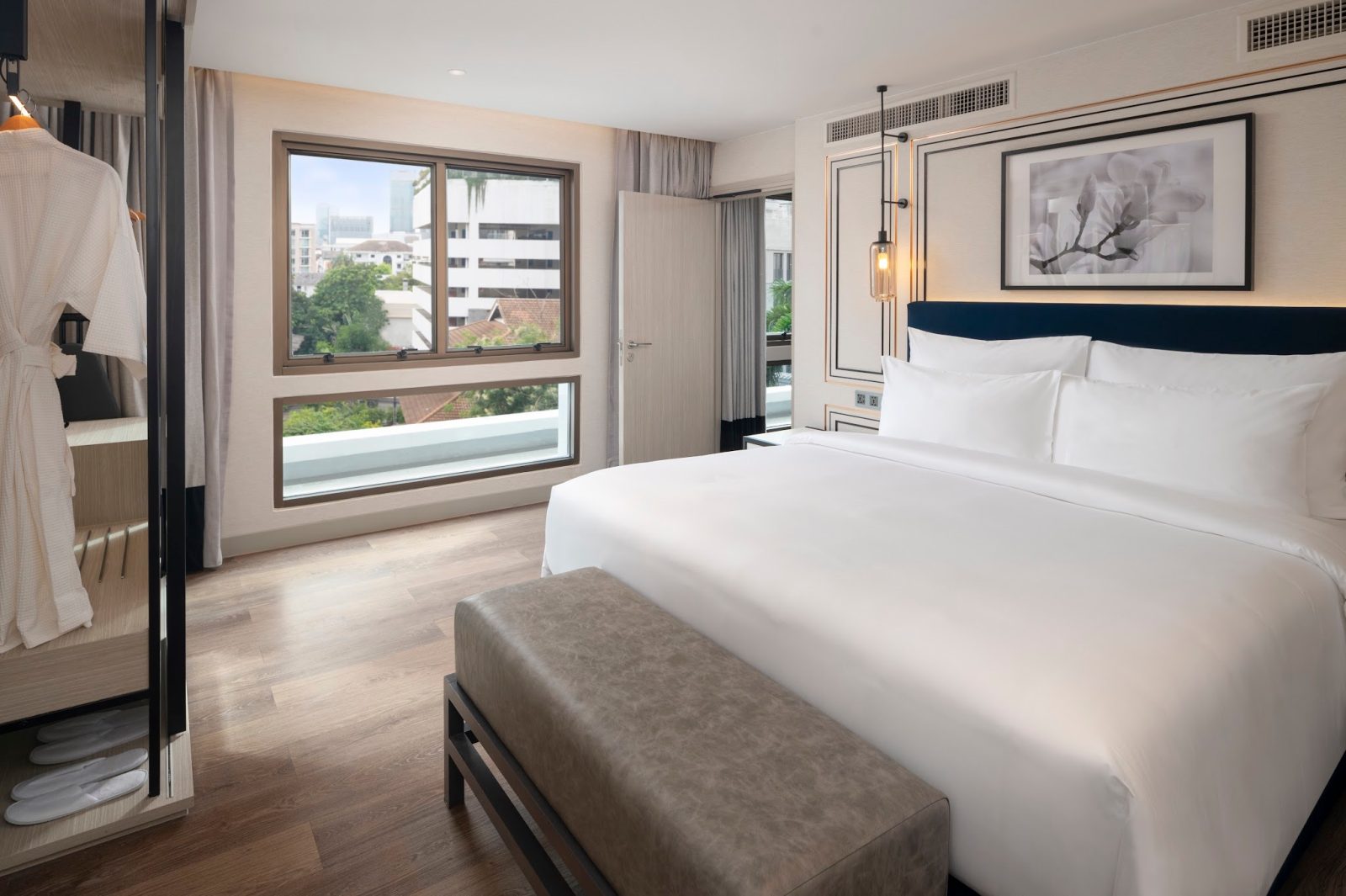
Next is the Golden Mirror in each guest room, a reminder that the beauty of a destination is found not only in discovering places but also in the memories we bring home. Finally, the 12th-storey outdoor swimming pool offers panoramic city views and features intricate geometric tiles that create a beautiful sense of rhythm and symmetry.
The harmonious blend of classic patterns, refreshing colours, and open city views captures the hotel's design philosophy, bringing timeless European influences into a distinctly modern urban setting.
About the neighbourhood
Soi Ruamrudee, the lane where the hotel is located, connects Ploenchit Road and Wireless Road, commonly known as Bangkok's embassy row. The quieter and greener lane is peppered with serviced apartments, condos and hotels and is about 500m away from Ploen Chit BTS Skytrain station.
The hotel is about a 40-minute drive from Suvarnabhumi International Airport and 30 minutes from Don Mueang International Airport.
For business and leisure travellers, the central location offers easy access to major transport hubs, top shopping and dining destinations, key business districts, and diplomatic offices.
Recent land changes include the former Netherlands embassy site on Wireless Road, which has been subdivided into three separate plots. The 3.17-hectare freehold site has potential for a mixed-use development, although no buyers have been confirmed.
New projects in the vicinity include Upper House Residences Bangkok and The Wireless Residences by Upper House. The developments under joint venture between Thai developer City Realty and Hong Kong’s Swire Properties are slated for completion in 2030.

0 Comments