



If things go according to plan, 40,000 commuters will be taking the Johor Bahru-Singapore Rapid Transit System (RTS) on a daily basis when the 4km cross-border service launches in January 2027.
Malaysian and Singaporean authorities estimate that ridership will progressively increase as operations stabilise, with a maximum capacity of 140,000 Singaporeans and Johoreans commuting on the RTS line on a daily basis this time next year.
Recently, I had the chance to speak to a leading Bursa-listed Malaysian property developer, to find out how they intend to capitalise on the expected increase in buying interest for residential properties around the Bukit Chagar RTS station - the terminus on the JB side.
While this developer says that they are on the look-out for redevelopment opportunities in the vicinity, this was tempered with some caution given the degree of uncertainty regarding the dispersal plan around Bukit Chagar.
This conversation took place before news broke that Malaysia’s cabinet approved a RM10 billion budget for an Elevated Autonomous Rapid Transit (e-ART) project to alleviate traffic congestion in JB.
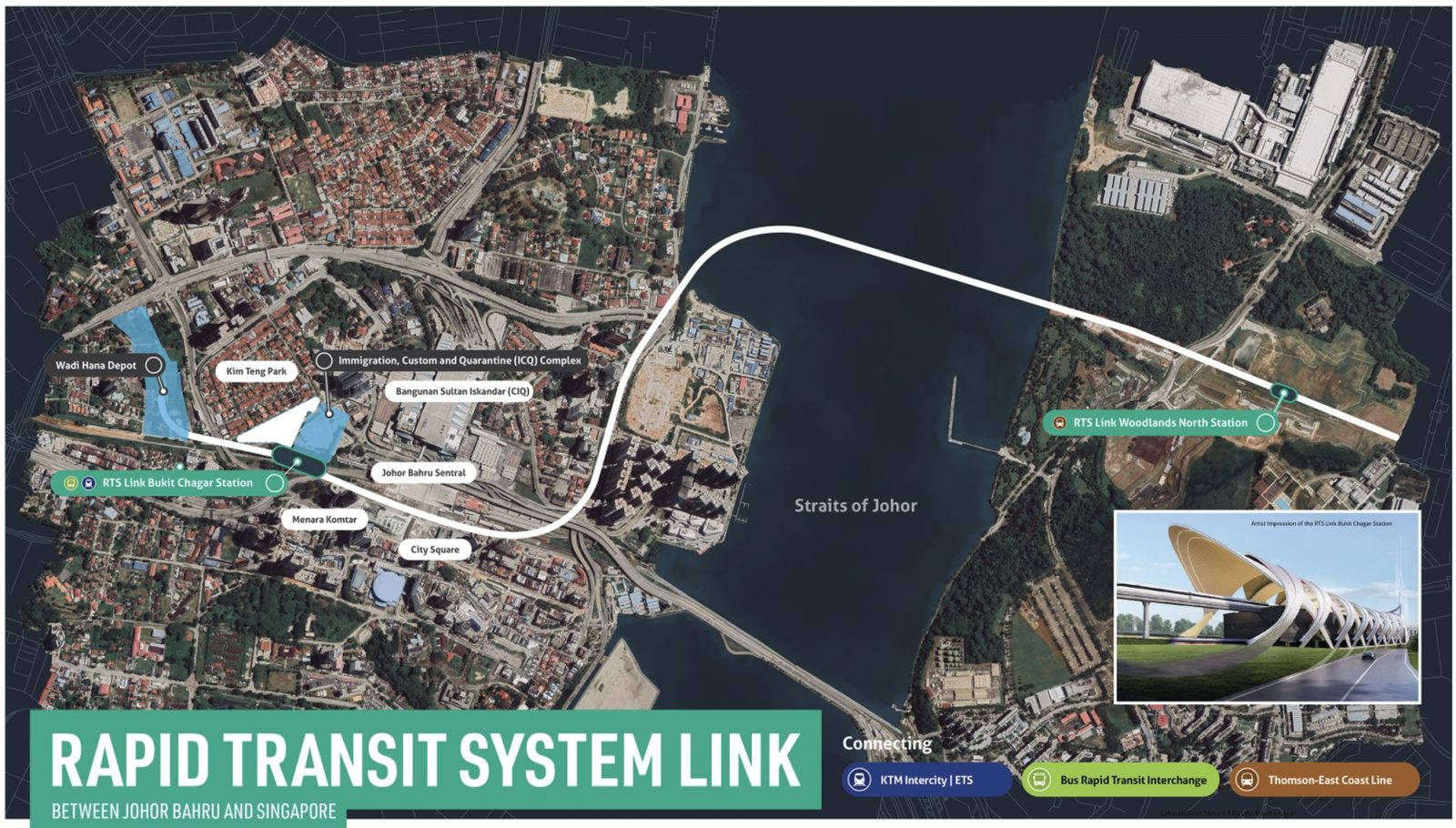
This is a hybrid transit system that combines a bus network with a new light rail transit, the planned 30km route would span three main corridors- Skudai, Tebrau, and Iskandar Puteri. It would also integrate directly with the Bukit Chagar RTS station, and is expected to be Johor’s last-mile RTS connectivity plan.
There is growing pressure to ensure that JB and the surrounding areas are prepared to deal with the expected influx in traffic volumes from 2027 onwards. The electric train service (ETS) between Kuala Lumpur and Johor Bahru has been operational since December 2025, and the RTS will be operational in January 2027.
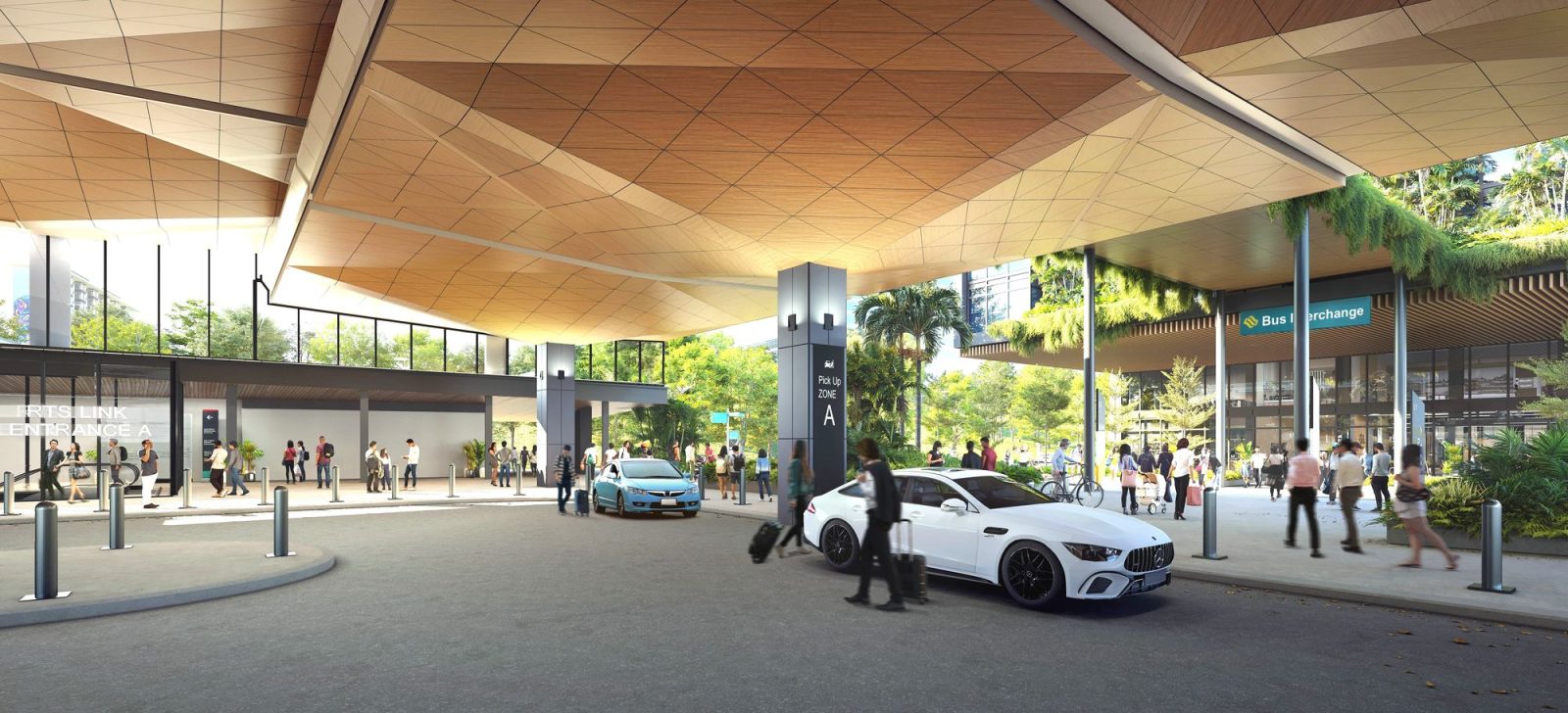
Over on the Singapore side, the Woodlands North RTS station will be directly linked to Woodlands North MRT station on the Thomson-East Coast Line. This is part of a multi-model transport hub at Woodlands North.
Passengers heading to Malaysia will clear both Malaysia and Singapore customs at the adjacent Customs, Immigration, and Quarantine (CIQ) building, before entering the RTS station. Passengers from Malaysia would have already cleared customs checks at Bukit Chagar, and can directly exit Woodlands North once they alight from the train.
The volume of traffic crossing the border, especially the Johor-bound vehicular floor, will be increased as cross-border taxi services pick up. Licensed Singapore- and Malaysia-registered taxis have been allowed to let passengers alight anywhere in Singapore and some areas in Johor when they cross the border, according to new regulatory changes implemented in May 4. There are 200 taxis that are eligible, and this will gradually increase to 500.
Samuel Tan, founder and CEO of Malaysian real estate consultancy Olive Tree Property Consultants, says that land prices near Bukit Chagar RTS station have surged, with the budget-approved e-ART project expected to shift investment and development interest from speculative growth towards more concrete development focus.
He adds that when Singapore’s Vehicle Entry Permit fee increases in 2027 - from $35 per day to $50 for cars, and from $4 per day to $7 for motorcycles - this will push more regular commuters to switch to the RTS.
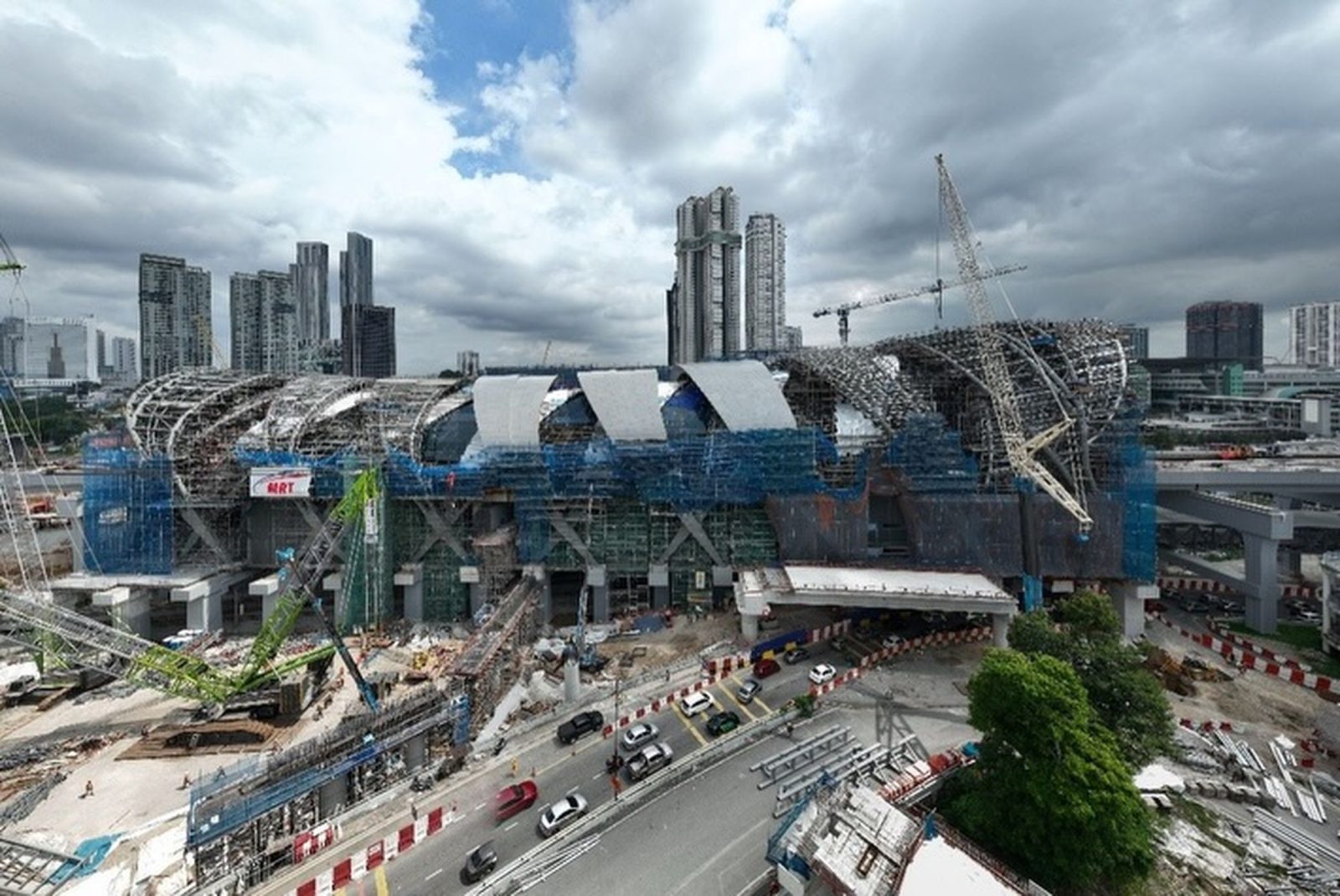
This should significantly elevate ongoing congestion on the Causeway, but the increase in commuters arriving at, and around, the new Bukit Chagar RTS station in JB will intensify the spotlight on the Johor government’s dispersal plan around the station.
Tan says that this will also encourage more commuters on the RTS to hunt for residential properties close to the RTS stations. “These buyers will prioritise the convenience of living close to the station, and the ease of accessibility when they travel to Singapore”.
He adds that a more reliable and efficient transport plan would also improve the appeal of the Johor-Singapore Special Economic Zone (SEZ), while enabling Singapore-based professionals to work in Johor more effectively.
While anticipation is rising for the launch of the RTS, business leaders and market analysts are still hanging on for more details surrounding the master plan of the SEZ. The plan was initially expected to be released in March this year, but has been delayed and is supposed to come out by June.
Tan reckons that the master plan might eventually resemble elements of the Hong Kong-Shenzen model in China, which has deepened the economic integration and cross-border business activities of both cities.
“Singapore serves as the financial hub and headquarters for many multinational corporations, while Johor offers land availability and labour at comparatively lower costs,” says Tan. He adds that this complementary model strengthens Singapore and Malaysia’s position in Southeast Asia as a joint regional investment destination.
Global investors are already taking note of the potential benefits that this cross-border integration will bring. Last year, Johor raked in RM110 billion in approved international investments - the highest among Malaysia’s 14 states. The state is reportedly eyeing a higher target of RM140 billion in approved investments in 2026.
Tan also points to recent residential transaction data in JB over the first three months of this year, which suggest that the market there hasn’t recorded significant price increases or upward rent adjustments so far this year.
All of these infrastructure development plans and the formation of the SEZ has piqued the interest of many Singaporean-based investors and buyers, who are eager to capitalise on the increased reliability of cross-border travel for business, or to enjoy a more affordable lifestyle that also takes advantage of Johor’s more affordable property prices compared to Singapore.
We recently published a contributed article about how the RTS is changing the way some Singaporeans think about living in Johor, and the increase in enquiries for the My Malaysia Second Home (MM2H scheme). Tan also contributed an article cautioning Singaporeans why ‘cheap’ Johor property can quickly get expensive for Singaporeans.
However, Tan reckons that Johor’s property sector is likely to remain manageable, supported by catalysts such as the Johor Bahru-Singapore RTS and the Johor-Singapore SEZ.
Some landmark developments in JB will probably capture the attention of property investors and buyers. The first that comes to my mind is Tropicana’s master planned Lido Waterfront Boulevard, which is a mixed-use township close to the RTS station. We recently reviewed the first residential development there, the 1,596-unit branded residence Skypark Kepler which will be operated by Banyan Group.
The other major development is a new integrated project that will be linked to Bukit Chagar RTS station. The 4.23-acre site, which is called the Bukit Chagar Integrated Mixed-Use Development for now, is a public-private development by Bursa-listed Sunway Group and Malaysia’s MRT Corp.
The master agreement between the two companies was signed in February 2025, and the first development phase of the project broke ground a month later. It is planned to be seamlessly linked to the ICQ Complex and Bukit Chagr RTS station.
This mega-project will feature a multi-storey car park (MSCP) with 1,550 car park lots and 1,015 motorcycle lots, high-rise residential towers and a ground floor retail and commercial podium, a health and wellness hub for medical tourism, and an as-yet unannounced hospitality component.
The MSCP is due to open in November this year, and the residences and other amenities are planned for completion in 2033.


0 Comments