


This contributed article is written by Adrian Lim, Senior Director & Head, International Residential Sales, at Savills Singapore.
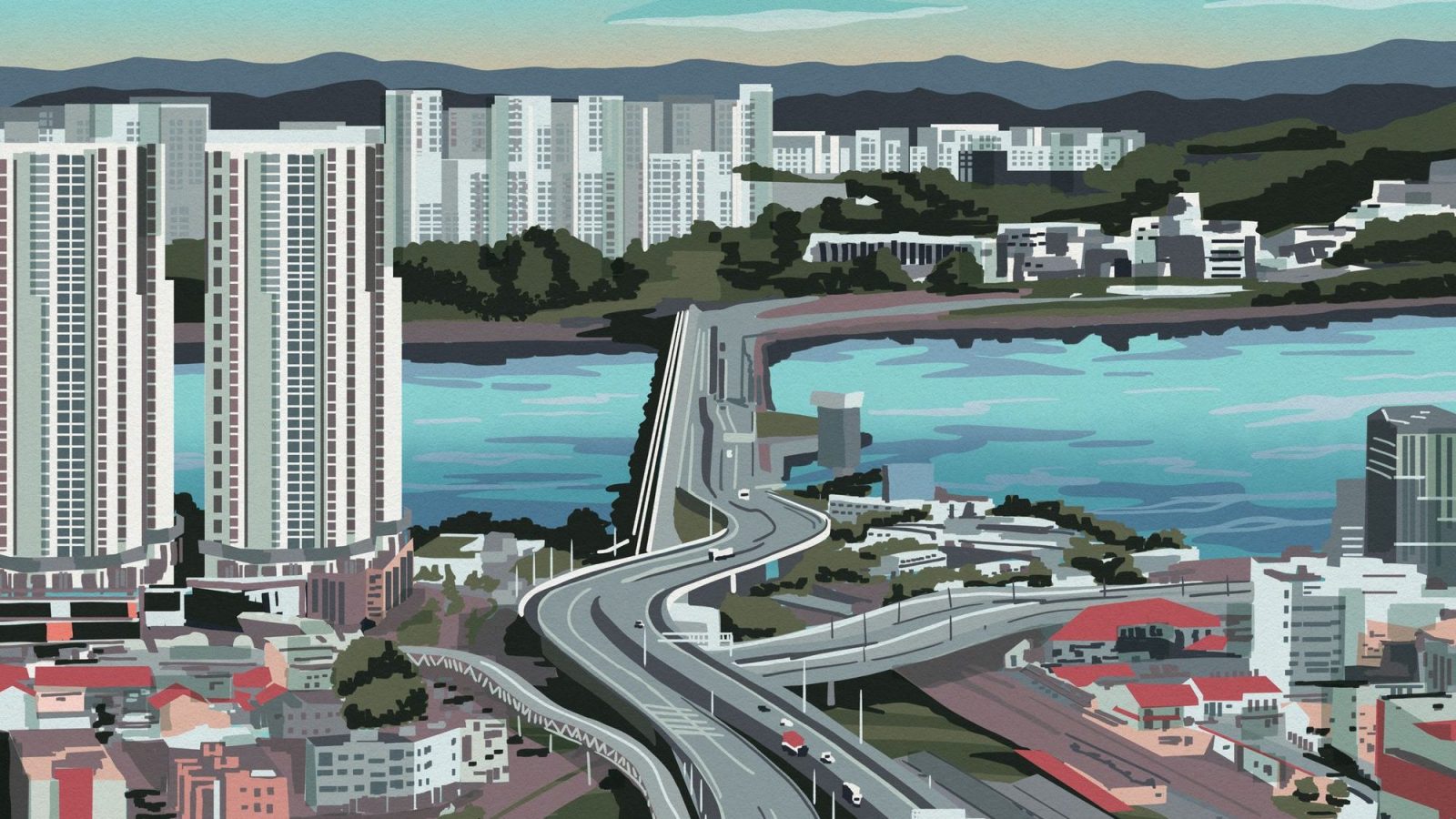
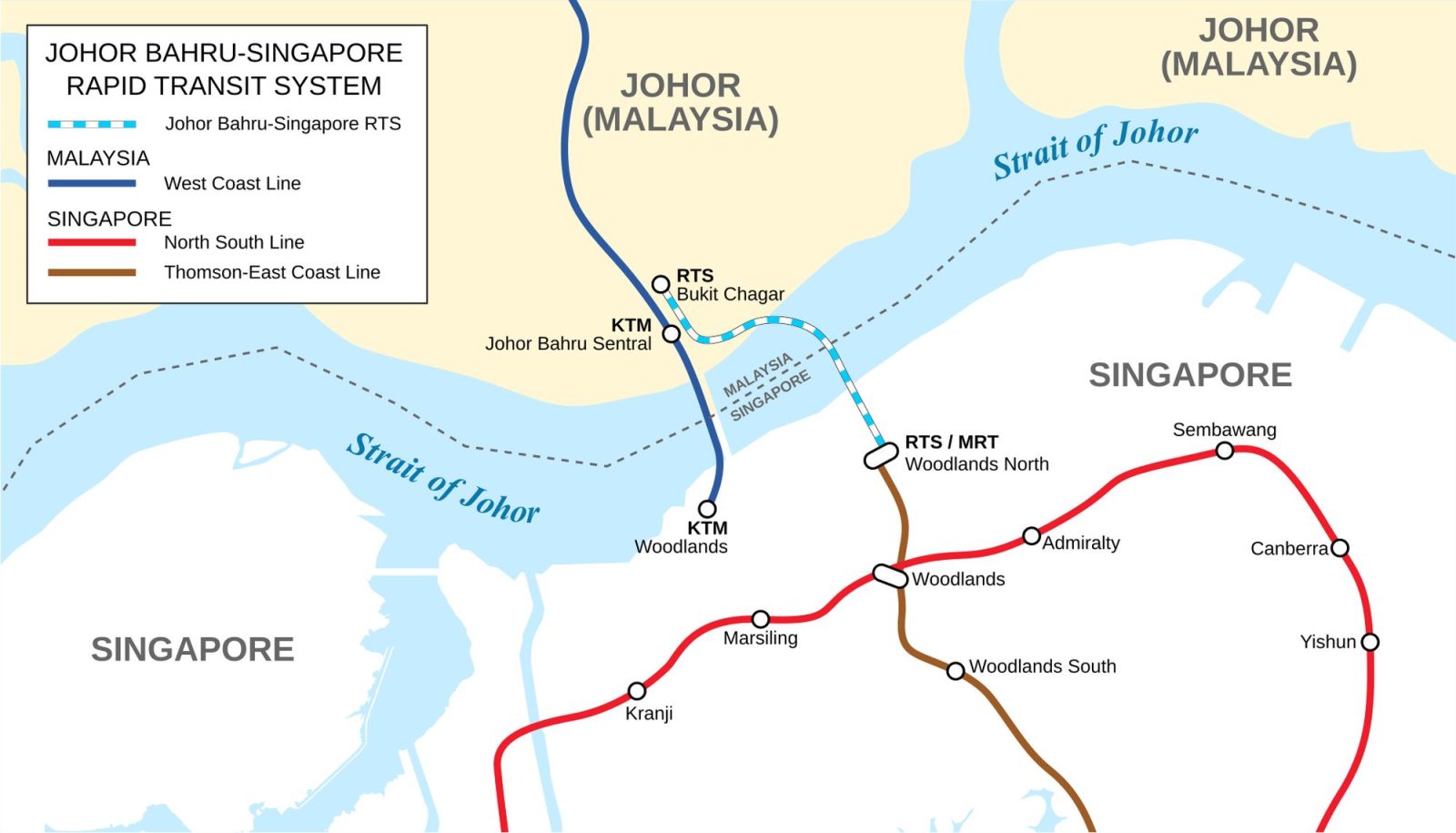
When the 4km stretch of the Johor Bahru-Singapore Rapid Transit System (RTS) from Woodlands North Station in Singapore to Bukit Chagar station in Johor Bahru is operational at the start of 2027, it will make commuting between this international border easier.
But the promise of a more seamless border crossing experience has fuelled a broader discussion about how Singaporeans are starting to treat Johor Bahru’s property market as part of their longer-term housing strategy.
For many Singaporeans, Johor Bahru has long been associated with weekend trips — a place for short visits rather than long-term living. But that perception is beginning to change.
As we draw closer to the completion of the RTS, which is set to be operational in January 2027, the conversation among some Singaporeans is no longer just about how quickly they’ll be able to cross the Causeway.
It has spurred long-term planning about how the proximity, reliability and predictability of this cross-border travel could reshape a part of their housing decisions. Increasingly, Johor Bahru is being considered as more than an occasional destination, but as a practical extension of daily life for some Singaporeans.
Overall, the significance of the RTS lies less in the speed of the trains, or the time taken to travel from Woodlands to Bukit Chagar. Instead, the most significant factor is the expected certainty and regularity that this upcoming transit system will offer.
With the cross-border trip expected to span about six-minutes, and will be integrated with Singapore’s MRT network, the RTS introduces a level of commuting predictability that has historically been missing for those who frequently travel between the two cities.
For families and professionals, reliability matters as much as travel time. The ability to plan a routine — whether for work, school or medical appointments — is what turns a distant location into a viable living option.
The Real Shift: Housing Behaviour, Not Just Infrastructure
The promise of the RTS has started to inspire a gradual change in mindset among some Singaporeans.
Some buyers are exploring Johor Bahru as a second residence while maintaining their primary home in Singapore. Others are considering it as a longer-term retirement base or a way to secure more space for their families.
In these cases, the decision is rarely driven by speculation. It is driven by practicality — affordability, lifestyle flexibility and the ability to adapt to changing family needs.
This is particularly relevant for households navigating rising housing costs in Singapore. For many, Johor Bahru offers an opportunity to access larger homes or different housing types that would be difficult to achieve locally.
It is important to distinguish that the RTS does not create this demand on its own, but it removes one of the biggest barriers that previously made cross-border living unpredictable.
Why Location Still Matters
Despite the improved connectivity, not every property in Johor Bahru will benefit equally. Buyers are increasingly focusing on areas with clear access to transport nodes, established amenities and stable rental demand.
Properties within proximity to the RTS Bukit Chagar station, in neighbourhoods like Taman Pelangi and Taman Sentosa, are likely to see sustained buying interest because properties there are well-positioned to support the increase in daily commuting patterns from 2027 onwards.
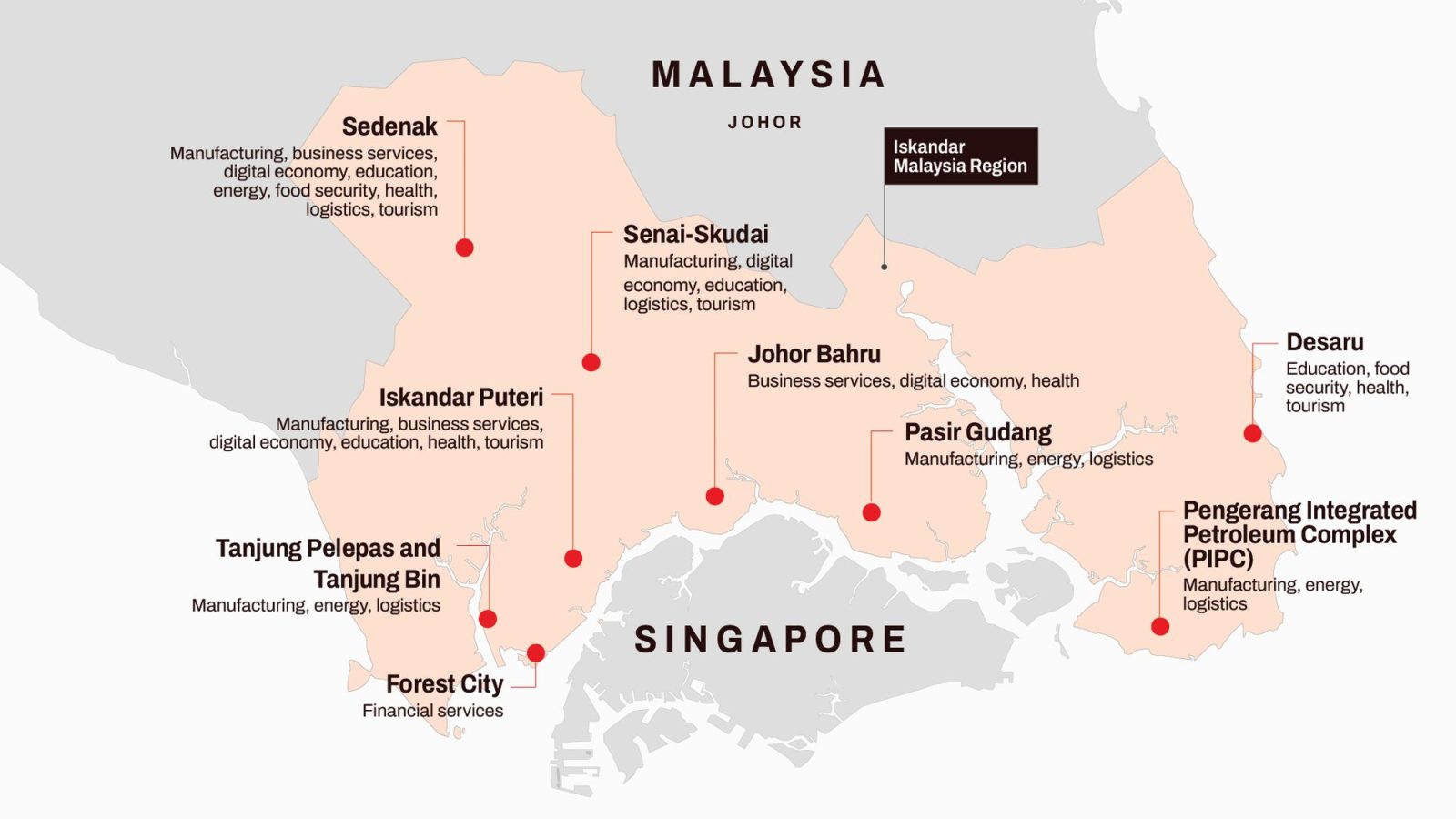
At the same time, sectors such as healthcare, education and professional services are expanding in Johor as part of broader economic cooperation between Singapore and Malaysia. This is encouraging a more diversified population base, which in turn supports housing demand beyond short-term visitors.
But the key consideration remains unchanged: housing decisions should be based on long-term usability, not short-term excitement around infrastructure.
Buying Across the Border Still Requires Careful Planning
While cross-border living is becoming more practical as an option for a larger proportion of Singaporeans, buying property in another country remains a significant financial commitment.
Read an earlier article about why some Singaporean’s are considering a second home in Malaysia, and how a growing number are re-looking at the Malaysia My Second Home (MM2H) programme.
At the same time, regulations, taxes and financing requirements can change, and these factors should be carefully assessed before making a purchase.
For example, foreign buyers in Malaysia face updated fiscal frameworks and minimum price thresholds, which can affect affordability and investment returns. Currency movements and maintenance responsibilities also need to be considered, particularly for owners who do not reside in the property full-time.
In short, the opportunity is real — but so is the responsibility to plan carefully.
Malaysia’s residential property market is at an inflection point — a situation that had been building even before the recent global volatility and market uncertainty started brewing this year. Read how the Malaysian property performed in 1Q2026 here.
A More Integrated Future — But Not an Overnight Transformation
When the RTS is operational, it is expected to make travel between Singapore and Johor Bahru significantly easier. However, the more meaningful change - particularly for the Johor Bahru real estate markets - will be gradual.
Johor Bahru is unlikely to become a “Singapore suburb” overnight. Instead, we will likely see it gradually evolve into a complementary housing market - one that allows families and individuals to balance space, cost and lifestyle in new ways.
For those Singaporeans who are willing to think beyond traditional boundaries, the next few years may offer opportunities to reconsider how and where they live. The real transformation will not be measured in minutes saved on a commute, but in the flexibility and choices that improved connectivity makes possible for households planning their next chapter.


0 Comments