


Singapore’s co-living market is a far cry from its nascent days in the 2010s. Back then, the local market was extremely fragmented with numerous start-ups vying for dominance over the rental and flexible accommodation market.
It was startups like Hmlet, co-founded by Yoan Kamalski in 2016, who were one of many emerging players attempting to establish a foothold in Singapore’s competitive short-term residential leasing market.
Just before the Covid-19 pandemic fully hit our shores in 2019, Hmlet was one of the more recognisable co-living operators in Singapore. After just three years, the company was managing over 1,500 rooms in Singapore, Hong Kong, and Sydney.
All in, the company completed three separate funding rounds, from its US$1.5 million seed funding in 2017, to a series A round that attracted US$6.5 million in 2018, and a series B round in July 2019 that raised US$40 million.
But the company struggled to keep itself above the rising waters when the pandemic, which brought international travel restrictions that dried up the flow of expatriates into Singapore, cut off its revenue.
Stuck holding onto a portfolio of master tenancies, some of Hmlet’s investors started to pressure Kamalski to slash the company’s headcount as well as several of its agreements with landlords and asset owners.
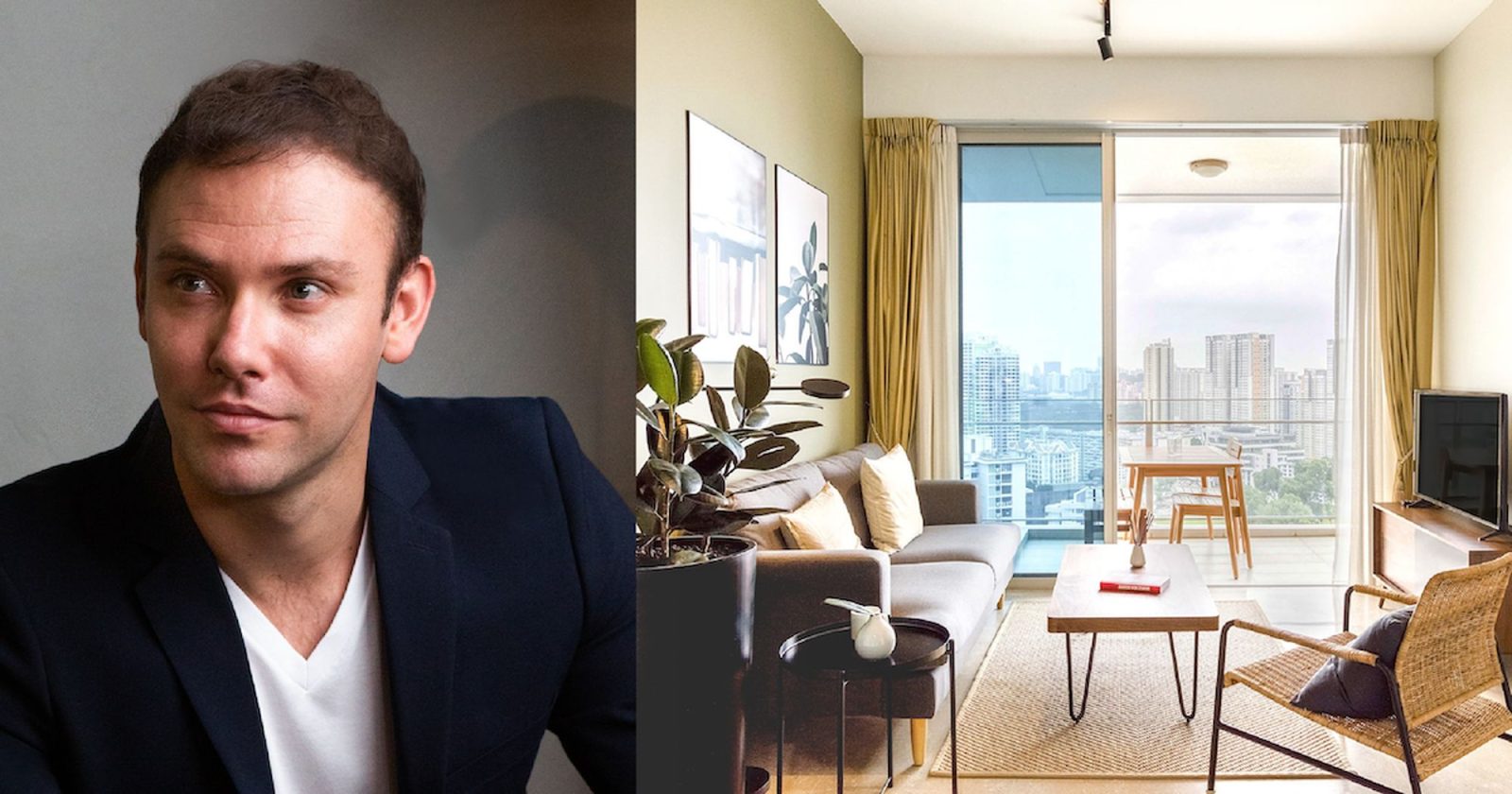
Things came to a head when Kamalski stepped down as CEO of Hmlet in 2021, and shortly after that Hmlet merged with European co-living player Habyt in 2022.
Over the next four years, while other Singapore-based co-living brands were racing ahead - names like Coliwoo by LHN, The Assembly Place, and another startup Cove - Habyt struggled to find its foothold in Singapore.
Now, Kamalski is back at the helm of the company that he started a decade ago. This time not with the backing of venture capital firms but Japanese real estate conglomerate Mitsubishi Estate Co through FL Japan, its wholly owned flexible living business subsidiary.
Hmlet APAC: from VC funding to developer backing
Kamalski acknowledges the positive impact that venture capitalist (VC) funding has had for start-ups looking to launch into the dense and competitive Asia Pacific real estate market.
At the time, VC funding for several real estate startup ventures like Hmlet, was characterised by a capital-intensive approach to fuel a rapid increase in portfolio growth, acquisitions, and master contracts.
But Kamalski says that the dramatic implosion of co-working giant WeWork in the US severely shook the confidence of Asia Pacific investors, despite the fact that the business wasn’t in the same space nor in the same regional market.
“Investors in this part of the world tend to take their cue from what's happening in the US or Europe, and see if they can replicate that success in the Asia Pacific. So when a trend implodes in the US, there was definitely a domino effect which we felt here in Singapore,” he recounts.
On the sharp turn of events leading to the first pandemic lockdown in Singapore, Kamalski recalls that 90% of the tenants with Hmlet back then were expat professionals. The company was at its highest occupancy rate in March right before the lockdown kicked in.
As the effects of the pandemic deepened, companies started restructuring and many workers had to return to their home countries. In Singapore, the sudden exodus of the foreign professional workforce hurt the co-living business badly, including Hmlet.
Kamalski recalls the pressure he faced at the time to step away from committed agreements with some landlords, since he felt it was beneficial in the long-term not to spoil those relationships.
“Eventually, we had to restructure the company, probably not fast enough, because as a first-time CEO, I didn't see how we could recruit people and then let 40% of our staff go for no good reason,” he says.
This position did not sit well with his investors at the time, and he was eventually ousted.
Dealing with the setback forced him to take a hard look at the situation. In his view, VCs tend to invest in order to achieve extraordinary outcomes in the shortest possible time, and may not have the appetite or patience to wait for adverse conditions to turn around.
Returning partners with Mitsubishi Estate
This is not the first time Kamalski has found a partner in Mitsubishi Estate. The Japanese firm was one of the investors during Hmlet’s series B fund raising in 2019. And Kamalski says that he has kept in touch with key individuals at Mitsubishi Estate, even after he was ousted.
Although Hmlet’s Singapore, Hong Kong, and Japan operations are back under founder-led leadership, Kamalski says that there is serious work ahead to get the company back in the red.
The co-living operator’s portfolio now comprises 1,854 units in Japan, 232 units in Hong Kong, and 829 units in Singapore.
Kamalski has given himself a 12-month timeline to turn Hmlet APAC's financial situation around. Although he didn’t share the extent of the challenging financial mire Hmlet APAC is in, he says that his goals over the coming months will be to negotiate better lease terms with some landlords and asset owners.
“The task will involve recalibrating Hmlet’s portfolio in Singapore, by renegotiating or exiting uneconomic leases to re-align with the current business direction. I’m also keen to strengthen and re-establish trust in the brand among our partners, both past and present,” says Kamalski.
The goal is to achieve win-win outcomes, whether it’s partnering with landlords or funds that are also equity holders, or exploring profit-sharing, franchise‑type models or management contracts, he says.
Ultimately, the way forward for Hmlet APAC is to avoid the quandary of high fixed-rent master leases signed during the peak of the market cycle. The CEO is under no illusions that this will be an easy journey to navigate.
Co-living competition is tighter and better capitalised today
Indeed, he and Hmlet APAC are squaring up against formidable competition in the local co-living and flexible living sector market.
Since the global economy’s recovery from the pandemic, the worldwide co-living sector has evolved into a $1.4 billion investment market, drawing attention from institutional investors to family offices.
The co-living landscape in Singapore has certainly changed since Kamalski’s departure, and he is cognisant of how it has matured. This is not the same co-living market that Kamalski faced during the company’s initial growth phase in 2018.
The fact is that two major players - Coliwoo by real estate services group LHN, and co-living start-up The Assembly Place - command significant market share and are the first two co-living companies to debut on the mainboard of the Singapore Exchange.
The presence of two listed co-living companies in the market will draw most of the institutional grade investment capital away from smaller players like Hmlet APAC. It also makes them a more appealing proposition for landlords and asset owners.
Coliwoo debuted on the mainboard on November 6, 2025, with an initial public offering (IPO) of $0.60 per share. And the IPO was 8.2 times oversubscribed and the company raised about $101 million. It is on track to control over 4,000 rooms in Singapore by the end of this year.
The Assembly Place (TAP) launched its IPO as a Catalyst-listed company on January 23 this year, and opened at $0.31 per share and raised $18.3 million from the IPO which was 5.2 times oversubscribed.
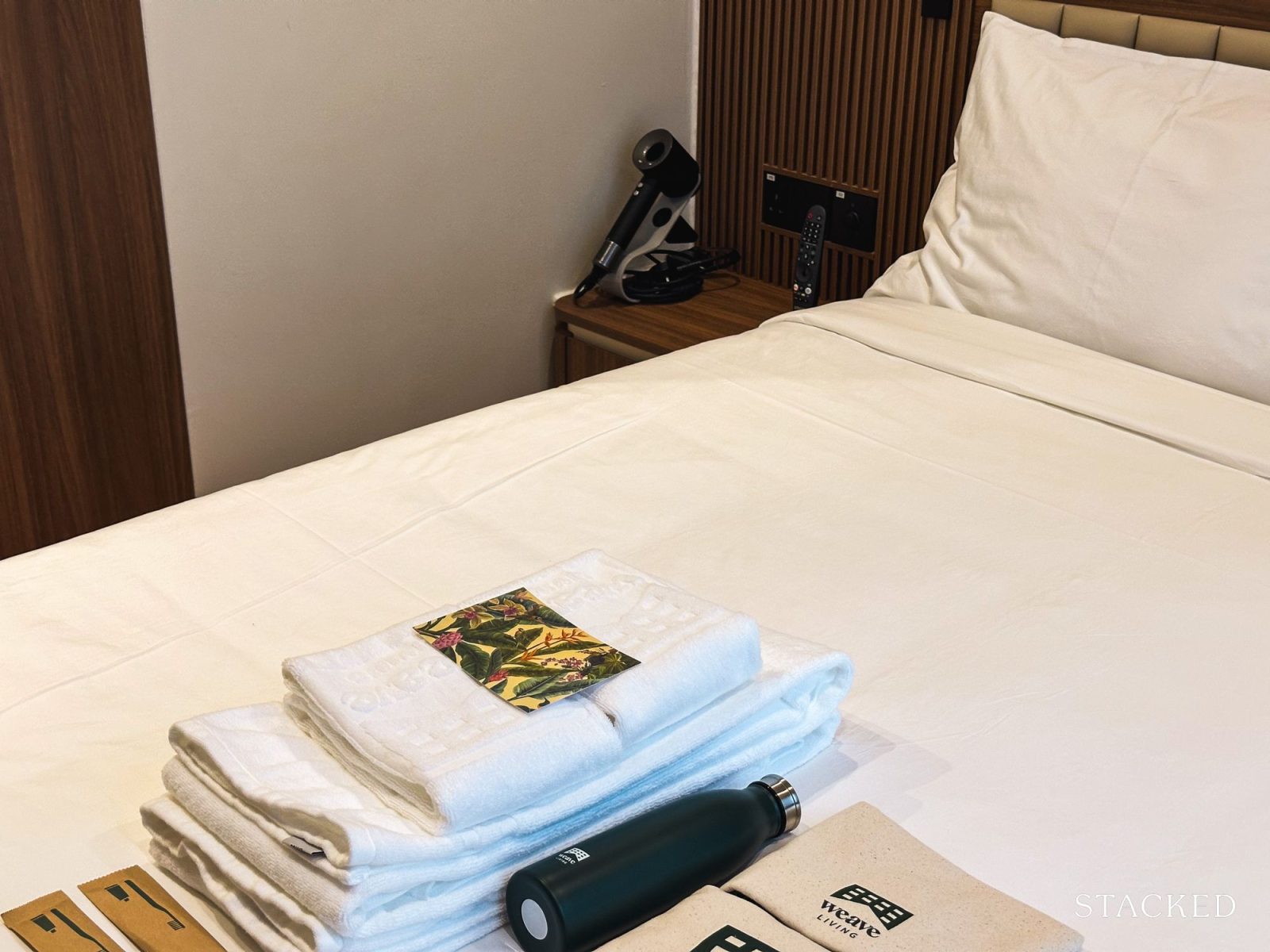
There are other privately-owned operators who are attempting to muscle into Singapore’s short-term accommodation and co-living market. One of the most active is Weave Living, an Asia Pacific-based flexible living sector specialist, who has been growing its presence in Singapore together with partners like US investment firm BlackRock.
Weave recently launched a new serviced apartment, Weave Suites - Novena on 12 Shan Road. Read our review of that project here.
Meanwhile, home-grown co-working operator JustCo is also eyeing an IPO on the Singapore mainboard. And it has reportedly planned a new business line of managing co-living and accommodation spaces that includes serviced apartments.
The co-living and flexible accommodation market in Singapore will gradually settle between a handful of dominant players, but in order to chase growth, many - like JustCo - are diversifying their portfolio. For example, TAP recently expanded into foreign worker housing with its first purpose-built dormitory at Seletar North.
As a result, a more stratified market has begun to take shape, where operational efficiency and targeted positioning are critical elements for growth.
Hmlet to open hotel in Punggol
But now with experience behind him, Kamalski is determined to ensure Hmlet APAC succeeds. He also thinks it is important to establish a strong customer journey and grow the brand in a way that differentiates itself from the competition.
He cites The Ascott, the Singapore-headquartered real estate and lodging company, as a benchmark brand in the industry, and intends to measure the success of Hmlet APAC against brands like them.
One of the growth areas that he is keen to lead Hmlet APAC is by doubling down on long-stay assets. He cites the upcoming launch of a 244-key hotel and serviced residence in Punggol Digital District (PDD) as one of the strongest offerings the brand will have.
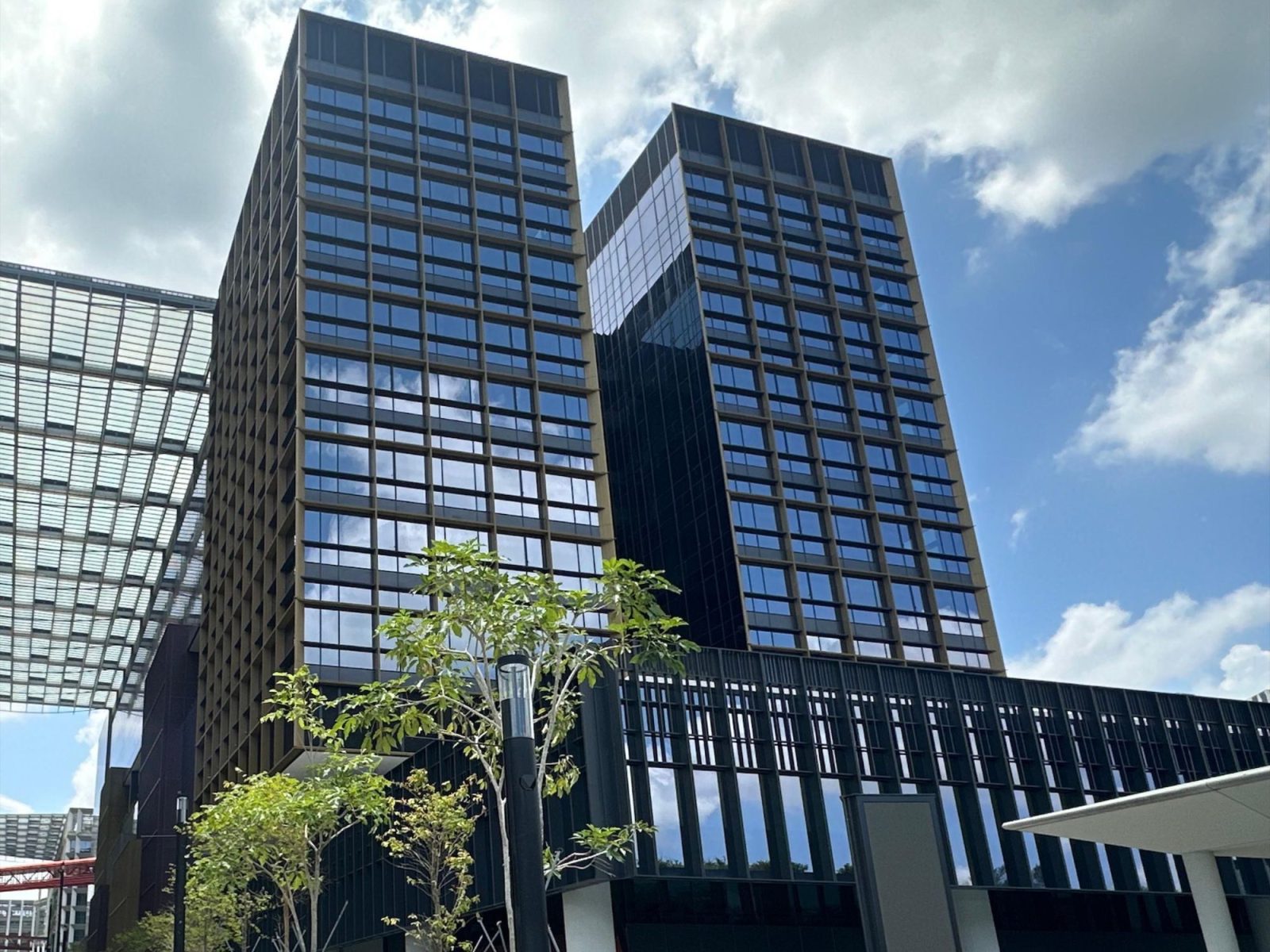
The new hospitality project is the first with the master planned innovation hub. The tender to operate the future development was awarded to Verdant View, a joint venture between JMD Holdings and TCRE Partners, back in March this year.
At the time, Habyt was billed as the brand managing the hospitality asset, but this will be a Hamlet-branded property when it opens in 2027. The development offers both short- and longer-stay availability, catering to global and hybrid workforce professionals who frequent PDD.
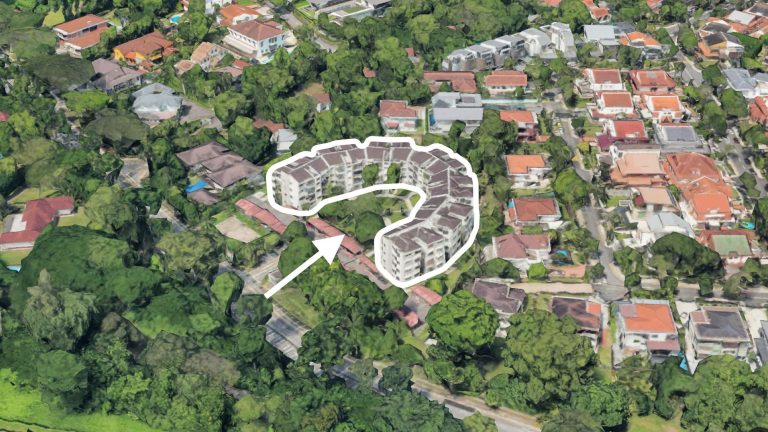
Hmlet APAC inherits the Owen House hotel brand from Habyt, which launched the 106-room Owen House at 2 Owen Road in 2023.
Anchoring expansion plans with strong landlord relationships and capital alignment
Hmlet and Mitsubishi Estate hope to reposition Hmlet APAC into a flexible space platform that is similar to how Ascott has established its brand in the hospitality sector.
Once the portfolio of existing properties in Singapore, Hong Kong, and Japan has been stabilised, the way forward for Hmlet APAC will probably lie in the acquisition of smaller co-living players to jump start its regional expansion plans, says Kamalski.
Kamalski reckons flexible living will be the key to address the gap between hotel accommodations and long-term rental, and plans to rope in partners for an operating platform that can support multiple verticals including service apartments, student housing, and mixed‑use developments.
Once successful, it would be a good reference case to show landlords in other markets what an integrated flexible‑living platform looks like, he says.
To build a business that can scale, he sees the importance in getting alignment in shareholding. This has been demonstrated to great success, for example JustCo had the backing of property giant Frasers Property and Singapore wealth fund GIC, which enabled the homegrown company to work more closely with developers and investors to secure their foothold in the region.
With co-living trends shifting drastically, opportunities in the market are also accompanied by much tighter margins. With a reported $80 billion operating profit target by 2035, is the newly minted CEO intimidated?
Drawing lessons from what he recalls as “arguably one of the darkest periods of my life”, Kamalski is casting a new eye at the helm of Hmlet APAC.
“You’re only worried if you’re playing the same game. As an entrepreneur, I’ve learnt the importance of choosing the right partners to work with. The label of being an entrepreneur is also one that has spurred me to constantly take action to create a positive impact, no matter the circumstances I am in,” he adds.
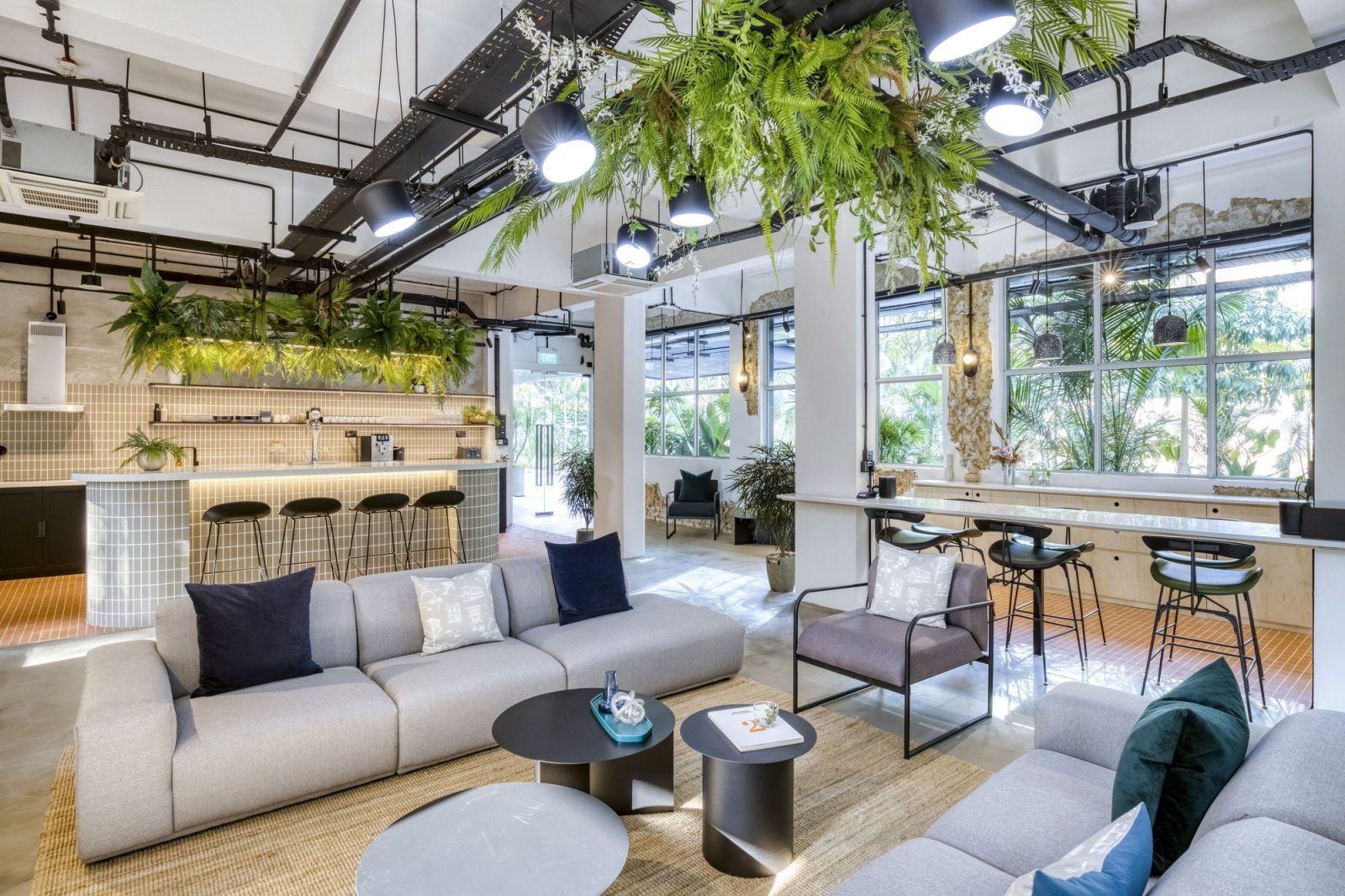
From co-living to flexible living to alternative housing, Hmlet’s next play will likely focus on creating more flexibility and options for affordable housing. He is considering the possibility of venturing into Singapore’s biggest asset class - HDB flats.
Rather than jumping into the private residential market, Kamalski muses over the idea of innovating the journey of HDB rentals at scale. “When you look around, we are surrounded by HDB flats, which is possibly the largest property market in Singapore. I stay in a HDB flat myself and many of my team members stay in flats too”.
He sees several reasons why there is a gap in the market today to tackle growing rental demand from different market segments in Singapore. “People are getting married later, people are renting due to work demands that have brought them to Singapore. More people are also viewing home ownership differently and choosing migration, which could present new market gaps,” he says.
A playbook for expanding into new markets
Fuelled by a sense of urgency, Kamalski wants to ride on the acquisition high to build momentum on a tight timeline. With aspirations to be the largest flexible-living operator in the region, Hmlet APAC is targeting a global portfolio of more than 35,000 units.
On market expansion, Kamalski says he is ‘bullish’ on the Hong Kong market, where he sees a counter-cyclical opportunity in student housing and flex living, as well as the potential to work with a local institutional landlord or fund that wants to reposition assets.
As for Australia, he is repairing relations and reopening conversations with former partners.
In 2019, Hmlet expanded into Japan with Mitsubishi Estate, forming Hmlet Japan and turning it into Tokyo’s biggest flex-living operator. As of April 2026, Hmlet Japan operates 1,866 units across Tokyo and Osaka, with a planned expansion into Fukuoka in summer 2026.
Building on lessons learnt, it is clear that Kamalski is ready to establish a more aligned, sustainable flex‑housing as a stabilising force for those seeking affordability and flexibility in housing transitions, over the “grow at all costs” narrative.




0 Comments