


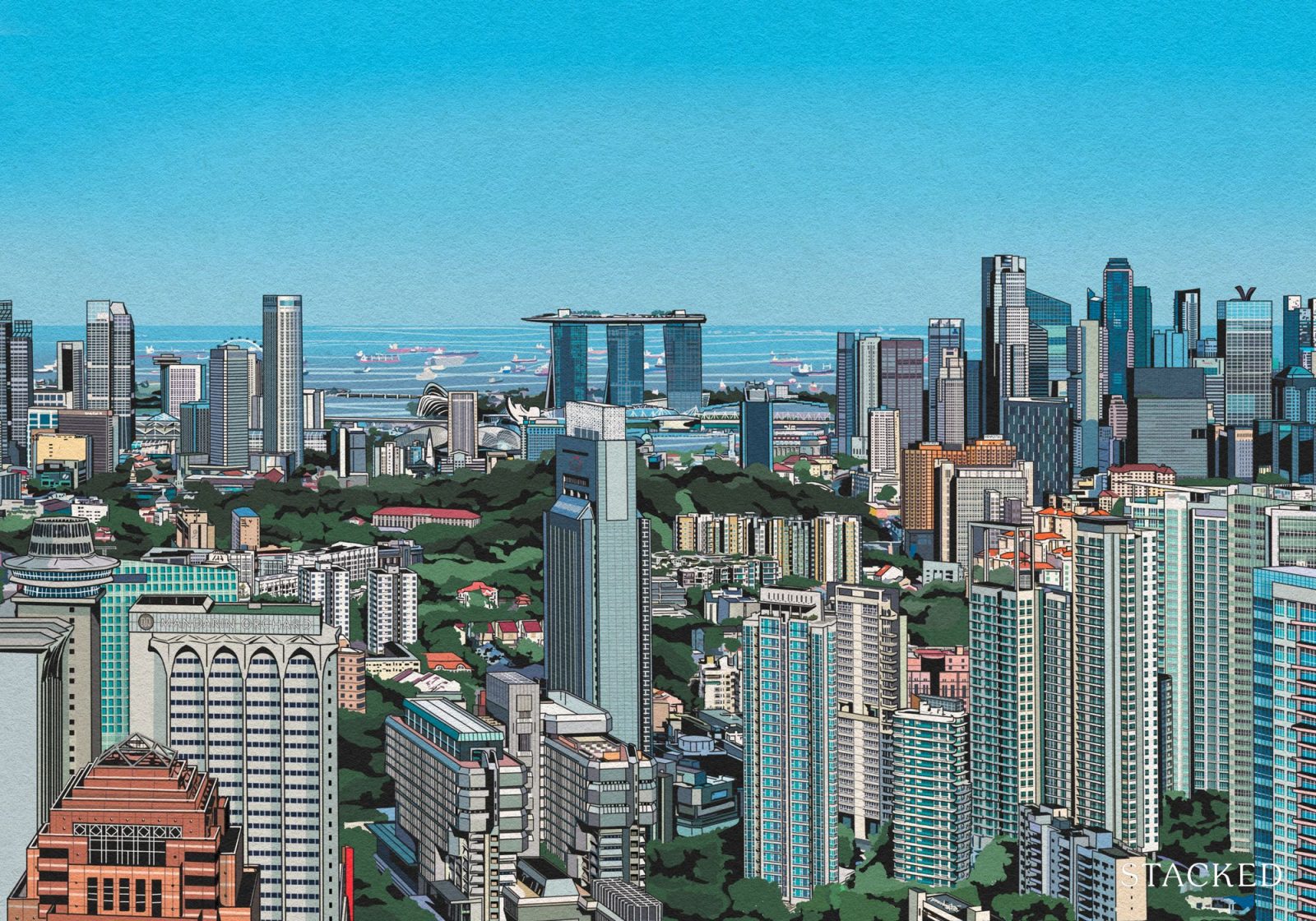
I reckon that many casual readers will be surprised to know just how many major commercial buildings in Singapore get traded each year, and the eye-watering prices some of these prime investment assets typically fetch.
Over the first three months of this year, office investment deals surged to a record quarterly high of $14.73 billion worth of transactions. This is a 433% y-o-y increase compared to the same period in 2025, according to a market report by JLL.
However, the beneficiaries of these deals comprise private wealth funds, institutional investors, and real estate investment trusts (Reits). The exuberance in the real estate investment market has sidestepped many strata-titled commercial property owners.
It was in November 2023 when we last saw the collective sale of a strata-titled commercial property. Shenton House, in the Central Business District (CBD), was sold for $538 million to the CEO of Malaysian property developer IOI Property Group.
For several years, many strata-titled developments have either attempted to launch a collective sale tender, or have tried multiple times to secure a successful sale. Most of these are 99-year leasehold buildings with a mix of retail and office components.
Familiar examples of older strata-titled buildings in Singapore include High Street Centre, GB Building, International Plaza, Sim Lim Square, and Tan Boon Liat Building.
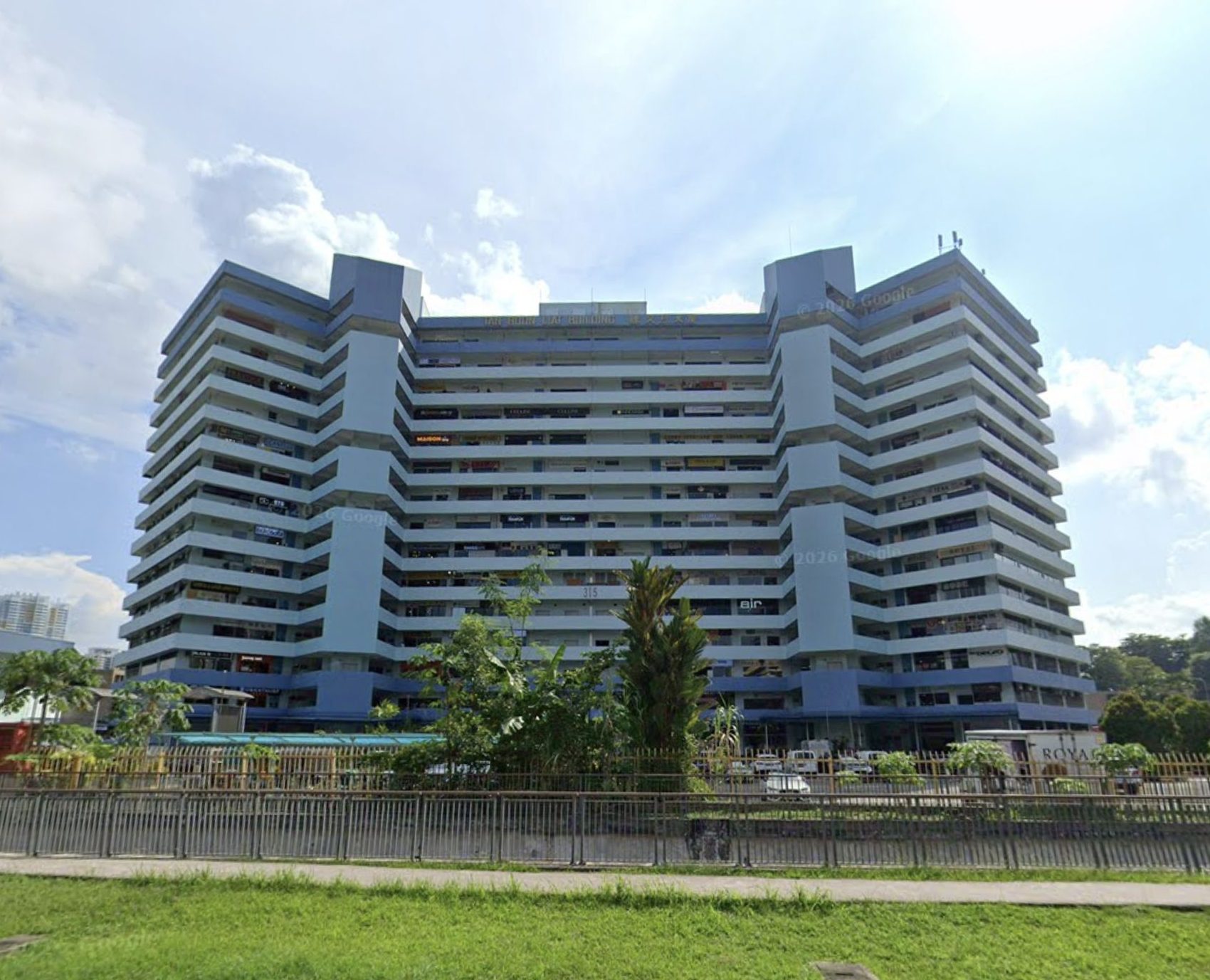
All of these developments face rising upkeep and maintenance costs due to their age, and the fragmented ownership of these strata-titled developments makes it much more challenging to refurbish and refresh them. As a result, capital values have significantly moderated, and rents struggle to catch up when stacked against newer, and more centrally managed commercial properties.
I would point out that over in the residential segment, there have been several successful collective sale deals involving strata-titled residential developments. The most recent was the sale of Loyang Valley last month. The 362-unit development will likely get sold to a SingHaiyi-led consortium for $880 million.
In a separate article, we examined why SingHaiyi and its partners would pay that much to redevelop the District 17 plot.
But turning back to the predicament faced by commercial strata-tilted owners, which came to my attention after a Stacked reader wrote to us. The owner of a unit at High Street Centre, she shares that several owners at the 99-year leasehold development are uncertain about the road ahead for themselves and the property.
High Street Centre relaunched a collective sale attempt back in May 2024, with a reserve price of $748 million. Although a buyer did step forward, their offer of $678 million was about 9% less than the reserve price.
Nevertheless, the collective sale committee and marketing agent garnered the support of enough owners to agree to the lower price. But the deal would ultimately fall through because the buyers failed to cough up the required 1% deposit of $6.78 million for the deal to advance.
Since then, the owners at High Street Centre worry about their fate as the land lease continues to expire, and the building is showing its age. Completed in 1969, the 57 year old building has about 47 years left in its tenure.
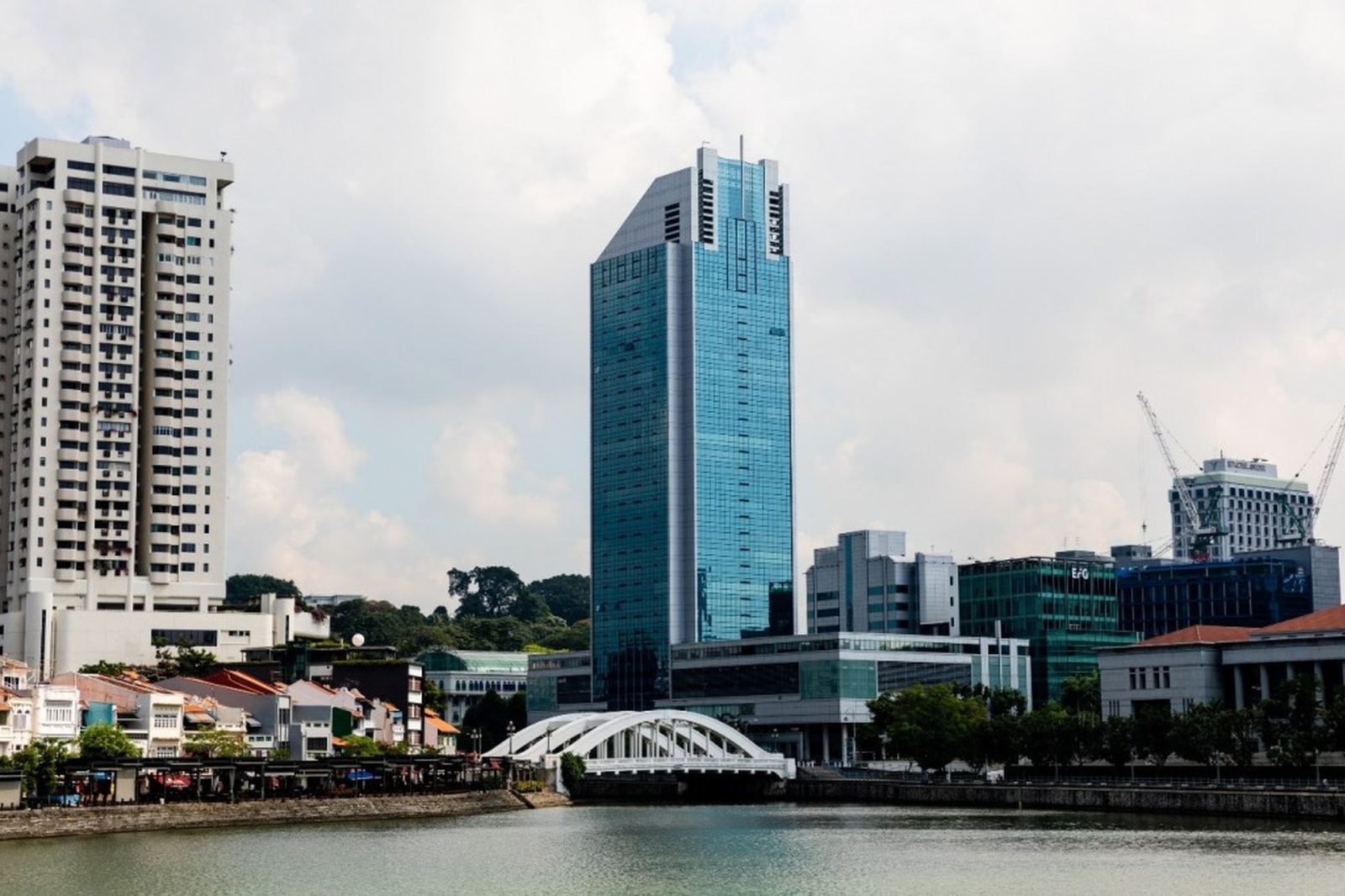
High Street Centre is not the only strata-titled commercial development to falter so close to the finish line.
In April 2024, the sale of Far East Shopping Centre did not materialise after the buyer failed to get URA approval to redevelop the site under the Strategic Development Incentive Scheme.
The development was relaunched for sale with a $928 million guide price a few months later, and it attracted a $850 million bid. But not enough owners accepted the lower price, and the deal fell through as well.
It would be unfair to say that the commercial collective sale market in Singapore has flattered in recent years, when a couple of landmark deals have successfully crossed the line. These include the sale of Tanglin Shopping Centre for $868 million as well as the $700 million sale of Golden Mile Complex in 2022.
SingHaiyi has also stepped into the ring after it bought the former Peace Centre/Peace Mansion for $650 million in 2021. That site is being developed into the mixed-use development One Sophia.
Other major commercial transactions in recent years include Concorde Hotel & Shopping Mall, Delfi Orchard, and Katong Plaza. But these are not strata-titled developments.
I asked commercial real estate veteran Steven Ming, founder of Sakal Real Estate, about the current sentiment among developers and investors for strata-titled commercial developments today.
He shares that developers and real estate investors continue to have a strong appetite for well-located city centre commercial assets. Those properties in the CBD and CBD fringe locations remain a draw due to Singapore’s status as a safe haven market, especially in the face of ongoing geopolitical tensions.
Changes to strata subdivision also means that new supply of these types of buildings is limited. This refers to a ban on new strata subdivision for commercial developments and commercial components of mixed-use developments in the Central Area. This includes the Orchard Road, Scotts Road, and CBD corridors, and was implemented by URA to prevent fragmented ownership and building maintenance issues.
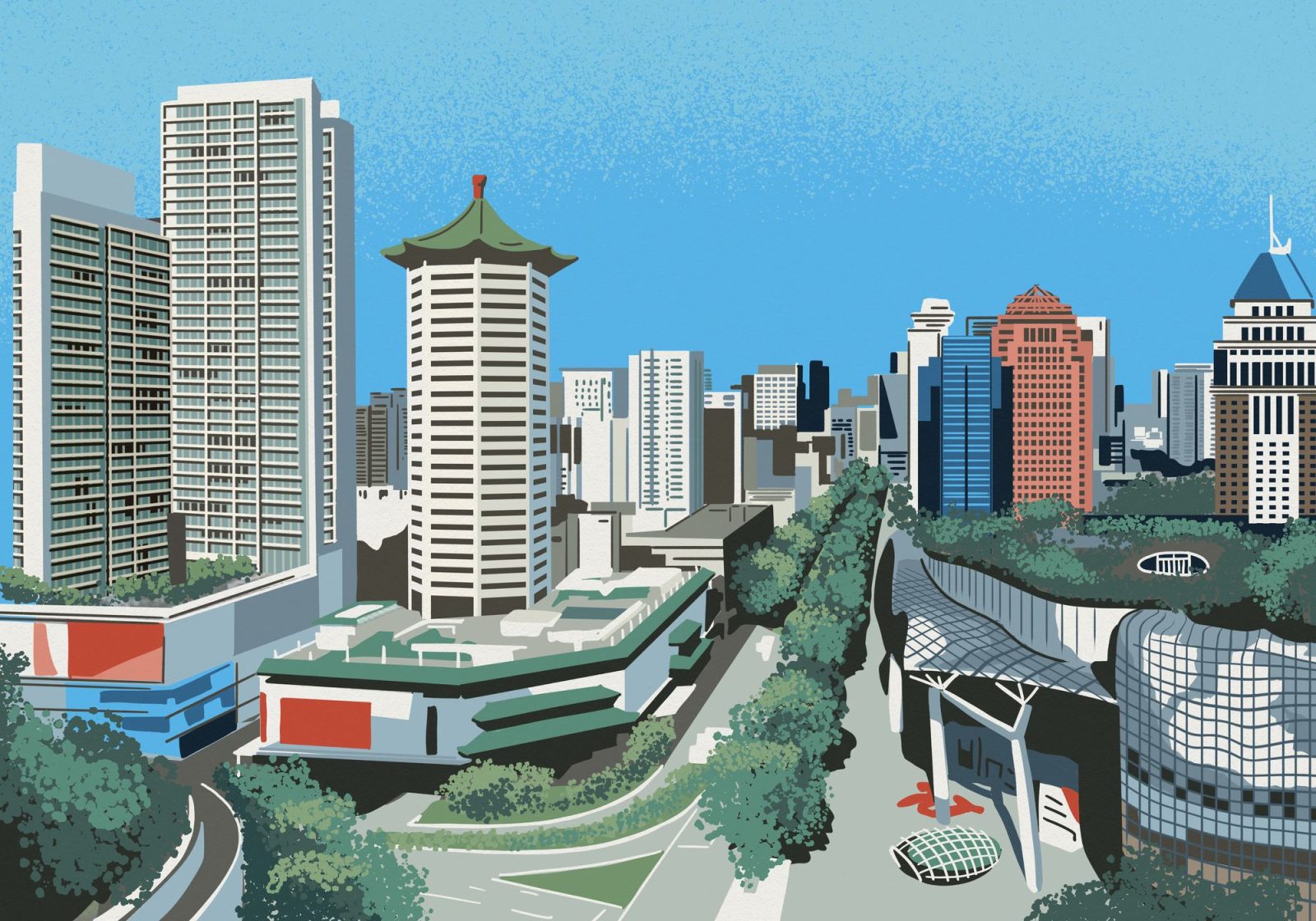
When asked if a 99-year leasehold development stands less of a chance to see a successful enbloc, Ming says that the tenure is not an issue when the site has strong locational attributes, the right scale, and is well-positioned to capitalise on significant value add or redevelopment potential.
While it is not uncommon for there to be a mismatch between what sellers expect against investor/developers' underwriting, he reckons that in the case of collective sales and land sales the price gaps may get more pronounced in the near- to mid-term if buyers start to underwrite deals more conservatively.
This may come to pass if construction costs see a sudden spike and growing uncertainty over interest rates in the near- to mid-term. Meanwhile, sellers will have their eyes set on certain price premiums in the face of higher replacement property prices, says Ming.
Finally, mixed-use developments like High Street Centre may stand a better chance at finding a buyer. “Having the option of developing and owning a new mixed-use development definitely makes a development site more exciting, and this tends to translate into a broader appeal among investors and developers,” he says.
While, I cannot say for certain how successful another collective sale attempt by the owners of High Street Centre will be. The trajectory of the investment market in Singapore, and the appeal of centrally located commercial assets supports my belief that investment firms and asset managers are still on the look out for the right opportunities that come their way.
The market report by JLL also indicates that investment demand is still focused on a handful of asset classes in Singapore, namely offices, retail, and living assets. The consultancy says that a prolonged Middle East conflict and global energy crisis could weigh on the performance of real estate markets, increase funding cost, reduce risk appetites and hamper deal flow.
Hopeful strata-titled owners will have to keep the market situation in mind as their consider the way forward for their aging developments.

0 Comments