


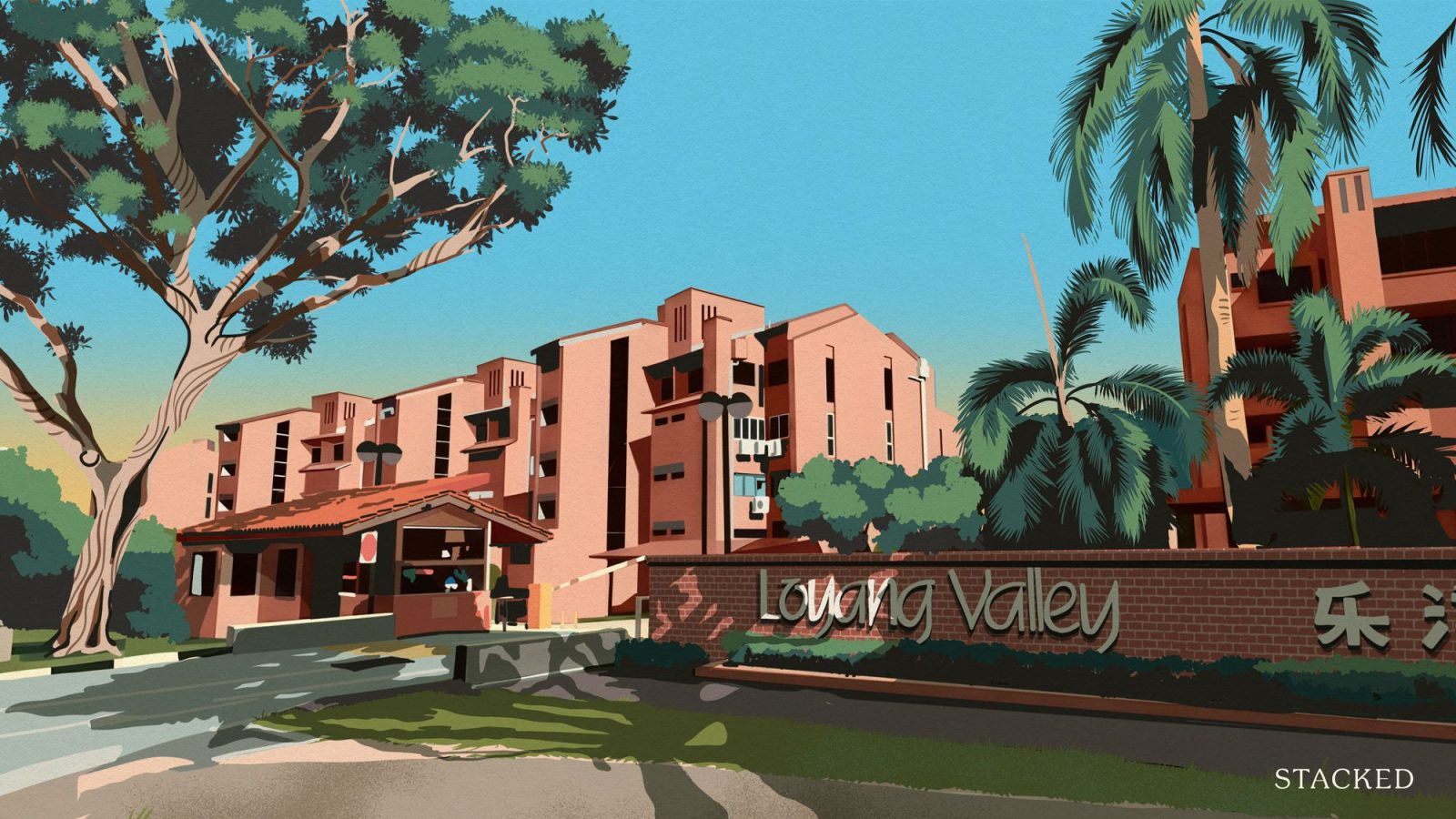
When the news broke on April 17 that a consortium led by property developer SingHaiyi purchased Loyang Valley, the collective sale raised some eyebrows. The first question that came to my mind was: “Why Loyang Valley?”, since my perception of the 99-year leasehold development was one with having few amenities and for being relatively less accessible in Pasir Ris.
Located on Loyang Avenue in District 17, the 362-unit development is about 41 years old. This was the third attempt by the owners of Loyang Valley to sell the development enbloc, after unsuccessful attempts in 2022 and 2025.
The acquisition of Loyang Valley also initially seems uncharacteristic of SingHaiyi, who is due to launch its Bayshore project, the 515-unit Vela Bay, this weekend. It’s previous condos include Grand Dunman, The Collective at One Sophia, and TMW Maxwell. These projects have all been in more spotlight-grabbing areas.
In contrast, Loyang Valley seems to be in a rather nondescript part of Changi. Let’s examine why this enbloc deal may have gone through.
A rundown of Loyang Valley’s enbloc sale
Loyang Valley was sold for $880 million, making it the largest residential collective sale since the former Thomson View condo changed hands in 2025.
Completed in 1985, Loyang Valley is on a land parcel of exceptional size: around 840,648 sq ft with a gross plot ratio of 1.6. This means that when it is redeveloped, the new project could yield around 1,249 new private homes, subject to approvals.
For reference, Treasure at Tampines - the 2,203 unit condo that’s currently the largest in Singapore – sits on a 648,889 sq ft site.
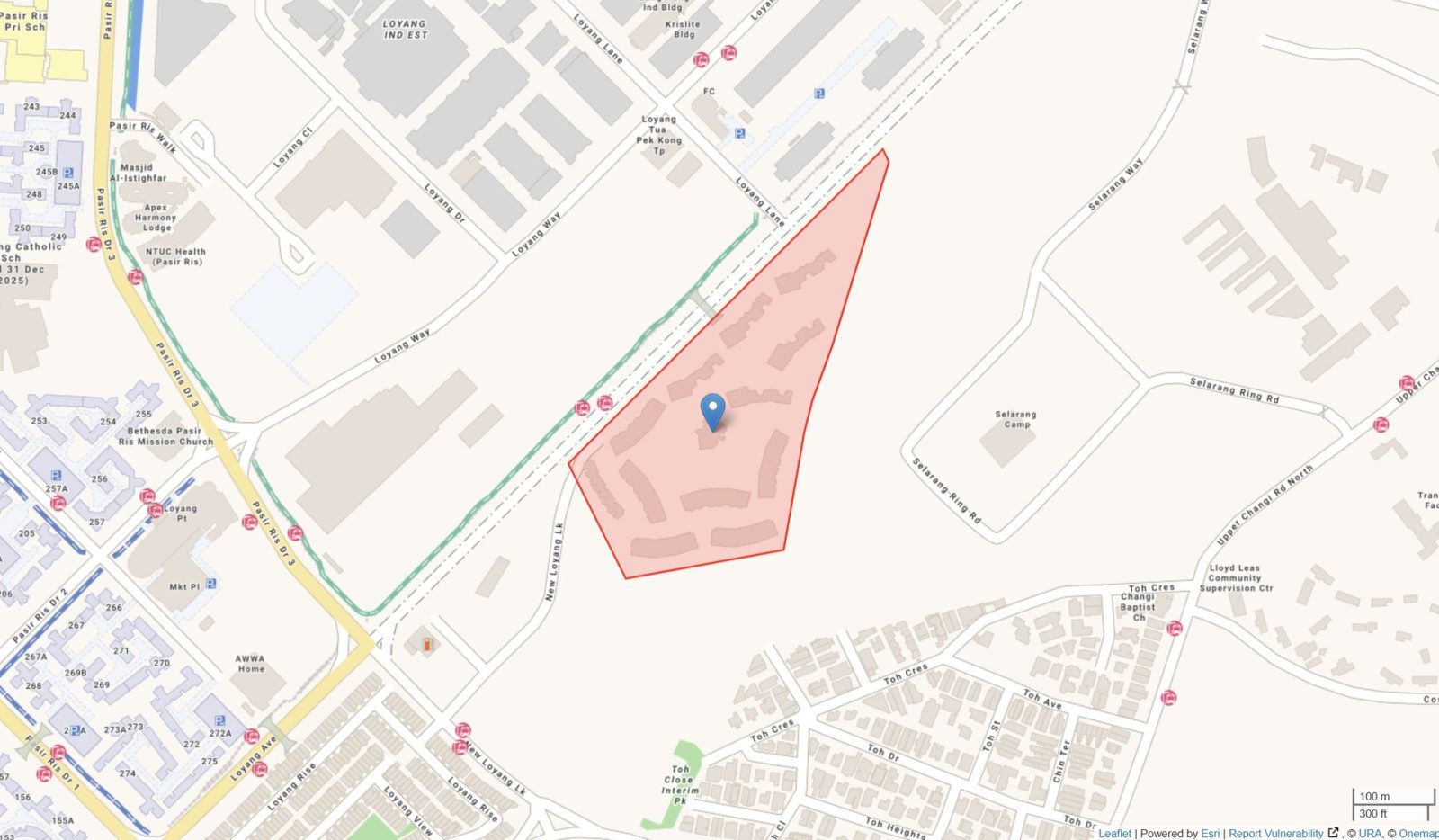
The land size alone could explain a large part of the development’s appeal to developers. It is increasingly challenging to find competitively priced large redevelopment plots like this in Singapore.
In general, larger sites are preferred by developers, since this gives them the flexibility to create a more extensive product, including more facilities, better block spacing, stronger landscaping concepts, and a broader unit mix. (This is somewhat balanced out, of course, by the fact that developers must be confident they can build and sell the units within the five-year ABSD deadline.)
There may be another reason why Loyang Valley stood out: the condo had already shown unusual resilience before the enbloc deal closed.
In a previous Stacked Pro article, we found that from 2016 to 2024, Loyang Valley outperformed many newer projects in the vicinity, in terms of price quantum and $PSF price growth. It accomplished this despite being a much older 99-year leasehold development, surrounded by many freehold counterparts.
Back then, we pointed out that the size of Loyang Valley gave it an advantage. With new developments offering efficient and smaller-sized units, most developments on large land parcels benefit from scale and size. The strong showing of mega-developments in recent years attests to this.
Since that Stacked Pro article, another development has changed the trajectory of Loyang and the condos in that area. And that’s the upcoming arrival of Loyang MRT Station on the Cross Island Line (CRL).
So, despite slipping under the radar of most buyers in the East, Loyang Valley’s location isn’t as untested as it seems. Even the existing development has recorded resilient buying demand that’s stronger than its perceived “ulu” reputation suggests.
Besides the CRL, we shouldn’t overlook the impact of the Changi Northern Corridor
The most significant infrastructure project to shape this region is the Changi Northern Corridor, which includes the upcoming Loyang Viaduct, new road enhancements, cycling paths, and the two future CRL stations - Loyang and Pasir Ris East MRT Station.
Set to be completed by 2030, these infrastructure plans will help to alleviate one of the area’s longstanding weaknesses - the relatively underdeveloped access to a robust public transport network.
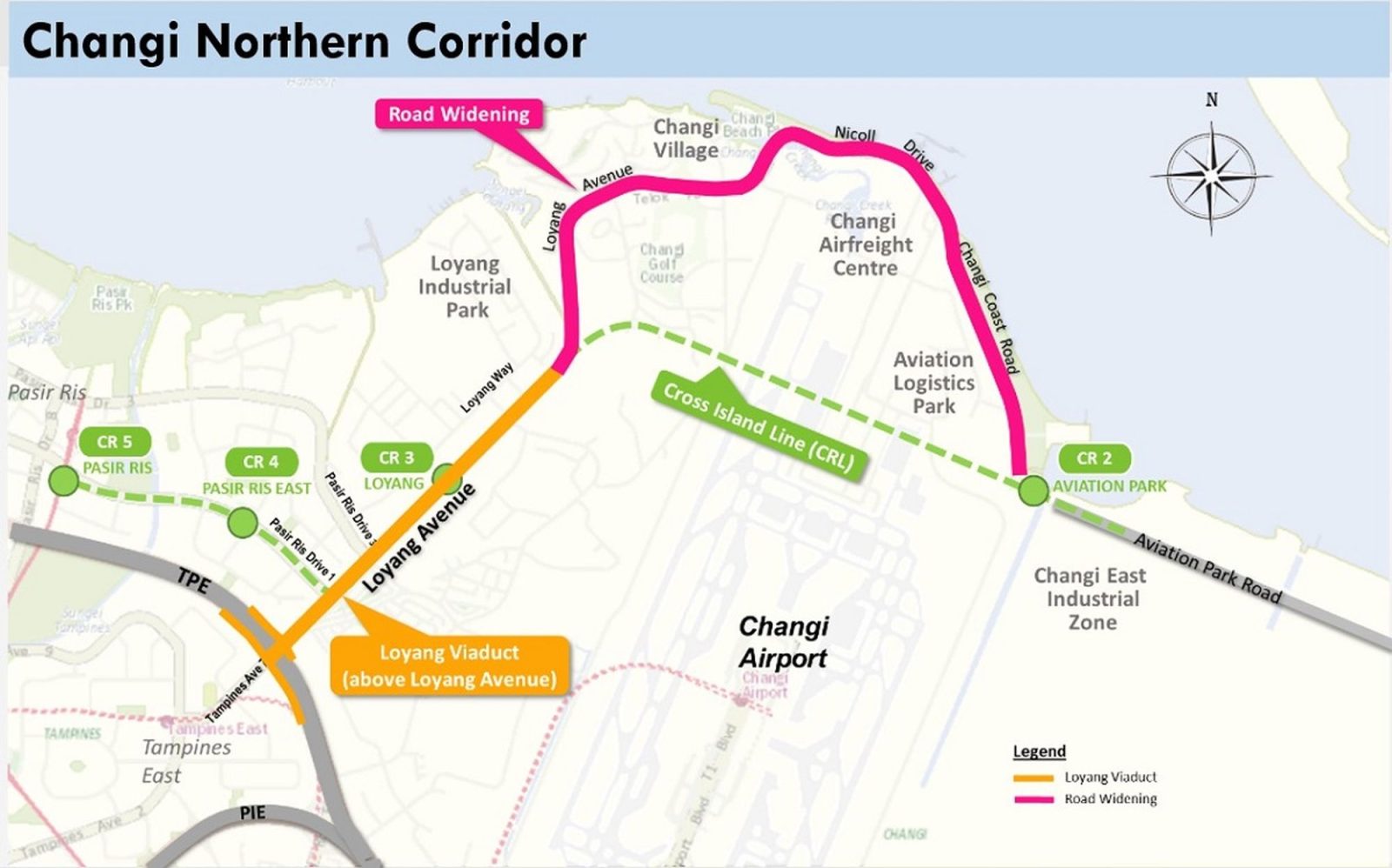
The planned 2.6 km Loyang Viaduct is particularly significant. It’s intended to ease congestion and increase road capacity by allowing traffic between the TPE and Changi Village. This will bypass several existing junctions along Loyang Avenue and will make road connectivity to the area more convenient.
At the same time, other transport connectivity projects will support the growth of developing hubs like Loyang Industrial Estate, Changi Airfreight Centre, and the Aviation Logistics Park.
Finally, with construction of Changi Airport Terminal 5 already underway, the rental catchment for homes in Changi and Loyang is set to increase. Landlords at Loyang Valley have benefitted from the condo’s proximity to the airport, and the new development is expected to ride the spike in rental demand in the future.
Who are the intended buyers?
While SingHaiyi hasn’t shared specific details of its redevelopment plans for Loyang Valley, we can infer the likely catchment of buyers the new project could target. These would be residents from the nearby Pasir Ris neighbourhood and surrounding towns.
With the future Cross Island Line, Loyang station will be two stops from Pasir Ris. Buyers who want to remain close to family, familiar amenities, schools, or their existing social network often prefer to stay within the general vicinity.
Resale prices in Pasir Ris also support demand for new private homes. In our previous study of the area, Pasir Ris upgraders kept within a $1 million to $2 million affordability budget.
Given that the redevelopment of Loyang Valley could be a mega-development (with over 1,000 units) and its price positioning likely targeting mass-market / fringe reason budgets, the new development may be a natural “next rung” in the property ladder for Paris Ris residents.
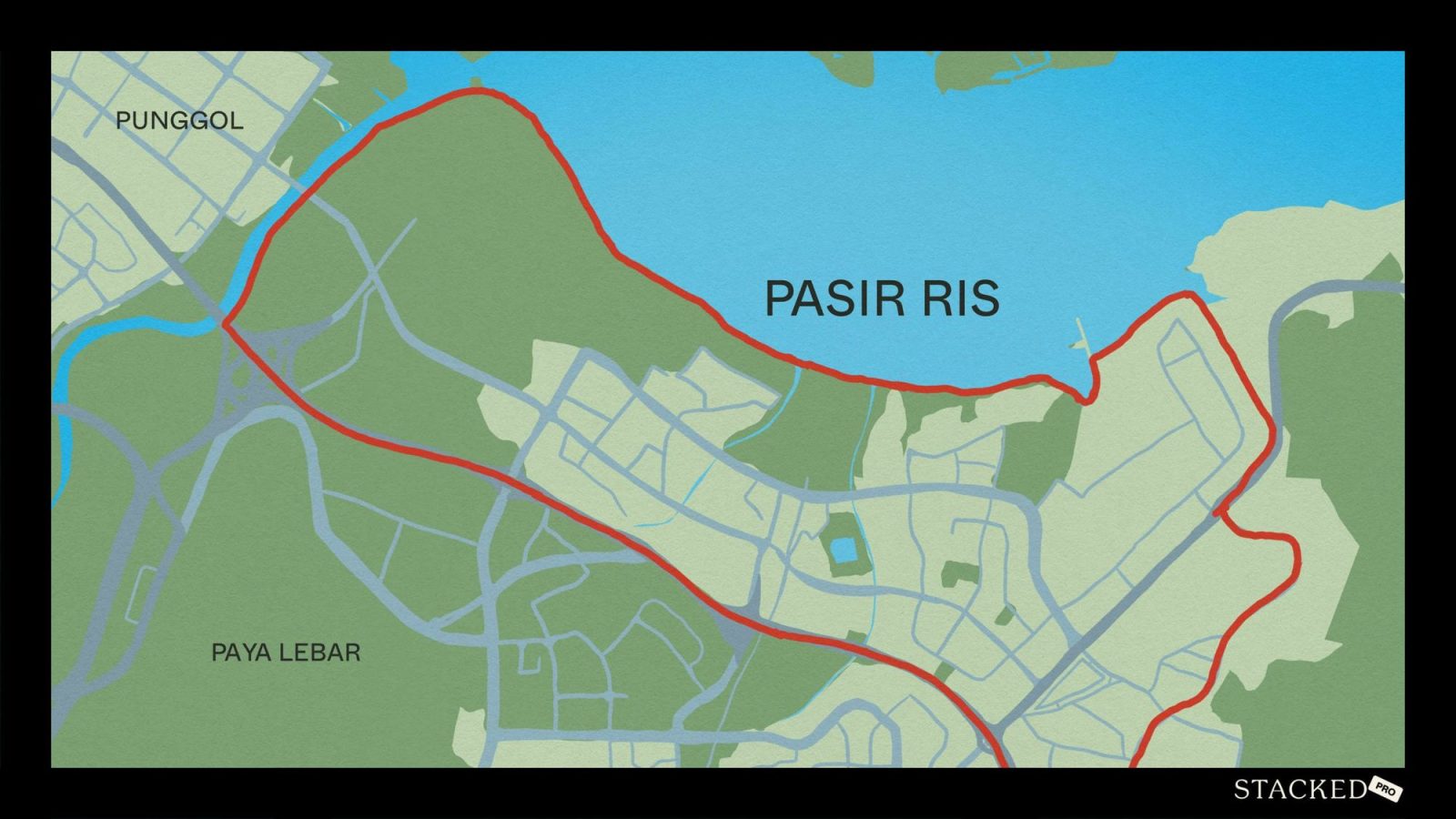
If the future project is designed with practical family-sized units, rather than leaning too heavily into compact layouts, it could resonate well with the large catchment of family buyers in Pasir Ris. And as we’ve pointed out, the Loyang Valley plot has no shortage of space.
Of course, much of the new condo’s positioning depends on its launch pricing. If the developer prices are too high or have too many oversized units (low $PSF but unaffordable quantum), it would be tough to convince most HDB upgraders.
But based on SingHaiyi’s track record in the East, it suggests that the developer has a good understanding of the affordability and preferences of buyers in this region, especially after their experiences with Grand Dunman. This could better inform their pricing going forward.
So, why Loyang Valley?
We think that SingHaiyi would like a first-mover advantage in a relatively under-rated area in the East which is primed for future upside given the development plans laid out so far.
For now, some might say that Loyang is an inconvenient and sleepy neighbourhood in the East. But by the time the site is fully redeveloped, the new MRT connectivity and road access will transform it.
Launch pricing, unit mix, and timing, will be significant factors that contribute to the success of the new project, as usual. But if it’s executed well, we may see a classic case of buying before everyone else noticed the full potential.



0 Comments