


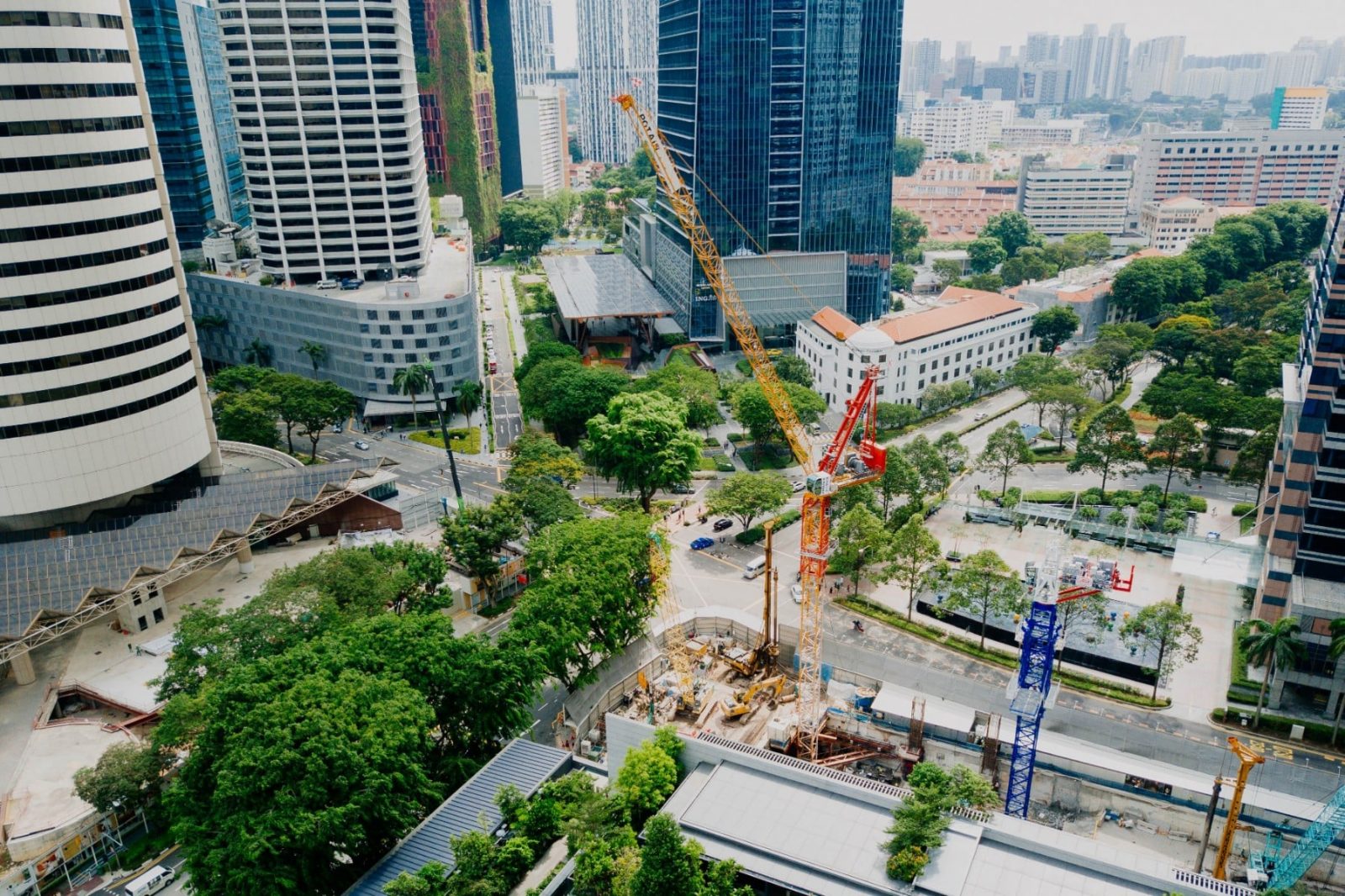
It is no secret that Singapore is a very small country. In case you did not know, the total land area of Singapore is only 721.5 square kilometres (as of 2017) making it the 192nd-largest country in the world. In fact, Singapore is so small that you could walk from one end to the other in a day, all 46 km of it. So it goes without saying that land is a very valuable commodity, and the lack of it is a major reason to the high property prices (and constant clamouring over land ownership in Singapore).
Thus land reclamation has been an important project since we became an independent nation. Through this, Singapore has managed to grow in size from 581.5 square kilometres in 1960 to its current size today, an increase of 25%! If you would like to read more on Singapore's land reclamation story, Biblioasia has a great account on it.
History of land ownership in Singapore
So after Singapore gained independence in 1965, there was an immediate need for the Government to make a stand on the land ownership in Singapore ruling as they needed land for their developmental projects. In June 1967 the land acquisition act came into effect and this gave the Government the power of compulsory land acquisition for the reason of public development. This also regulated the amount of compensation to landowners who had their properties acquired by the Government. Meaning that the compensation was on the basis of the land's pre-development value, just imagine that! Not surprisingly, the land acquisition act allowed the Government to acquire land quickly and they were able to gain a total of 177 square kilometres of land, which was about one-third of the total land area of Singapore in 1984. By 1985, the Government had the biggest land ownership in Singapore at 76.2 percent.
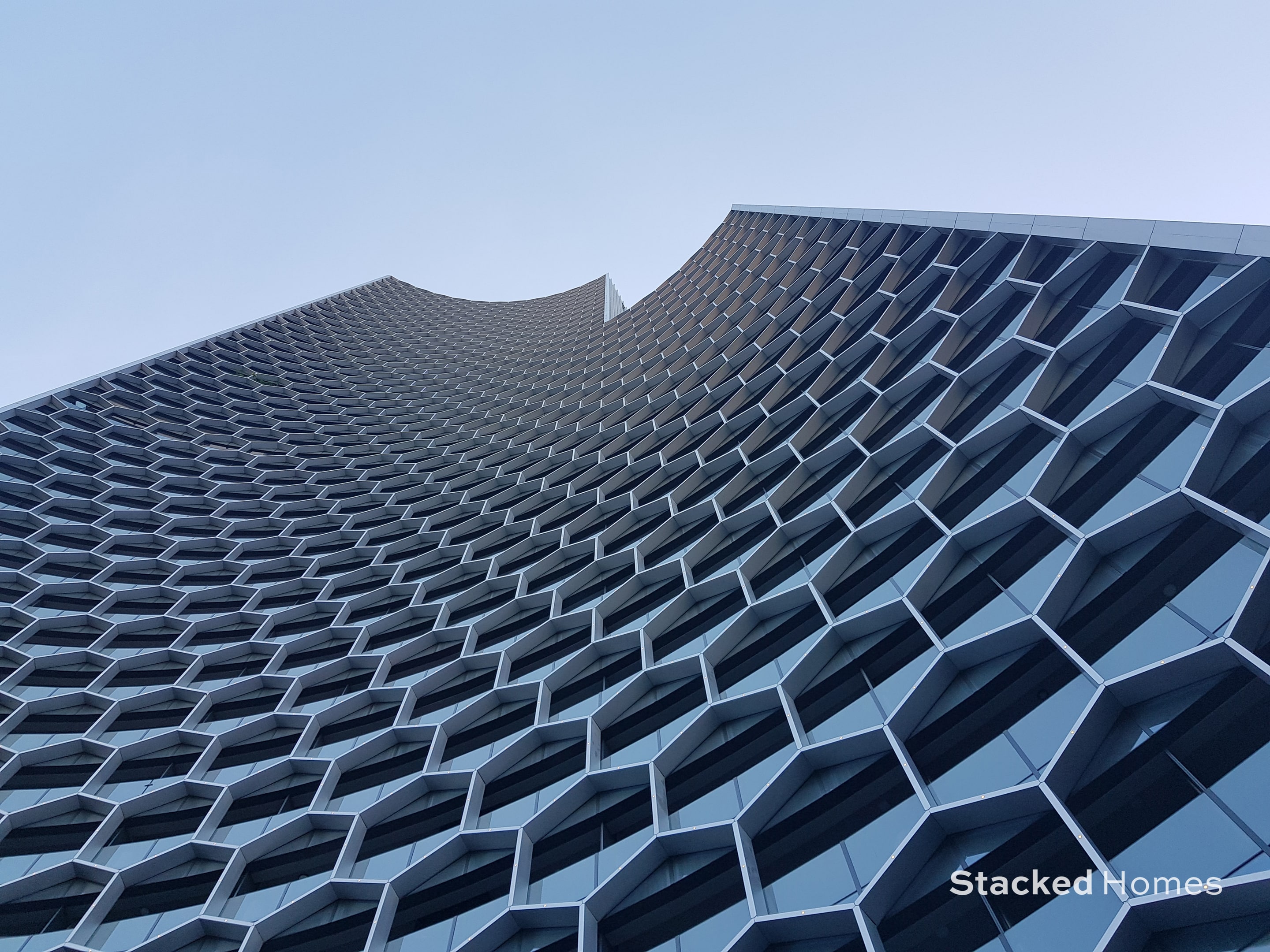
How is land ownership in Singapore classified?
Now you know the history behind the land ownership in Singapore we will now delve into the different classifications of land ownership. Due to the origins of the land law in Singapore, all land ultimately belongs to the state and you can only own an estate or some lesser interest in the land. So under the State Lands Act 5 types of grants of land may be made by the state, namely:
- estates in fee simple
- estates in perpetuity
- leases
- temporary occupation licences
- tenancy agreements
Land ownership in Singapore is basically split into 2 categories: freehold and leasehold.
Freehold land
In simple terms, freehold land owners will own the land title forever. There is no expiration date to it. This is obviously the most valuable and sought after land status in Singapore.
Leasehold land
Leasehold land differs from freehold in that it has an expiry date. The two most common in Singapore would be the 999-year and 99-year. Although the former is getting increasingly rare in Singapore. Leasehold land can have different tenures depending on what was set, so it can be anything from 30 years to some that are 110-year leases.
As always, feel free to leave a comment below or you can always reach out to us at stories@stackedhomes.com!


3 Comments
Hi Stanley
for residential 99 years lease landed property, so far in Singapore, is there any example of a property that the lease expire. what actually happen when the lease expire? do we need to remove all movable items? what is the handover process like?
[…] Land Purchase Act went effect in June 1967, giving the government the authority to acquire land for public infrastructure development by forced acquisition. The compensation paid to landowners’ properties was […]