


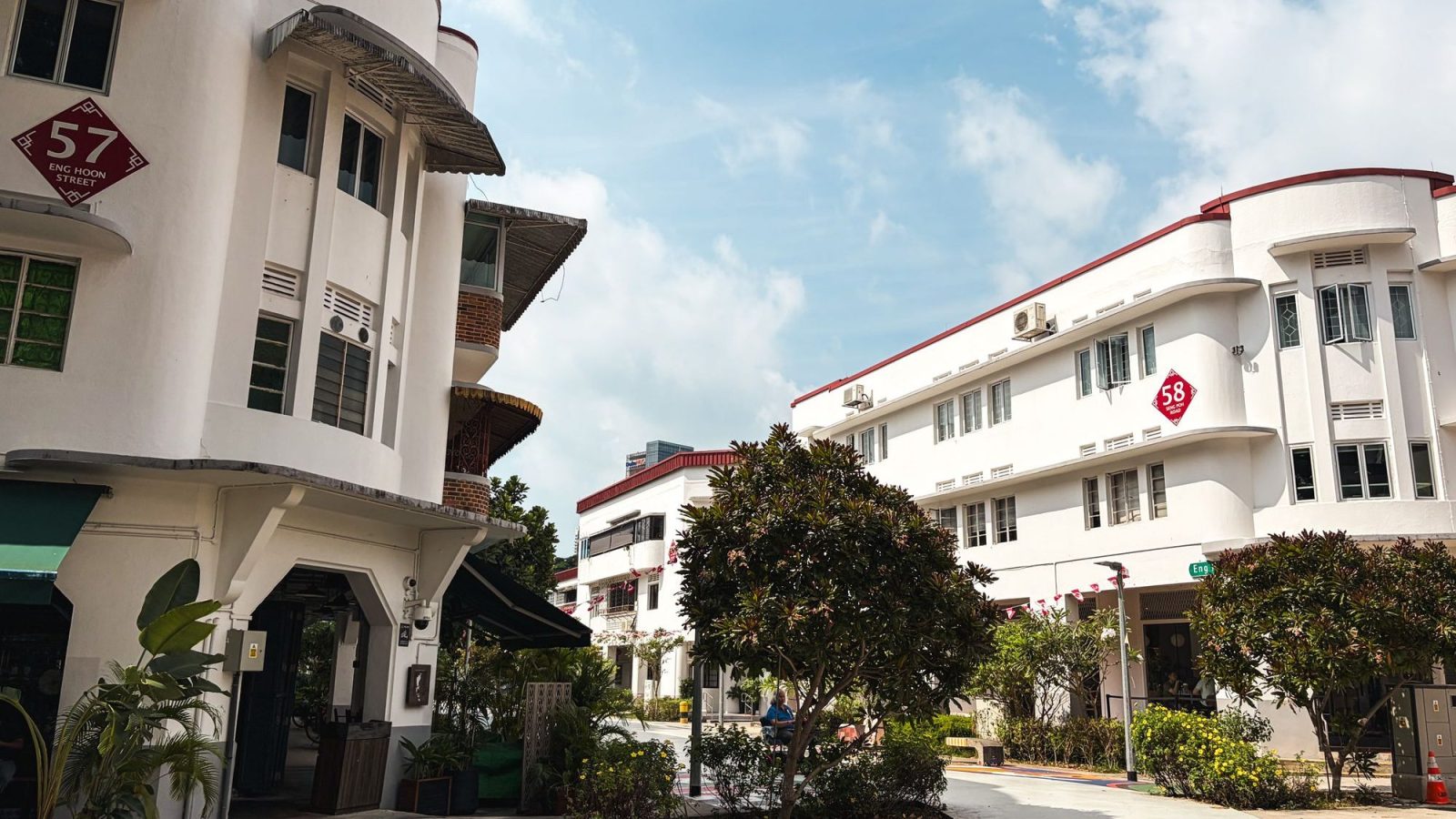
Tiong Bahru is Singapore's oldest public housing estate, built years before the Housing and Development Board (HDB) existed and the neighbourhood was already three decades old when Singapore became independent in 1965.
The oldest and most recognisable corner of the neighbourhood is a precinct bounded by Tiong Bahru Road, Seng Poh Road, Moh Guan Terrace and Tiong Poh Road. The Urban Redevelopment Authority (URA) gazetted the residential buildings in this pocket for conservation in 2003, and it has since become a regular stop on the National Heritage Board (NHB)'s walking trails.
For me, the history of Tiong Bahru has a deeper, and more familial connection, than some Singaporeans. My grandmother lives along Kim Tian Road, a short walk from Tiong Bahru Market, and my father grew up in the broader Tiong Bahru estate, a fact he still points out every time we drive past. Their stories, along with the visits and family occasions I've spent here over the years, have shaped much of what I know of the area growing up.
So, it felt like the right neighbourhood for me to pen an article in the afterglow of this year's National Day.
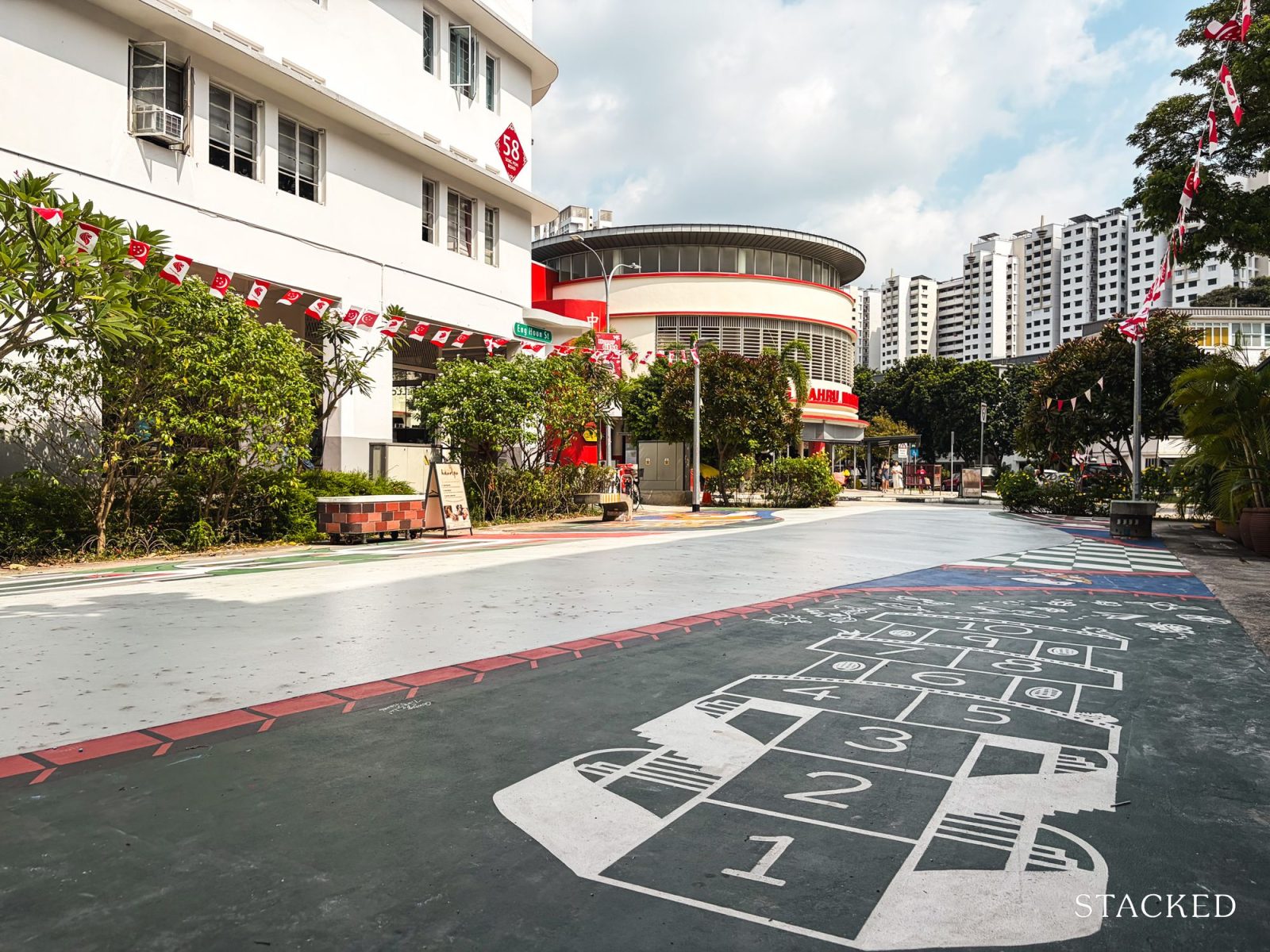
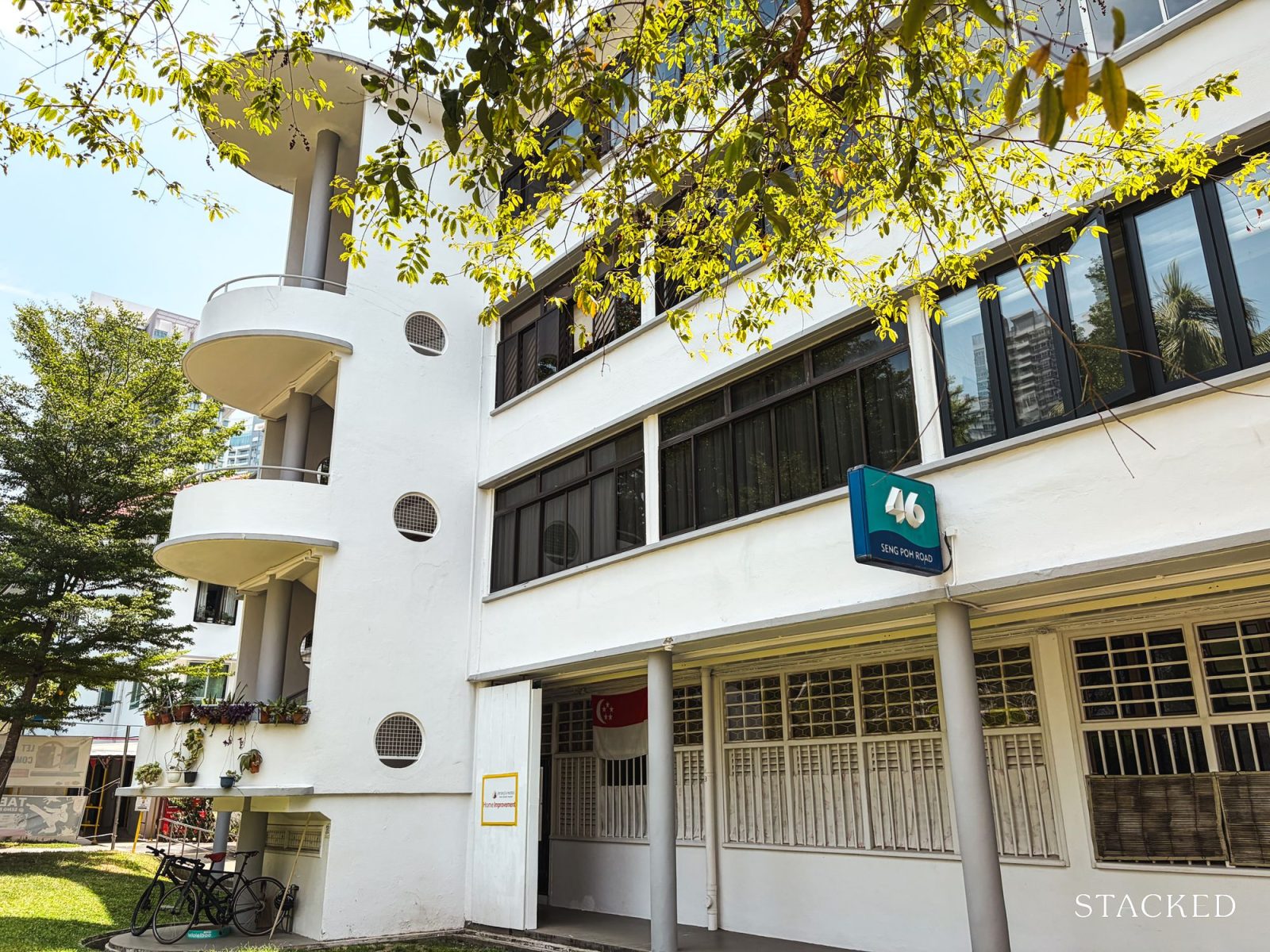
I walked through the precinct this week, soaking in all that Tiong Bahru has to offer. At this time of the year, the curved Art Deco blocks in white paint, with their exposed brick walls and red roof trimmings, unintentionally complement the Singapore flag bunting strung up for National Day. A mix of old-school shopfronts and newer cafes fills the ground-floor units below.
Before it was Singapore's first public housing estate, it was a swamp lined with graves
Tiong Bahru's name tells you all you need to know about this area in the past. In Hokkien, "tiong" means graveyard, and in Malay, "bahru" means new.
Before the 1930s, the area was a mix of Chinese burial grounds, mangrove swamp, squatter huts on stilts, and small operations that included pig farms and a rubber factory. Roads into the area were in a state of neglect.
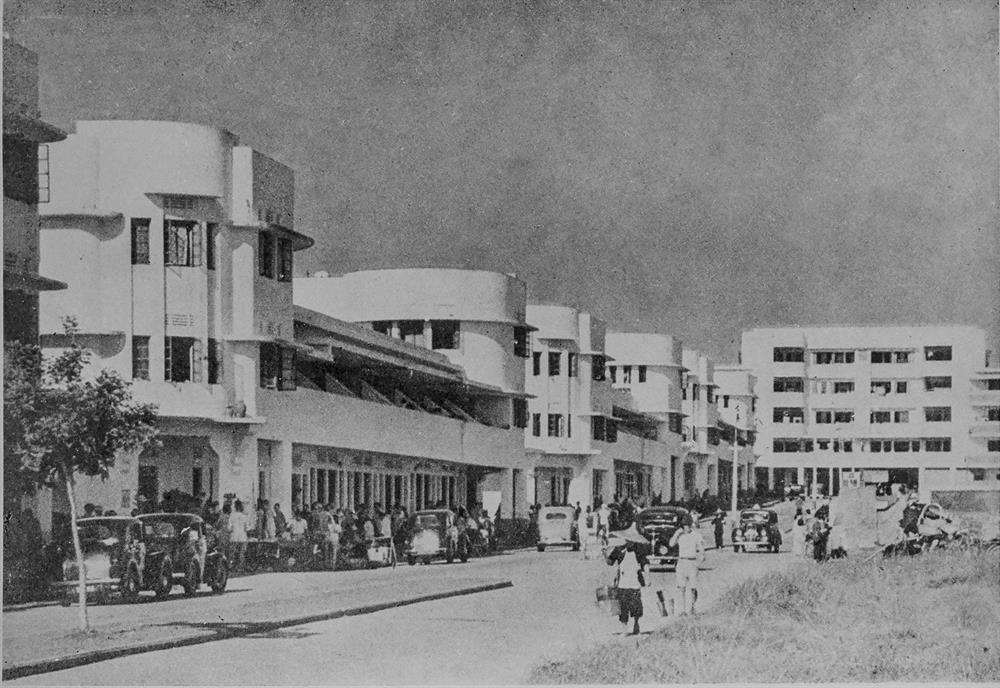
The push to redevelop the area came from the overcrowding scene that was taking place a few streets away. In 1925, a municipal health officer recommended clearing the site for new housing to relieve the residential pressures in Chinatown's slum tenements.
The Singapore Improvement Trust (SIT), the British colonial body that predated the HDB, acquired roughly 33 hectares of the land and spent close to $1.5 million on infrastructure and slum clearance in the years leading up to 1931.
Construction of the first public housing flats began in March 1936, and the first residents - paying just $20 to $22 a month - moved into several of the 28-unit blocks that December.
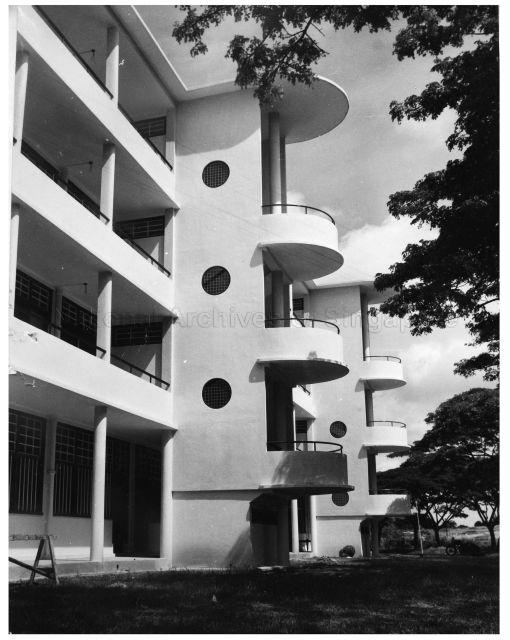
Nearly a decade later, by 1941, the estate had grown to consist of 784 flats and 54 tenements. It was a new neighbourhood that was home to more than 6,000 people across a mixed population of Chinese, Indian, Eurasian and European residents. Each unit had running water, electricity and its own indoor bathroom, which was not the norm for housing built for ordinary working families at the time.
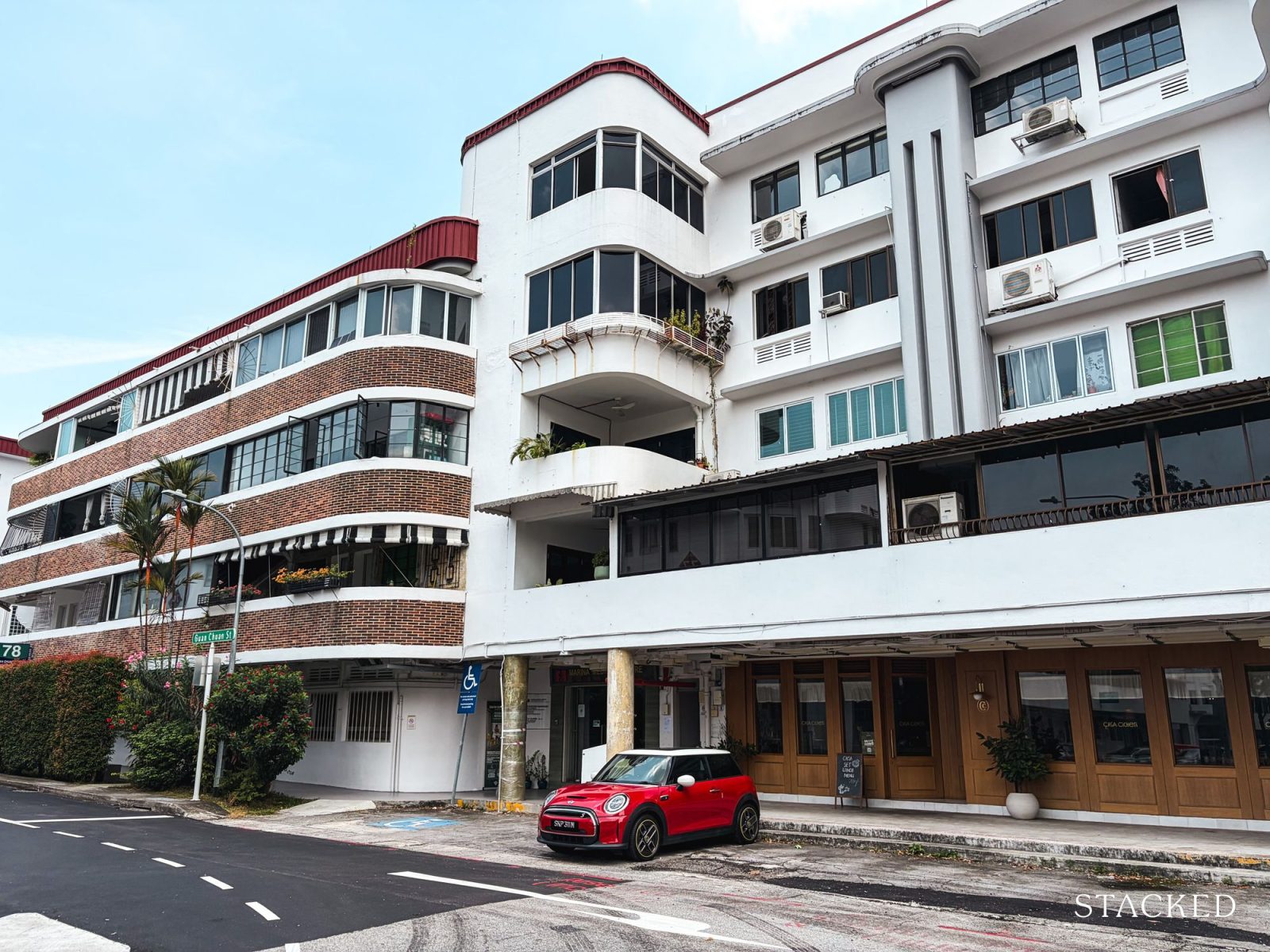
The blocks themselves were designed in the Art Deco style by SIT architects, such as Alfred G. Church, and the architecture took inspiration from British new towns like Stevenage and Harlow.
Their curved balconies and rounded corner staircases earned them a Hokkien nickname, "puay kee chu" or aeroplane houses, for their resemblance to the control tower at the old Kallang Airport.
War, privatisation, and its creeping reputation as an old folks' estate
The estate did not stay untouched for long. Japanese bombing during the war damaged a number of the roofs, and blast-proof air raid shelters built at Block 78 on Guan Chuan Street are recognised today as the first ones built for a Singapore public housing estate.
The occupation of Singapore by the Japanese brought a sharp rise in the resident population at Tiong Bahru as displaced people from across the island crowded in.
After the end of the war, a second wave of new development introduced more flats, and by 1954 the estate comprised 1,258 flats that housed roughly 17,000 residents. Singapore's first community centre opened there in 1951, and the country’s first polyclinic followed a decade later.
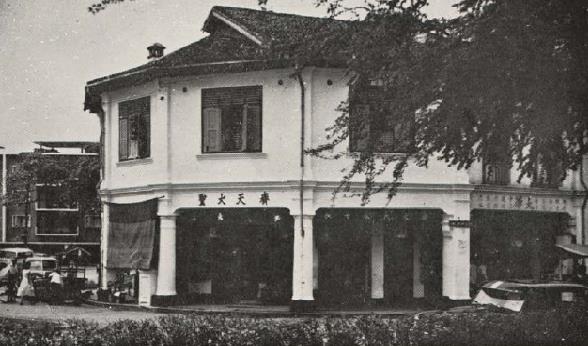
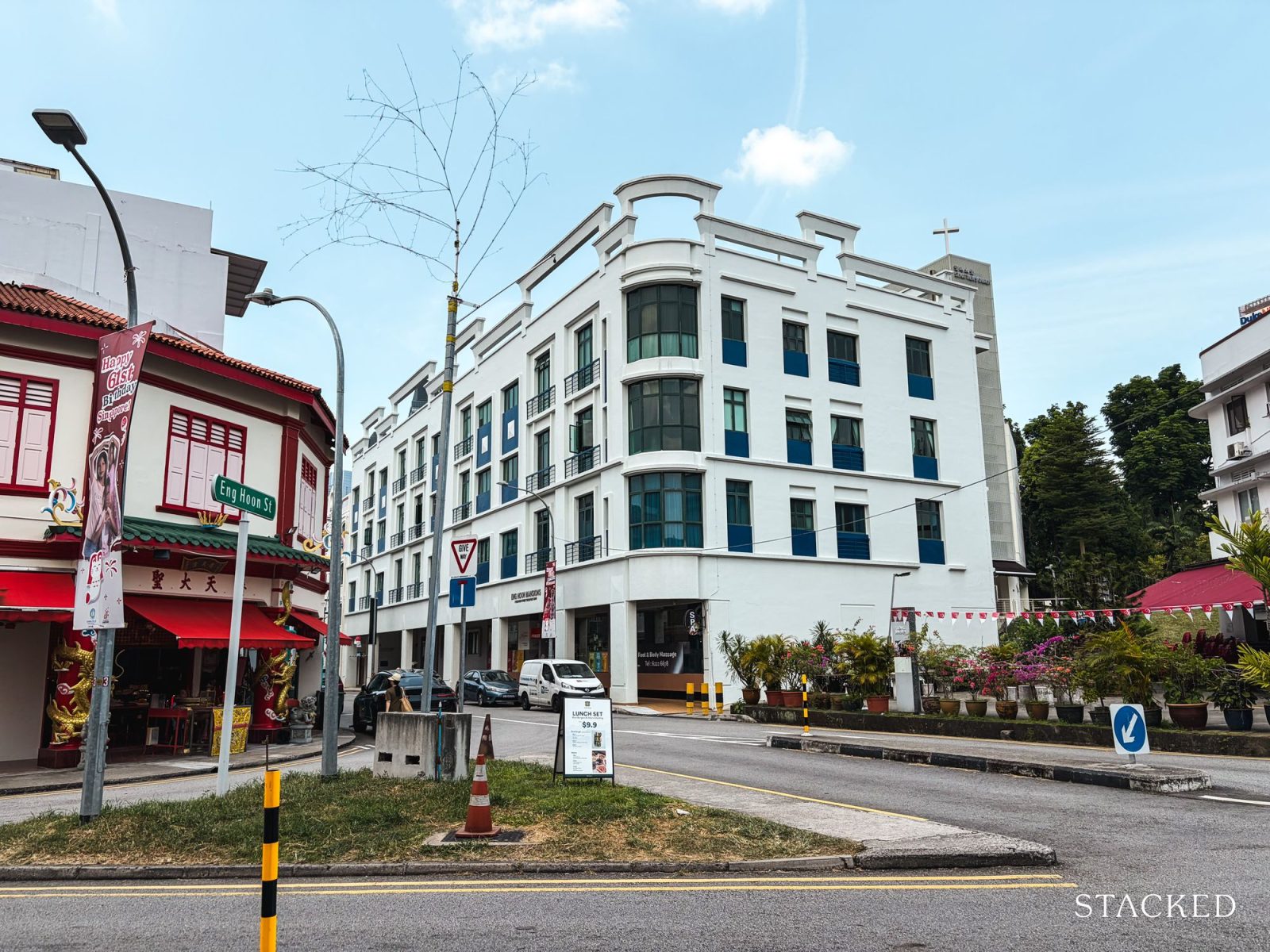
The SIT was dissolved in 1955 and the entirety of its housing stock was passed to the newly formed HDB in 1960. This saw the flats move from rental to ownership throughout the 1960s and into the early 1970s.
The pre-war blocks along Eng Hoon Street, Eng Watt Street, Chay Yan Street, Guan Chuan Street, Tiong Poh Road and Seng Poh Road - roughly 700 units in total - were sold off to sitting tenants under a pilot homeownership scheme. Those homes came with fresh 99-year leases that started from 1 January 1967.
That decision, made decades before thoughts of conservation status entered the picture, is why this particular pocket of Tiong Bahru sits completely outside the ordinary HDB resale system today.
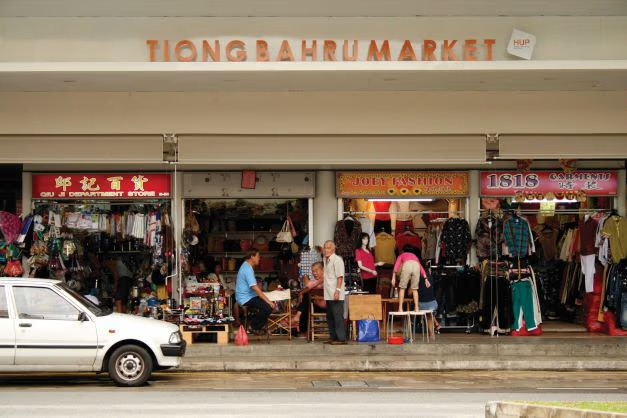
Seng Poh Road saw its first fresh food market in 1951, a simple wooden structure with a zinc roof that replaced an earlier row of sheds. It was not, by most accounts, a pleasant place. By the 1980s, Seng Poh Road Market was cramped and dirty, one of several signs that Tiong Bahru had solidified the estate’s reputation as an ageing estate with a greying population and tired facilities.
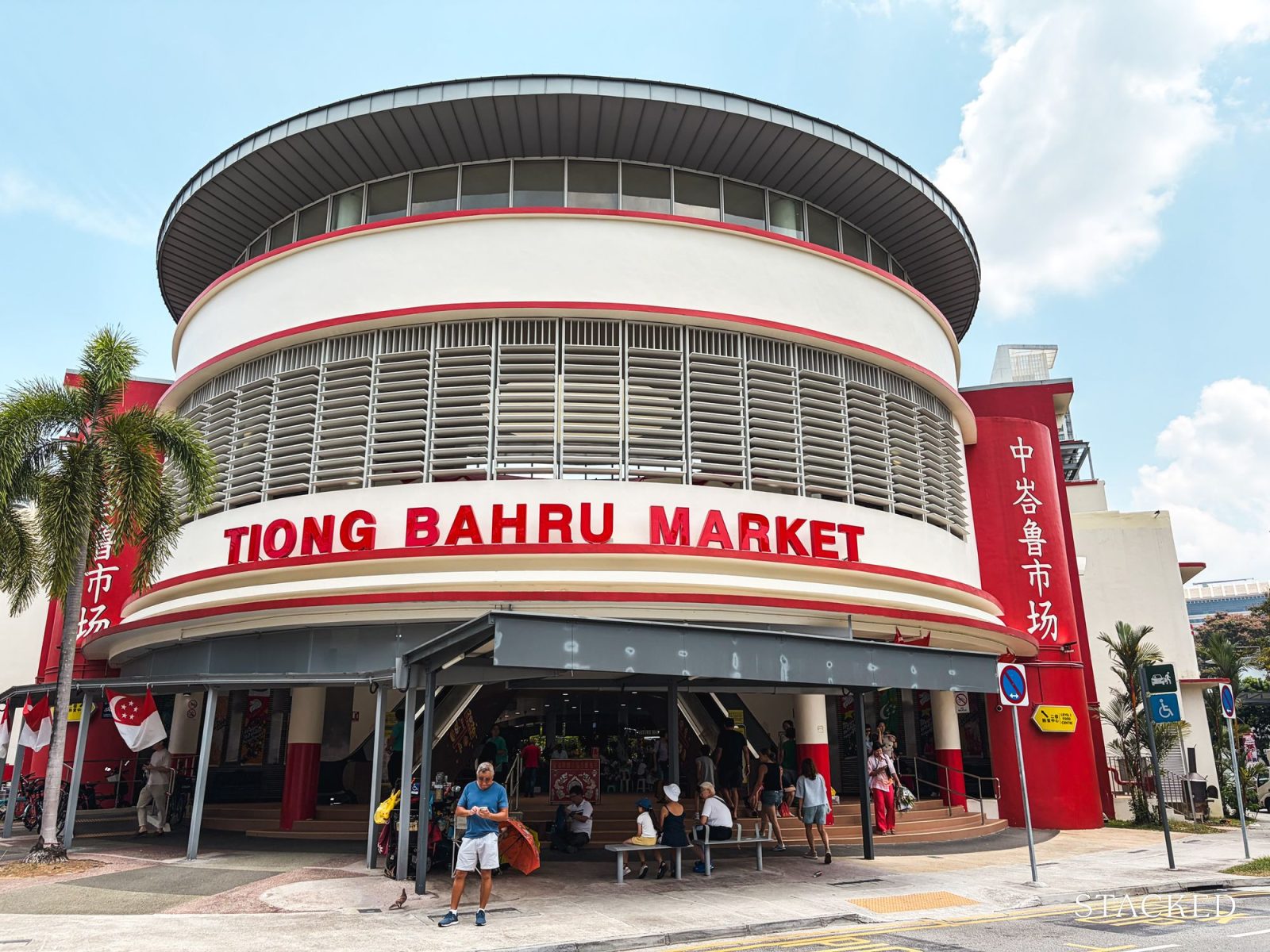
A 1993 revamp renamed it Tiong Bahru Market, though the market as it stands today only took shape after a further rebuild in the mid-2000s.
Conservation protected the old blocks, and modern cafes quickly followed close behind
The transformation and rejuvenation of Tiong Bahru came in stages.
The market was closed for a $16.8 million rebuild between 2004 and 2006, its hawkers relocated temporarily to nearby Kim Pong Road, and reopened as a two-storey building with Art Deco detailing worked into the new structure.
In 2003, URA gazetted 20 of the pre-war SIT blocks (numbered 55 to 82) for conservation, along with 36 shophouses fronting Outram Road. Boutique hotels followed within a few years: the Link Hotel in 2007, on the site of what residents called the Bird Corner at Block 53, then Nostalgia Hotel in 2009 and D'Hotel (formerly Wangz Hotel) in 2010.
Independent bookstores, galleries and cafes filled the ground floors around them, and Yong Siak Street became the strip most associated with the change: Plain Vanilla Bakery relocated its flagship there from Holland Village in 2013, at the junction with Chay Yan Street, and the cafe crowd has followed it since.
The transformation was so successful that the National Heritage Board picked Tiong Bahru as the site of its eleventh heritage trail in 2013. This 2.5-kilometre, ten-stop walking route starts at the market and is notable for being the first of NHB's trails led regularly by resident volunteer guides. When the walking tour first started, nearly a year’s worth of sessions was snapped up three weeks after it launched.
The rising tide of urban renewal also helped to uplift faltering property values. Resale flats on the periphery of the conservation area crossed the $1 million mark for the first time in 2019, when a 5-room flat on Kim Tian Road sold for just over $1 million. That’s a threshold that would have been unthinkable for an estate written off as past its best, only two decades earlier.
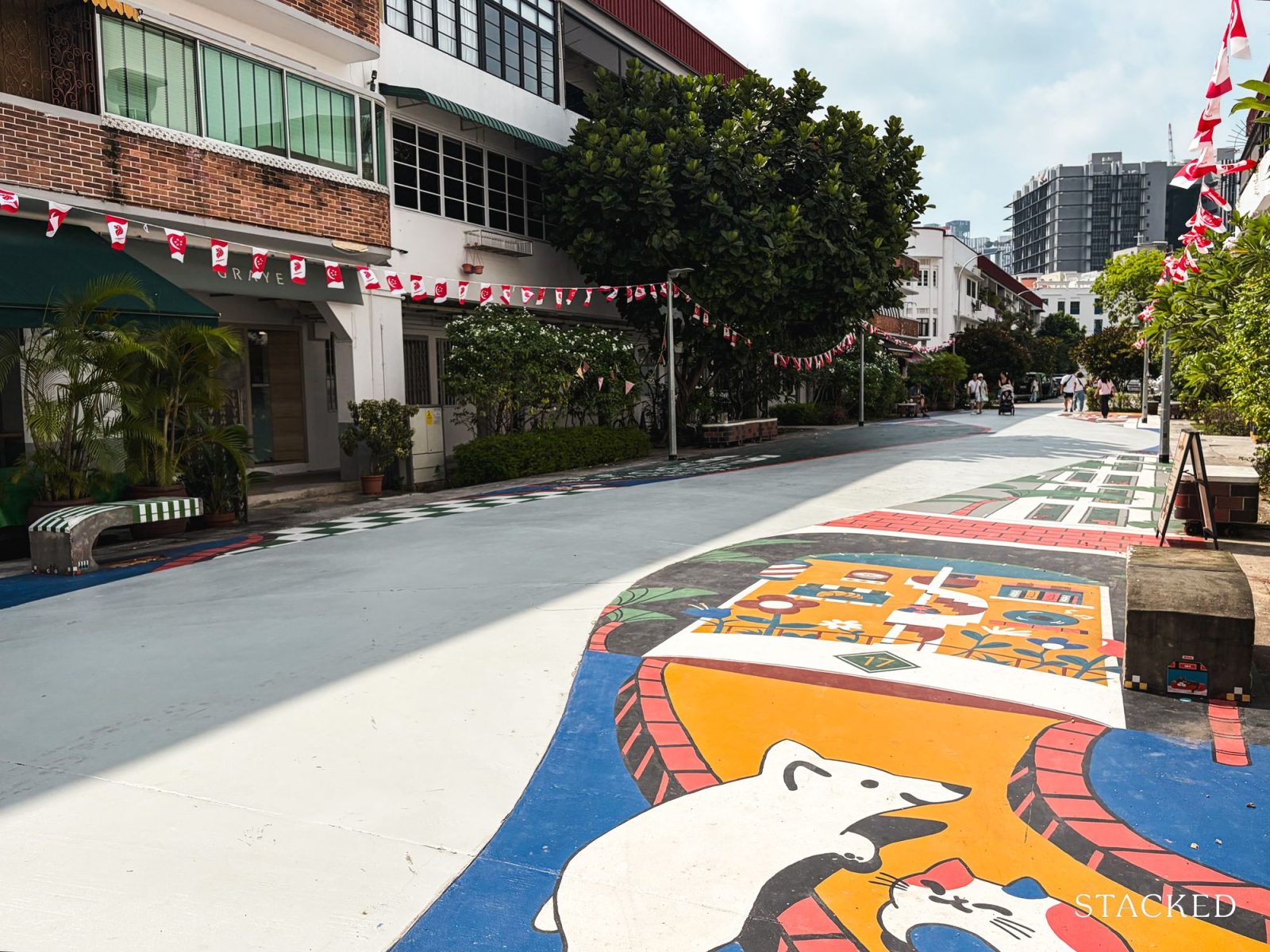
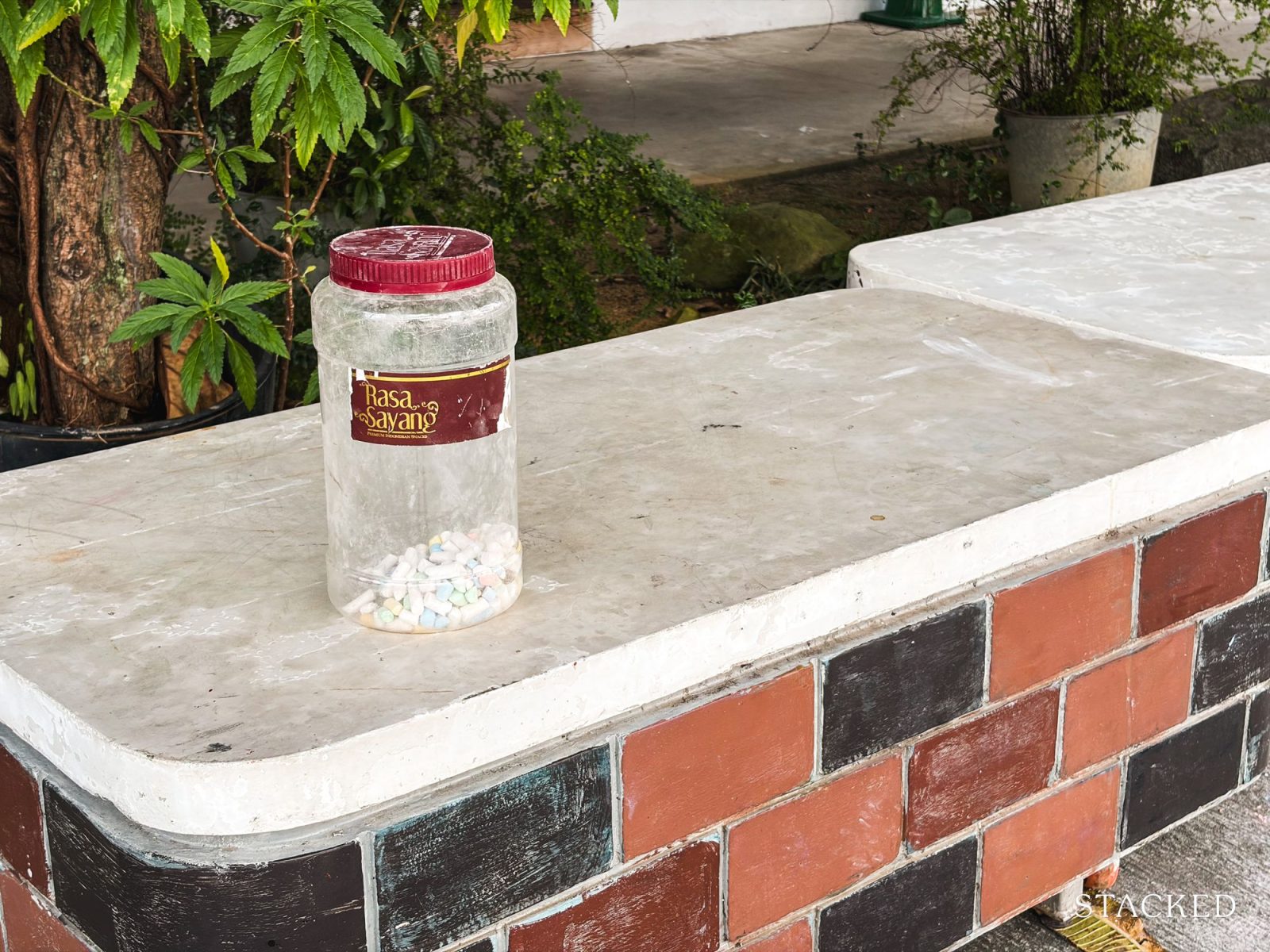
Placemaking efforts are ongoing: a stretch of pavement near the market has been drawn over with a hopscotch court and several sidewalk art pieces, with a container of chalk even left out for anyone who wanted to add to them.
The walk-up flats that made Tiong Bahru famous are rarely available for sale
This is where the estate splits into two different markets, and what distinguishes flats along the same set of streets. The roughly 700 pre-war units privatised in the 1960s, the ones along Eng Hoon Street, Eng Watt Street, Chay Yan Street, Guan Chuan Street, Tiong Poh Road and Seng Poh Road that give Tiong Bahru its postcard image, are not HDB flats at all anymore.
They rarely turn up on the resale market, and most have roughly 40 years left on their lease. Moreover, their conservation status also means these blocks can never go through a redevelopment scheme.
When the lease runs out in 2066, it's more than likely that the land will be returned to the state, with none of the collective-sale upside that owners of a typical ageing HDB estate might still hope for.
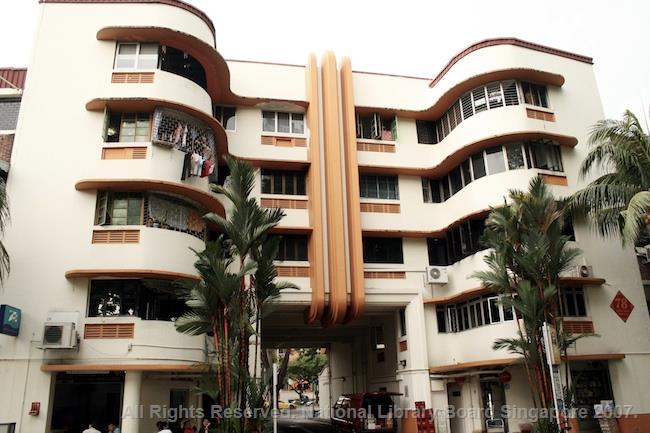
But the postwar housing blocks that are a short walk away are a different story. Moh Guan Terrace, built in the estate's second development wave, carries a standard 99-year leasehold that commenced in 1973. This gives the homes there about 46 years left.
These are considered ordinary resale flats. And in May this year, a 1,615 sq ft four-room adjoined unit at Block 50 was sold for $1.53 million. This is the highest price ever recorded for a 4-room resale flat this old (lease commencing 1980 or earlier). A three-room unit in the same block also changed hands the following month for $777,000; itself a high price for a flat that size.
Both transactions involve flats with under half their original lease remaining, which says something about the desirability - and supposed premium - that buyers attribute to the homes there, which has nothing to do with the ticking lease clock at all.
Two streets, two completely different ownership structures, and both prized in the resale market. The pre-war walk-ups are able to command their prices as a result of scarcity and heritage status, while the postwar HDB blocks get theirs from location, floor size and an address that a decade of cafes and press coverage turned into a lifestyle marker.
There is no easy way out for the owners once the lease decays further; buyers on both sides are paying today's high prices for a lease that only gets shorter, with no clean exit once it runs out.
Not everyone in the neighbourhood can afford to meet today’s prices
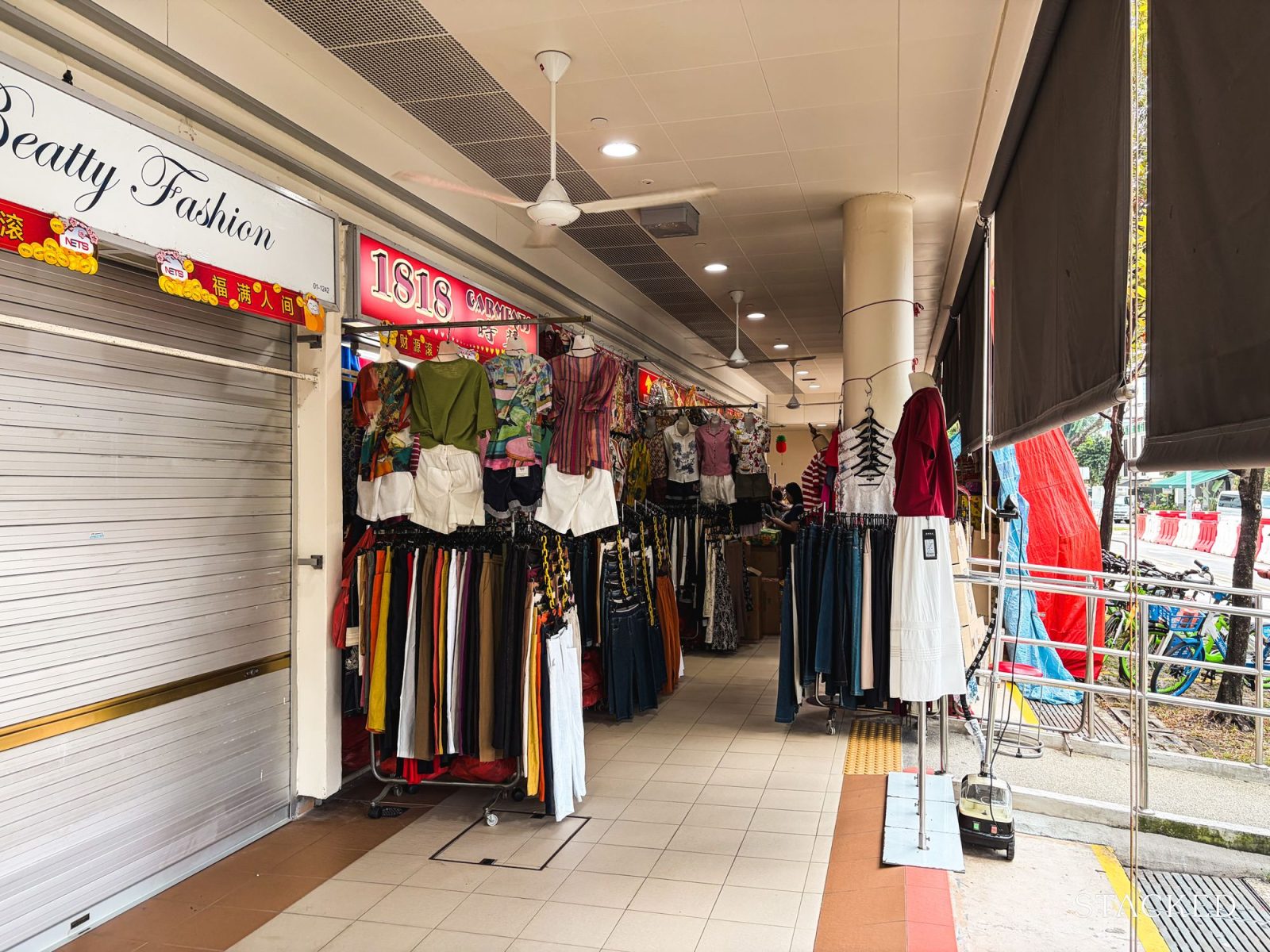
It is ironic that the rejuvenation schemes which helped to push prices up have made it harder on the people who were there before this all started. Rents on Yong Siak Street more than doubled from $2.70 psf a month in mid-2011 to $6.20 psf by the same period in 2013, according to caveated transaction data.
This was largely attributed to the influx of new cafes and boutique retailers who competed for space that once housed neighbourhood shops. Rental data from URA shows the trend has continued since: median retail rent came in at about $8.70 psf a month on Eng Hoon Street (4Q 2024) and about $8.40 psf on Seng Poh Road (4Q 2023).
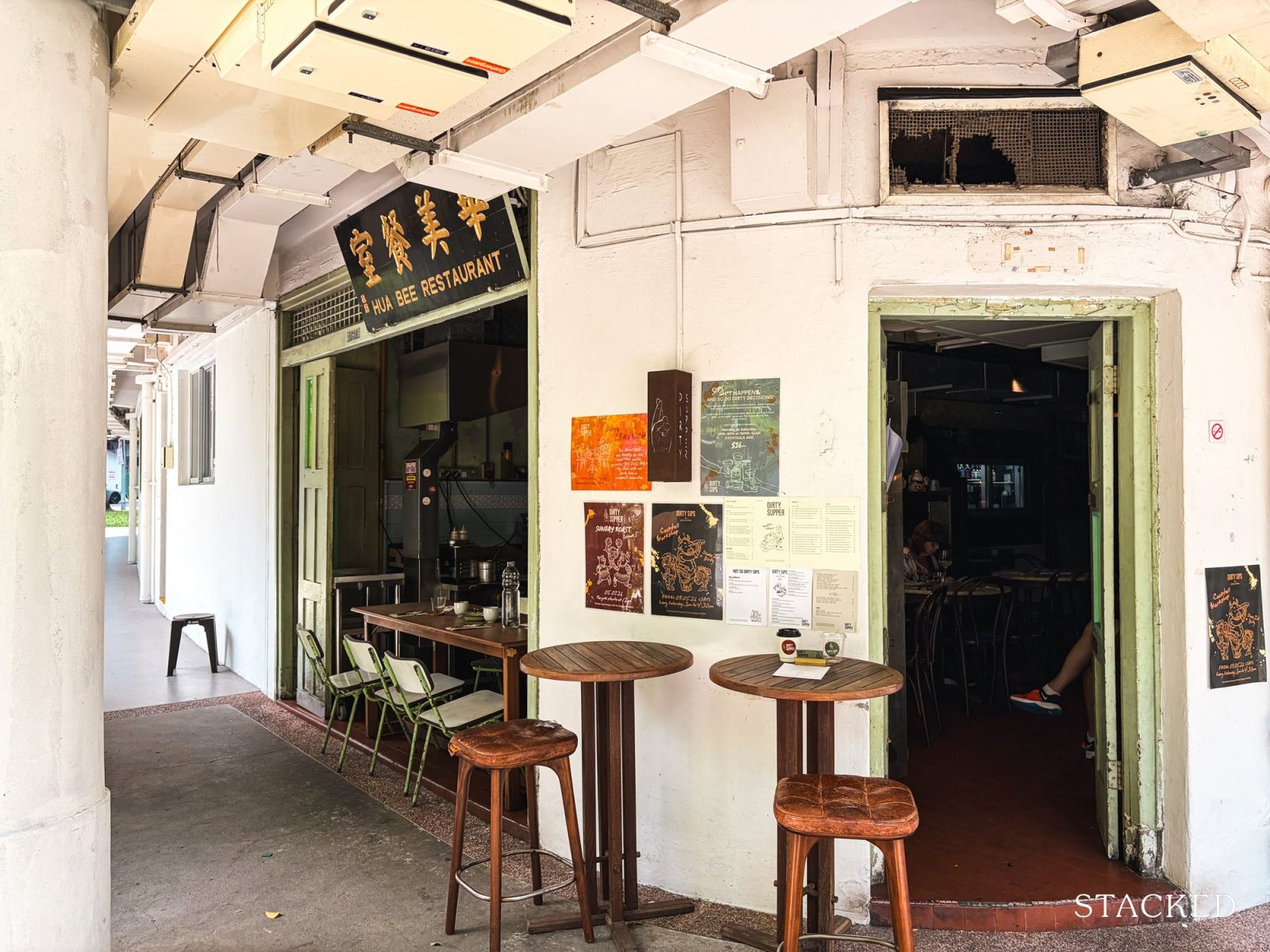
And you can see this effect on the ground. Two provision stores that had served the estate for more than 50 years reportedly shuttered after their owners chose to rent out to new F&B tenants instead.
The collision of heritage and new came to a head in 2018, after residents and grassroots leaders raised concerns about the growing spread of commercial units into what was meant to be a residential estate. This led URA to rezone a number of sites from purely "Residential" to "Residential with Commercial at first storey", a change meant to draw a clearer line around how much of the ground floor could go to shops and cafes rather than leaving it to spread further.
But that was a zoning tool, not a rent control. It capped where new commercial space could spread, not what existing tenants were already paying. The market and food centre itself reopened again in July 2025 after a fresh renovation, a sign the neighbourhood is still being invested in even as the argument over who it is really for has never fully settled.
The twin faces of Tiong Bahru share the same postcode
My grandmother still occasionally shops at Tiong Bahru Market since it is the nearest wet market to her Kim Tian Road flat, and by her account, everything there costs more than it used to. While most of her neighbours today are not the same people who lived there 20 years ago, she still says she would not want to live anywhere else.
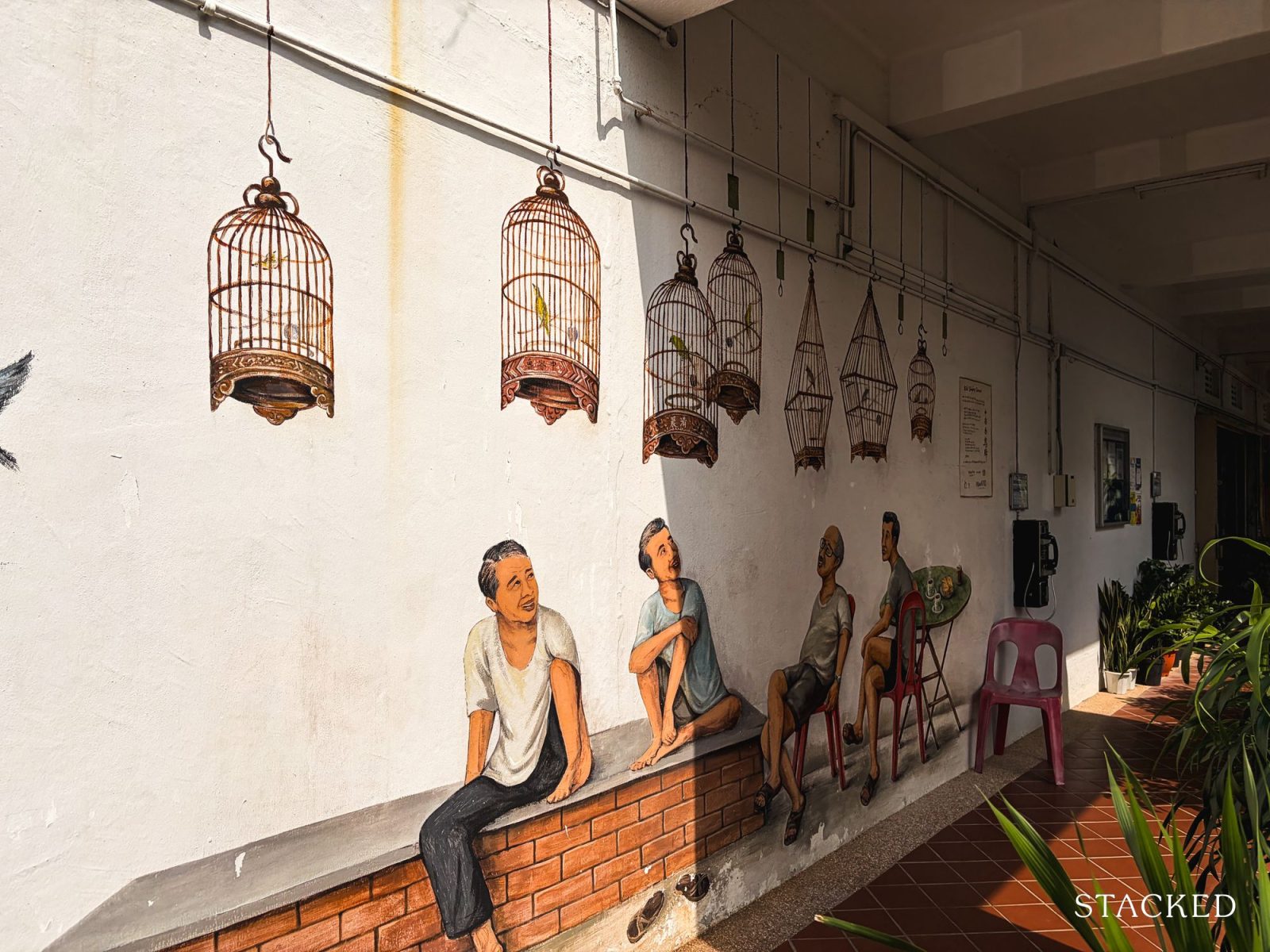
Walking through the area again this week, I passed a mural that depicted old men perched on a ledge with birdcages hanging above them, a scene of the kind of unhurried morning that used to define this estate.
Painted on a wall next to a row of cafes, it was probably part of a top-down placemaking initiative. To me, it's hard not to notice both sides of the estate at once: the quiet blocks, and the stretch drawing weekend crowds to the market and the cafes, all sharing the same postcode.
Ninety years in, with the pre-war leases already inside their final four decades and the postwar ones not far behind, Tiong Bahru's next chapter will have less to do with whether people still want to live there, and more to do with what happens to an ageing estate that everybody, it turns out, still wants a piece of.

0 Comments