


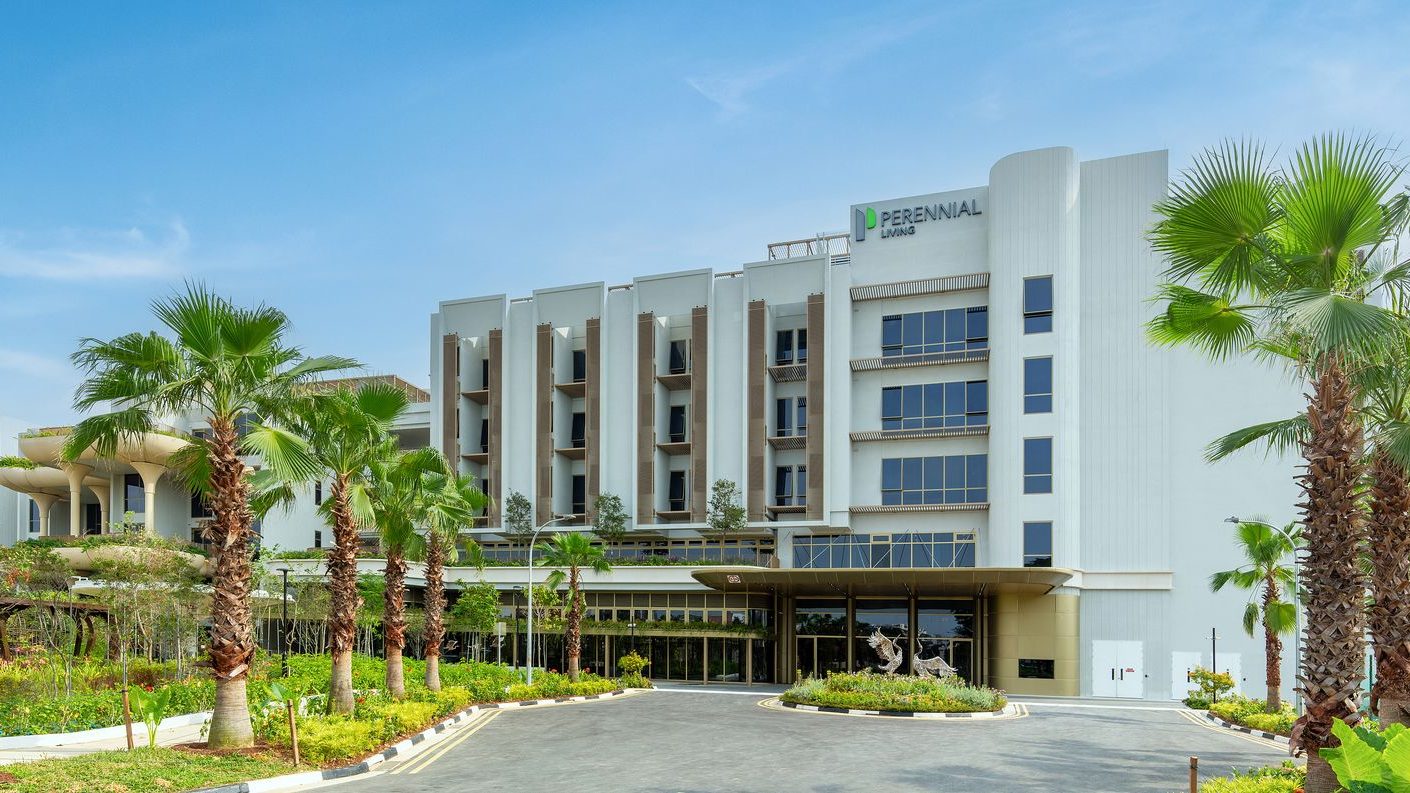
When I first heard that the cost of living in Perennial Living, Singapore’s first privately developed assisted living development, started from $8,000 per month, my jaw hit the ground. But it took an afternoon visit to the senior living development to clear up the confusion that I had.
For me, it was a question of context. Before visiting this new facility, my only point of reference for developments dedicated to seniors and the elderly, were the traditional nursing care homes found across Singapore.
In comparison, what Perennial Living offers is a completely different living experience, and the assisted living development is the first of its kind in this country. Developed by Singapore-based property group Perennial Holdings, it combines 200 assisted-living apartments with medical care, rehabilitation, memory care, and a 100-bed nursing suite within the same site. It is also - to get this out of the way early - a premium product, and possibly the most top-end offering of this kind that we’ve seen so far in Singapore.
But this isn’t just about units with nicer finishings, and Perennial Living has a no-holds barred approach to equipment, staff, and service quality. And while the build quality and services are top of the line, it also brings a philosophy that we can - and perhaps should - apply towards affordable residential options for seniors in the heartlands.
Perennial Living Versus Your Probable Idea of Care Homes
Since the development is so different from what most of us usually imagine as homes for seniors and the elderly, I need to take a bit more time to explain what Perennial Living is.
In Singapore most of us think of assisted living / eldercare as a sort of hospital, fitted with ward-like rooms and beds, nurses walking around, and some old folks gathered in a TV room. Even the better-run nursing home facilities tend to have the same overall vibe.
You’re either there because you’re a resident, employee, or a visitor. Otherwise, there’s very little reason - excluding Chinese New Year - for families and friends to visit.
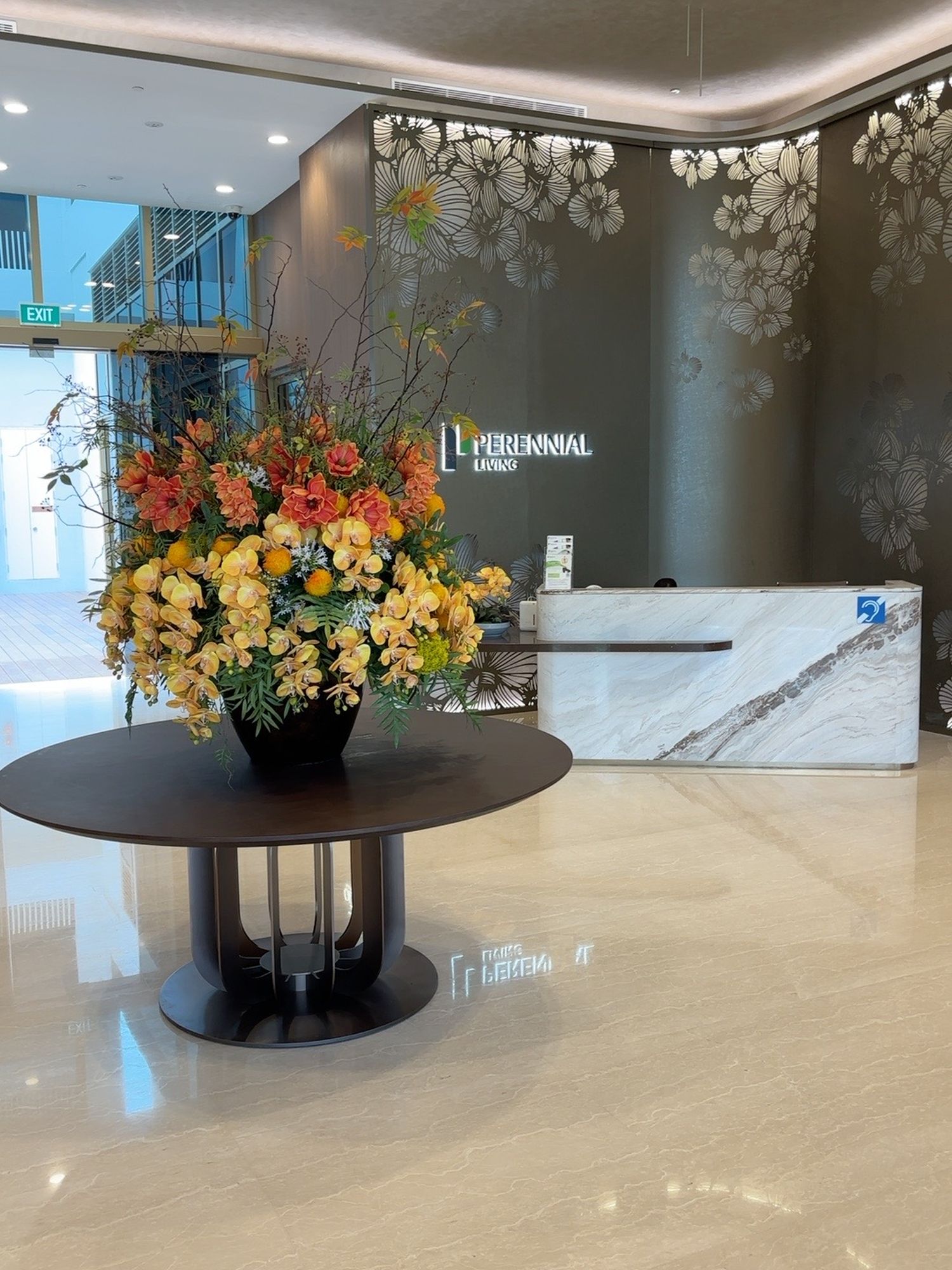
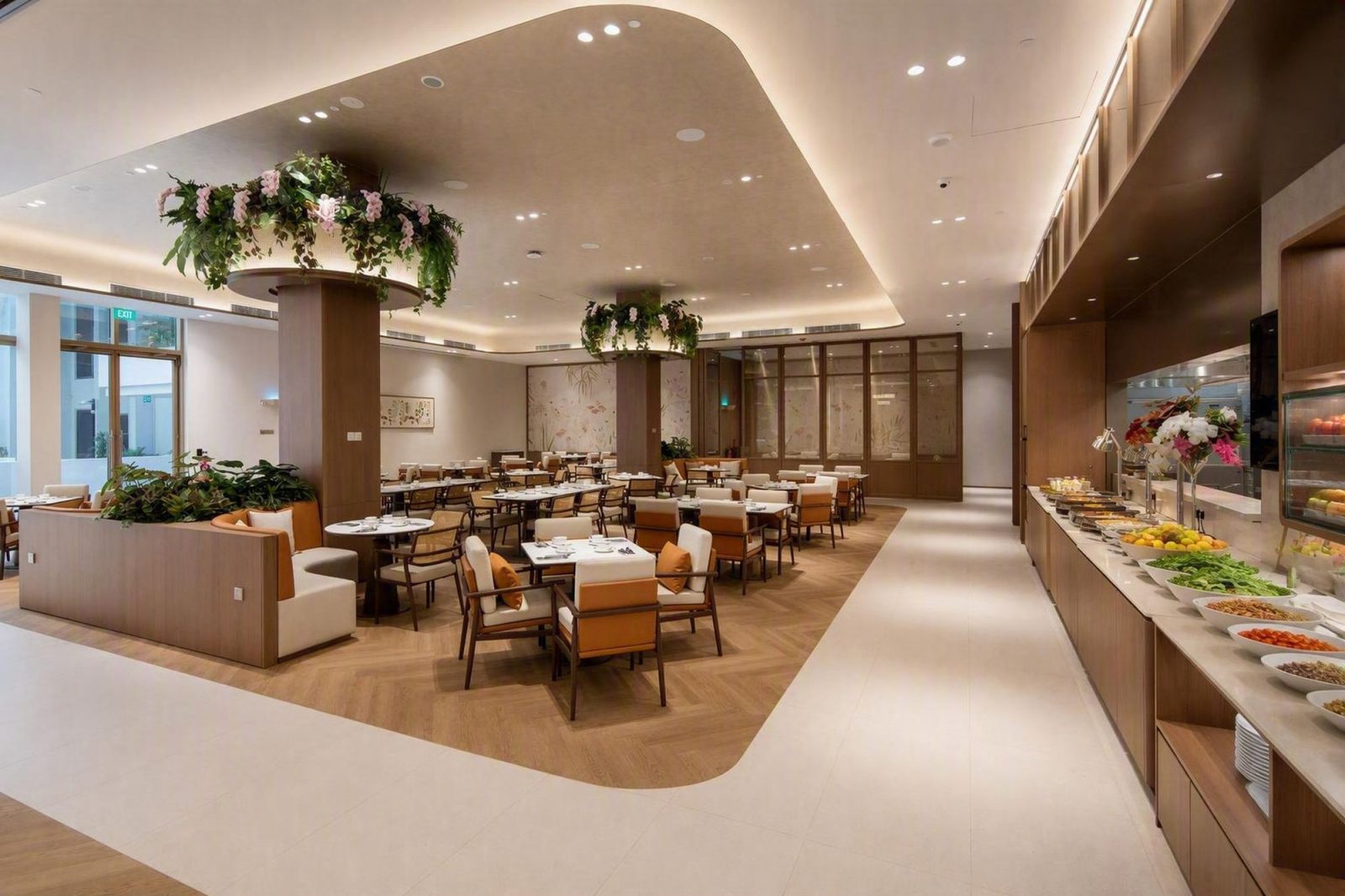
But Perennial Living breaks the convention, and the developer intends to make the living experience feel like a wellness and community hub. The aim is to position the facility as any amenity hub in a neighbourhood, but fulfills the role of assisted living for residents.
The design of the entrance establishes the perception from the beginning that this is no ordinary care-giving home. Next to the entrance is a 120-seater restaurant called The Olive, which has options from private rooms to a non-alcohol bar. This is an all-day dining restaurant that is also open to the public.
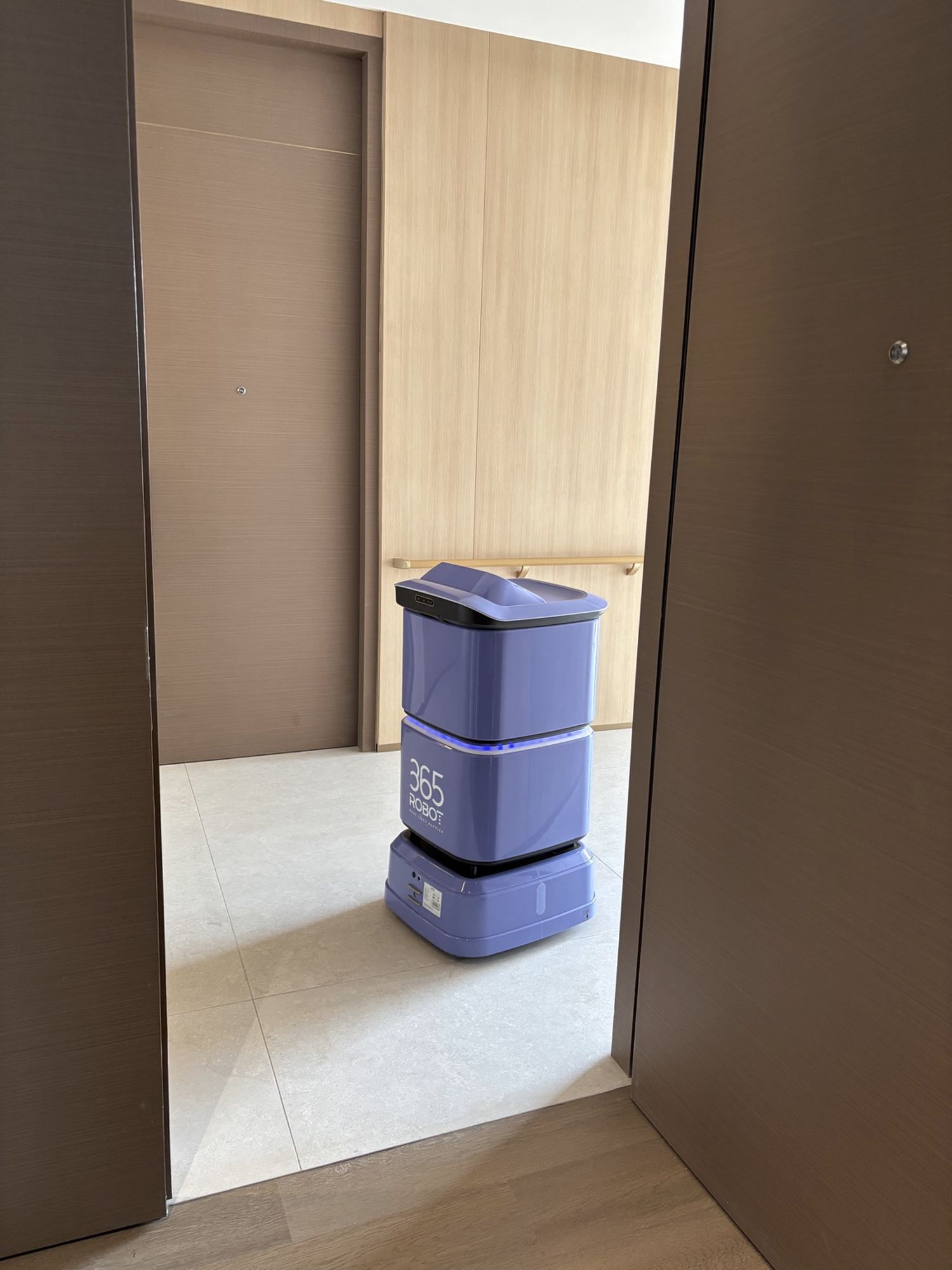
It's a far cry from your typical nursing home dining room, and residents can use a mobile application to order food from the restaurant, and have it sent up by robot to their room.
Also within the facility’s complex is the Perennial Wellness building, which is also open to the public as well as residents. This is a two-storey medical and rehabilitation centre that provides medical consultations, imaging, physiotherapy, robotic rehabilitation, sleep services. It also houses a premium traditional chinese medicine (TCM) clinic upstairs.
And if you’re thinking of hospital wards or polyclinics, let me show you how much difference this type of premium offering provides.
The picture below showcases the pool in the wellness centre. When we visited the facility, there was a group aqua-fitness session underway (again, this is all open to the public as well, if you want to pay for use). Behind it is this hydrotherapy pool, which is heated and has a device to assist the mobility-challenged, helping them enter and exit the pool safely.
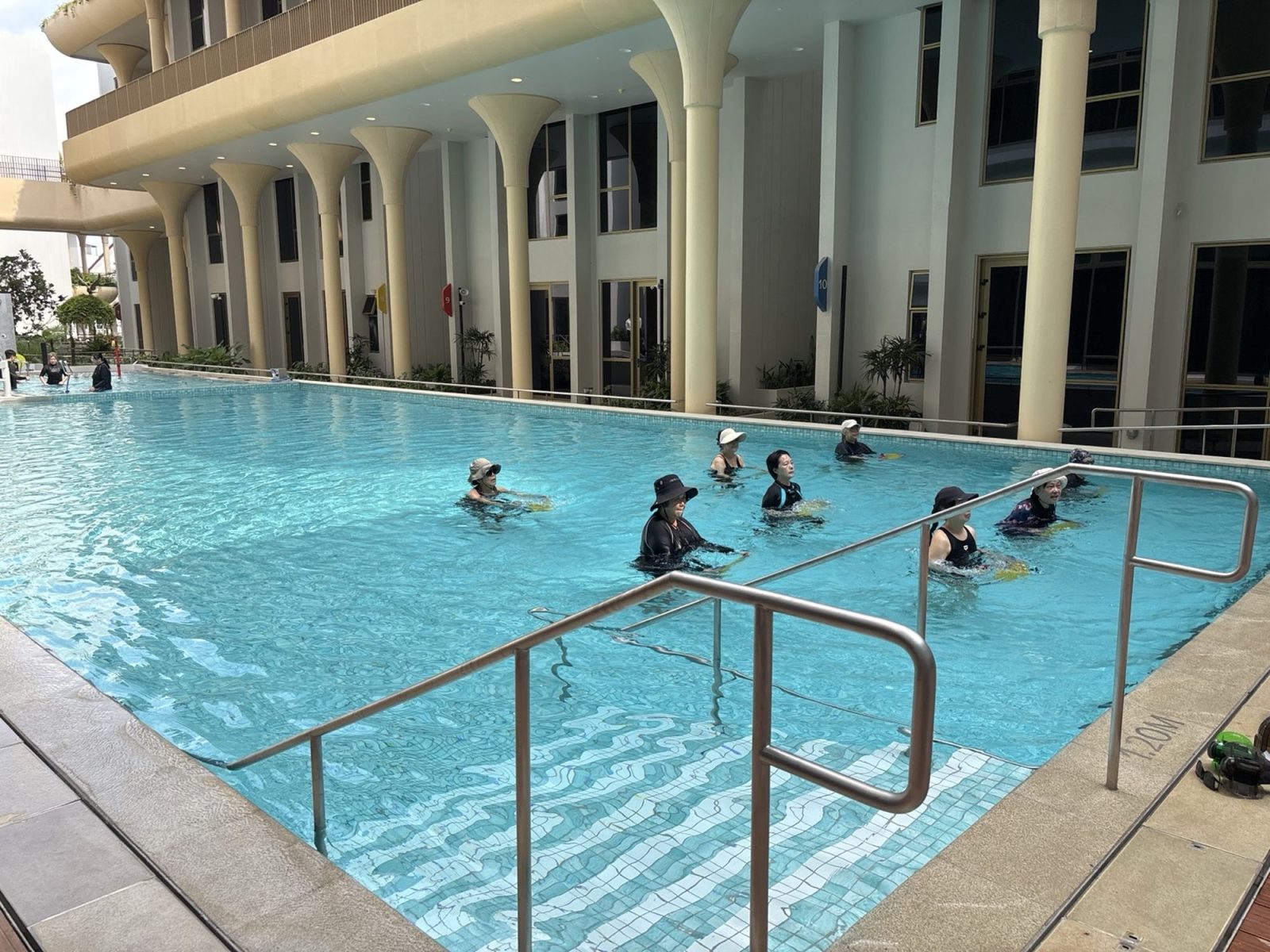
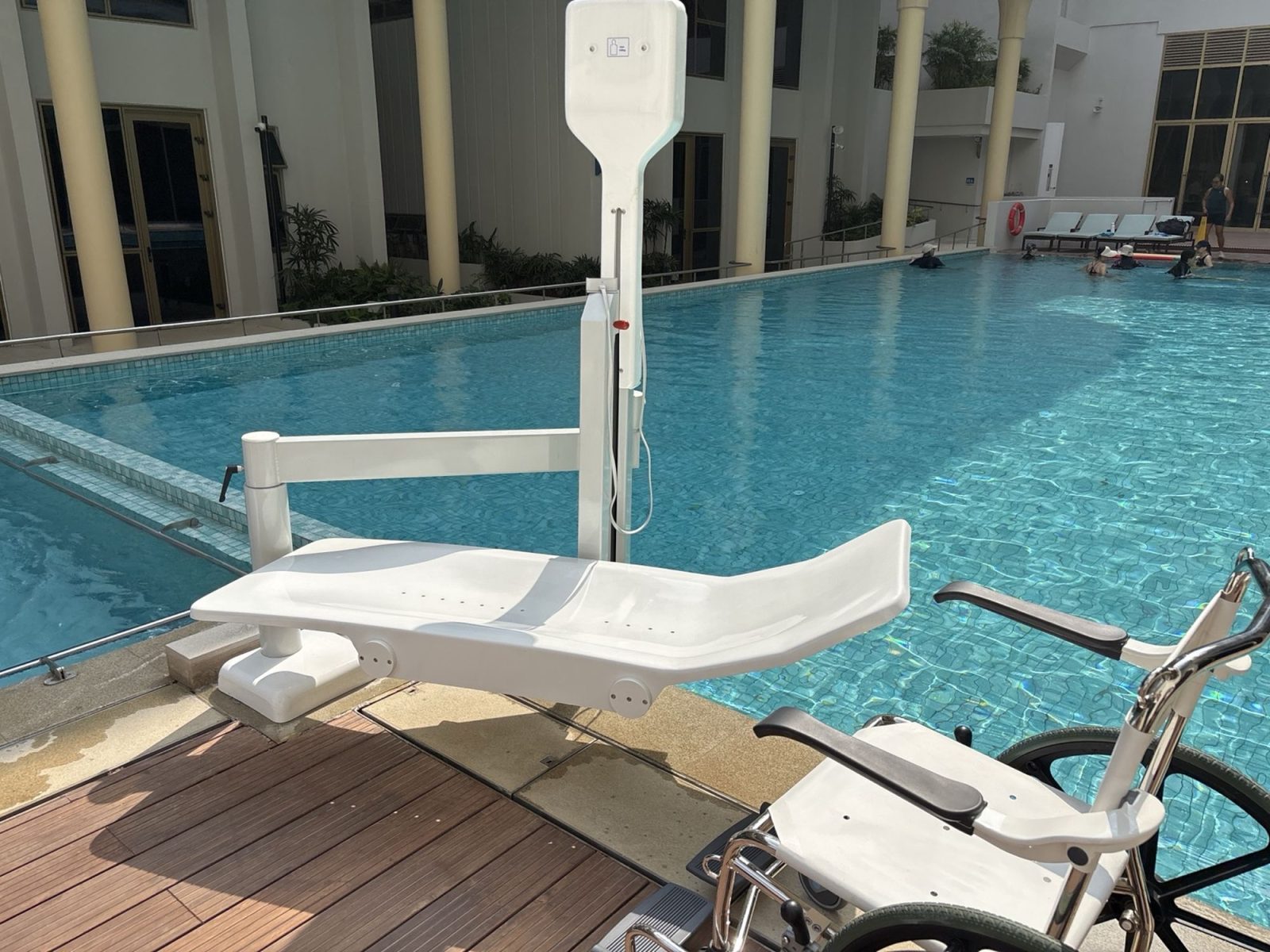
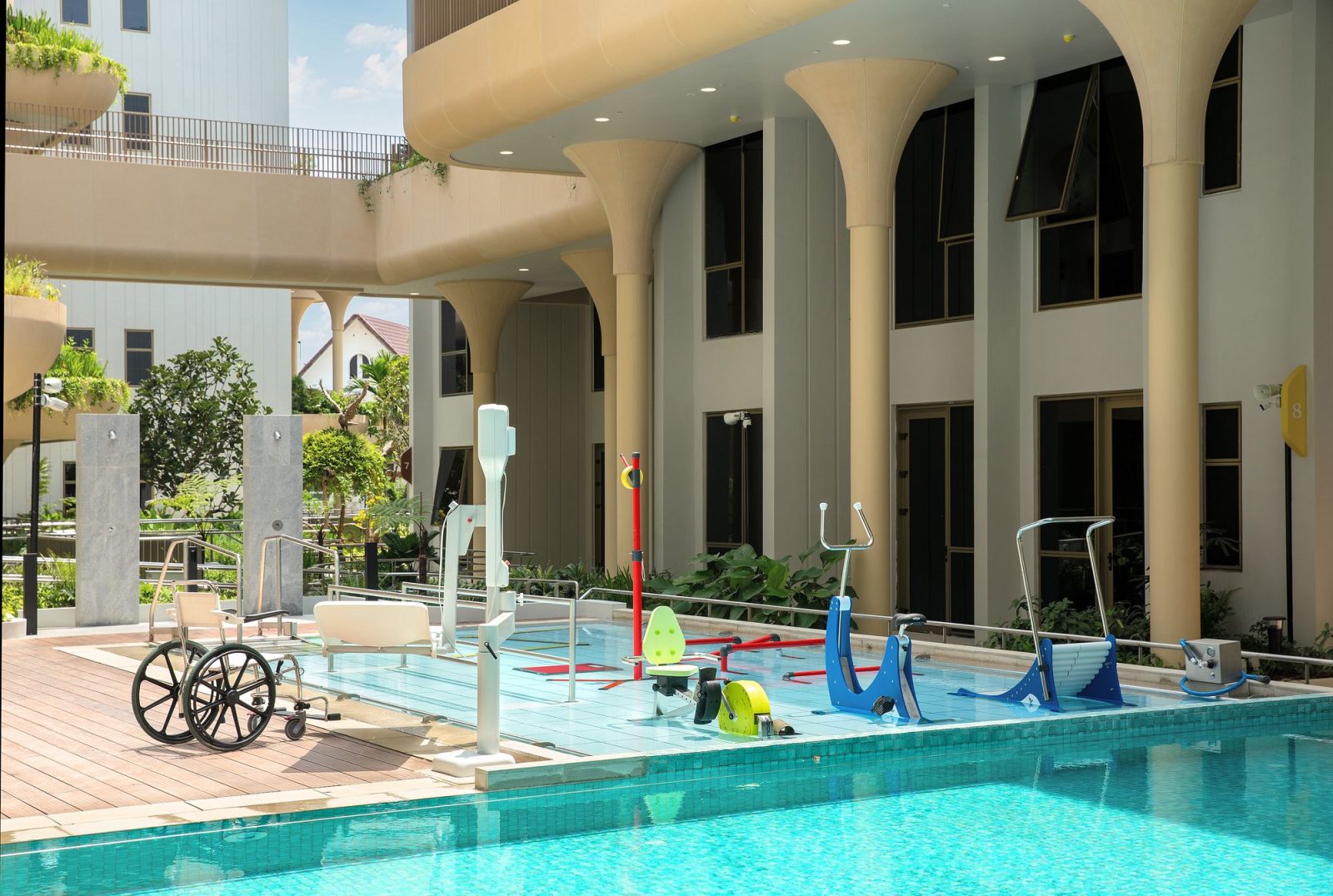
We were informed that regular therapy in water is good for people with joint or mobility issues, but a regular care home usually lacks these facilities to make hydrotherapy an option. Other exercise devices, as well as the various poles and obstacles, can be repositioned as needed by the therapist.
The depth of the swimming pool is also quite shallow to facilitate therapy sessions, and for safety reasons. The water reaches only up to their knees and the floor of the pool can be elevated or lowered to permit safe access, or accommodate needs specific to the patients.
Here’s a look at some of the robotic equipment used in the wellness centre to help patients with everything from back injuries to gait correction.
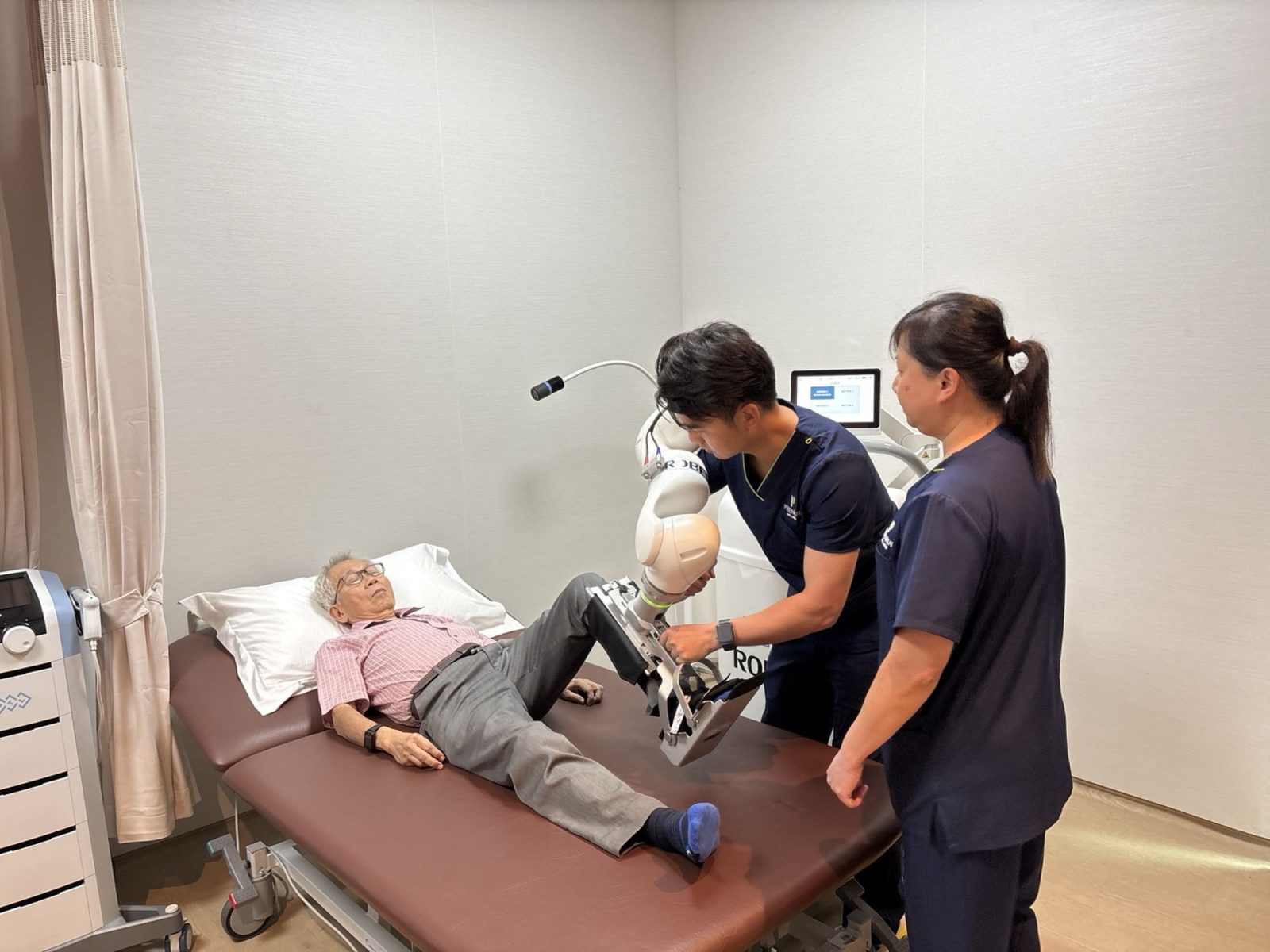
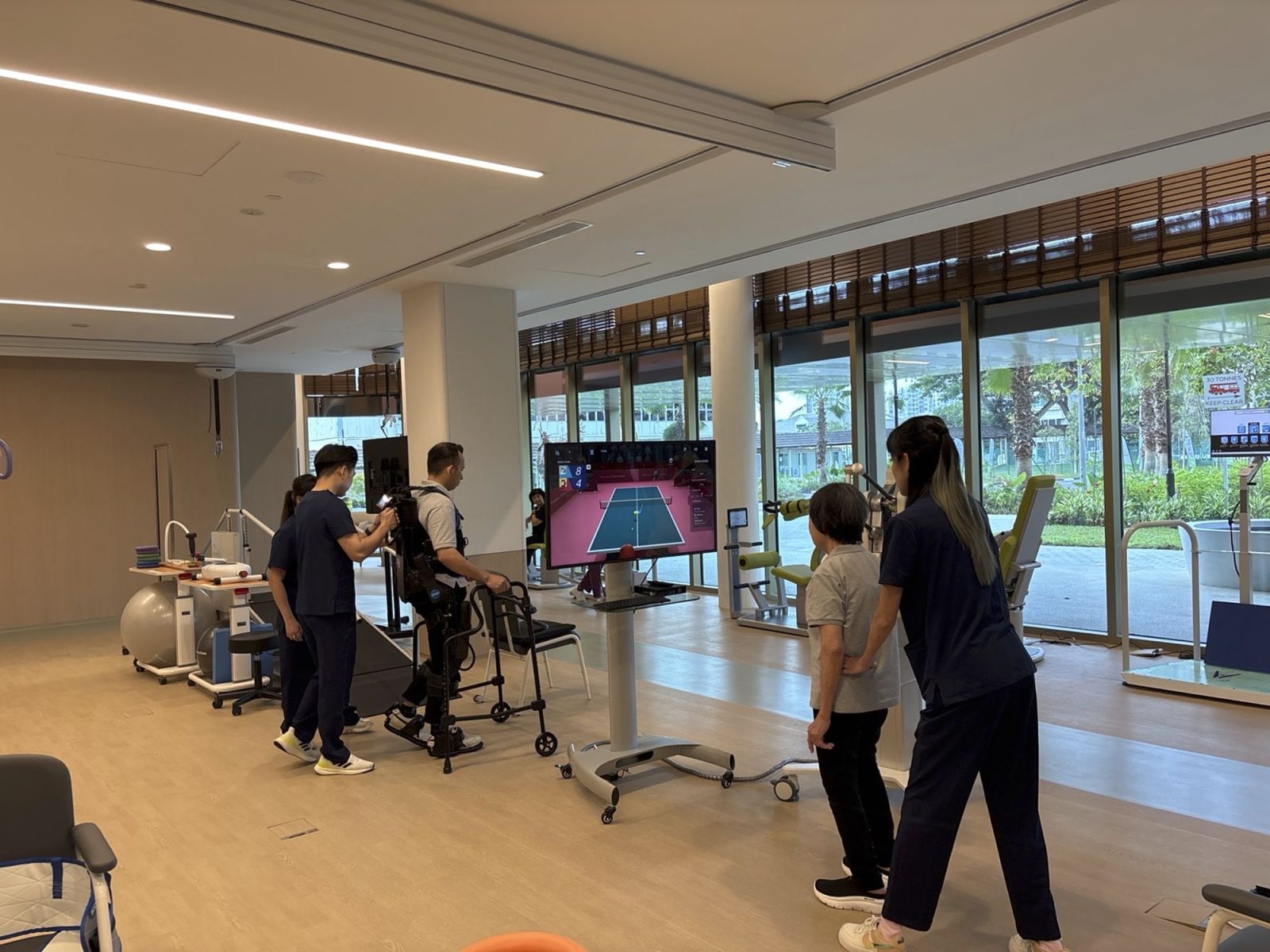
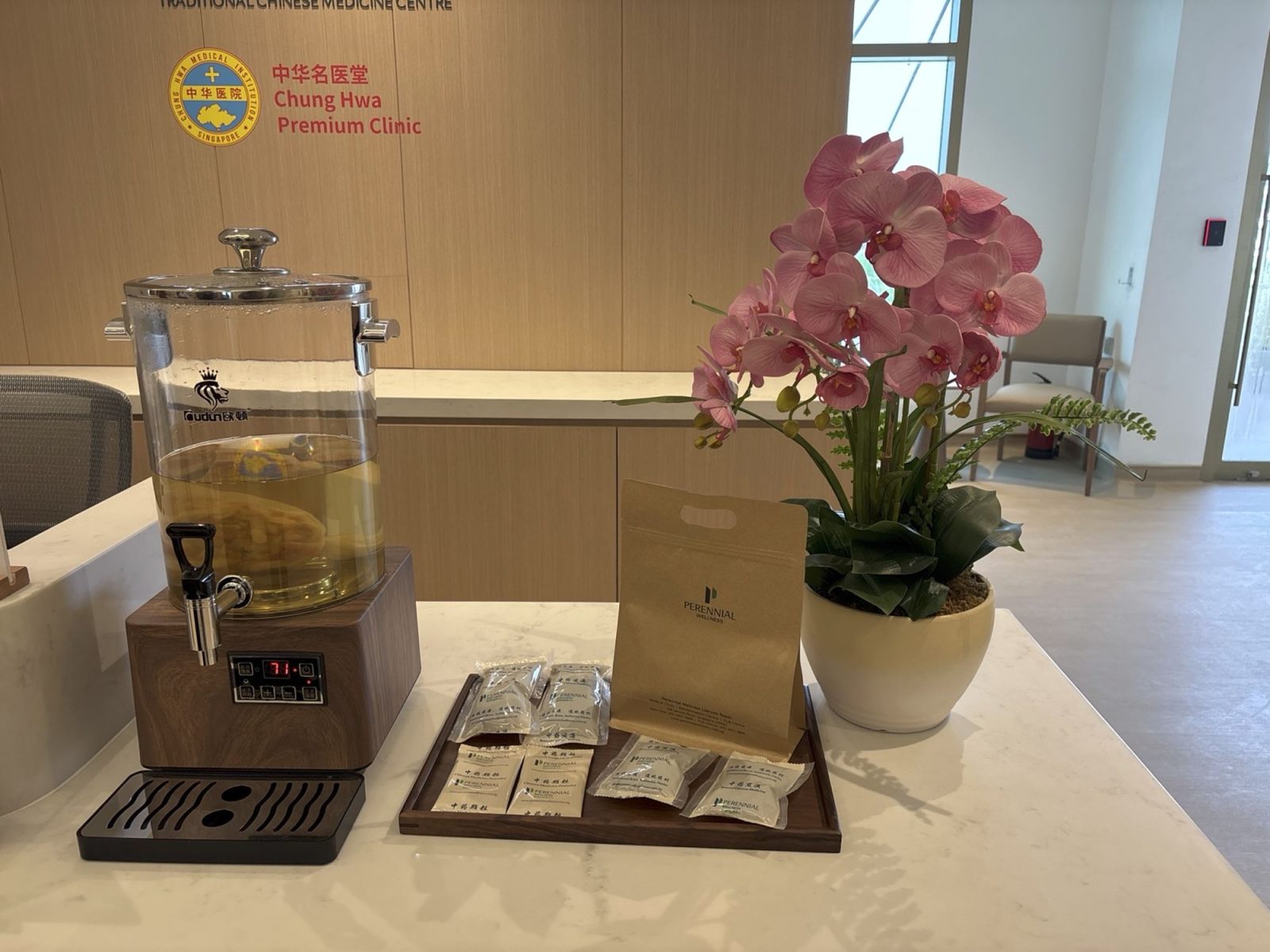
On the upper floor, the Chung Hwa Premium Clinic continues the same approach, but from the perspective of TCM. There is acupuncture, tuina, herbal medicine, moxibustion, herbal steam baths, and even a service to brew and deliver prescribed herbs to your room or home.
Other amenities and facilities that I found to be interesting were automated mahjong tables, a KTV lounge, and activities ranging from music to calligraphy. It did catch my eye that all of the instruments provided are the kinds that are quite easy to pick up and play even in the hands of beginners.
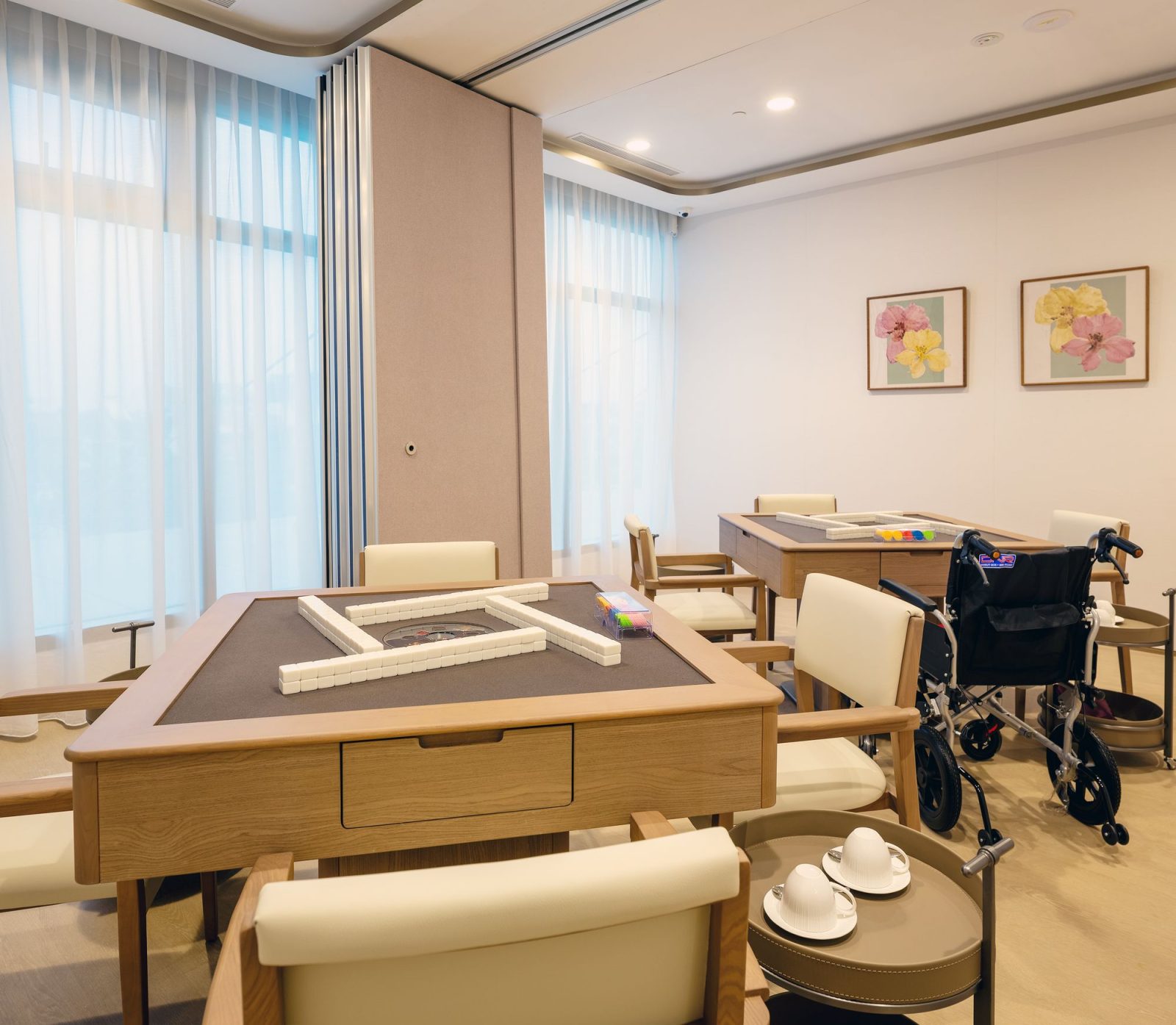
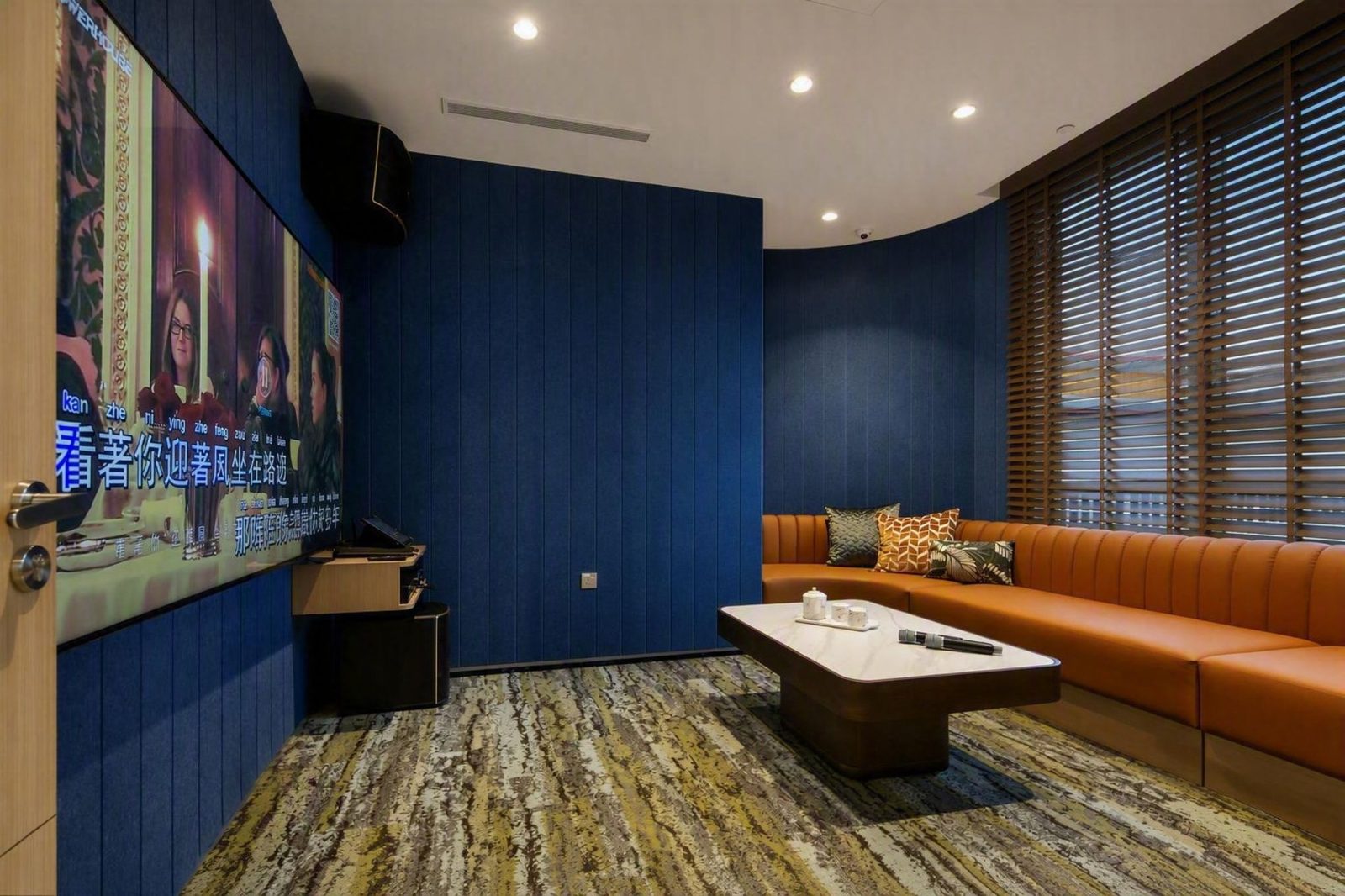
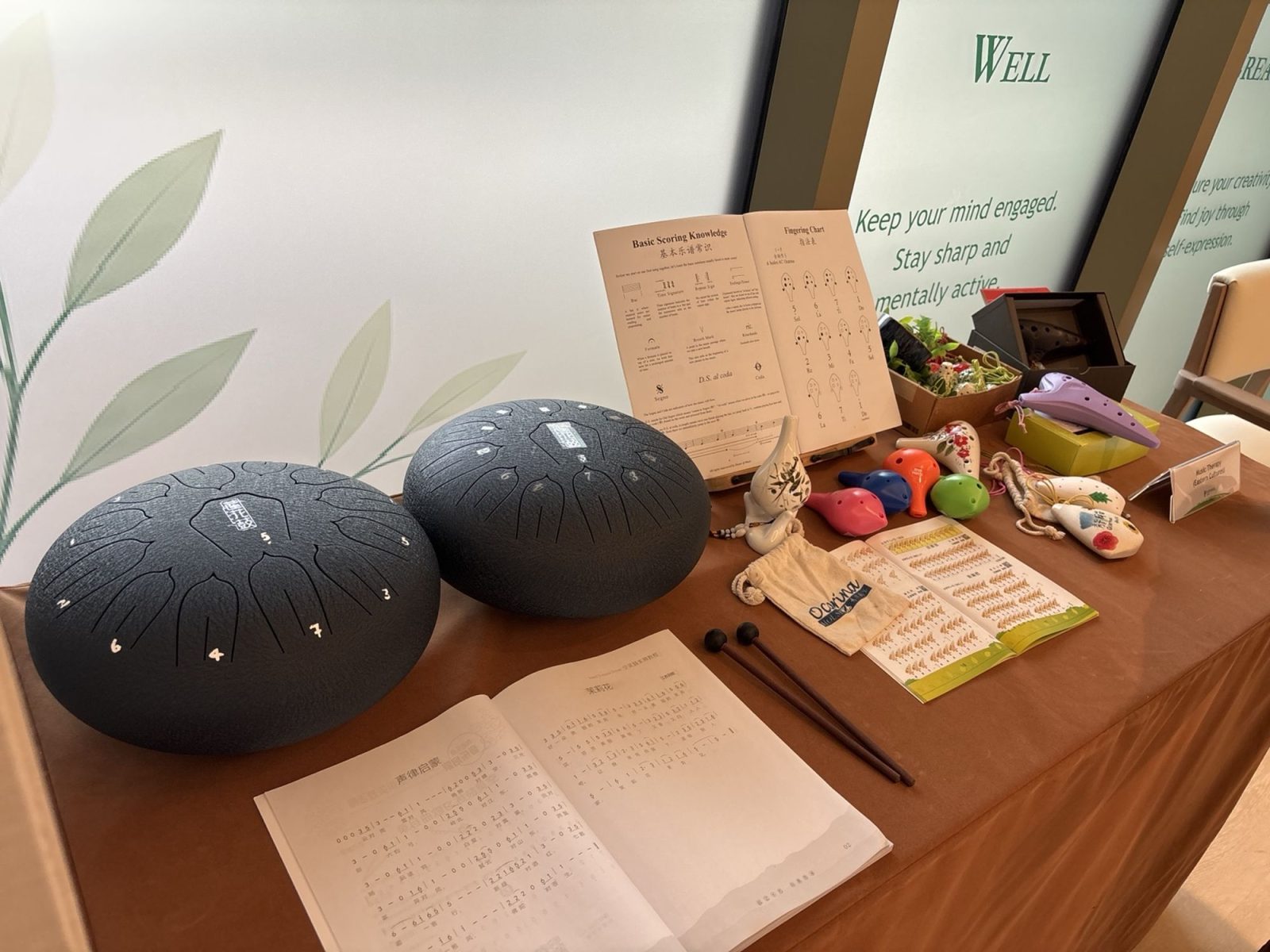
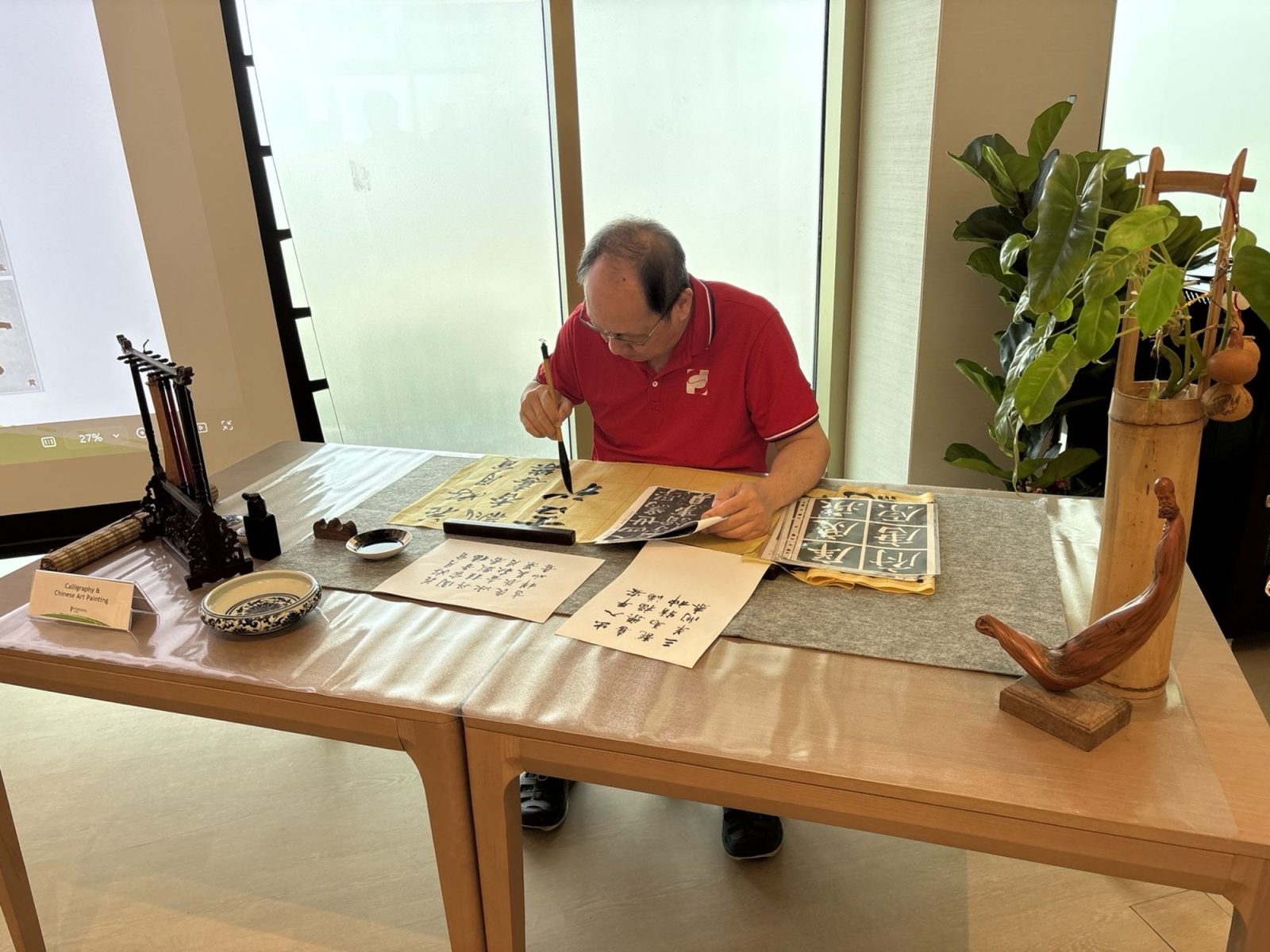
I want to keep the focus on this review on the residential units at Perennial Living, but the facility’s medical and rehabilitation services certainly caught my attention.
But as you can see from the pictures so far, this experience is far from the typical Singaporean idea of an old folks home. In my view, this is very much a luxury development, and something we’ve never seen before in the eldercare segment in Singapore.
Residences in Perennial Living
All in, Perennial Living has 200 assisted living units and 100 nursing beds. At the time of our visit, the nursing wing wasn’t ready, but we were told that when it is completed, it would make it easy to transfer patients from assisted living to nursing since they will be co-located within the same development.
The assisted living residences come with a personal concierge service, which can handle things such as transport arrangements and grocery shopping. There’s also a medical concierge that can arrange a resident's medical appointments or rehabilitation sessions during the course of their stay there.
I reckon that this is one of the deal-breakers for those who are considering this: having help on hand that includes a personalised care plan, daily concierge check-in, and options like medication support and personal grooming.
These are the unit sizes:
- Studio: 302–325 sq ft
- One-bedroom apartment: 411–433 sq ft
- Sapphire Suite (one-bedroom + 1): 545 sq ft
- Ruby Suite (one-bedroom, twin beds): 569 sq ft
- Diamond Suite (two-bedroom): 562 sq ft
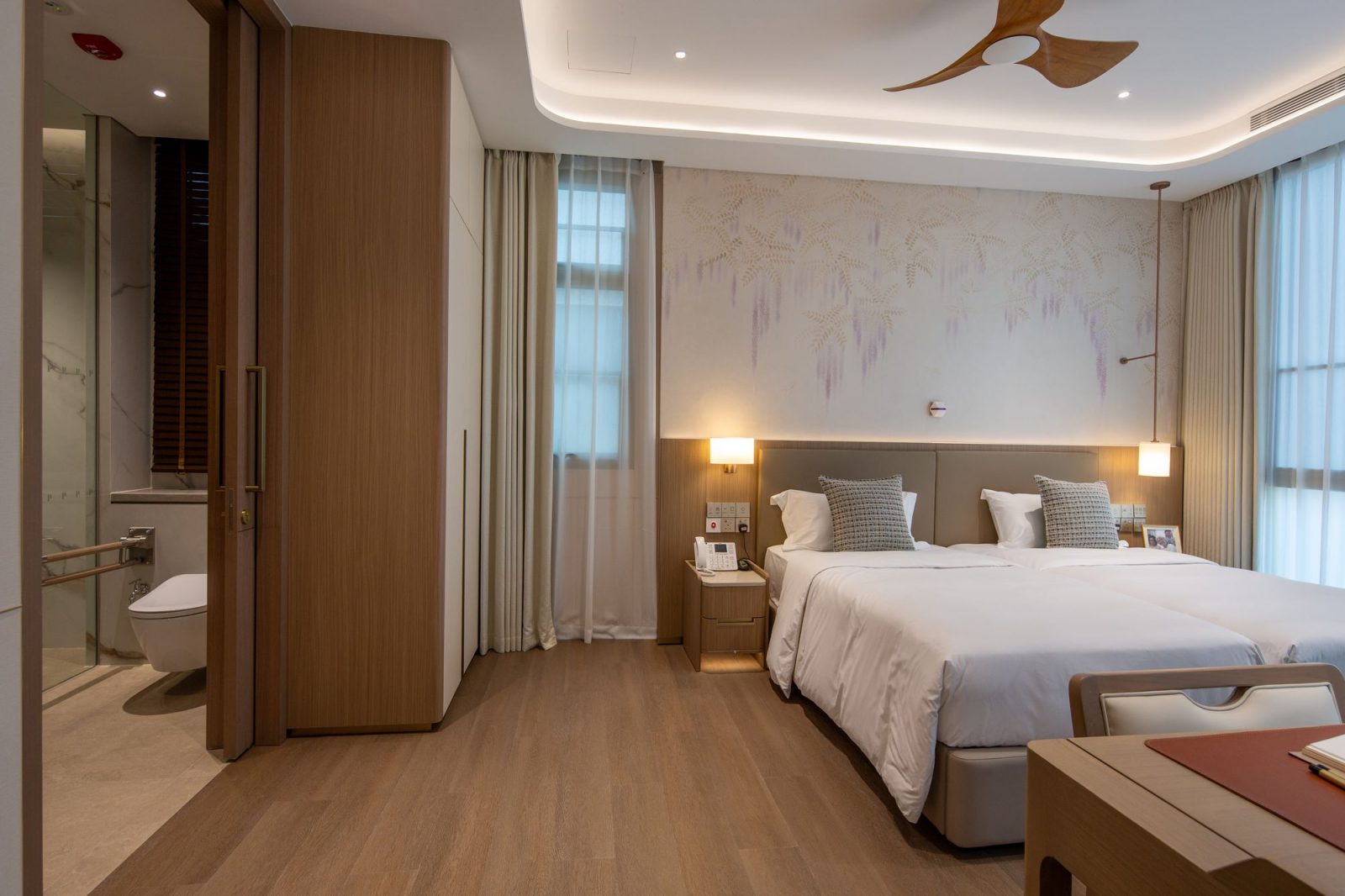
Studios start from around $8,000 a month, but the costs can vary based on factors like unit size and facing. However, we were told that the general price range is about $8,000 to $10,000 per month. There are also healthcare services that come with a stay there, such as:
- Pre-admission medical assessment
- Six-month health reviews
- Annual health screening
- Daily vital-sign monitoring
- 24/7 healthcare professionals on standby
Other programmes like specialised rehabilitation, TCM services, and personalised wellness programmes are optional add-ons. Now, let’s turn back to how the assisted living residences look and feel.
From the residential lift lobby, which provides private lift access to the units, we saw that the developer spared no effort in designing the communal and living areas to feel welcoming. There wasn’t a sense that any space felt like a hospital room.
The interior design features softer lights and warm wood tones, and I observed that the spaces did not come in any of the “sterile” colours that we typically associate with nursing homes of the past. I also appreciated the use of rounded edges on the furniture, such as the coffee table, for the safety of residents.
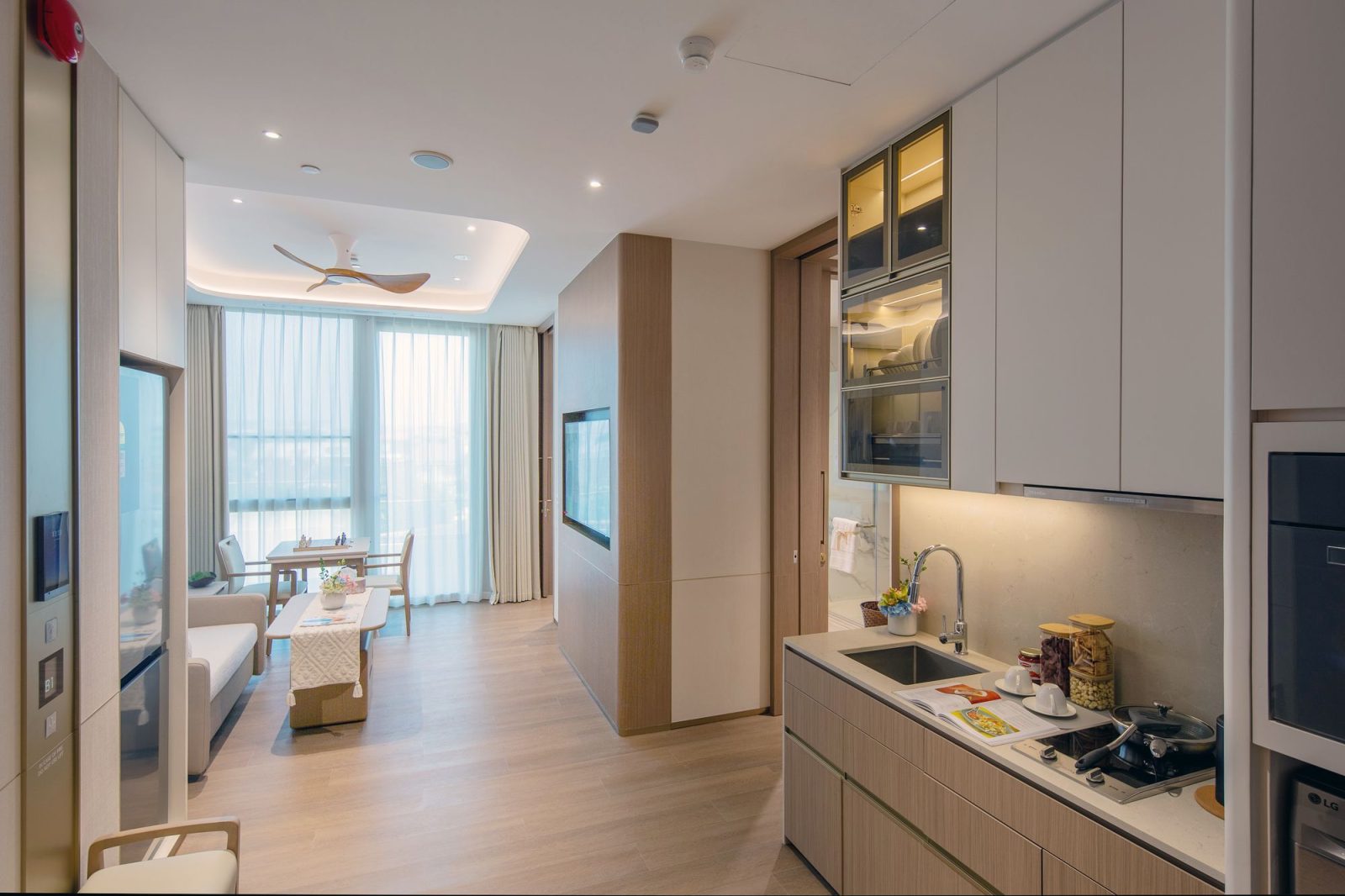
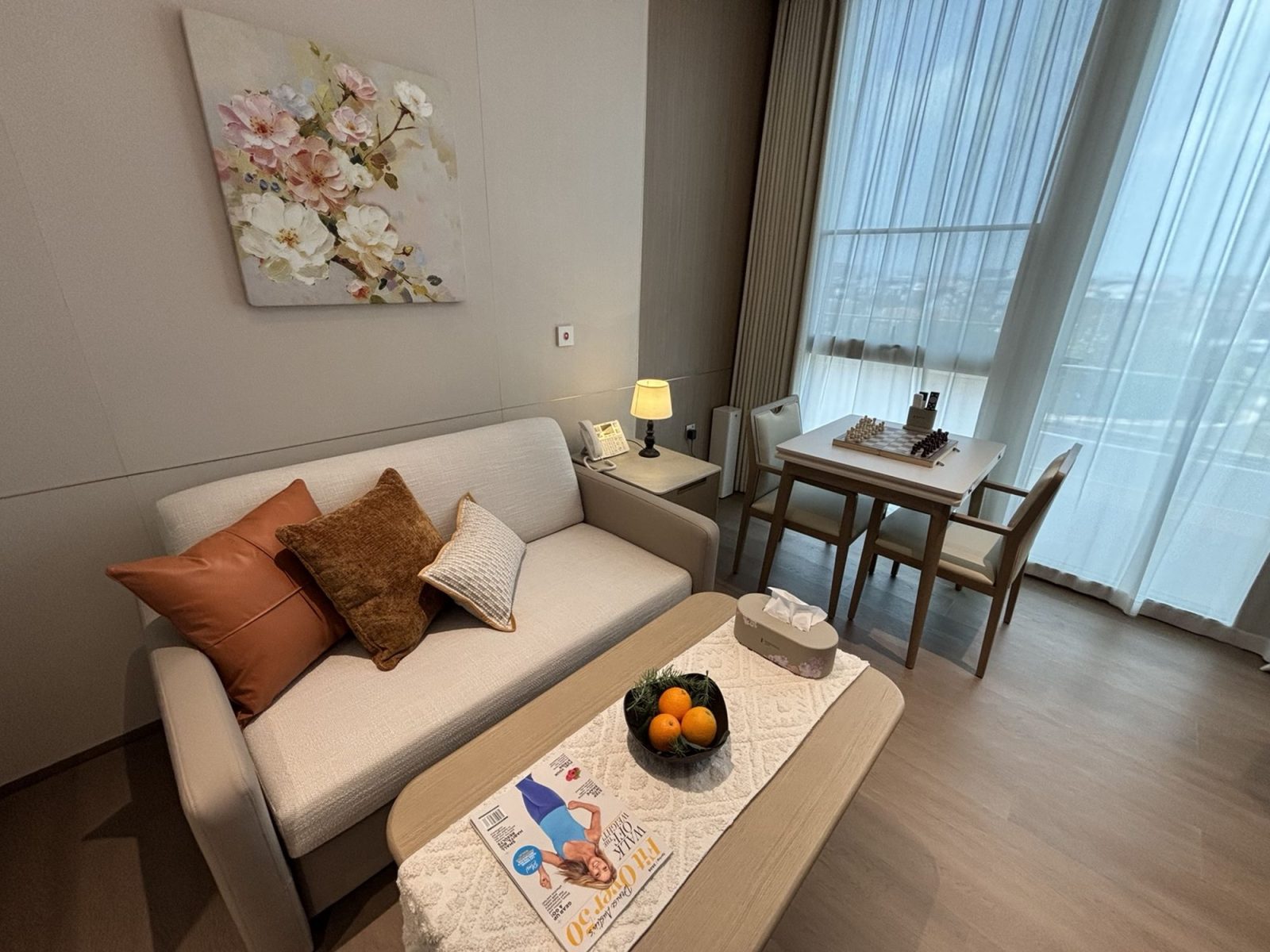
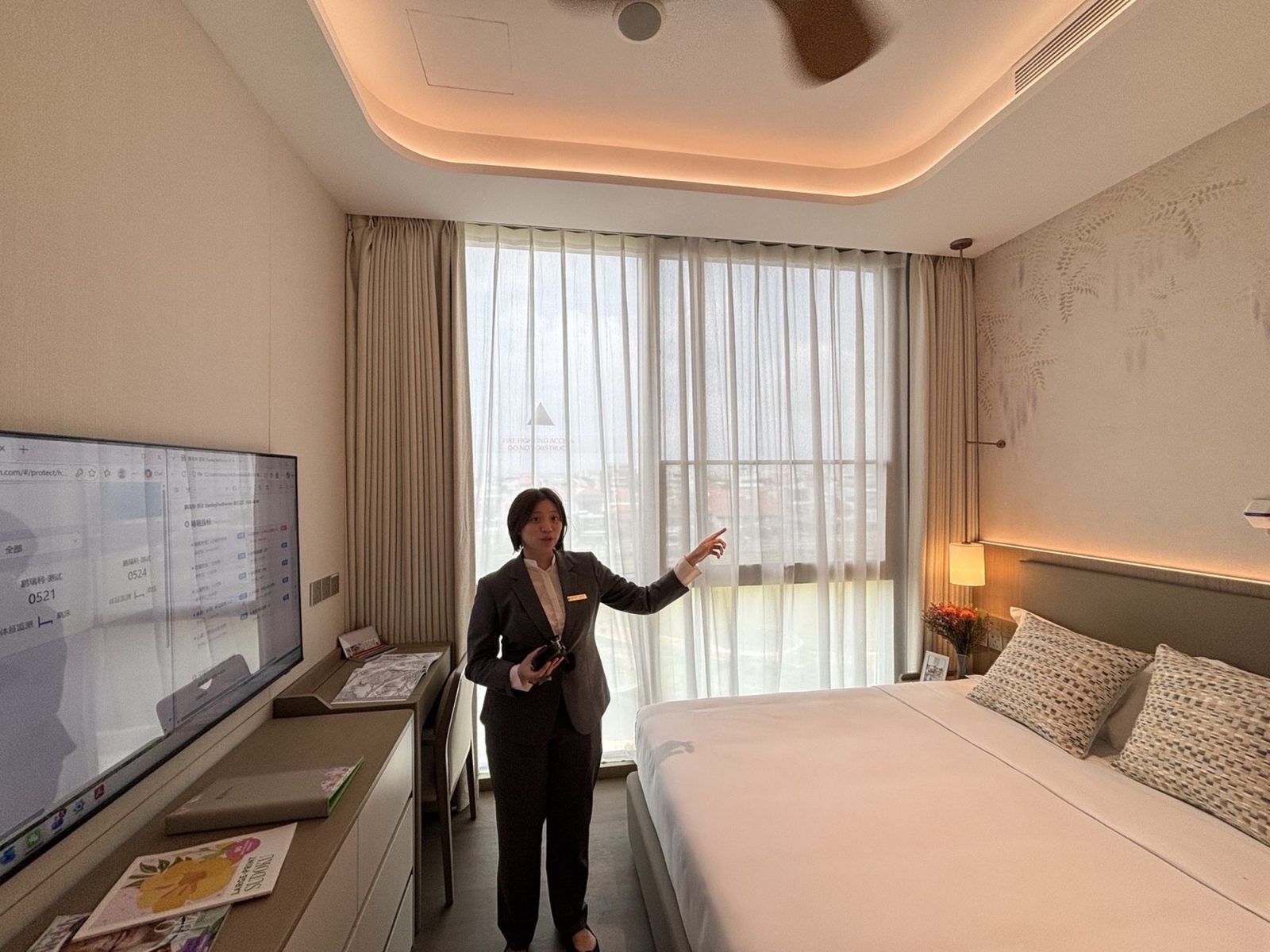
Overall, I felt that larger two-bedders are spacious enough for couples, and residents can either have separate beds or a single-larger one. This is a comfortable set-up for spouses, which conventional care homes tend to lack.
There was a sleep monitor subtly positioned above the headboard of the bed. We were told that it is a contactless sleep monitor, which passively records details such as how often the resident leaves the bed, or how much sleep they’re getting. You can opt out of it if you prefer.
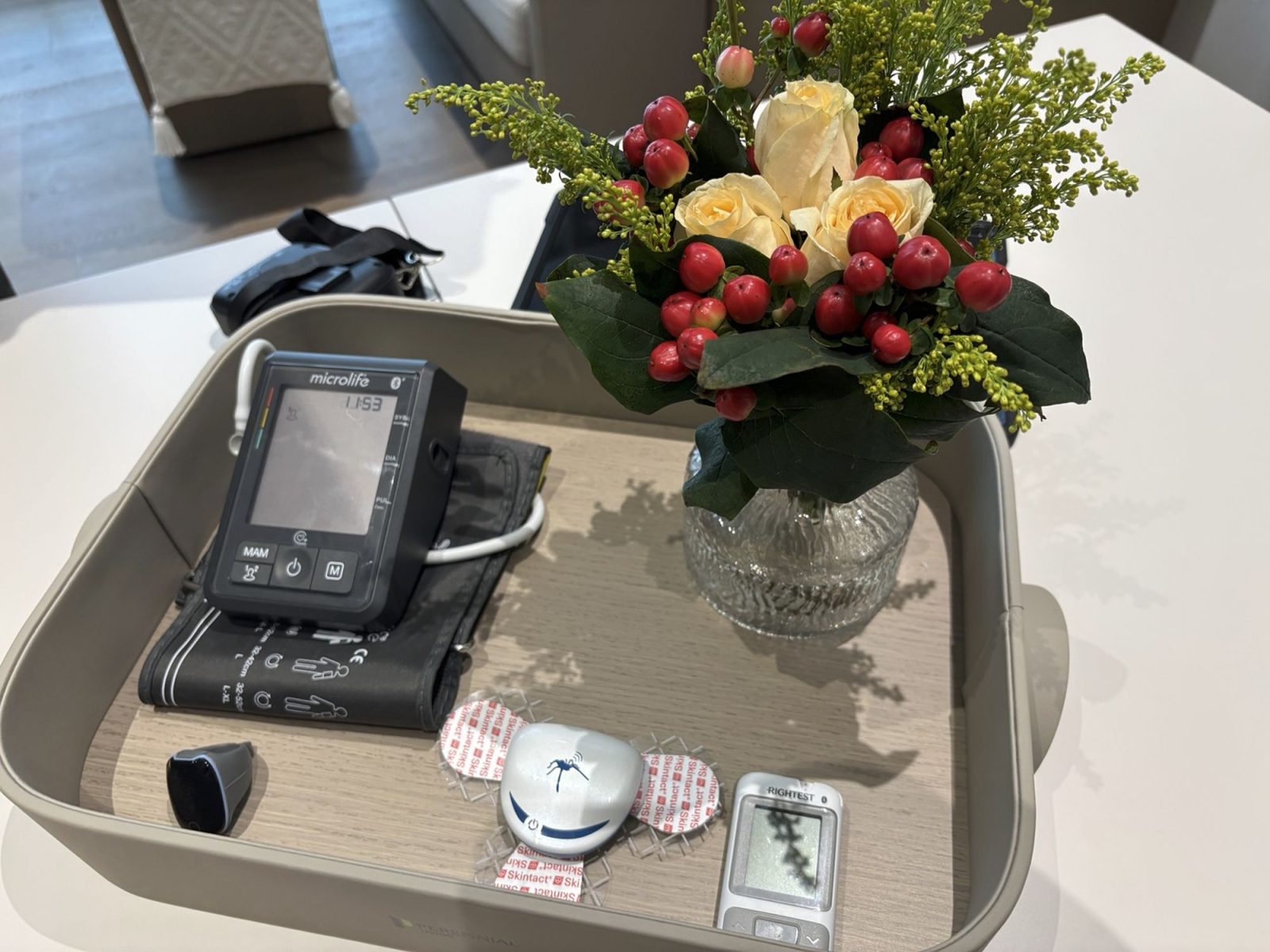
Rooms also come with health-monitoring equipment such as a blood-pressure monitor and glucometer, along with a tablet from which residents can track readings.
The readings can then be viewed through Perennial Living's app and tablet system. This allows one-stop tracking of blood pressure, sleep patterns (from the monitor above the bed), and other health records. It’s as much for the caregivers as it is for the residents.
The app is also the resident's general interface with the development, including everyday functions such as ordering food; although for seniors less familiar with technology, there is the old fashioned dial phone as well.
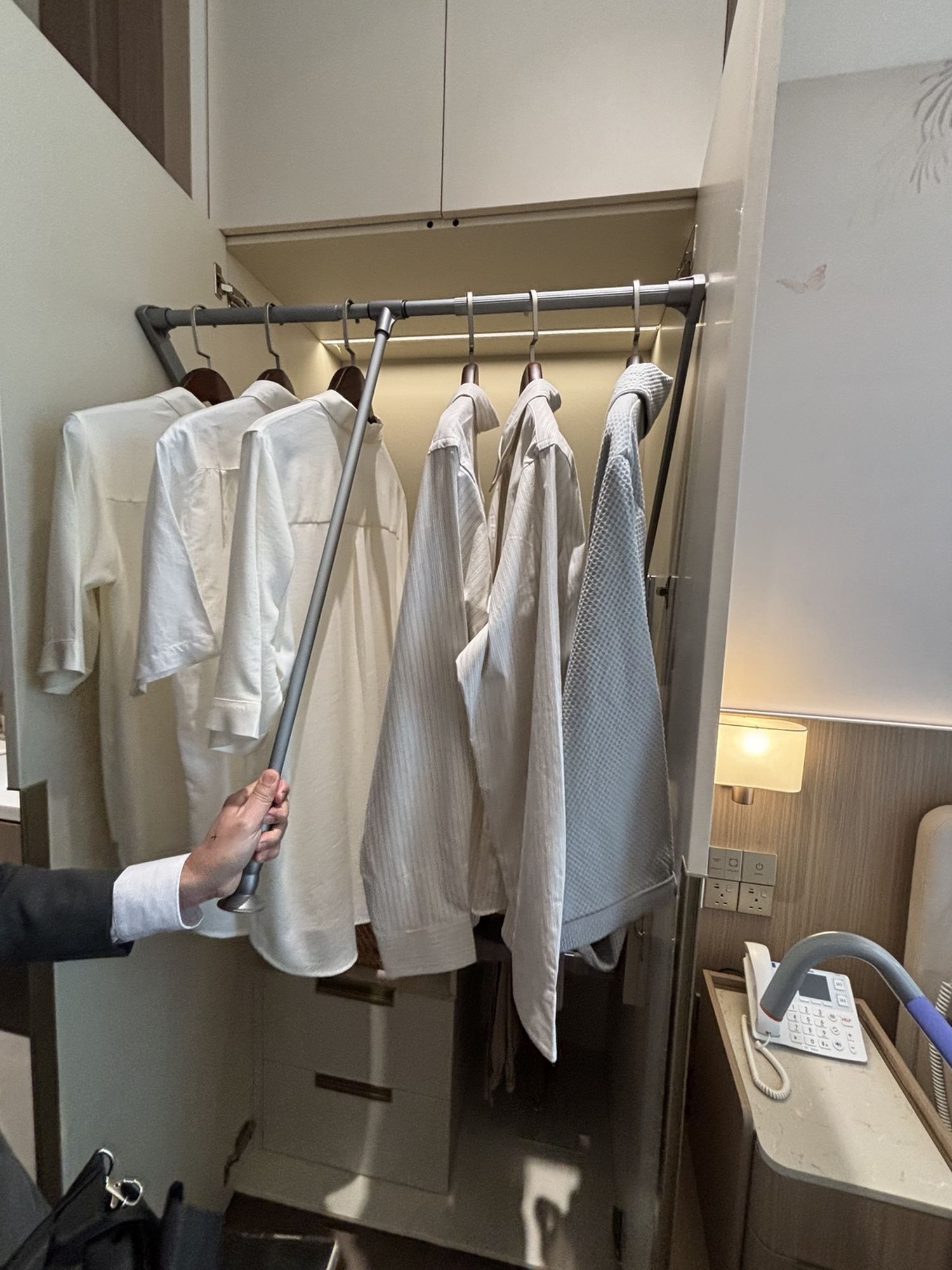
I also noticed a clever detail in the wardrobes that more developers should consider including in regular condo units, and this is the pull-down rack. An attached rod pulls down the rack of clothes to allow for easy access. This is great for older residents who can use this to avoid unnecessary back strain.
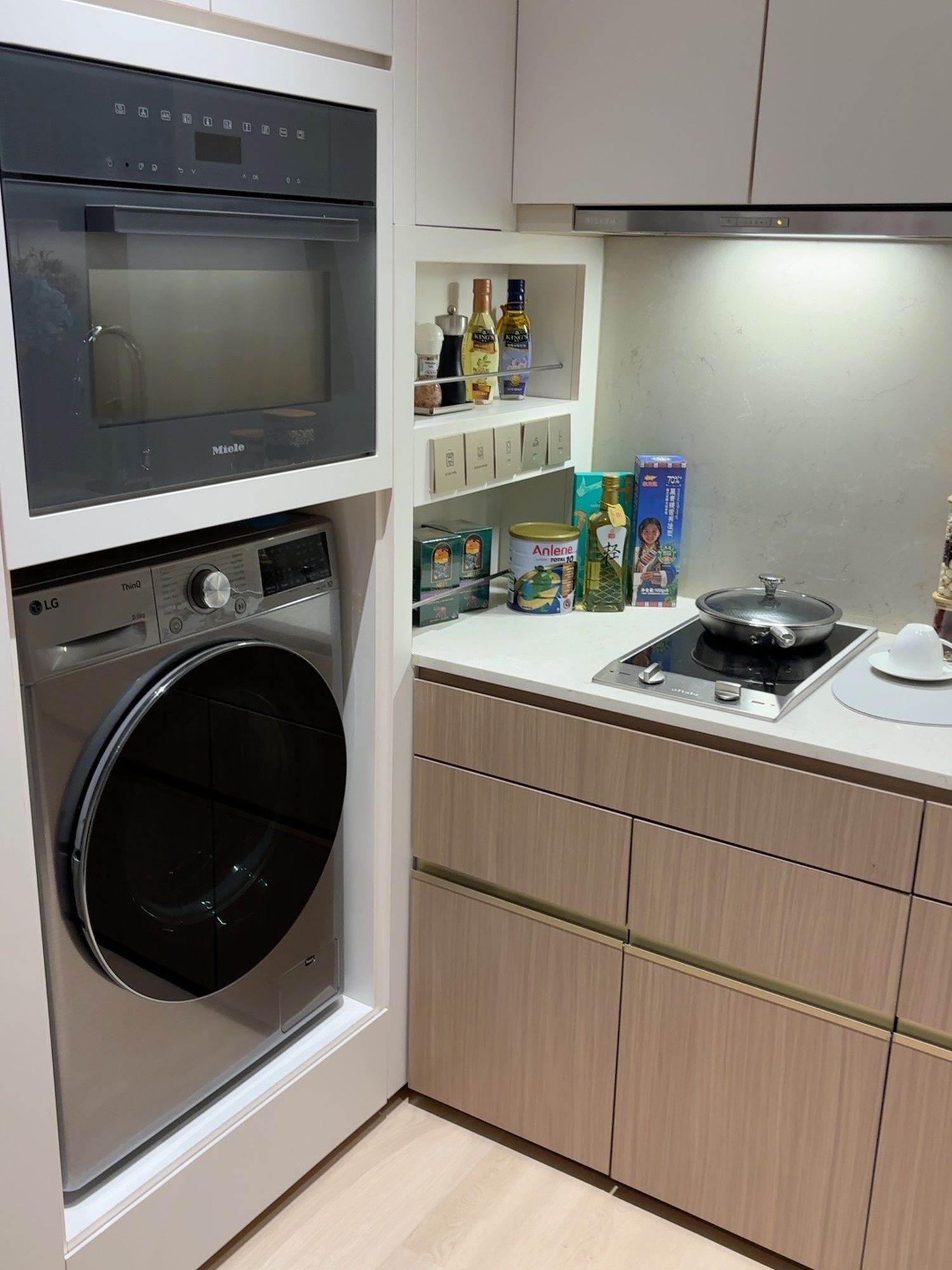
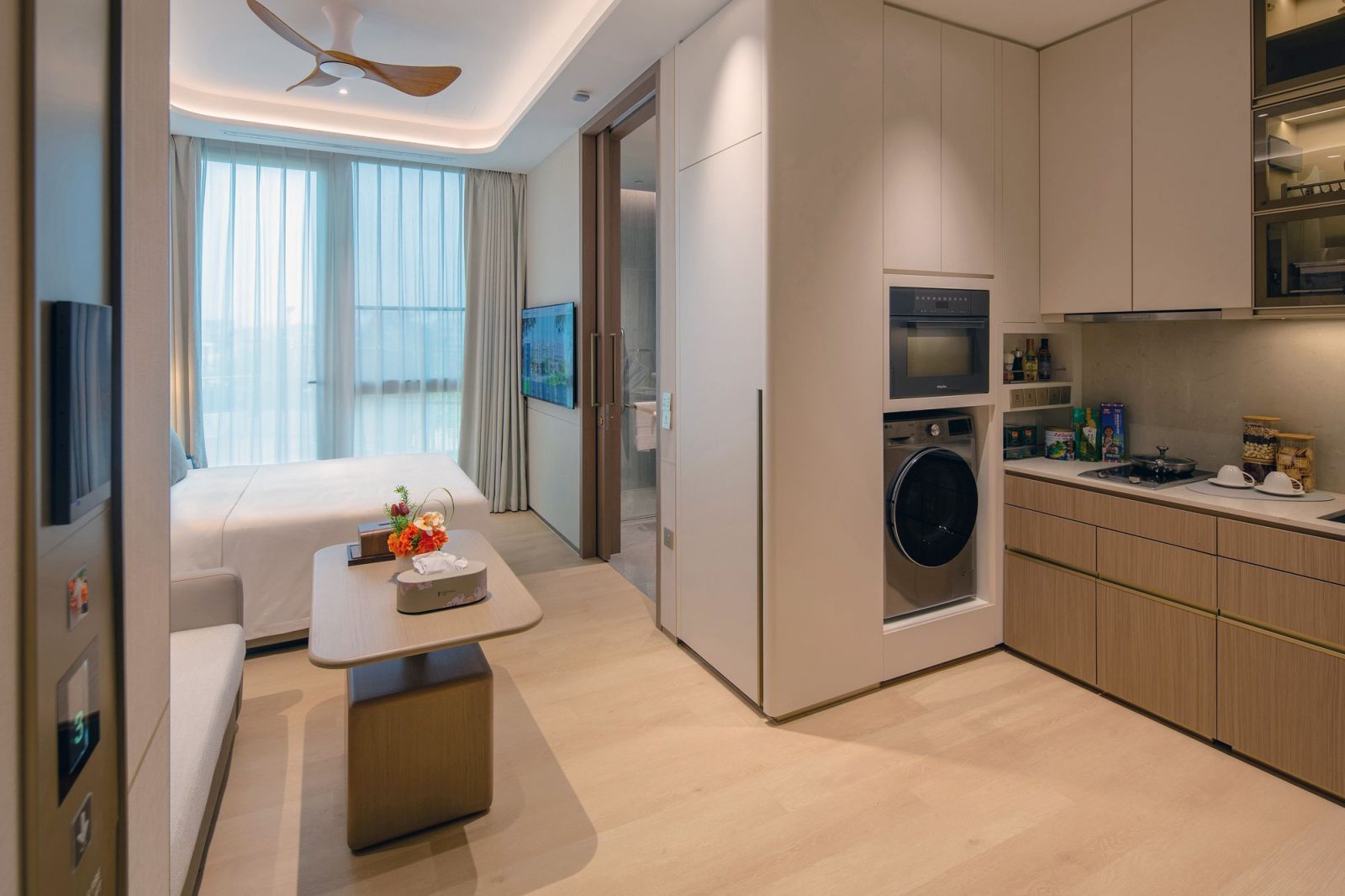
The kitchen area was efficiently spaced but generally functional, and residents have their own washing machine. Each unit is fitted with Miele appliances such as an induction hob, oven, refrigerator. The use of induction rather than an open flame is a necessary safety measure.
While the kitchen space is a little bit compact and efficiently spaced, I think this is a reasonable trade-off. Meals are already provided or ordered from The Olive, so it's likely that any cooking will be done by visiting family - maybe even limited to just warming up food from home.
I took note that the higher storage racks have a pull down function, so you don’t need to stretch as much as it looks. But I reckon that the very uppermost cabinets are probably not used often anyway.
In each unit, residents also have their own laundry machine, and this makes a significant difference from a conventional care home where laundry is all done together. Some people are quite particular about doing their own laundry, so I’d consider it a big selling point.
Another design consideration that I picked up on were the spacious bathrooms. Even the smallest studio unit was decently spacious in my view. Meanwhile, the larger units like the two-bedders featured bathrooms that I felt were absolutely massive!
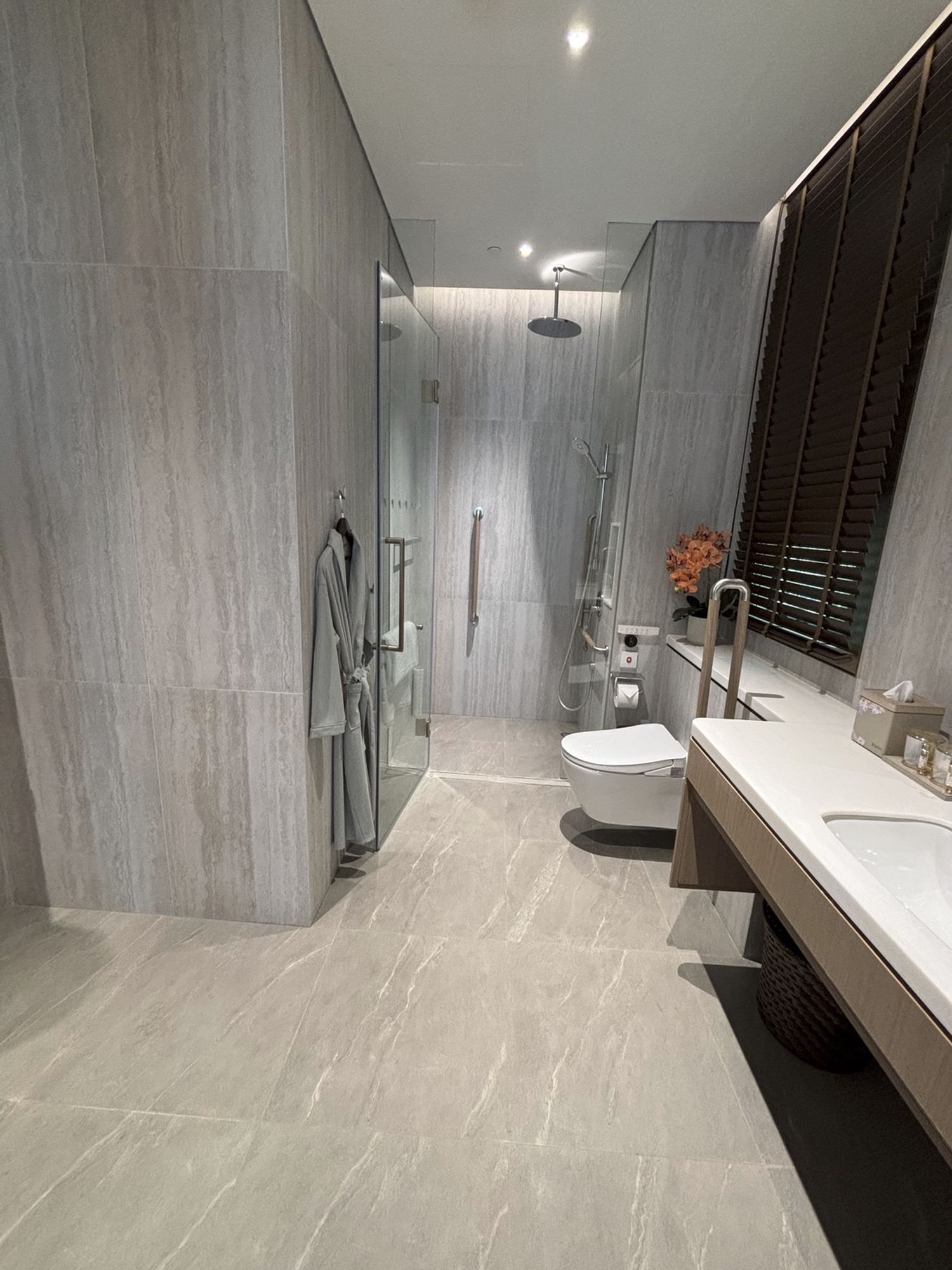
They were sizeable enough to provide for wheelchairs and walkers, or for more than one person (like nurses or therapists). While a huge bathroom is a necessity here, I did catch that a lot of visitors wished their bathrooms were this size. I would also point out the rainshower and the size of the vanity / sink.
Another safety detail is that the flooring within each unit is kept seamlessly flush throughout the bathroom and level with the bedroom. There are uneven changes in the floor to minimise the risk of a fall.
Overall, I got the sense that the care infrastructure is there and present, but much of it stays in the background. Of course, independent living only works if help is available when it is actually needed, so each apartment has an emergency button linked to the care team.
Meanwhile, the view from each unit can differ based on the unit type, and this also corresponds with the price. The best views are the ones overlooking the nearby park, which was designed by Perennial Living but returned to the state and run by NParks.
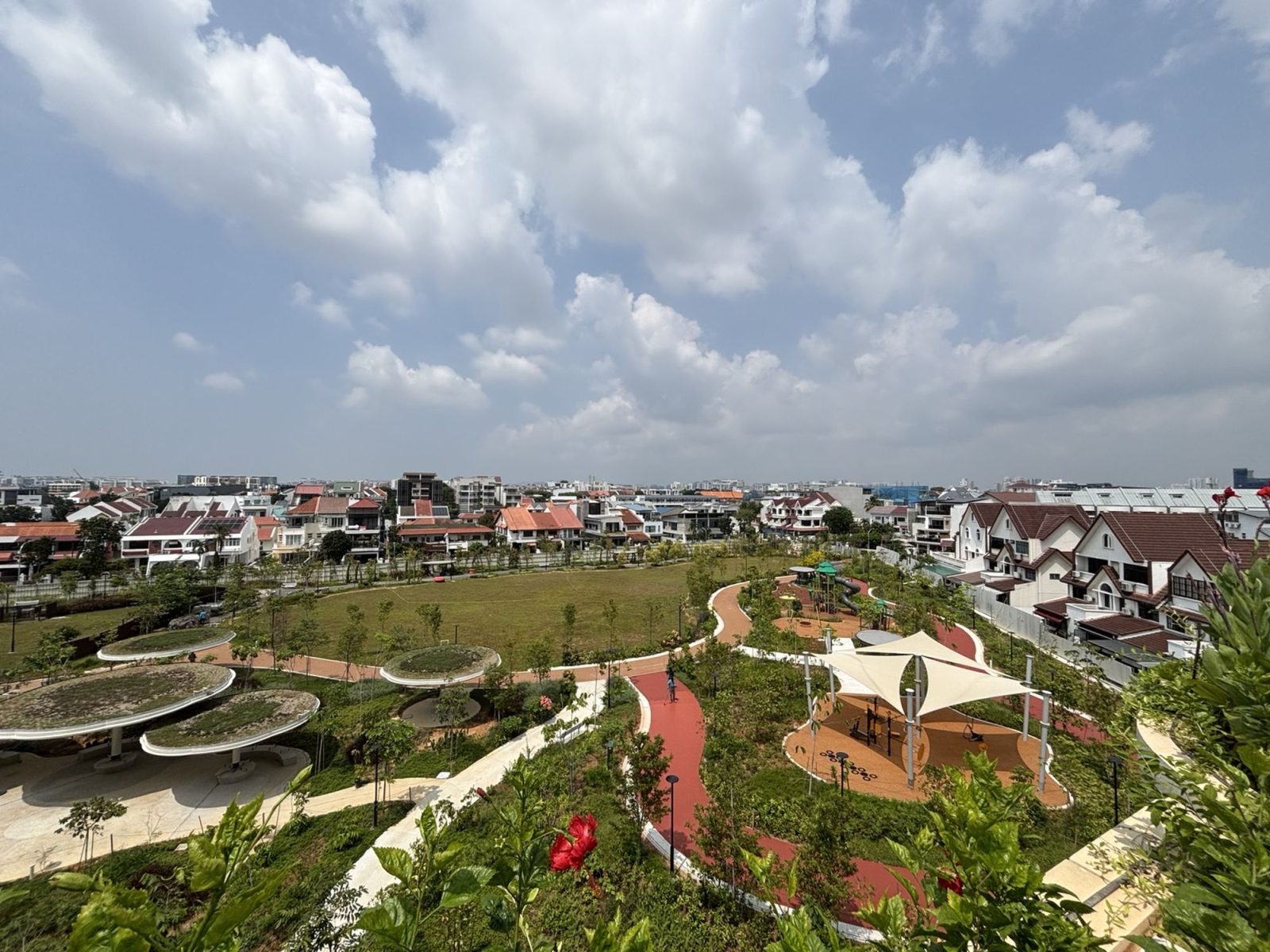
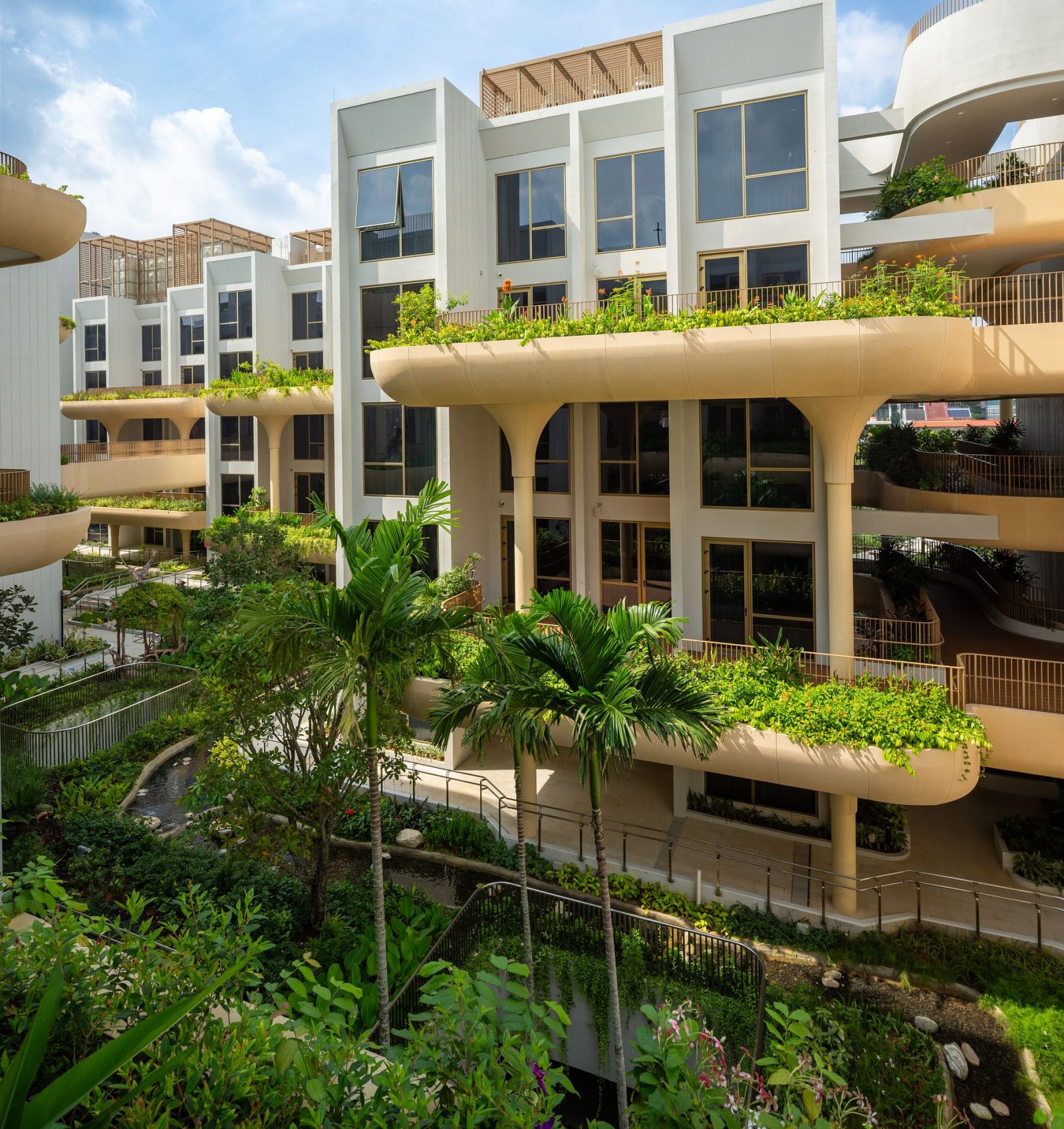
This is the same park that the healthcare providers at Perennial Living will use for walks and other supervised activities for residents. It’s also shared by the public, which highlights the underlying philosophy: an integrated wellness / care facility that’s also part of the neighbourhood amenities, rather than an isolated institution.
All in all, the highlight of this facility is the fact that residents aren’t constantly being reminded that they’re being cared for.
I walked away from this visit with the sense that the emergency buttons, health monitoring, sleep sensors and accessibility features are all there, but they’re invisible until they’re needed. That is the biggest difference between Perennial Living and many elder care facilities that I;ve seen in the past.
At this private assisted living facility, there’s a huge emphasis on letting residents feel and be independent for as long as they possibly can. Admittedly, at $8,000 a month and more, this exact version of assisted living is beyond the reach of many Singaporean households. But the underlying philosophy doesn’t have to be.
I would say that Perennial Living offers a useful model for how eldercare could be incorporated even in heartland settings: less like a standalone institution, and more like an ordinary part of the neighbourhood.
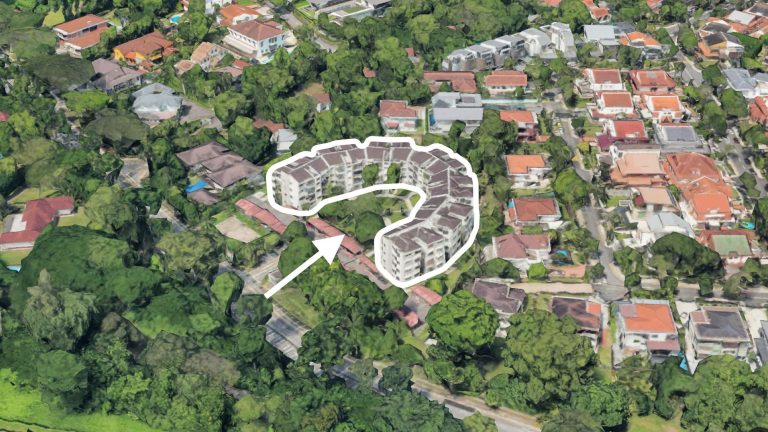
Perennial Living is located at 28 Parry Avenue, within the Rosyth landed estate, and officially began its first phase of operations on 18 August 2026. The 100-bed nursing component is expected to begin operations by the end of this year.



1 Comments
What’s the take up so far, and will more apartment buildings in Singapore be purpose built for seniors (vs. refurbishing short leases?)