


In a move that could lead to a revival of Singapore’s enbloc market, the government has announced a series of changes that make redeveloping large collective sale sites more financially viable to property developers.
The Minister for National Development, Chee Hong Tat, announced major changes to the sales deadline for enbloc redevelopment projects, as well as an adjustment to the Additional Buyer’s Stamp Duty (ABSD) regime faced by developers undertaking large-scale enbloc projects.
For any collective sale site purchased by developers on or after July 29, developers will have six years to complete and sell all of the units in the project - on the condition that the new development has at least 700 residential units but less than 1,400 residential units - up from the previous 5.5 year limit.
For mega-size collective sale redevelopment projects, where the new project consists of at least 1,400 residential units, developers will have seven years to complete and fully sell all units. This is a significant jump compared to the 5.5 years imposed on developers before this.
But this doesn’t mean developers can compress their sales period. They must sell a minimum of 50% of the residential units at the end of six years. Failure to do so means that developers incur the full 35% clawback on the upfront remittable component of the ABSD - with interest at the end of six years.
The government is imposing an additional condition for these extended sales timelines. The number of new residential units being developed must be at least 1.5 times the number of residential units in the enbloc property.
What caused the enbloc market to stall after its previous peak in 2018?
The imposition of strict property cooling measures in 2018 caused the exuberant collective sale market to grind to an abrupt halt nearly overnight.
For property developers, they found themselves hit with a 30% ABSD (comprising a 25% unfront remittable component and a 5% non-remittable component) on any purchase of residential land.
This ABSD rate went up to 40% (comprising a 35% unfront remittable component and a 5% non-remittable component) after the government tightened the rates in 2022. This effectively slammed the door on residential collective sales, as developers baulked at the high upfront cost and heightened financial risk.
Developers could clawback the 35% remittable component if they fulfilled certain conditions:
- Starting construction within two years of purchasing the site
- Completing the new residential development within five years of the site acquisition
- Selling all of the residential units with the five year timeline
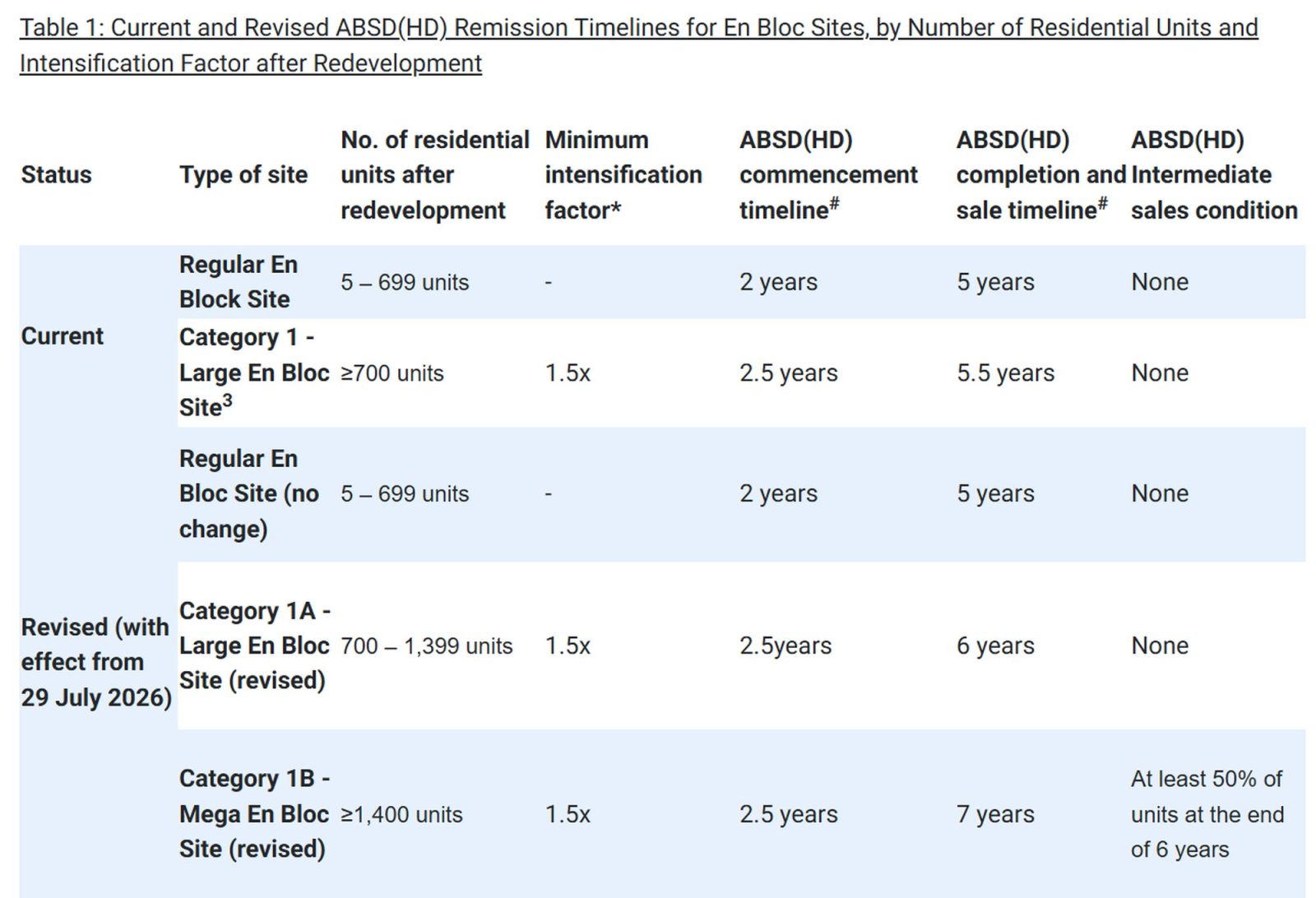
It took the government three years to loosen these conditions. In 2025, with the aim of encouraging more developers to undertake large-scale urban transformation projects - like mega-sized mixed-use developments or complex integrated projects - the ABSD remission timelines were extended.
- Enbloc projects of at least 700 units and where the redevelopment yield is at least 1.5 times the original development
- Projects with complex technical or infrastructure requirements (such as MRT connections or Integrated Transport Hubs)
- Projects approved under the Strategic Development Incentive (SDI) scheme
- Projects that aim to achieve higher construction productivity targets (like improvements to construction technologies)
Any developments which met one of these criteria were eligible for a six-month extension to the ABSD remission timeline, or a 12-month extension if any project met more than one of these criteria.
Developers generally shied away from residential enbloc deals
These adjustments to the ABSD remission weren’t enough to lure most developers back to the collective sale market. In fact, we saw a surge in commercial, industrial, and hotel collective sales and transactions.
The collective sale of Delfi Orchard, a prime freehold strata-titled commercial building, fetched $439 million after it was purchased by City Developments Ltd (CDL) in 2024. But the largest collective sale of 2024 was the $821 million acquisition of Concord Hotel & Shopping Mall to Hotel Properties.
Meanwhile, just a few days ago, Chinese developer Kingsford Group put in a $950 million offer to buy out all of the owners of Tan Boon Liat Building, a landmark industrial building on Outram Road. This may be the largest collective sale deal in 2026.
And as Wong Shanting, head of research, Singapore at Newmark, points out, the success rate for large en bloc attempts has been relatively low in recent years. Moreover, developers have had ample opportunities in the GLS programme, which typically carries lower execution risk given the clearer parameters and greenfield nature of these sites.
It would be inaccurate to say that the residential enbloc market has been completely dead over the past two years. In fact, several developers have ventured back and a handful of residential collective sales have closed.
The most recognisable may be the redevelopment of the former Thomson View Condo, after the owners successfully sold the freehold Upper Thomson Road condo to UOL Group, Singapore Land, and CapitaLand Development for $810 million.
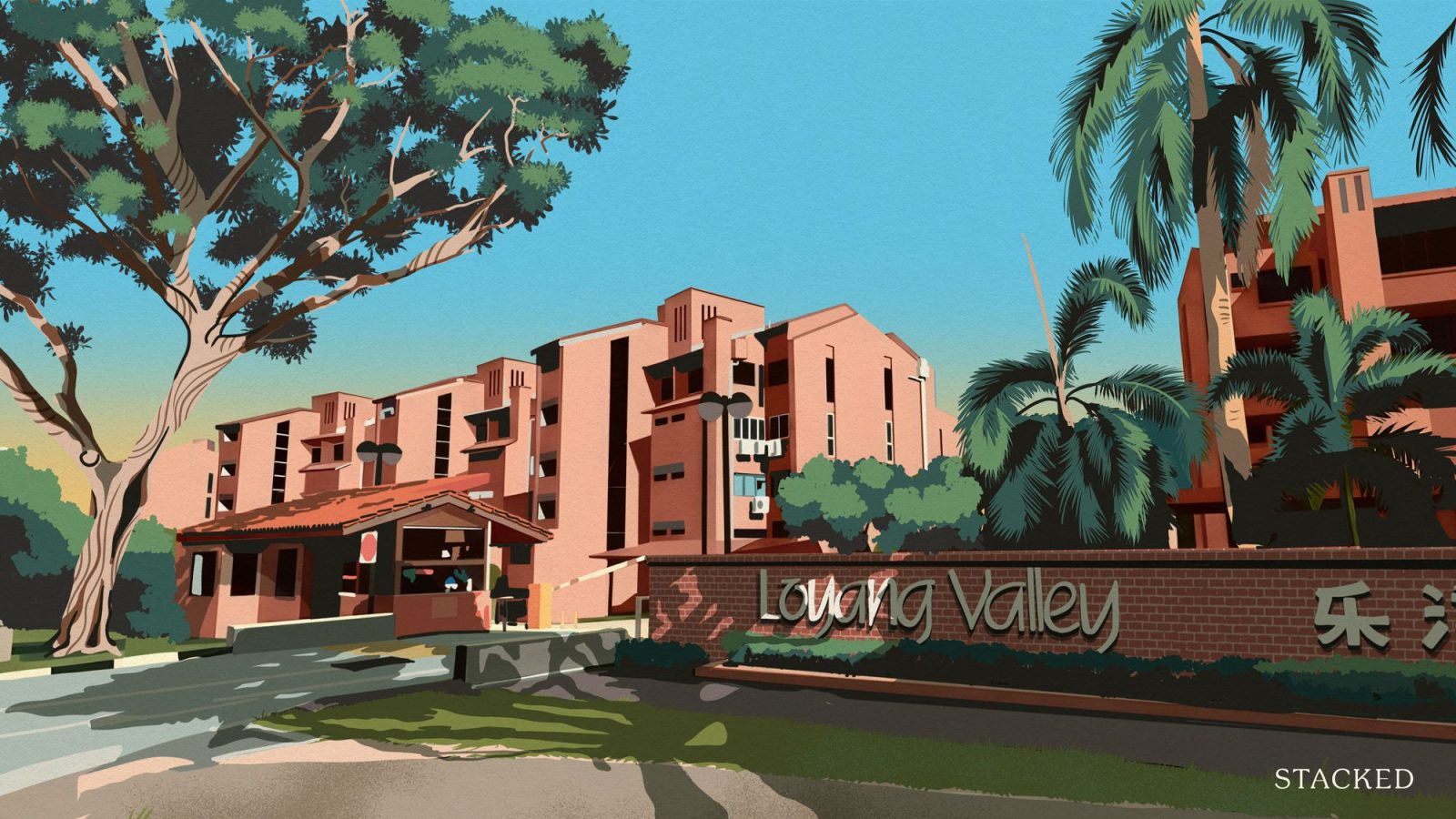
It's not just freehold developments that some developers are chasing. SingHaiyi is set to redevelop Loyang Valley, the 99-year leasehold condo in District 17, after it purchased the 41-year old development for $880 million in April this year.
Wong observes that what the latest changes really mean, is that the government is easing timing pressure without removing ABSD discipline altogether. “This should reduce the ‘size disadvantage’ previously associated with such sites and could reopen the window for older projects in need of renewal, while still keeping the broader cooling measures intact,” she says.
Will the latest changes to the ABSD regime and sales period spur more en bloc deals?
Most market analysts agree that the changes are a long time coming. Leonard Tay, head of research at Knight Frank Singapore, points out that it is only logical that a sense of proportion-to-scale should be adopted into the policy, so that differences in size for each redevelopment project are recognised on a realistic and practical level.
“Large to very large redevelopment projects face materially different execution, construction and sales risks compared with conventionally-sized residential projects,” says Tay, adding that “the policy adjustment primarily reduces execution risk for very large redevelopment projects rather than stimulating the en bloc market broadly”.
He reckons that an immediate effect of this policy change will cause some developers to relook at certain enbloc sites currently on the market, and reconsider the landbanking of some. “This is especially so for very large ageing estates where redevelopment potential can be substantial, but execution risk has typically constrained appetite,” says Tay.
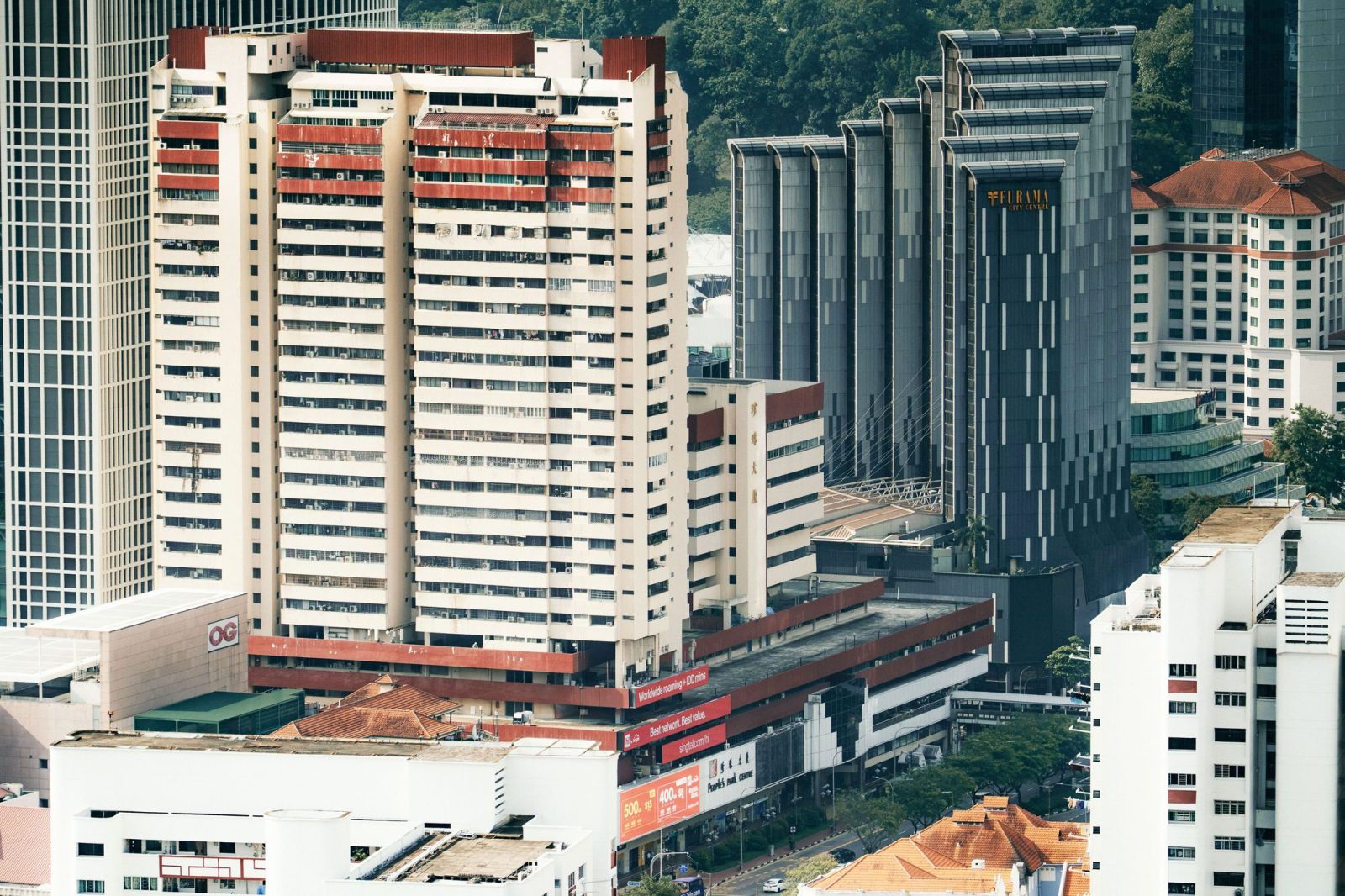
One of the largest and most prominent collective sale opportunities on the market right now is People’s Park Centre, which launched its third enbloc attempt - at a lower asking price of $320 million - on July 15. The public tender is set to close on Sept 16.
Tricia Song, CBRE Head of Research, Singapore and Southeast Asia, says that extending the ABSD remission timeline for large enbloc sites should have a more significant impact on encouraging developers to consider large-scale enbloc opportunities.
“Larger sites, in our opinion, are more efficient in reaping economies of scale during construction. They are also more transformational and thus better able to achieve “rejuvenation effects” on the precinct and ultimately offer better value to end-buyers with more facilities spread over lower maintenance costs,” says Song.
She adds that this might lead to more opportunities for new homes to sprout in scarce, mature locations and pave the way for more homeowners to purchase freehold condos.
Enbloc owners still have to be realistic in order for deals to close
Just because the government makes it easier for developers to consider larger enbloc opportunities, it doesn’t make closing these deals that much easier. The key hurdles to any successful enbloc deal has been divergent owner interests and uncertain deal completion timeframe.
“Developers generally prefer GLS sites due to greater transaction certainty with the government as the only seller and thus a more straightforward and faster process. GLS sites are currently providing about 7,500-8,000 private condominium units in annual supply,” says Song.
In addition, enbloc owners have to face the reality that the cost of replacement homes has significantly increased in recent years, says Nicholas Mak, chief Research Officer of Mogul.sg. “As the prices of the new and resale homes continue to rise, these owners would be forced to raise the asking prices for their existing properties, which would pose a challenge to a successful enbloc sale,” he says.
There is another rarely covered hurdle faced by enbloc hopefuls.
This is the fact that the plot ratios of almost all the ageing residential non-landed properties have not increased for more than 25 years, even though the Master Plan has undergone several rounds of revision.
“If the plot ratio remains unchanged for decades, the growth in the land value would be significantly slower, which would not incentivize the property owners to support the enbloc sale,” says Mak.
He also warns against lowering the owners consensus level from the current 80%. Such a change would gravely erode the property rights of almost one-third of the owners in a residential development. It would lead to the tyranny of the majority.
Tay also cautions that the revision in the ABSD regime and sales period does not fundamentally alter the economics of redevelopment of large and complex projects. Developers are still exposed to significant clawback risk if they are unable to meet the specific conditions.
“Construction costs, financing costs, land prices and achievable selling prices remain the main elements of redevelopment viability. As such, the change is unlikely to trigger a broad resurgence in enbloc activity,” says Tay.


0 Comments