


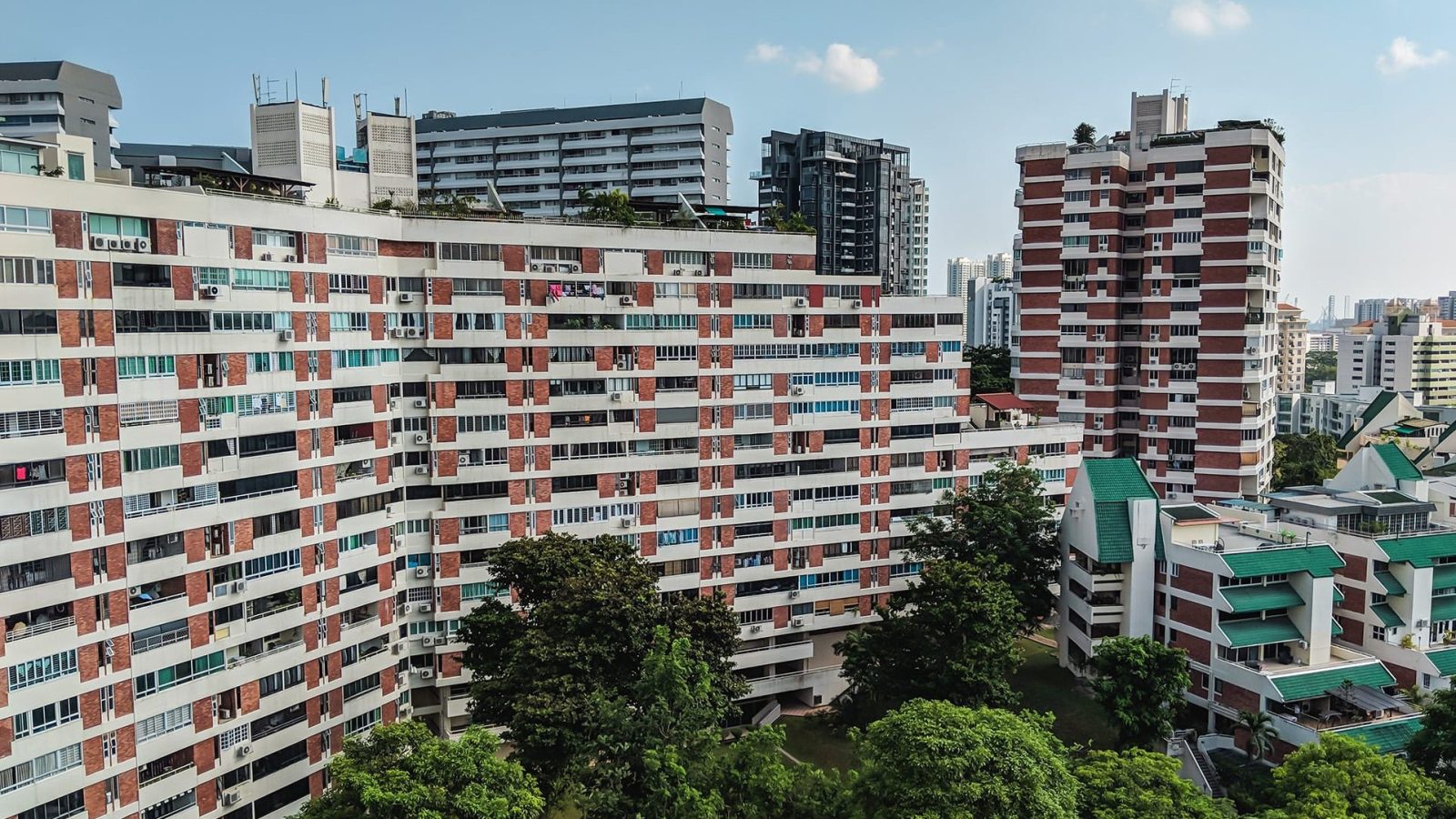
Singapore may be the only place in the world where your neighbour can sell your property without your consent. That’s a fact faced by dissenting owners when their property is sold in an enbloc acquisition.
Now, proposed changes to the consent thresholds to approve the launch of a collective sale could make it a lot easier for older condominiums to be redeveloped.
Under proposed amendments to the Land Titles (Strata) Act, which were introduced by the Ministry of Law on Aug 4, developments aged between 40 and 59 years might only require the consent of 70% of the owners by share value to proceed with the launch of an enbloc sale, down from the current 80% threshold. For developments aged 60 years or older, the threshold could fall even lower.
Here’s what you’ll want to know about the proposed changes, especially if you own a unit in an aging condo.
Proposed changes to en-bloc consent thresholds
The proposed amendments by the Ministry of Law come a week after adjustments to the Additional Buyers Stamp Duty (ABSD) remission timeline for property developers, which also affect the enbloc market.
From 29 July 2026, developers acquiring large collective sale sites have been given additional time to complete the construction and sell out the units in the new residential development. This makes it easier for developers to be eligible for the 35% remissible ABSD. You can read all about the changes in full here.
If the government passes the amendments governing enbloc consent thresholds, it would make it easier for the owners of older condos to launch a collective sale tender of their development.
At present, the collective sales committee (CSC) - working with partners like the marketing agent and legal advisors - requires the consent* by both share value and strata area of owners representing 80% of the development, for condominiums that are 10 years or older. For developments less than 10 years old, the threshold is 90%.
*Note that the threshold does not refer to a simple percentage of total owners. The threshold is based on both the share value and strata area represented by the consenting owners.
Share value is a number assigned to each unit that broadly reflects its proportionate stake in the development. Larger units generally have higher share values.
For the purposes of threshold calculation, both requirements must be met. For example, if consenting owners represent 82% of the development's share value, but only 78% of its strata area, this still doesn’t count as meeting an 80% threshold. This means owners of larger units can account for a greater proportion of the strata-area requirement, and have greater individual influence.
Under the proposed changes, the consent threshold would be significantly lowered. Developments that are aged between 40 and 59 years will only require the consent of 70% of the owners, while those aged 60 years or older would see the consent threshold significantly fall to just 65%. The existing thresholds will remain unchanged for developments that are less than 40 years old.
Since the 2018 property cooling measures, which abruptly stalled the last enbloc momentum, the owners of aging condos have wondered how to continue maintaining their properties as they watch maintenance costs rise over time.
As Marcus Chu, CEO of ERA Singapore, points out: “Some older developments may require costly repairs and upgrading works without having sufficient reserves to fund them”.
He adds that many of these older developments have seen their plot ratios gradually increase, and the existing condo may not fully utilise the gross floor area permitted under current planning parameters. “An en bloc sale could enable these sites to be comprehensively redeveloped, and their land potential better realised,” says Chu.
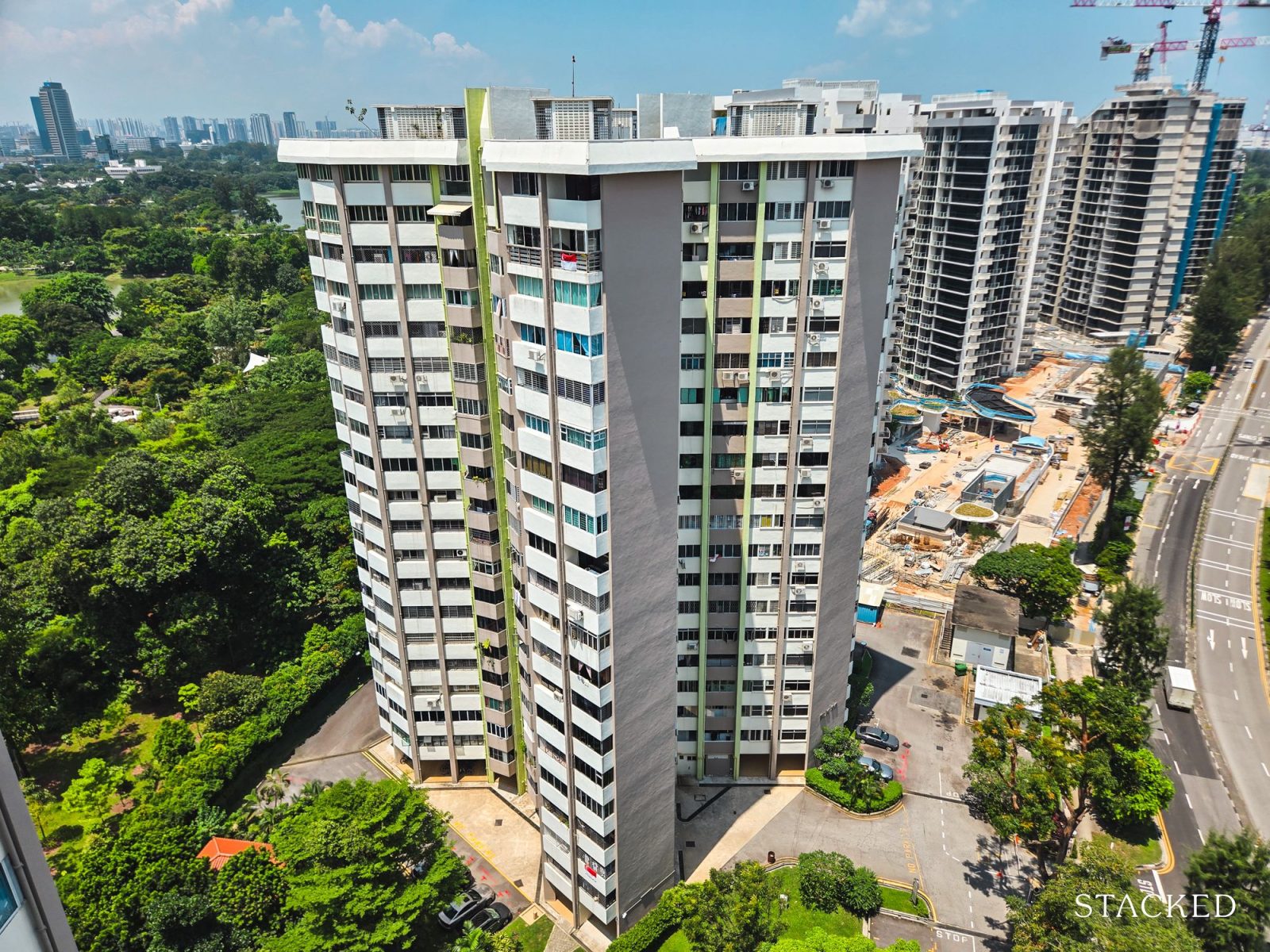
To summarise:
- Developments below 10 years old would continue to require 90% consent.
- Developments aged 10 to 39 years would continue to require 80%.
- Developments aged 40 to 59 years would require 70%, down from 80%.
- Developments aged 60 years and above would require 65%, down from 80%.
While the proposed changes make it easier for the CSC of older projects to achieve the required consent, there are some balancing factors.
The government is proposing other amendments to the Act that will also make it more challenging to kickstart - and repeatedly pursue - an en-bloc attempt if there isn’t already meaningful support among the owners.
For example, any interest to form the CSC would need the support of 35% of owners during the Extraordinary General Meeting (EGM). This consent level would be measured by either share value or the number of units. Currently, the requirement is just 20% by share value or 25% by the number of units.
Even if the CSC is formed, the proposed changes call for a shorter signing period to gather the necessary signatures.
The Ministry of Law is proposing that the period for obtaining signatures for the Collective Sale Agreement (CSA) be shortened from 12 months to six months. The ministry says this is intended to reduce the prolonged pressure faced by dissenting owners.
“Requiring at least 35% owner support before forming a CSC is a balanced approach. It helps ensure stronger support from the start and reduces the chances of collective sale attempts with limited owner backing,” says Chu of ERA Singapore.
If this change comes to pass, it would make the process more challenging for larger developments with hundreds of owners. On the other hand, it also balances out some of the perceived advantages that most CSC enjoy.
In my experience, I have encountered some CSCs that include veteran investors, who bought into the project specifically for its en-bloc potential and the potential windfall. I would argue that there could be an asymmetry of knowledge between these investors and genuine homeowners.
Finally, if an en-bloc attempt fails, owners will have to wait longer before making another attempt. The changes propose that the restriction period be extended from two years to three years. During this time, a fresh attempt to form a CSC will be subject to a higher requisition threshold.
Non-consenting owners will also get stronger safeguards, beyond the higher CSC threshold
Under existing rules, an owner who has not agreed to the collective sale can file an objection to the courts. An important consideration is the owner’s potential financial loss. In general, this is defined as the potential sale proceeds from a successful enbloc sale being less than the price they initially paid for the property.
If the court finds that an objecting owner would suffer this type of financial loss, the collective sale may be blocked on those terms even if the other consent thresholds are met.
However, the court is also empowered, with the consent of the CSC, to increase the amount of sale proceeds received by the affected owner. If the additional amount is sufficient to bridge the financial loss, this could still allow the collective sale to go ahead.
The Ministry of Law is proposing a change that will increase the pool available to compensate these non-consenting owners. At present, the limit is 0.25% of the sale proceeds for each lot or flat, or $2,000 per lot or flat, whichever is higher. Under the proposed amendments, this would increase to 0.5% of the sale proceeds for each lot or flat, or $2,000, whichever is higher.
More help for non strata-titled private residences
There are also uncommon residential developments where individual owners hold leases over their units, but not the underlying land. This type of ownership arrangement is usually found among older developments, usually dating back to the 1970s or earlier.
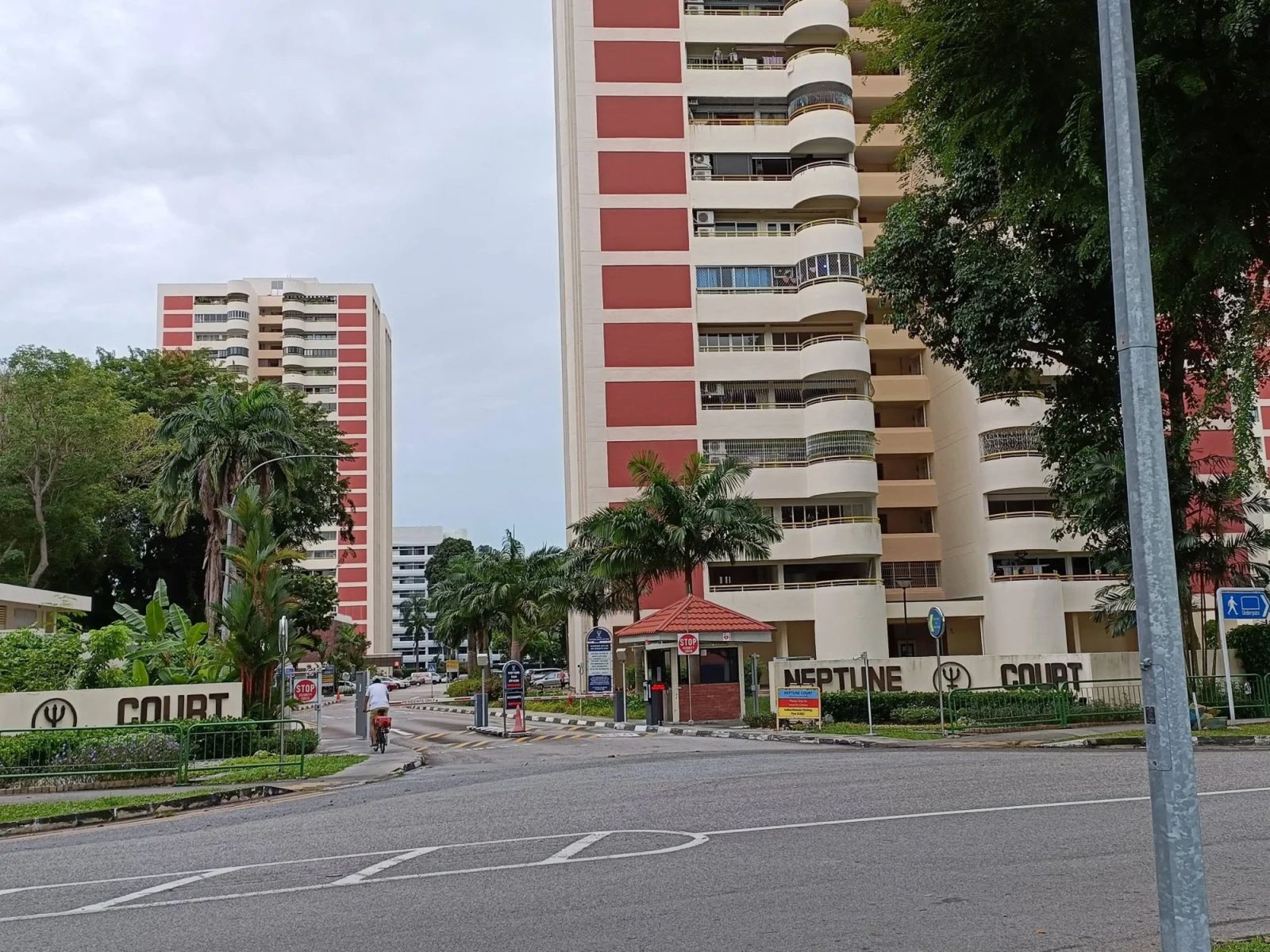
A prominent example is Neptune Court at Marine Vista. The 752-unit development was built by the now-defunct Housing and Urban Development Company (HUDC) in 1975. But unlike a conventional strata-titled project, its residents only hold 99-year leases over their individual units. The underlying land is owned separately by the Ministry of Finance.
Under the existing collective sale framework, such developments require unanimous agreement from two parties: the flat owners, plus the underlying landowner, for the en-bloc to happen.
The slew of changes to the Land Titles (Strata) Act includes a provision that would bring these developments into the collective sale framework, with some protections. Safeguards will still apply to the landowner, including requiring agreement to the sale at a specified price, and ensuring the amount paid appropriately reflects the value of the land.
While Singapore only has a relatively small number of non-strata-titled private residences, some of them, such as Neptune Court, are on sizeable land plots. That condo sits on a 787,500 sq ft site but only consists of 752 units. On the other hand, Treasure at Tampines - currently the largest condo in Singapore by unit count - sits on a smaller plot of around 648,900 sq ft but comprises 2,203 units.
How could all of this potentially impact the enboc market?
If the changes go into law, it would be a boon for ageing developments that face increasingly expensive repairs and rising maintenance costs. Moreover, opportunities for new development land have become increasingly scarce in most mature residential neighbourhoods where a good number of these older projects tend to be located.
Increasing the potential development opportunities in those areas, through more collective sale tenders, would give more Singaporeans a chance to live in these desirable residential districts.
“(The proposed changes) will give more ageing estates the opportunity to enter the collective sale market and support the renewal of older neighbourhoods with modern developments,” says Chu, singling out those developments that are 40 years old or older.
In addition, while residential Government Land Sales (GLS) sites are sold with 99-year leases, the collective sale market provides more opportunities for developers to acquire freehold or 999-year leasehold land. Thai paves the way for more Singaporeans to own these types of properties.
That said, an en-bloc may is still a tough proposition in 2026
For the owners of ageing condos, the proposed consent thresholds will understandably attract a lot of attention and spur renewed discussions about a potential collective sale attempt.
Most developments attempting a collective sale usually struggle to bridge the gap from 70% to 80%, as holdouts stall the process. But if the changes come to pass, these CSCs could suddenly find themselves above the required threshold if the new rules take effect.
But the consent threshold is only one part of the process of a successful enbloc sale. As ERA’s Marcus Chu cautions: “To ensure the success of a collective sale, realistic price expectations, market conditions and developers' appetite for redevelopment opportunities remain the key pillars.”
A key consideration here are current home prices, and the willingness of owners to give up their larger but older homes. For example, a two-bedroom unit in a new launch project today usually spans around 700 sq ft, and is likely to fetch at least $1.8 million. For the owners of older condos, where two-bedders could be as large as over 1,000 sq ft, the sale proceeds from a successful collective sale may not cover an equal sized replacement unit.
Another concern is financing, especially for older home owners. Sale proceeds from an en-bloc are not immediate and older home owners may end up with loan tenure restrictions, or be unable to secure sufficient financing in the form of a new mortgage or a bridging loan. This can add substantial friction to en-bloc attempts, especially in developments with a higher population of seniors.
On the other hand, developers are faced with their own cost and capital limitations in the form of construction costs, agency commissions, and development charges. This may limit how much they are willing to fork out for an expensive enbloc acquisition.
We have also seen that developers have a wide range of development opportunities from the Government Land Sales (GLS) programme, which offers a more straightforward development timeline. Thus, the government’s supply of land may play an even bigger role in influencing the enbloc market than the proposed changes to the collective sale framework.
For these reasons, I reckon that we may not see another repeat of the previous decade’s so-called “en-bloc fever” even with a partial easing of threshold requirements.




0 Comments