What A $6.99 Cup of Matcha Tells Us About Liveability in Singapore
Get The Property Insights Serious Buyers Read First: Join 50,000+ readers who rely on our weekly breakdowns of Singapore’s property market.
As Editor-in-Chief of Stacked, Timothy leads the newsroom and shapes our editorial direction, ensuring readers receive timely, thoughtful, and well-researched news and analysis. He brings over eight years of experience as a business and real estate journalist, with a strong track record across both print and digital platforms. His reporting spans luxury residential, commercial real estate, and capital markets, alongside in-depth coverage of sustainability and design.
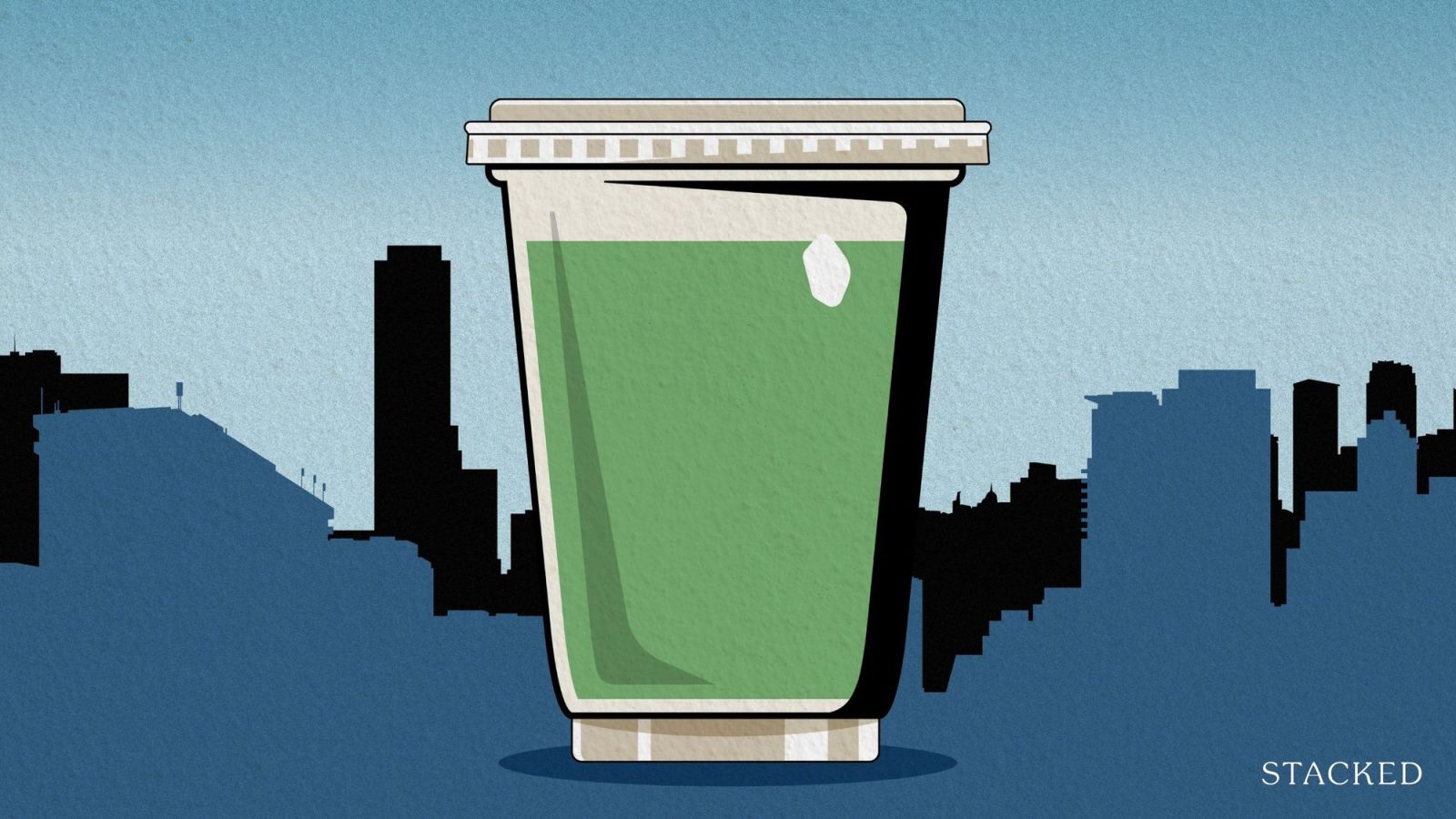
Can the cost for a cup of matcha latte tell you how liveable a city is?
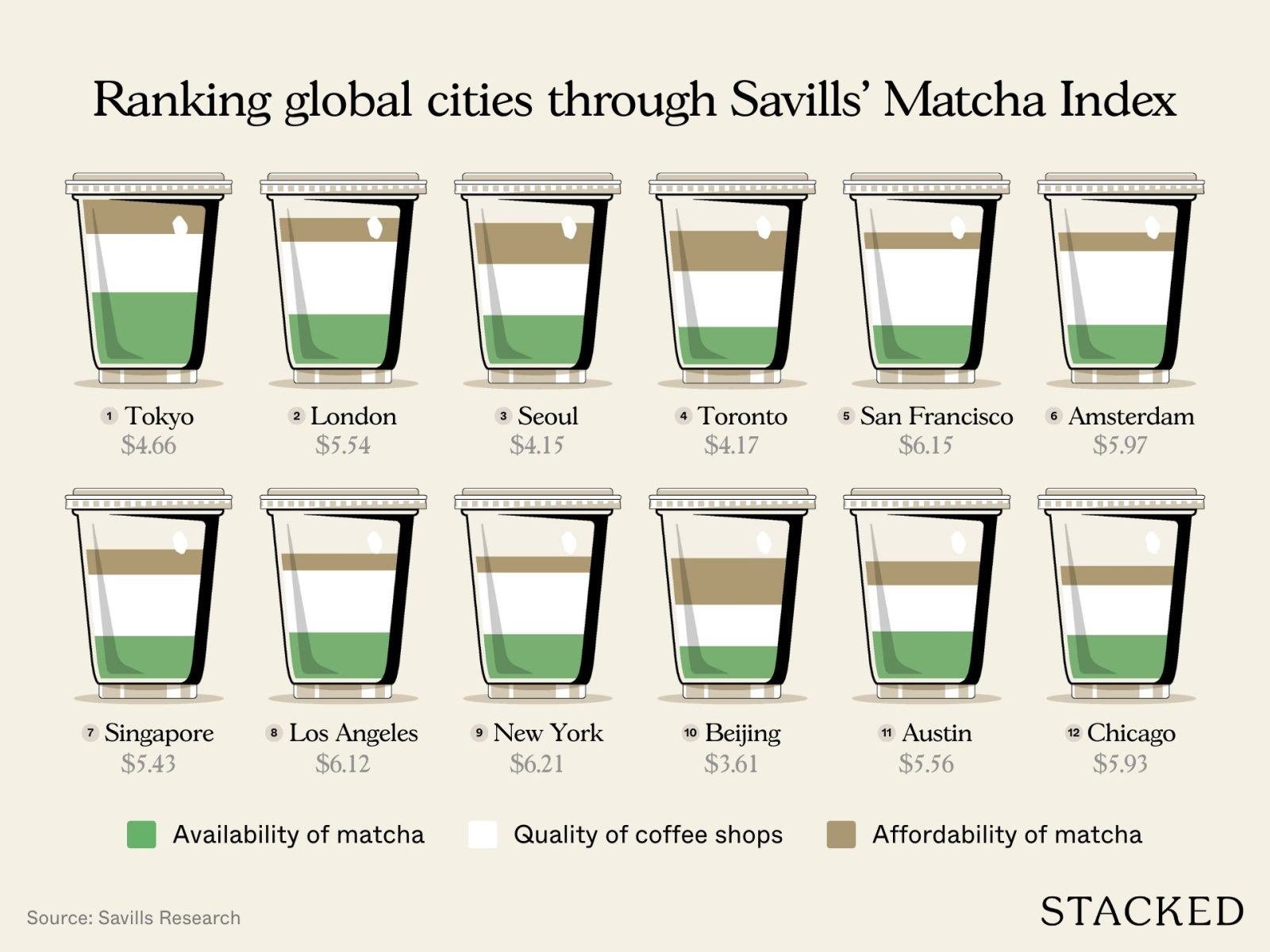
That’s one of the factors that Savills, a global real estate services provider, is using in its inaugural Matcha Index – a study that assesses urban liveability through cafe culture, matcha affordability, and quality of cafes.
You might be thinking that considering how much the average price for a cup of matcha latte in Singapore costs today, that we must easily be among the most expensive cities in the world to enjoy this trending beverage.
And it’s true, in Singapore matcha lattes cost an average of US$5.43 ($6.99), placing us among the higher-cost markets in this index.
“Singapore has a vibrant and rich café culture. Besides the strong presence of established and new coffee chains, our café culture has evolved to embrace anything Matcha, which you can find in lattes, gelato, cakes, and even bubble tea,” says Sulian Tan-Wijaya, executive director of Retail & Lifestyle at Savills Singapore.
New Yorkers fork out an average of US$6.21 for a matcha latte, followed by the residents of San Francisco who pay about US$6.15 for a cup.
Other locations on the top 12 list of cities in the Savills Matcha Index include Los Angeles (US$6.12), Amsterdam (US$5.97), London (US$5.54), and Tokyo ($4.66), and Seoul (US$4.15).
Beijing was the only city to make it on the list and is the cheapest place among the 12 global cities where you can enjoy a matcha latte, only setting you back US$3.61.
Cafe culture and our social infrastructure
Beyond the headline cost for matcha in these global cities, this Matcha Index by Savills should prompt a conversation about the urban lifestyles and out of the box markers that make a location liveable.
More from Stacked
Buying A Home During Hungry Ghost Month: Does “Bad Luck” Translate To Lesser Profit?
As we enter into the Ghost Festival (7th month of the lunar calendar from August and usually lasts for a…
For example, Singapore cafes and F&B companies were quick to adopt their menus to this new trend. The city-state is also an early adopter of the emerging trend of Matcha rave parties – innovative, alcohol-free events combining wellness and nightlife, says Tan-Wijaya.
So, despite the jaw-dropping cost for a matcha latte in Singapore, the dynamism of our retail market suggests that we offer the places and spaces that generate buzz and a vibrant social scene.
“Coffee culture has in effect become a vital part of the social infrastructure that supports the tech ecosystem, and matcha lattes have taken over as the ‘go-to’ drink for young professionals,” says Tan-Wijaya. She adds that Singapore remains competitive based on its overall liveability for workers, supported by strong café availability, quality and connectivity.
While the Matcha Index may appear playful, it underscores a serious truth about urban liveability today; that vibrant cafe cultures, whether centred on espresso or matcha, are vital to sustaining the social fabric of modern global cities like Singapore.

At Stacked, we like to look beyond the headlines and surface-level numbers, and focus on how things play out in the real world.
If you’d like to discuss how this applies to your own circumstances, you can reach out for a one-to-one consultation here.
And if you simply have a question or want to share a thought, feel free to write to us at stories@stackedhomes.com — we read every message.
Timothy Tay
As Editor-in-Chief of Stacked, Timothy leads the newsroom and shapes our editorial direction, ensuring readers receive timely, thoughtful, and well-researched news and analysis. He brings over eight years of experience as a business and real estate journalist, with a strong track record across both print and digital platforms. His reporting spans luxury residential, commercial real estate, and capital markets, alongside in-depth coverage of sustainability and design.Read next from Overseas Property Investing
Overseas Property Investing Why ‘Cheap’ Johor Property Can Get Expensive Very Quickly For Singaporeans
Overseas Property Investing I’m A Singaporean Property Agent In New York — And Most Buyers Start In The Wrong Neighbourhood
Overseas Property Investing The Biggest Mistake Singaporeans Make When Analysing Overseas Property
Overseas Property Investing I Lived in One of the Safest Property Markets in the World. Here’s Why I Didn’t Buy.
Latest Posts
Pro Why This Old 99-Year Leasehold Condo Outperformed Newer Projects in Bukit Timah
Singapore Property News This New Woodlands EC May Launch at $1,850 PSF: Here’s Why
New Launch Condo Analysis This Freehold New Launch Condo In The CBD Is Launching From Just $1.29M
Property Market Commentary How Much You Need to Earn to Afford a One or Two-Bedder Condo In 2026 (As a Single)
Property Market Commentary This HDB Town Sold the Most Flats in 2025 — Despite Not Being the Cheapest
Singapore Property News This Former School Site May Shape A New Kind Of Lifestyle Node In Serangoon Gardens
Singapore Property News I Learned This Too Late After Buying My First Home
Property Market Commentary How To Decide Between A High Or Low Floor Condo Unit — And Why Most Buyers Get It Wrong
Singapore Property News This 4-Room HDB Just Crossed $1.3M — Outside the Usual Prime Hotspots
On The Market Here Are 5 Rare Newly-Renovated HDB Flats Near MRT Stations You Can Still Buy In 2026
Pro Why This 24-Year-Old Condo Outperformed Its Newer Neighbours In Singapore
Singapore Property News More BTO Flats Are Coming In 2026 And Why This Could Change The HDB Market
Editor's Pick We’re In Our 50s And Own An Ageing Leasehold Condo And HDB Flat: Is Keeping Both A Mistake?
Pro How A 625-Unit Heartland Condo Launched In 2006 Became One Of 2025’s Top Performers
Property Investment Insights Does Buying A One-Bedroom Condo Still Make Sense As An Investment In 2026