


This contributed article was written by Ashley Swan, Executive Director, Commercial & Industrial, Savills Singapore.
For years, office leasing decisions were largely driven by three considerations: location, cost and space requirements. Corporate occupiers wanted the best possible building at the right price, in a location that suited their business.
While those fundamentals remain important, they no longer tell the whole story.
Increasingly, we see that occupiers are evaluating office spaces through a broader business lens. The conversation has shifted from simply securing the right amount of space at the right rent to asking whether a workplace can help attract talent, strengthen company culture, and support collaboration.
This represents a significant shift. The office is increasingly viewed not just as an operating cost, but as a strategic asset that supports business performance, talent attraction, and long-term growth.
The Office Has Become Part of the Employee Value Proposition
All signs suggest that Singapore’s labour market, which has been historically tight, will remain competitive and global. As a result, the physical workplace has emerged as a primary differentiator for companies competing for top-tier talent.
According to the Ministry of Manpower (MOM), total employment in Singapore grew by 55,500 in 2025, an increase from 44,500 in 2024, with job vacancies rising to 81,100 by March 2025.
For many organisations, finding the right people has become more of a challenge than finding the right office space. This reality is changing how businesses think about their workplace strategies.
Rather than simply accommodating employees, the office is increasingly expected to support recruitment, collaboration, and long-term staff engagement. The quality of an office, its location and the experience it offers increasingly form part of the broader employee value proposition, particularly for businesses competing for skilled talent.
What Occupiers Are Looking For Today
The fundamentals of leasing an office space have not changed. Tenants still want spaces that are well-located and at a price point they want. But now, these occupiers want more than just the basics.
Businesses increasingly recognise that workplace quality shapes how employees experience the organisation every day, from how they collaborate to whether they choose to spend more time in the office.
Here’s how corporate real estate decision-makers approach the office experience today:
- Creating a better workplace experience
Occupiers are increasingly looking beyond the office space itself to the experience that the entire building provides. Amenities such as well-designed pantries, informal collaboration spaces and end-of-trip facilities are no longer viewed simply as perks. They help create an environment where employees are more willing to spend time in the office, particularly as more organisations move back to in-office work and place greater emphasis on in-person collaboration.
For example, shared amenity spaces – from café-style pantries to informal lounges – are increasingly designed to encourage spontaneous interaction, collaboration and cross-team conversations that are harder to replicate remotely.
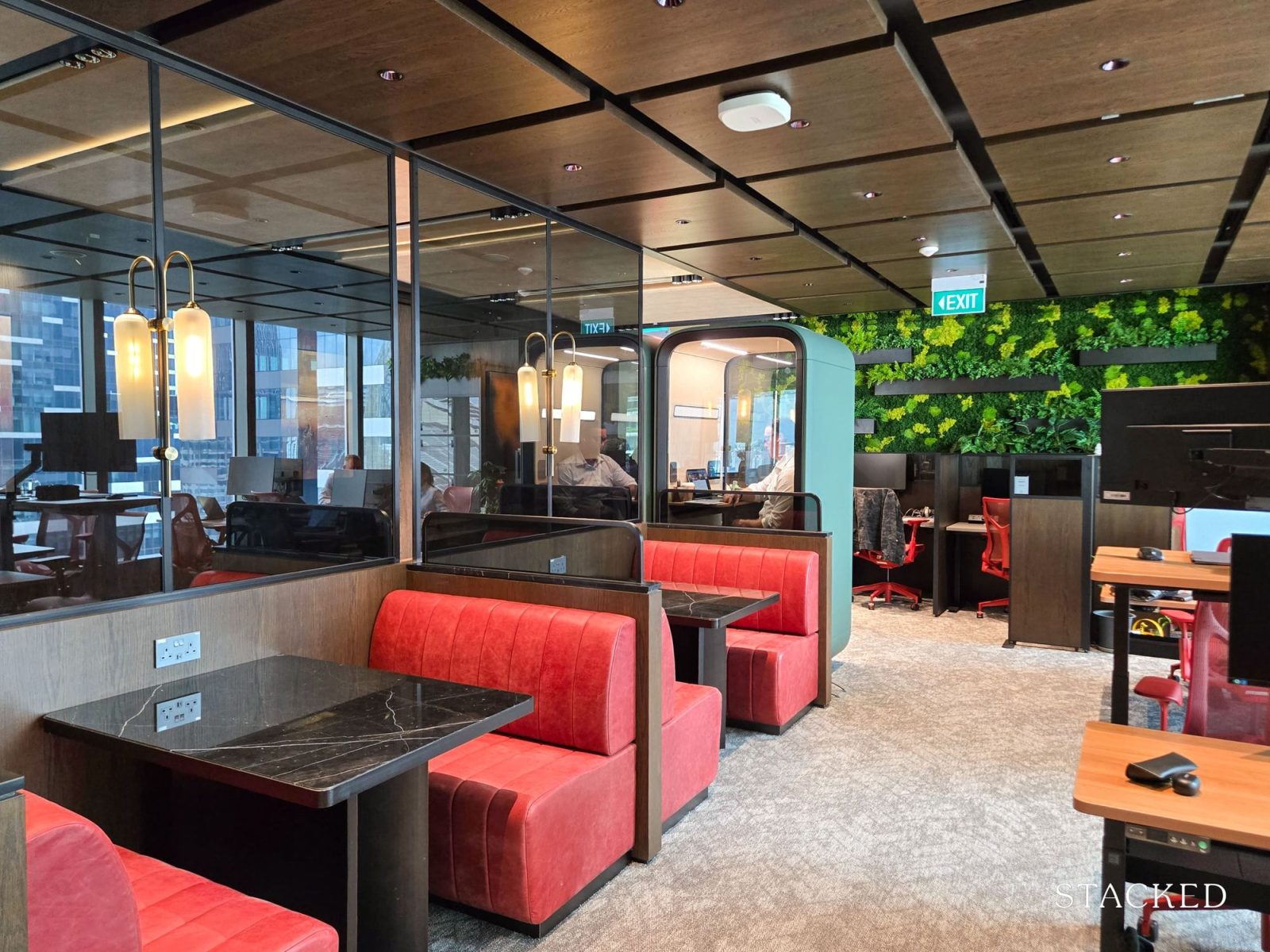
Companies are also paying greater attention to employee wellbeing. Quiet rooms, natural light and spaces for focused work are increasingly being incorporated into workplace design, recognising that different tasks require different working environments.
"End-of-Trip" facilities are important as well. As more employees take alternative types of transport to work, facilities such as showers, lockers and secure bicycle parking have become increasingly desirable, particularly in newer office developments. These facilities support changing commuting habits while improving the overall workplace experience.
- Better collaboration, not bigger offices
With more companies implementing mandates for employees to return to the office, workplaces need collaboration spaces, or social contact points where people can gather to work together or socialise.
A reliable digital infrastructure is increasingly treated as a basic expectation rather than a premium feature. Occupiers want meeting rooms that support hybrid collaboration seamlessly, dependable connectivity and workplaces that can accommodate changing workstyles without constant reconfiguration.
Mandates for employees to return to the office have also changed how occupiers think about space. For many occupiers, the measure of a successful office is no longer just about how many desks it accommodates, but whether it brings people together in meaningful ways.
That, in turn, is influencing the types of buildings and floorplates occupiers are prepared to consider. Rather than viewing rightsizing as simply reducing or increasing space, many occupiers are looking at how their workplace can be used more effectively.
As a result, better-designed layouts, flexible collaboration areas and higher-quality environments allow organisations to enhance the use of their existing footprint while creating a workplace that improves the way people work today.
- Quality buildings that support long-term business goals
Sustainability has also become part of the conversation, not simply because of environmental commitments, but because many occupiers view greener buildings as offering lower long term operating costs, supporting corporate ESG commitments and enhancing the attractiveness of the workplace.
We have observed that occupiers increasingly see sustainability as part of a building's long-term value proposition, rather than a standalone environmental consideration.
How This Is Changing Leasing Decisions
These evolving workplace expectations are influencing leasing decisions in several ways.
Rather than simply seeking more space, many occupiers are rightsizing their footprint while investing in better-quality buildings. The objective is not necessarily to reduce costs, but to create workplaces that are more attractive, more efficient, and better aligned with how employees work today.
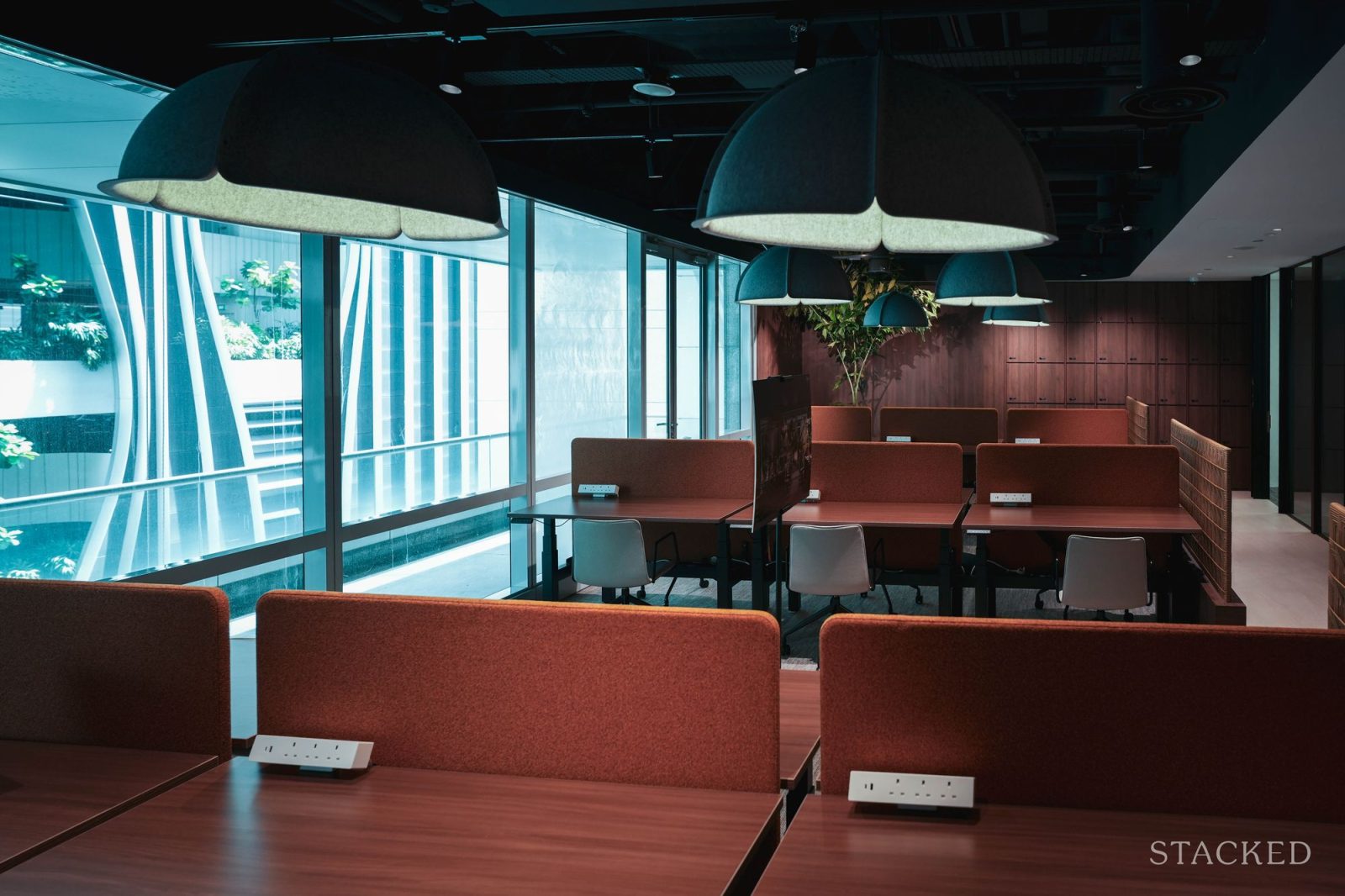
Demand has also increased for fitted offices and upgraded buildings, since this allows occupiers to reduce capital expenditure, implementation time and disruption while still providing a quality workplace experience. Increasingly, occupiers are looking beyond the office itself and favouring buildings that offer shared amenities and services that enhance the overall workplace experience, rather than simply leasing a bare space.
At the same time, landlords are responding by investing in repositioning older assets through upgraded amenities, improved common areas, creating shared spaces and sustainability enhancements to remain competitive in a market where occupiers have become more discerning.
These decisions also have longer-term implications for corporate leasing strategies.
Occupiers are starting to plan their real estate needs earlier, taking more time to evaluate options and considering whether renewing, relocating or upgrading existing premises will better support future business needs. Rather than reacting to lease expiry, companies are becoming more deliberate about how their workplace aligns with broader organisational objectives.
It's No Longer Just About Rent
None of this suggests rental costs have become less important. Instead, occupiers are increasingly evaluating value, and not just price.
A workplace that supports recruitment, collaboration and employee engagement may justify a higher rental if it contributes to broader business objectives over the life of the lease. Ultimately, the question is no longer simply "What does this office cost?" but "What value will this workplace create over the life of the lease?"
The pipeline of new office developments entering the market over the next few years remains limited. This means early planning by corporate real estate leaders will become increasingly important.
Occupiers that start evaluating their options well before their current lease expires are likely to have greater flexibility to secure space that supports both their operational needs and longer-term workplace objectives.
Equally important is the overall cost of relocating. By allowing sufficient lead time, occupiers are better placed to manage fit-out, relocation and implementation costs, while avoiding rushed decisions that can add unnecessary expense and disruption.
Conclusion
Expectations around the workplace are evolving across the workforce. Forward-looking occupiers recognise that leasing decisions are becoming increasingly intertwined with talent strategy, business performance, and long-term organisational goals.
The most competitive buildings today aren't necessarily the cheapest. They are the ones that help occupiers achieve broader business objectives.




0 Comments