















A Landlord Sued For $84.5K Over Unpaid Rent — The Tenant Blamed Property Defects. Here’s What The Court Decided


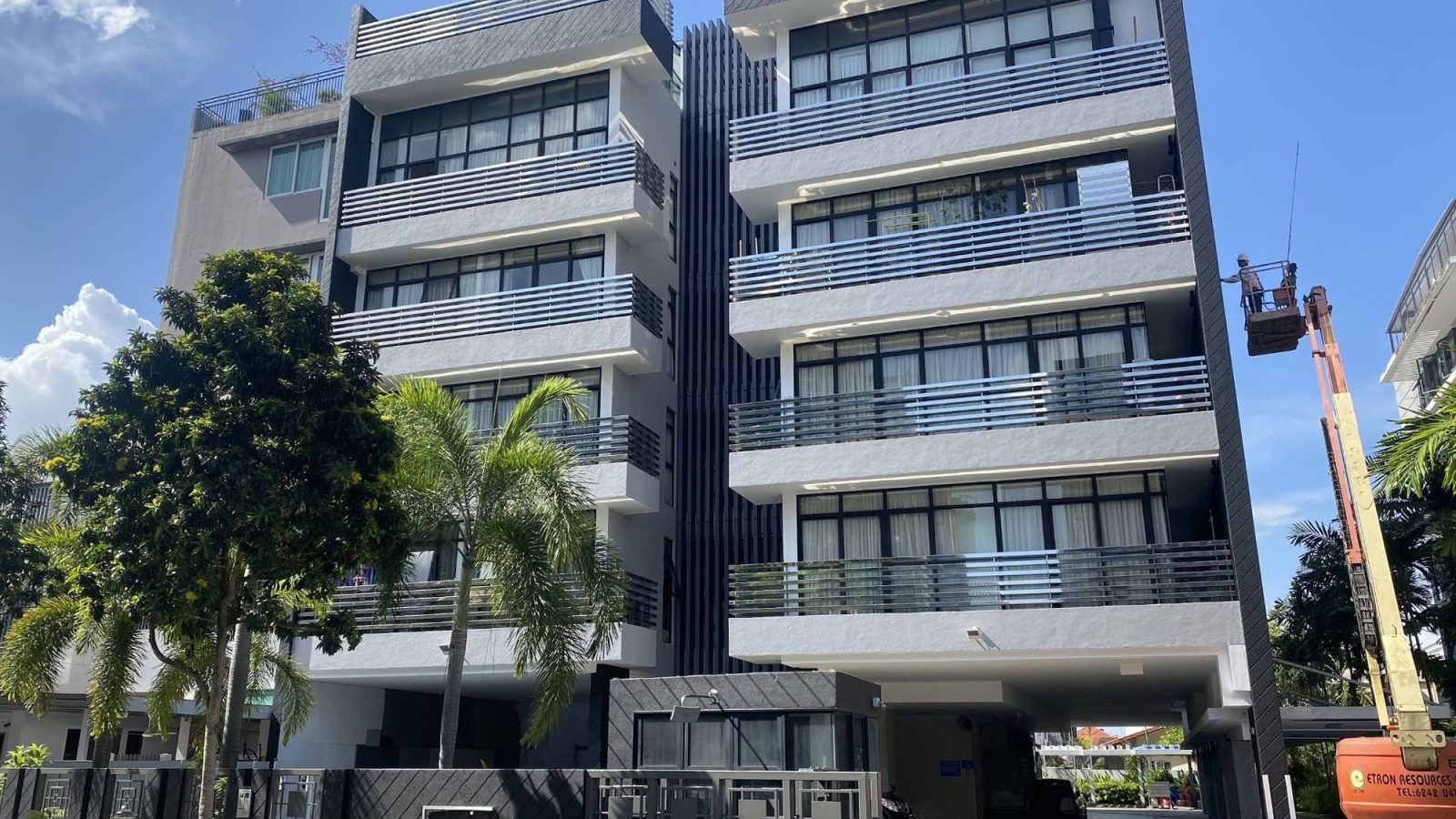
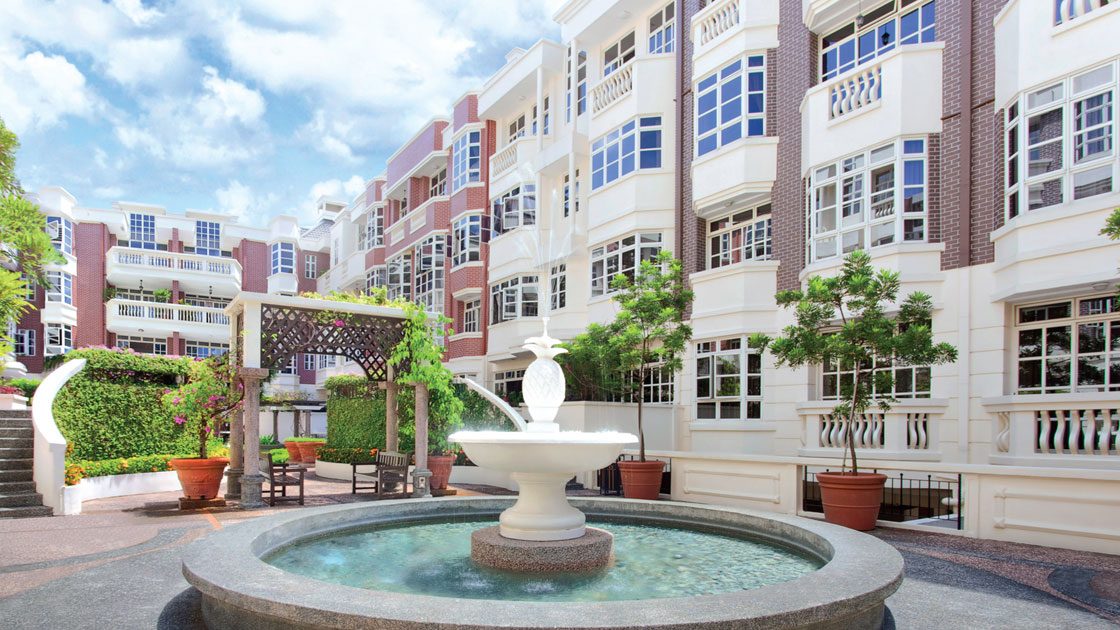
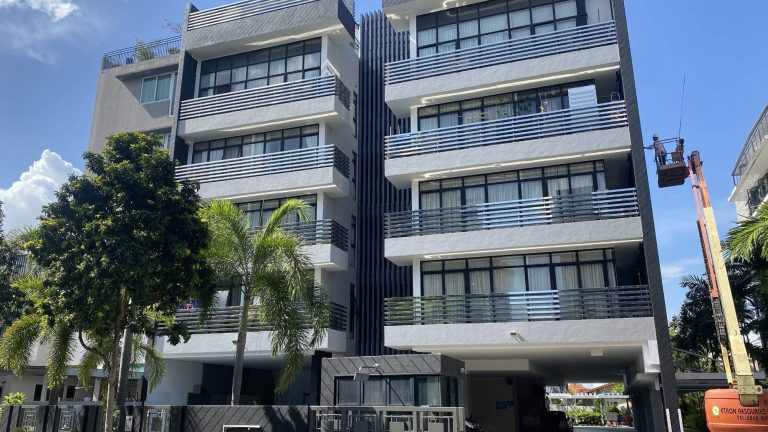
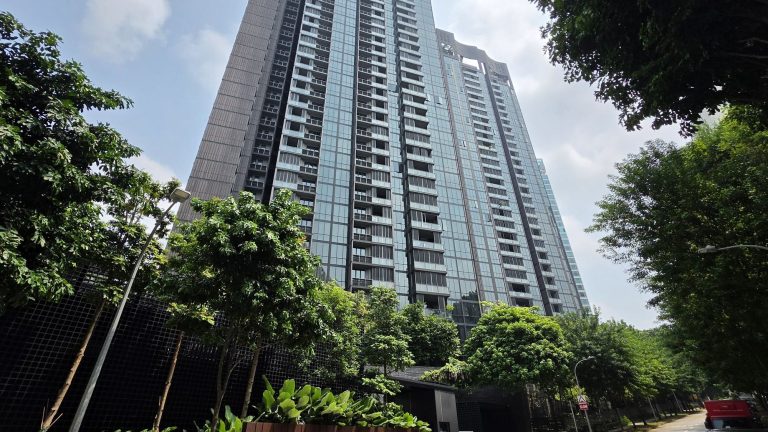
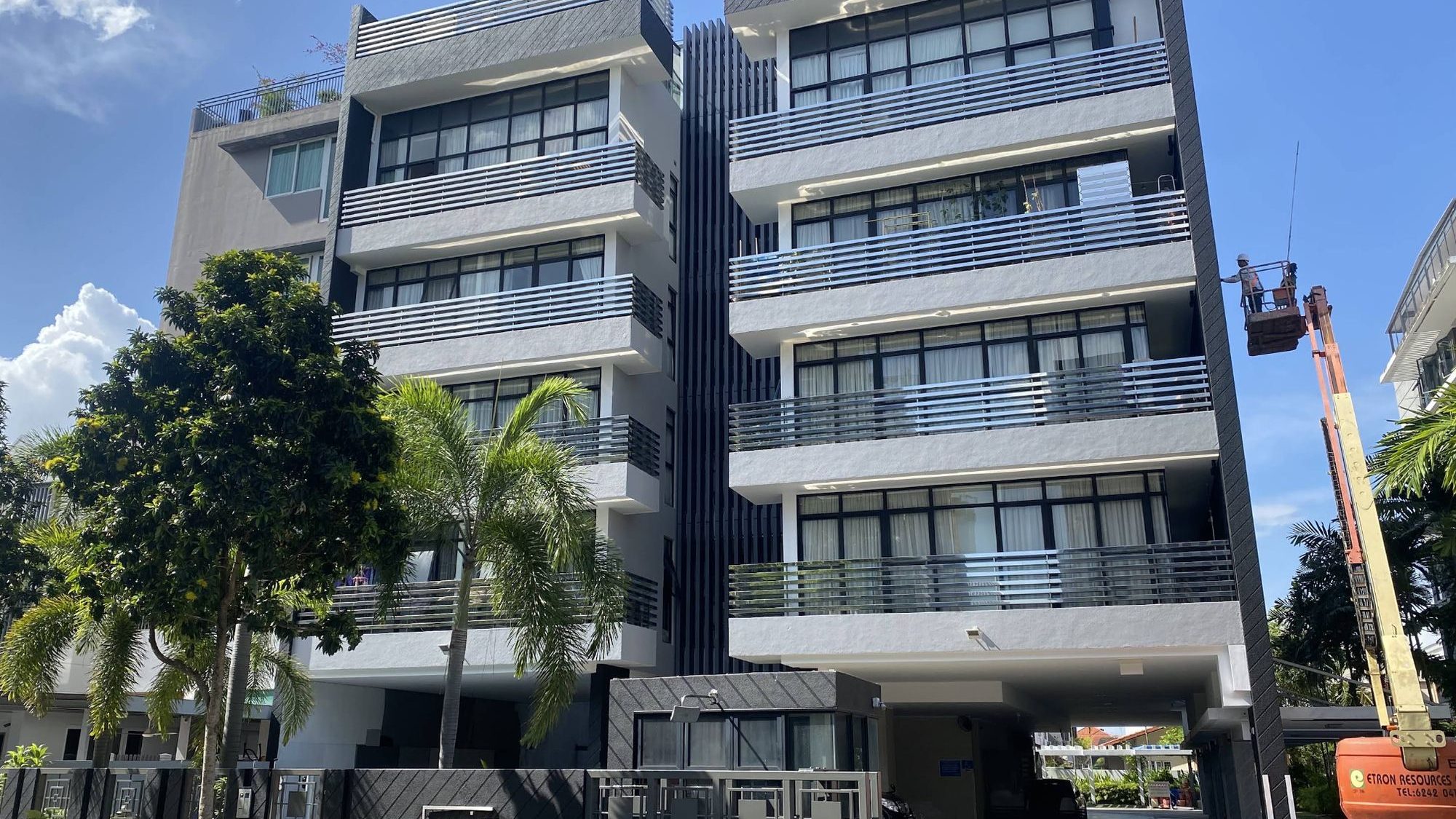
A dispute between the owner and landlord of a penthouse at Cubik, a boutique condo at 81 Lorong K Telok Kurau, and a recent corporate tenant boiled over when both parties contested competing claims in court. This is an interesting case for landlords and tenants, especially in a contentious situation where communication appears to have broken down.
In this case, the owner of the 2,033 sq ft duplex penthouse is a company named EG Development (EGD). It sued a corporate tenant, Our Cocomo (Cocomo), and its director, Won Shi Lin Yura, for $84,584 in damages.
According to the case files, Won is the sole shareholder and a director of Cocomo, and was listed as an occupier of the penthouse at the time. The damages claimed by EGD included $46,296 in unpaid rent and over $38,000 for rectification costs and breach of maintenance obligations.
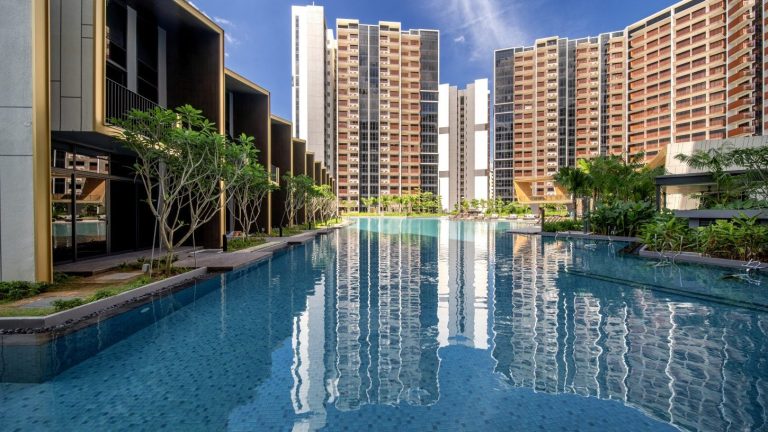
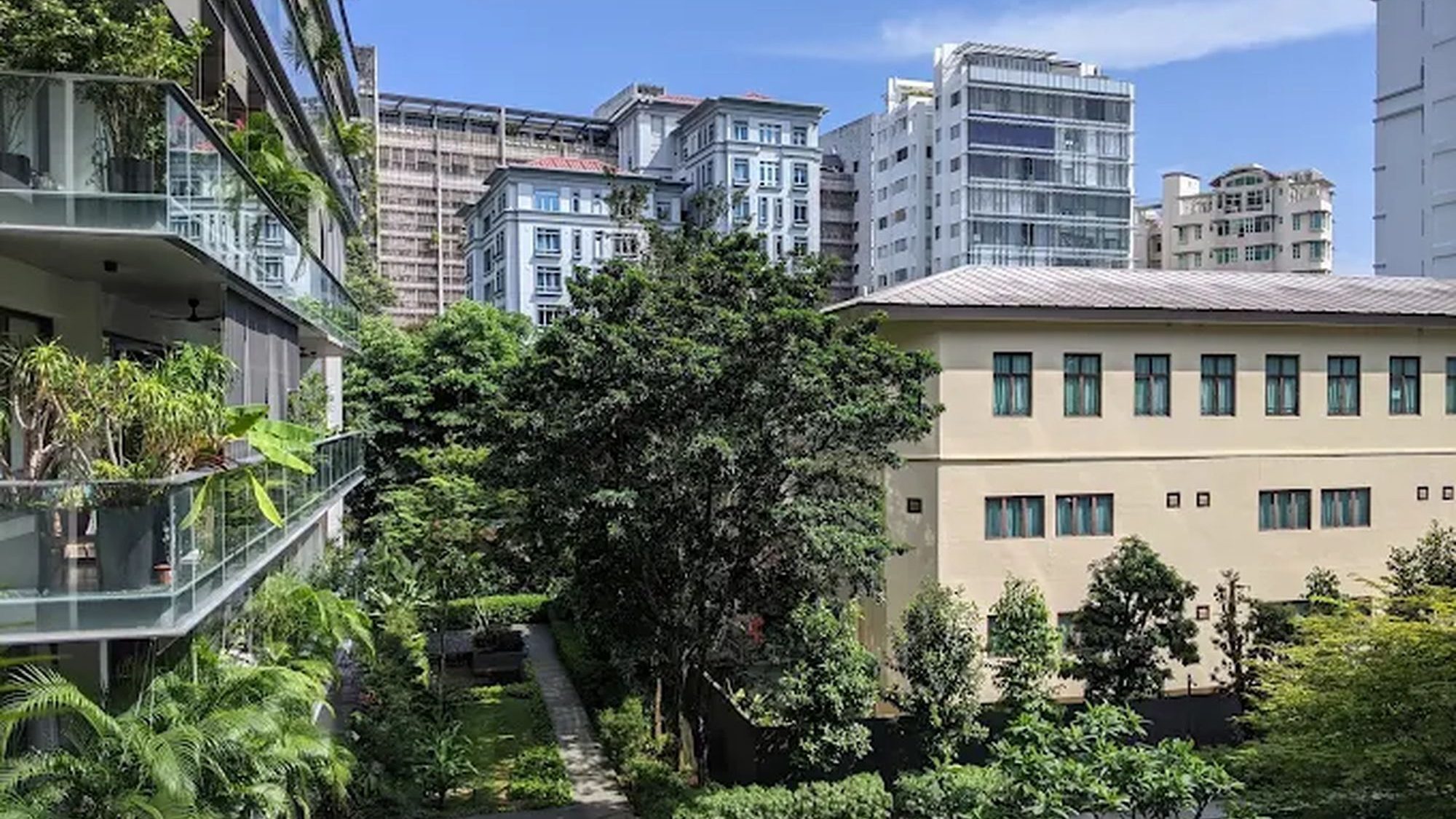
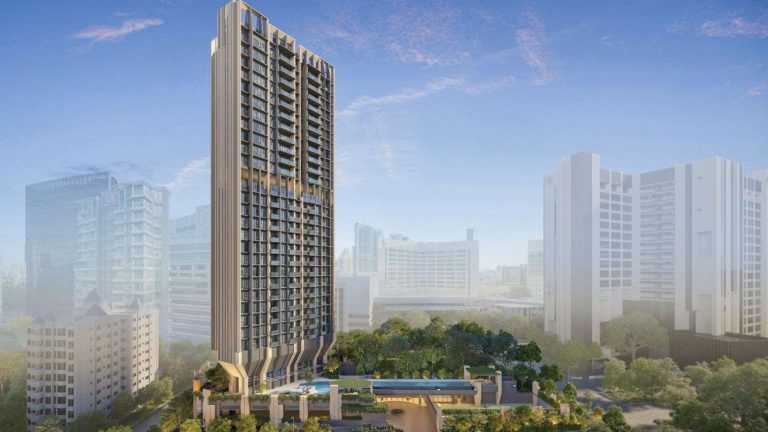
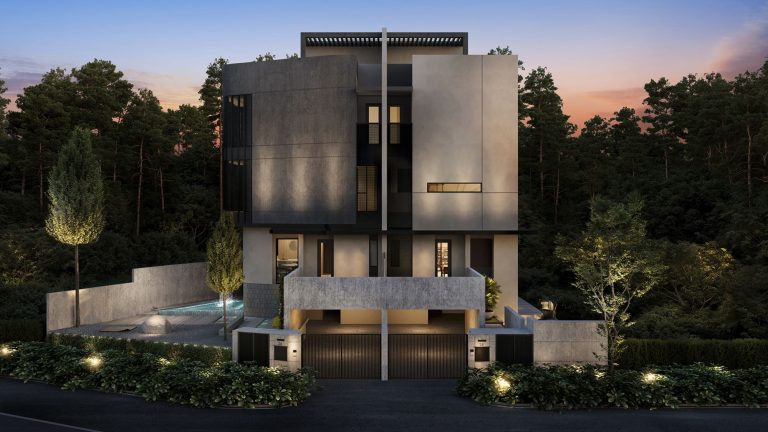
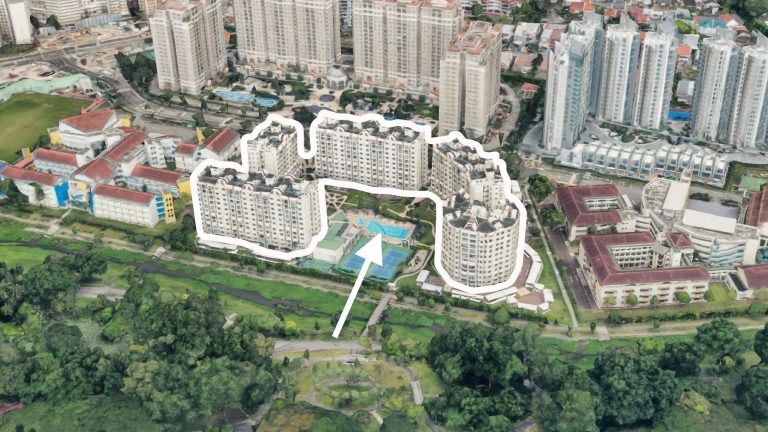
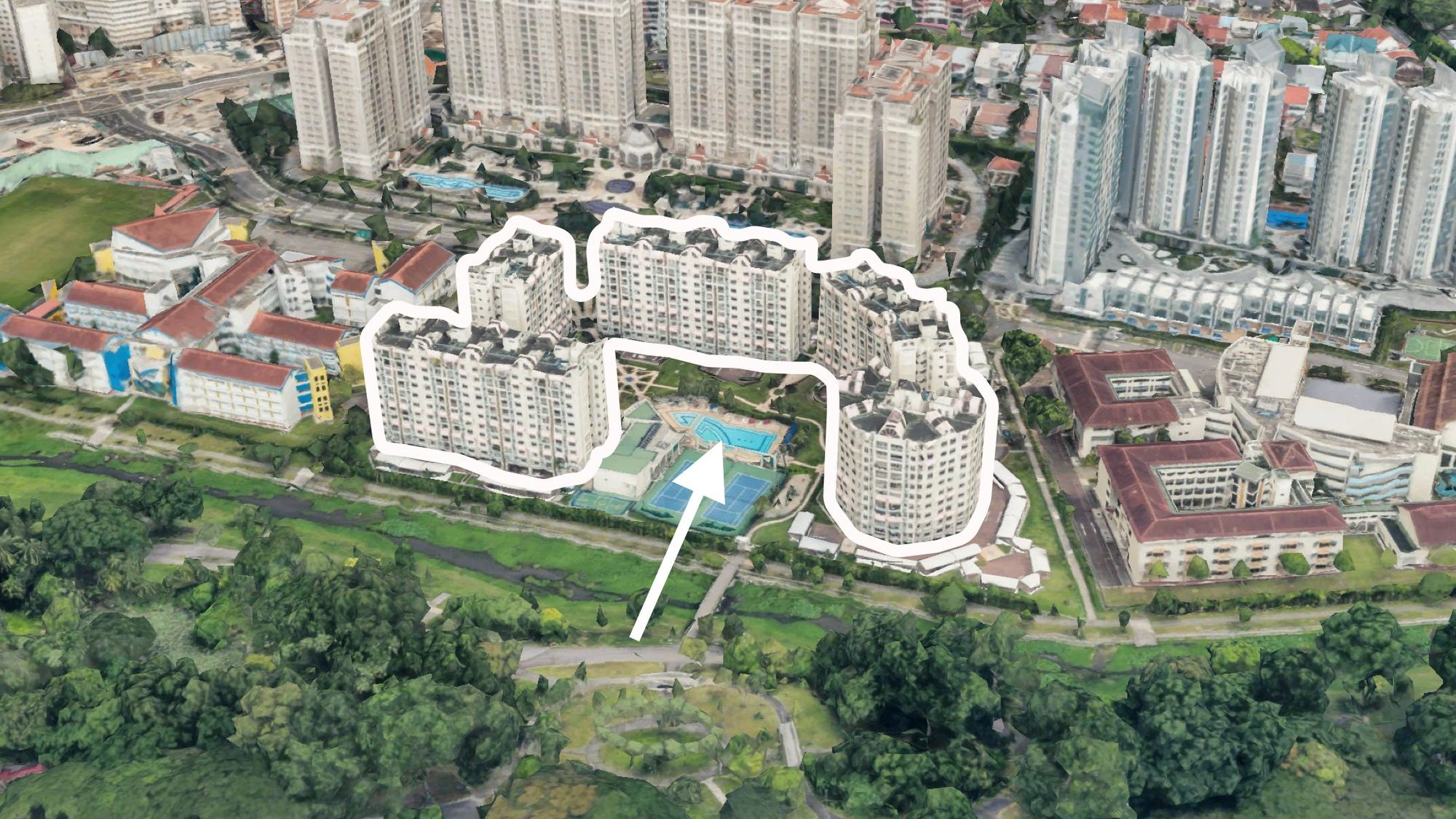
The duplex penthouse in this case is one of the largest units in the freehold development, and the unit comes with its own private pool. Completed in 2011 by EGD, the District 15 property consists of 24 units.
But Cocomo and Won countersued, claiming the landlord failed to fix severe water seepage and electrical issues, causing parts of the unit to be uninhabitable and damaging luxury items worth around $66,000. They also claimed $40,000 for stress and inconvenience.
News pieces like this explain what’s happening in the market. Our consultations are designed to help you understand what it means for your own property decisions.
If you’re considering buying, selling or upgrading, we’d be happy to help you work through your options.
How did water seepage escalate the dispute into a lawsuit?
Initially, the penthouse was leased to Cocomo for 12 months, starting from 31 May 2023, with a monthly rent of $8,888. The lease was renewed for another 12-month term from 31 May of the following year, at a monthly rent of $7,800.
But EGD claimed Cocomo breached the second tenancy agreement by failing to pay $7,800 monthly rent from 31 July 2024. On 13 August 2024, EGD demanded payment of the outstanding rent with interest within one day, as well as demanded back possession of the penthouse by 19 August 2024.
However, Cocomo did not comply, and EGD claimed it had the right to end the tenancy and take back the property. EGD also claimed “double rent” under the Civil Law Act 1909, amounting to $15,600 per month from 20 August 2024 until Cocomo left.
But it didn’t just stop at unpaid rent. The landlord also alleged breaches relating to access for pool maintenance. During the first tenancy agreement, Cocomo allegedly denied access on 12 occasions to the unit’s private pool despite notice, resulting in a clogged pool discharge pipe and hefty plumber costs.
All of this racked up, and total damages came up to $84,584, comprising unpaid rent, rectification and repair costs, based on EDG’s estimates. The landlord argued that its tenant failed to properly maintain the penthouse, and sought claims against Won, as Cocomo’s director and occupier of the unit, for breach of duty of care.
On its part, Cocomo and Won denied the allegations, stating that EGD had represented pool maintenance as optional. They claimed they could decline the service because maintenance occurred on Wednesday mornings when Yura was usually at work. They said EGD only insisted on regular maintenance from April 2024.
Here’s how the dispute escalated
Faced with the allegations, Won claimed that she was entitled to tenancy agreement protections. She also claimed EGD owed her a landlord-occupier duty of care to ensure the unit remained safe and secure and was free from water seepage and electrical defects.
She said that by failing to address severe and persistent water seepage during the tenancy, EGD had breached these obligations. The case files indicate that she first highlighted water leakage issues in the master toilet to EGD’s representative via Whatsapp messages.
A repair appointment was fixed on 27 November 2023. But on 18 December 2023, Yura found the master toilet and swimming pool were unusable again. The downstairs neighbour also complained the next day that a toilet in the penthouse unit was leaking into his unit.
There was widespread seepage on that day, which flooded the first floor. As a result, Won’s daughter could not use her bedroom, and the flooring for the first floor was also damaged. Won eventually vacated the unit on 9 November 2024.
Do property defects make it acceptable to not pay rent?
When the case was brought to court, Cocomo admitted that rent was unpaid from 31 July 2024 but claimed their right to offset amounts arising from EGD’s alleged breaches of the tenancy agreement.
The company disputed that EGD’s 13 August 2024 letter exercised the right of re-entry or gave them the right to terminate the lease on 20 August 2024. It argued that any double rent should be reduced to account for existing defects in the property that EGD had failed to rectify.
Cocomo claimed that as the landlord, EGD was required under the tenancy agreements to provide the following:
- quiet enjoyment of the property
- maintain the roof, structure, walls, floors, wiring and pipes in good condition
- ensure the property was fit for habitation
- provide adequate security, including CCTV and a security post
The company further claimed that any amount owing should be offset against the $8,888 security deposit, while Won continued to deny breaching any duty of care owed to EGD.
One of the arguments brought up to District Judge Sia Aik Kor, the judge presiding over this case, was whether the tenants in this case could claim damages for personal belongings.
So, in their countersuit, Cocomo sought to claim consequential damages for Won’s luxury goods that were in the penthouse, as damages suffered indirectly due to EGD’s breach. The affected items included a Richard Mille RM 67-01 White Gold with Diamonds worth up to $260,000, a F.P. Journe Elegante with Diamonds worth around $135,000 and a Cartier Love Bangle worth around $45,000.
The estimated diminished value of the luxury goods due to damage to the packaging and authenticity certificates was in the range of $152,000 to $178,000, according to Angela Ng, a luxury goods expert brought in to testify by Cocomo and Won.
But in her judgment on September 1 this year, District Judge Sia Aik Kor rejected Cocomo’s arguments regarding damage to Yura’s personal belongings. She concluded that Cocomo had not shown that it suffered, or would suffer, any actual loss arising from the damage to Won’s personal belongings.
In short, the judge stated that because Won and Cocomo were closely connected, Cocomo could not establish that it had a separate legal or financial interest in Won’s personal property. The Court therefore did not accept Cocomo’s claim for compensation in respect of those belongings.
So, what did the court decide?
The judgment published on Sept 1 noted that while EGD has a duty of care towards their tenant, it is also the tenant’s responsibility to pay rent, since it remains part of the contractual obligation.
Thus, District Judge Sia ordered Cocomo to pay $31,703 to EGD in rental arrears, with interest at 10% per annum on the amounts payable. This was offset against the security deposit of $8,888 held by EGD.
The total unpaid rent of $31,703.22 comprised $20,129.03 for 31 July to 17 October 2024, including $15,600 for 31 July to 29 September and $4,529.03 for 30 September to 17 October; and $11,574.19 in double rent for 18 October to 9 November 2024, calculated at $15,600 monthly for 23 days.
In addition, Cocomo was also ordered to pay $340 to EGD, who in turn was ordered to pay Cocomo and Won $10,992.29 and $1,000, respectively, as damages. This is because Cocomo and Won had raised that EGD’s contractual termination and notice were insufficient to end the tenancy and contended that forfeiture only occurred upon commencement and service of the originating claim, meaning double rent should run only from 18 October 2024.
Overall, the judgment reflected that both landlord and tenant had breached their respective obligations, with the Court ultimately awarding significantly less than the amounts claimed by either side.
It also goes to show that in a situation where both parties are liable to some extent, the outcome will likely be based on what was agreed upon in the lease.
Based on what we read about this case, the judgement for the suit centred on who had breached their contractual obligations in the lease. Whether it’s about a rental security deposit, signing a lease, or simply understanding what a standard tenancy agreement entails, both tenant and landlord need to recognise and abide by the implications of signing a lease.
A single headline is rarely enough to change your plans. The value comes from understanding how today’s news fits into the broader direction of the market.
If you’d like to talk through what a shift like this means for your own timing, purchase, or exit, you can reach out for a one-to-one consultation here.
And if you simply have a question or want to share a thought, feel free to write to us at stories@stackedhomes.com. We read every message.
Frequently asked questions
What caused the dispute between the landlord and tenant in this case?
Did the court find the landlord responsible for property defects?
Can property defects justify not paying rent according to this case?
What damages did the tenant claim for personal belongings?
What was the court's decision regarding the unpaid rent and damages?

0 Comments