

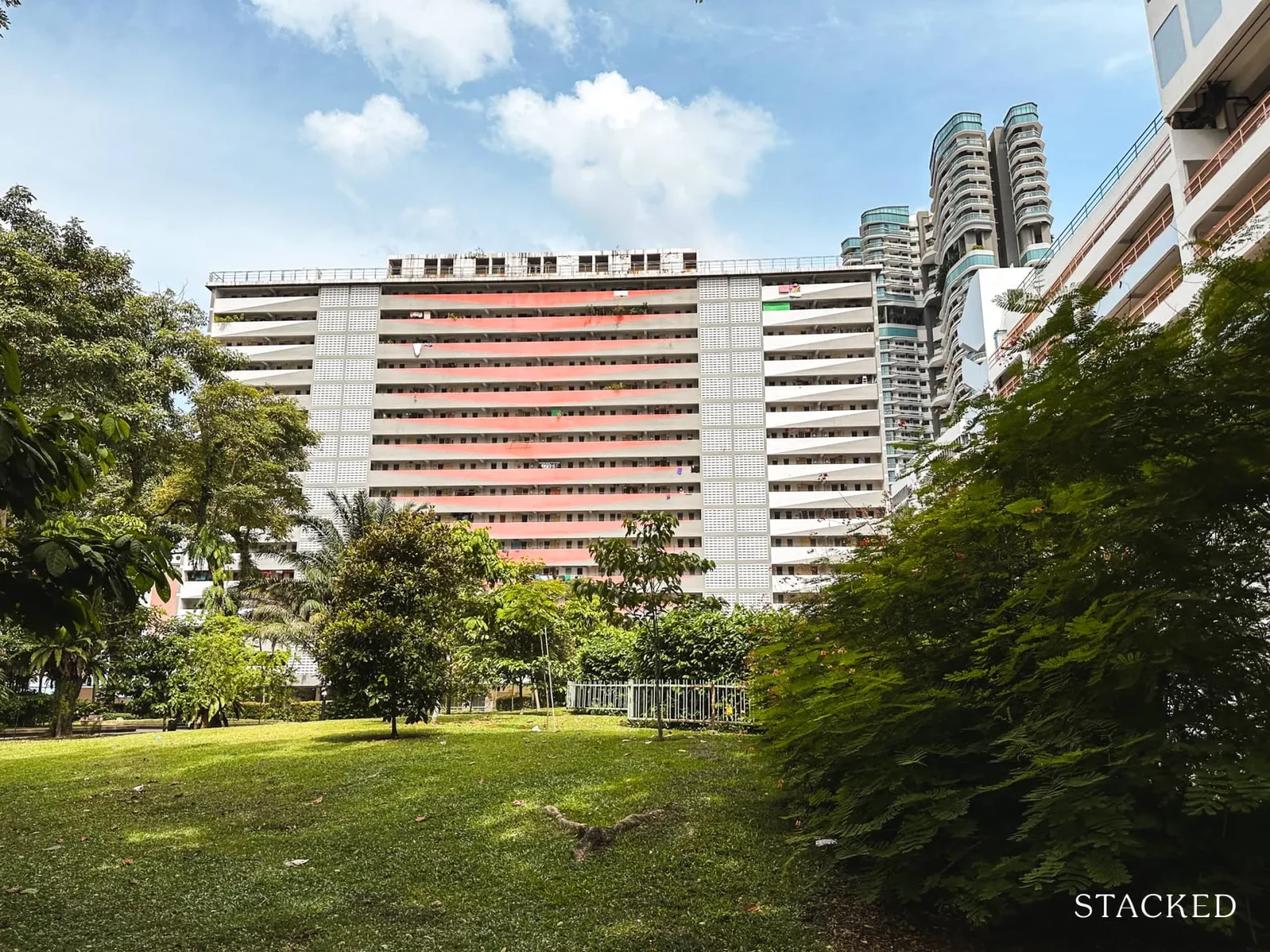
The HDB situation in Singapore is unprecedented, and we mean that quite literally. Singapore’s public housing system - which is partway between socialised housing and free market housing - has no clear equivalent elsewhere in the world.
So when we face the end of the first 99-year leases, since HDB’s inception back in the 1960’s, there’s no true equivalent elsewhere to study. There is no overseas test case to lean on, no long-running historical precedent that tells us what should happen next. We are very much in uncharted waters, and perhaps nearing the end of the first great expedition.
This makes the question of lease decay, and the impact on housing prices, a difficult one to answer without speculation. This week, we’re making an attempt to understand lease decay; it’s appropriate since the end of the Selective En-block Redevelopment Scheme (SERS) has come about, and we’re about to enter the property rush that often follows the end of Chinese New Year.
Many older resale flats now look like they lack exit liquidity; but will prices for these old flats start to fall now? And if not, what makes them so resilient?
First, are very old flats still holding value?
The answer is “far better than most people assume.” We increasingly hear homebuyers ask if an older flat (sometimes even just barely 20 years old) is a “bad deal,” and even parents asking if they should sell their flat and ballot as second-timers, so they can get a newer lease flat as legacy planning.
Now in an older article from last September, we did already analyse the issue; and in that article we highlighted that age may be overrated as a factor in flat pricing. Still, we wanted more exact details, and so did many writers.


0 Comments