

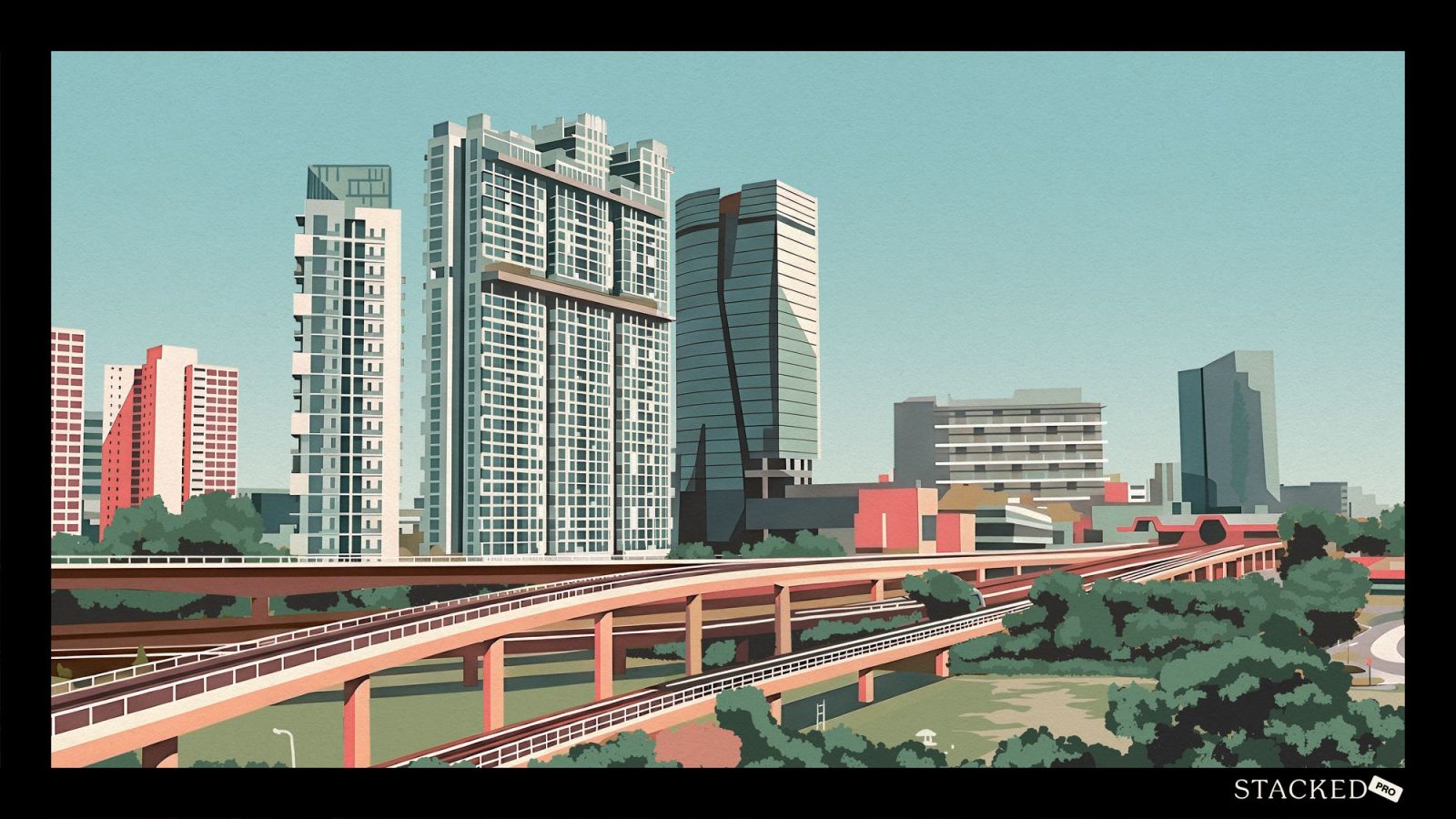
Contrary to some people’s perception of Jurong, it is not one sprawling residential town. Instead, from a planning area perspective, it can be carved into three regional submarkets.
Jurong East is probably the most well-known of these submarkets, and there are top-down plans to turn it into Singapore’s largest regional commercial district outside the traditional CBD. Beside Jurong East is the more placid and residential neighbourhood of Lakeside, as well as the more industrial zones in Jurong West.
In general, Jurong has attracted a consistent pool of tenants that has fuelled its rental market over the years - largely attributed to leasing demand from foreign workers employed in the nearby industrial areas, or a growing number of professionals as Jurong East grows into a commercial hub.
With such a diverse mix of properties that can be found in Jurong, we often hear conflicting answers when it comes to how well Jurong, or District 22, as a whole fares when it comes to its rental market.
This week, we’re going to take a deep dive into the district, to see how well it fares for landlords, especially as the property market there is poised to see further change and transformation.
Understanding the rental market in D22
Objectively speaking, the property market in District 22 (D22) has undergone significant transformation over the past decade or so, and this has influenced its residential leasing market too.



0 Comments