

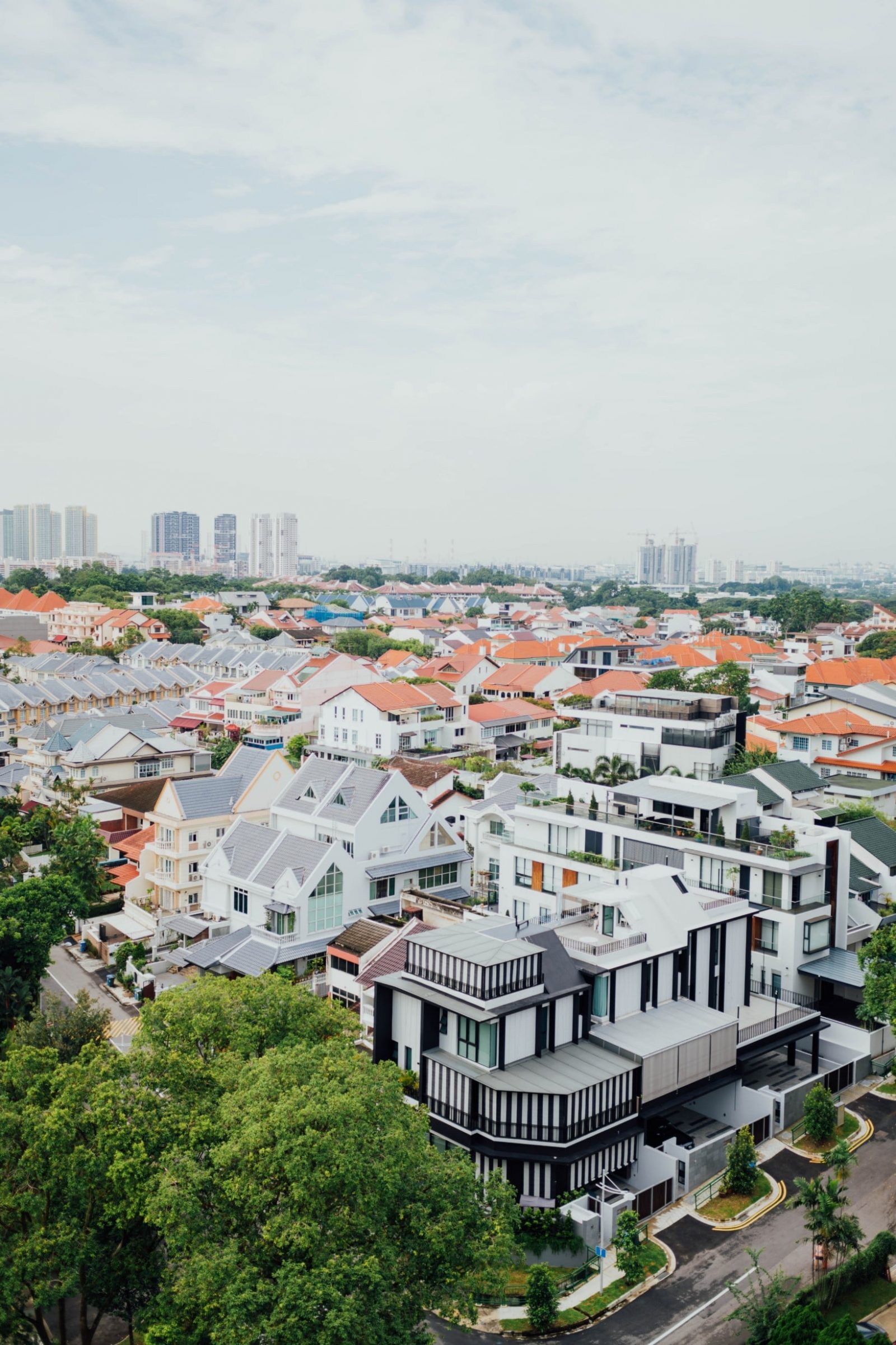
Last year Singapore hit a record high of 17.4 million tourist arrivals. That is really rather impressive numbers judging from the fact that Singapore has only a population of about 5.7 million people. With such a huge influx of foreigners coming in every year, it is no surprise that there has been a huge interest in locals wanting to rent out their homes for shorter stays. However, Singapore has strict ruling on minimum rental period, and it was only mid last year in 2017 that this was lowered to a minimum of three months, from six months previously.
Yield tables and rent charts are useful reference points, but the units that actually rent well and continue to attract tenants over time aren't always the ones at the top of a yield table.
The more important question is whether the investment still makes sense once you factor in holding costs, vacancy and your long-term plans. That's often where buyers find a second opinion most valuable.
Over time, that's also why we decided to work with agents who shared the same data-driven and advisory-led approach behind our editorial, consultants who could help readers think through decisions more objectively, rather than simply push transactions.
Today, the team has worked with more than 2,000 clients across over $5B in property transactions.
So what is the minimum rental period in Singapore?
Very simply, the minimum rental period in Singapore is currently at 3 months for private condominiums, apartments and landed homes. For public housing or HDB, this is set at 6 months. While the shortening of the minimum rental period is a sign that the Government is willing to look at accepting short term rentals, it is still not exactly ideal to support any kind of short term stay as most of them would be one month and below.
In case you haven't heard of Airbnb, it is a short term rental platform that started with home sharing but has become the de facto destination for vacation home rentals. This has prompted lots of change and upheavals around the world, as many have people openly welcomed home sharing as a means for additional income and for tourists looking for lower priced accommodations. Not surprisingly, many rules and regulations were put in place in different countries in response to curb any potential issues, like rising property prices and lack of housing for locals from widespread home sharing.
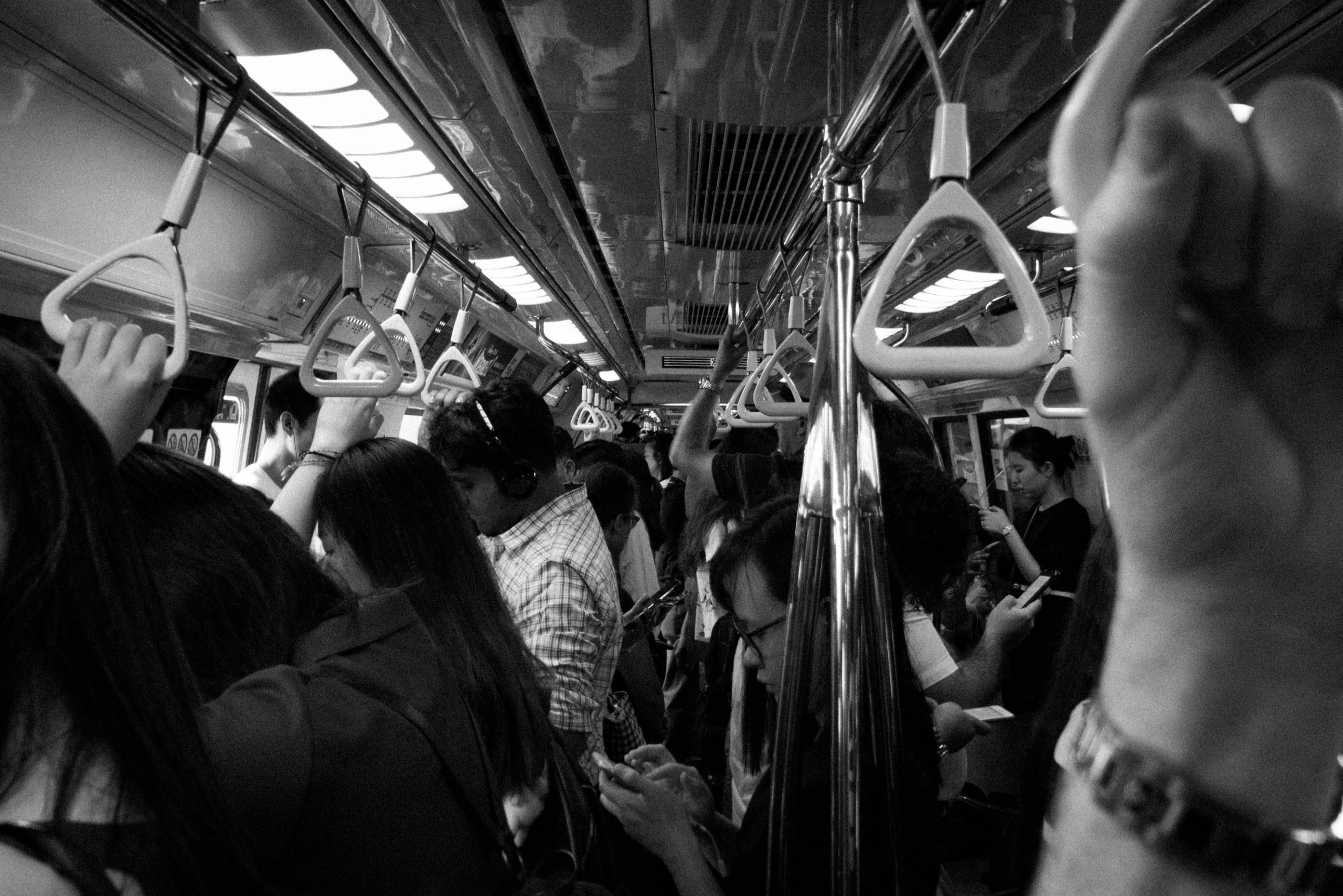
It was only last year that Japan passed a law allowing owners to rent out their homes on a short-term basis. But of course this was based on strict rulings that only allowed owners to rent their properties out to paying guests for only up to 180 days per year. So owners in Singapore are hopeful that short-term stays will be revised downwards so as to allow them to make additional side income and have greater flexibility in offering different variations of lease lengths.
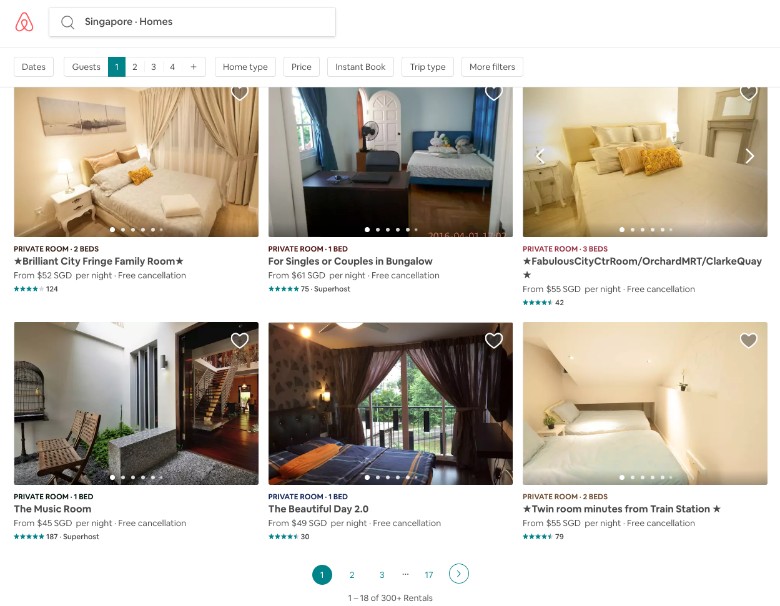
Despite the steep fines of up to $200,000 to owners that flout the rules, a quick check on Airbnb still shows more than 300 homes in Singapore on the platform. For these owners, the new possible guidelines to facilitate short-term rentals probably cannot come soon enough.
As always, feel free to leave a comment below or you can always reach us at stories@stackedhomes.com!
Yield tables and rent charts are useful reference points, but the units that actually rent well through a cycle, after vacancy, holding costs, and your intended exit, aren't always the ones at the top of the list.
If you'd like to discuss how this applies to your own circumstances, you can reach out for a one-to-one consultation here.
And if you simply have a question or want to share a thought, feel free to write to us at stories@stackedhomes.com. We read every message.


3 Comments
[…] The minimum rental period in Singapore is 3 months, but some coliving providers might be able to accommodate shorter stays if you enquire. […]
[…] The minimum rental period in Singapore is 3 months, but some co-living providers might be able to accommodate shorter stays if you enquire. […]
[…] Minimum rental period for private homes is three months (or six months for Housing Development Board […]