

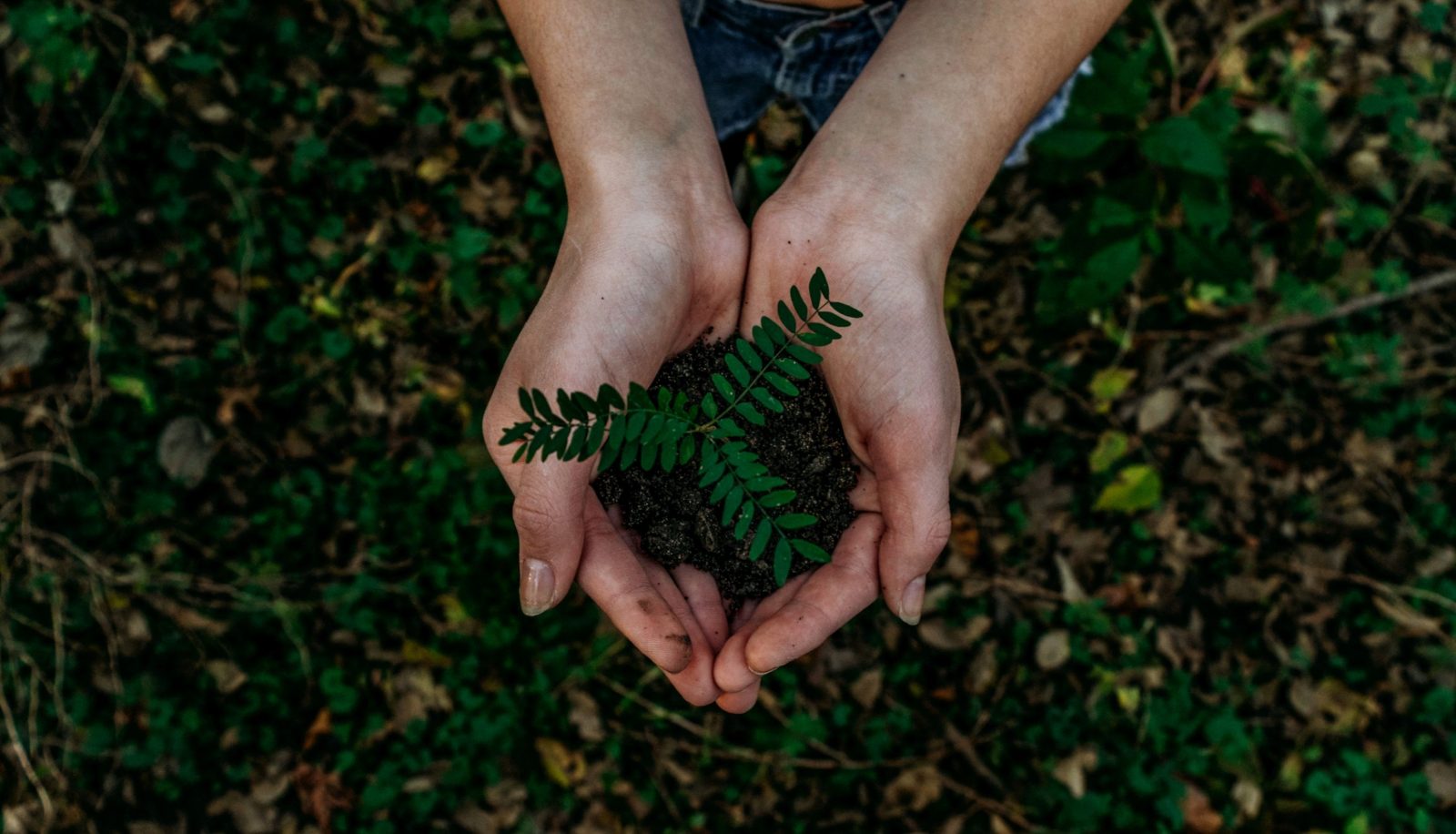
After the National Day Rally 2019 speech, it is clear that climate change is one of the most important challenges facing Singapore. In short, as in island nation (not to mention, low lying), Singapore is extremely vulnerable to the effects of climate change, namely, rising sea levels. As a result, the Government is planning to spend S$100 billion or more in the next 100 years on solutions to protect the coastline from rising sea levels.
So, as locals living in Singapore what can we do to play our part in combating climate change?
By composting our own food waste.
By 2035, Singapore's only landfill site will be completely full as initiatives such as the 3Rs, reduce, reuse and recycle are struggling to take hold. Composting our own food waste will go some way in helping the situation.
The environmental advantages of composting food waste are numerous and noteworthy. Food does not break down properly in landfills but instead emits methane gas, which is 25 times more powerful than carbon dioxide. Landfills are one of the biggest producers of methane, next only to agriculture and industry. Food waste in landfills also leaches toxic by-product into the soil which pollutes underground water.
Composting takes all that food waste and returns it to the earth, literally. When food waste and other organic matter, like wood chips and grass, is properly handled, microbes eat the material and turn it into fertilizer. It’s the circle of life!
Yield tables and rent charts are useful reference points, but the units that actually rent well and continue to attract tenants over time aren't always the ones at the top of a yield table.
The more important question is whether the investment still makes sense once you factor in holding costs, vacancy and your long-term plans. That's often where buyers find a second opinion most valuable.
Over time, that's also why we decided to work with agents who shared the same data-driven and advisory-led approach behind our editorial, consultants who could help readers think through decisions more objectively, rather than simply push transactions.
Today, the team has worked with more than 2,000 clients across over $5B in property transactions.
A Compact Approach to Composting
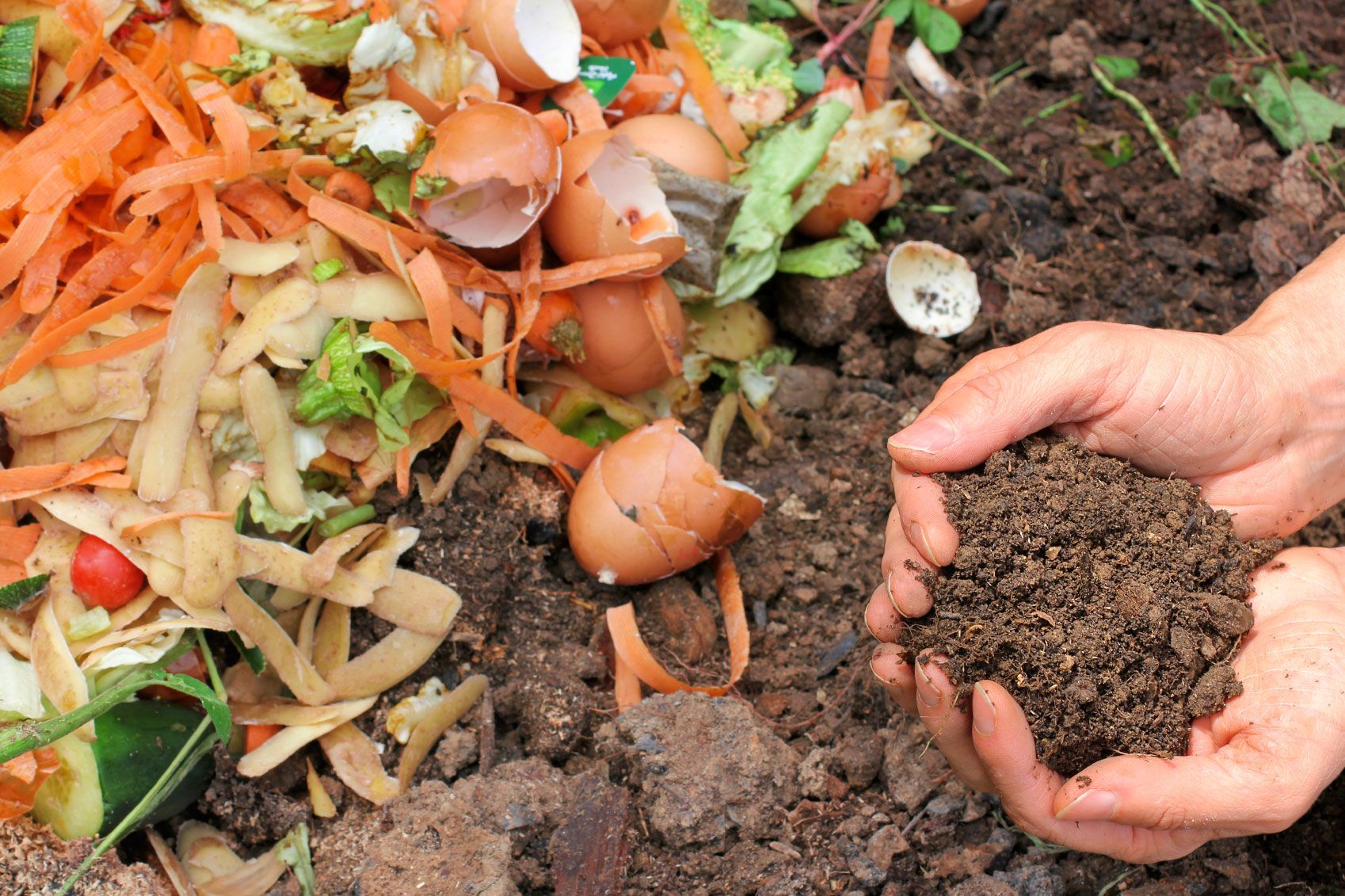
So here is what you can do if you are living in a condo: why not create your own composting bin on your balcony?
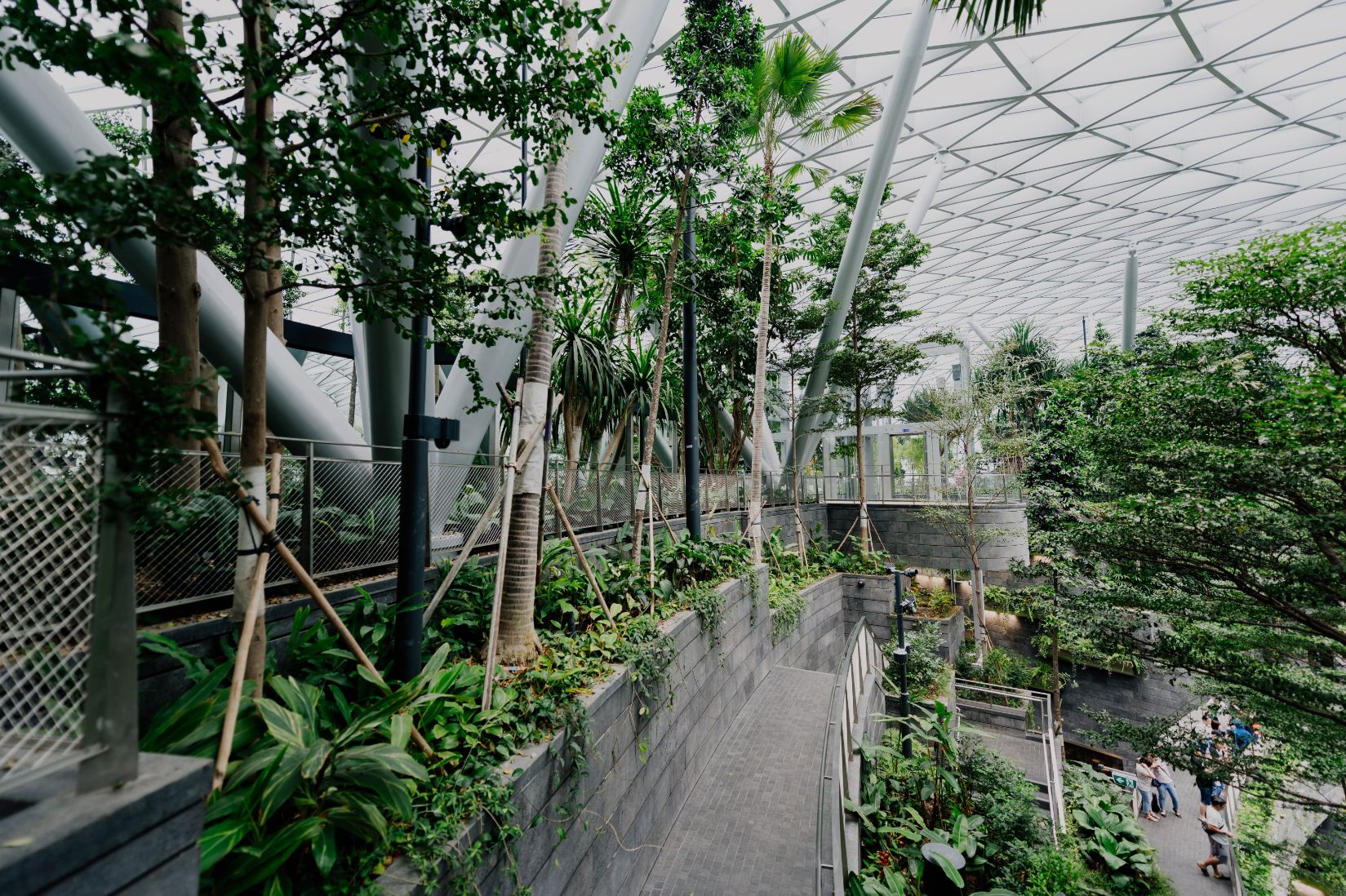
It’s not as hard as it sounds, and it’s quite satisfying, especially if you like gardening. It’s actually easier in a way to compost on a balcony than a garden, since it’s high up enough that there are no pesky pests around.
And don’t worry — it won’t smell as long as you don’t include animal byproducts like meat and cheese (eggs are okay).
How to Get Started with Climate Change
All you need to start is a container, air, water and a bit of soil or sand. Seriously! That’s it!
Just get a big bin (like a planter) and poke some holes in the bottom for drainage. Add a plate or something similar beneath. Drop in some soil and wet it. Every few days, add your food waste, a layer of soil, and water. You can add peels, seeds, rotten produce, coffee grinds and even shredded newspaper and dryer lint!
Every week or so, turn the pile with a stick or shovel. Then you just wait for it to turn into compost.
You’ll know it’s ready because it will be black and look rich. Now you can use it on your herb garden or give it away to family and friends. Most of all, you’ll have the satisfaction of knowing that even as a renter, you managed to keep it green.
Zoocasa is a full-service brokerage that offers advanced online search tools to empower Canadians with the data and expertise they need to make more successful real estate decisions about homes for sale and condos for sale. View real estate listings at zoocasa.com or download our free iOS app.
Yield tables and rent charts are useful reference points, but the units that actually rent well through a cycle, after vacancy, holding costs, and your intended exit, aren't always the ones at the top of the list.
If you'd like to discuss how this applies to your own circumstances, you can reach out for a one-to-one consultation here.
And if you simply have a question or want to share a thought, feel free to write to us at stories@stackedhomes.com. We read every message.




0 Comments