

























Why Some New Launch Condos Sold Over 90% In 2026 — While Others Lagged


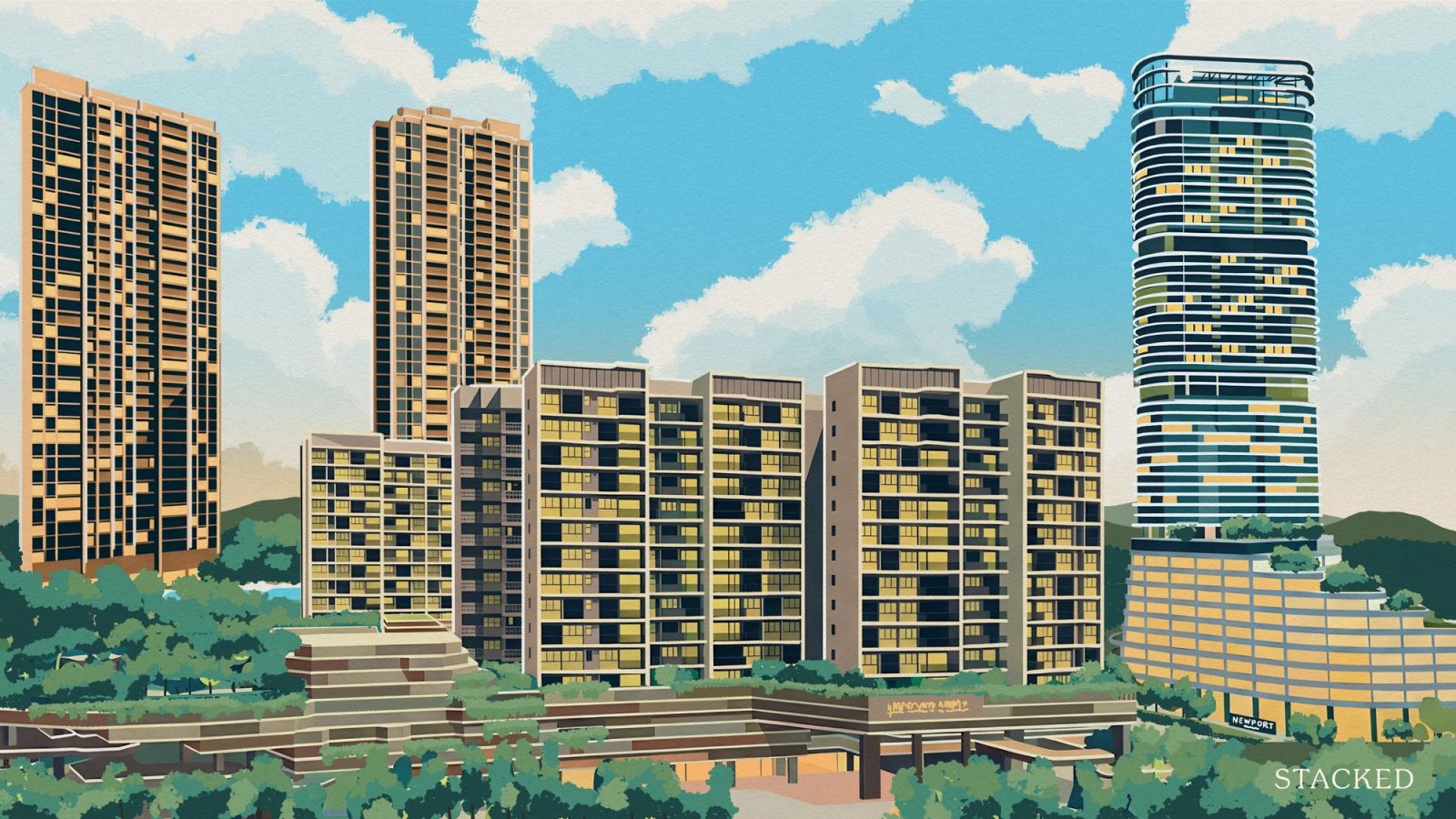
The new launch market in the first quarter of this year has had a stellar performance with exceptional sale performances for a few projects and a strong momentum that is likely to continue over the next few months.
In all, there have been six new private residential projects launched over the first three months of this year, comprising two executive condos, two mixed-use developments, and two condos.
The list of new projects that have launched include Coastal Cabana (an EC with 748 units), Nara Residences (540 units), Newport Residences (a mixed-use development with 246 units), River Modern (455 units), Rivelle Tampines (an EC with 572 units), and Pinery Residences (a mixed-use development with 588 condo units).
In total, these projects have injected more than 3,100 new private homes (including EC units) into the market and buying demand has kept pace with the new supply with high turn-out numbers at sales galleries translating into high take-up rates on booking days.
From our observation of the primary market so far this year, the sales figures and sentiment among homebuyers is a clear indicator that the tactic adopted by developers – building relatively smaller-sized units but designing them more efficiently to keep the overall price quantum manageable – has largely paid off.
So far this year, we’ve seen a variety of new condos in different regions and locales that have targeted a wide range of local buyers. In the Core Central Region (CCR), the launch of Newport Residences and River Modern presented new opportunities for homes that capitalised on the allure of city-centre living.
Meanwhile, in the suburbs, or Outside Central Region (OCR), new developments like Narra Residences and Pinery Residences paved the way for HDB upgraders to move into the private residential segment. The EC segment was especially busy with Rivelle Tampines and Coastal Cabana entering the market and going some way in meeting the large demand for new ECs among local homeowners.
Here’s an overview of how these projects have performed to date.
| Project | Coastal Cabana (EC) | Narra Residences | Newport Residences (mixed-use) | River Modern | Rivelle Tampines (EC) | Pinery Residences (mixed-use) |
| Location | Pasir Ris | Dairy Farm | Anson Road | River Valley | Tampines West | Tampines West |
| Average price ($psf) | 1,734 | 2,148 | 3,370 | 3,266 | 1,893 | 2,546 |
| Units sold | 504 (67%) | 122 (23%) | 140 (57 %) | 410 (90%) | 529 (92.5%) | 544 (92.5%) |
| Price from ($) | 1.4 million | 998,000 | 1.3 million | 1.55 million | 1.59 million | 1.49 million |
News pieces like this explain what’s happening in the market. Our consultations are designed to help you understand what it means for your own property decisions.
If you’re considering buying, selling or upgrading, we’d be happy to help you work through your options.
1. Newport Residences
👉 Read our full breakdown of Newport Residences here
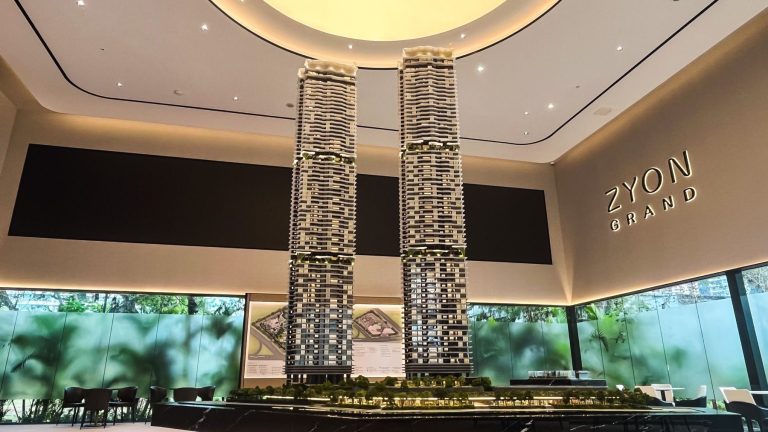
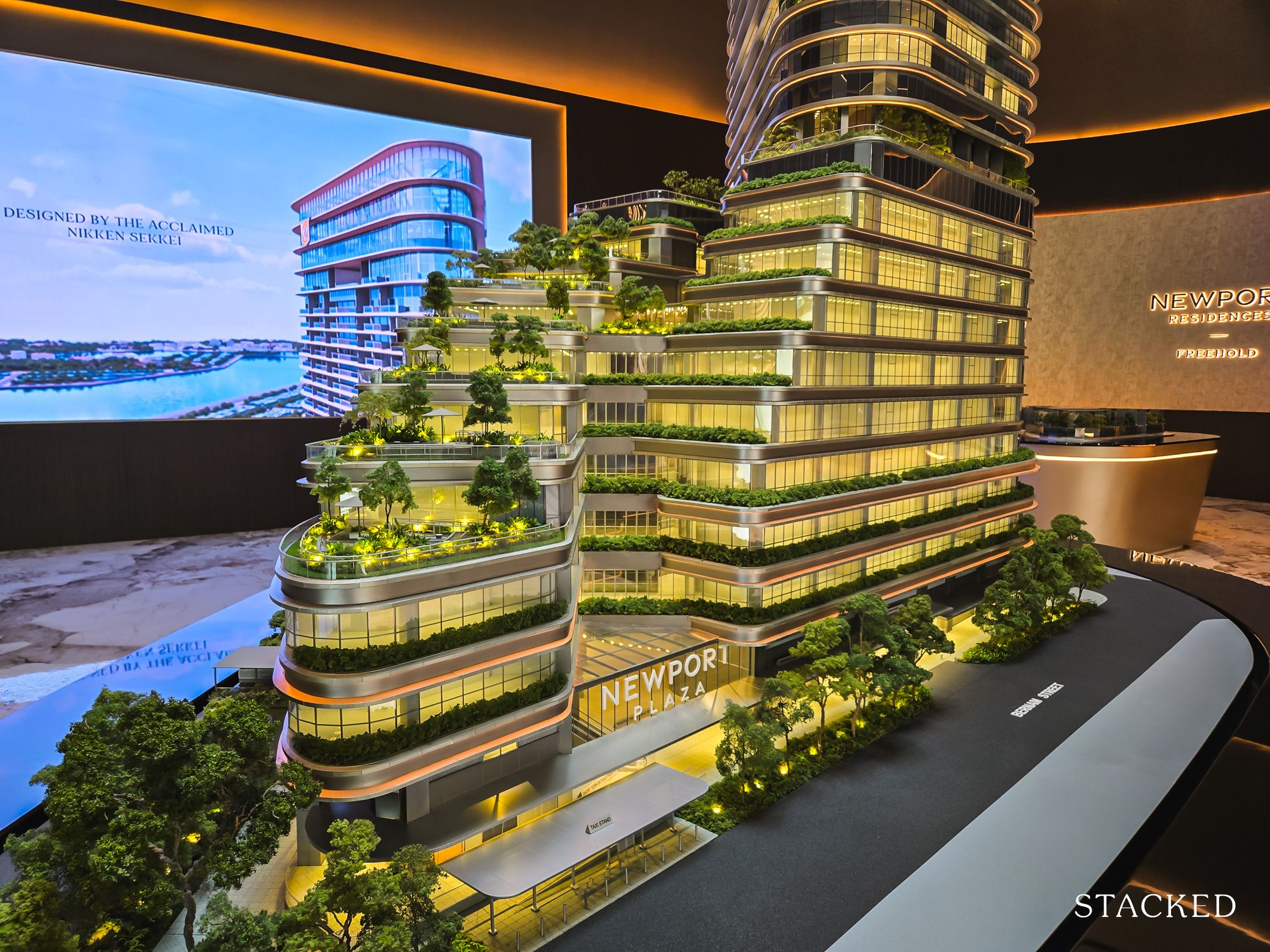
Newport Residences was one of two new project launches in the CCR that hit the market in 1Q2026, and the market positioning of this mixed-use development was straightforward: it’s freehold (most of the recent new CCR offerings have been 99-year leasehold projects), it’s within the Central Business District, and prices started from as low as $1.3 million.
Developed by CDL, the project is a redevelopment of the former Fuji Xerox Towers. The new 45-storey development comprises luxury residences, serviced apartments, Grade A offices, and a ground floor retail and F&B podium. The entire development, including the residential units, is called Newport Plaza.
The residential units occupy the top of the tower, from the 23rd to 45th floors. When it launched for sale over the Jan 31-Feb 1 weekend, the development sold 140 units, or about 57% of its 246 units, and set an average selling price of $3,370 psf.
While the number of units that were initially sold is less than some of the sales results recorded by other new projects last quarter, it is a strong showing higher-quantum CCR project. Sales have continued to move, and the project has since sold 183 units to date, based on caveats uploaded on April 2.
The relatively strong showing and ongoing sales momentum that the development has seen so far could be attributed to the pricing strategy adopted by CDL.
Despite the higher $PSF launch price, units at Newport Residences were kept compact to keep entry prices relatively manageable. This helped to widen the pool of prospective buyers and resonated with investors looking for highly rentable and centrally located one-bedders in the CBD.
Luring more people to live in the CBD is a long-term urban plan of the government to reposition the central commercial precinct into a residential and commercial zone that is supported by household amenities and community developments.
The development of Newport Plaza is one element that will contribute to the gradual transformation of the CBD. This will take time however, and our sensing is that some buyers may prefer to wait and see how things develop.
2. River Modern
👉 Read our full breakdown of River Modern here
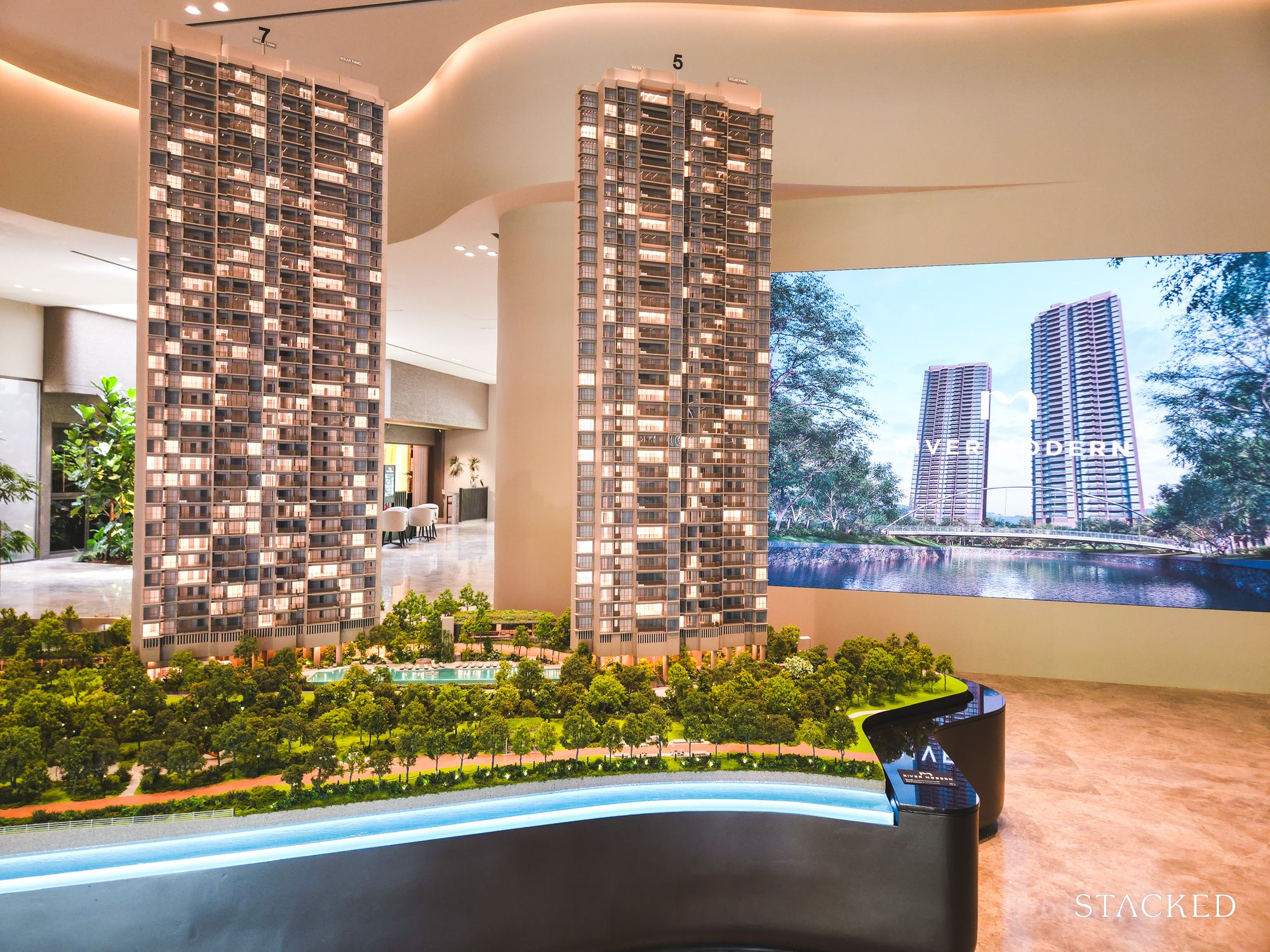
River Modern was the other new project in the CCR that launched for sale in 1Q2026. Located on River Valley Green, the condo appealed to a different demographic of buyers compared to Newport Residences, and it saw a much stronger sales outcome.
A riverfront project by GuocoLand, it was the developer’s second condo in the area in nearly a decade after it launched Martin Modern, on Martin Place in Robertson Quay, in 2017.
When River Modern launched for sale over the March 7-8 weekend, the project sold about 410 units or roughly 90% of its 455 units, and set an average selling price of $3,266 psf.
This is largely attributed to River Modern’s positioning and the catchment of buyers in River Valley. This prime residential enclave benefits from a central location but it is closer to amenities, more family-friendly, and the neighbourhood is all-around more familiar for homeowners.
River Modern also entered the primary market at a time when there were no other large-scale private residential developments in prime District 9. This helped it capture the focus of buyers during its initial sales period.
3. Narra Residences
👉 Read our full breakdown of Narra Residences here
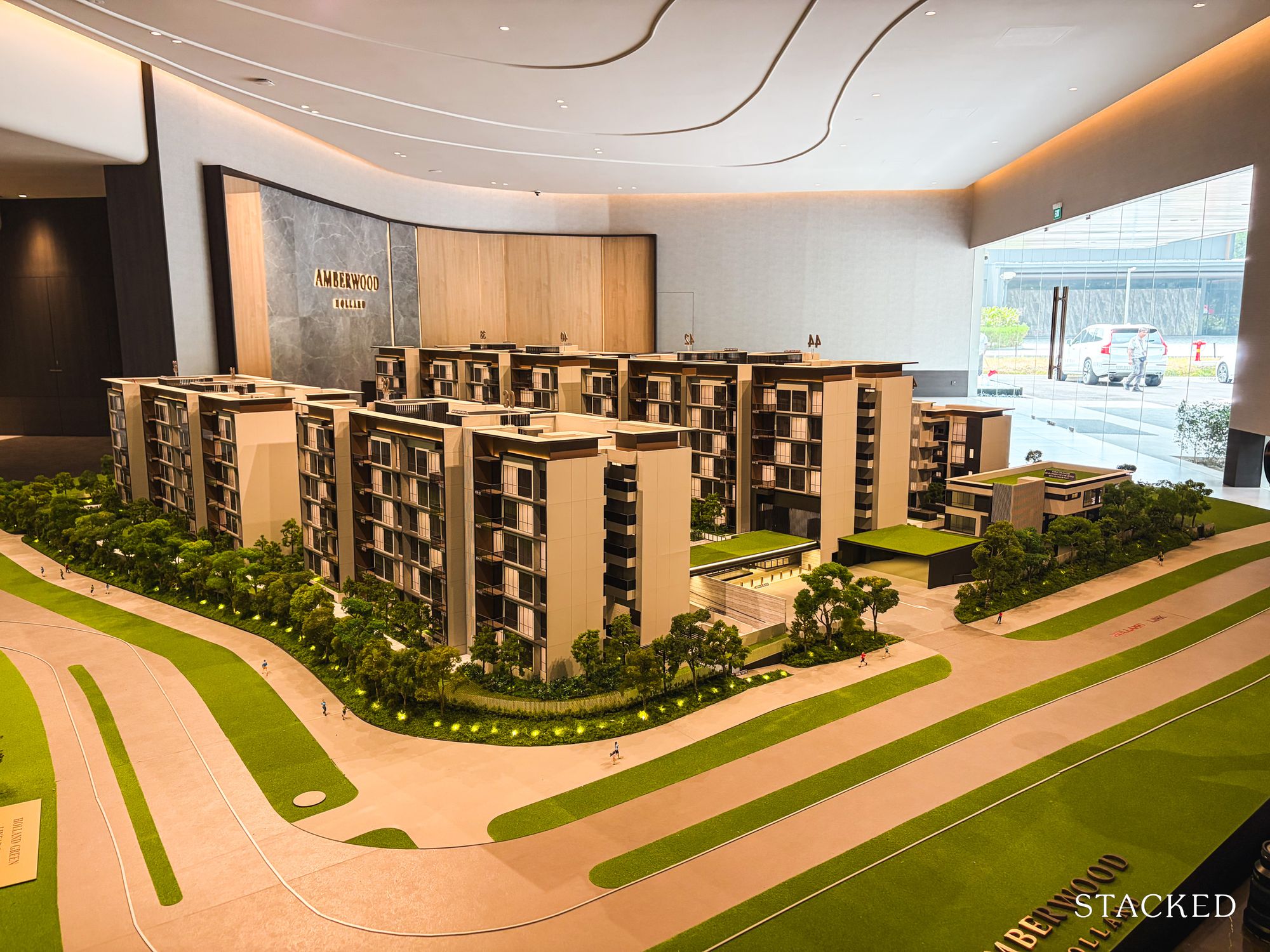
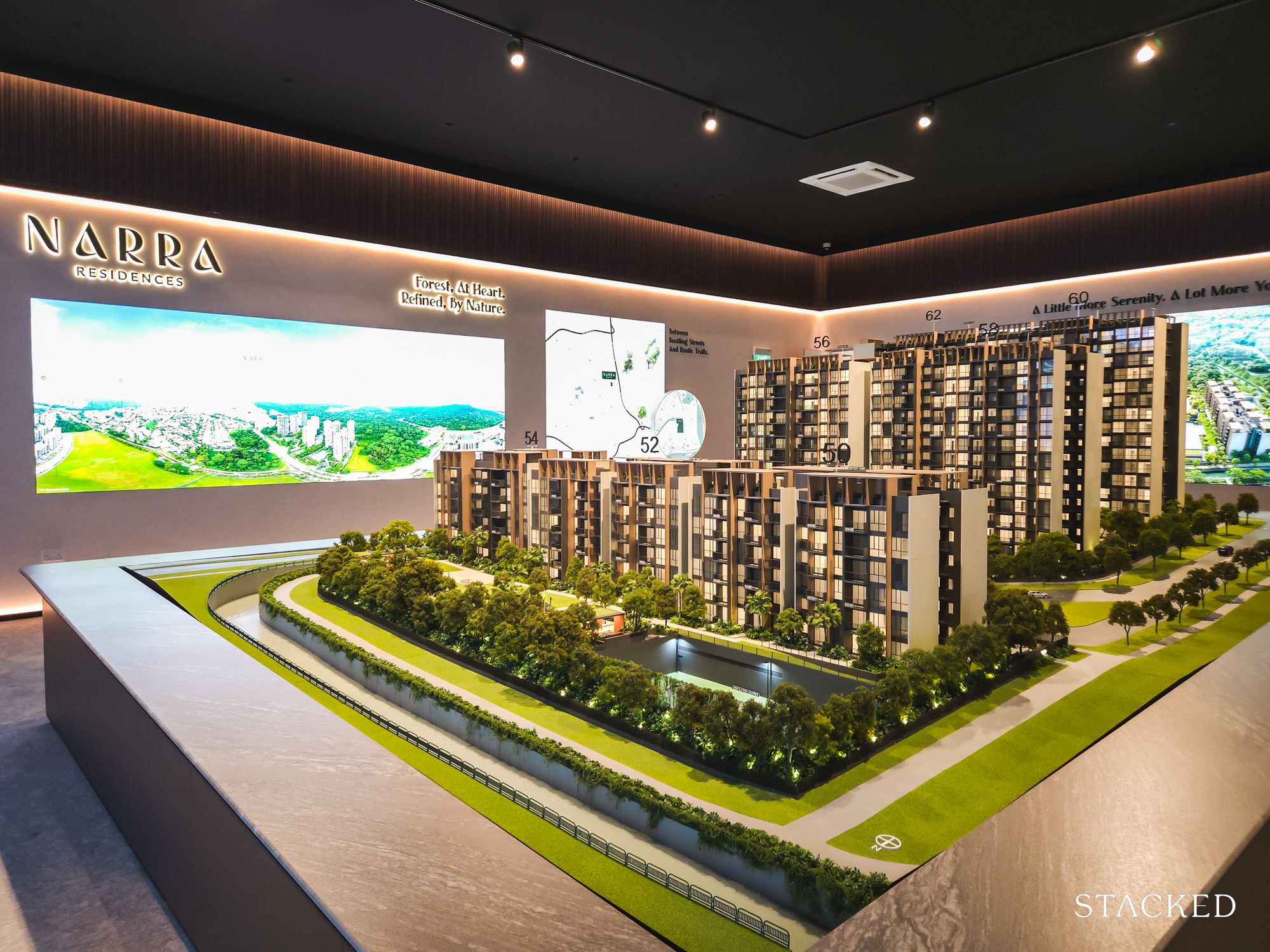
Compared to some of the best-performers in the new launch market in 1Q2026, the 540-unit Narra Residences was one of the weaker new projects in the OCR.
Jointly developed by a consortium of developers led by Apex Asia and Santarli Realty, the project launched for sale over Jan 31-Feb 1 weekend – the same week as Newport Residences.
But the project on Dairy Farm Walk sold 122 units (23%) and set an average selling price of $2,148 psf, with entry prices from about $998,000. In our view, a take-up rate like this is typical for this estate. Projects in the Dairy Farm neighbourhood have historically seen gradual sales rather than launch weekend spikes.
According to caveats downloaded on April 2, the project has sold a total of 138 units (25%), with the average price unchanged.
For some buyers, the starting price of less than $1 million attracted the attention of some buyers, but others did not perceive it as relatively more attractive considering resale prices of some projects in the neighbouring vicinity.
Private residential housing demand in the Dairy Farm enclave tends to come from owner-occupiers, particularly HDB upgraders from nearby estates like Bukit Panjang and Bukit Batok. The fact that Narra Residences sets a new price benchmark of $2,180 psf would make the development unpalatable for some buyers shopping for new condos in this district.
Narra Residences is also the fifth new project that has launched in the Dairy Farm/Bukit Panjang area since 2023. Other projects include Dairy Farm Residences, The Botany at Dairy Farm, and Hillhaven.
While Narra Residences isn’t necessarily mispriced, the number of new launches that the area has seen in a relatively short amount of time likely contributes to an oversaturation effect. When buyers have more alternatives, they are less pressured to commit quickly, and this is could have contributed to the slower take-up rate the condo has recorded so far.
4. Pinery Residences
👉 Read our full breakdown of Pinery Residences here
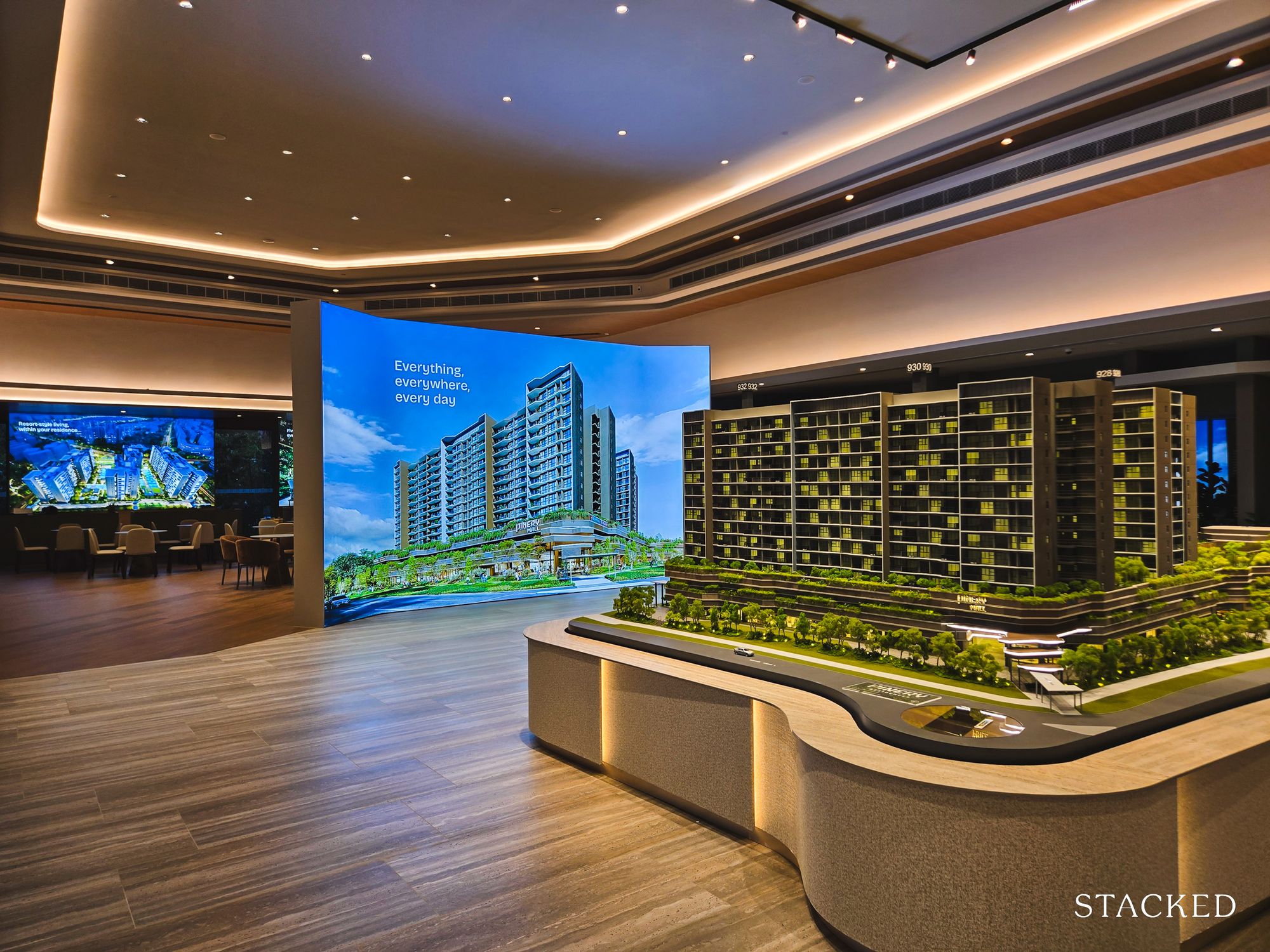
Pinery Residences was another new project in the OCR that launched for sale last quarter. Jointly developed by Hoi Hup and Sunway MCL, the mixed-use project in Tampines West has a direct link to Tampines West MRT station on the Downtown Line.
Pinery Residences also shares the title of best-selling new launch project in 1Q2026, in terms of percentage of units sold, sharing the title with neighbouring Rivelle.
When Pinery Residences launched for sale over the March 28-29 weekend, it sold 544 units, or about 92% of its 588 units, and set an average selling price of $2,546 psf. Prices ranged from $1.49 million for a two-bedroom unit to $3.71 million for a five-bedroom unit.
The sales result was notable because all the two-bedroom units were sold out and nearly all the three-bedroom units were also snapped up.
The exceptionally strong sales result is attributed to the development’s location. Tampines is a mature estate with established demand, strong amenities, and network of public transport connectivity.
While Pinery Residences isn’t centrally located in Tampines, the area has a direct bus connection to Tampines Central with its multiple malls and commercial buildings. As the regional centre of the East, Tampines is also a familiar neighbourhood: buyers don’t need to second-guess the area, and many would have grown up there.
There’s also the added appeal of its mixed-use proposition, anchored by tenants like a Fairprice supermarket and a Kopitiam food court. These conveniences mitigate the relatively sparse selection of amenities in Tampines West.
The project’s sales success may also be a matter of good timing: a large number of HDB flats in Tampines and nearby estates are reaching their MOP in 2026, which has translated into pent-up demand for new launches like Pinery Residences.
It also happens that Rivelle Tampines, the neighbouring EC, launched one week before Pinery Residences. That EC was heavily oversubscribed, so buyers who missed out or were ineligible may have turned their focus to units at Pinery Residences instead.
5. Rivelle Tampines (EC)
👉 Read our full breakdown of Rivelle Tampines here
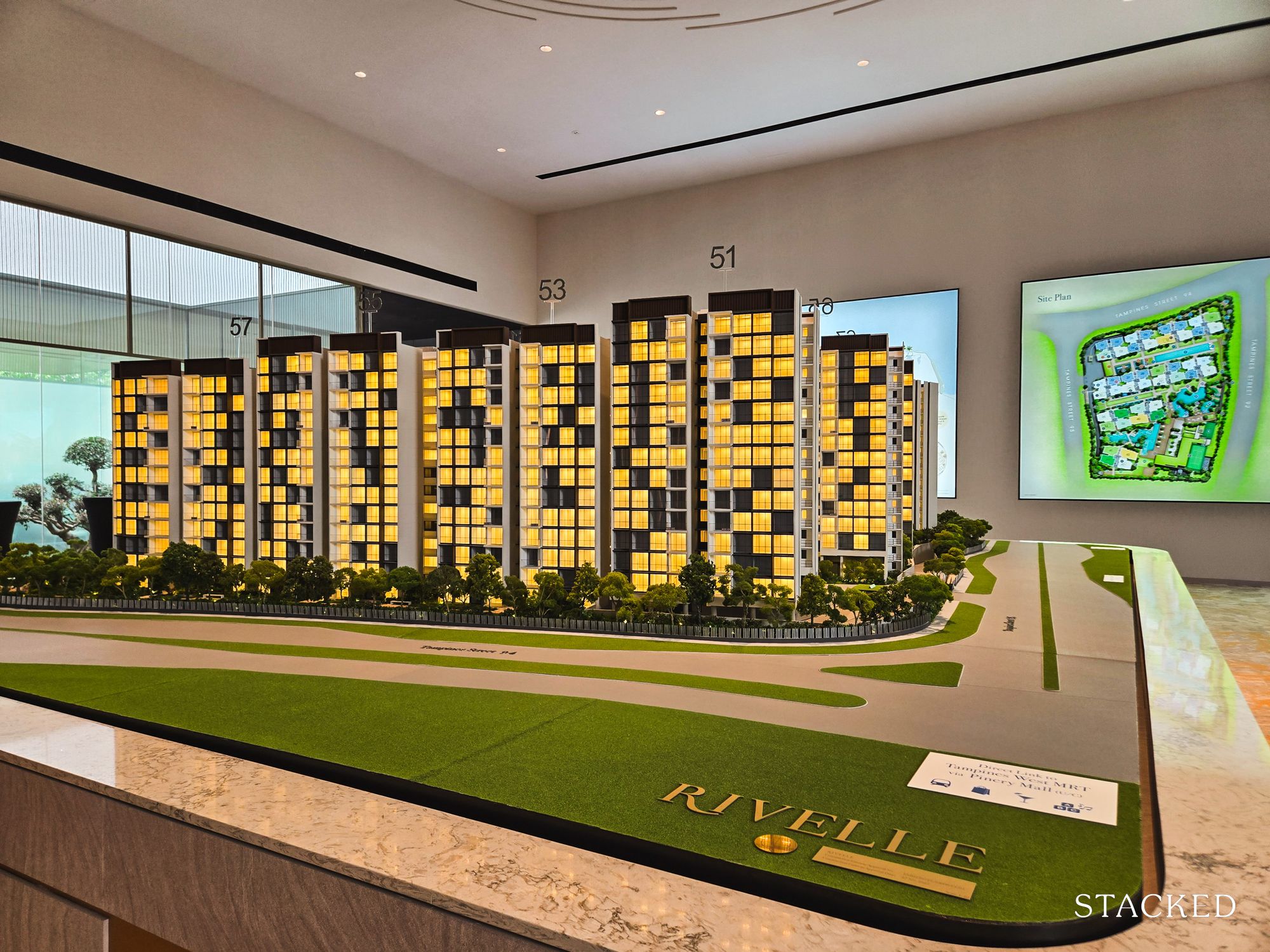
Rivelle Tampines is the 572-unit EC opposite Pinery Residences, and if that private mixed-use development could achieve a near sell-out sales performance, it’s very unlikely that Rivelle – a subsidised EC – won’t also be able to match this performance.
It’s also our view that Pinery Mall, the retail component of Pinery Residences, as well as the new direct connection to Tampines West MRT station, also benefit the residents of Rivelle Tampines.
In short, buyers here are getting the same access to these amenities and conveniences at EC prices.
Rivelle Tampines sold 529 units (93%) and set an average selling price of $1,893 psf, with entry prices from about $1.59 million. It. The sales result makes it the strongest EC launch since Hundred Palms Residences back in 2017.
In addition to the relatively affordable EC pricing compared to the private housing market, Rivelle Tampines benefits from the same advantages we mentioned for Pinery Residences, namely, a familiar and established residential town, a large pool of HDB upgraders this year, and no other EC launches expected in the East this year.
It’s quite likely that the few remaining units at Rivelle Tampines will be sold soon, and with Pinery Residences recording a 92.5% sales outcome, there may not be a fallback; so those who want a shot at this need to act immediately.
6. Coastal Cabana (EC)
👉 Read our full breakdown of Coastal Cabana here
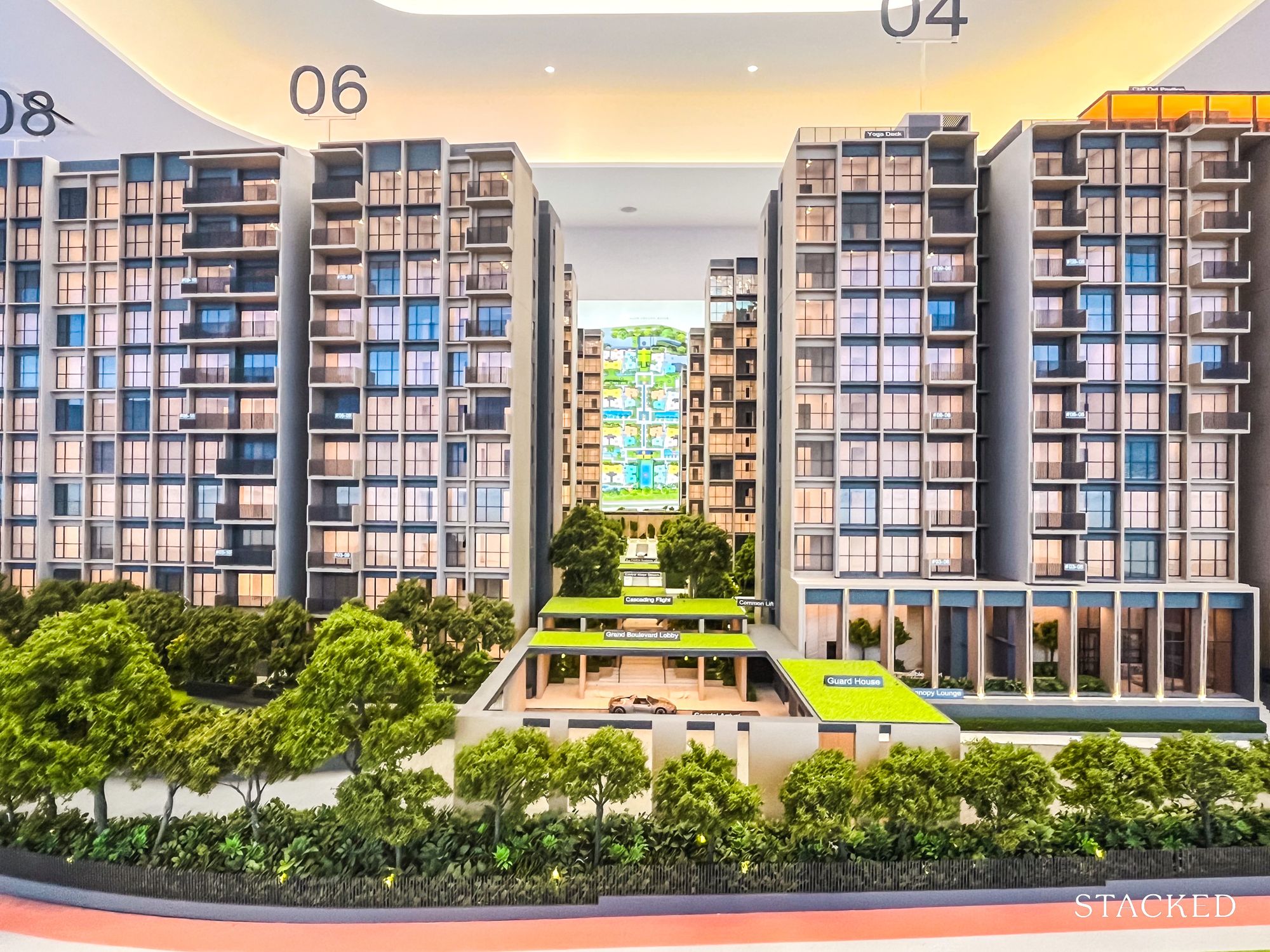
Coastal Cabana was the first EC new launch of 2026 and helped to set the tone for the primary market for the rest of the quarter. When it hit the market, Coastal Cabana set an average price of $1,734 psf, with entry prices from about $1.4 million. It sold 504 units, or about 67% of its 748 units.
Coastal Cabana was the best-performing project in January, accounting for about half of all new launch units sold that month; but in all fairness, it’s status as an EC project was a big driver of buying demand given the subsided pricing.
Still, the difference between Coastal Cabana and Rivelle Tampines highlights how important location is. While Pasir Ris has its own appeal, for now the town doesn’t benefit from a bumper crop of flats reaching MOP, as Tampines does. So even with strong underlying demand, the pace of sales is more measured. Pasir Ris, while still a mature estate, also doesn’t have the benefit of being a regional centre like Tampines.
This doesn’t mean that Coastal Cabana is a weaker offering. It didn’t have the happy coincidence of being the path of a huge number of HDB upgraders like Rivelle Tampines.
Across the six new project launches in 1Q2026, the overall impression of the primary market is one of persistent but more selective buying demand.
This isn’t the same kind of broad-based enthusiasm in the new launch market that we saw in the post Covid-19 pandemic period, where most new launches benefitted from strong take-up rates as the economy recovered and the new launch pipeline was more robust.
Today, buyers are becoming more selective in the homes they purchase, and are making more informed comparisons.
The CCR continues to be in a position that will experience the greatest change. Locals are keener to explore the possibility of owning homes in that precinct. Developers in this central region see that a pricing strategy that offers units at a palatable quantum is what matters here, and they are in a stronger position to target more local buyers provided they offer sensibly sized units.
Going forward, we’re likely to see the same trend as buyers grow more informed, and the margin for error tightens for developers.
A single headline is rarely enough to change your plans. The value comes from understanding how today’s news fits into the broader direction of the market.
If you’d like to talk through what a shift like this means for your own timing, purchase, or exit, you can reach out for a one-to-one consultation here.
And if you simply have a question or want to share a thought, feel free to write to us at stories@stackedhomes.com. We read every message.

0 Comments