






A few newsletters ago, I touched on how strata-titled malls and malls owned by real estate investment trusts (REITs) have a real impact on the retail profile of your neighbourhood. This year, strata-titled malls seem to be in an ever more precarious situation. Recent news reports have taken a somewhat hopeful view of this, but it still reads like a thinly-veiled obituary to me.
The more popular and well-known strata-titled malls, usually located in city-fringe neighbourhoods and central areas, have seen some long-standing developments vanish in recent years.
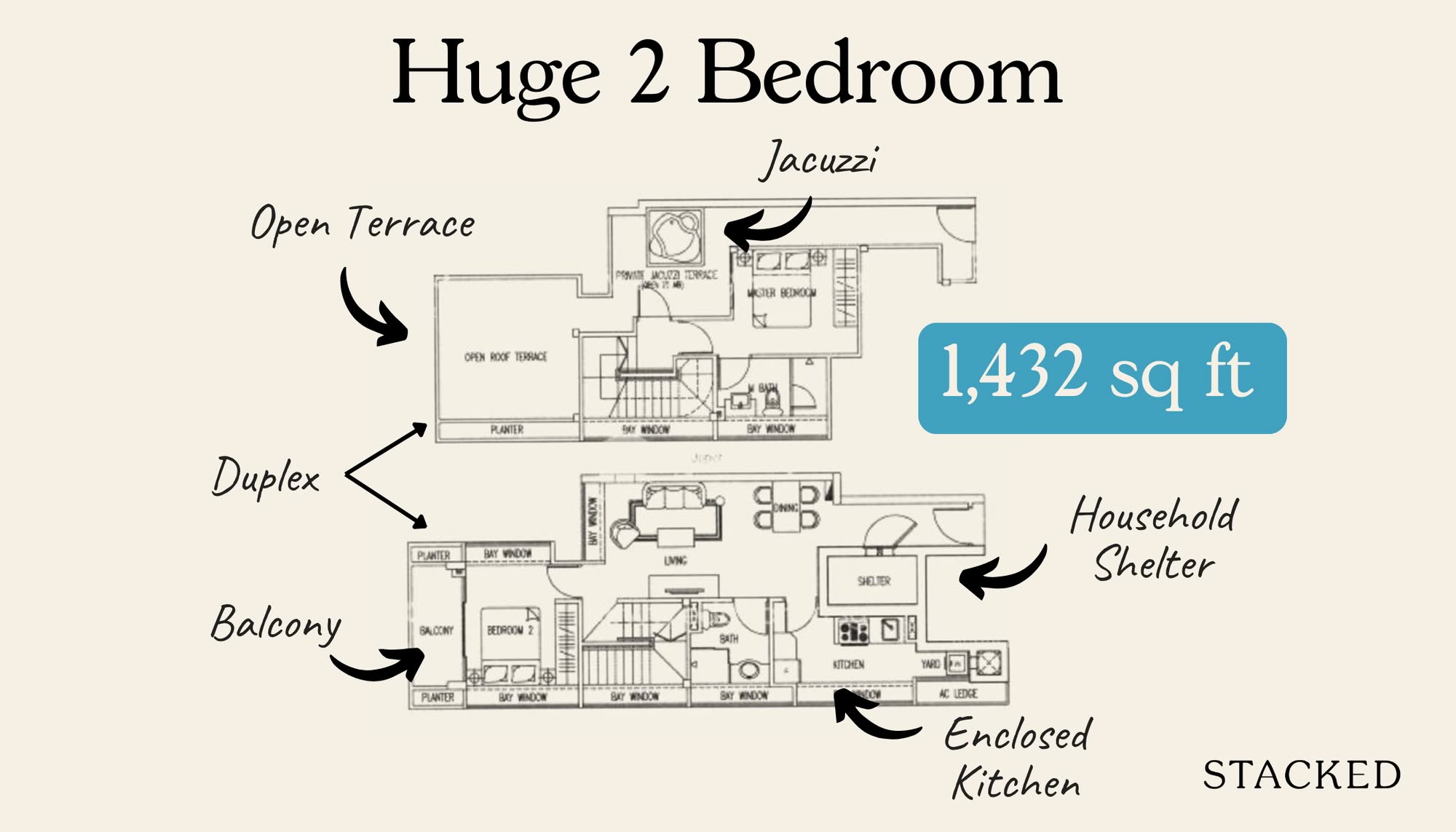
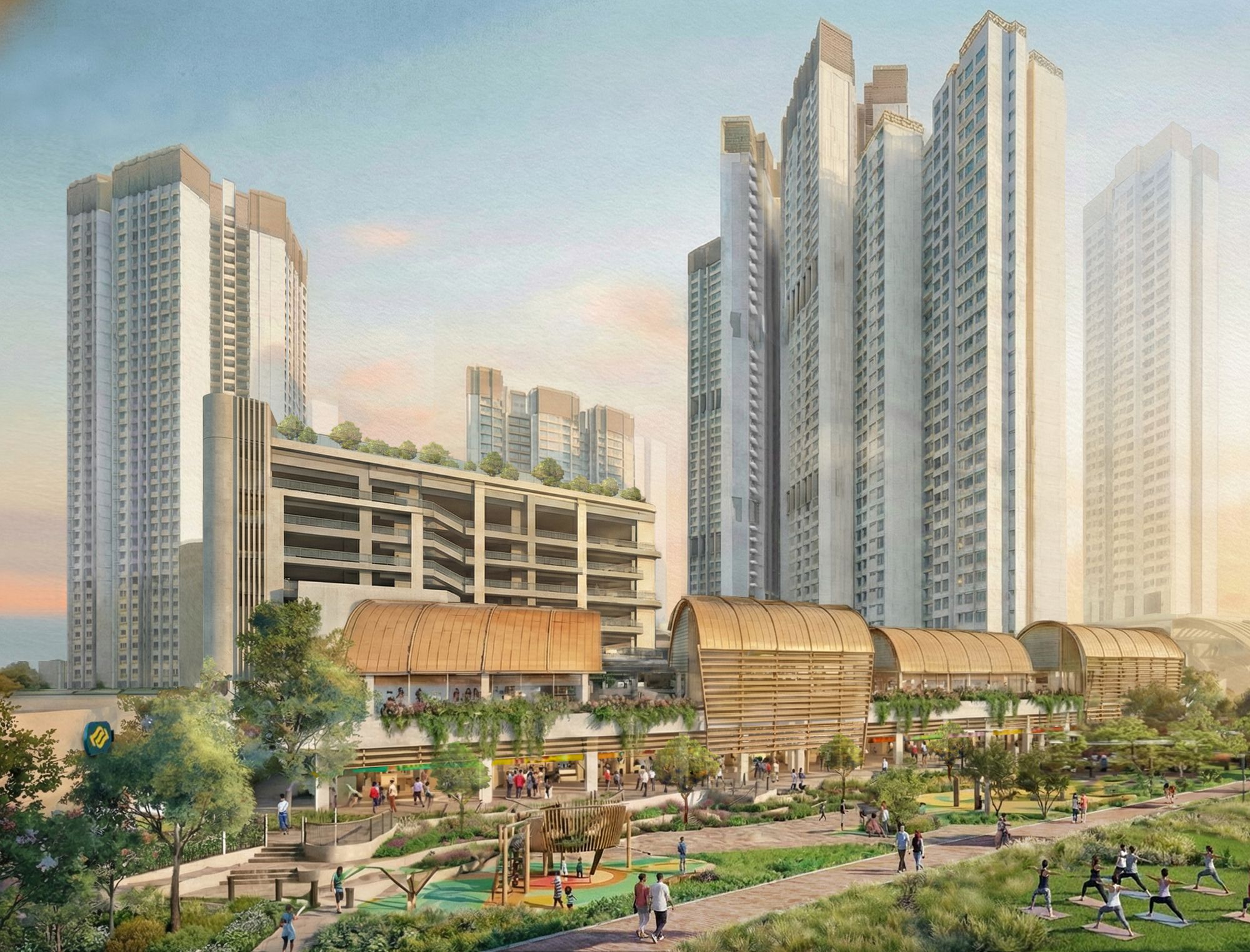
Golden Mile Complex is being redeveloped by a consortium of developers comprising Perennial Land, Far East Organization, and Sino Land. The conserved building will be turned into a new mixed-use project with retail, medical suites, and Grade A offices, while Aurea, a new residential tower linked to it, is being built.
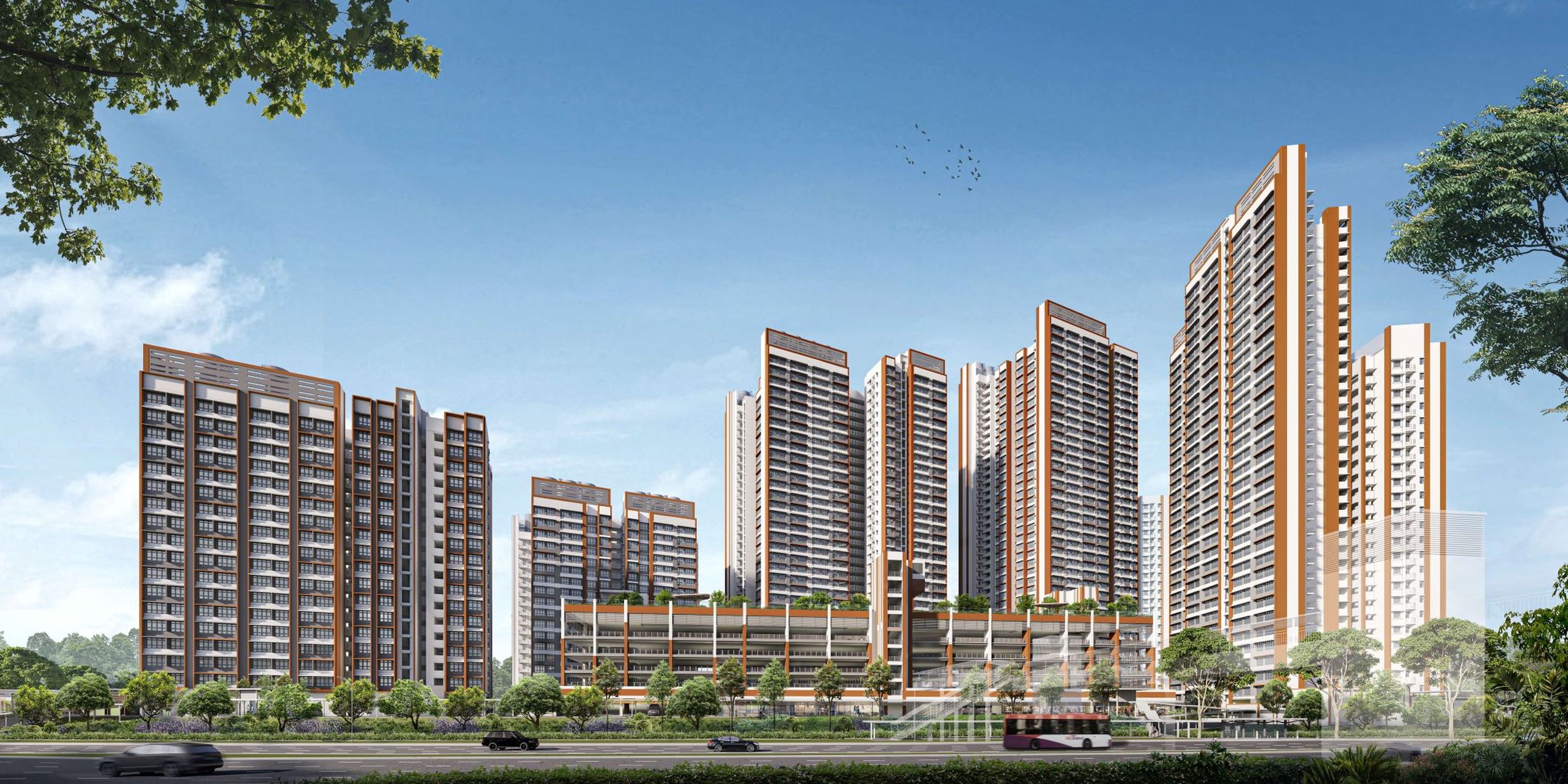
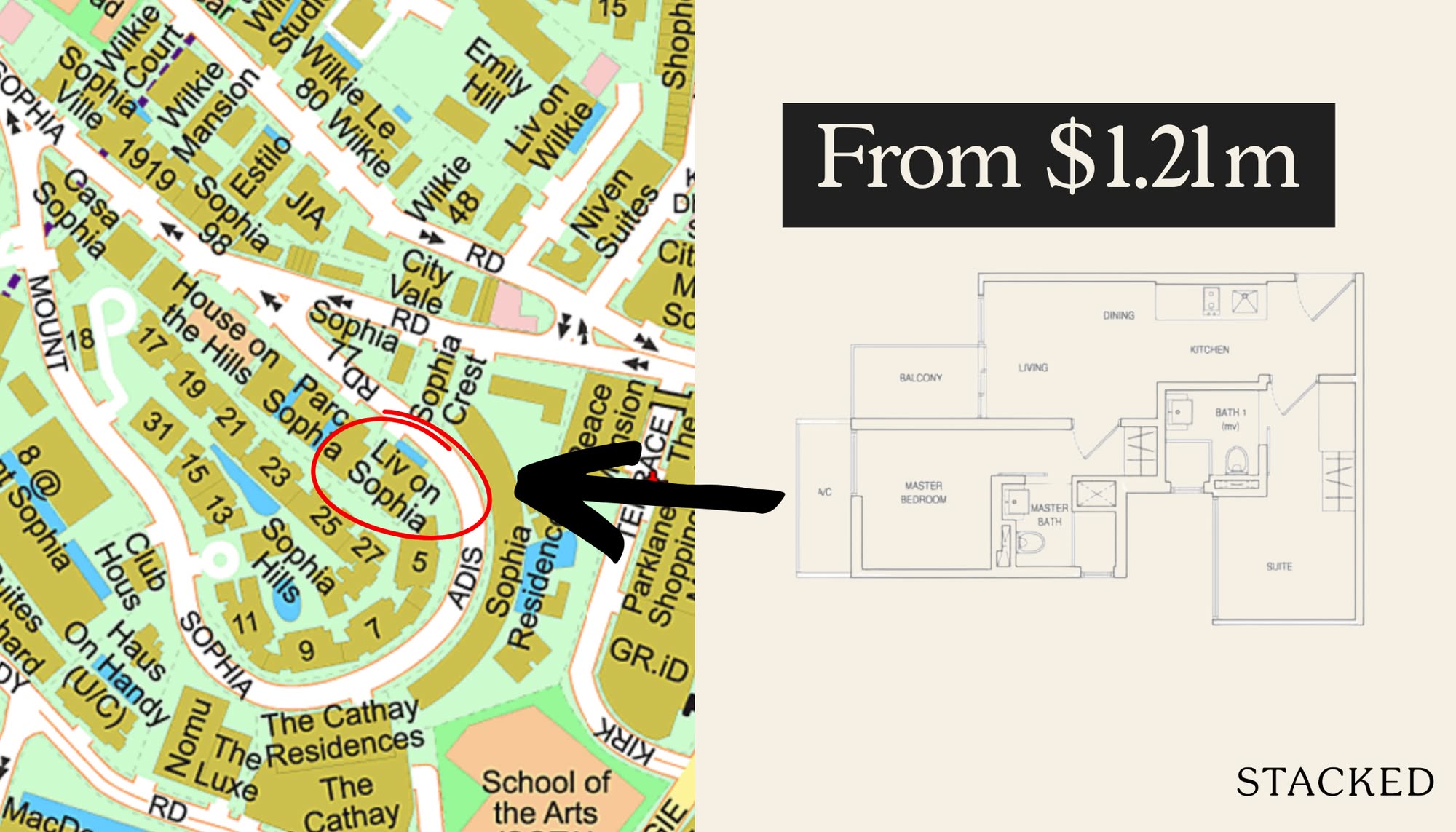
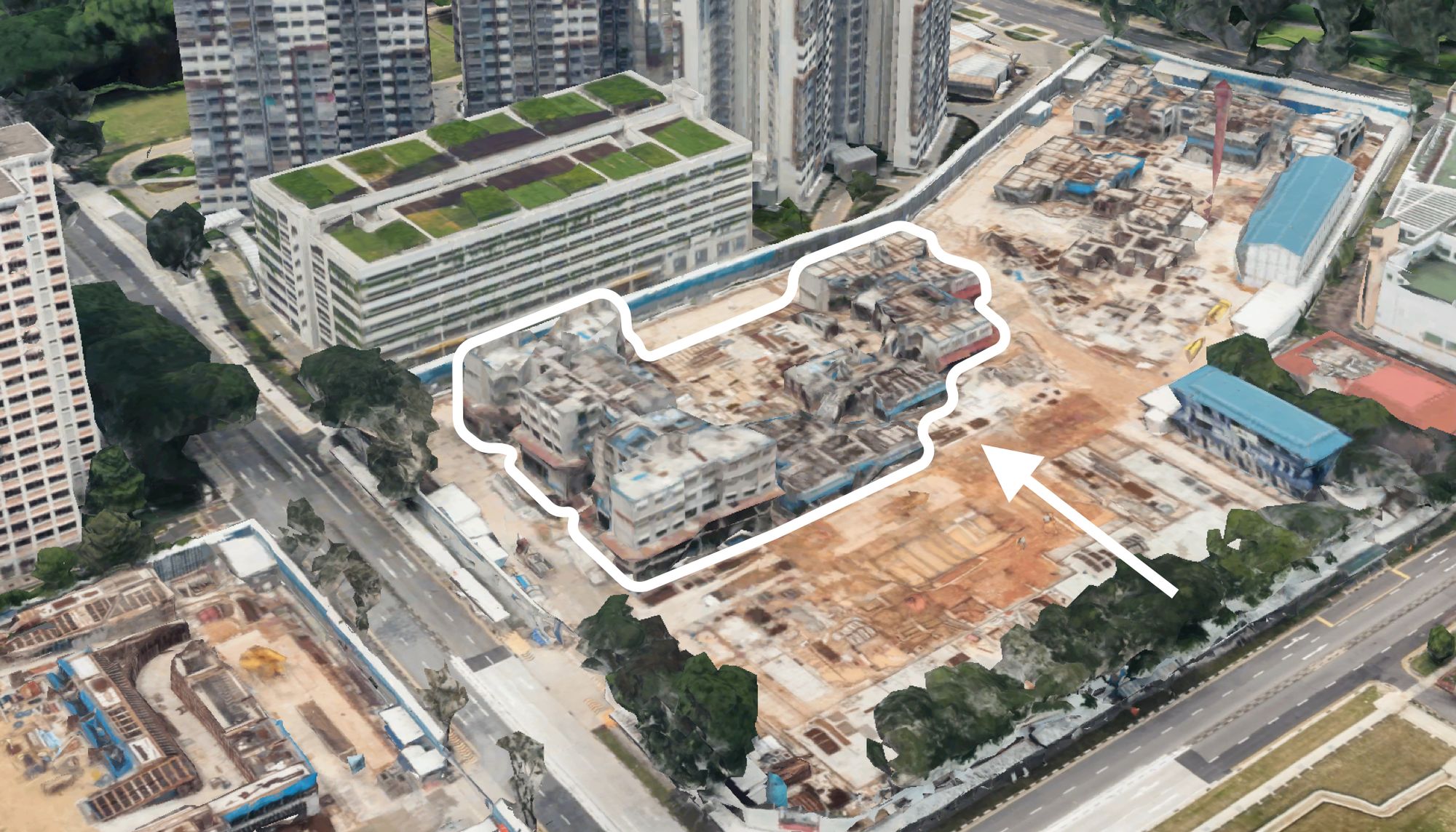
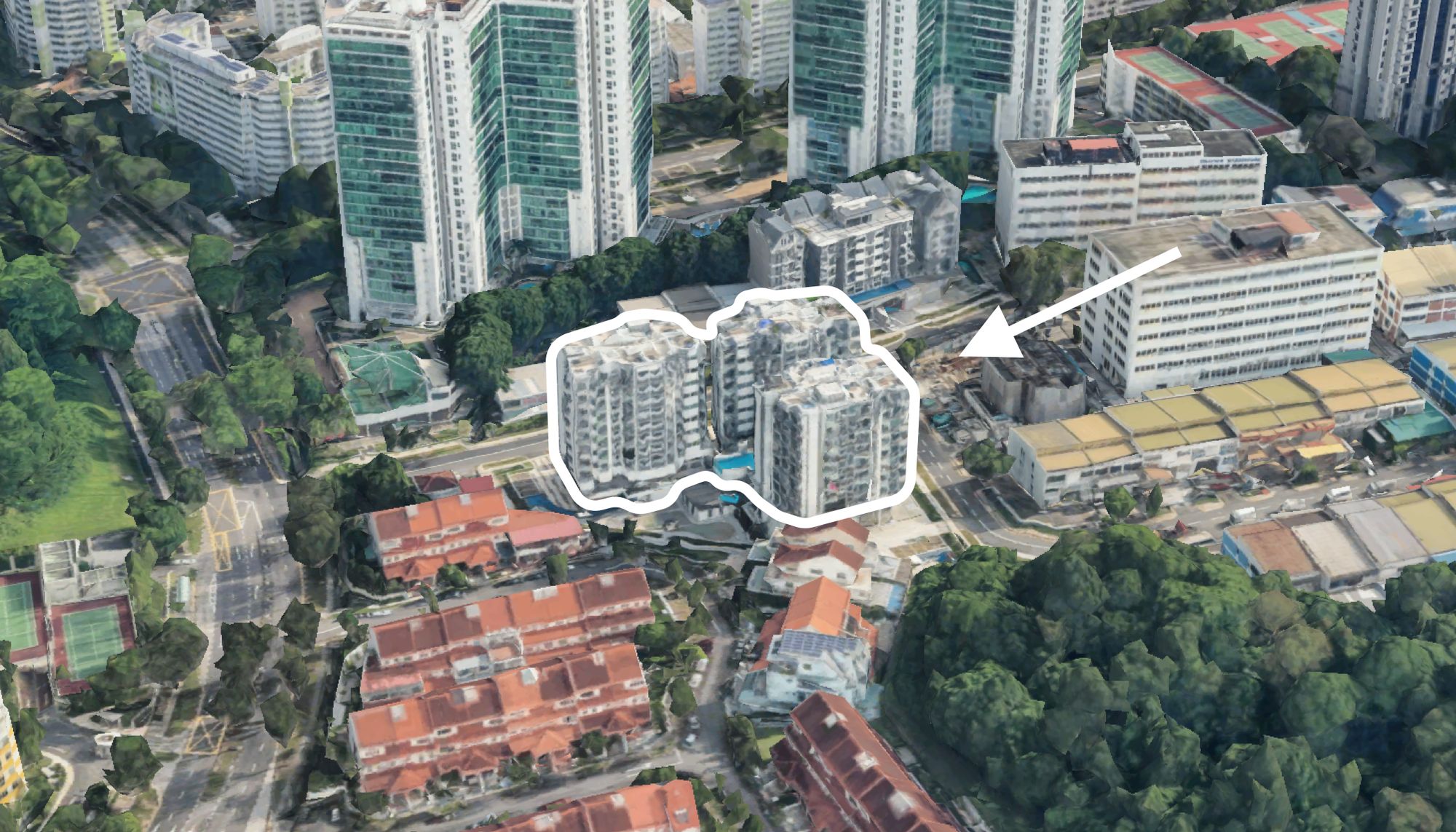
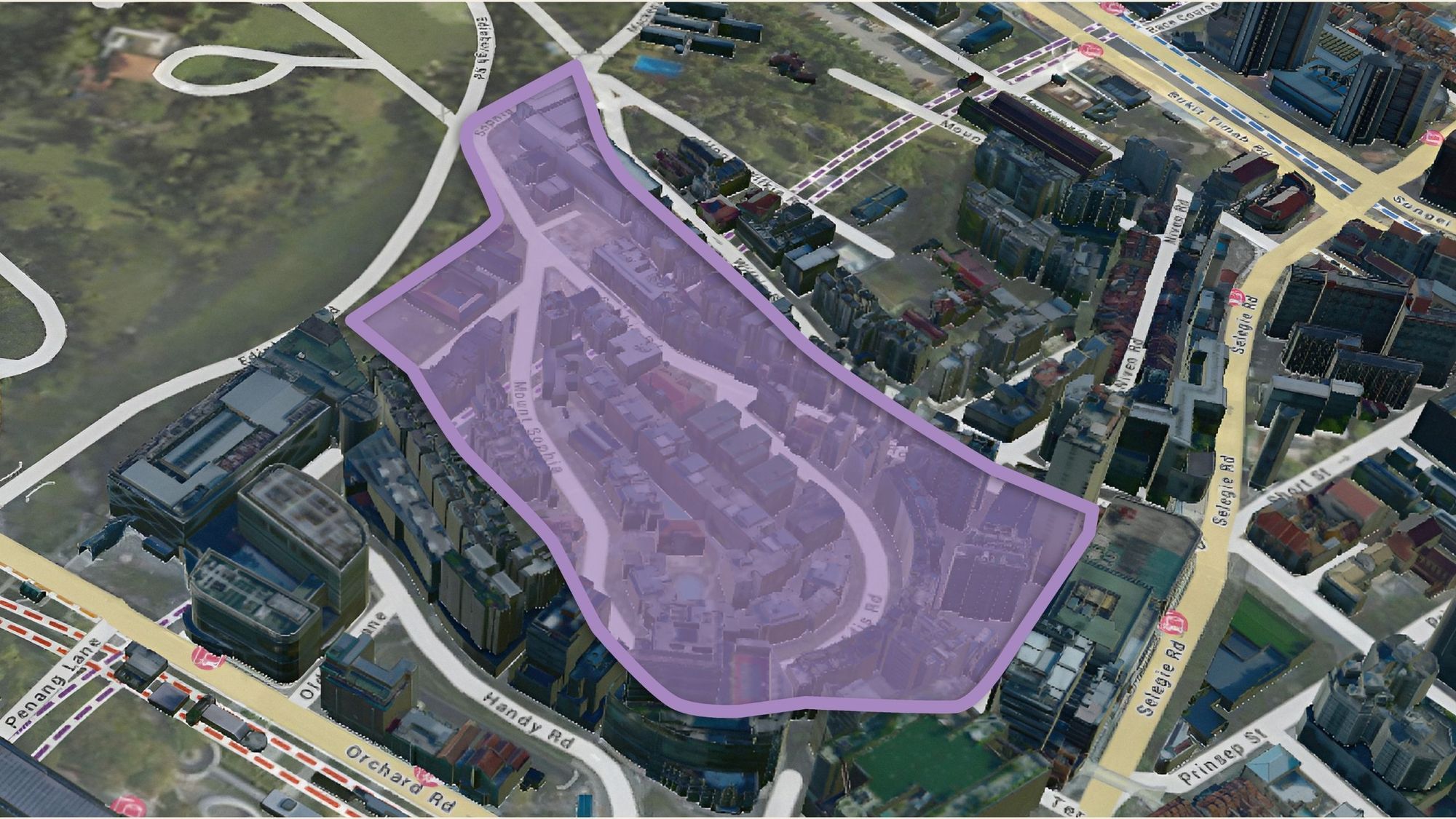
Meanwhile, the former Peace Centre / Peace Mansion was acquired by a SingHaiyi-led joint venture in 2021. The new mixed-use development, One Sophia, features strata retail and office spaces, as well as the 367-unit residential component The Collective at One Sophia.
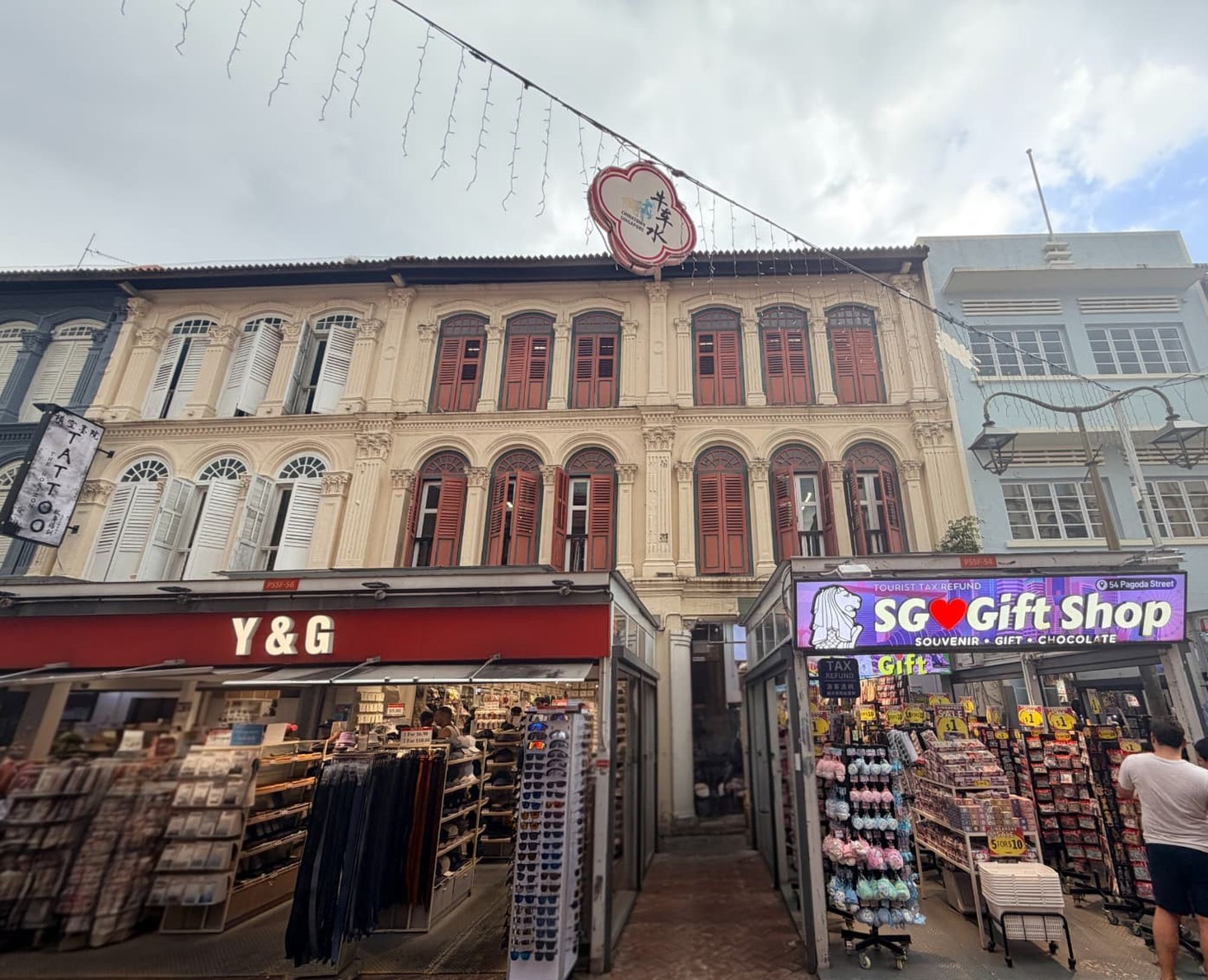
On the other hand, People’s Park Complex seems to have come within a hair’s breadth of going en-bloc. A study last year paved the way for a potential conservation ofthe building in the future.
Among some circles, there’s a discussion about the changes seen around Holland Village regarding how much area has changed in recent years, and there’s a concern that the area is losing its characteristic charms, as expressed in this news article. You’ll notice the issue of a mall is central to that conversation.
So it’s an interesting time to revisit the topic of strata malls and explore how the balance between strata-titled and REIT-run malls is tilting the local retail landscape, and what it means going forward.
First, let’s be clear about the fate of “big” strata-titled malls in major commercial locations: they’re only going to die off.
This isn’t speculation, but a result of a change in a facet of urban policy since 2022. Back then, URA implemented restrictions on strata subdivision for commercial use for redeveloped commercial properties. This applies to locations in the Central Area like Orchard Road, Tanglin Road, Scotts Road, and areas around the Central Business District.
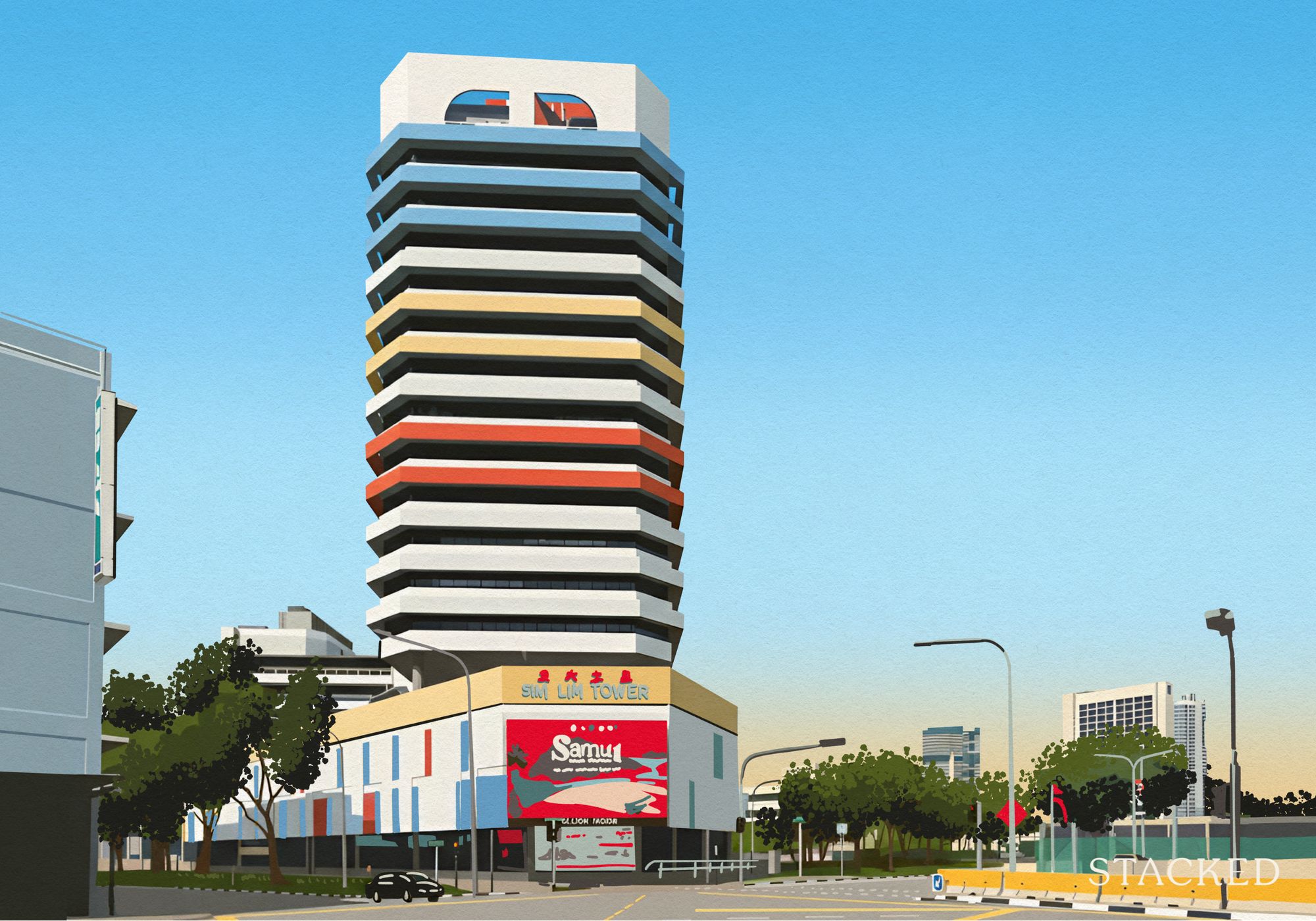
In plain terms: once they’re gone, we probably won’t see the likes of People’s Park Complex, Sim Lim Square, Peninsula Plaza, The Adelphi, ever again. At least not in high-profile commercial zones.
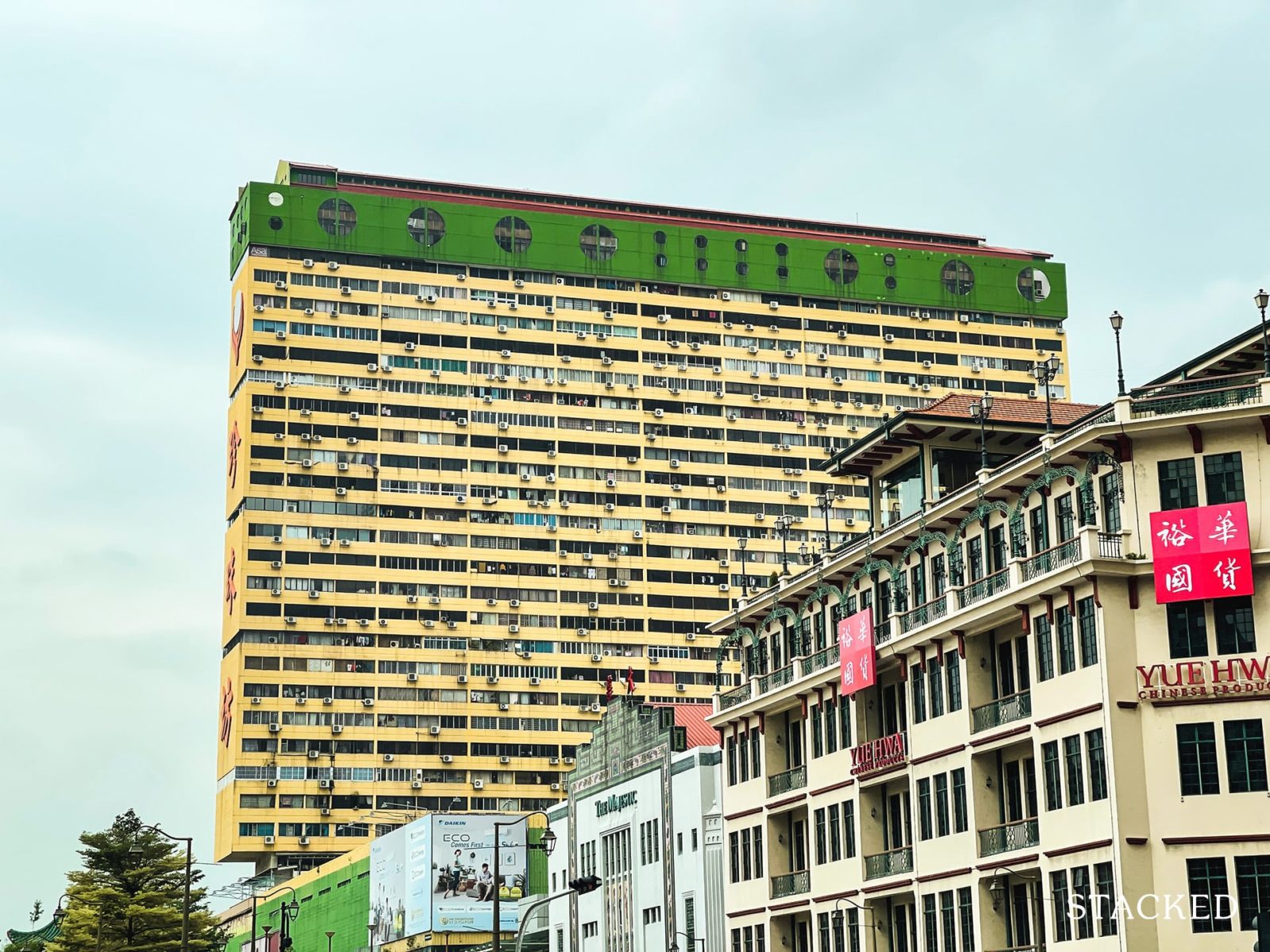
From now on, new malls in these areas must stay under single ownership. That means no more hundreds-of-landlords clustering in a building with uncurated tenant mixes, or buildings where getting a collective agreement to repaint the exterior, replace the elevators, or renovate the toilets is like an exercise in herding un-neutered cats.
URA isn’t outright shutting down these kinds of strata-malls, but it is ensuring there are few to no successors, and time will do away with the existing ones.
So many readers write in because they're unsure what to do next, and don't know who to trust.
If this sounds familiar, we offer structured 1-to-1 consultations where we walk through your finances, goals, and market options objectively.
No obligation. Just clarity.
Learn more here.
This matters because, as much as some may disparage run-down strata-malls, they have a role to play in supporting the surrounding residential areas and enclaves.
Reit-owned malls, such as Northpoint or Paya Lebar Quarter, tend to be sleeker in terms of retail experience and more efficiently curated. These are the ones where you’ll find the same anchor tenants over and over again, like Uniqlo or Din Tai Fung or Starbucks. They’re well-managed, predictable, and some see them as interchangeable clones of each other.
Strata-malls in the heartlands, on the other hand, usually have a messier tenant mix and offer a more unpredictable retail experience. But rent in these developments is relatively more affordable, and the shops tend to be sole proprietorships or niche businesses. These are the places where, if you go often enough, the shopkeeper probably knows you by name, and vice versa.
Certain businesses, like small salons and enrichment centres, locksmiths, aquarium shops, and family-run eateries, often have to choose strata-titled malls. As much as Reit-owned malls try to accommodate some of these businesses, the fact is that their rent is often too high for these businesses.
However, since the tenant mix at strata-titled malls isn’t as carefully curated, it can result in a fairly haphazard mix.
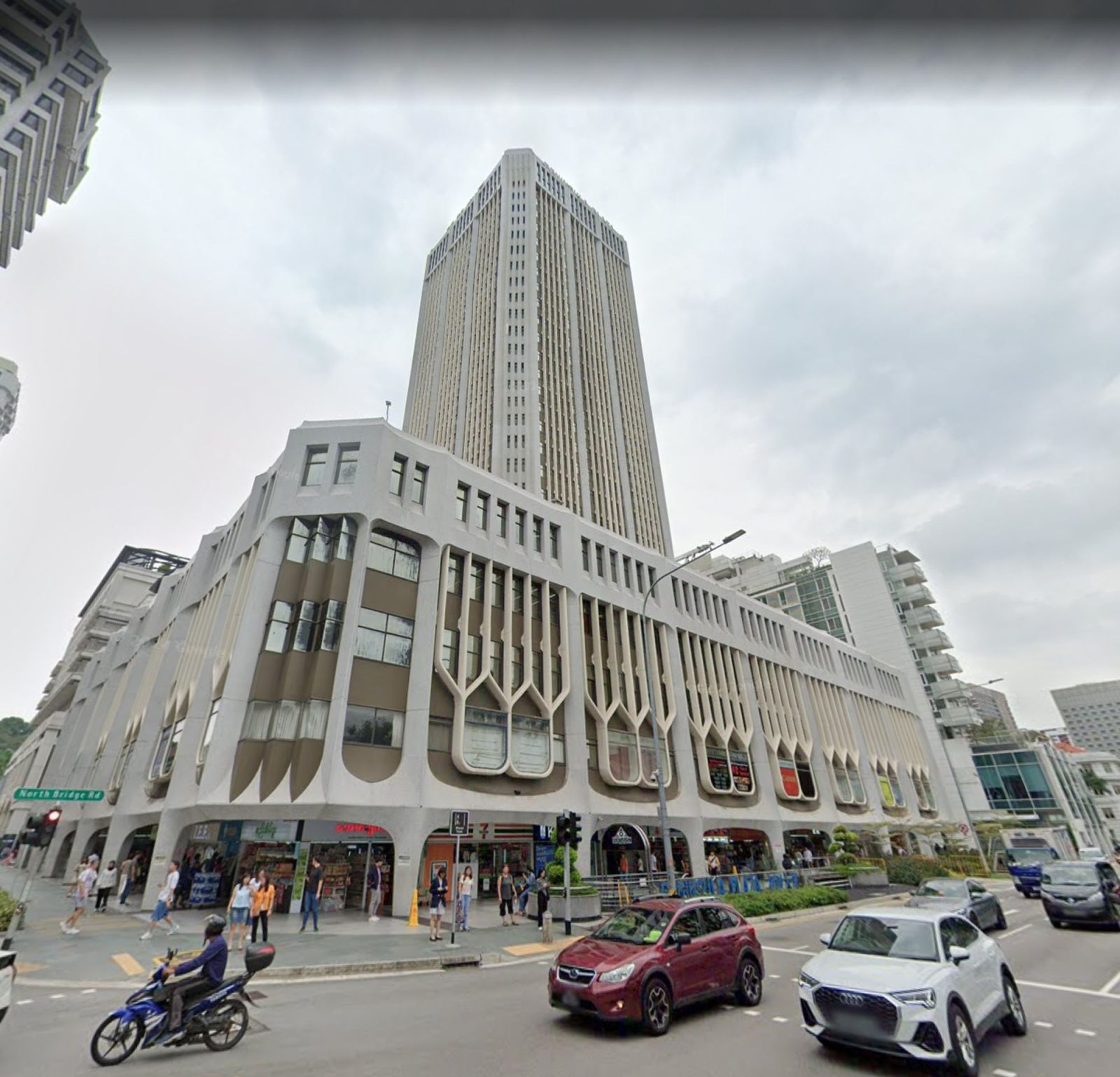
A holdover trait from the 1990s and earlier is the tendency for some of these malls to overspecialise. Queensway Shopping Centre, for instance, is still famous for sporting goods, Peninsula Plaza is colloquially referred to as “Little Myanmar,” and Sunshine Plaza is known for its mix of printers and art suppliers.
In most neighbourhoods, the ideal should be a mix of Reit-owned malls and strata-titled malls.
When the balance works, the retail mix and offerings enjoy both reliability and character. But when it doesn’t, the overall liveability of nearby residents gets impacted in subtle ways. Areas that predominantly comprise Reit-owned malls tend to develop a Marina Bay/Sentosa type retail character.
That is to say, it’s upmarket, but day-to-day amenities can be relatively pricey, and unless you’re in a certain demographic (i.e., you consider luxury brands to be day-to-day retail), it can be much less useful than you’d expect.
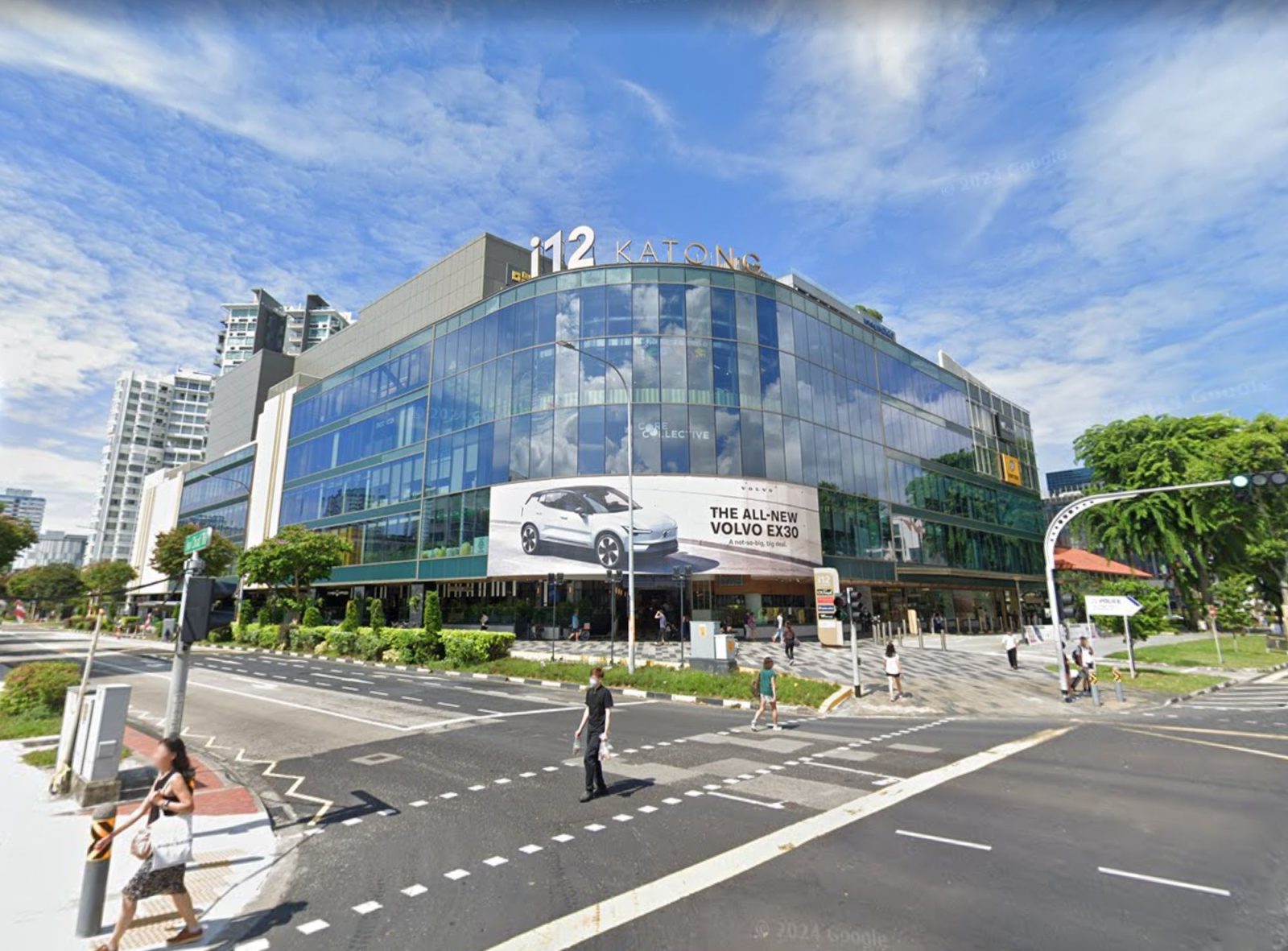
On the other hand, an area dominated by strata-titled malls can go very wrong. Before i12 Katong replaced Katong Mall, for instance, Joo Chiat had far less appeal as a family lifestyle area. The most extreme examples involve sleaze, and I suspect many residents at Orchard Towers are pleased with the decision to clamp down harder on the vice and adult entertainment outlets there.
If you look at areas where the two retail types are well-balanced, it often overlaps with desirable neighbourhoods. For example, Tiong Bahru has both Tiong Bahru Plaza (Reit-owned) and a dense cluster of strata-owned or individually held shophouses, many of which house indie cafes, bookstores, and salons. Katong has i12 and Parkway Parade on one side, and Roxy Square, Odeon Katong and Katong Shopping Centre on the other.
As for Holland Village, I’d say it’s currently at a tipping point: One Holland Village is owned and managed by Far East Organization, and legacy spots like Holland Road Shopping Centre and old shophouses cling to their familiar tenant mix.
But there has been some dire commentary on the ground level since 2024; if Holland Road Shopping Centre and the small businesses go, it’s unlikely that the straight-laced One Holland Village can “go quirky” and bring in unique small businesses.
Experimental Mexican-Japanese Izakayas or some kind of Wala-Wala replacement might be fun and great for the neighbourhood, but they probably don’t pay high rent (or maybe not for long).
All this raises a practical question for home buyers and homeowners.
If the balance between strata-titled malls and Reit-owned malls affects the desirability and character of the neighbourhood, then it’s not just an abstract urban planning issue. It becomes a consideration when choosing your home – and quite often, this subtle but important issue causes buyers to misread local amenities.
Here are a few points to note:
- Nearby strata-malls matter, but they’re never in the brochure or sales pitch
- Ask what kinds of businesses can survive cheaply nearby
- Future redevelopment potential can change the tone sharply, further down the road
- Once an area’s unique retail/recreation is gone, it is much more difficult to recreate
1. Nearby strata-malls matter, but they’re never in the brochure or sales pitch
Every seller can’t wait to tell you about the Haidilao in the Reit-owned mall that opens till 4am, but no one talks about the strata-mall nearby. As such, you need to do some legwork and visit the area yourself.
If you happen to find great amenities, like an enrichment school you like or an amazingly good restaurant, great. But more important than that, you want to make sure the nearby strata-mall is family-friendly. Check for shady massage parlours, dubious KTVs, or stores that show up on scam-alerts. In particular, pay attention to the size of the patronage that more dubious businesses get; that could be an early warning of where the neighbourhood is headed.
In the ideal situation, you’ll find the nearby strata-malls are both useful and actively contribute to the community vibe. Everyone seems to know the hairdressers by name; there’s a long line of students at the enrichment schools, and the local businesses are a safe place for your children to hang out at their allowance level. That’s a hidden amenity you may not have noticed before.
More often, though, you’ll find it’s a mixed bag, so you’ll have to weigh up the pros and cons.
2. Ask what kinds of businesses can survive cheaply nearby
Think of businesses like optometrists, tailors, small tuition centres, and small clinics. If there’s no strata-mall, and these businesses are all vanishing from the immediate surroundings, convenience tends to follow.
As I’ve mentioned earlier, many of these day-to-day businesses either can’t typically survive the rental rates in a Reit-owned mall, or are positioned as high-priced counterparts in this type of mall. This may not seem like a significant issue at first glance, but it will be if you’re going to live in the area for the next decade or more.
3. Future redevelopment potential can change the tone sharply, further down the road
This can be a hidden boon sometimes. I’ve mentioned Orchard Towers, which, if you erase the red-light element, is a property in a prime Orchard location. Golden Mile Complex is a more complex example; the new retail and office positioning shifts some of the neighbourhood’s “texture”. The clean-up and elevated positioning will likely have an overall positive effect on nearby residences.
Granted, there’s no crystal ball for this – but you can check if previous en-bloc attempts took place and how close to success they’ve been. If repeated attempts have come close, then redevelopment potential could provide a future upside if the en bloc sale goes through.
4. Once a unique retail mix is gone, it’s more difficult to recreate
This is the flip side of the above and the reason why Holland Village may be on the brink of a big shift.
On the off-chance you love the nearby strata-titled malls, but you see a lot of en bloc efforts, you might want to re-evaluate the area. Once small and unique businesses close up, they rarely make a comeback. The redevelopments will be newer and pricier rent-wise, and the entire vibe of the area can change.
Older Singaporeans, for instance, may remember that the Golden Venus in Golden Mile Complex spawned a whole generation of musicians in Singapore, or that Ming Arcade housed one of Singapore’s earliest disco venues, which defined nightlife in the ‘70s. The chances that any of these areas will ever get that back are very slim.
On a more recent note, I don’t know if KAP & KAP Residences at King Albert Park ever recaptured the same “safe student hangout” vibes of its past, but I’m told it’s more of an adult brunch place these days.
Ultimately, malls are more than just places where we buy things.
The mix of malls sets the tone for how a neighbourhood ages, adapts, and feels to live in. As strata-titled retail quietly disappears, and commercial space becomes more curated and same-ish, some residential projects will feel the impact.
This won’t show up in $PSF tables; at least, there’s no way to neatly isolate it as a factor, but it does matter to the lived experience.
Follow us on Stacked for insights and homeowner experiences in the Singapore property market.
At Stacked, we like to look beyond the headlines and surface-level numbers, and focus on how things play out in the real world.
If you’d like to discuss how this applies to your own circumstances, you can reach out for a one-to-one consultation here.
And if you simply have a question or want to share a thought, feel free to write to us at stories@stackedhomes.com — we read every message.
Frequently asked questions
How does the new URA rule affect old strata malls?
What should I consider about nearby malls when buying a home?
Why are Reit-owned malls different from strata-titled malls?
How does the retail mix influence neighbourhood character?
What happens if a neighbourhood’s unique shops close down?


0 Comments