


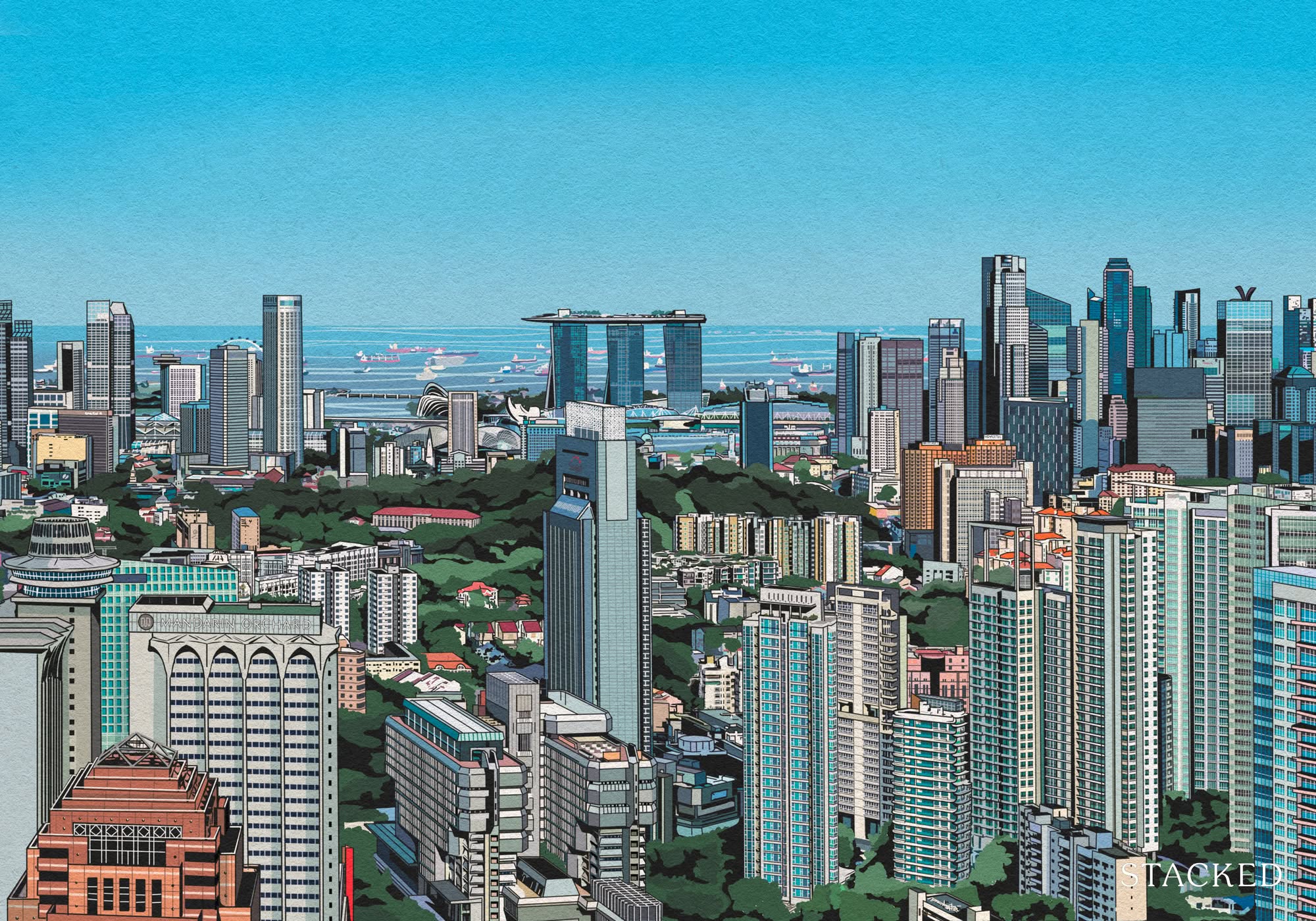









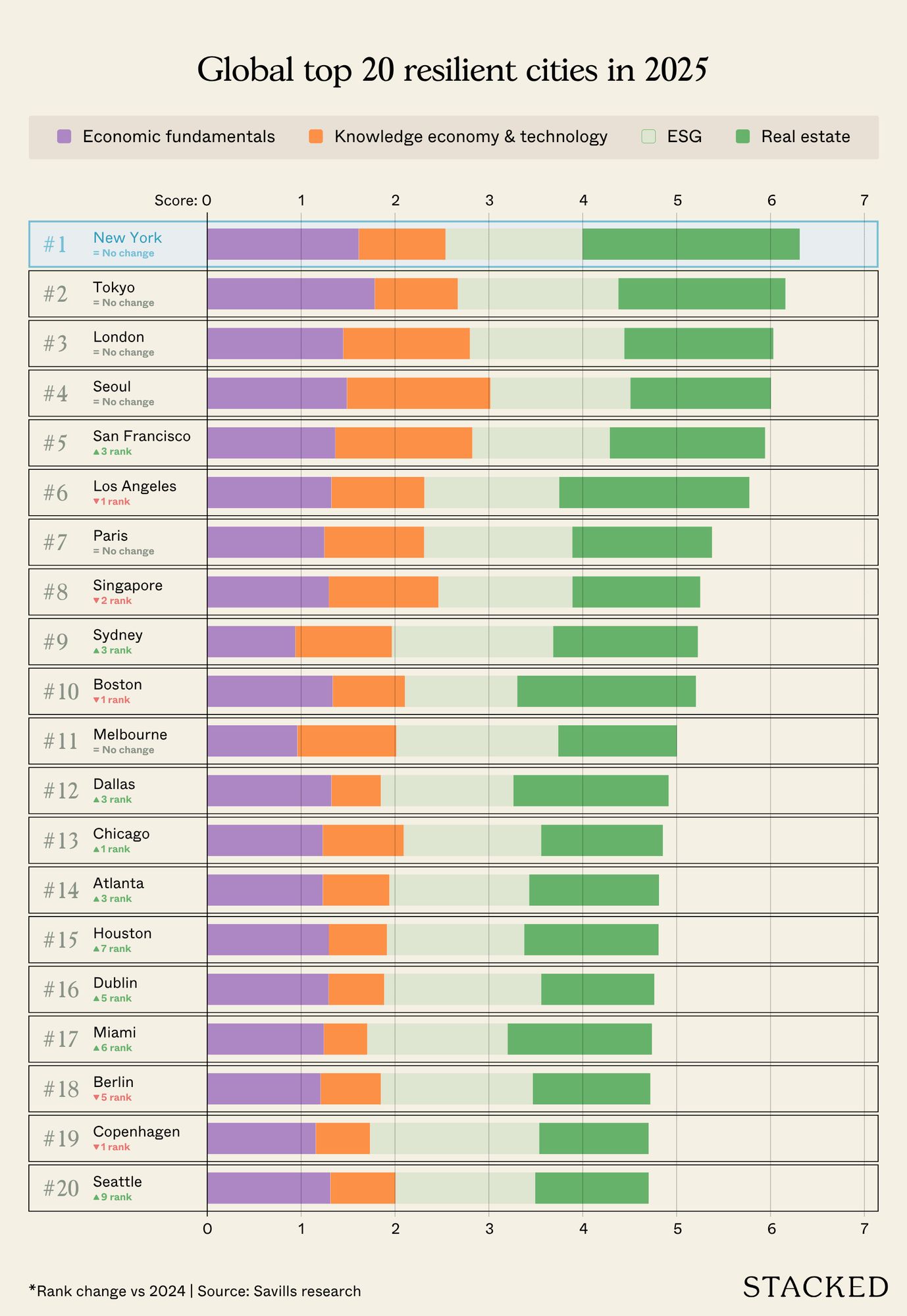
Singapore has slipped to 8th position in the latest Savills Resilient Cities Index, and is down two spots compared to its sixth place in the global rankings when the global analysis was conducted in 2024.
This is the seventh year Savills has conducted this global analysis, and the index assesses 200 cities based on their economic growth, knowledge economy and tech; infrastructure investment; attractiveness to real estate investors and occupiers; liveability; and the measures taken to adapt to climate change. Collectively, the metrics indicate a city’s ability to cope with diverse challenges.
The latest results were based on analysis from January to February 2026, and released on March 23. Against the backdrop of geopolitical tensions, tariffs and economic uncertainties, cities are facing unprecedented challenges in supporting their residents.
Singapore’s ranking drop attributed to moderation in net migration
Singapore’s drop in rankings was largely attributed to a moderation in net migration, following a period of strong migration inflows.
Despite the fall in placement, Singapore has held its place as one of the three Asian cities among the top 20 cities. The city-state continues to be supported by steady economic growth, a competitive knowledge economy and continued investor interest in its real estate market.
“Singapore’s repute as a safe haven contributed significantly to her strong ranking position as a resilient city. With wars and unpredictable trade policies, her ranking should continue to hold up in 2026 or even improve,’ says Alan Cheong, executive director, Research & Consultancy at Savills Singapore.
Mid-sized cities pivoting and adjusting quickly to macro trends
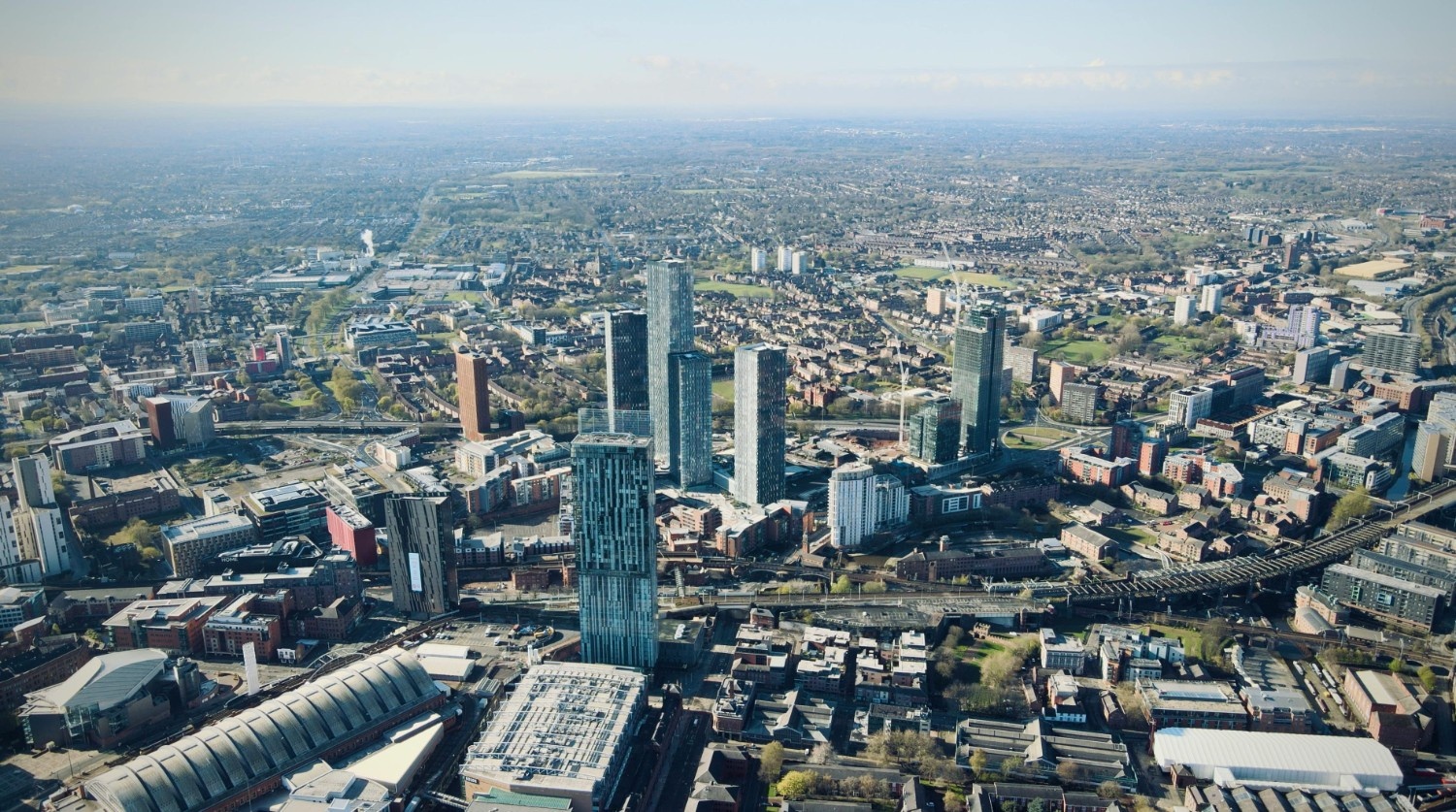
Across the rest of the world in southern Europe and parts of the US, more cities are making their way up the rankings, signalling their agility in adapting to change.
But traditional global gateway cities continue to dominate the top of the rankings. New York, Tokyo, London and Seoul take the top four placements respectively, their positions are unchanged compared to the 2024 index.
Cities in Spain, Italy, Portugal and Greece have, on average, risen by 36 places since 2024. Madrid now ranks 34th (from 77th) and Barcelona 47th (from 85th), supported by Spain’s economic strength, including record tourism, a shift to a higher-value-service economy, and unemployment below EU averages.
This improvement is also underscored by the cities’ strong student populations, retail and tourism markets.
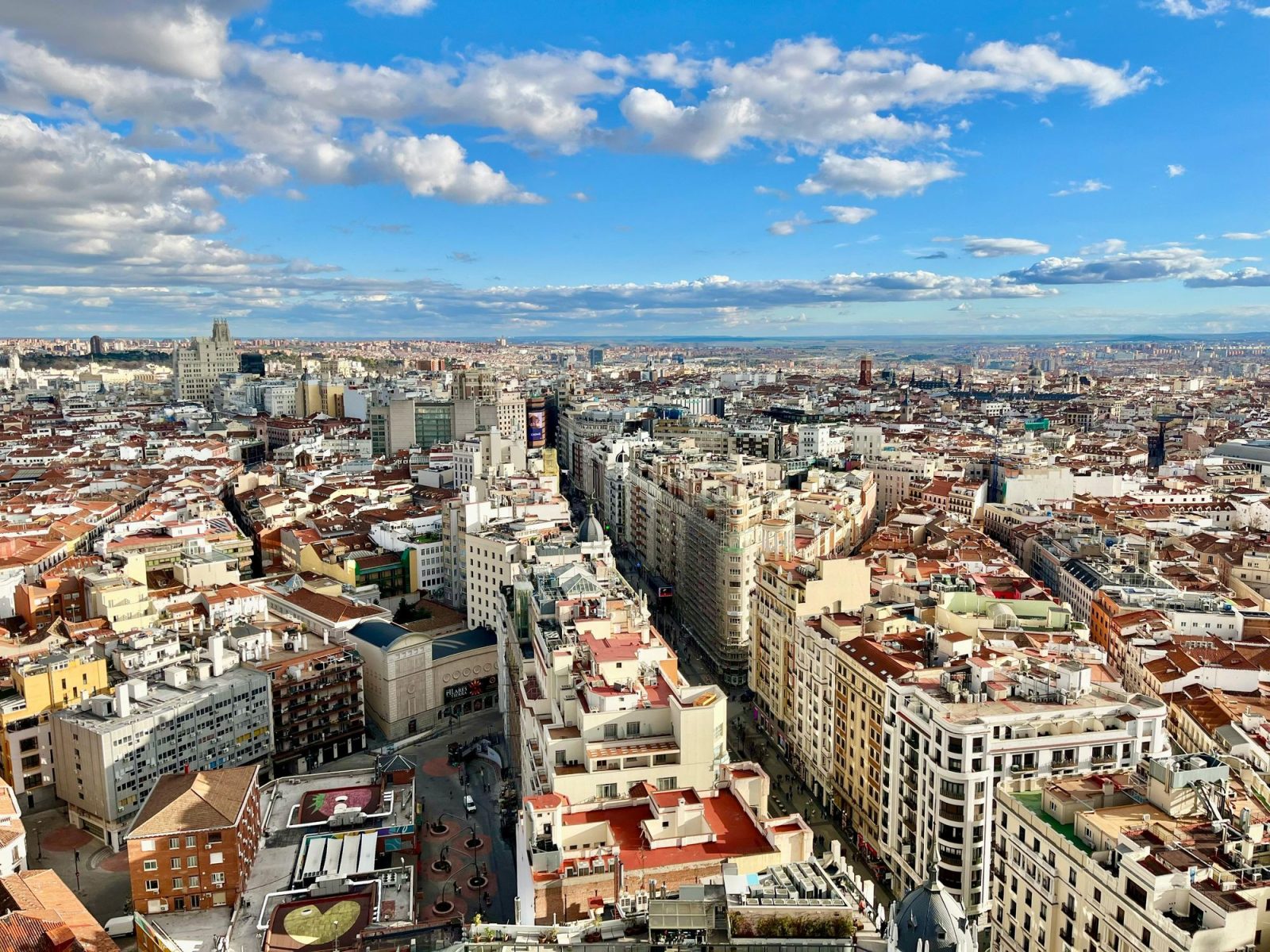
This has a tangible impact on their real estate markets. Madrid and Barcelona have become key markets for global retail operators, and Madrid is refurbishing its hotel stock. The Spanish capital has also seen the emergence of a super-prime housing sector for the first time.
“In Spain, a more dynamic labour market, the steady influx of international talent, a commitment to high-value-added sectors and the impact of long-term urban infrastructure upgrades are giving rise to a more stable and sophisticated growth profile,” says Jaime Pascual-Sanchiz, CEO of Savills Iberia.
Likewise, some North American cities have also moved up the rankings, with US cities rising seven places on average compared to 2024, largely due to economic outperformance and recovery in commercial transaction volumes.
San Francisco is now 5th (from 8th), and the city is an early beneficiary of the AI boom, with tech start-ups boosting office markets.
Other US rankings include:
- Dallas 12th (from 15th)
- Houston 15th (from 22nd)
- Miami 17th (from 23rd)
- Seattle 20th (from 29th)
- Phoenix 22nd (from 39th).
Savills notes that the sunbelt growth story – driven by the region’s favourable climate, lower cost of living and tax benefits – has slowed significantly.
How a city’s resilience can impact its future
A resilient city is one that is designed to empower its residents to withstand and thrive through changes from various fronts, be it technological, economical or environmental. An example of this is how Singapore’s Downtown Core has shaped up into a bustling live-work-play environment through adaptive reuse and flexible zoning.
The transformation from a predominantly commercial district to a mixed-use district designed for work, live, and play is supported by infrastructural changes, mainly in terms of transport and “social” infrastructure which enhances liveability.
One example would be a new park between Asia Square and Marina One, which offers an urban retreat amidst a boulevard of attractive and inclusive public spaces.
Another example is the rejuvenation of older developments in Raffles Place and Tanjong Pagar, which includes pedestrian-friendly connectivity enhancements, new cycling paths, sheltered walkways, and public courtyards interspersed throughout the area for communities to gather or find respite.
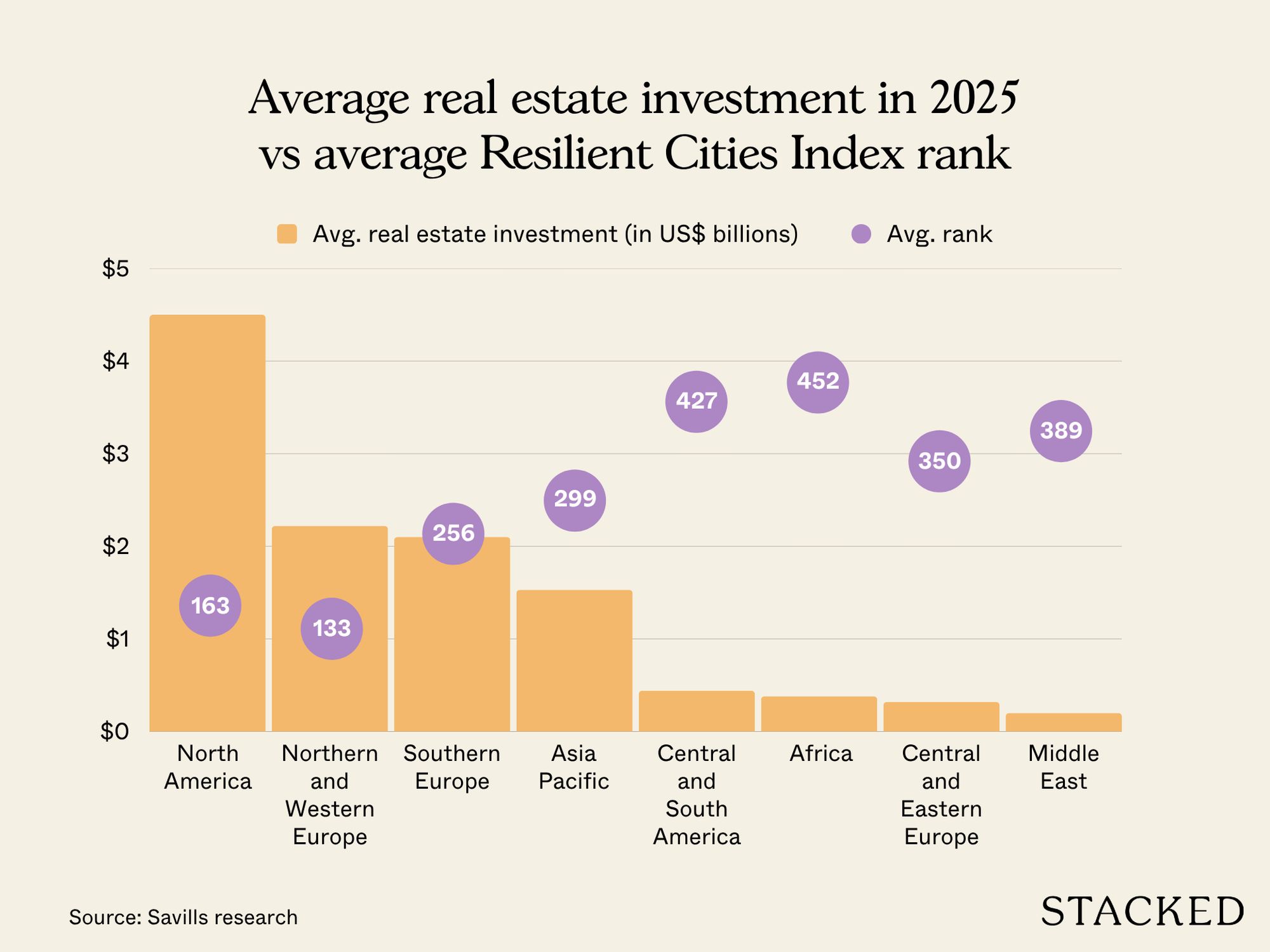
On the impact of the Index, Paul Tostevin, Head of SAVILLS World Research, commented, “For real estate investors, the Index determines cities where investments will be secure and future growth potential exists. For business, it represents markets where demand for goods and services will be resilient and the employee base robust.”
Climate playing a role in cities’ resilience
With the effects of climate change reverberating across countries, buildings are becoming more vulnerable to flooding, rising sea levels, extreme heat and storms.
Under these grim circumstances, investors, insurers and lenders have priced climate risks into valuations and lending decisions. Capital flows more freely into future-proof assets – and energy-efficient infrastructure and buildings are part of the long-term solution to climate change.
As consumer spending power gathers momentum in Asia, that means urban planners and developers have to grapple with the lasting implications for where and what to build.
At Stacked, we like to look beyond the headlines and surface-level numbers, and focus on how things play out in the real world.
If you’d like to discuss how this applies to your own circumstances, you can reach out for a one-to-one consultation here.
And if you simply have a question or want to share a thought, feel free to write to us at stories@stackedhomes.com — we read every message.
Frequently asked questions
Why did Singapore's ranking in the Resilient Cities Index drop in 2026?
Which cities are at the top of the Resilient Cities Index?
How have Spanish cities like Madrid and Barcelona improved in the index?
What factors contribute to a city being considered resilient according to the article?
How has the US Sunbelt region's growth changed according to the index?
What role does climate change play in the resilience of cities?


0 Comments