






























A new tie-up between the Real Estate Developers’ Association of Singapore (Redas) and the National University of Singapore (NUS) hopes to encourage more young professionals to join the real estate industry.
It might surprise you to know that attracting young graduates to join the real estate sector has been a persistent issue the industry has faced for several years.
And no, this doesn’t include the seemingly hundreds of aspiring people taking the exam to be new property agents each year. In fact, the number of registered property agents has grown from 35,251 in 2024 to 36,058 last year. At the start of this year, the figure stood at 36,816 agents.
While hundreds of agents are hustling across the island, it has been a longstanding challenge to attract people to other parts of the industry, such as banking and finance, investment, asset and fund management, property technology (proptech), and sustainability.
There is a common concern that young talent may not yet fully see the breadth of opportunities our industry offers, says Tan Swee Yiow, president of Redas. “Fewer are choosing real estate (jobs) today. If this trend continues, we risk a smaller pool of trained professionals in the years ahead,” he says.
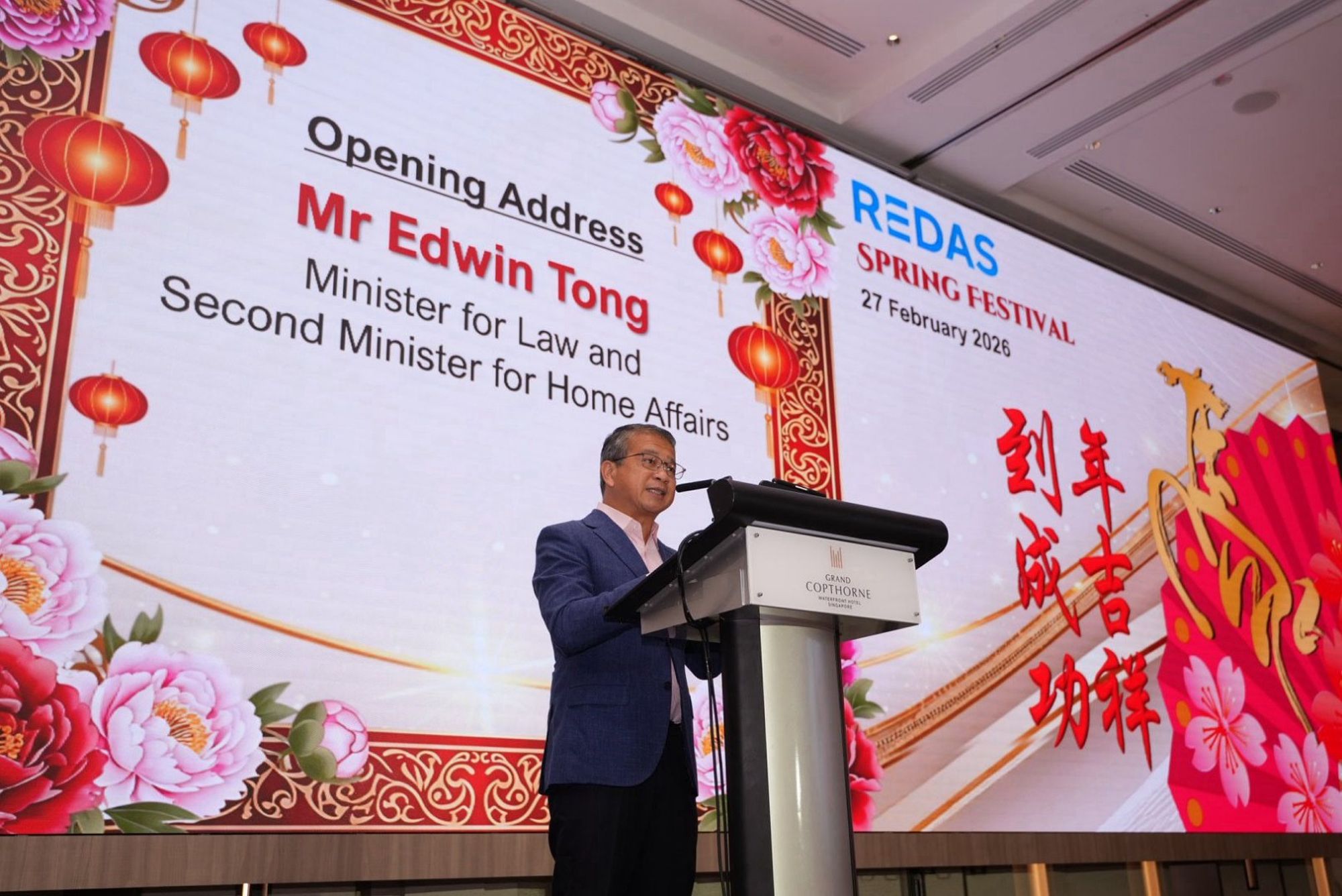
He was speaking at the annual Redas Spring Festival Lunch on Feb 27. Minister for Law & Second Minister for Home Affairs, Edwin Tong, was this year’s guest of honour.

The struggle to attract new blood is why a new Real Estate Talent Programme with NUS is being rolled out, introducing over 50 internship opportunities for graduates. The roles include asset management, capital markets, commercial leasing, compliance, finance technology, project development, proptech, research, and valuation.
Some of the 40 organisations in this programme are developers like CapitaLand Development, Frasers Property, GuocoLand, and UOL Group as well as others like the Building and Construction Authority, Cushman & Wakefield, DBS, ERA, JTC, and Redas.
This will be open to Year 1 and 2 NUS students, who can also opt for management traineeships with some of the industry partners.
Tackling development efficiencies and bringing projects to market faster
The annual gathering of Singapore’s property developers and other stakeholders in the industry was also a platform for the government to tout some of the enhancements that directly impact the efficiency and time it takes to develop projects.
The three initiatives that were brought up by the Minister for Law, Edwin Tong, were:
- Enhancements to the Land Betterment Charge system
- A digital conveyancing portal
- New opportunities to better utilise State-owned properties
Truthfully, nearly all these initiatives are beyond the scope of your everyday homeowner, as well as casual buyers and sellers. But incremental changes like these make it easier and more efficient for developers to buy and develop land that can bring new homes to market.
The Land Betterment Charge (LBC) is a tax that developers pay when the value of a plot of land increases after planning permission, which is also issued by the government, enables developers to redevelop the land.
This usually occurs when the total gross floor area increases or when the site has a change of use. Developers need to factor this tax in when they bid or pay for land. The government is now going to make it easier for developers to estimate how much LBC they might need to pay.
On Feb 27, the government also revised some of the LBC rates – that is, the amount of tax developers need to pay. In general, the LBC for non-landed residential properties increased between 3% and 23%.
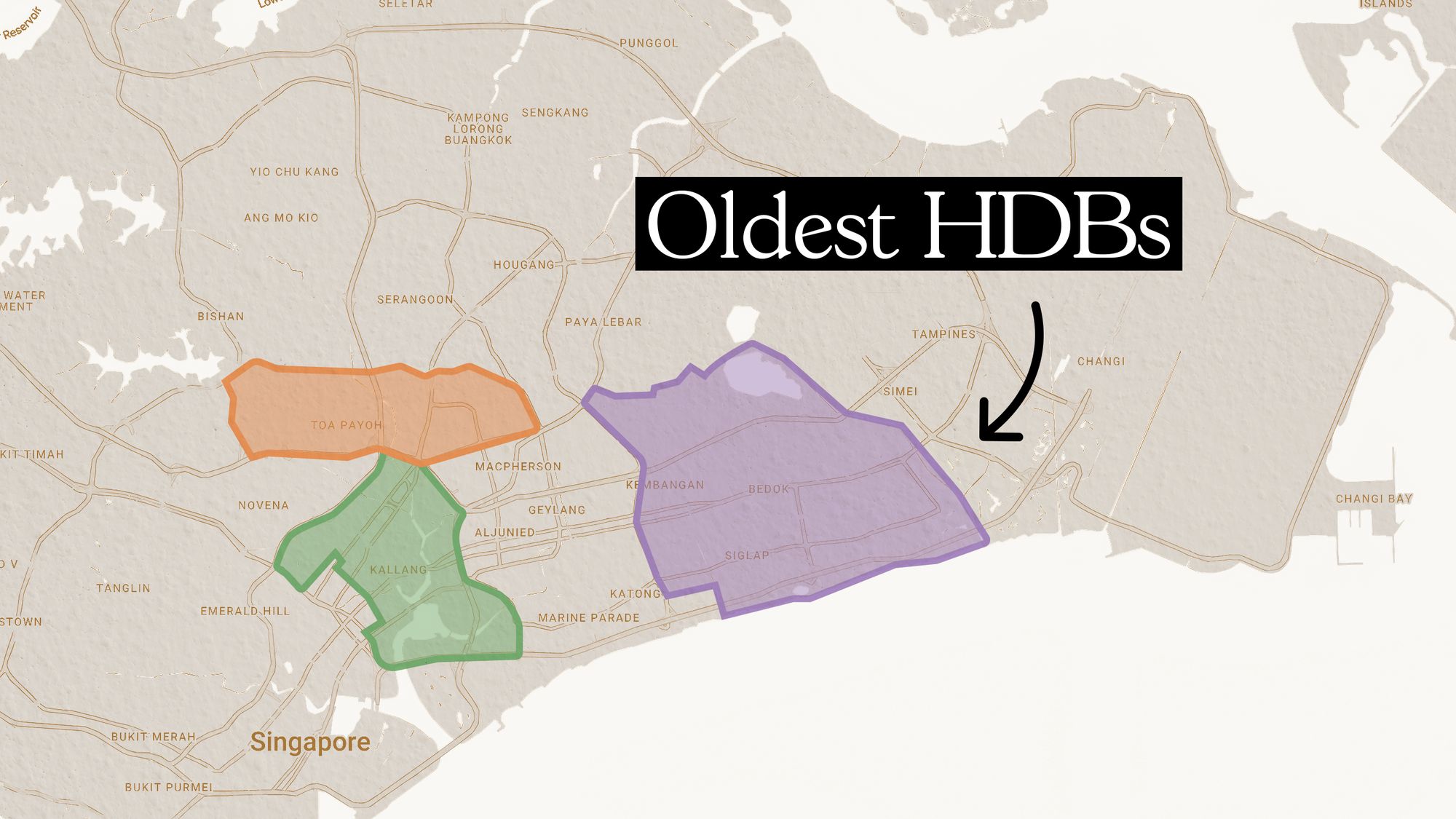
The biggest rise of 23% in the LBC for non-landed residential properties is Bedok South, while the area with the second biggest rise in LBC is the area around the Newton MRT station, with a rise of 10% in LBC rates.
Next, a digital conveyancing system will do away with the current paper-based process for all property transactions in Singapore; in other words, the legal process of transferring property ownership (the property title) from one person or entity to another. This system is handled by the Singapore Land Authority, under the Ministry of Law.
Lastly, we will likely see more tenders for State-owned properties to be used to support unique and differentiated offerings. Some of the landmark efforts by the government have been the repositioning of old schools like the former Nan Chiau High School into a lifestyle hub New Bahru.
The latest example was the tender launch of a collection of black-and-white heritage bungalows on Adam Drive, which the government is trying to reposition as new serviced apartments. We covered that in this article.
So far, most of the tenders for the lease of State-owned properties have had relatively short leases. Considering the capital expenditure and risk some of these operators are putting into reposition and modernise these heritage properties, it’s not a long time for them to recoup the investment.
The Minister for Law hinted that in the future, the lease tenures for some State-owned properties might be longer, especially when it calls for innovative developments that add to Singapore’s diverse offerings.
At Stacked, we like to look beyond the headlines and surface-level numbers, and focus on how things play out in the real world.
If you’d like to discuss how this applies to your own circumstances, you can reach out for a one-to-one consultation here.
And if you simply have a question or want to share a thought, feel free to write to us at stories@stackedhomes.com — we read every message.
Frequently asked questions
What is the new partnership between Redas and NUS about?
How is the government trying to make land development more efficient?
What is the Land Betterment Charge and how has it changed?
What is the digital conveyancing system mentioned in the article?
Are there plans to extend lease durations for State-owned properties?


0 Comments