













This contributed article is penned by Adrian Lim, Senior Director, Head, International Residential Sales, Savills Singapore.
Since its introduction more than 25 years ago, the Malaysia My Second Home (MM2H) programme is commonly associated with retirees seeking a slower pace of life in Malaysia. But recent revisions to the framework are prompting a broader group of Singaporeans to revisit the long-stay programme — not necessarily as a relocation plan, but as a potential second base within the region.
As work, travel, and investment patterns become increasingly regional, some Singaporeans are exploring how their living arrangements might extend beyond a single city. The impending launch of the Johor Bahru-Singapore Rapid Transit System (RTS) by the end of this year also promises to make cross-border travel easier and more efficient.
For those who travel frequently within Southeast Asia, or have business interests across the region, MM2H is increasingly being considered as a way to add flexibility to their living arrangements while maintaining Singapore as their primary home.
Why MM2H is back in the conversation
Updates to the MM2H framework were rolled out last year and introduced several programme tiers with different financial requirements, offering applicants a clearer structure depending on their lifestyle goals and financial capacity.
While the programme has historically attracted retirees, the revised framework has broadened the conversation around who it may appeal to.
There are three tiers available:
- Platinum: a 20-year renewable visa with a minimum RM2 million property purchase and USD$1 million fixed deposit
- Gold: a 15-year renewable visa with a minimum RM1 million property purchase and US$500,000 fixed deposit
- Silver: a 5-year renewable visa with a minimum RM600,000 property purchase and US$150,000 fixed deposit
According to the Malaysian government, the changes are meant to match different budgets and lifestyle needs, while providing a structured route to long-term residency in Malaysia. But the government has also clarified that it is not a pathway to permanent residency.
In recent conversations with Singapore-based buyers, we’ve noticed that interest is no longer limited to retirees, but also from professionals and entrepreneurs who travel regularly within the region. Some clients are exploring the idea of maintaining their primary home in Singapore while spending extended periods in cities such as Kuala Lumpur or Penang.
Rather than viewing MM2H as a permanent move, many prospective applicants are considering it as part of a longer-term lifestyle strategy.

Who it may appeal to today
A notable shift in the profile of MM2H applicants in recent years is the increase in the number of Singapore-based professionals exploring regional living options.
Remote and hybrid working arrangements have made it easier for some professionals to spend extended periods outside their home city. Entrepreneurs and business owners with regional operations may also find it practical to have a base in another Southeast Asian market.
Families, too, are beginning to explore options that provide greater lifestyle flexibility. For some, this might mean spending school holidays or extended stays in another city while maintaining ties to Singapore.
Many Singaporeans today are accustomed to travelling frequently within the region. For some households, having an additional residential base nearby can simply offer more options in terms of lifestyle and time spent abroad.
Lifestyle considerations and financial factors
A commonly discussed aspect of MM2H is the lifestyle differential between Singapore and Malaysia. Cities such as Kuala Lumpur and Penang offer larger living spaces, a slower pace of life, and a different urban environment that some households find appealing.
At the same time, financial considerations inevitably play a role in these discussions. Property prices in many Malaysian cities remain significantly lower than those in Singapore, making it possible to acquire larger homes or lifestyle properties.
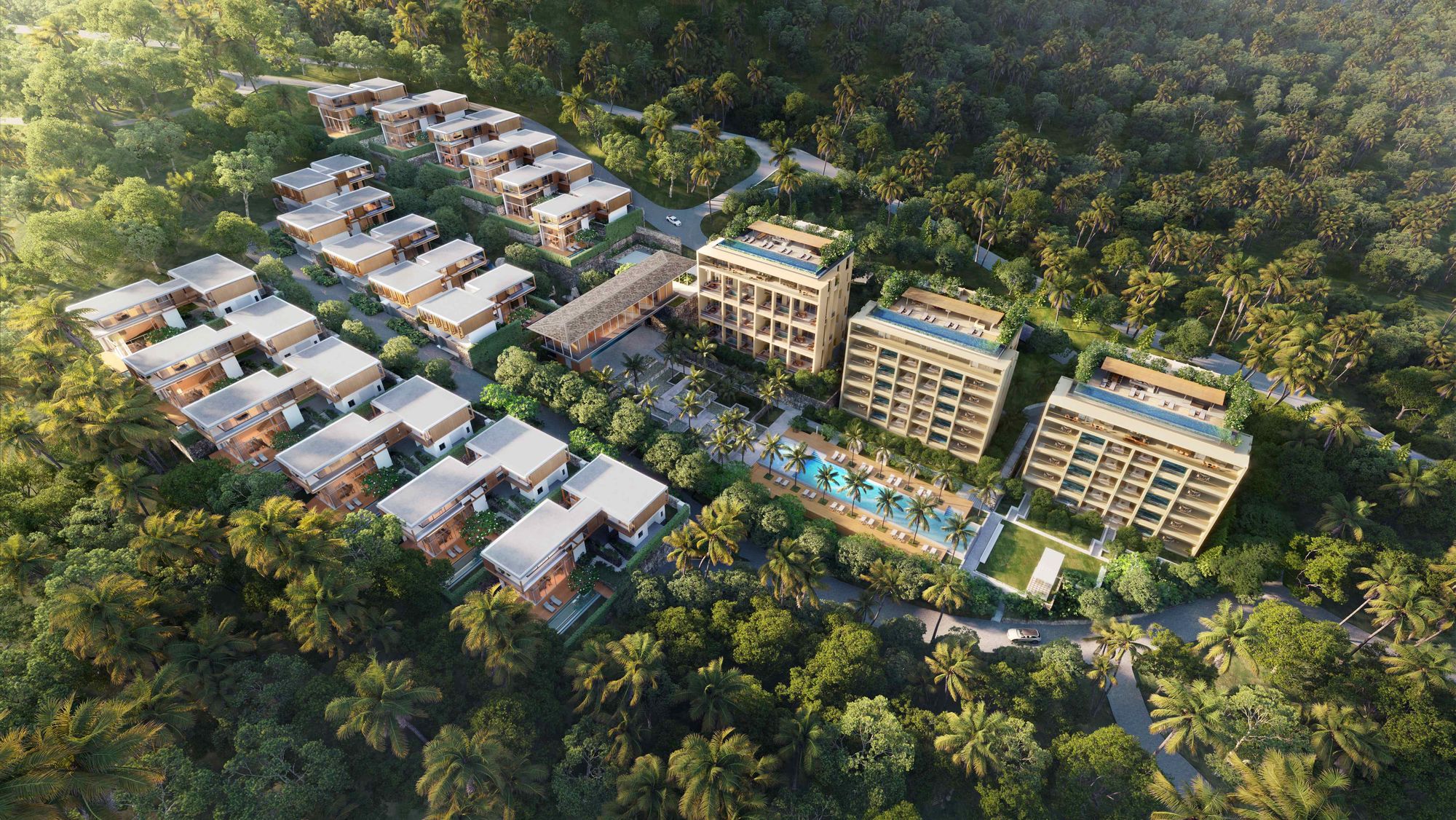
For example, a new freehold landed project in Penang was launched for sale in January with prices starting from RM2.96 million for four- and five-bedroom villas of 2,734 to 3,068 sq ft, to RM6.63 million for four-storey six-bedroom cluster houses of 6,649 sq ft. The 239-unit landed project, named Jesselton Courtyard, is developed by Berjaya Land Development and is in Jesselton Selatan at the foot of Penang Hill.
In contrast, landed home prices in Singapore have been on an upward trend in recent years, and most market analysts expect landed home prices to increase by at least 5% this year after climbing 7.6% in 2025. The absolute price of landed homes being sold is also inching up with just over half of the landed properties sold last quarter fetching more than $5 million.
In addition, currency dynamics between the Malaysian Ringgit and Singapore Dollar can also influence decision-making of MM2H applicants. While exchange rate movements carry risks, some buyers see holding assets in another currency as a form of diversification.
That said, the appeal of MM2H is rarely about financial arbitrage alone. For many Singaporeans exploring the opportunities that the programme offers – such as lifestyle considerations like space, pace and flexibility — are equally important.
Property considerations under MM2H
For those considering property purchases under the programme, understanding Malaysia’s property ownership framework is essential.
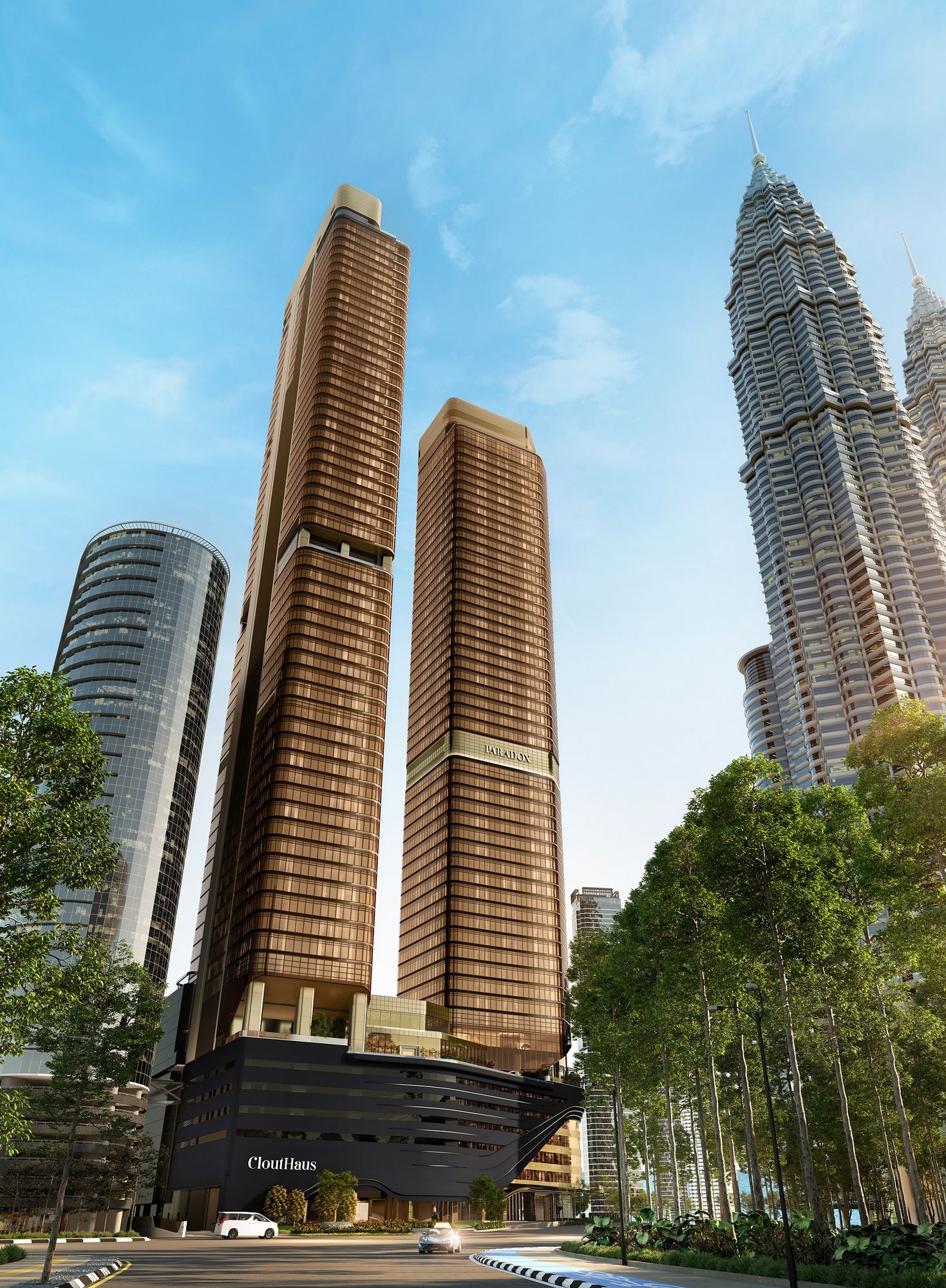
Minimum purchase thresholds vary by state, and buyers must comply with local regulations governing foreign ownership. Cities such as Johor Bahru, Kuala Lumpur and Penang have historically attracted the most attention from Singaporean buyers due to their connectivity and established expatriate communities.
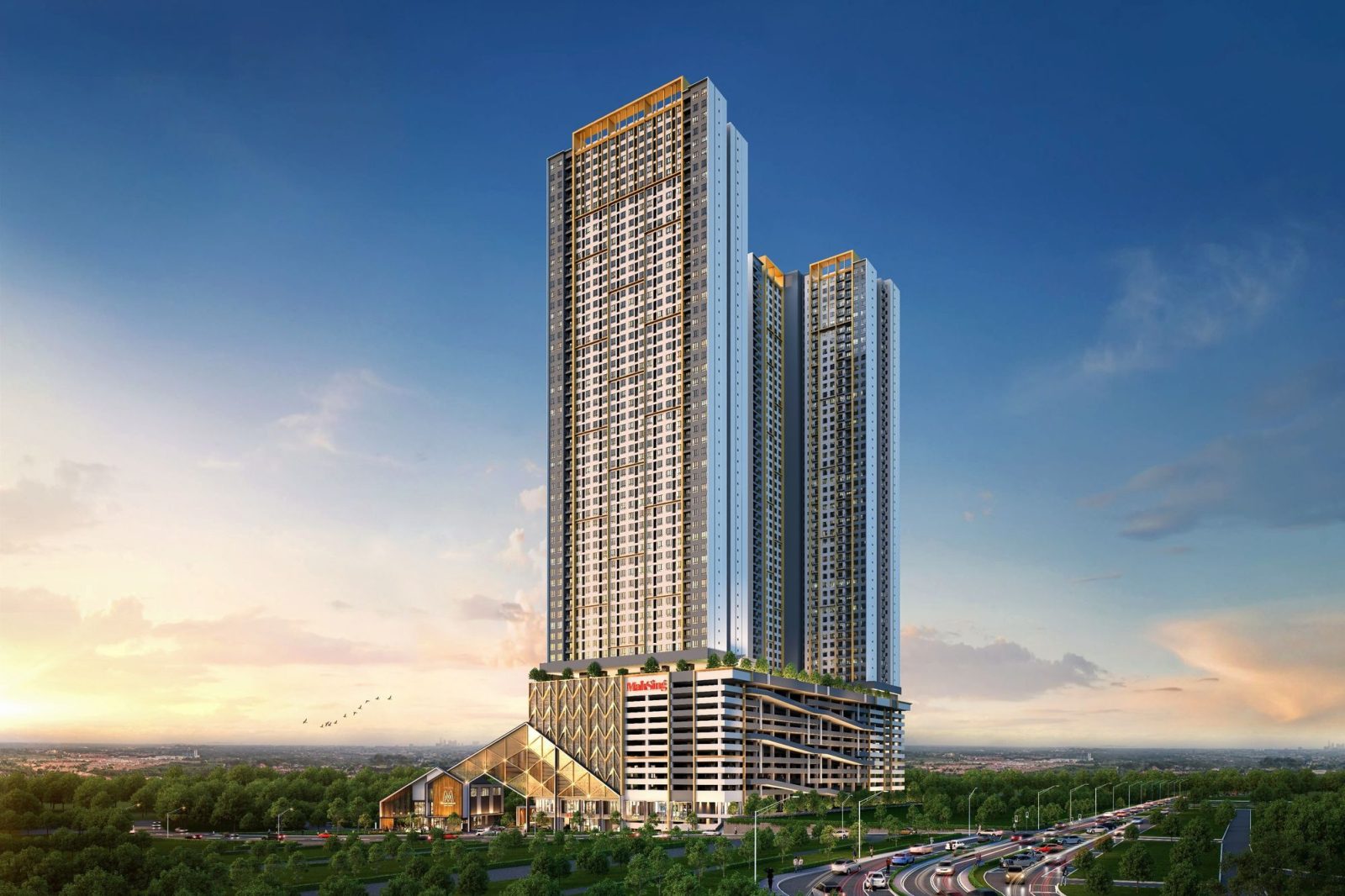
For example, in Johor Bahru, some Singaporean buyers have shown interest in newer condominium developments and landed homes located within established residential enclaves or in close proximity to the upcoming RTS link, where improved connectivity is expected to enhance accessibility to Singapore.
In Kuala Lumpur, areas such as Mont Kiara and Bangsar continue to attract interest due to their established expatriate communities, international schools and lifestyle amenities.
While property options are varied across locations, requirements and eligibility criteria under MM2H can vary, so buyers should assess these carefully before making a purchase.
Property tenure structures also differ from Singapore. While both freehold and leasehold properties are available in Malaysia, buyers should carefully consider the implications of each.
More importantly, prospective buyers should take time to assess not just the property itself, but also the long-term considerations surrounding ownership and residency.
Risks and what to watch out for
As with any cross-border investment or relocation programme, MM2H comes with considerations that prospective applicants should evaluate carefully.
Policy frameworks may evolve over time, and applicants should ensure they understand the programme’s long-term financial commitments and residency requirements. Tax implications, exit strategies and property liquidity are also factors worth assessing before making a decision.
For many Singaporeans, the programme may ultimately remain an option rather than an immediate plan. Taking a measured approach allows households to evaluate whether the lifestyle benefits align with their longer-term goals.
For most Singaporeans exploring MM2H today, the programme is less about leaving Singapore and more about expanding their options within the region.
Singapore will remain the primary home for many participants. But as lifestyles become increasingly regional, having a second base nearby may offer a different way of balancing work, travel and personal life.
Programmes such as MM2H may appeal not because people wish to leave Singapore, but because they want greater flexibility in how and where they spend their time.
At Stacked, we like to look beyond the headlines and surface-level numbers, and focus on how things play out in the real world.
If you’d like to discuss how this applies to your own circumstances, you can reach out for a one-to-one consultation here.
And if you simply have a question or want to share a thought, feel free to write to us at stories@stackedhomes.com — we read every message.
Frequently asked questions
Who is the Malaysia My Second Home (MM2H) programme now attracting?
What are the different tiers of the MM2H programme?
What lifestyle benefits do Malaysian cities offer to MM2H applicants?
What property considerations are involved in the MM2H programme?
What risks should applicants consider with the MM2H programme?



0 Comments