


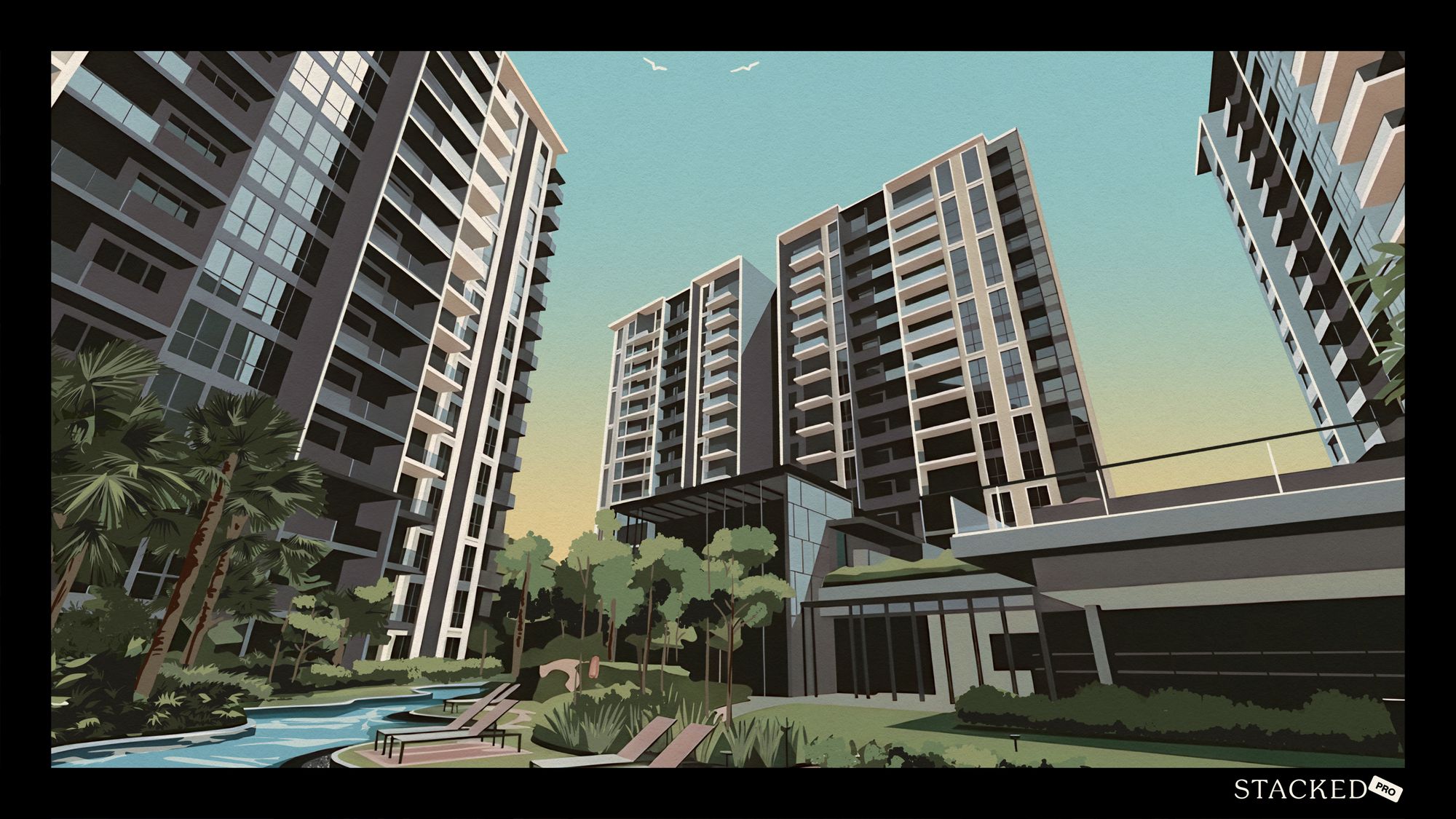
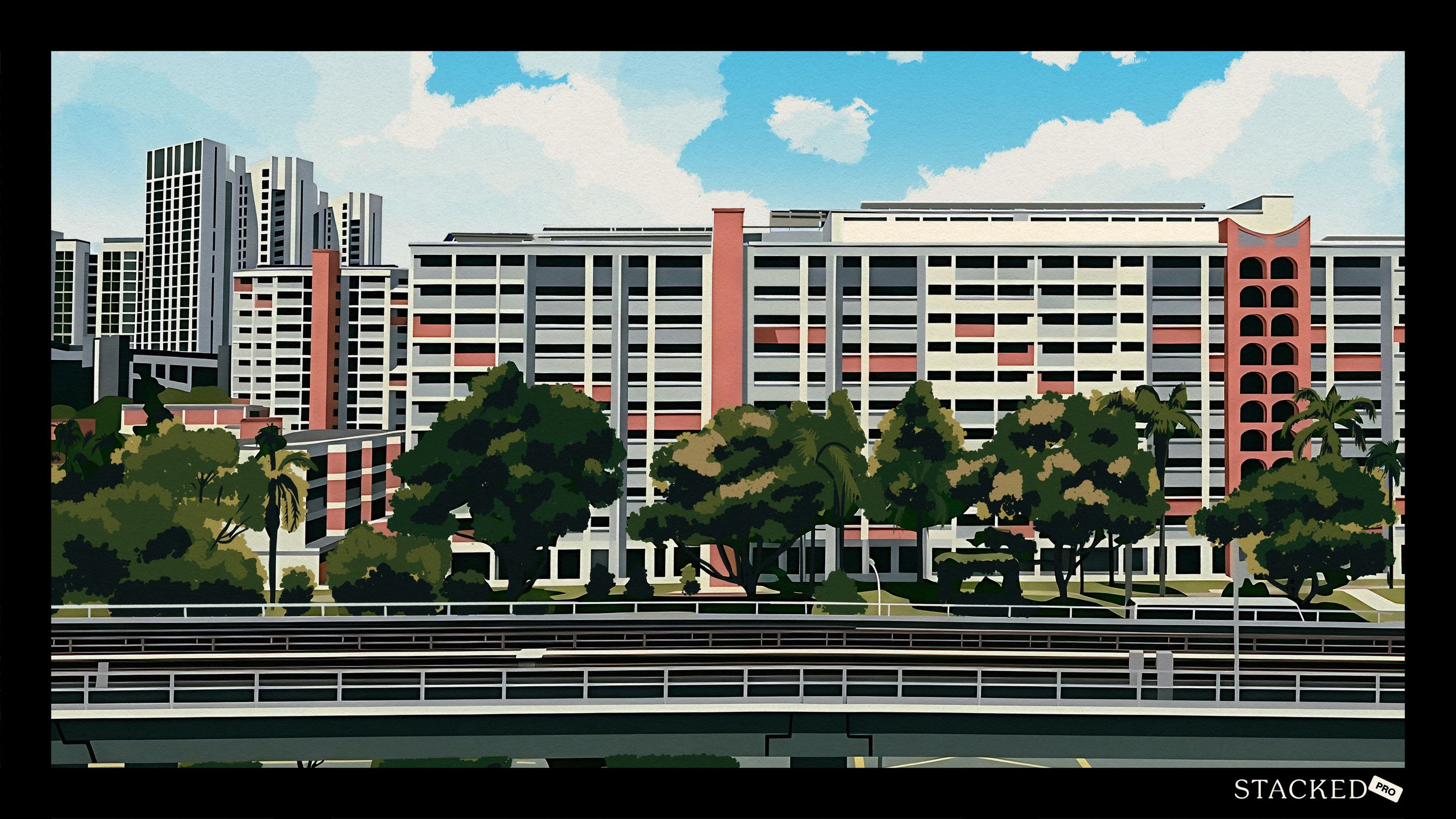
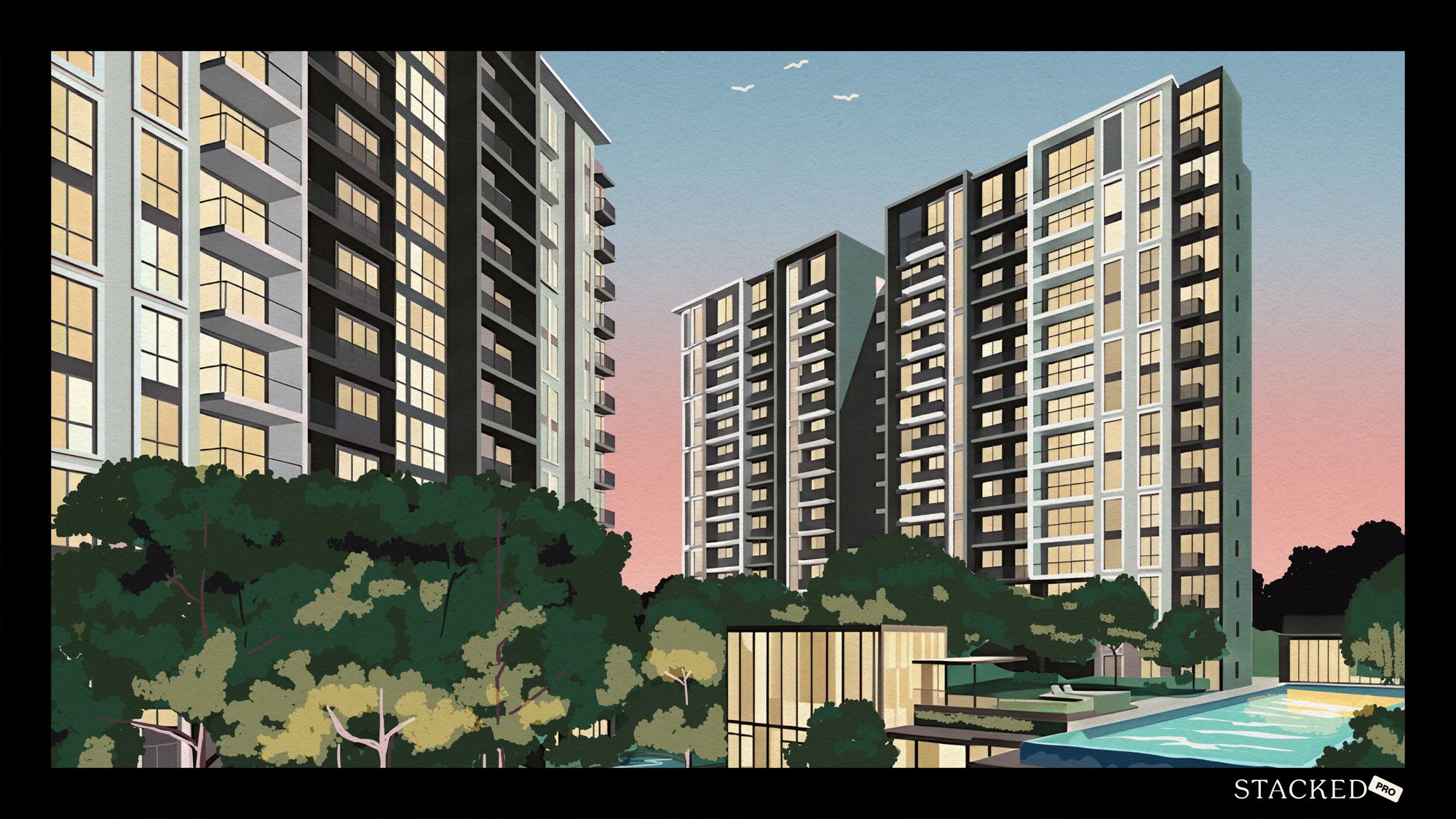
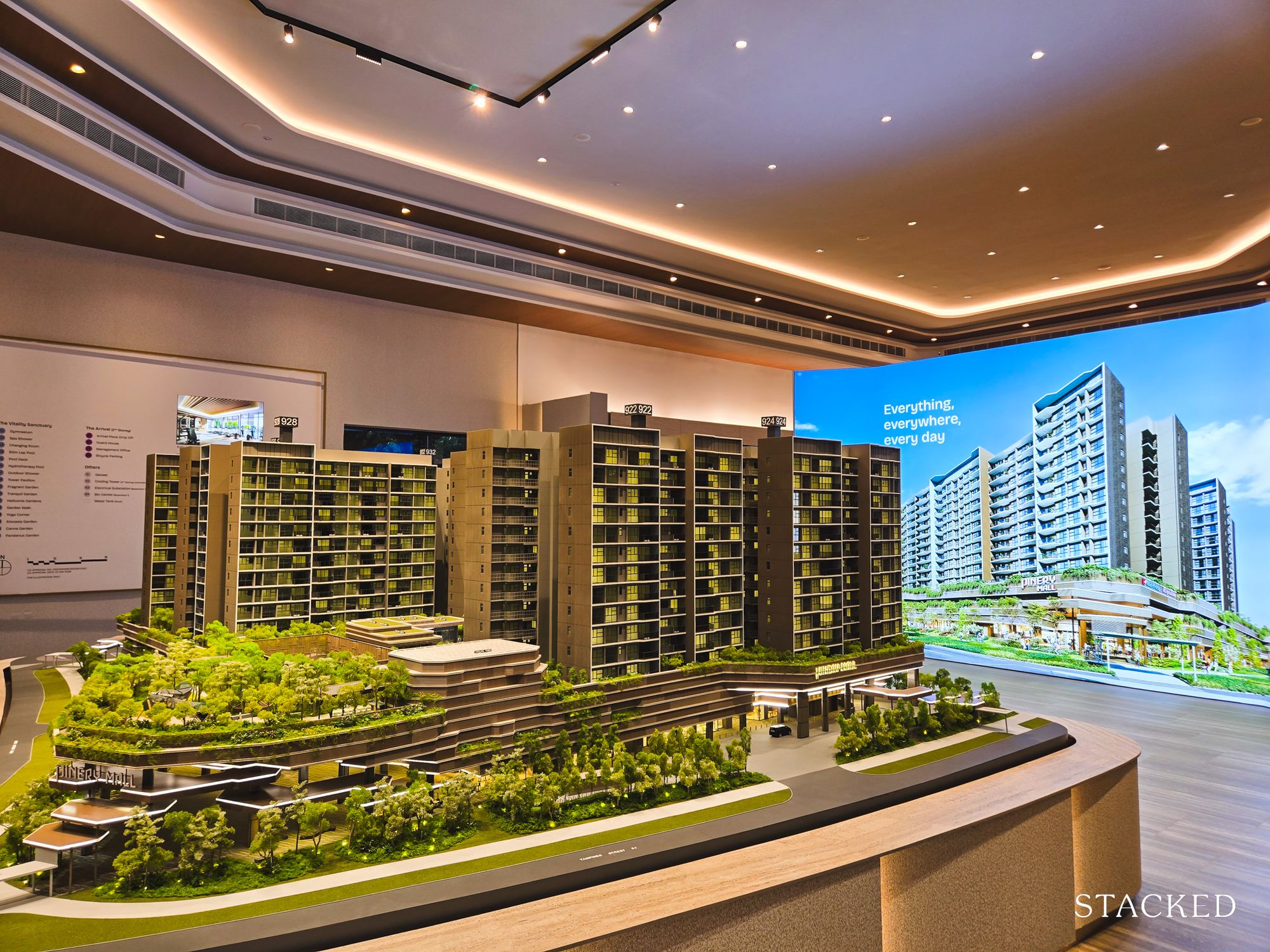
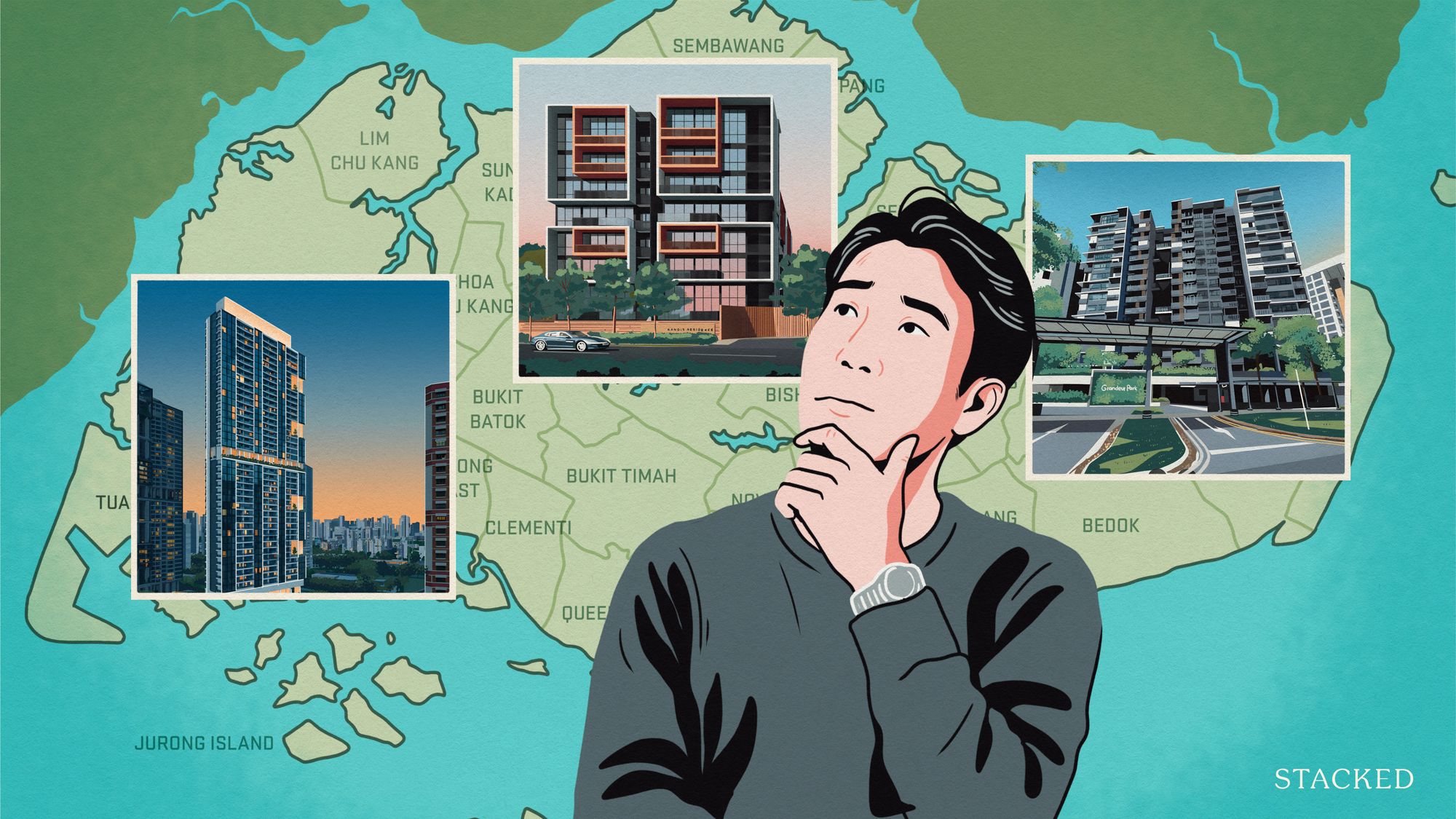
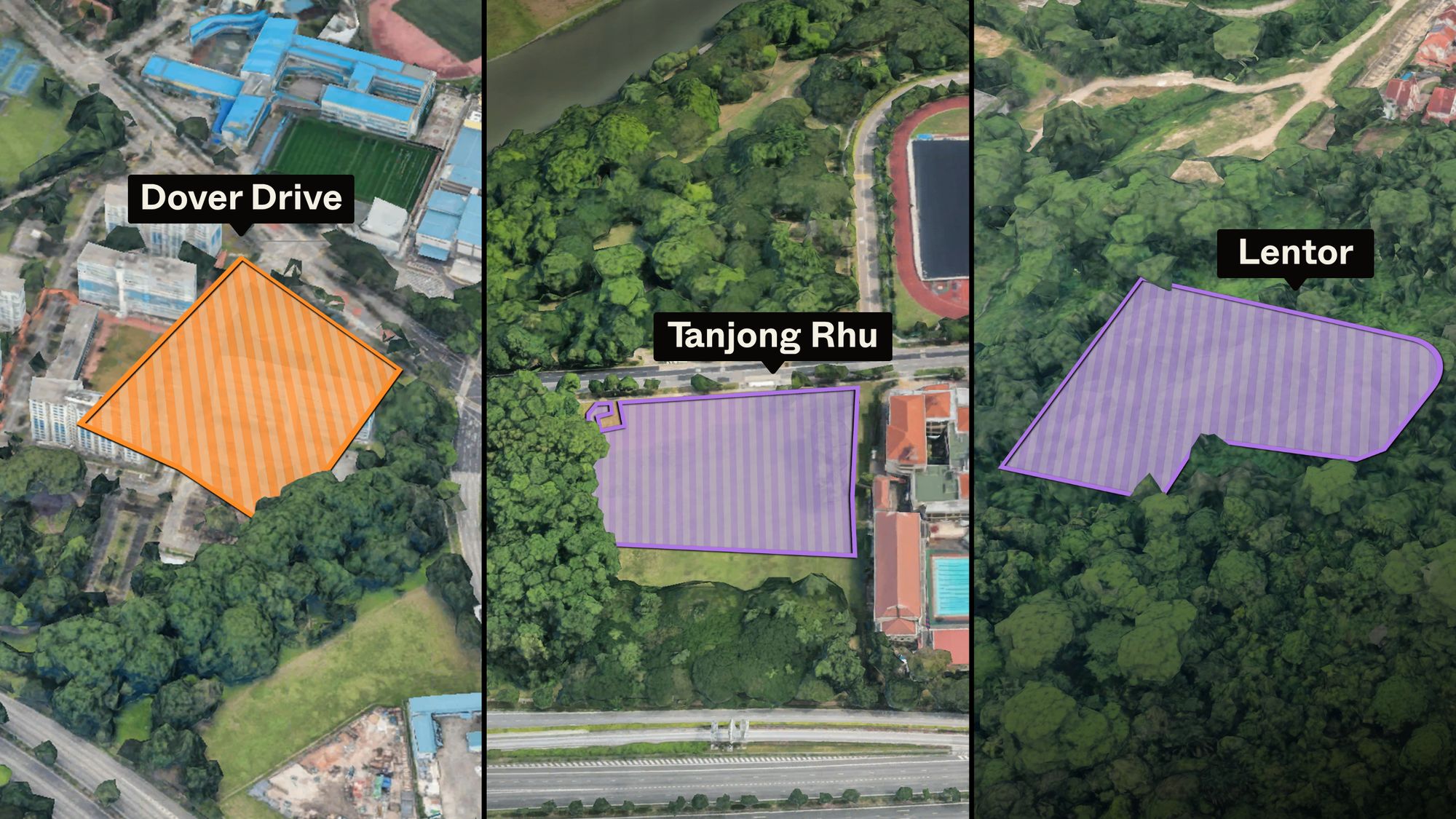
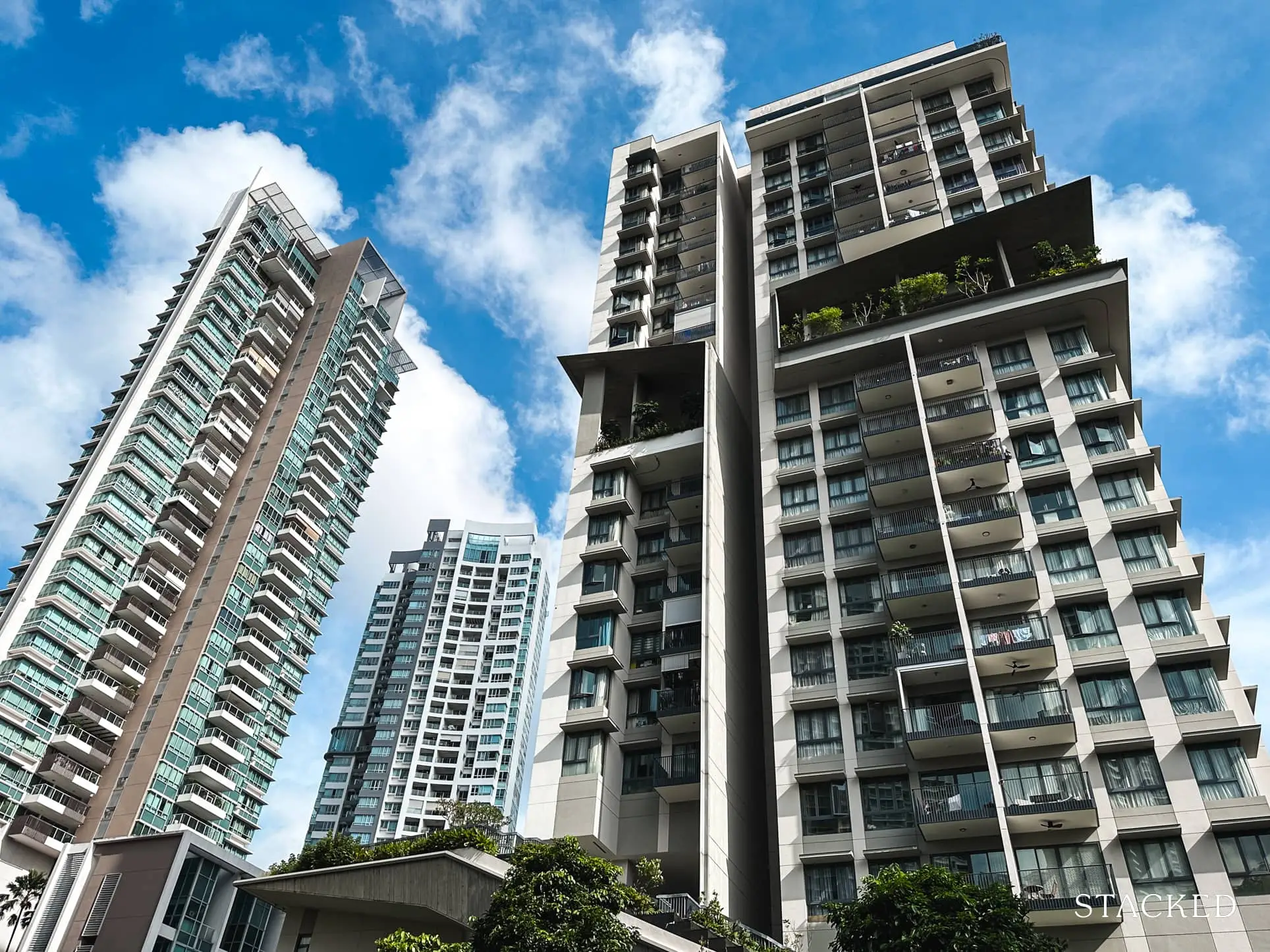
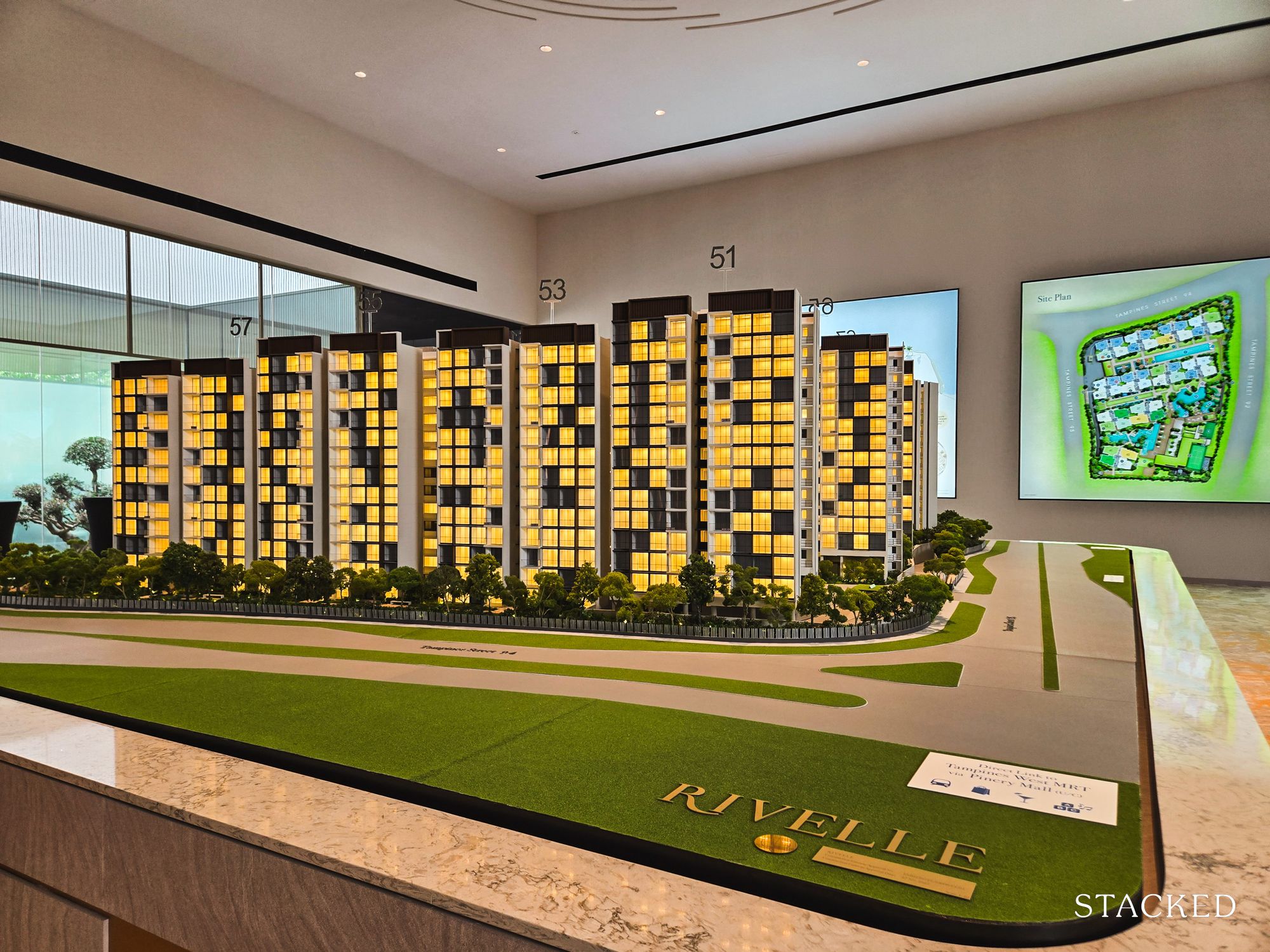
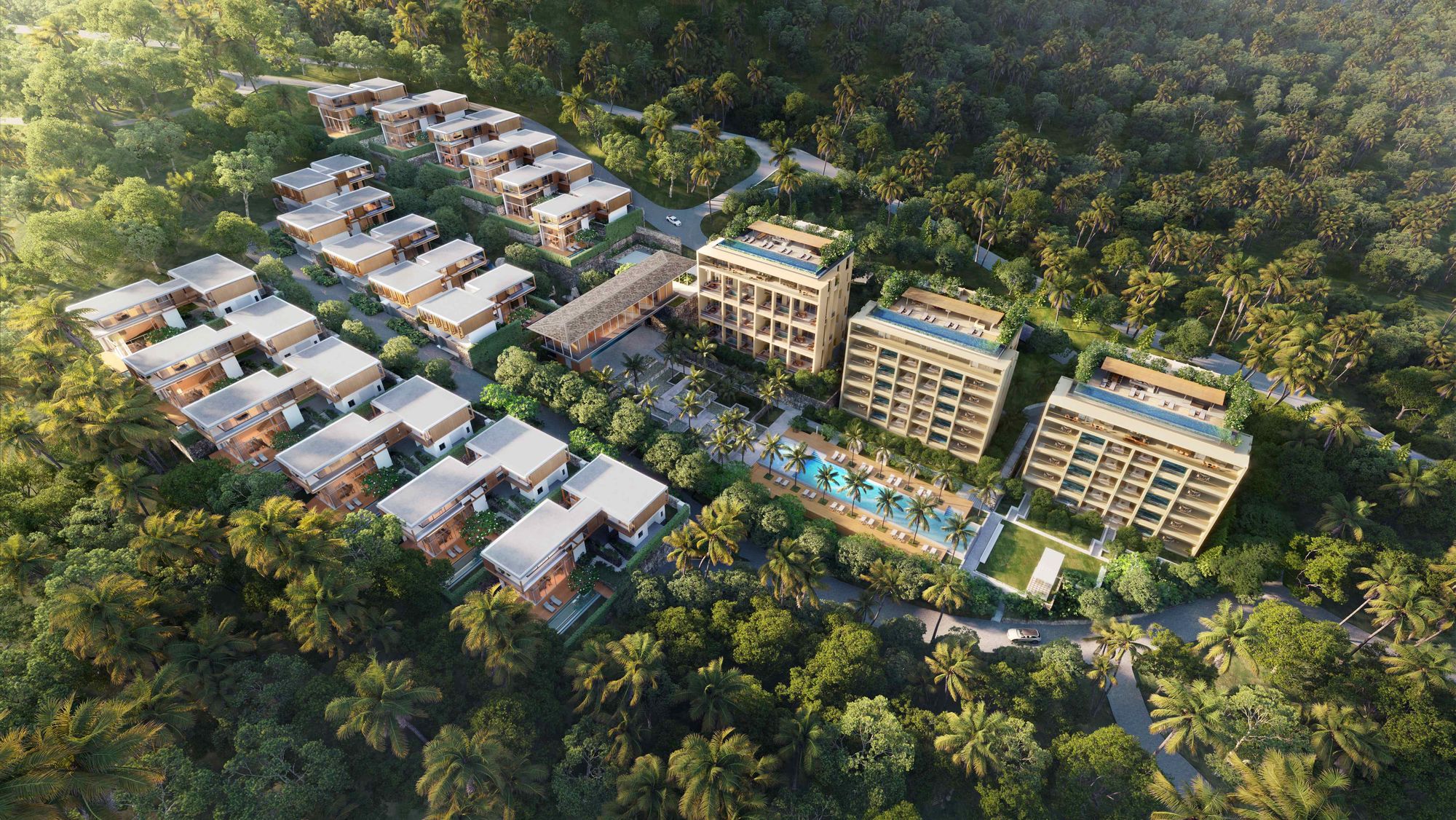
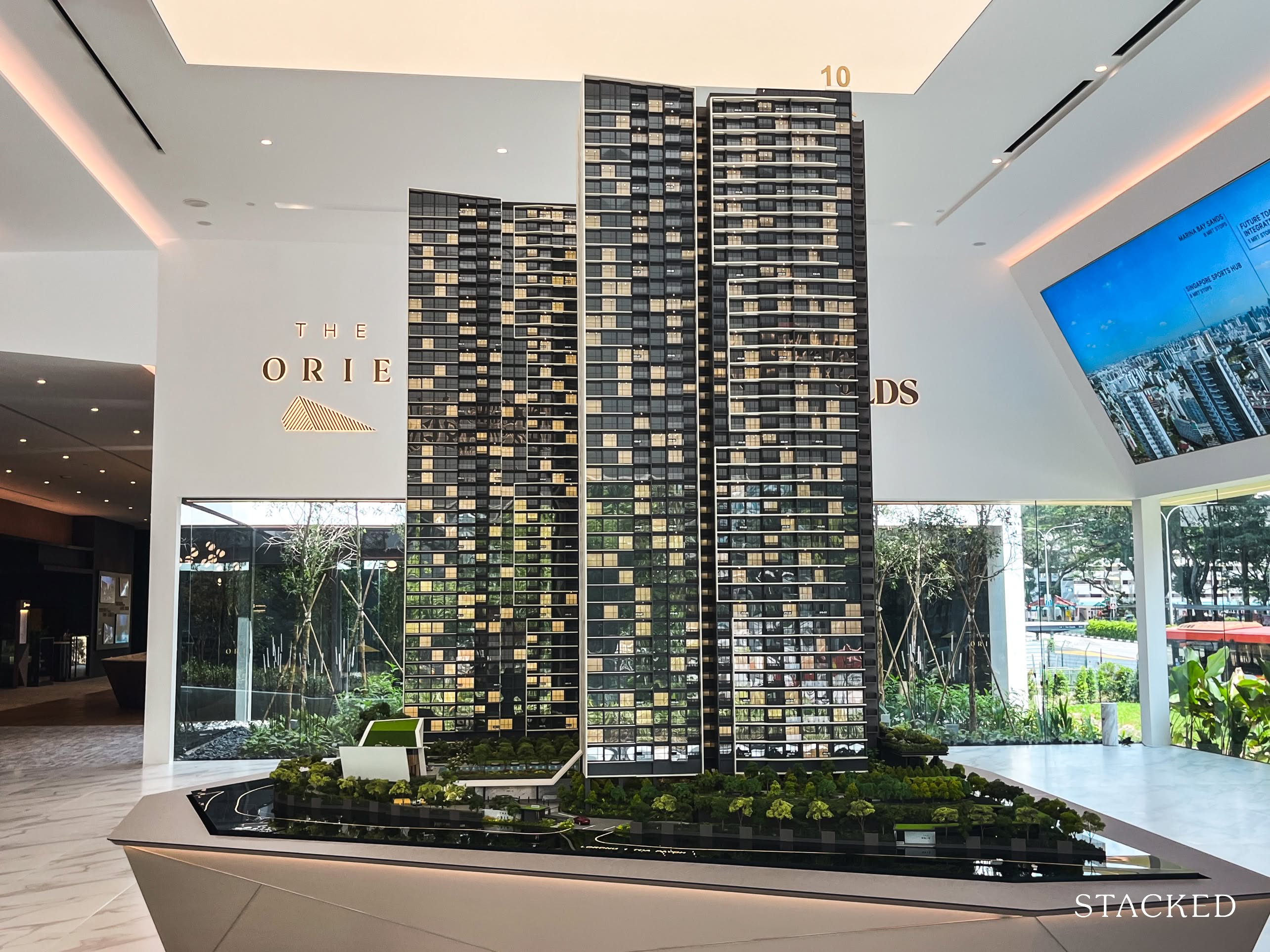
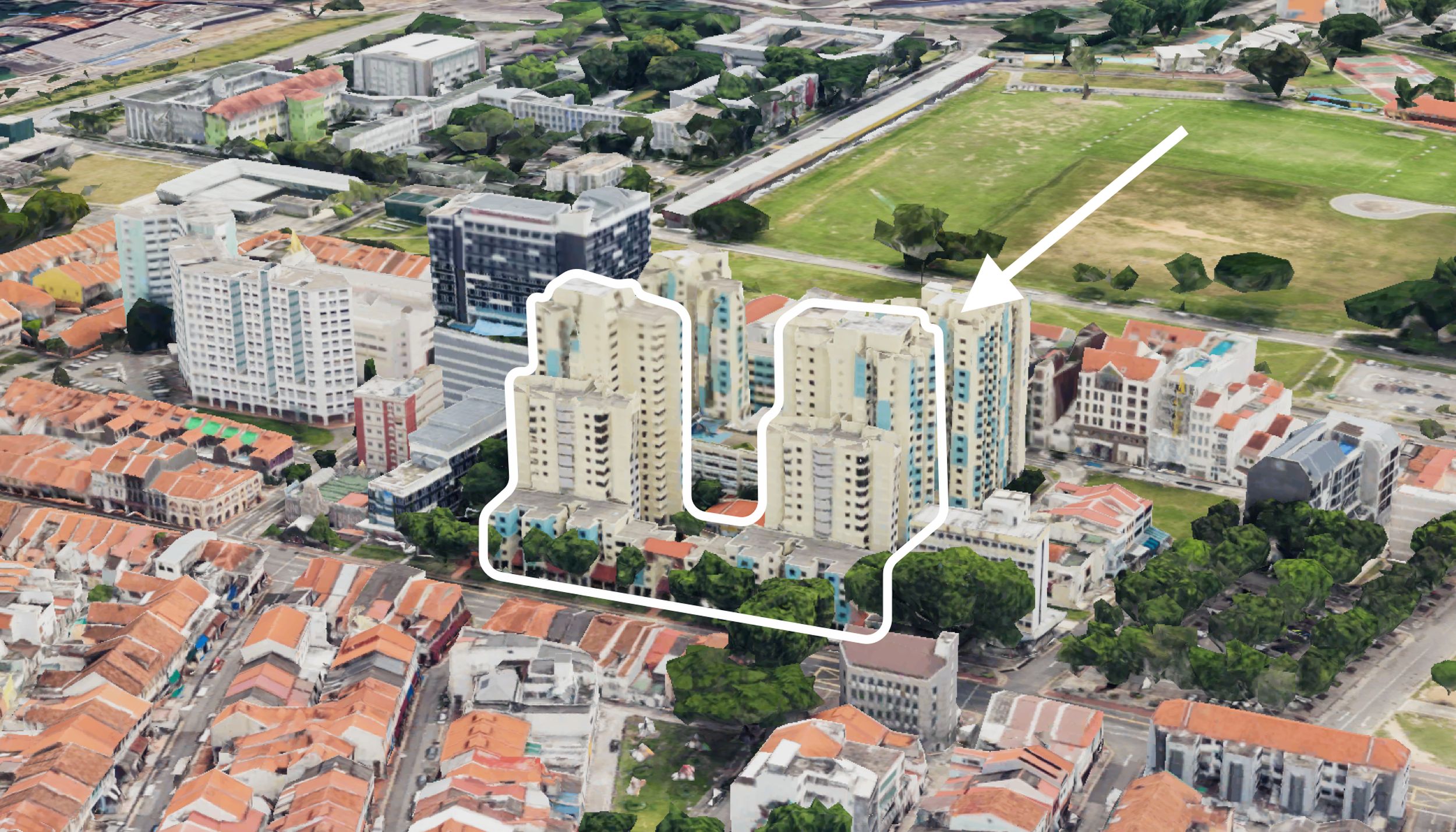
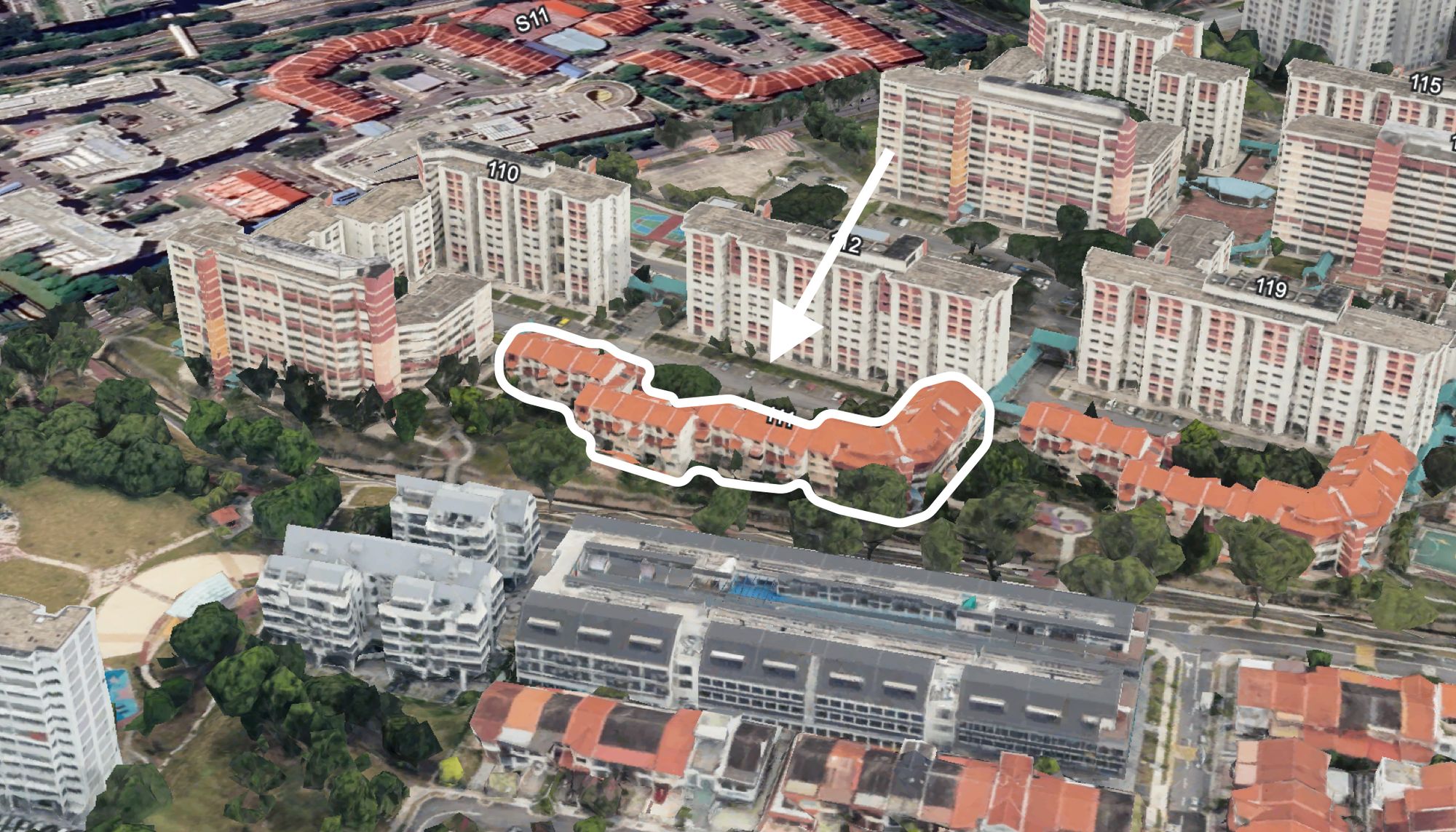
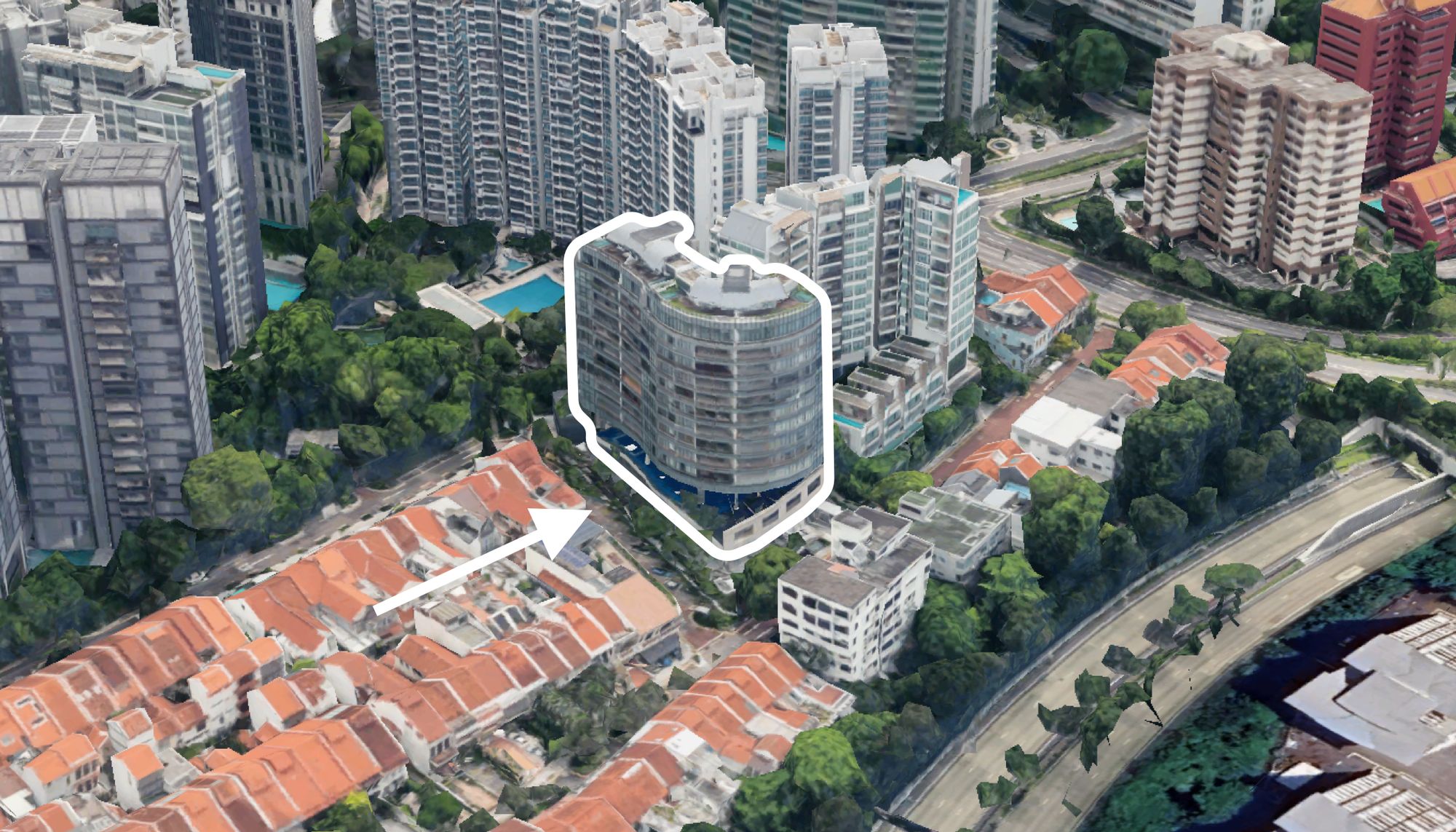
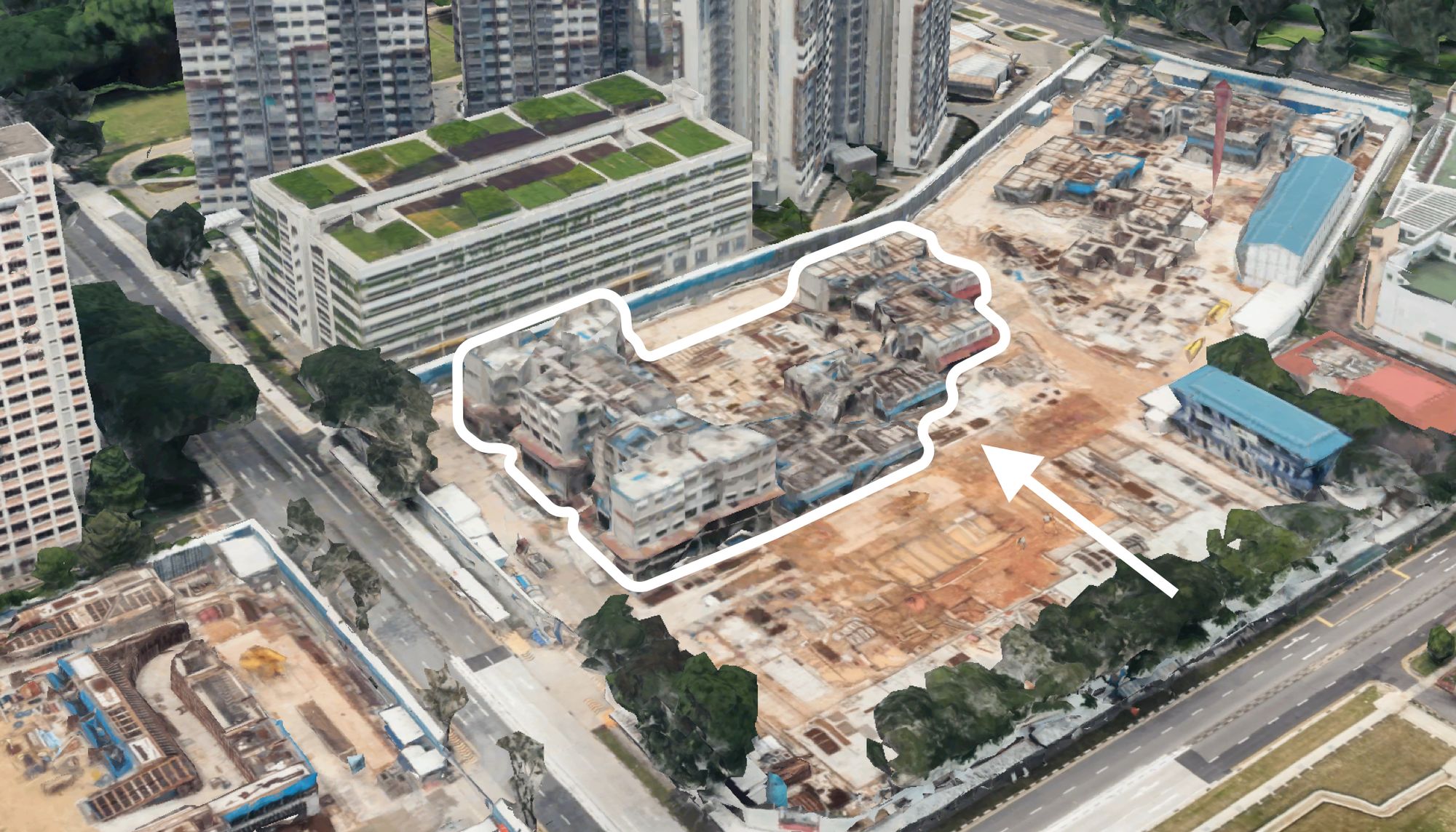







It was a turbulent year for Singapore’s residential property market in 2020, overshadowed by the weight of the Covid-19 pandemic on the economy and society, followed by the knock-on effects on housing construction and completions.
But despite the challenges, there were several headline projects that drew keen buying and investment interest. Over the past few weeks, we’ve taken deep dives into the performance of these 2020-era projects, to see how they’ve fared across the past five roller-coaster years.
Many of these condos share similar qualities. They were launched within the same troubled market cycle, are still relatively new, and have just had enough time in the resale market for transactions to rack up.
Based on our month’s long analysis, here are some of the key lessons we found – many of which go beyond these specific projects.
So many readers write in because they're unsure what to do next, and don't know who to trust.
If this sounds familiar, we offer structured 1-to-1 consultations where we walk through your finances, goals, and market options objectively.
No obligation. Just clarity.
Learn more here.
1. Kandis Residence: When demand is too niche, prices struggle to find support
👉 [Read our full Kandis Residence analysis with Stacked Pro]
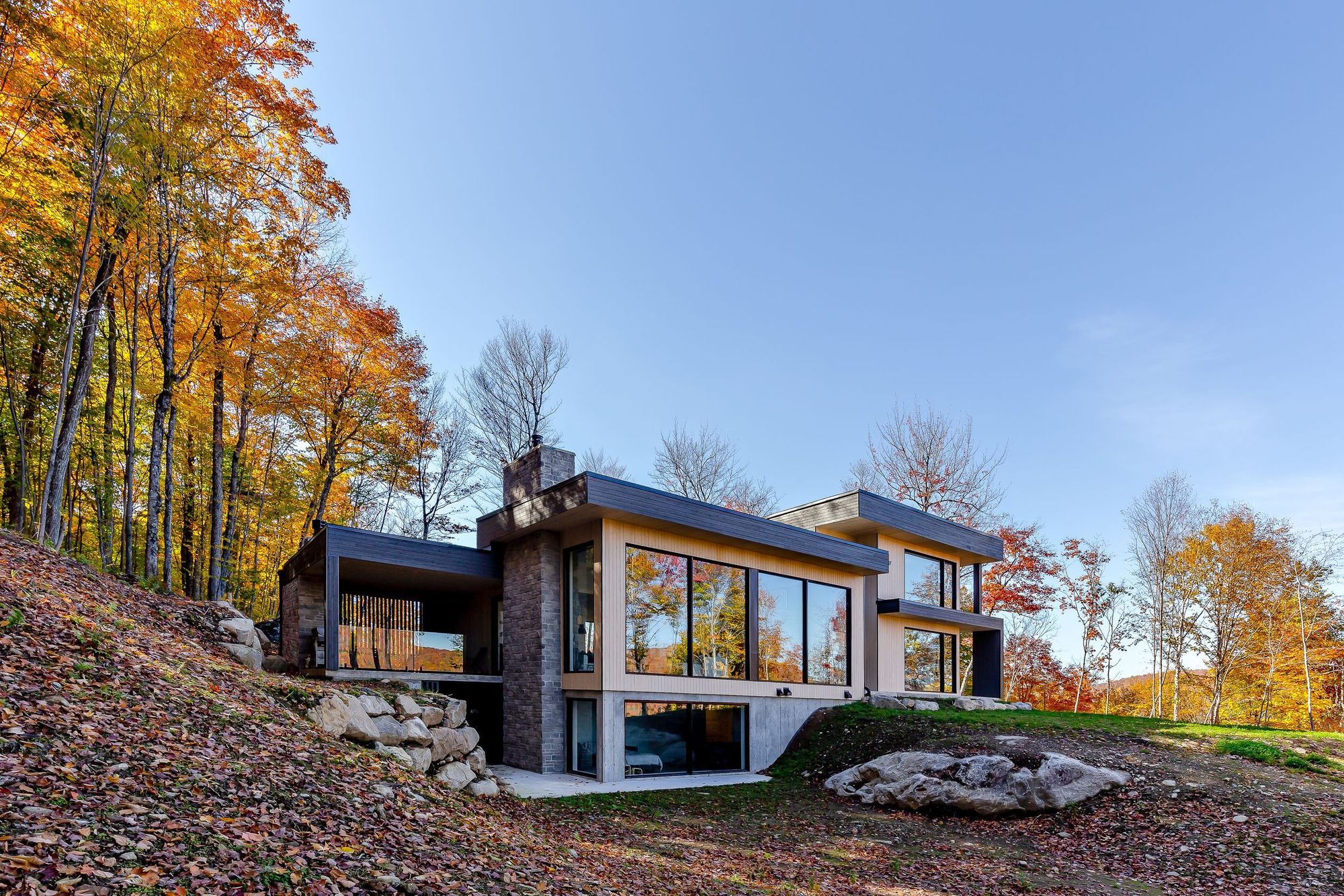
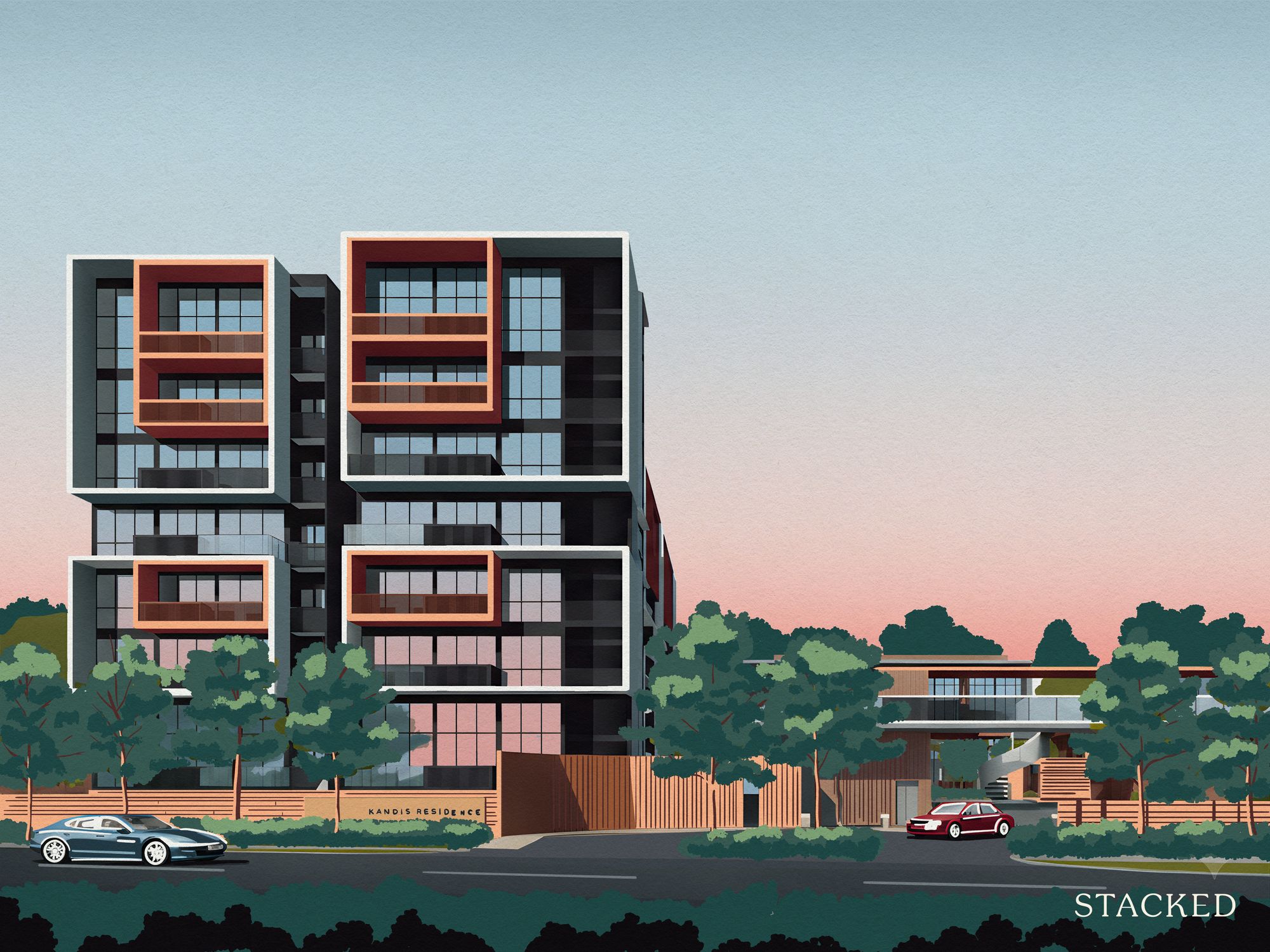
Kandis Residence is a 99-year leasehold condo with 130 units, and the project was completed in 2021. It sits along Kandis Link in District 27, within a landed enclave near Sembawang. This places the development in a particular niche: a small condo in a low-density residential area and catered to buyers who value privacy and exclusivity.
But like most landed enclaves, the characteristics of a locale like this come with drawbacks. In this case, Kandis Residences is far from most of the malls, public transport options like MRT stations. This means accepting a certain loss of convenience and having fewer amenities in the vicinity that are easily accessible by residents.
Indeed, in our analysis, we point out that Kandis Residence is tucked away in a part of District 27 that doesn’t attract a wide buyer pool. It’s certainly not the kind of locale that draws strong rental demand, or investors who want a capitalise on a pool of prospective buyers.
These limitations showed up clearly when we looked at the performance of the condo. Transaction volumes have been thin, with just 27 resale transactions from completion to 2025, and some years saw as few as one deal.
In terms of price movement, the trajectory at Kandis Residence has been muted. Overall gains come in at about 0.77% annualised, while resale performance is weaker at around -1.55% annualised. In short, the development comes well below the District 27 average price growth of roughly 7.2% as well as the broader 99-year leasehold market of around 6.8% to 6.9% over the same period.
Across unit types in the condo, capital returns have generally been modest over a holding period of around eight years.
- One-bedders saw gains of roughly 11% to 12%
- Two-bedders performed the weakest, at about 4% to 6%
- Three-bedders did slightly better, at around 10% to 14%
There was an absence of a breakout point in terms of price growth, even during the market upswing in the post-pandemic period, where a mismatch in housing supply with demand for new homes accelerated prices growth across the housing market – the uptick in price growth at Kandis Residence remained relatively flat.
What happened and did the condo deliver on the promise of its market positioning?
In terms of owner-occupiers, our conclusion is that it did. Kandis Residence delivered on the lifestyle promise when it was launched to buyers. It’s in a quiet, low-density environment; and for home owners who want that kind of living environment, it definitely holds up.
It’s also fair to say that Kandis Residence was never heavily marketed as an investment property. The same qualities that make it appealing also limit the pool of buyers, and this is reflected in its slower price growth and weaker resale performance.
The takeaway here is that when a project appeals to a narrower group of buyers, prices tend to move more slowly, and it may take longer to realise exit strategies. We also see that niche projects may not fully benefit from broader market upswings.
Even during the acceleration in price growth that characterised the housing market in the post-pandemic period, price growth at Kandis Residence remained relatively flat, suggesting that limited demand can override wider market momentum.
2. Artra: Future gains are hampered when the upside gets priced-in
👉 [Read our full Artra analysis with Stacked Pro]
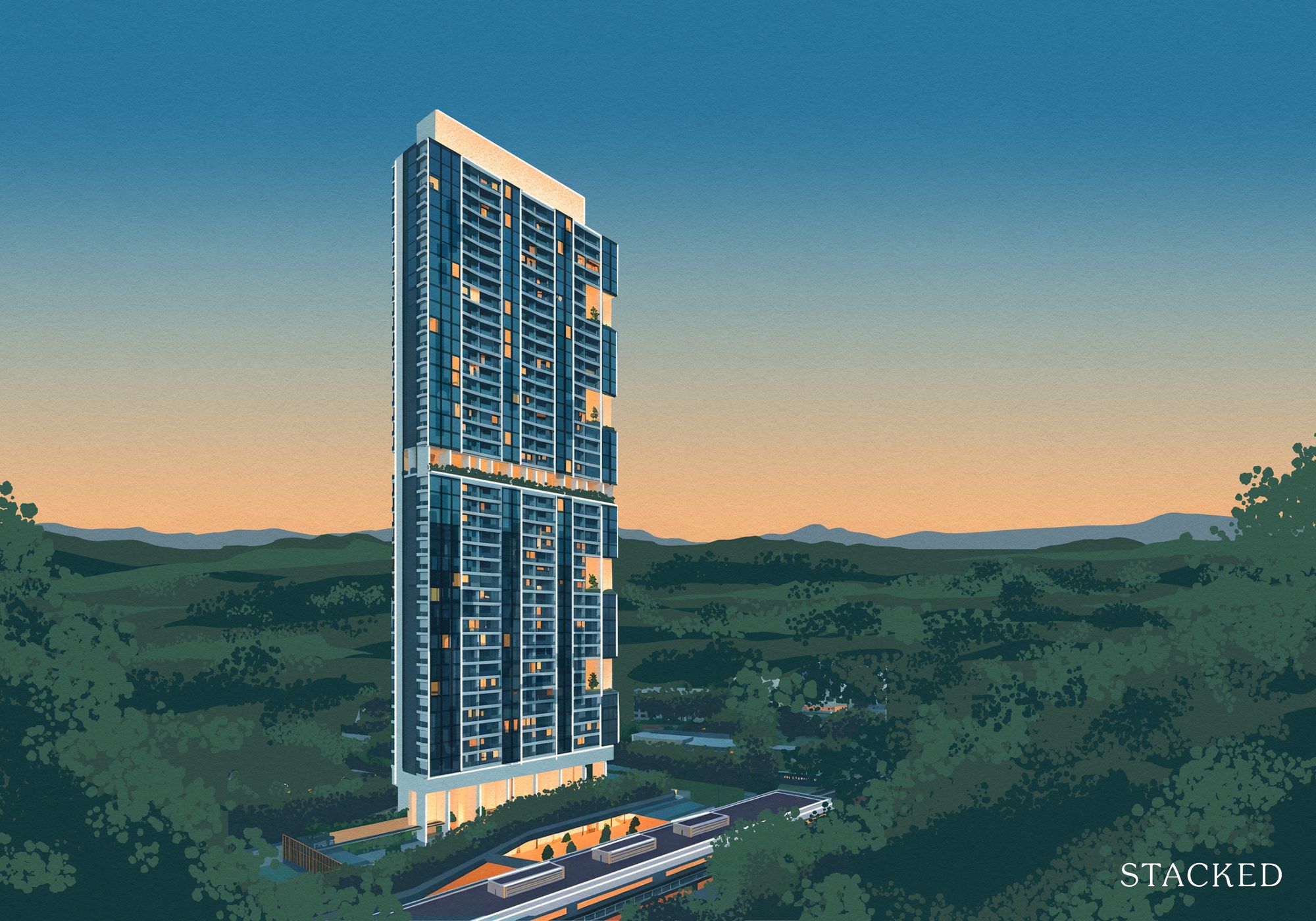
Artra is a mixed-use, 99-year leasehold condo with 400 units that was completed in 2021. The development is located along Alexandra View in District 3 and is next to Redhill MRT station on the East-West Line (EWL).
The condo entered the market in a relatively pricey location in a city-fringe neighbourhood in the Rest of Central Region (RCR), and it’s near established amenities while offering its own retail mix. This project benefits from both convenience and accessibility, and this was reflected in the initial launch performance.
The condo launched for sale at around $1,672 psf in April 2017, which was much higher compared to a district average of $1,230 psf at the time. This higher base price meant there was less room for its resale price to realise further percentage growth.
In our analysis, we also saw that the developer raised the project’s selling price by about 21.8% during the sales period, and the project was fully sold by 2020. There was no real issue finding buyers early on. However, this meant that for some buyers late in the sales period, most of potential price upside was already priced in.
When we look at the resale performance of Artra, price growth was relatively muted.
Annualised gains come in at around 4.5% to 5%, which is respectable but still below the average for District 3 as well as the broader private residential market – prices in the islandwide 99-year leasehold private home market had risen about 6% to 7%+ over the same period.
In terms of capital returns, most buyers fared reasonably well. Two-bedders saw gains of about 24%, while the capital gains for most three-bedders reached around 27%, over a holding period of roughly 5 – 5 ½ years.
However, most of those gains were realised for units that were sold after 2020. This suggests the strong resale performance capitalised on the broad uptick in private property prices in the post-pandemic period, rather than having anything to do with inherent qualities. Artra didn’t see a strong second phase of growth after its completion.
What happened and did it deliver on its promised market potential?
Artra remains one of the most well-located projects in District 3, with strong attributes like its convenience and a steady resale demand. But buyers got what they paid for and what they paid wasn’t cheap.
A large part of the price upside was already captured early on during the initial sales period. What followed later was steady market-tracking growth with no outperformance.
The takeaway here is that when a project starts from a higher price point, much of the future upside may already be built in. In other words, when buyers pay close to what a project is “worth” at launch, future gains tend to be more limited.
3. Grandeur Park Residences: The same project, very different outcomes
👉 [Read our full Grandeur Park Residences analysis with Stacked Pro]
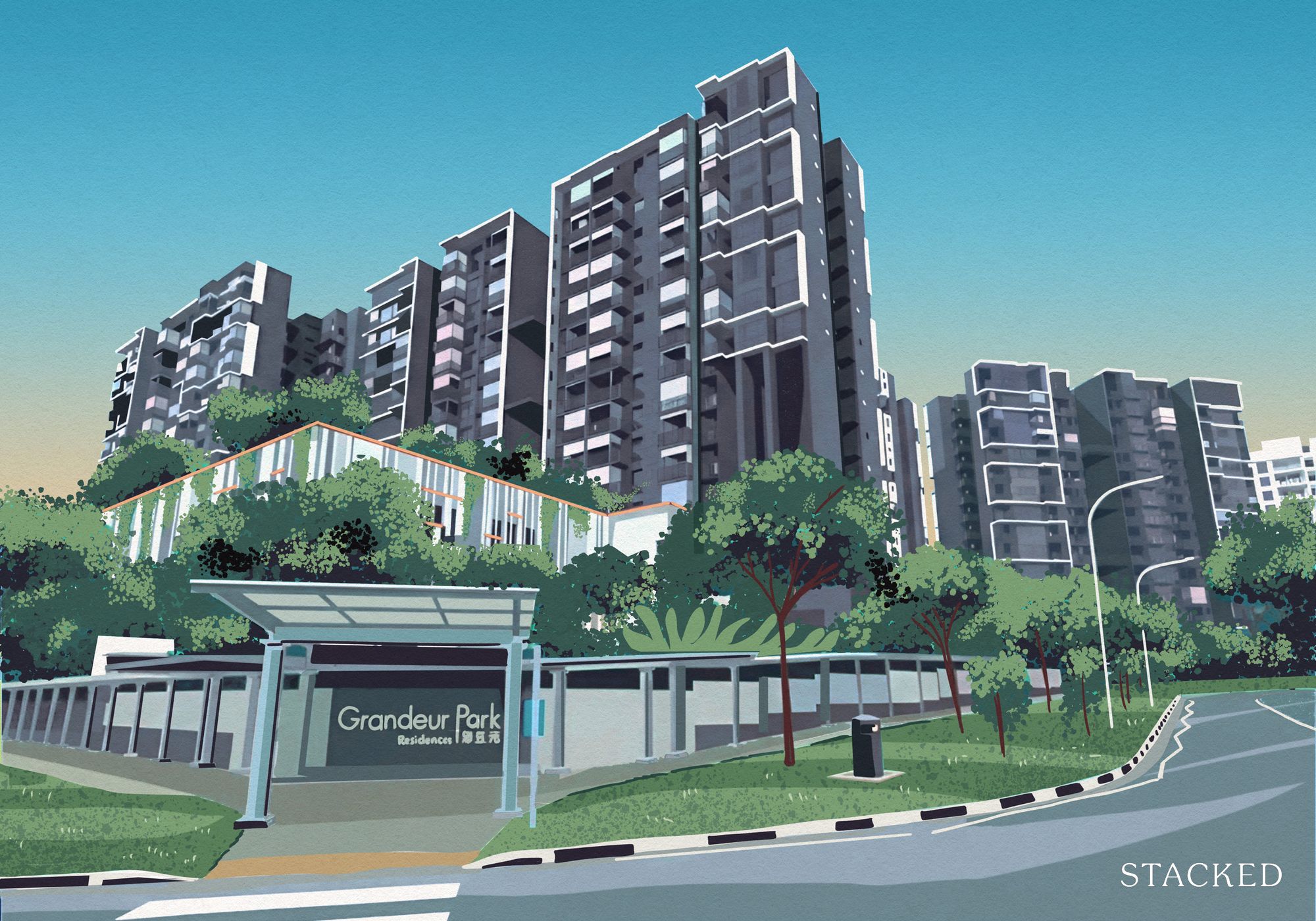
Grandeur Park Residences is a 99-year leasehold condo with 720 units, which was completed in 2021. It’s located along Bedok South Avenue 3 in District 16 and is close to Tanah Merah MRT station on the EWL.
When it hit the market in March 2017, Grandeur Park was positioned as a value buy – This was a sensible, mass-market project with good MRT access, efficient layouts, and a price point that was in the sweet spot for HDB upgraders. Its appealing proposition was reflected in its launch performance.
About 58% of units were sold over the launch weekend, and close to 84% were sold within the first year (this was a very fast pace for such a large condo at the time).
Subsequently, unlike Kandis Residence where most units underperformed, or Artra where results were relatively consistent, different buyers and owners at Grandeur Park Residences walked away with very different transaction results.
Buyers who entered earlier, such as during the initial launch phase, reaped stronger prices and more consistent returns. These new sale to resale transactions make up the bulk of the profitable deals, with most falling within a 21% to 27% return on investment (ROI) range.
Those who bought units later, particularly in the resale market, saw more varied outcomes. In these cases, ROI tends to fall closer to the low- to mid-teens range, with some transactions seeing returns of around 12% to 15%.
In addition, lower price quantum units, particularly one- and two-bedders, were easier to move during the sales launch and attracted a larger pool of buyers. However, they were more sensitive to price competition from nearby projects. In terms of returns, these smaller units typically saw gains of 21% to 24% in their ROI.
On the other hand, larger units had fewer buyers but sometimes saw stronger capital gains. Three- and four-bedders recorded ROI’s of approximately 24% to 27%, with higher absolute price gains. These larger units were bought at a lower $PSF relative to nearby units in their segment, which gave them more room for their resale prices to appreciate.
What happened and did the condo achieve its growth potential?
In general, yes. Grandeur Park provides a well-located, practical home that still sees steady gains. But it also highlights something important: even within the same project, outcomes can vary quite a bit depending on your entry point.
This shows that it’s not just about choosing the so-called “right” project, but also about being quick enough to move when prices are competitive. This matters even in a larger condo with a higher unit count – buyers who bought units earlier consistently saw stronger resale outcomes, even within the same development.
4. Park Colonial: When clever observation of land pricing leads to gains
👉 [Read our full Park Colonial analysis with Stacked Pro]
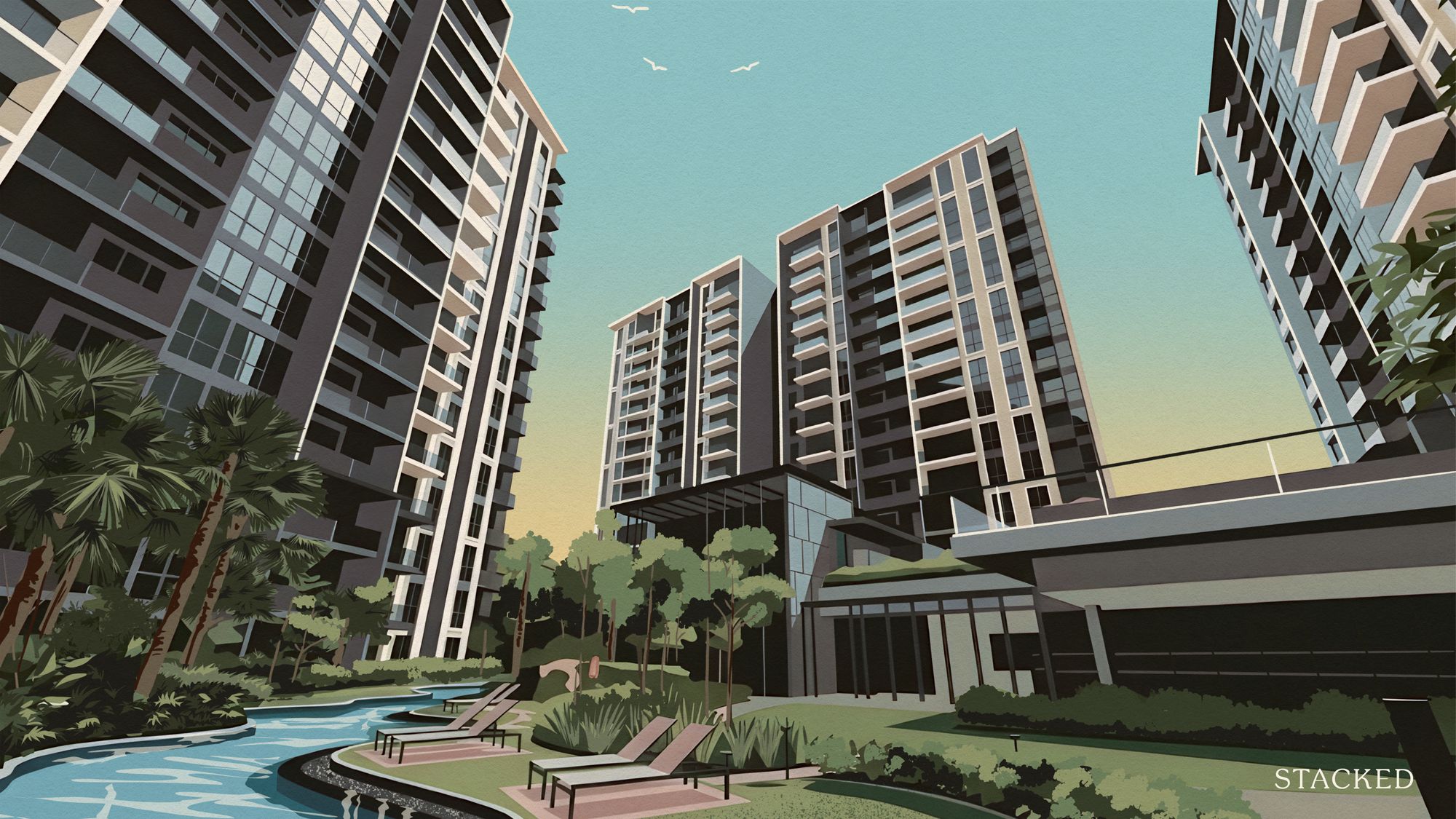
Park Colonial is a 99-year leasehold condo with 805 units, and it was completed in 2021. It’s located along Woodleigh Lane in District 13 next to Woodleigh MRT station on the North-East Line (NEL), and it is directly across from The Woodleigh Residences, an integrated development.
From the start, Park Colonial was positioned as the more affordable alternative within the Woodleigh residential cluster. Its land price was known to be lower than that of Woodleigh Residences, which would soon appear across the road. Park Colonial would thus benefit from the public amenities at Woodleigh Residences’ – namely the shopping mall – but it wouldn’t come with the price premium associated with new integrated developments.
The expectation came through in terms of its launch pricing. Park Colonial launched at around $1,748 psf, compared to about $2,033 psf for The Woodleigh Residences. The gap was significant enough to draw buyers toward Park Colonial, while still allowing it to benefit from the locational attributes and conveniences.
Over time, this price gap narrowed. By 2025, average resale prices at Park Colonial were about $2,266 psf, while the average resale price at Woodleigh Residences was about $2,446 psf.
In other words, Park Colonial managed to “catch up” to some extent, albeit never overtaking the benchmark set by Woodleigh Residences.
Across unit types, gains were strong, particularly for family-sized units.
Three-bedders saw price growth of about 43% to 48%, while four-bedders were in a similar range. Even smaller units still saw gains of around 17% to 27%, depending on their initial purchase price.
However, early price movement was relatively modest, clocking about 7% to 12% growth from launch to the 2020/2021 period. Most of the capital gains came later, after Woodleigh Residences was completed and set higher benchmark resale prices for the area. From 2020 to 2025, prices at Grandeur Park Residences rose by a further 8% to 13% for one- and two-bedders, but a much more significant 27% to 28% for three- and four-bedders.
So, Park Colonial’s growth was not driven purely by the project itself, but both supported and capped by Woodleigh Residences across the road.
What happened and did it deliver on its promise nonetheless?
Park Colonial successfully positioned itself as the more affordable new project alternative for buyers keen to own a private home in the Woodleigh area. It benefited from the proximity to the MRT, the Woodleigh Mall, and the broader transformation of the Bidadari HDB estate, without needing to command the same price as the integrated development next door.
But this also defines its limits. Because it plays the role of the “more affordable alternative,” it’s perpetually anchored below The Woodleigh Residences. To remain attractive, it has to stay cheaper, which creates a ceiling on how far prices can move.
The takeaway here is that a project doesn’t always need to lead the market to perform well. Sometimes, being well-positioned next to a stronger benchmark is enough. While nearby developments can help lift prices, they can also create a natural ceiling. In this case, Park Colonial benefits from its proximity to a stronger benchmark but remains positioned just below it to stay attractive.
What do these four projects tell us in general?
Across all four projects, we see that most developments behaved in line with how they were positioned at launch. Value projects remained value-driven, niche projects stayed niche, etc. Even exceptionally well-located projects tended to track the broader market rather than outperform it.
All four condos were launched in roughly the same period, are of similar age today, and went through the same post-Covid market conditions; but we can see their outcomes were very different.
So, price growth is not just about choosing a “good” project. Beyond quality, we need to analyse how that project is positioned, priced, and timed regarding its surroundings. In the end, these factors tend to matter more than any single major selling point.
At Stacked, we like to look beyond the headlines and surface-level numbers, and focus on how things play out in the real world.
If you’d like to discuss how this applies to your own circumstances, you can reach out for a one-to-one consultation here.
And if you simply have a question or want to share a thought, feel free to write to us at stories@stackedhomes.com — we read every message.
Frequently asked questions
What does the performance of Kandis Residence indicate about niche market condos?
How does the initial sale price affect future gains for condos like Artra?
What can be learned from the different resale outcomes within Grandeur Park Residences?
How does the land pricing strategy influence gains at Park Colonial?
What general lesson can be drawn from the performance of these 2020-era condos?


0 Comments