


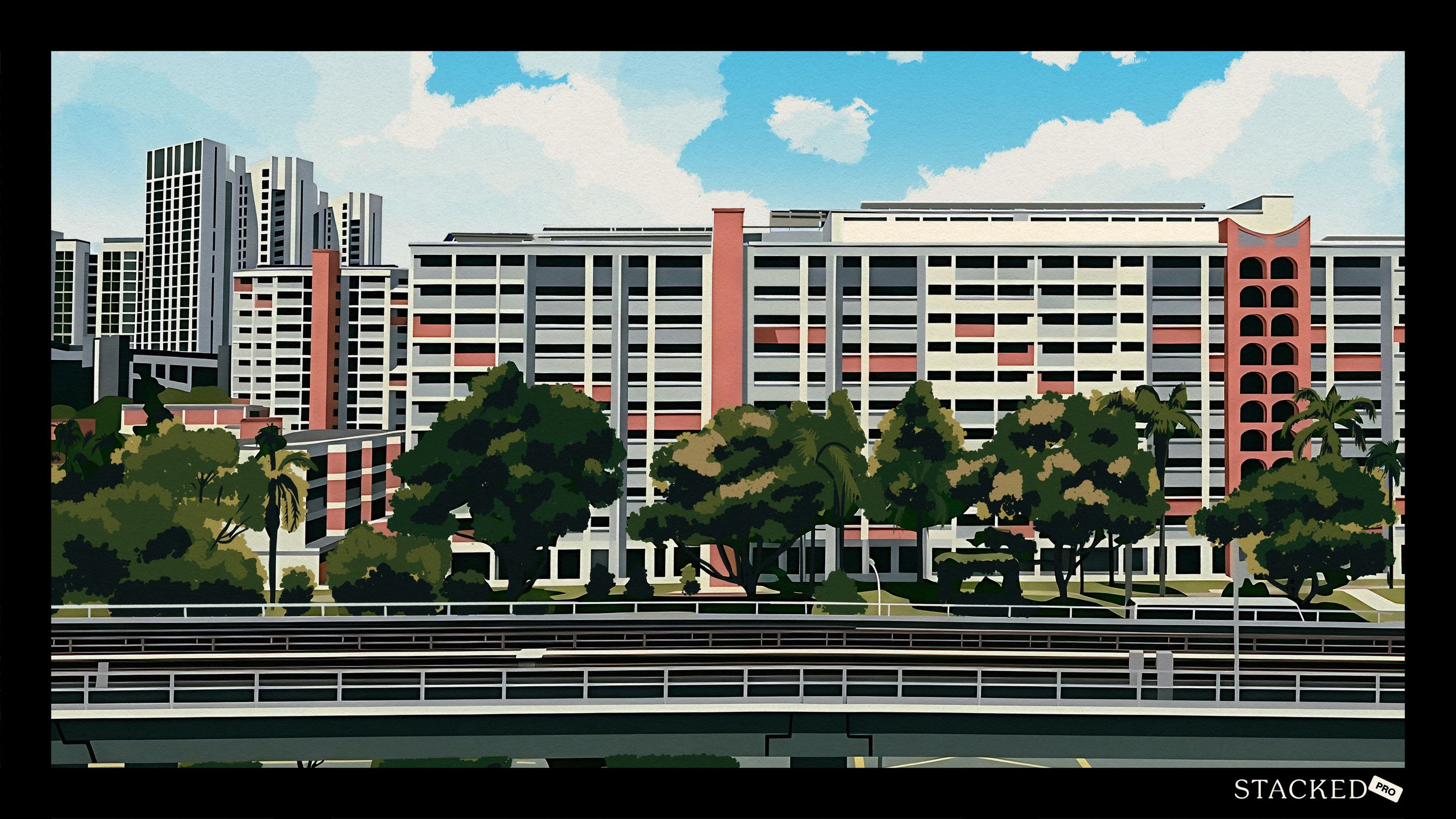
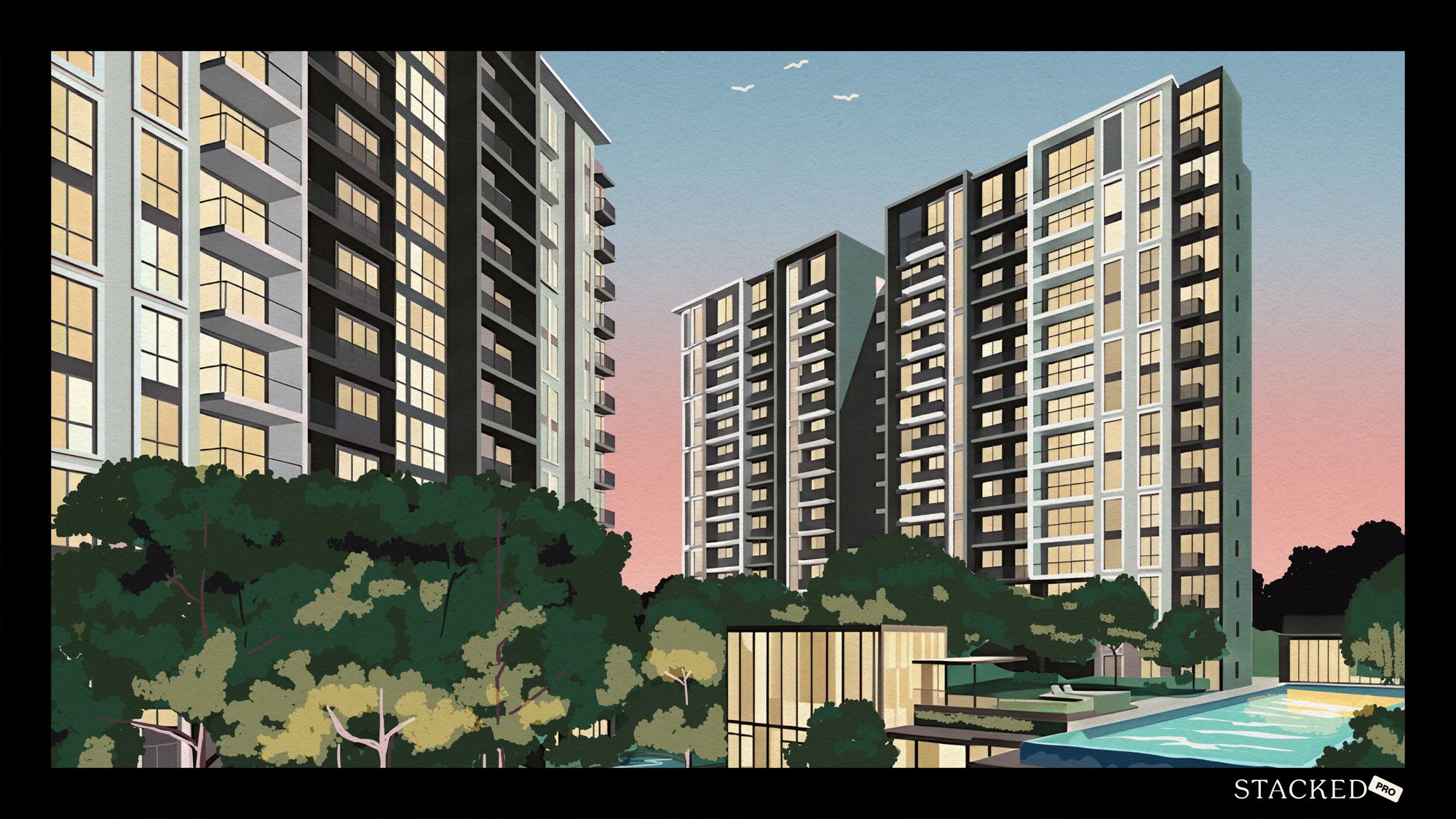
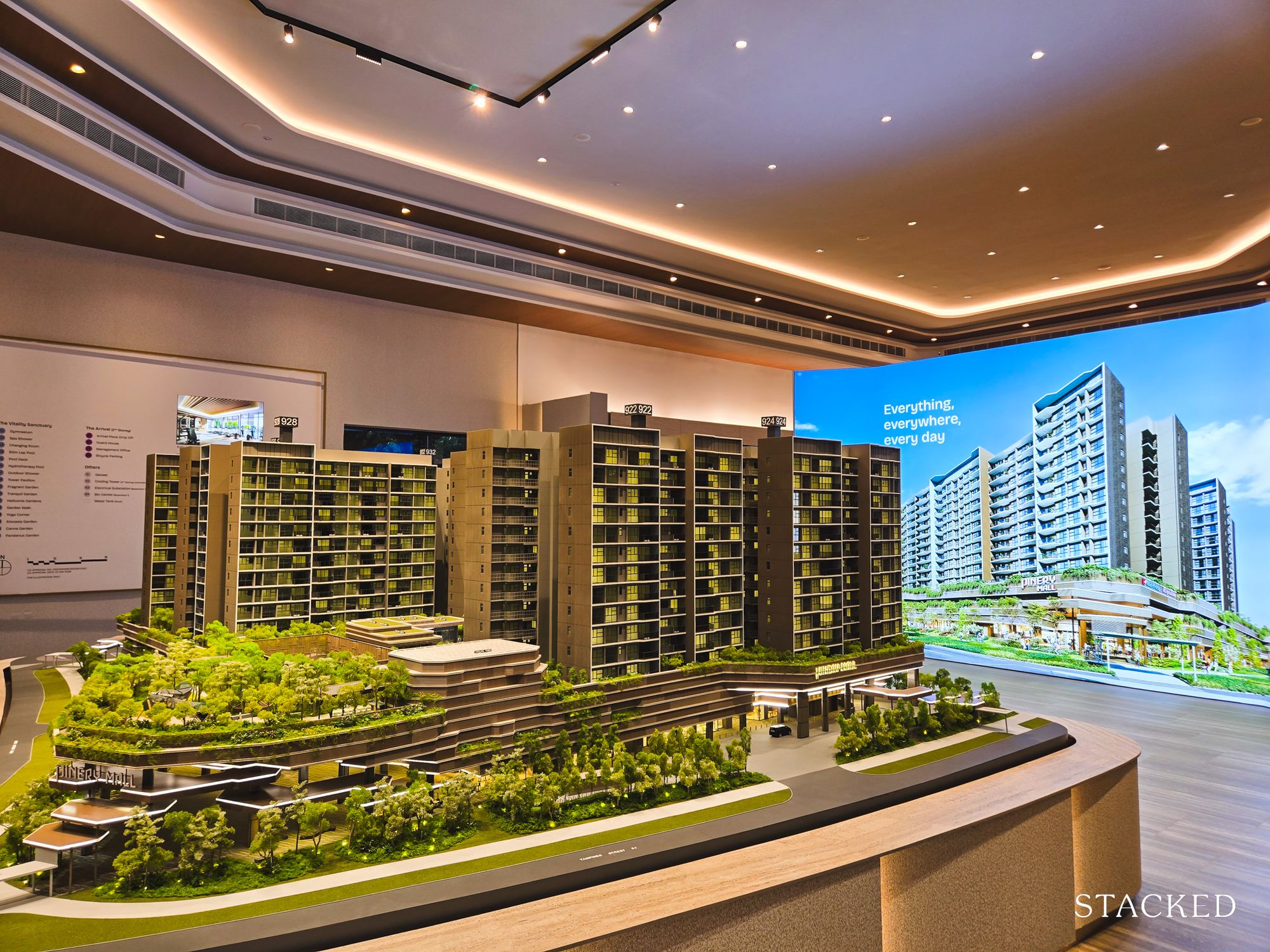
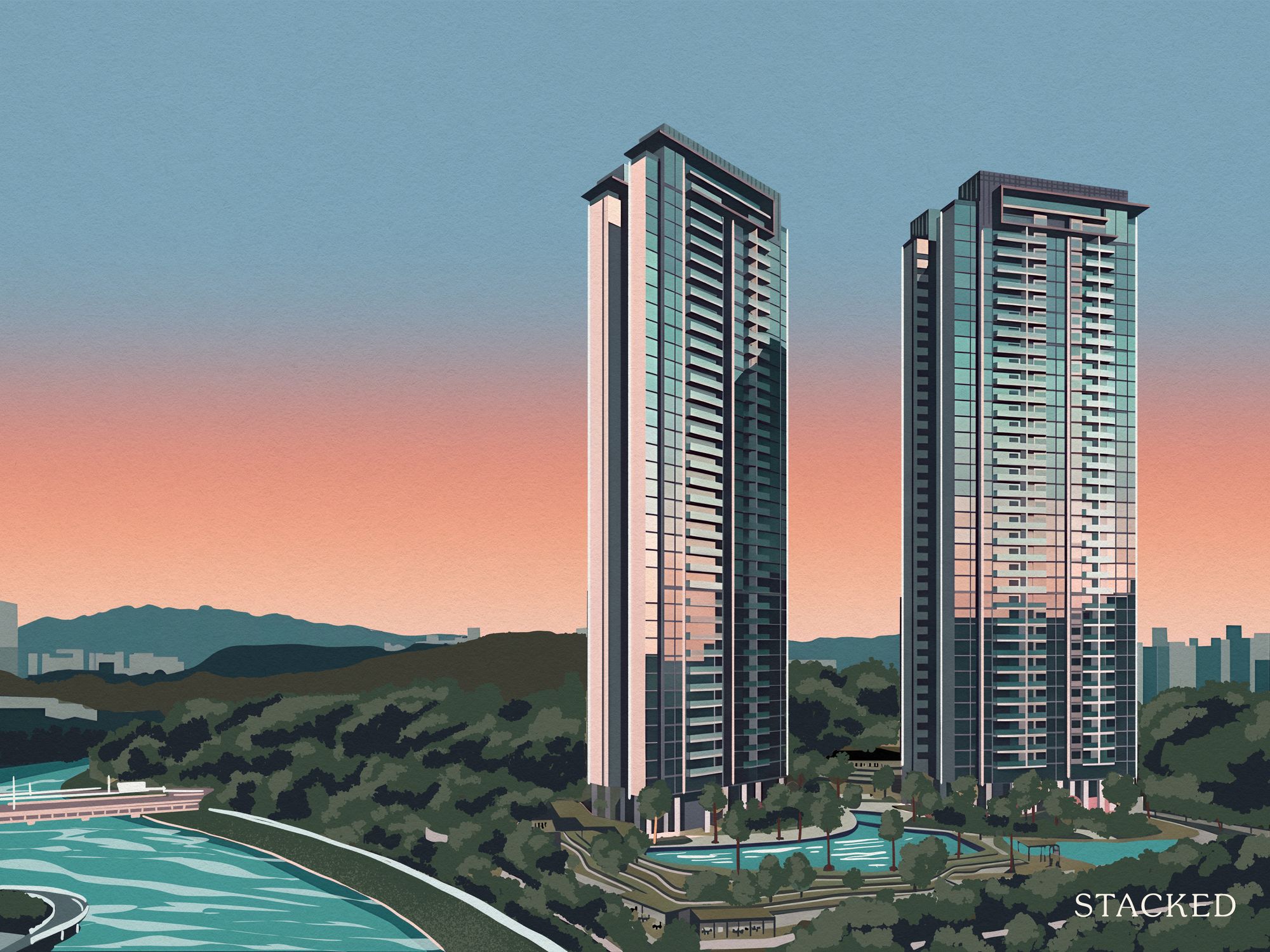

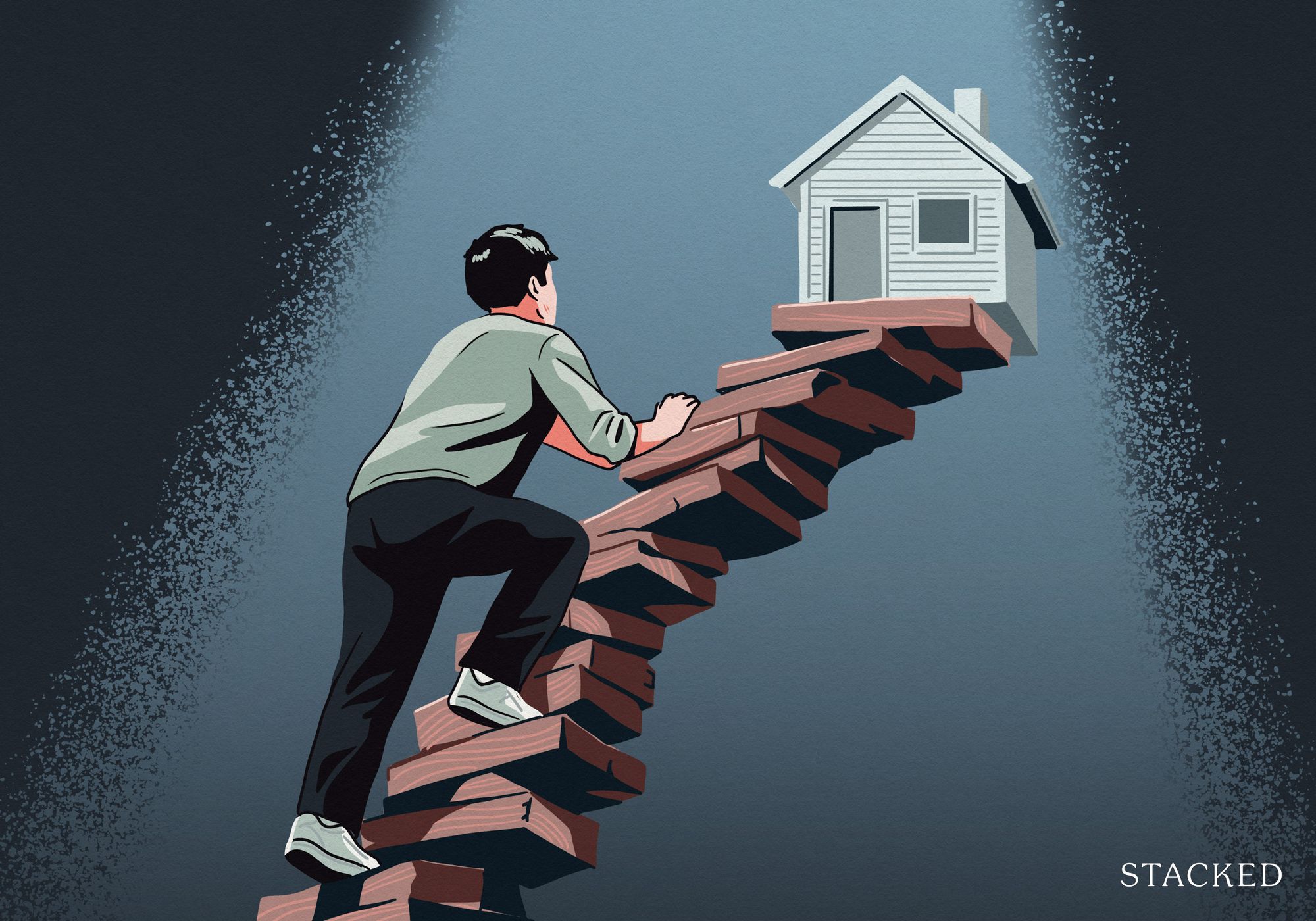
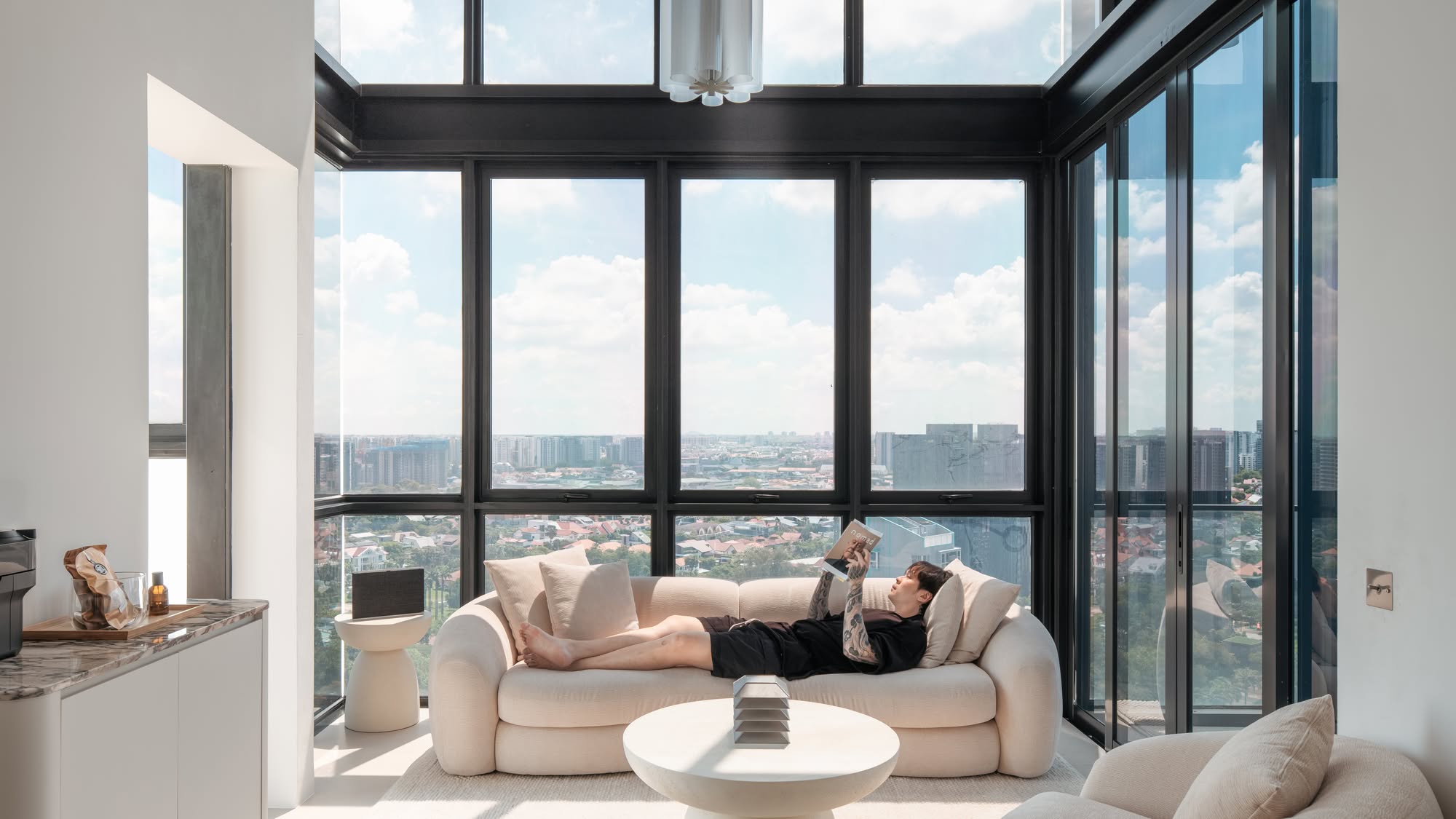
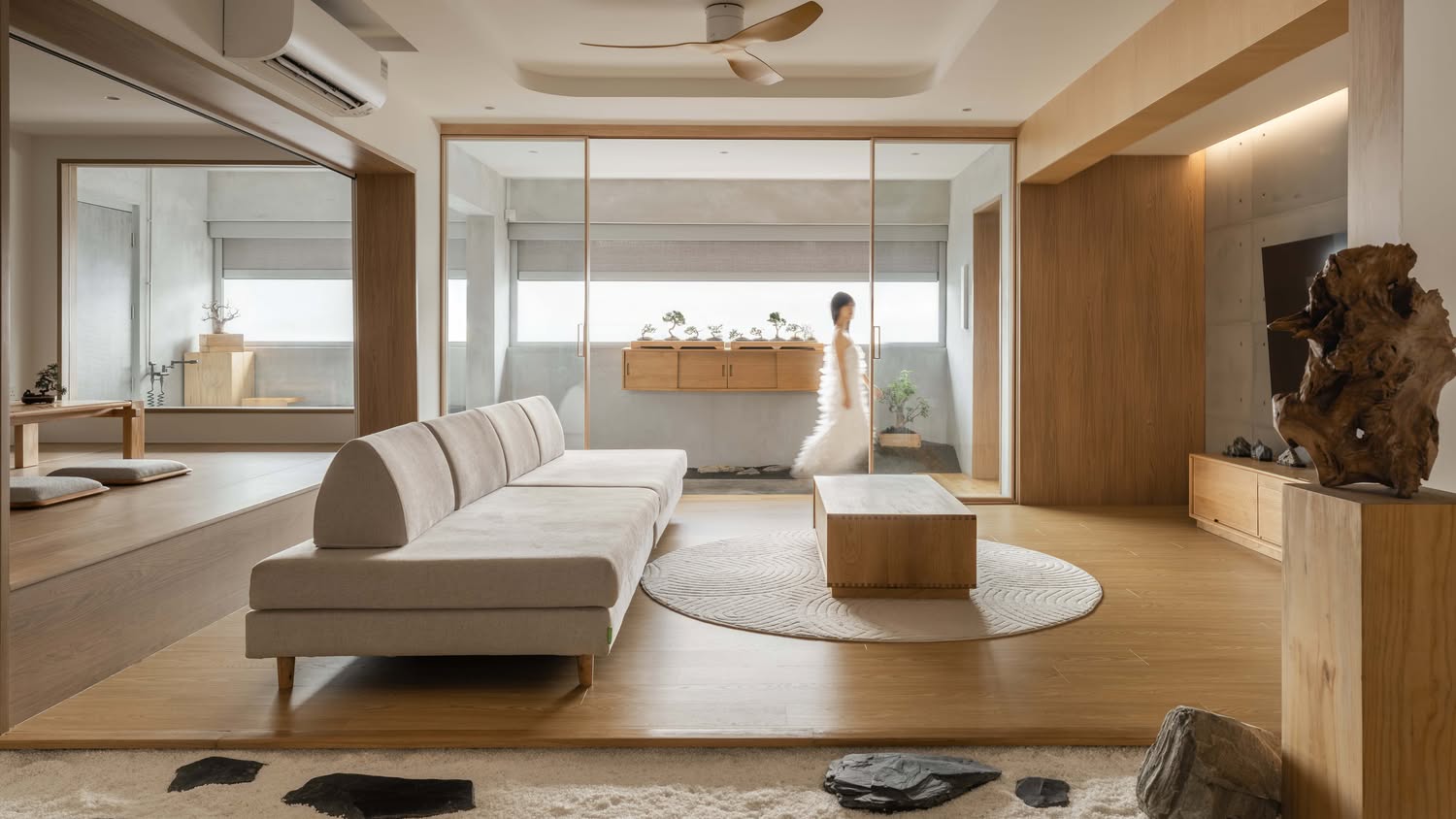
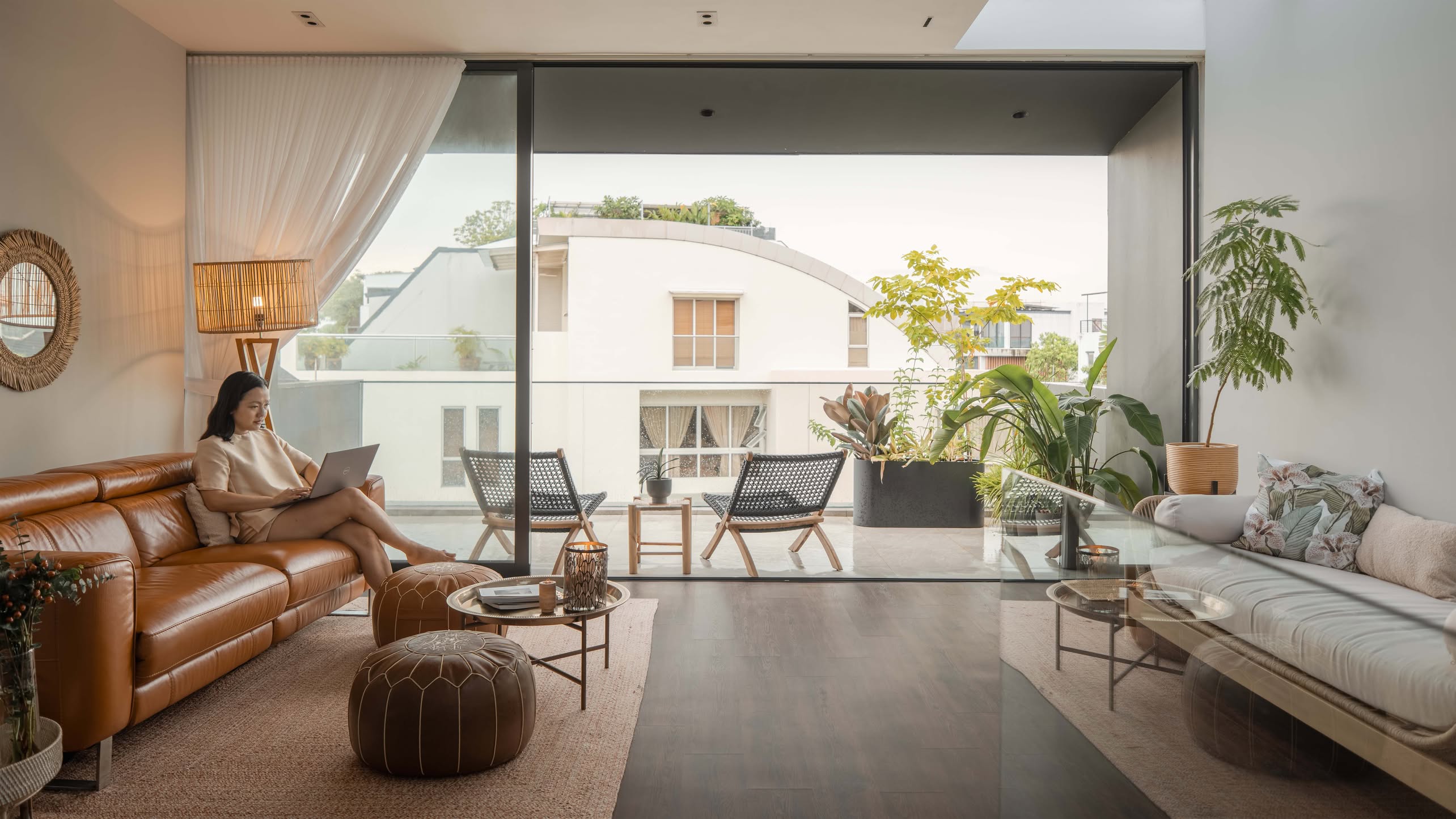
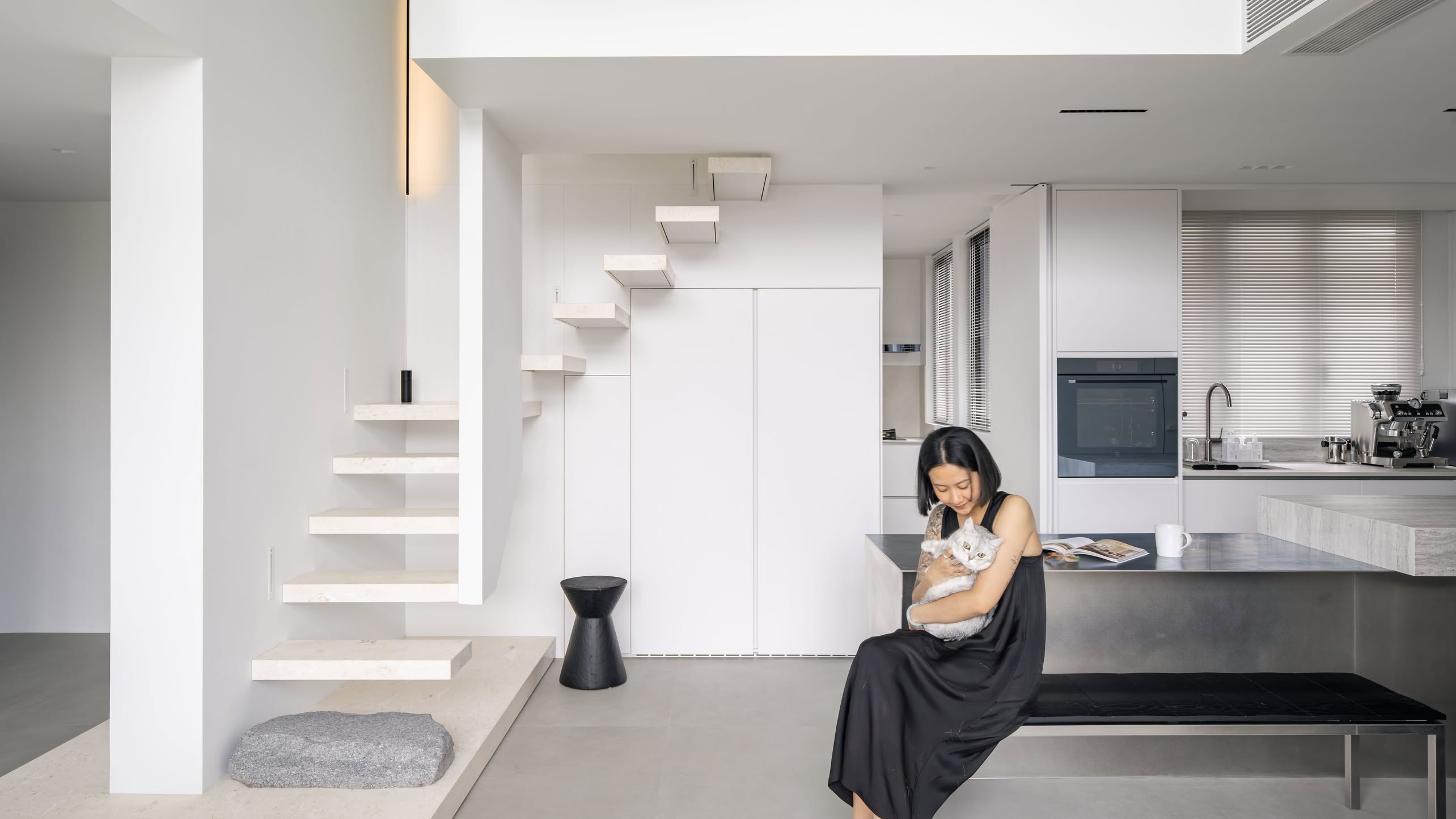


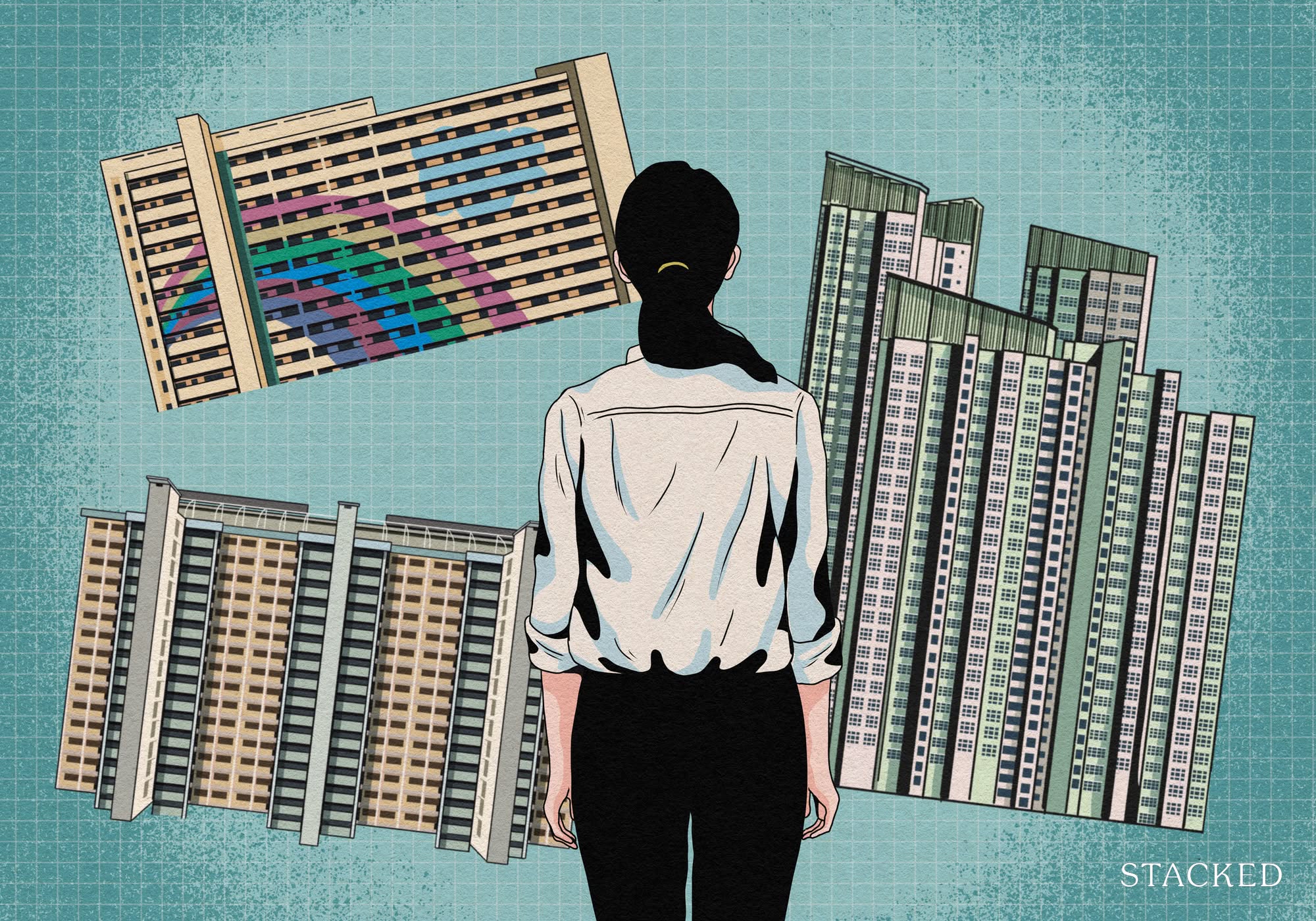
If you were last looking for a home in 2010 or before, the current property market will look about as familiar as Mars. A lot of former assumptions and truisms have been flipped on their head: city fringe properties almost matching District 9 or 10 condos on a $PSF basis? We have those now. Buyers with families purchasing two-bedders? No longer unheard of. Executive Condominiums (ECs) considered by some as a “second-class” condo? You should look at some of the newer ones, which can put certain older freehold projects to shame. Here’s a look at how buying expectations in the private residential market – and even property journeys – changed as of 2025:
And for buyers who’ve been out of the market for a while, the hardest part is often unlearning what used to be true. If you want a clearer picture of how these shifts affect real buying decisions today, reach out here and we’ll link you with a trusted partner agent who can help you navigate the changes.
So many readers write in because they're unsure what to do next, and don't know who to trust.
If this sounds familiar, we offer structured 1-to-1 consultations where we walk through your finances, goals, and market options objectively.
No obligation. Just clarity.
Learn more here.
1. Upgrading into a prime area is less difficult than we once expected
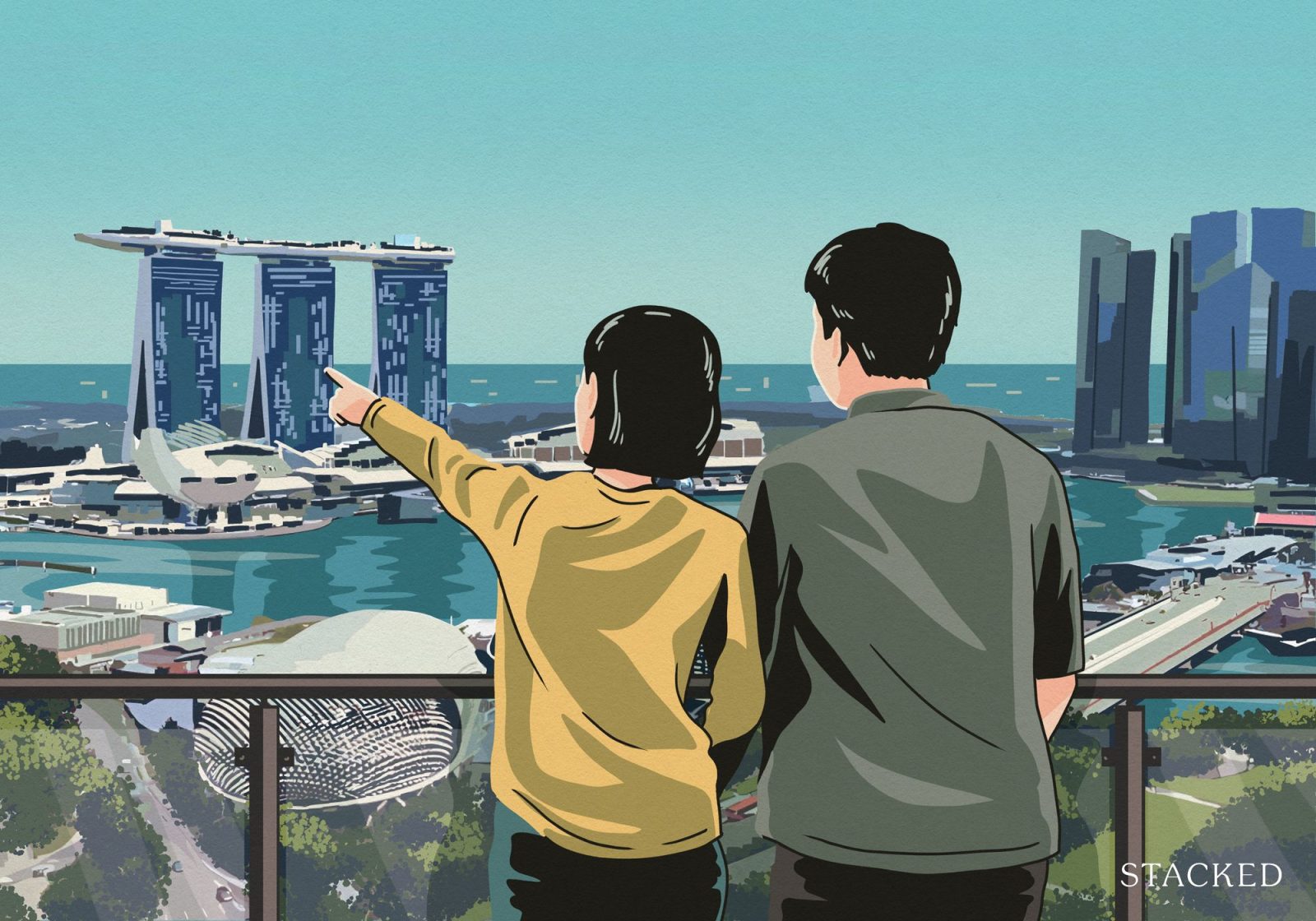
In previous decades, moving into a prime area in the Core Central Region (CCR) was a pipe dream for many. Even moving into the city fringe was considered a rare accomplishment, and a lot of this came down to size.
In prime areas like Districts 9, 10, and 11 the previous tendency was to build big. Developers assumed that buyers in these areas wouldn’t be price sensitive, so they built trophy homes that often reached upward of 2,000+ sq ft. At that size, the price per square foot ($PSF) can become a meaningless abstraction. E.g., even at $1,600 psf for an older resale condo, a 2,200 sq ft unit would be over $3.5 million, pricing out most Singaporeans.
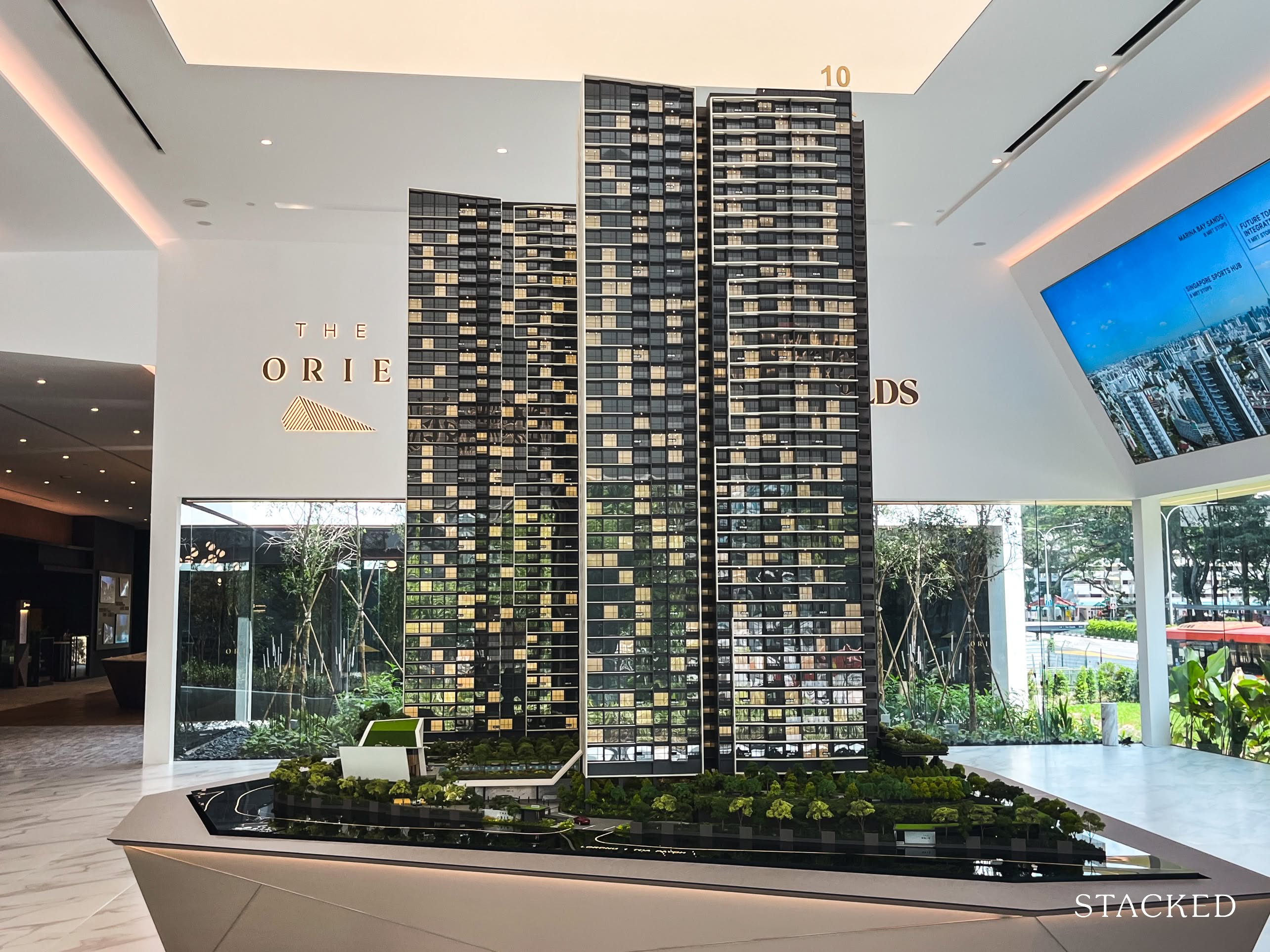
But since around 2024, developers have designed their projects to stay under a certain quantum – even if it’s in a prime area. Case in point, projects like Skye at Holland: a $PSF of $2,598 may seem very high, but the two-bedders here have a starting quantum of just around $1.5 million.
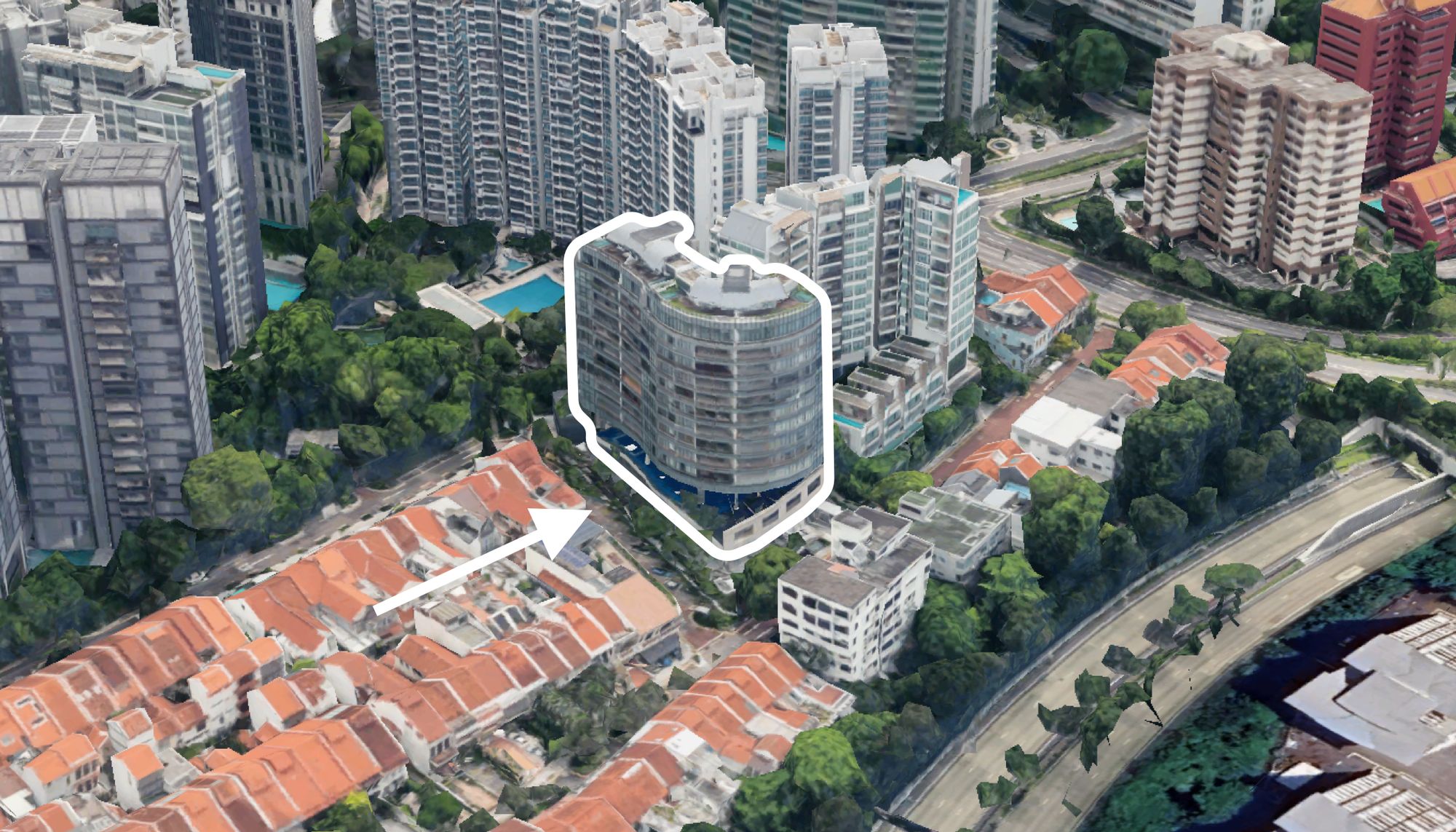
Or consider Promenade Peak, which is the tallest condo in River Valley. That architectural detail, plus a price of $2,680 psf, may lead you to assume unattainable, super-luxury pricing. But just over half the units were kept to 657 to 797 sq ft, and the 657 sq ft units were in the price range of about $1.8 million; that’s possible even for some HDB upgraders today (thanks in part to the ferocious uptick in resale flat prices following COVID).
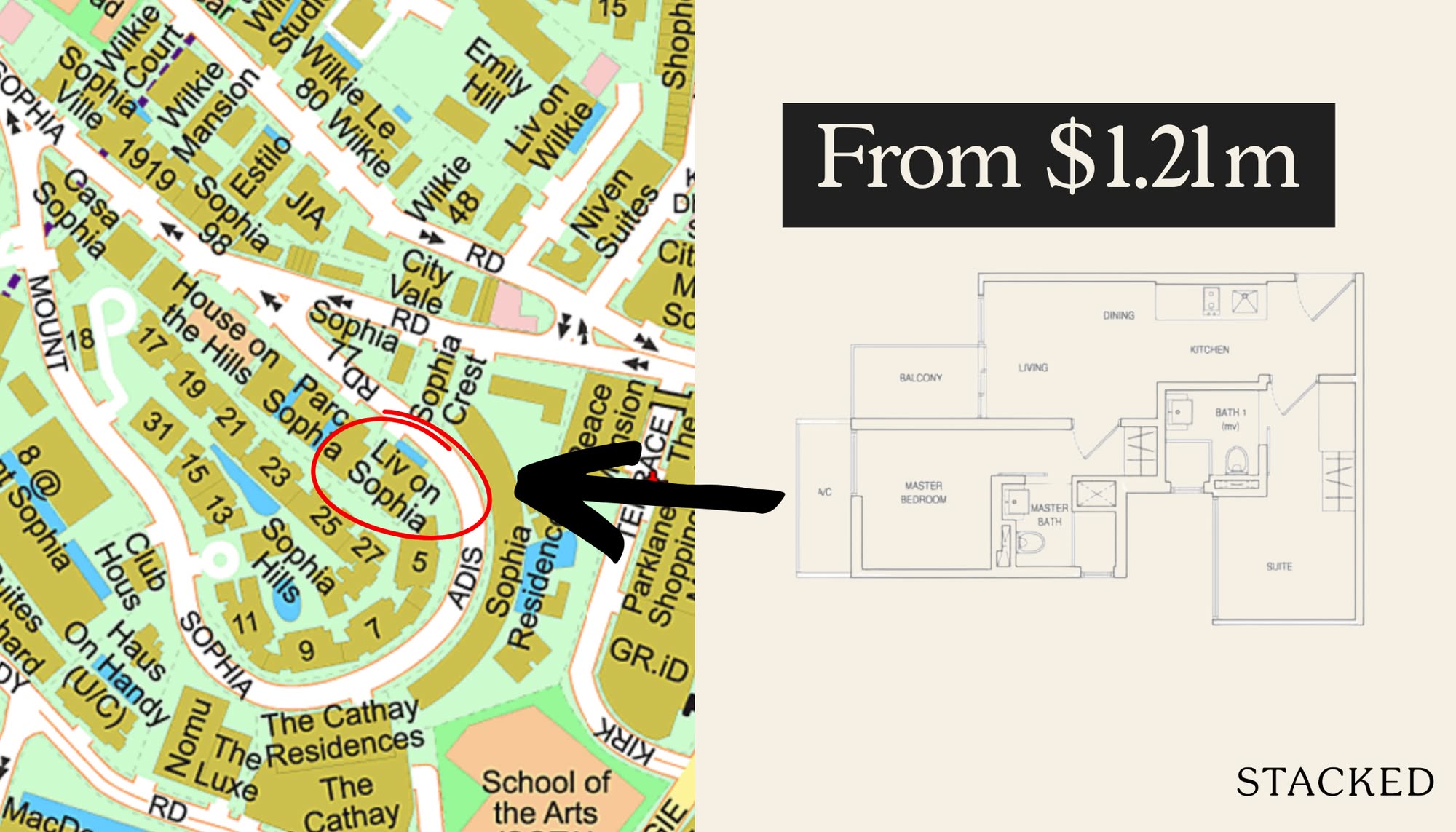
So whilst the units in the prime regions are certainly getting a lot smaller, it also comes with the benefit of being more affordable; and more Singaporeans now have a chance of getting a foothold in the CCR.
2. Two-bedders are no longer expected to just be “for rental”
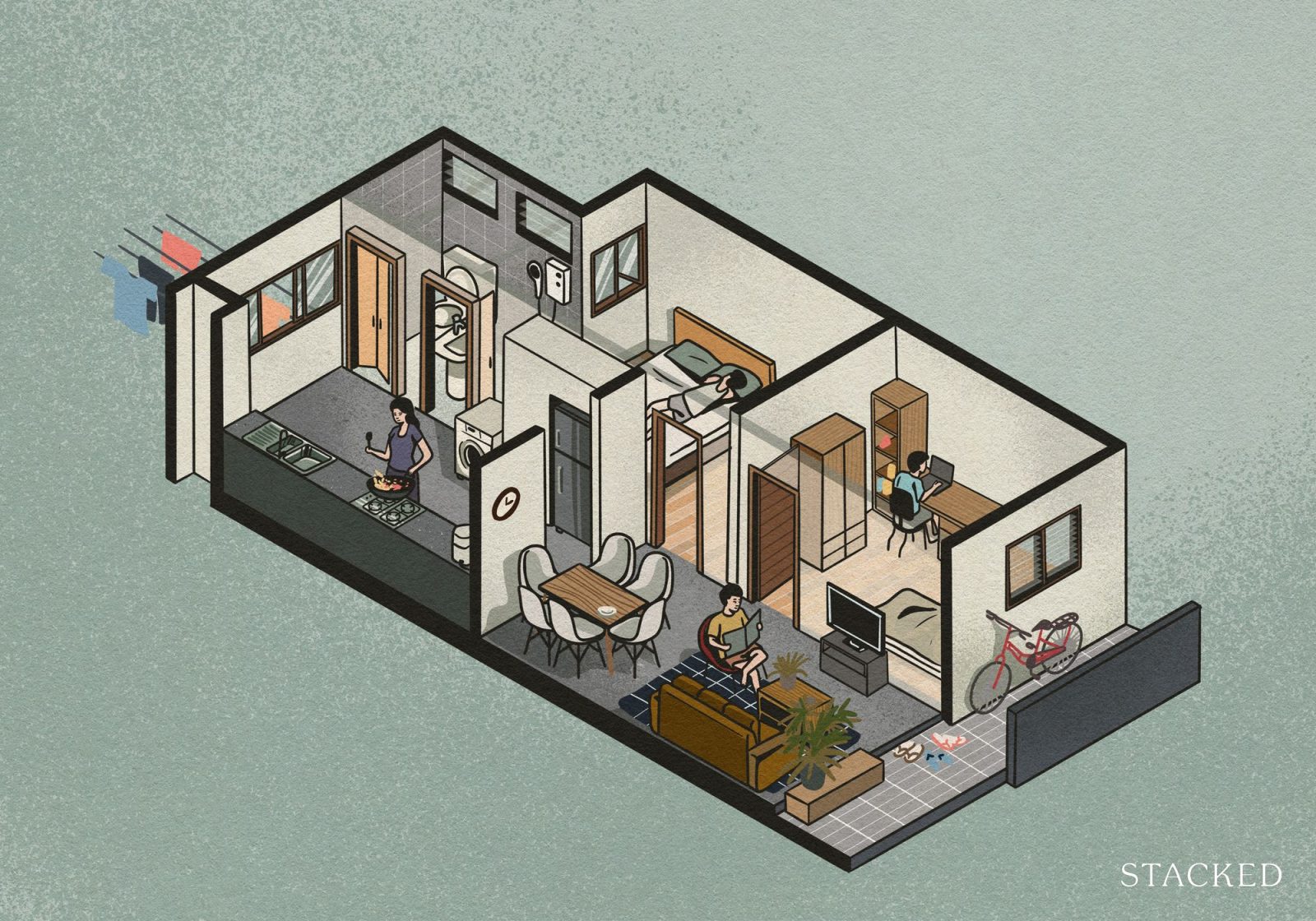
In the previous decade, one and two-bedders were mainly interesting to landlords. It was assumed that, when it came to own-stay use, buyers would consider a three-bedder as the minimum standard for comfort.
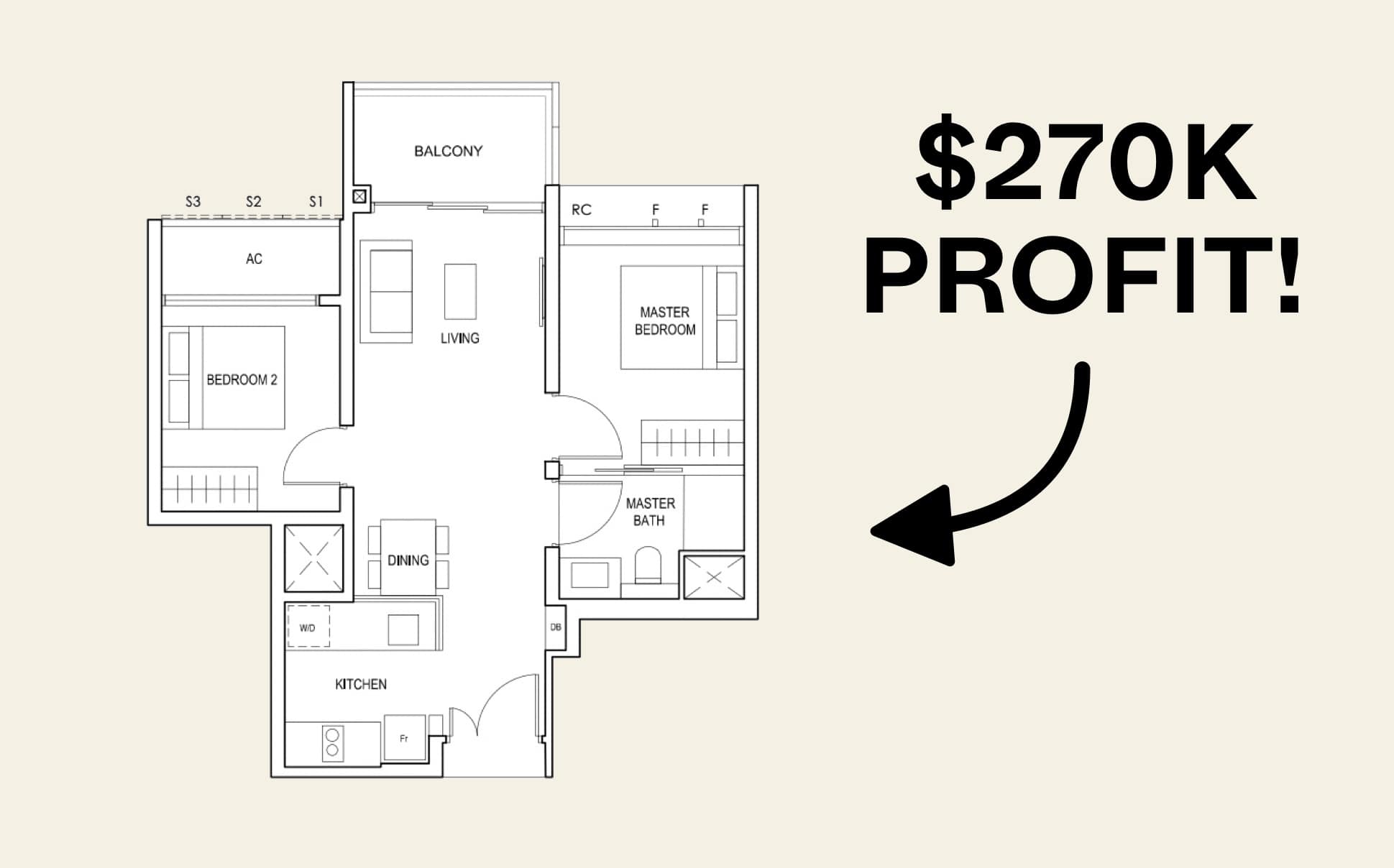
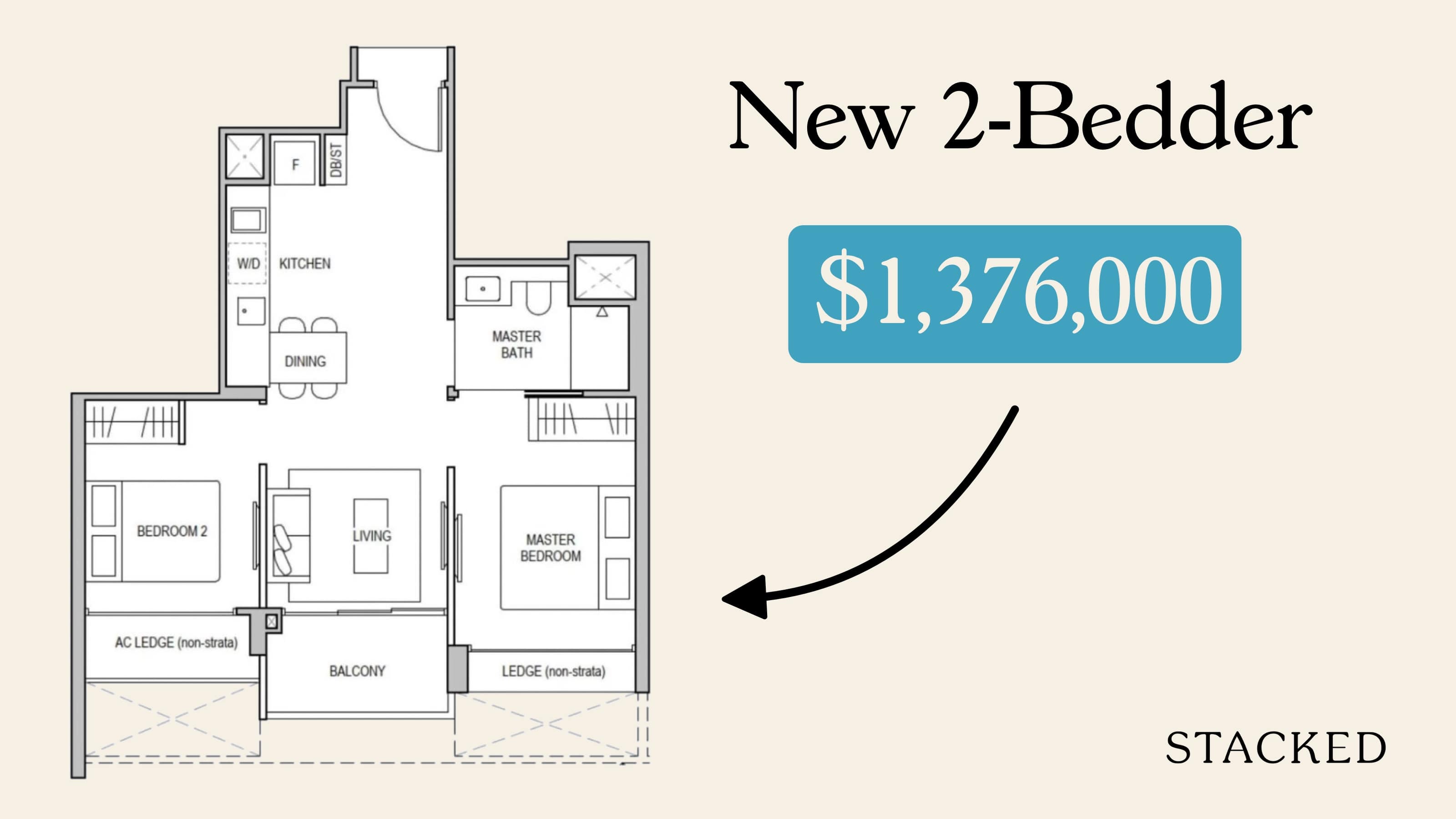
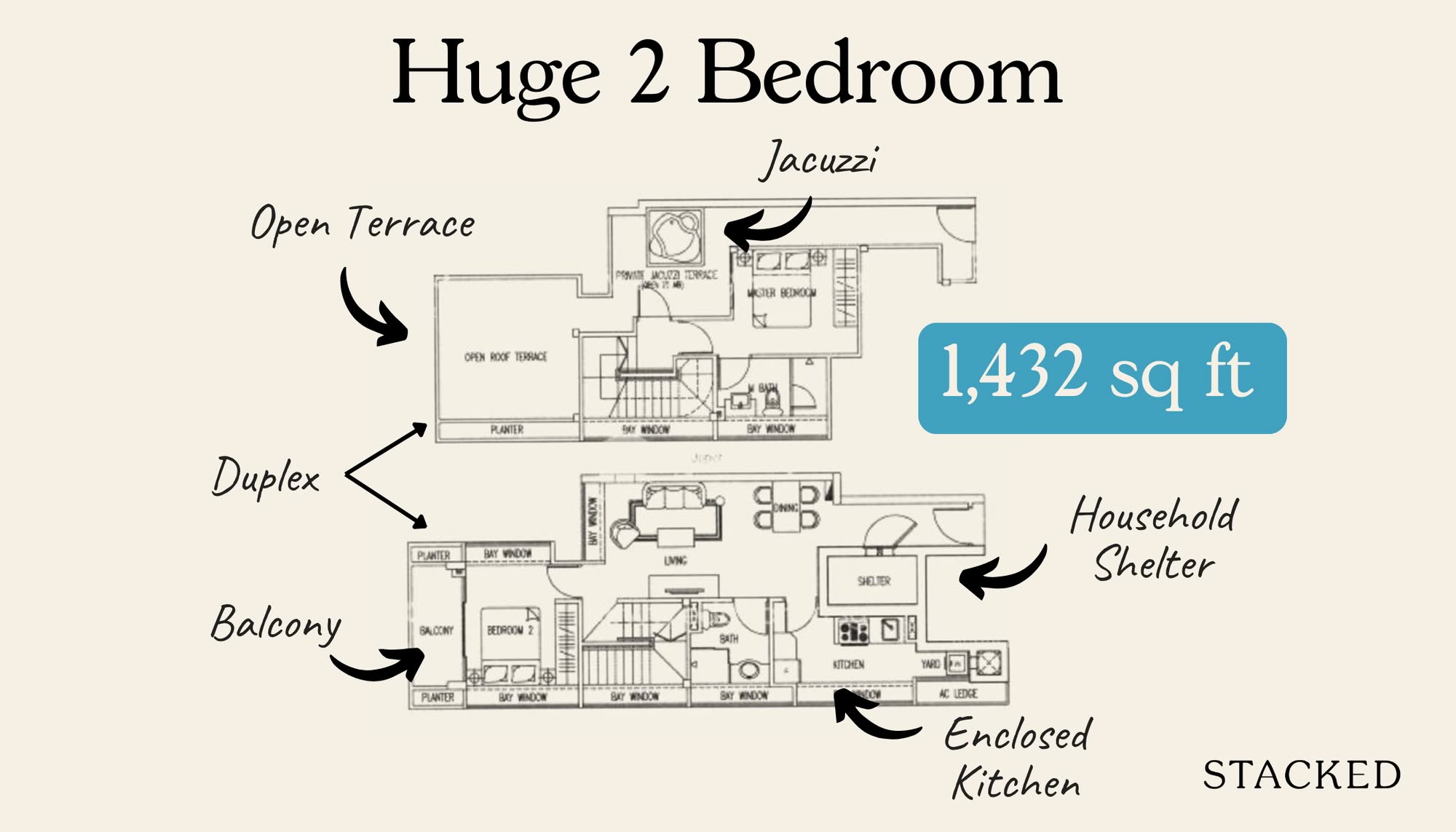
Today, this is no longer true. Due to improved layouts and smaller family sizes, it’s become more viable for two-bedders (or 2+1 units) to serve small families. This is due to elements like dumbbell layouts (bedrooms flank the living/dining area, to remove the need for corridors), Jack-and-Jill bathrooms, and facilities that mitigate the need for a room (e.g., co-working spaces as a common facility, so you no longer need a home office).
We’d be the first to admit this doesn’t satisfy everybody; some home buyers recoil at the idea of a living room between bedrooms (there are noise concerns), or dislike how front doors open directly into living/dining rooms in dumbbell layouts. But as a whole, the two-bedder as a home for a small family has found more acceptance.
One sign of this is the price point: as we mentioned above, developers will target prices of around $1.8 million as the “sweet spot” for upgraders. In a new launch condo, this is about the price of a two-bedder.
3. Property wealth progression is no longer as linear as we once expected
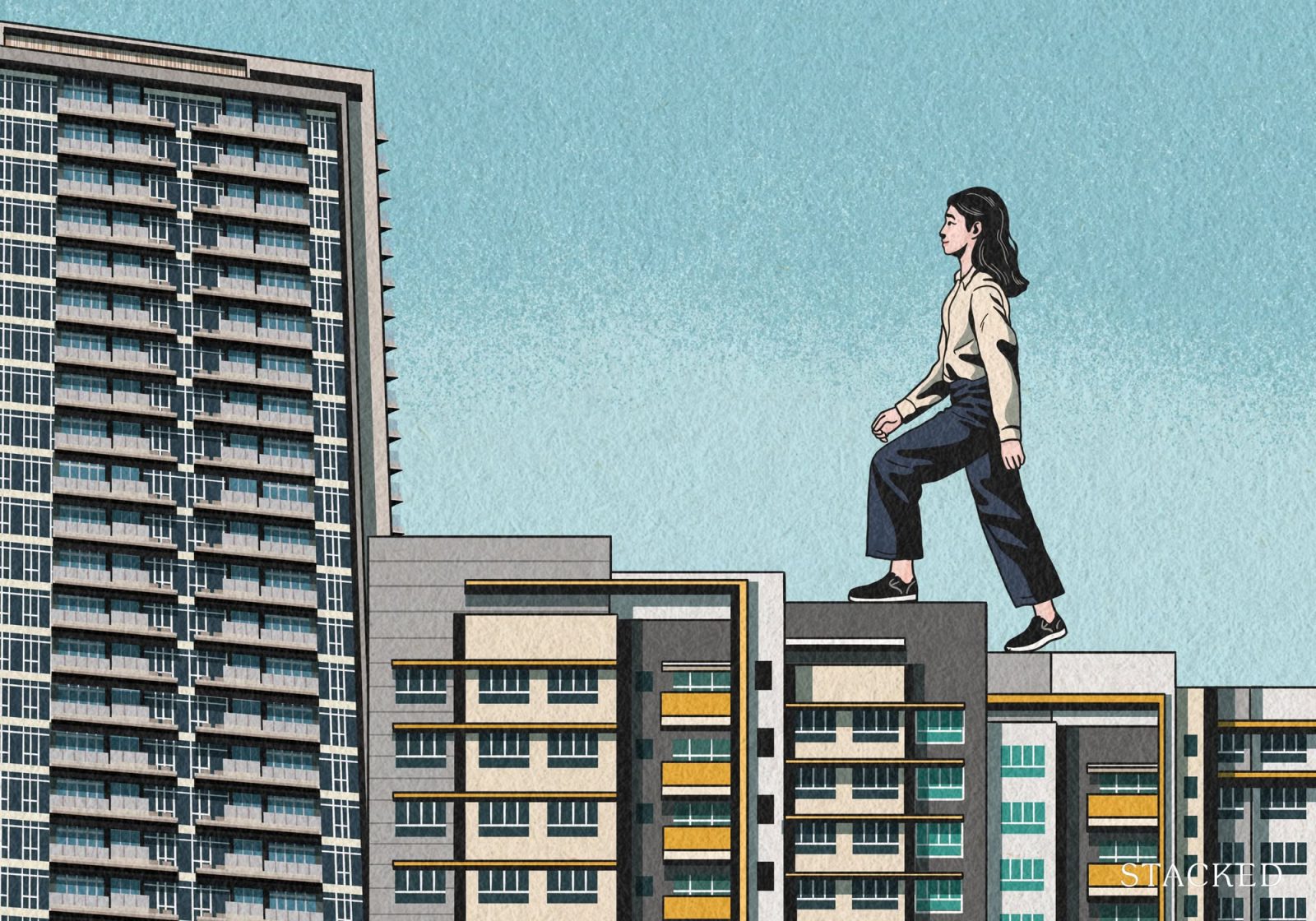
The old journey was predictable: start with an HDB, move up to a mass-market condo, then maybe a prime condo or landed. Today, it’s far more fragmented.
Some families skip private condos entirely, going from HDB into an Executive Condominium (EC), for reasons I’ll explain below. Or, as in point 2, some buy a CCR two-bedder as their first upgrade, rather than a larger unit. There are also those who upgrade to larger flats, or to more prestigious public properties like DBSS flats, rather than buy a fully private condo.
We can add to this the matter of location. In the past, property wealth progression wasn’t just about moving into bigger homes; it was also about surrounding amenities. Many aspired to move into the CBD, or into a prime area like Orchard, where they had access to all the shops and services they’d want. But today, even former “ulu” areas have the promise of new hubs and amenities.
As most Singaporeans today can attest, whatever they can buy in Orchard, they can probably buy in a heartland mall now. As such, fewer homebuyers feel an urge to splurge on a more “central” property when they’re quite comfortable where they are. This can lead to homebuyers moving laterally, rather than “upward” in the conventional sense (e.g., upgrading to a bigger flat in the same neighbourhood, instead of going to a “more mature” or “more prime” area).
4. In the HDB market, expectations regarding lease decay are becoming more sombre and grounded
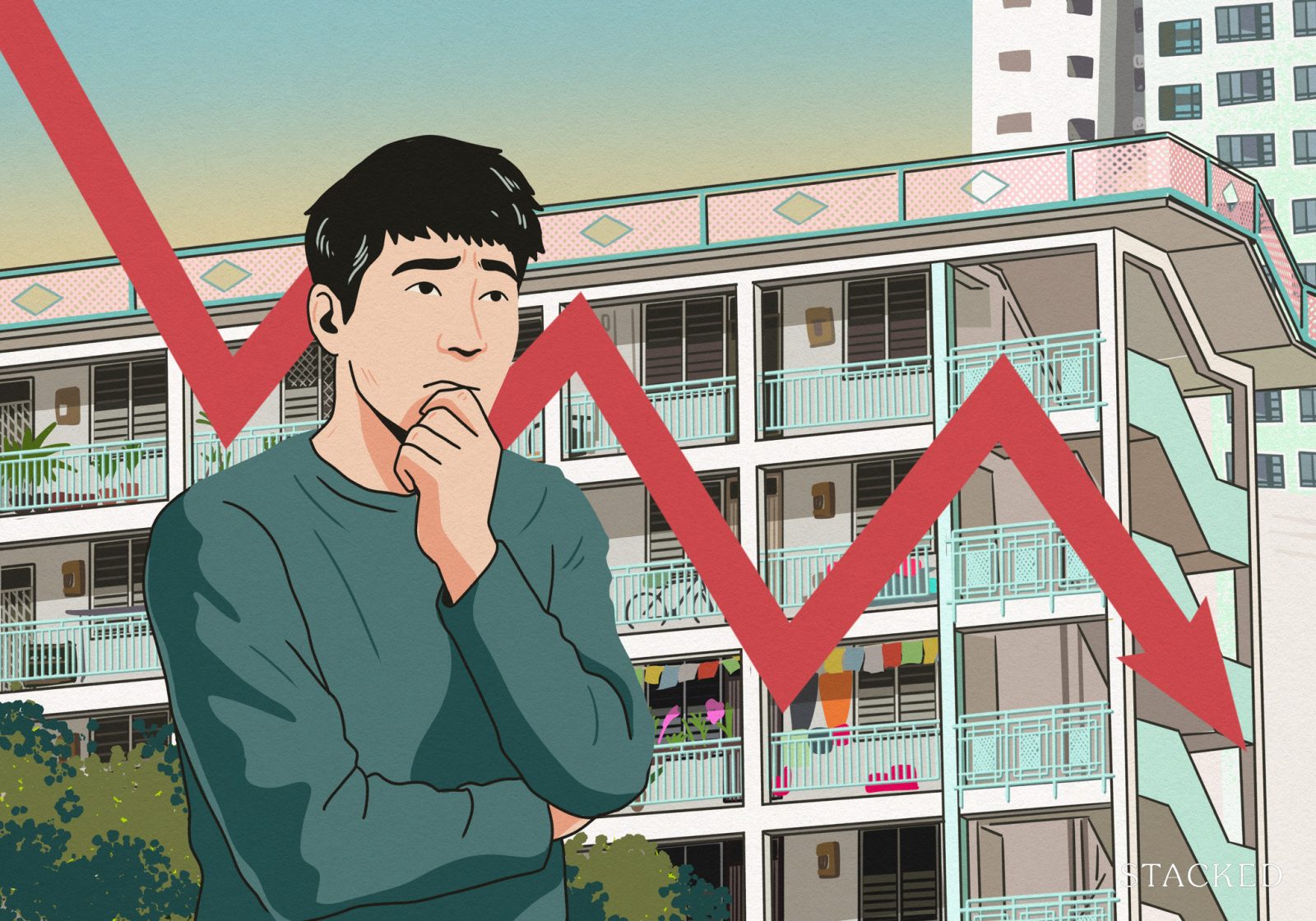
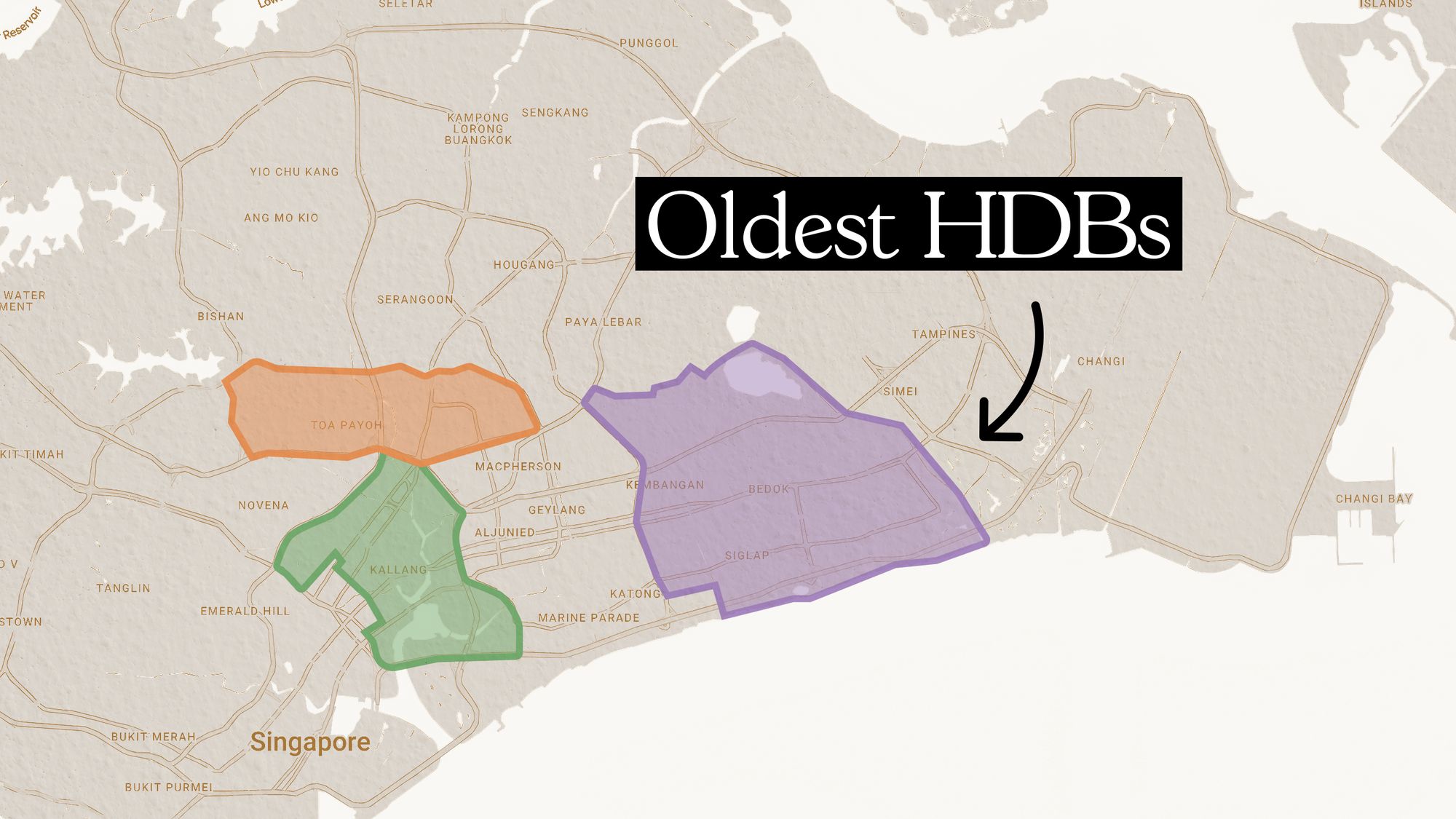
Lease decay becomes less abstract and more real each year, and 2025 is when it reached a whole new threshold. According to the government, it will not continue its Selective En-bloc Redevelopment Scheme (SERS) to rejuvenate older housing estates (at least for the foreseeable future.) Instead we’ll be seeing the first VERS exercises in 2030, which provide a much less generous payout.
Once that happens, 70 years may now mark the “point of no return.” If residents vote against VERS at that stage, the block will remain until the lease runs down to zero. In the past, even 50+ year old flats showed the ability to appreciate. But the time is coming when their prices will go flat, and then dip; and a failed VERS exercise is likely to speed that along.
This has a twofold effect: first, it could mark the end of buyers recklessly targeting HDB hot spots like Queenstown or the Central Area, on the presumption that “such a good location will surely see SERS.” Now they know there’s no chance of that.
Second, some owners may decide to put their flats on the market as they near a VERS exercise. This would be a practical move to transition into a fresher lease while there is still more certainty around timing and value.
This could change expectations for our older flats; particularly their ability to fetch million-dollar prices.
In just a handful of years, Singapore’s property landscape has undergone a quiet but major reset.
Properties in the CCR have become more affordable to some upgraders, and smaller condo units like two-bedders are more palatable for small families these days; partly due to more efficient layouts. As such, the very notion of what constitutes an “upgrade” is sometimes in question.
Taken altogether, these shifting expectations point to a new kind of pragmatism in the Singapore market.
For buyers in late 2025, expectations are more focused on issues of retirement, right-sizing, and overall affordability. While property is still a cornerstone of wealth in Singapore, the way we approach it has become more flexible, more sophisticated, and better informed.
At Stacked, we like to look beyond the headlines and surface-level numbers, and focus on how things play out in the real world.
If you’d like to discuss how this applies to your own circumstances, you can reach out for a one-to-one consultation here.
And if you simply have a question or want to share a thought, feel free to write to us at stories@stackedhomes.com — we read every message.
Frequently asked questions
How has buying into prime areas changed in Singapore?
Are two-bedroom flats now suitable for families to live in?
How do lease decay expectations affect older HDB flats?
Has the property wealth progression in Singapore become more flexible?
What is the impact of recent market changes on HDB prices?


0 Comments