








Why This Underrated Area Could Be Singapore’s Next Up-And-Coming Property Hotspot: A Look At Seletar


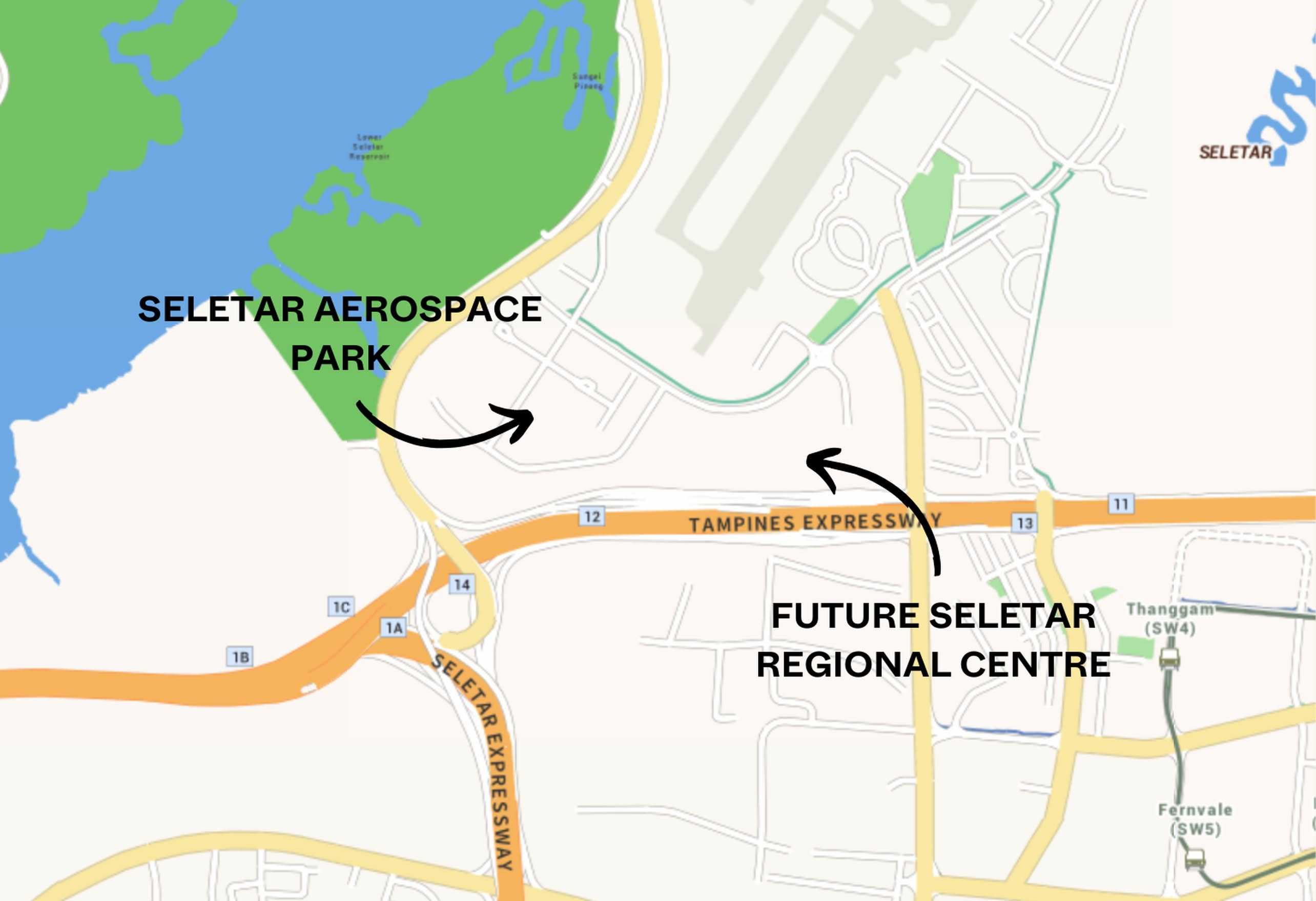
Seletar has always felt somewhat detached from the rest of Singapore. Some regard it as “ulu” (remote), others see it as a serene oasis, while a few view it simply as an Aerospace Park. However, as demonstrated with areas like Jurong East, the government has the ability to completely transform the vibe and prospects of an area when it chooses to; and that’s precisely what we can expect with Seletar’s upcoming transformation. Here’s a look at what might change in the coming years, and how it could impact the property scene there:
So many readers write in because they're unsure what to do next, and don't know who to trust.
If this sounds familiar, we offer structured 1-to-1 consultations where we walk through your finances, goals, and market options objectively.
No obligation. Just clarity.
Learn more here.
What’s at Seletar right now?
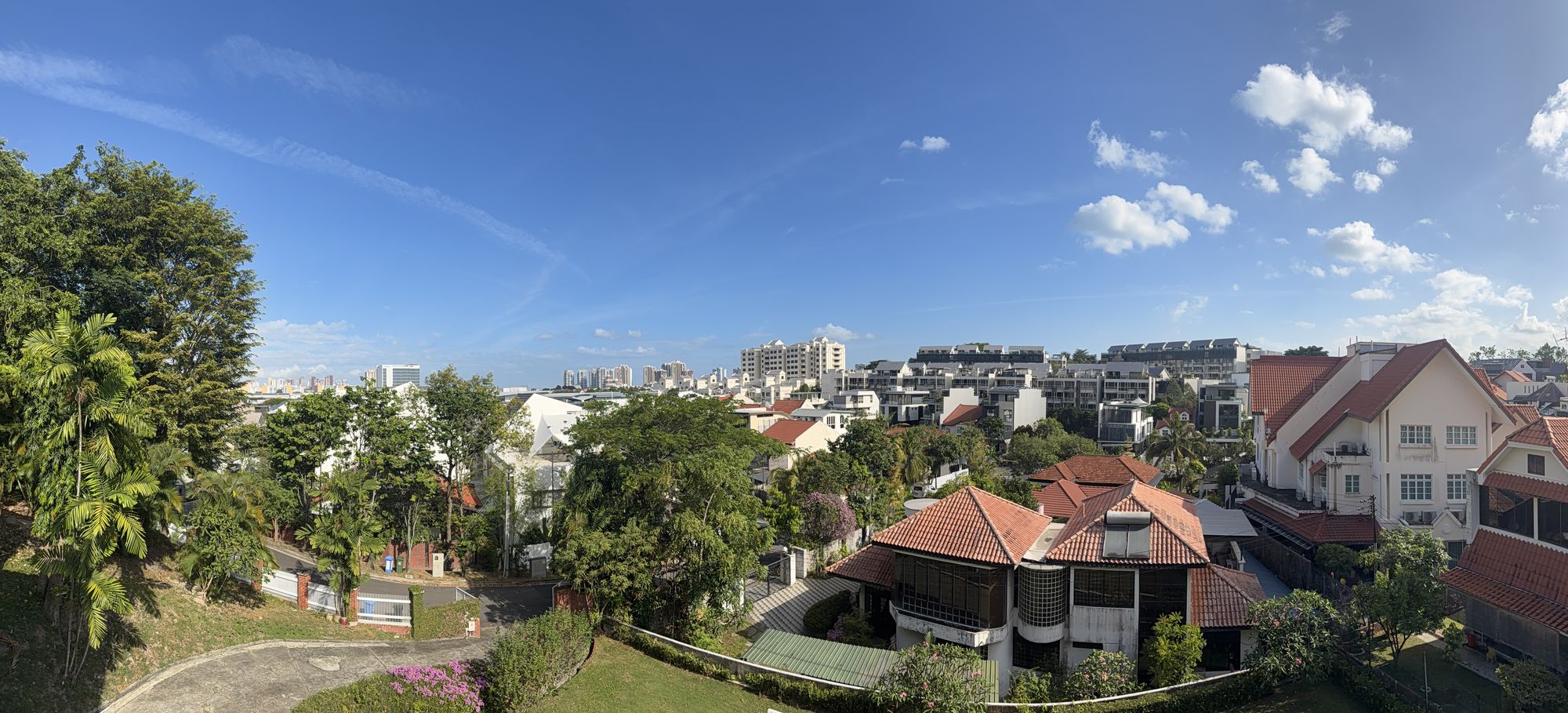
The Seletar Aerospace Park defines the area, but Seletar has more to offer than just that. It is also known for its colonial black-and-white bungalows, many of which are under the care of the Singapore Land Authority (SLA). In terms of private housing, Seletar is predominantly a low-density area, meaning many of the residences here are low- to mid-rise developments. A number of these projects, such as Serenity Park (179 units) and Nim Gardens (127 units), are small, freehold developments. You’ll also find landed housing projects, such as Mimosa Crescent.
While Seletar hasn’t yet achieved the prestige of Bukit Timah, it is known for its greenery and open spaces. Attractions such as Hampstead Wetlands Park, the Seletar Fishing Village, and Rower’s Bay offer excellent cycling trails and hiking opportunities. Seletar also has some distinctive amenities, like the well-known Boh Geh Uncle Canteen (a rustic spot with three food stalls under a tarp, and a remnant of the old army camp). Then there’s Wheeler’s Estate, a popular wedding venue for those seeking something unconventional.
Altogether, Seletar feels distinct from the rest of Singapore, and its appeal lies in this uniqueness. Its “ulu” location and relative inaccessibility have long been part of its charm.
Upcoming transformations to the Seletar area
Some of the upcoming changes include:
1. Development of Seletar into a Regional Centre
Examples of existing regional centres include Tampines, Jurong East, and soon, Woodlands. Tampines and Jurong East are perhaps the most well-known: Tampines Central boasts a large cluster of shopping malls, such as Century Square and Tampines 1, along with a CPF office. Similarly, Jurong East has evolved into a commercial powerhouse and Singapore’s “second CBD”.
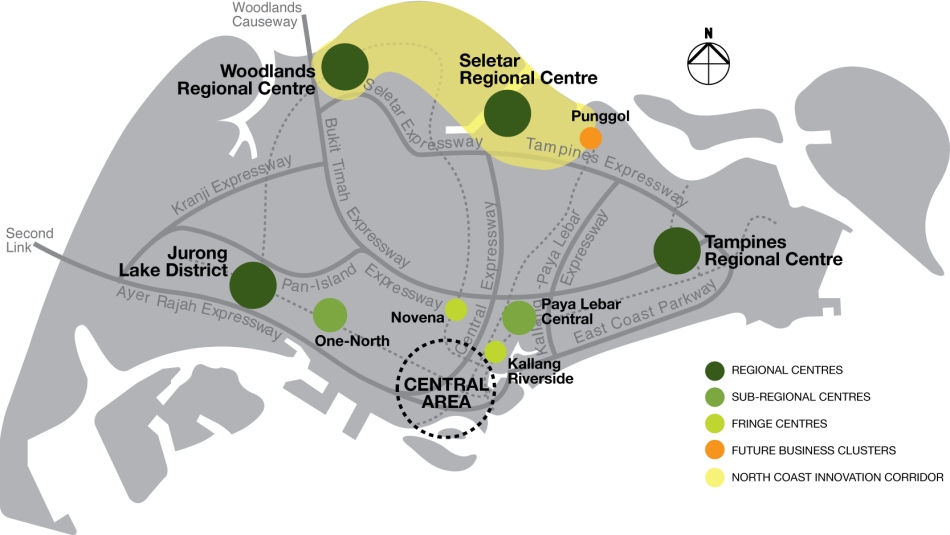
This decentralisation effort by the Urban Redevelopment Authority (URA) aims to create multiple hubs across the island, alleviating congestion in the CBD.
For Seletar, URA envisions it as the regional centre for the Northeast, strategically positioned near Punggol, Sengkang, and Hougang. In addition to serving as a connecting point, developments in Seletar are intended to complement the upcoming Punggol Digital District (PDD).
This means we can expect the introduction of shopping malls, office spaces, and more residential zones, both private and HDB.
Currently, Seletar’s enhancements have largely focused on rejuvenation. A prime example is The Oval in Seletar Aerospace Park, which features 32 colonial-era black-and-white bungalows repurposed for F&B establishments and community events. This area has become a recreational hub for families living nearby.
We may also see more connectivity to the area, as a feasibility study was done for a possible “Seletar-Holland” line a couple of years ago. Given that a new updated Master Plan will be up this year, we could see some confirmation of it sooner rather than later.
Nonetheless, these developments are just the beginning, and Seletar’s transformation is far from complete.
2. New residential zones around the planned Seletar Regional Centre
The exact number of new homes isn’t known yet, but upcoming residential zones include the following areas:
- Lentor Hills
- Springleaf
- Chencharu
- Lower Seletar
- Sengkang West
- Ang Mo Kio – Bishan
In addition, there are a number of reserve sites, which will likely be up for Government Land Sales (GLS) in the coming years. Some of the above locations are already well-known. Lentor is already an increasingly populated area, with launches like Lentoria, Lentor Central, Lentor Mansion, etc. Some of the other areas, such as Lower Seletar and Springleaf, have had a low profile for years; and it will be interesting to see how URA turns this around.
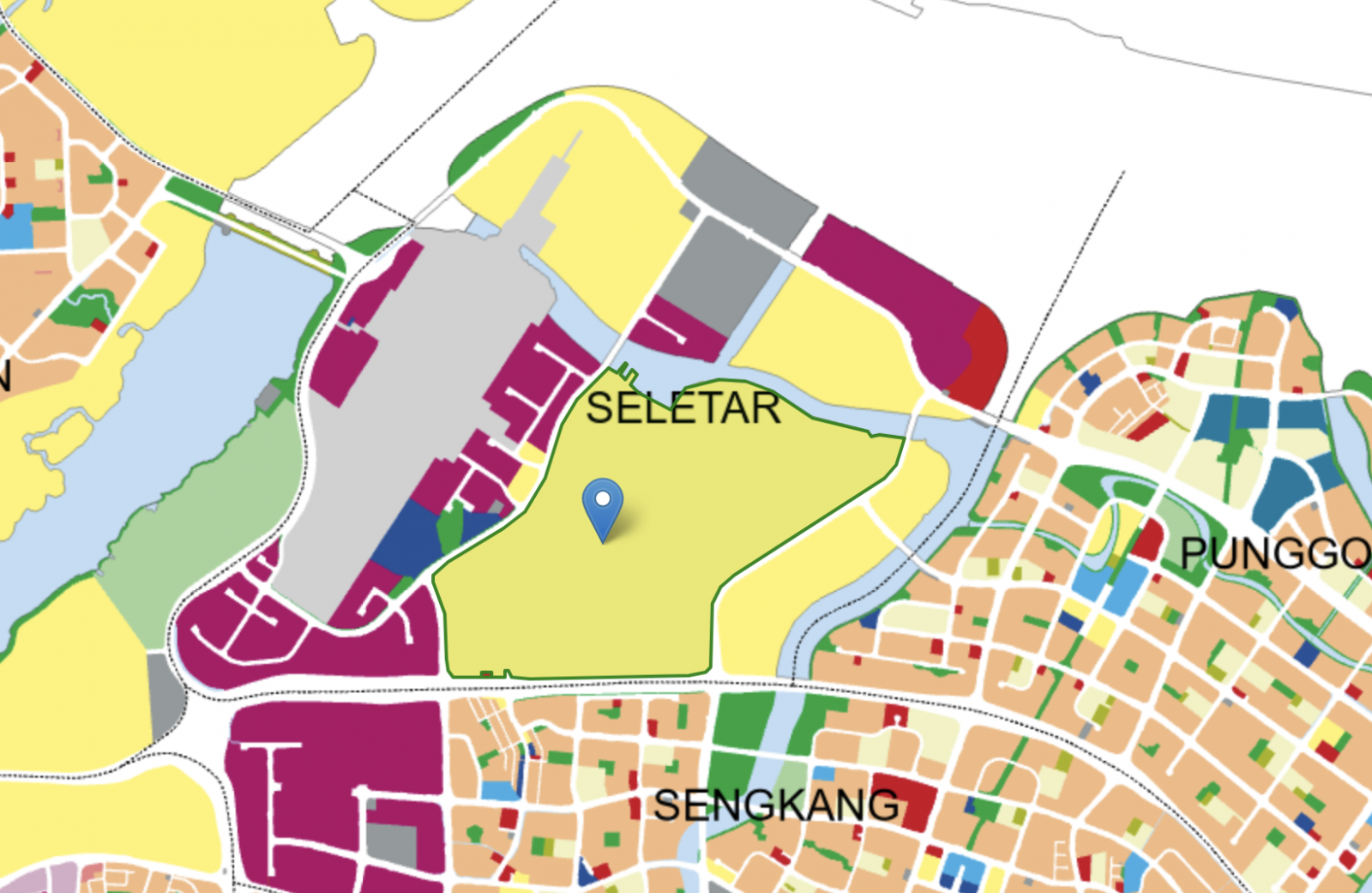
In any case, the earlier properties here might bring significant first-mover advantage, as there’s quite a lot of room for future developments.
3. The upgrading of Seletar Aerospace Park
This development is not just relevant to aerospace companies.
Maintenance, Repair, and Overhaul (MRO) facilities are key to building an aerospace hub, and this requires improved roads, public transport, and overall connectivity. These upgrades will address the current inaccessibility of Seletar.
Enhanced amenities and job opportunities in the aerospace industry are likely to attract professionals and their families. From a property perspective, this could boost the rental market, especially with the potential influx of foreign workers.
However, this development is a double-edged sword. Seletar may lose some of its laid-back charms as large-scale projects like BTO flats, condominiums, aerospace facilities, and retail malls take shape. Balancing greenery with urbanisation will be a significant challenge.
For those who currently own property in Seletar—or purchased it before the boom—the financial rewards may well compensate for the changes.
4. Better integration with surrounding areas
For years, there has been talk of infrastructure improvements in Seletar. Back in 2015, plans for a new flyover were announced. This project, completed in January 2024, connects Seletar Link to the SLE, TPE, and CTE. Additionally, the newly constructed Seletar Aerospace Way links the flyover to Seletar Aerospace Park.
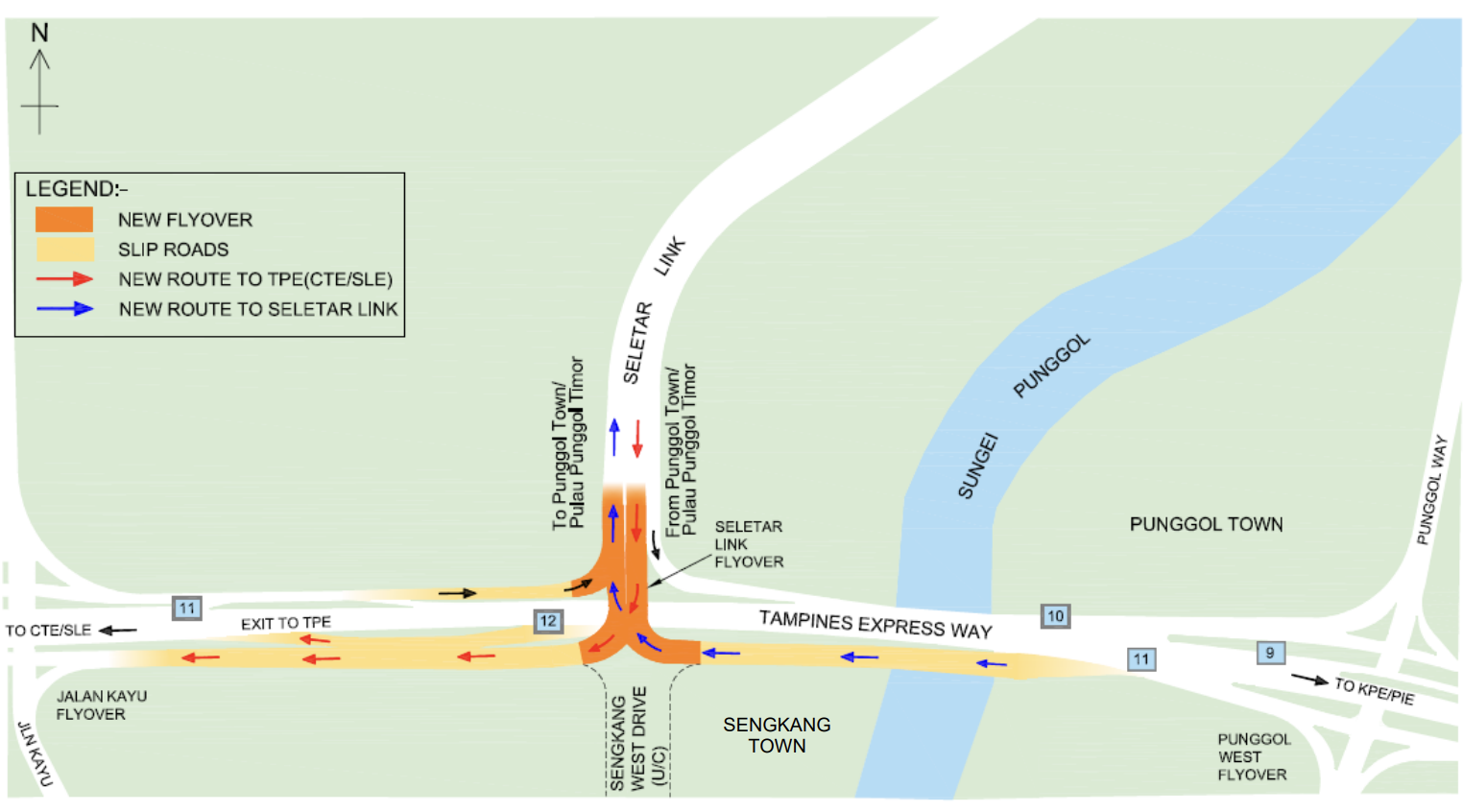
Further upgrades are planned for Yio Chu Kang Road and Seletar Aerospace Drive, allowing them to handle increased traffic. These enhancements aim to create a seamless road network connecting Sengkang, Punggol, Yishun, and Ang Mo Kio.
The upcoming North-South Corridor (NSC), Singapore’s first integrated transport corridor, will provide a direct route to the city centre, while the Cross Island Line (CRL) will significantly improve public transport access. This may involve better integration with the LRT lines, particularly the Sengkang-Punggol LRT link.
Although Seletar may currently feel remote, this is unlikely to be the case for much longer. However, homeowners should prepare for a long wait as these projects unfold.
How long will the complete transformation take?
Unfortunately, no firm deadlines have been provided. The transformation of Seletar is a phased project, as evidenced by gradual milestones like the completion of the flyover and the development of The Oval.
Given the scale of the project, it may take decades. Using Jurong East as a comparison, we can see efforts to turn Jurong into a regional centre began in the 1990s; but it wasn’t until the 2010s that significant changes materialised. Still, those who invested in Jurong East and waited patiently were well rewarded. The same may hold true for Seletar.
At Stacked, we like to look beyond the headlines and surface-level numbers, and focus on how things play out in the real world.
If you’d like to discuss how this applies to your own circumstances, you can reach out for a one-to-one consultation here.
And if you simply have a question or want to share a thought, feel free to write to us at stories@stackedhomes.com — we read every message.
0 Comments