

















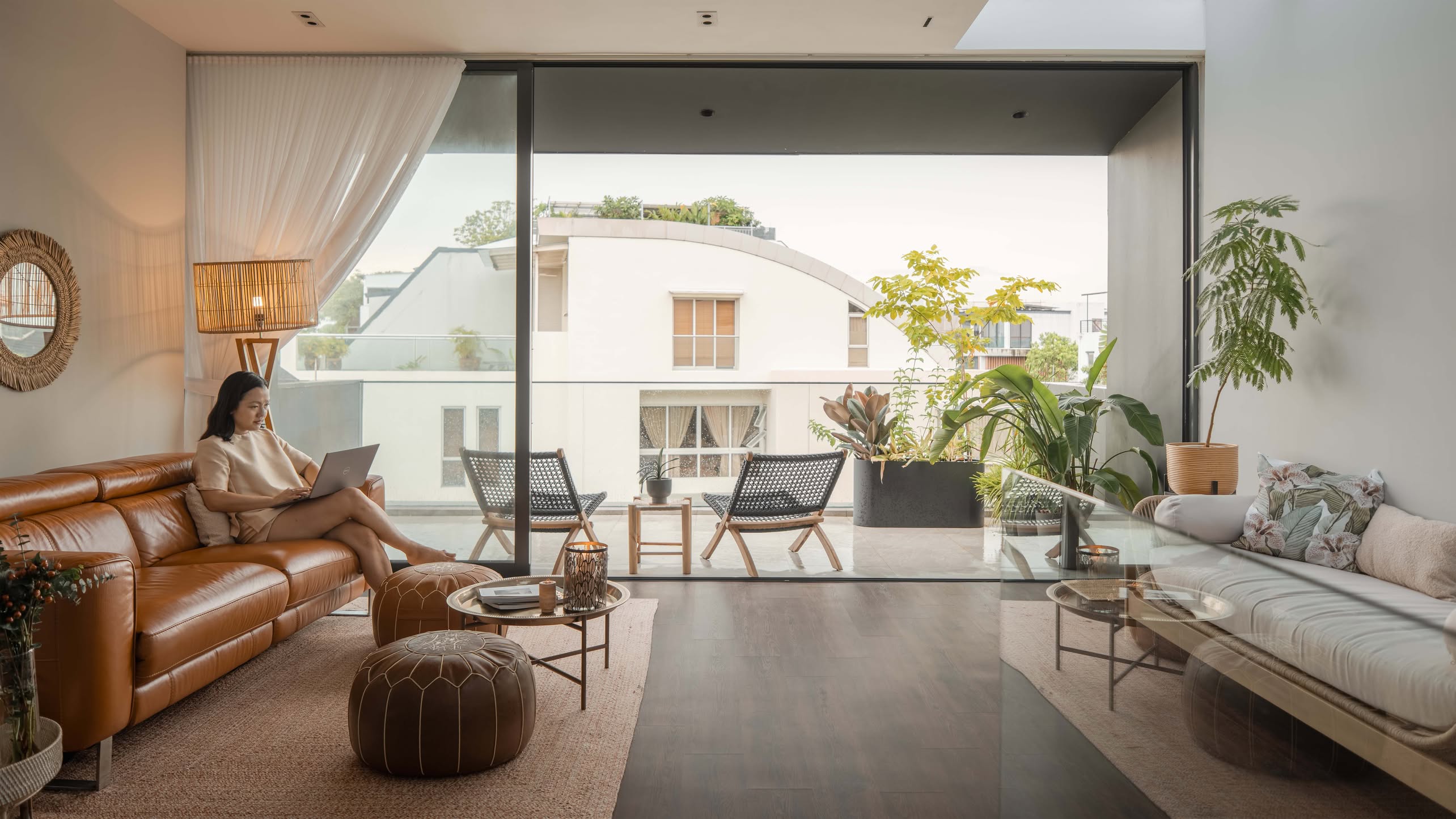



ThirdHome, a US-based members-only home exchange club, is pushing into the Asia Pacific as it looks to tap the region’s base of high-net-worth individuals with holiday homes in beachfront destinations like Phuket and Koh Samui in Thailand, as well as popular destinations like Tokyo and Niseko in Japan.
The company was founded 15 years ago and has grown to comprise nearly 40,000 members, with a portfolio of over 30,000 properties across 100 countries, ranging from private residences and branded resorts to yachts and private islands.
It has a strong market presence in North America and Europe. While this type of home exchange service is familiar among some Western property owners, it is still relatively novel in this part of the world.
The concept behind ThirdHome is that instead of leaving holiday homes, or second homes, sitting empty or listing it on a short-term rental platform, owners feature it with the club and receive “keys” — credits tied to the property’s value and the season it is listed.
Those keys can then be used to book stays at other members’ homes around the world. Some of the popular choices among ThirdHome members include Mediterranean holiday homes, villas, and resorts, to alpine locations and country estates in the UK.
How the club works
ThirdHome is a closed, invite-only platform. When an owner joins, they submit a valuation of their property, which the club vets before assigning it a key value. During peak seasons, a property in a popular location that is frequently booked can earn double or triple its usual key count.
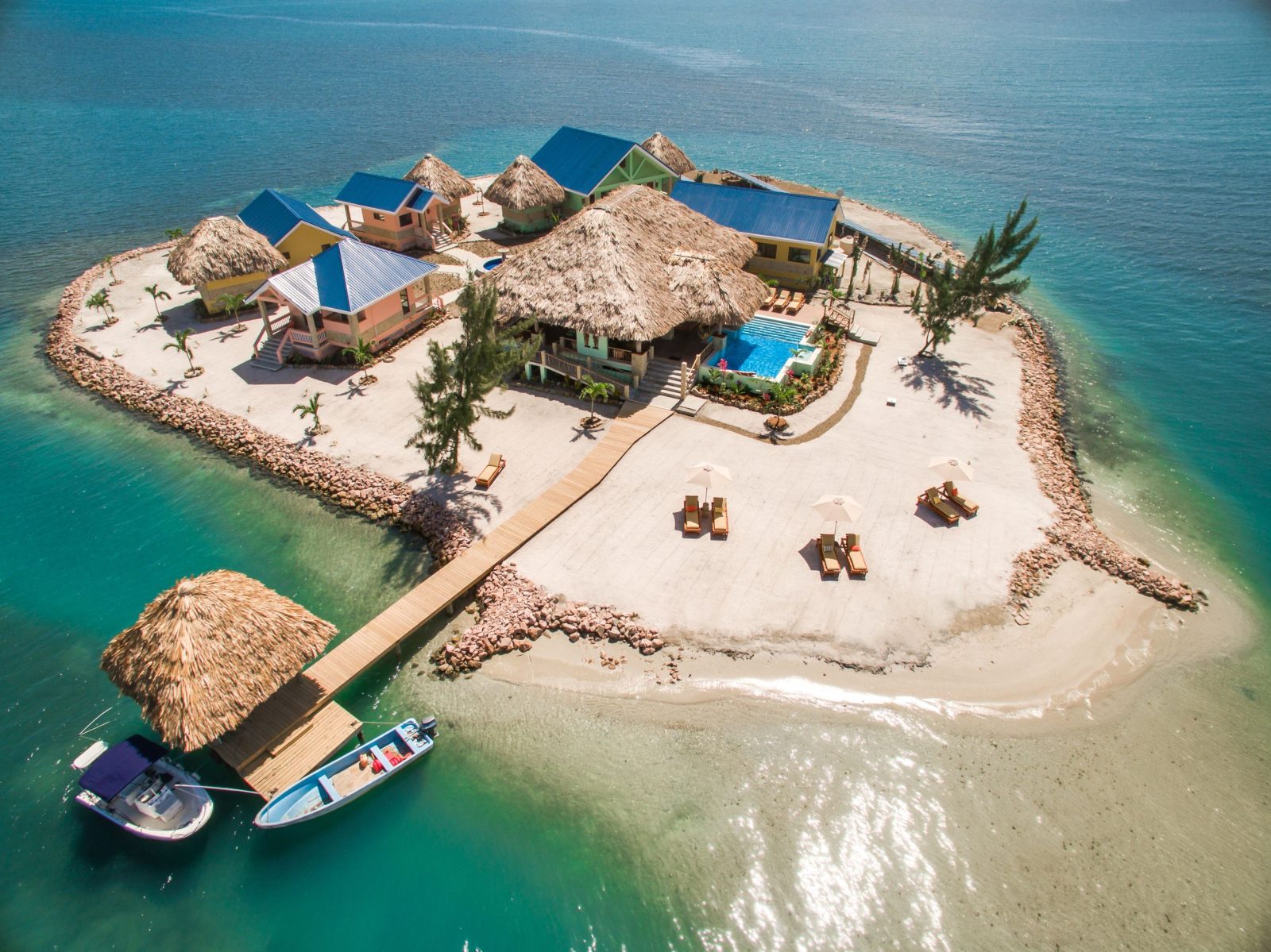
Properties worth between USD500,000 (S$672,500) and USD1 million receive one key, with the allocation stepping up progressively for higher-value homes. Members pay an administrative fee, also known as an exchange fee, starting from USD450, with annual renewal fees of around USD295. The renewal fees are waived in the first year.
There is no rental income collected or paid out anywhere in this system, and it runs entirely on key exchanges. When booking a stay, members pay the flat exchange fee per week.
According to Jules Sedgwick, business development director of South East Asia at ThirdHome, the average property on the platform currently sits between USD2 million (S$2.69 million) and USD4 million, though a separate tier called the Reserve Club caters to higher-value homes over USD7 million.
What’s behind the expansion into Asia Pacific?
The push into the Asia Pacific region is driven by a number of overlapping trends, says Sedgwick. The number of high-net-worth individuals and families in countries like Singapore, Vietnam, and Hong Kong, has grown significantly over the past decade, and that has accompanied a surge in holiday home purchases across South East Asia.
For example, destinations like Phuket have seen land prices rise 647% between 2004 and 2024, according to market reports by Knight Frank Thailand. In general, there is an ongoing pick up in the development of branded residences and lifestyle-centred second home properties in the region.
This doesn’t just reflect tourism demand but a structural shift in how buyers are approaching the properties they buy in these markets as second bases rather than straight-forward investment assets.
An increase in the number of international schools and a growing expat community in traditional holiday destinations like Phuket are signs that the market there is maturing and developing into a year-long international community.
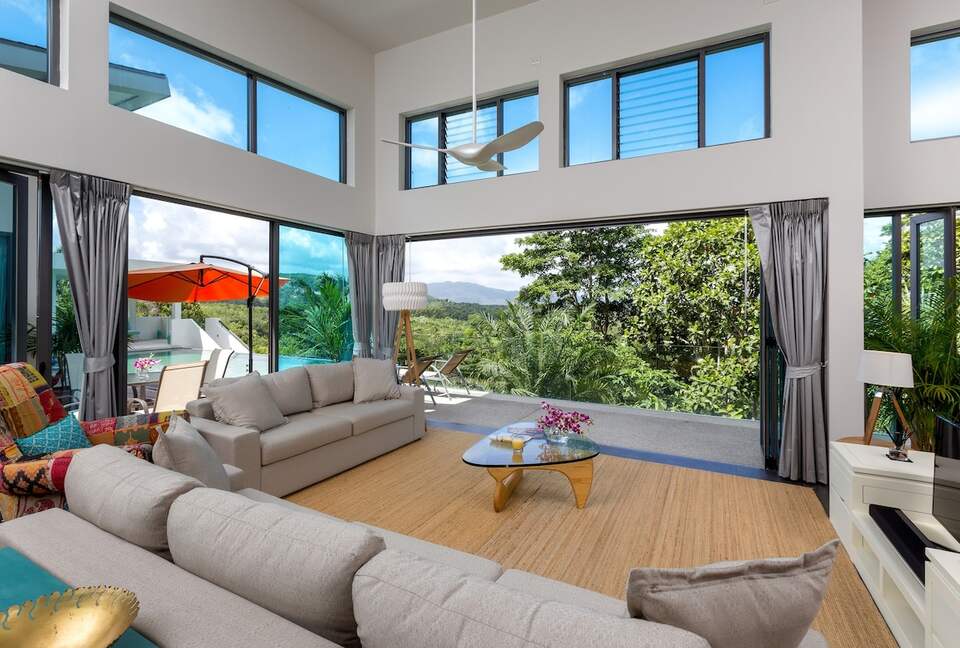
Family offices in the Asia Pacific region are a key target demographic for ThirdHome, says Sedgwick. The individuals who manage these investment vehicles are already acquiring properties at the values which ThirdHome’s membership is designed for, and who own the kind of properties that fit the club’s exchange model.
Sedgwick is direct about what the pitch to these Asia Pacific owners ultimately comes down to. “You are not just buying a holiday home in these places. You are also buying access to 40,000 holiday homes around the world,” he says.
A two-way demand story
At the same time, ThirdHome’s expansion into the Asia Pacific region is more than establishing its market presence in this fast-growing part of the world. It is also responding to a growing demand from members in its existing markets for home swap options here.
ThirdHome’s existing US and European member base has been actively looking for stays in Asian beach destinations. Phuket, Koh Samui, and coastal properties in the region have come up consistently from US members, says Sedgwick, and growing an Asian inventory onto the platform directly addresses that gap.
But the reverse flow is just as compelling for Singapore-based owners. ThirdHome’s current inventory clusters heavily around two types of destinations that have little to no real equivalent in this part of the world. In North America, members hold homes in Whistler and along the Cancun corridor. In Europe, the South of France, Portugal, and the Mediterranean coast dominate.
The 2024 to 2025 ski season was the third consecutive year of exceptional performance for the global ski industry, with Switzerland recording its strongest ski season in 15 years at an estimated 26.3 million skier days that year, according to a market report by Savills on this niche industry.

International travellers account for a large segment of the ski vacation market revenue, with established alpine destinations in Europe and North America continuing to draw high-income travellers seeking seasonal experiences.
For a Singapore-based buyer who owns a villa in Phuket or Bali, being able to convert idle weeks in that property into a stay at a ski chalet in the Alps or a villa on the Amalfi Coast is an interestingly different proposition from listing the home on Airbnb. It is the kind of access that would otherwise require a second investment altogether: a property in a completely different part of the world.
This complementary demand dynamic is central to how Sedgwick frames the company’s push into Asia. While these markets bring in the beach and tropical locales and prestigious homes that Western members are looking for, Asian members gain access to winter and Mediterranean experiences that are either geographically unavailable or financially out of reach.
Addressing the rental yield question
A practical objection ThirdHome encounters from potential members in Asia is the trade-off between listing on the platform versus generating rental income. Sedgwick’s position is that the two are not in conflict.
For owners who already list their properties on short-term rental platforms, some downtime is inevitable regardless. Those gaps can be redirected to ThirdHome without any real impact on overall rental income. In exchange, idle time converts into keys, and keys into travel.
The club also assigns a dedicated relationship manager to each member, providing what Sedgwick describes as a concierge service for second-home ownership. These relationship managers help advise on when and how to list, and how to balance personal use with exchange activity.
The legal angle in Singapore and Thailand
ThirdHome is careful about how it positions itself in markets where short-term residential rentals face restrictions. Short-term rentals of private residential properties in Singapore require a minimum stay of three consecutive months, and Thailand has its own regulatory framework around short-term lettings.
Sedgwick says the exchange model, transferring keys rather than collecting rent, does not fall under the same regulatory framework as conventional short-term rental platforms.
ThirdHome’s near-term focus in Singapore is on developers with assets across South East Asia rather than locally-based private residential properties. The developer angle also feeds into another part of the growth strategy: affiliate programmes where developers bundle a ThirdHome membership with unit purchases, effectively giving buyers immediate access to the exchange network as part of their acquisition.
ThirdHome has existing programmes of this nature already running within its portfolio, and Sedgwick says similar arrangements in South East Asia are in the pipeline.
Navigating the cultural gap
The concept of opening a private home to strangers, even within a curated, high-net-worth members network, does not land the same way in Asia as it does in North America or Europe, where home exchange as an idea has had longer to take root.
Sedgwick acknowledges this. He shares that the initial reaction among many high-net-worth buyers in the region is hesitation, particularly around security and the condition in which a property might be returned. The club’s response is its insurance framework, which covers property damage up to USD 5 million (S$6.73 million) per stay, and the closed nature of the platform, where all members have been vetted.
“Once they understand the process fully and also realise they are saving so much on the rental of these holiday homes, they become very much open to it,” he says.
What’s next?
At the end of 2025, the company announced a three-year partnership with Anantara Vacation Club, Asia’s leading vacation ownership programme under Minor Hotels. Under the agreement, eligible Anantara Vacation Club Points Owners gain access to ThirdHome’s portfolio. The tie-up effectively brings Anantara’s broader network of resorts across Thailand, Indonesia, Dubai, and New Zealand into ThirdHome’s exchange model.
A further wave of partnerships is expected in April 2026, with Sedgwick confirming that properties across Vietnam, luxury villas in Koh Samui, a collection of projects in Phuket, and a hotel and apartment project in Weligama, Sri Lanka, are set to go live on the platform.
Beyond the affiliates, Sedgwick identified several other markets where the club is actively exploring. Japan, which he flagged as a key hub for Singapore investors, is on the roadmap. Lombok is also on the radar as an up-and-coming alternative to Bali.
In terms of cities closer to home, specifically Penang and Kuala Lumpur, they are also a significant focus for the company’s regional expansion, though Sedgwick noted that the draw there is less about resort destinations and more about the growing pipeline of branded residences.
For Singapore investors who already own a holiday home overseas, or are considering one, the platform’s value proposition is straightforward: a second property that works harder during the weeks it would otherwise sit empty, and that opens doors to homes that would be impractical to own independently. Whether it gains traction here will depend in part on how willing regional buyers are to rethink what their holiday home is for.
At Stacked, we like to look beyond the headlines and surface-level numbers, and focus on how things play out in the real world.
If you’d like to discuss how this applies to your own circumstances, you can reach out for a one-to-one consultation here.
And if you simply have a question or want to share a thought, feel free to write to us at stories@stackedhomes.com — we read every message.
Frequently asked questions
What is ThirdHome?
How does the home exchange system work in ThirdHome?
What types of properties are available on ThirdHome?
Why is ThirdHome expanding into the Asia Pacific region?
What benefits does ThirdHome offer to Asian property owners?
How does ThirdHome address regulatory concerns related to short-term rentals in markets like Singapore and Thailand?


0 Comments