




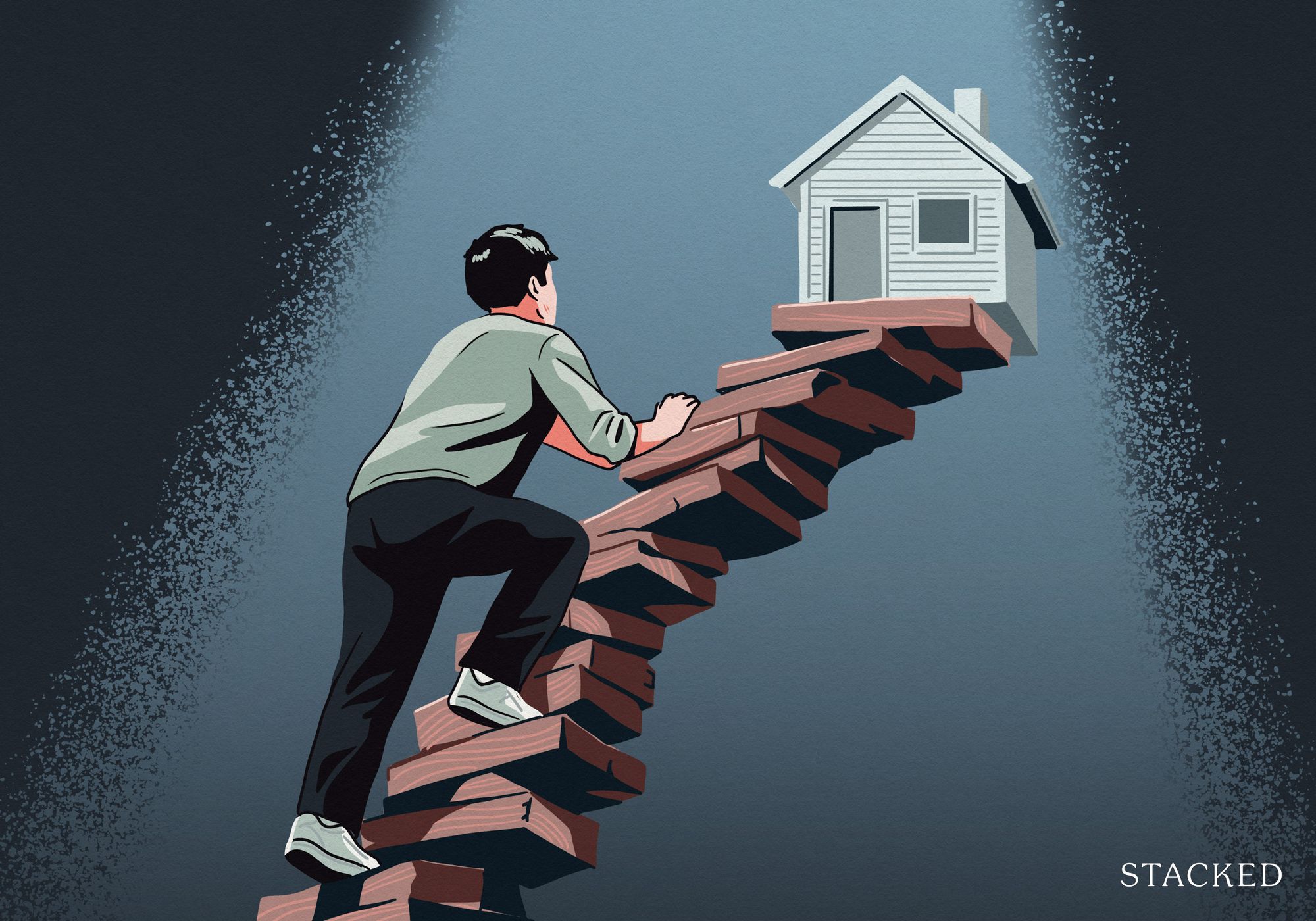
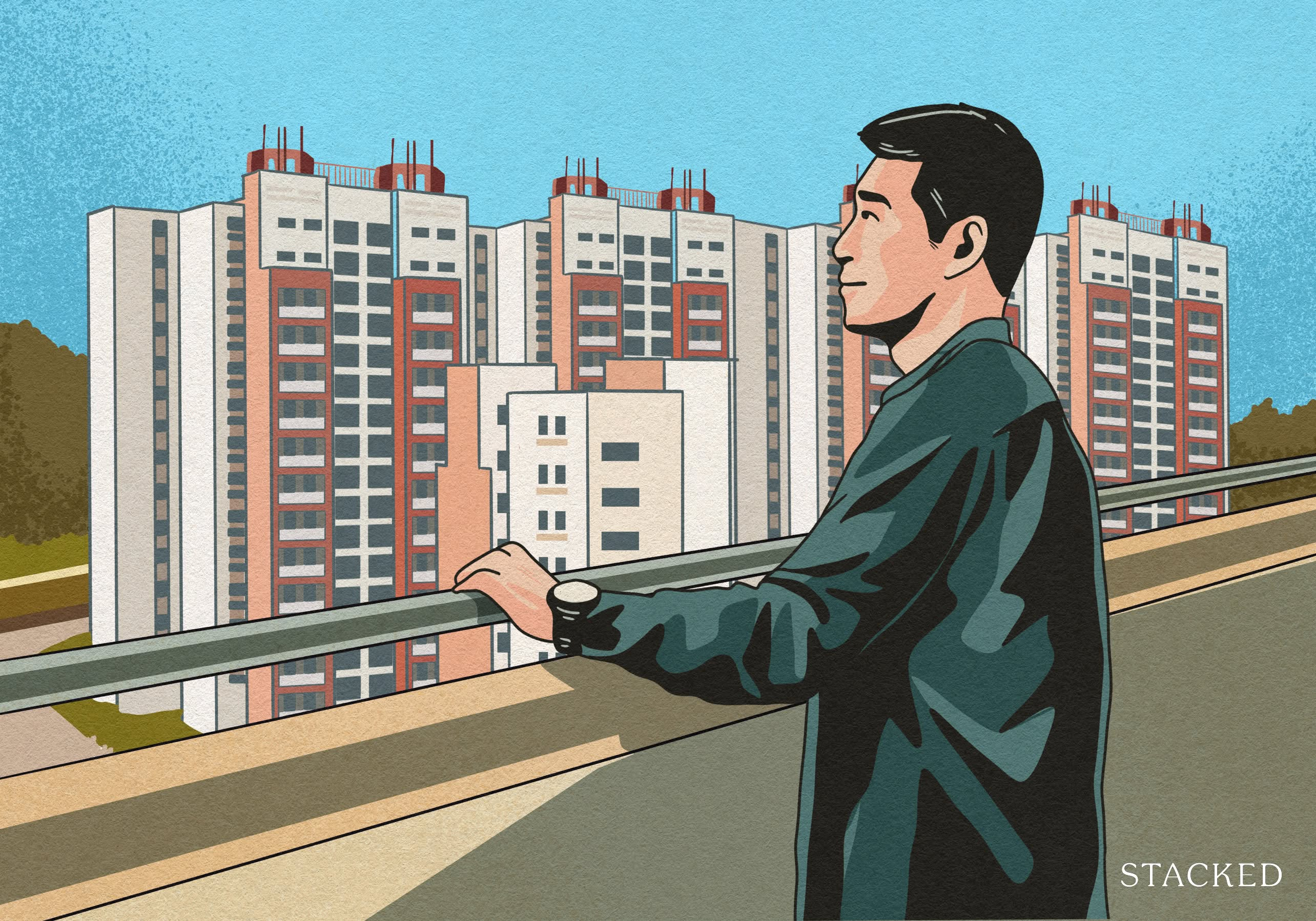
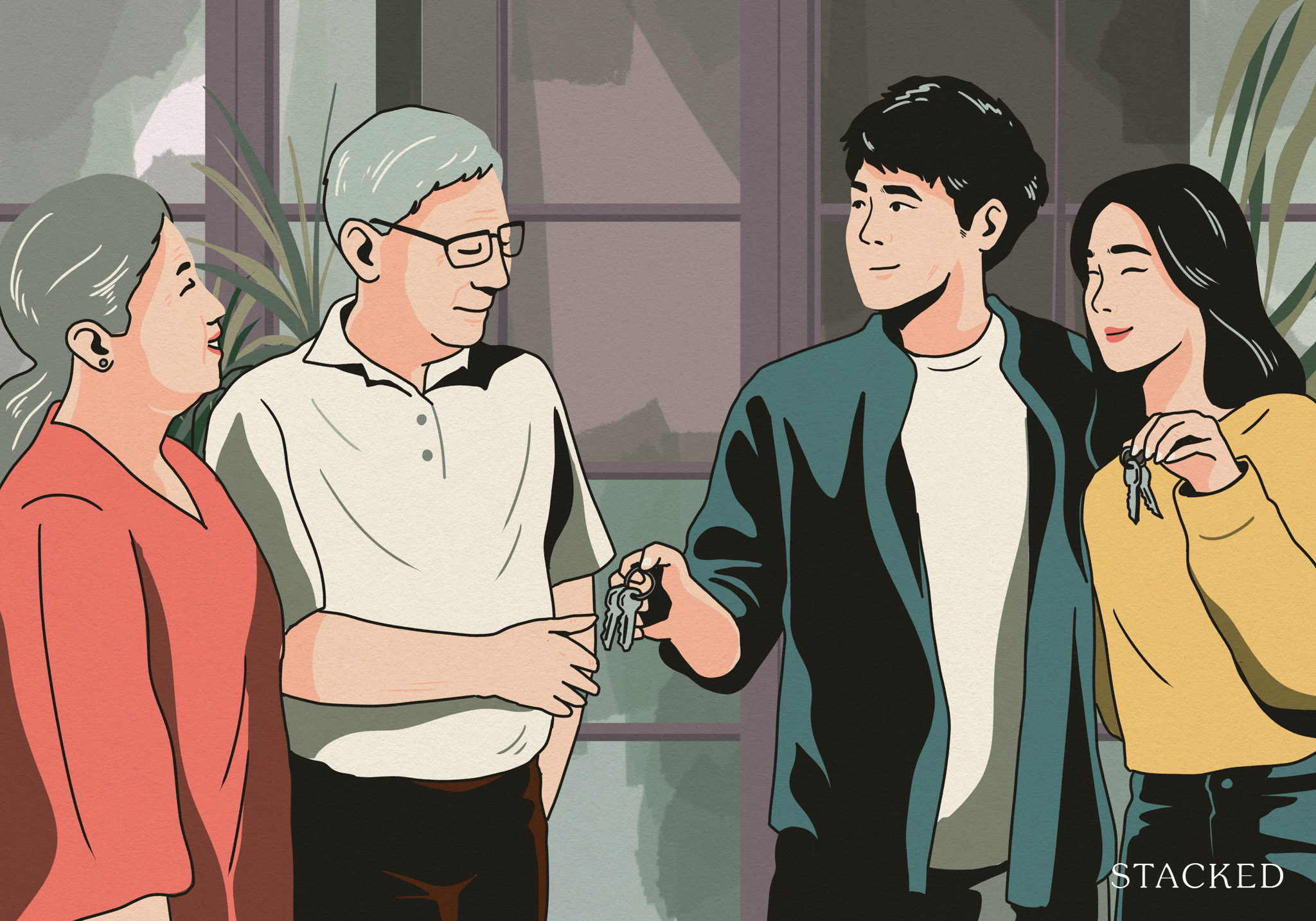
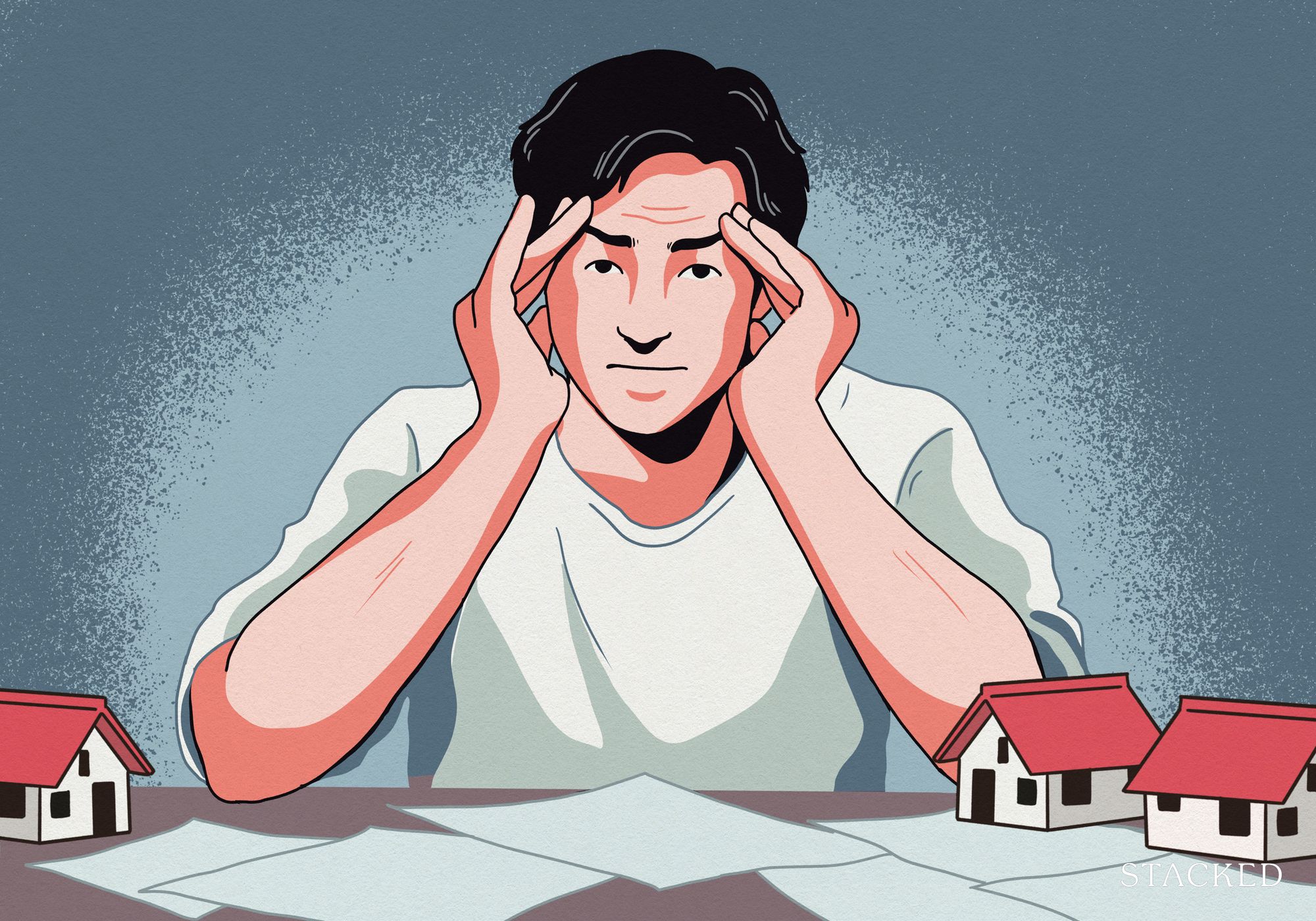
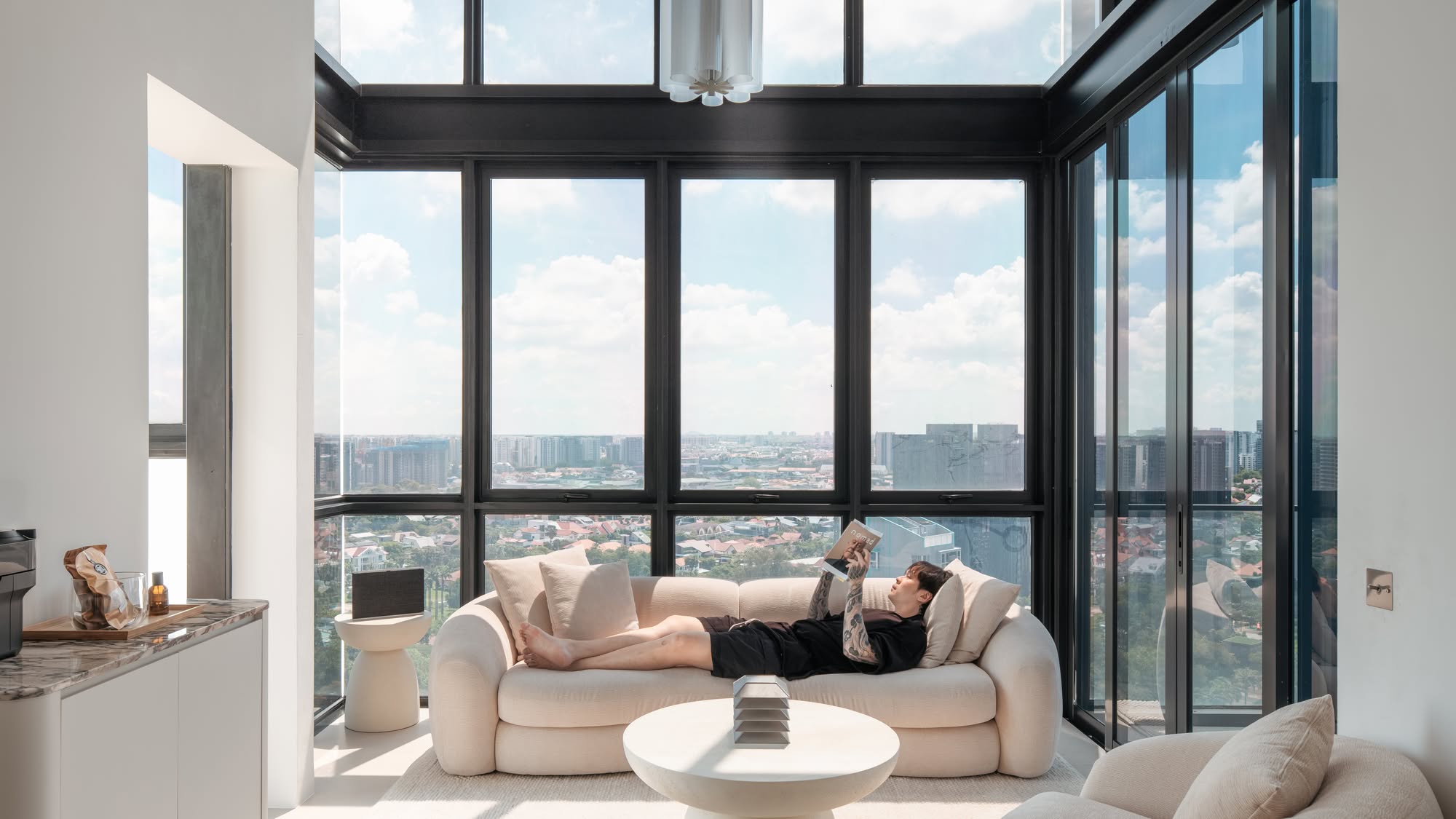


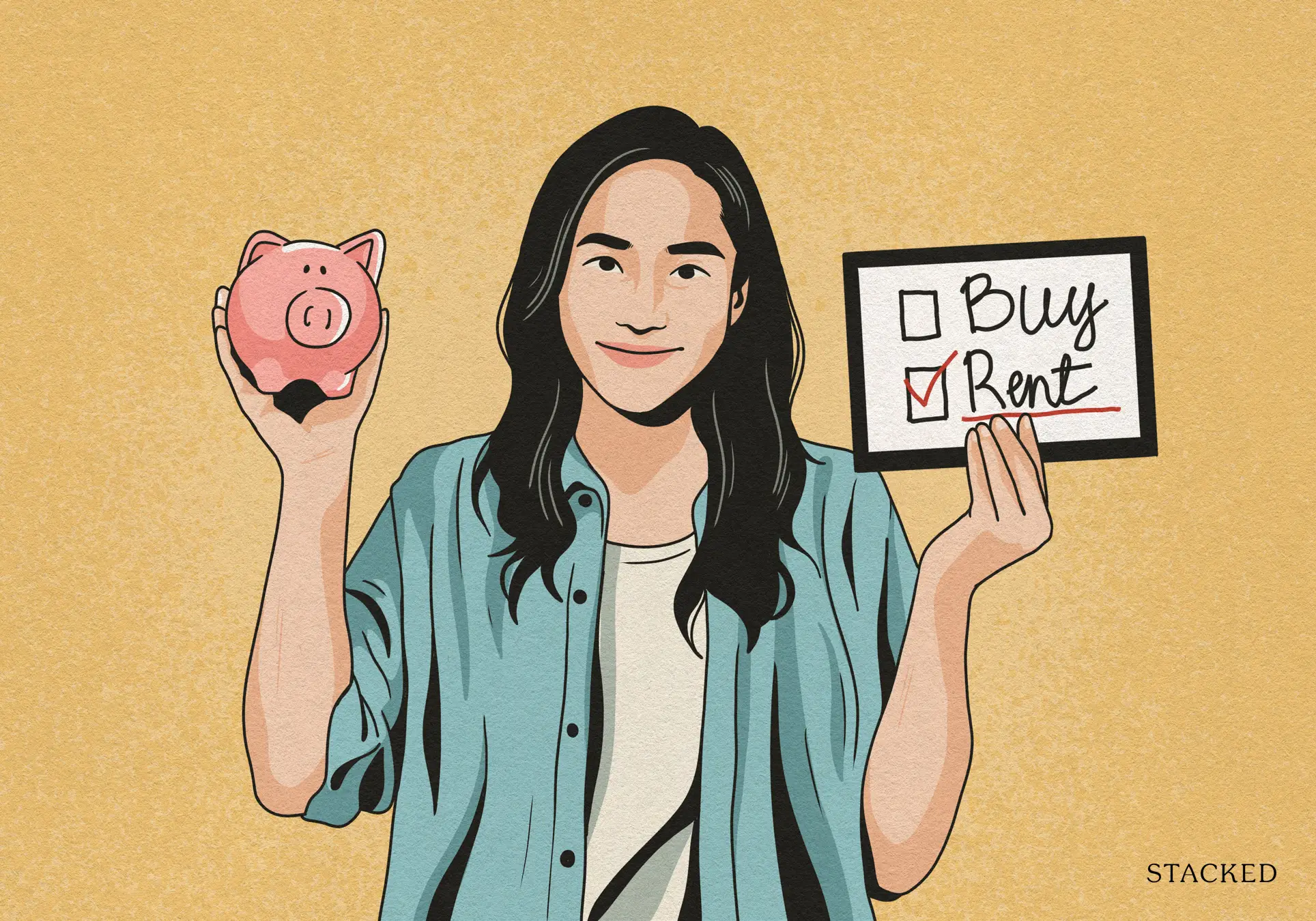
There’s a certain taboo in Singapore toward renting, though a good deal of it is self-inflicted. I’ve never actually heard anyone use the term tenant or renter as an insult, but the Singaporeans who are in that arrangement might consider themselves in an inadequate housing situation.
While homeownership tends to be the norm for most Singaporeans, with homeownership rates for more than 90 per cent, there are good reasons for some Singaporeans and PRs to opt to rent and none of those reasons are necessarily embarrassing. Here’s when it’s best to avoid the social pressure to buy:
So many readers write in because they're unsure what to do next, and don't know who to trust.
If this sounds familiar, we offer structured 1-to-1 consultations where we walk through your finances, goals, and market options objectively.
No obligation. Just clarity.
Learn more here.
1. You’re at the stage where you might be settling down in a few years, but can only afford a smaller place
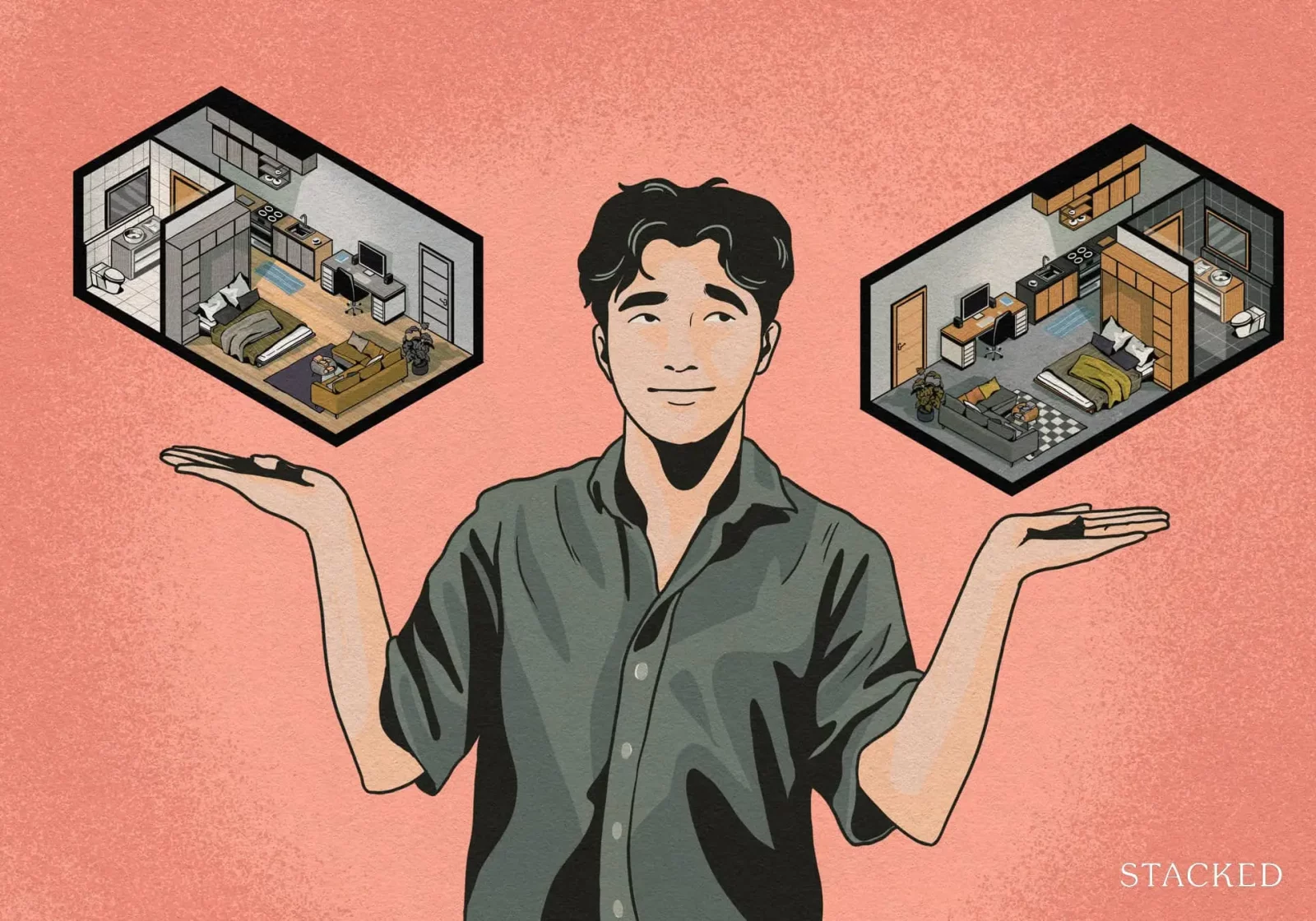
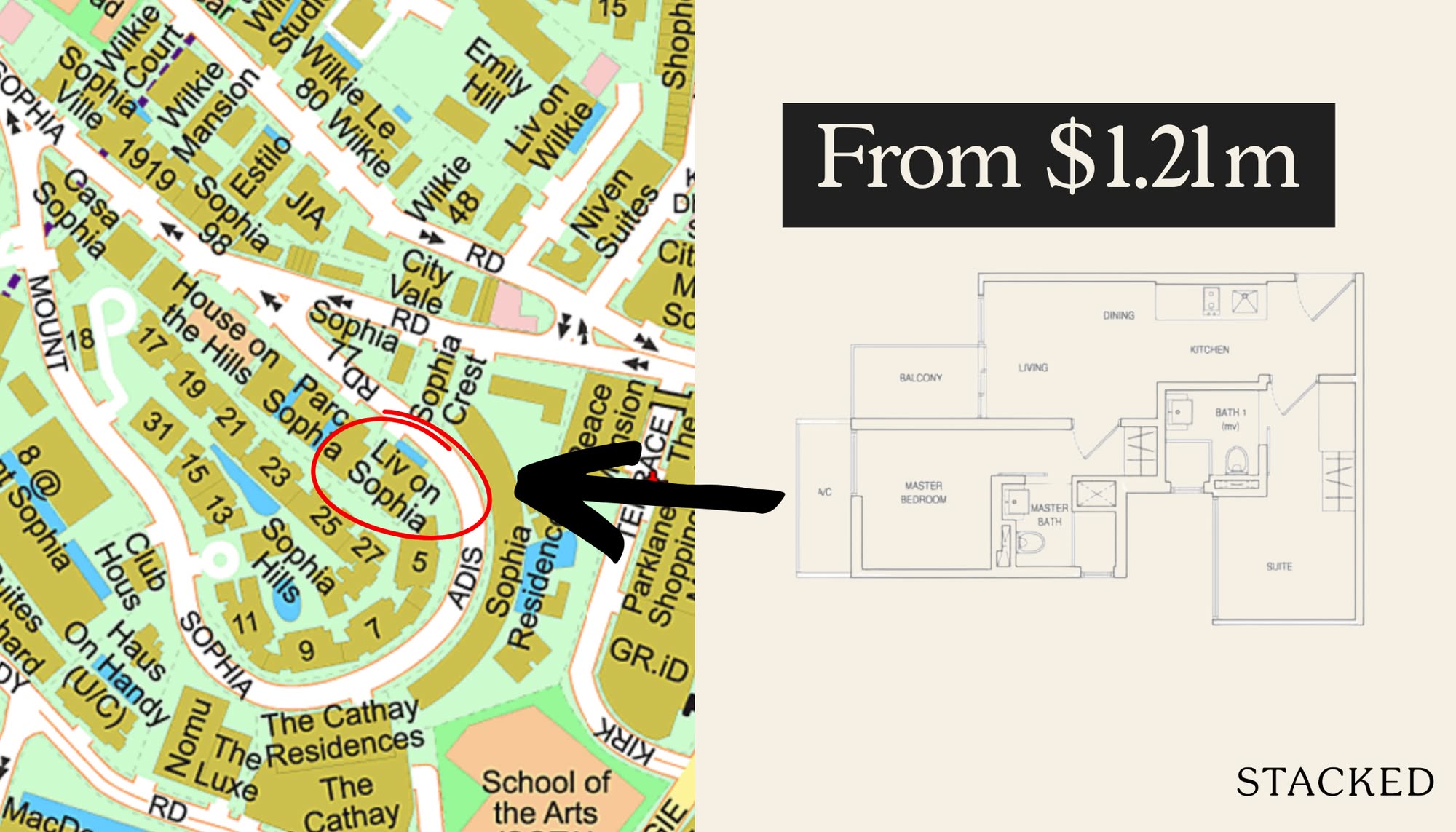
This is one of the most common regrets I’ve come across among homebuyers who made their move too soon. Typically, it occurs when someone buys the only condominium unit they can currently afford, such as a one-bedder, because they’ve yet to turn 35 and can’t buy an HDB flat. But they still intend to settle down and start a family in the coming years.
HDB regulations means that you can’t ballot for a new flat while owning a private home like a one-bedder. So the condo unit has to be sold first. Even when it is sold, there’s a 15 month wait-out period after the sale before you can proceed to buy a resale flat, and there’s a 30 month wait-out period to ballot for a BTO flat. This typically limits this group of buyers to the relatively pricier resale flat market.
Some unlucky buyers may also end up barely breaking even or rake in a loss if the holding period of the condo unit was relatively short, for example less than five years, after accounting for other expenses like development maintenance fees and renovation costs. Much of this also depends on the prevailing market conditions at the time of the sale. So if there’s a chance that something like this may happen in the near future, it could make sense to keep renting and hold off on buying for now.
It may also be difficult to find a large pool of buyers for smaller-sized units, such as one-bedders. HDB upgraders tend to comprise families and these types of units don’t appeal to them. Property regulations also means that few people are using “sell one, buy two” strategies in the current market.
2. You haven’t experienced living with your permanent (or soon-to-be) partner yet
If you are already renting a flat or a bedroom, you would have already experienced living by yourself. But how about living with the person you’re settling down with? If the two of you haven’t experienced living under the same roof yet, it may be a good idea to move in together first and possibly share your current space if possible, and then buy a year or so later.
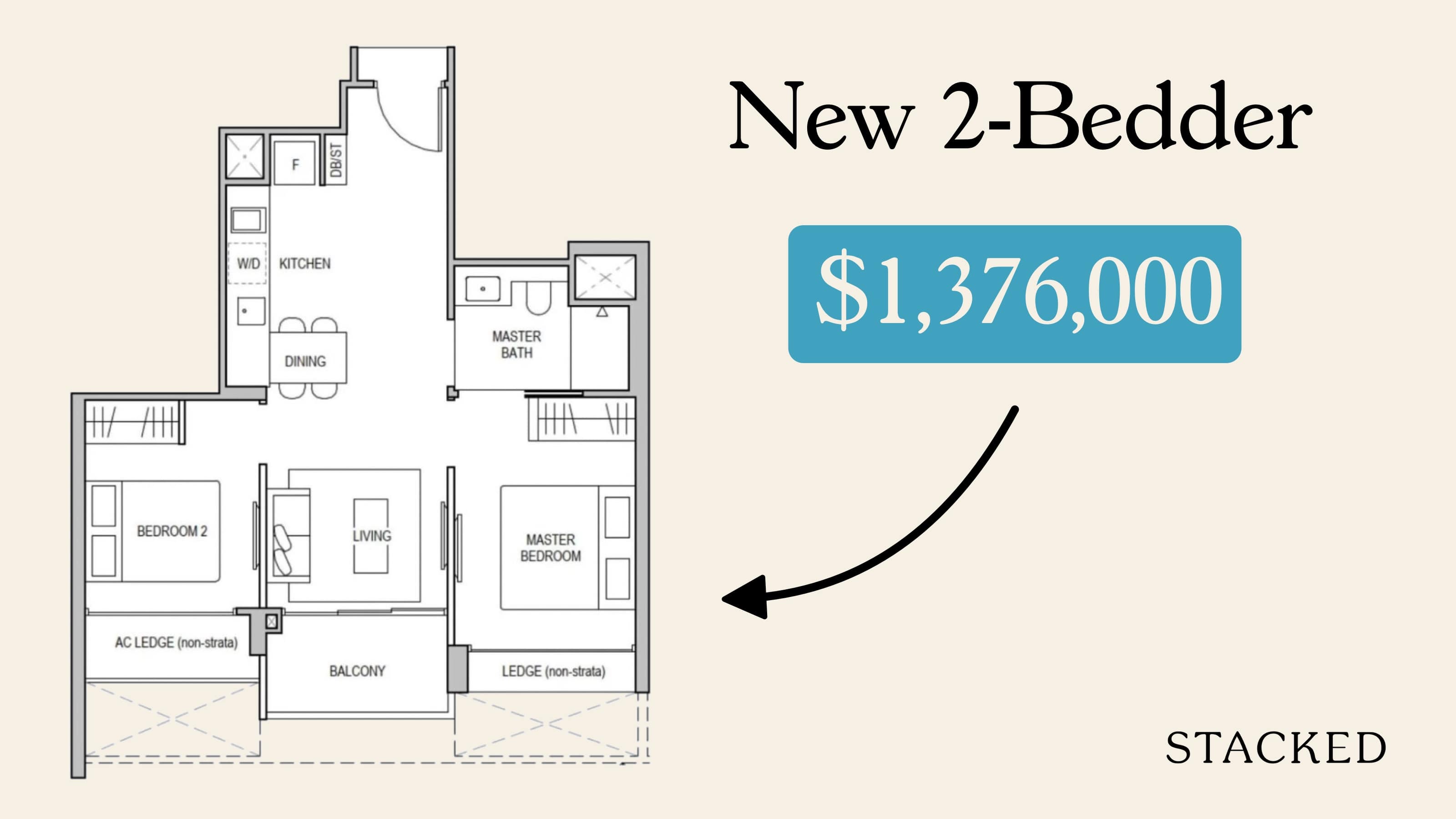
This allows time for previously unshared preferences and lifestyle needs to surface. A common discovery for example is the desire to have a two-bed, two bath layout, as opposed to a cheaper two-bed, one bath layout. Issues like having to leave for work early at the same time (some people take forever in the shower) or one person doing most of the housework, can have a drastic impact on housing preferences as well as considerations on the location.
Renting and living together for a year allows you to have a much clearer idea of what you both might need when you eventually start house hunting. It’ll also contribute to the renovation plans that follow.
3. Your work requires you to relocate or involves spending long periods overseas

Unless you want to take on a second job, I’d be careful about buying under these conditions. And by second job, I mean managing the property while you’re abroad.
Most people in this situation will end up trying to rent, because condo maintenance fees aren’t going to pay themselves. It’s also quite painful to be paying a monthly mortgage for a vacant property you can’t use. Besides, even if the property is vacant, someone still needs to pop by to clean it and check on it.
Renting can get complicated and while some property agents go the extra mile, consider this a reminder that technically the agent’s job ends when the lease is signed. Unless you get lucky and have an agent who really wants commissions for lease renewal, they may not care when your tenant starts breaking the rules.
Dealing with issues like conflicts between unrelated tenants, or tenants who are late with rent, are also major distractions from your job.
Buying even if you’re not around may be feasible though, if you already have a trustworthy tenant like a family member who wants to rent it when you’re gone, or if your family back home can pop by to check on it and clean it if you leave it vacant. Otherwise, you might want to consider waiting till you’re more settled.
4. Your available CPF and savings will go to zero
If buying now would wipe out almost the entirety of your cash holdings, then it might be safer to wait and save up first. I won’t dispense financial advice as that’s not my field of expertise, but if you consult financial planners, most will tell you to have at least six months of expenses saved up. And yes, that means you want to have enough to pay the mortgage, with other costs, for at least the next half a year before you buy.
Six months is also a reasonable amount of time for agents to get to work and find a buyer, especially in cases of a serious emergency like job loss. You can pay the mortgage with your CPF and you can keep up to $20,000 in your CPF when using it to buy a property – so if you can’t manage the savings in cash, at least make sure your CPF can sustain the loan repayments.
Also remember there’s a Seller’s Stamp Duty (SSD) if you sell within the first four years of purchasing a unit, and HDB properties have a Minimum Occupation Period (MOP). This makes it especially problematic if you lose your income and are unexpectedly forced to sell ahead of time.
5. Your available options are not the ones you can see yourself living in for very long periods
Never assume that whatever property you buy can be easily sold off or changed later. That may turn out to be the case, but it’s never something you should bet on. Market conditions like new property cooling measures, the property’s average price performance, and your changing life circumstances may conspire to prevent that from happening.
A typical example is buying an aging walk-up apartment and expecting to stay for five to 10 years before moving on to something better. But when they attempt to find a buyer, they realise that the lease decay was too advanced to appeal to many buyers. As a result, most of the offers couldn’t sufficiently fund a replacement property in the current market.
This was a reality that some people faced after the post Covid-19 pandemic from 2021 to 2023 when replacement property prices increased rapidly in tandem with the market recovery.
As there’s no perfect way to foresee such situations, it’s best to buy a property with the assumption you may not be able to sell it and buy a replacement later. It should be a place you’re happy to stay for a long time – possibly most of the rest of your life – even in the worst case scenario where moving is no longer possible.
If none of the properties affordable to you can meet those criteria, it could make sense to save aggressively and rent a while longer, until you can afford a property that does.
That being said, in my experience, wrong timing is far worse than wrong choice
You can buy an excellent condo and yet still suffer because:
- Your income changed and you had to sell too soon
- You bought before major lifestyle changes, and now you’re stuck in an inconvenient place because your job is somewhere else or your child’s school is somewhere else, etc.
- You bought because you were pressured to avoid renting, and now you have a monthly mortgage that will cripple your lifestyle for the next decade or more
Renting has the power to absorb the power of all this chaos, until the day comes when you’re ready. So don’t be embarrassed to “time your jump” as it were.
As an aside, here’s an unpopular truth about the Singapore housing market as of 2025:
It’s not designed for people to buy homes early. Maybe that was true in the ‘80s or even the ‘90s, but not now.
Today, dual income households are the norm even for HDB flats. The 25 per cent minimum down payment suggests a long period of savings accumulation in both cash and CPF, and it’s very clear that a 25-year old rushing to buy a one-bedder to “get a headstart” isn’t as much of a winning strategy anymore. They’re more likely to be the participant joining the race before they can warm up and buy proper shoes.
So ultimately, keep on renting until your life and finances are stable enough to buy. If you are still worried about how society may perceive you, consider this: it will look and feel even worse if you buy but are then forced to sell or fall into financial difficulty.
At Stacked, we like to look beyond the headlines and surface-level numbers, and focus on how things play out in the real world.
If you’d like to discuss how this applies to your own circumstances, you can reach out for a one-to-one consultation here.
And if you simply have a question or want to share a thought, feel free to write to us at stories@stackedhomes.com — we read every message.
Frequently asked questions
When is renting better than buying in Singapore?
How do I know if I should wait before buying a flat?
Why is it not always good to buy a property early in Singapore?
What should I consider if I plan to buy a property but might move soon?
Is renting common or frowned upon in Singapore?


0 Comments