





This Co-Working Space Has A Bar, A Tech Concierge And A $20K Chair — Here’s What It’s Like Inside


When I first used a co-working space decades ago, it was a spartan set-up. Co-working at the time mostly meant a desk, a room I could book for meetings, and a front desk receptionist who would text me when a client arrived. Sometimes.
So, it’s interesting to see how, in the span of around 10 to 15 years, new co-working spaces and flexible workplace operators like The Executive Centre (TEC) have shaped and elevated the co-working experience.
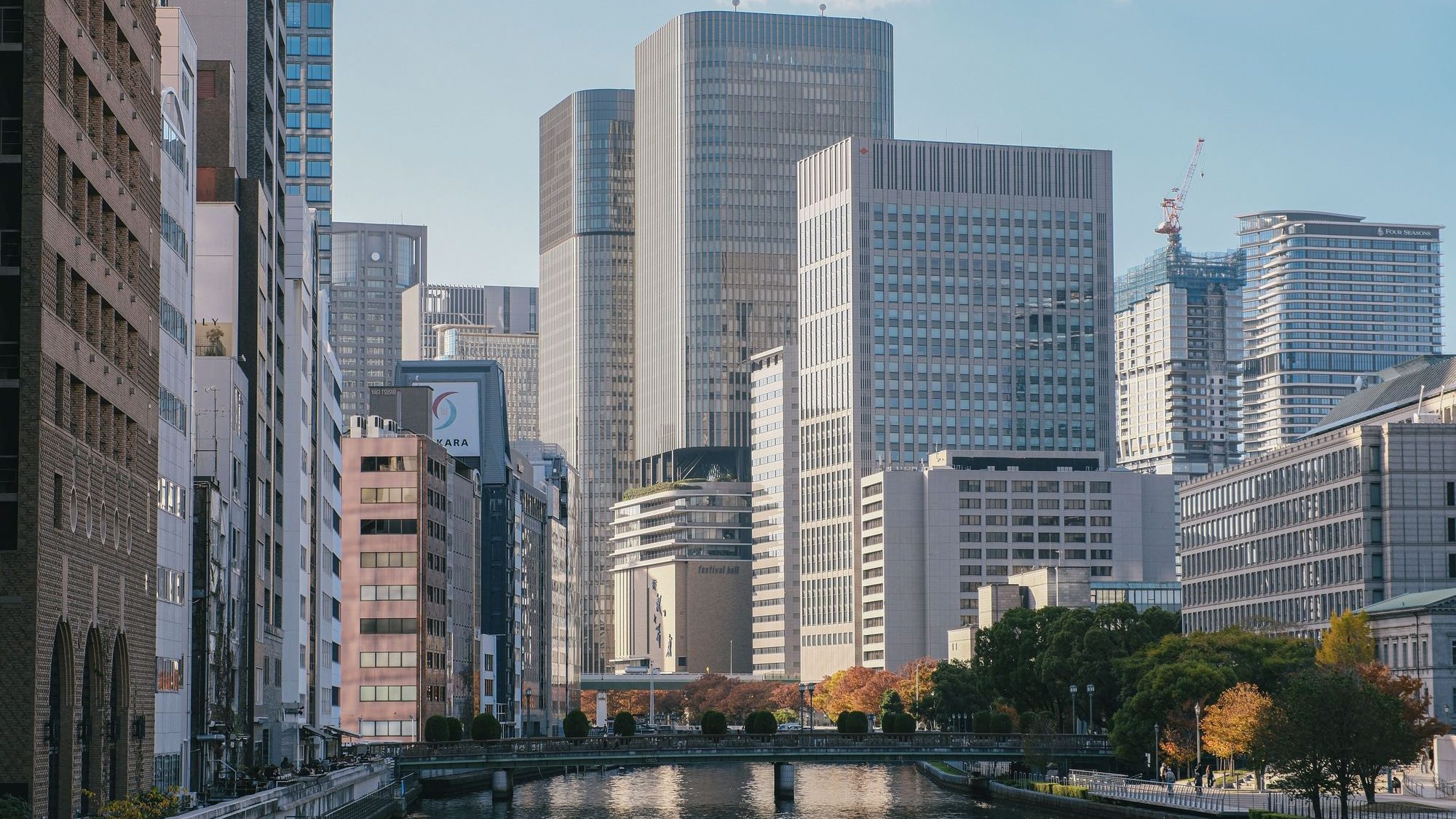
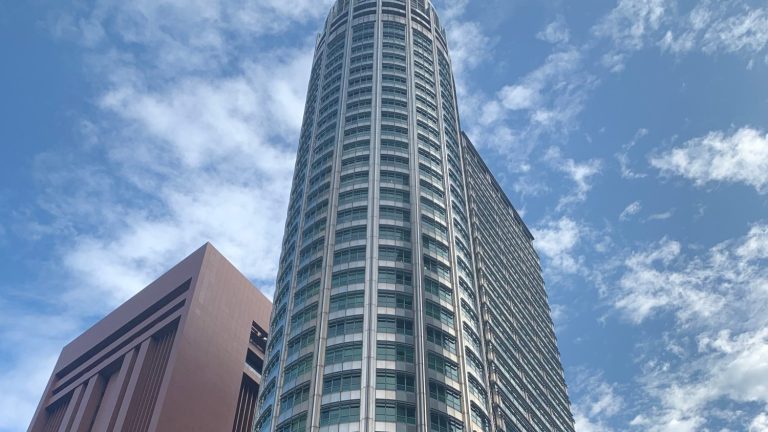
I recently experienced one of the newest co-working spaces at IOI Central Boulevard Towers, where TEC recently opened another workspace on the 32nd floor. And what you’ll find at IOI Towers is quite different from the bare-bones, co-working spaces that characterised the market in its early years in Singapore.
The new co-working space commenced operations in November 2025 and offers more than 300 workstations across purpose-designed private offices, meeting rooms, lounges and event spaces. Today, TEC operates 13 centres across nine locations in Singapore.
“Our clients today are managing regional mandates that are broader, faster-moving and more complex than before. At TEC, we are responding by concentrating on landmark locations and spaces that can flex with our members as their businesses evolve,” says Yvonne Lim, regional managing director of SEA at The Executive Centre.
She adds that the new centre at IOI Central Boulevard Towers was built to support that reality — enabling leadership teams to scale quickly and operate seamlessly across markets.
News pieces like this explain what’s happening in the market. Our consultations are designed to help you understand what it means for your own property decisions.
If you’re considering buying, selling or upgrading, we’d be happy to help you work through your options.
The shift to a premium, hospitality-led workplace
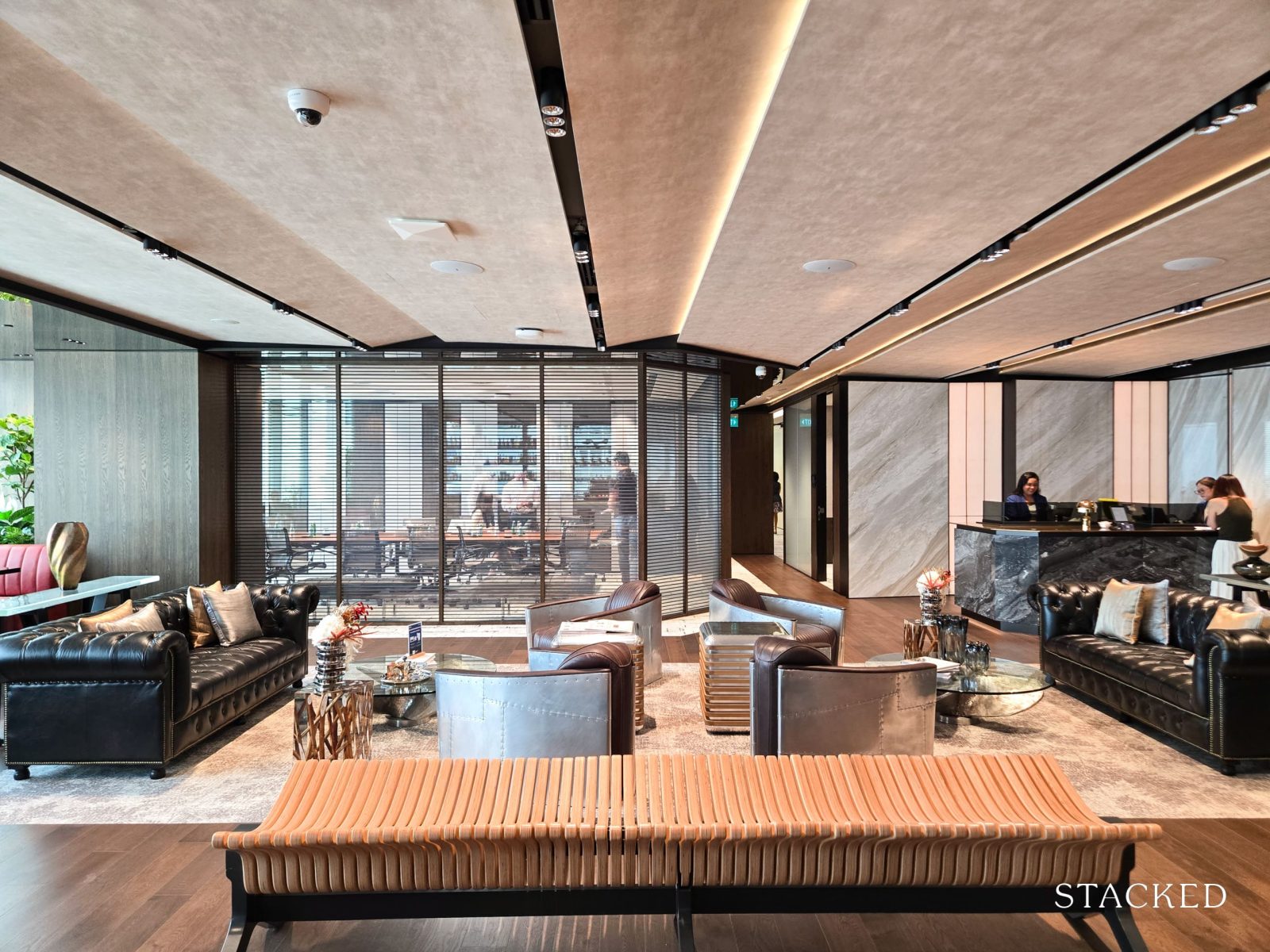
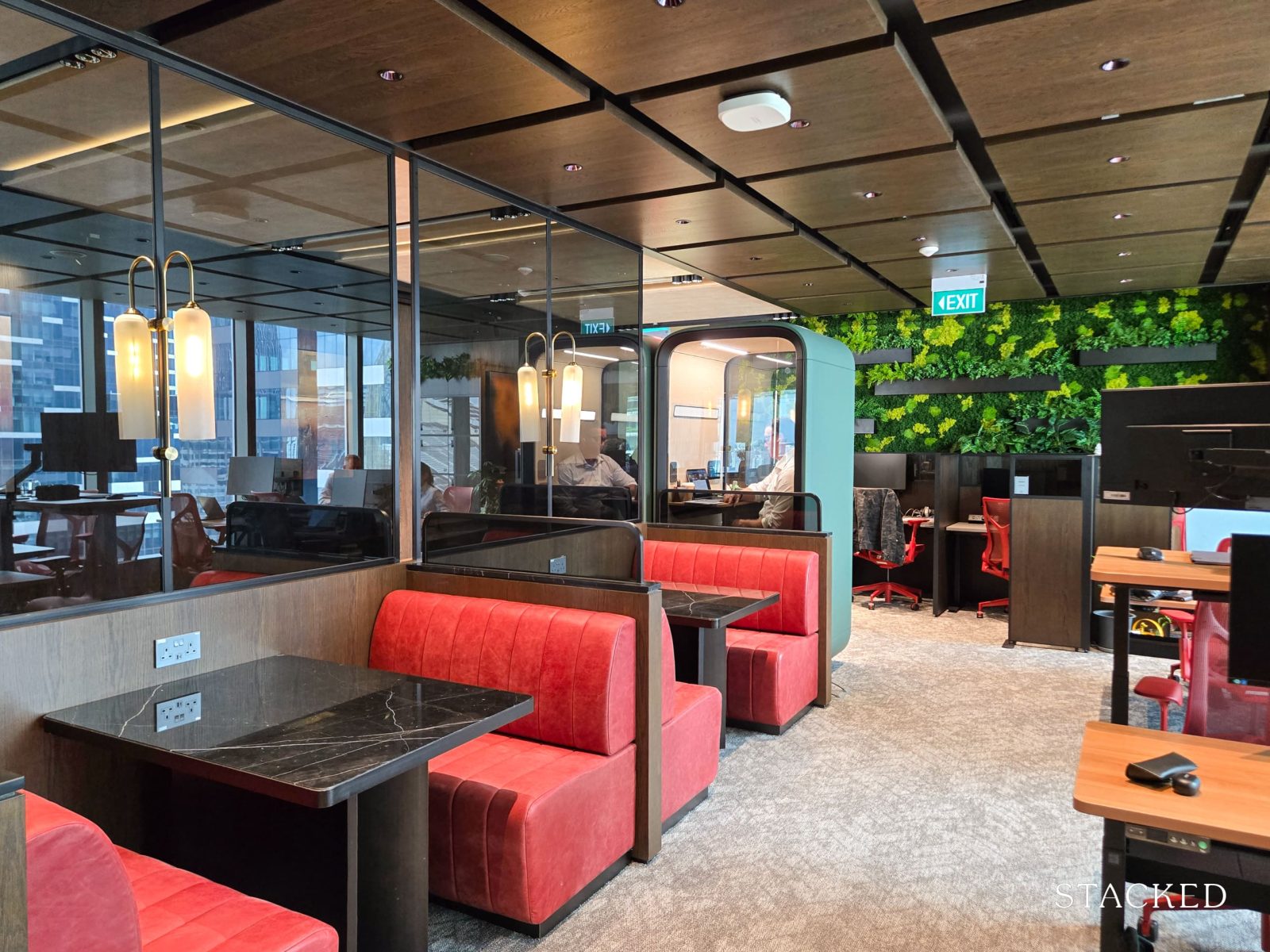
A noticeable quality that stands out at TEC’s co-working space in IOI Central Boulevard Towers is how strongly the experience of working there leans into hospitality.
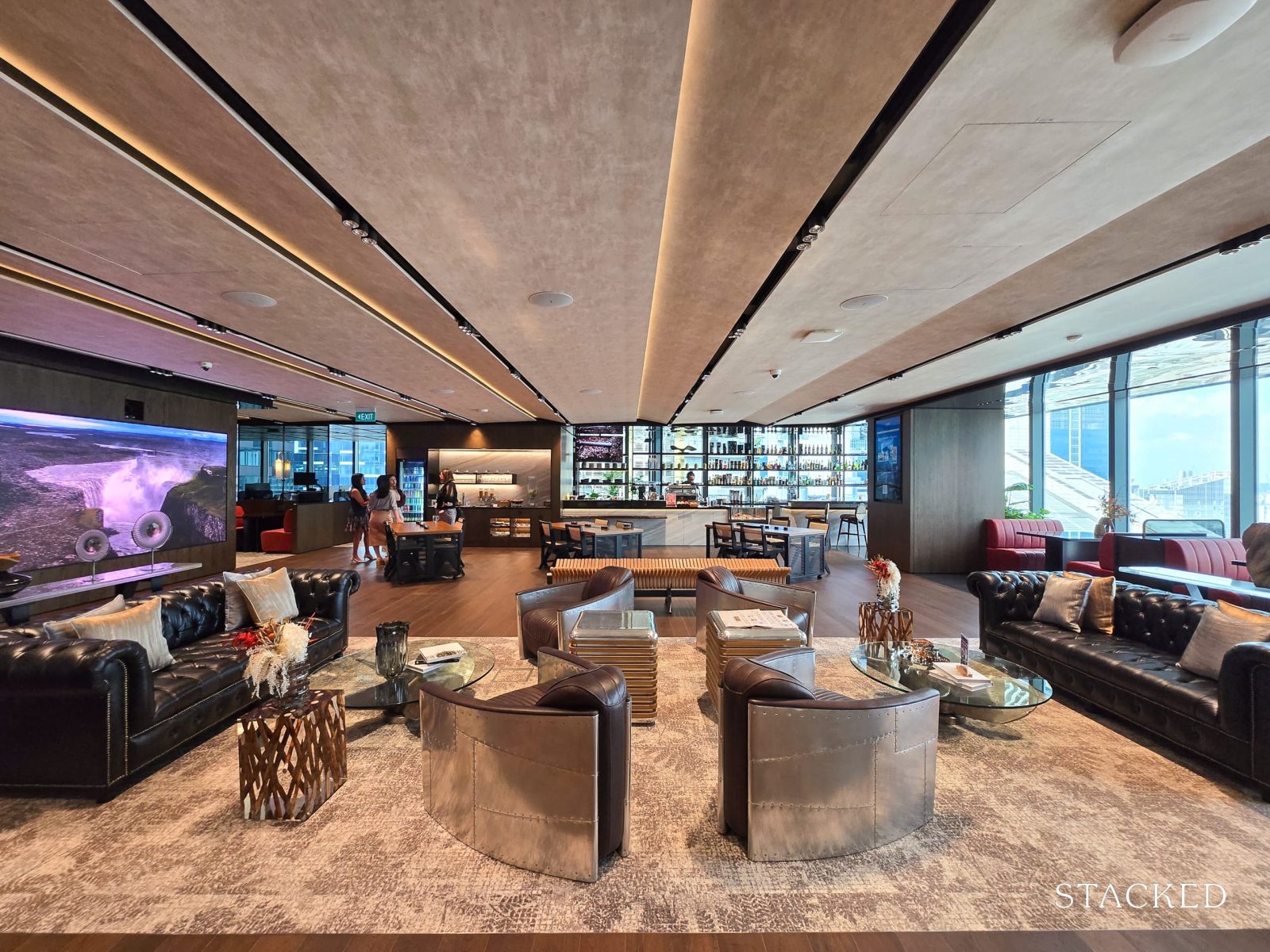
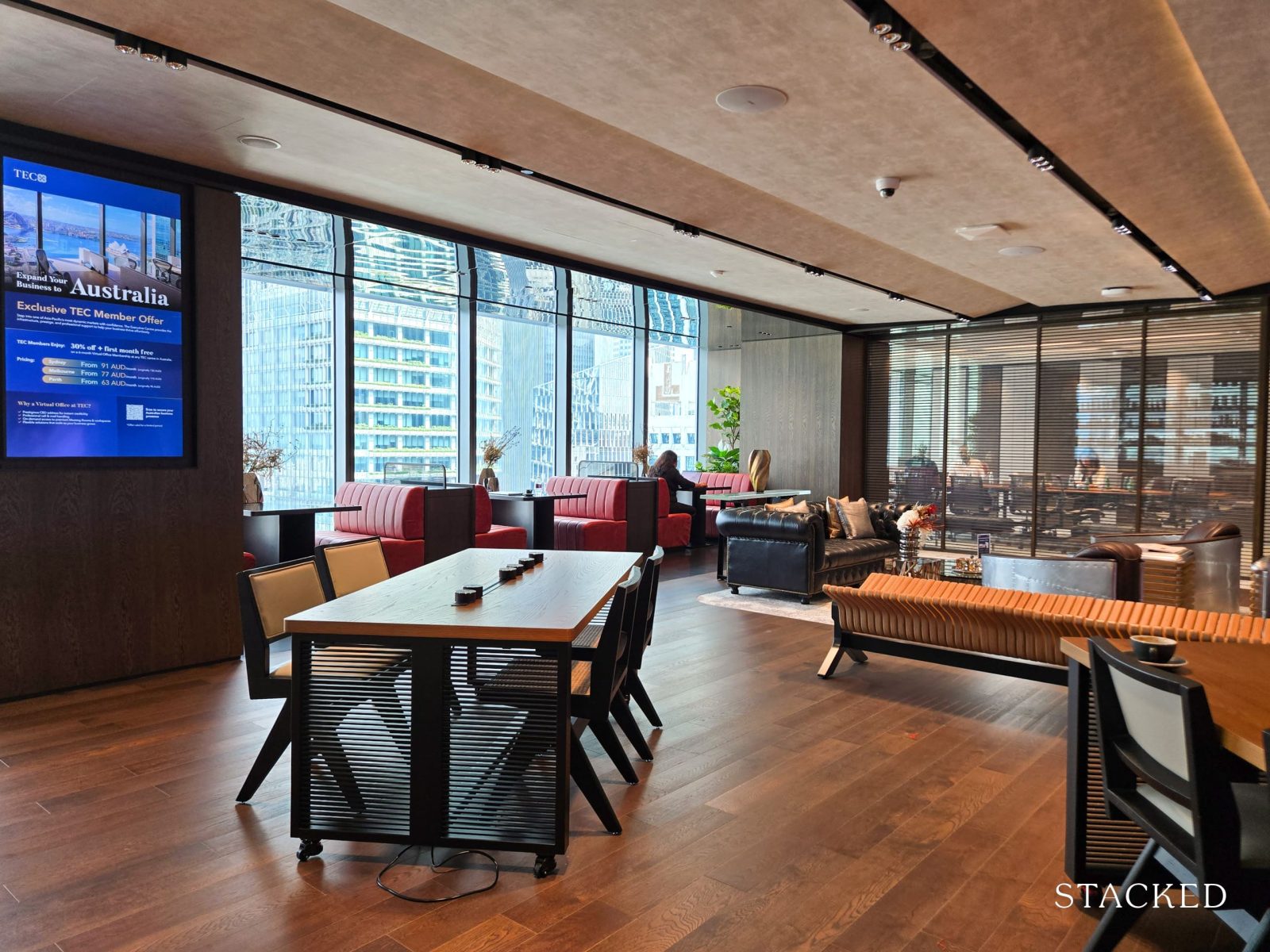
The lounge area sits at the heart of the co-working centre, and acts as something of a social anchor for the workspace. During the day, the adjacent coffee bar was staffed by a trained barista. In the evening, the same space shifts into a bar setting, with a resident mixologist preparing cocktails while the lighting changes to a more lounge-like atmosphere.
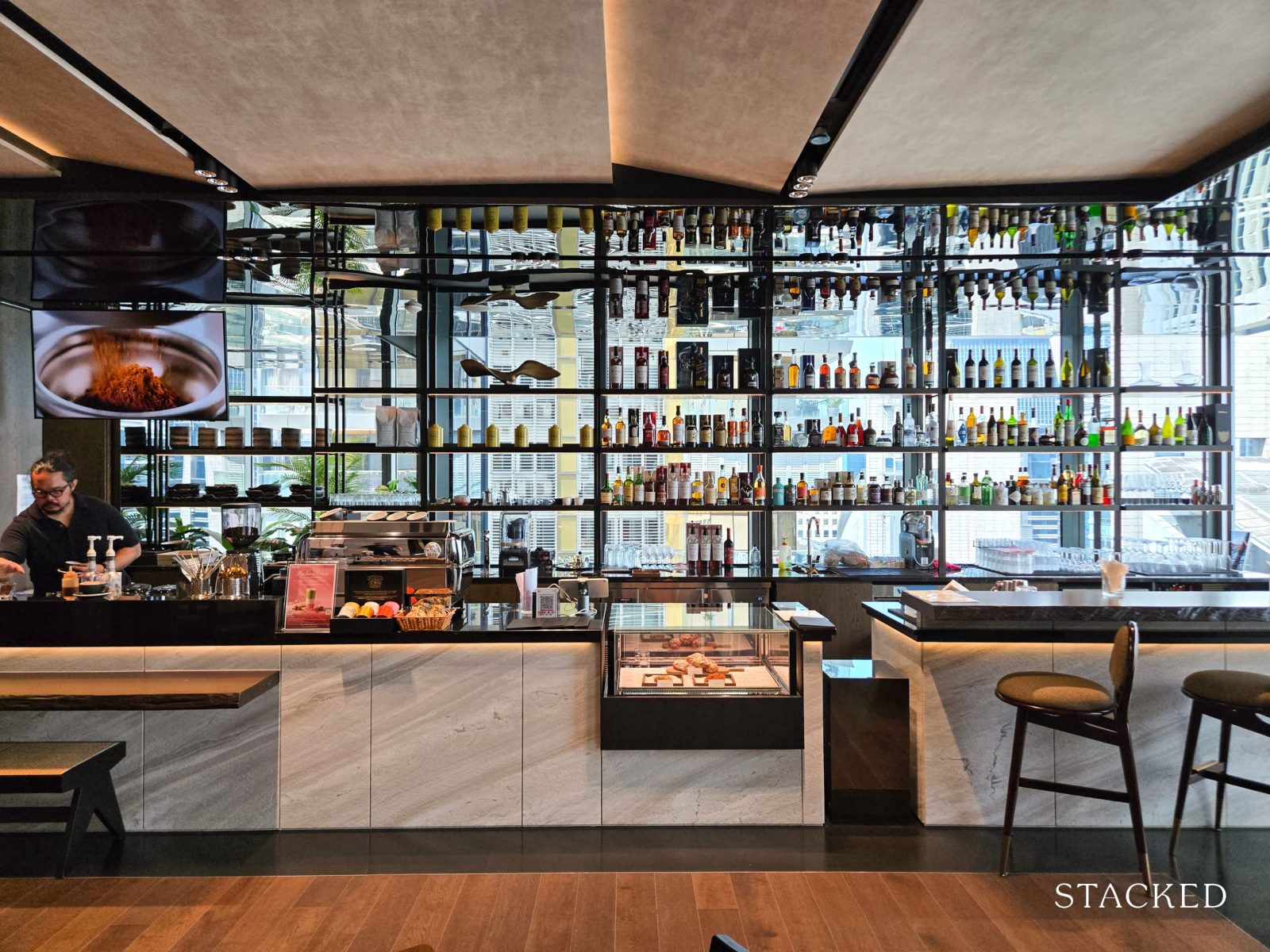
Even the furniture here draws your attention. One of the centerpieces in the café area is a seating installation that’s as much art as it is furniture. With a price tag of around $20,000, it’s an example of the commitment that went into the interior design.
Everything from the lighting to the blend of wood tones, to the excellent window views, is angled at creating a distinct character: you immediately recognise a TEC space when you see it, which matters in their increasingly competitive industry.
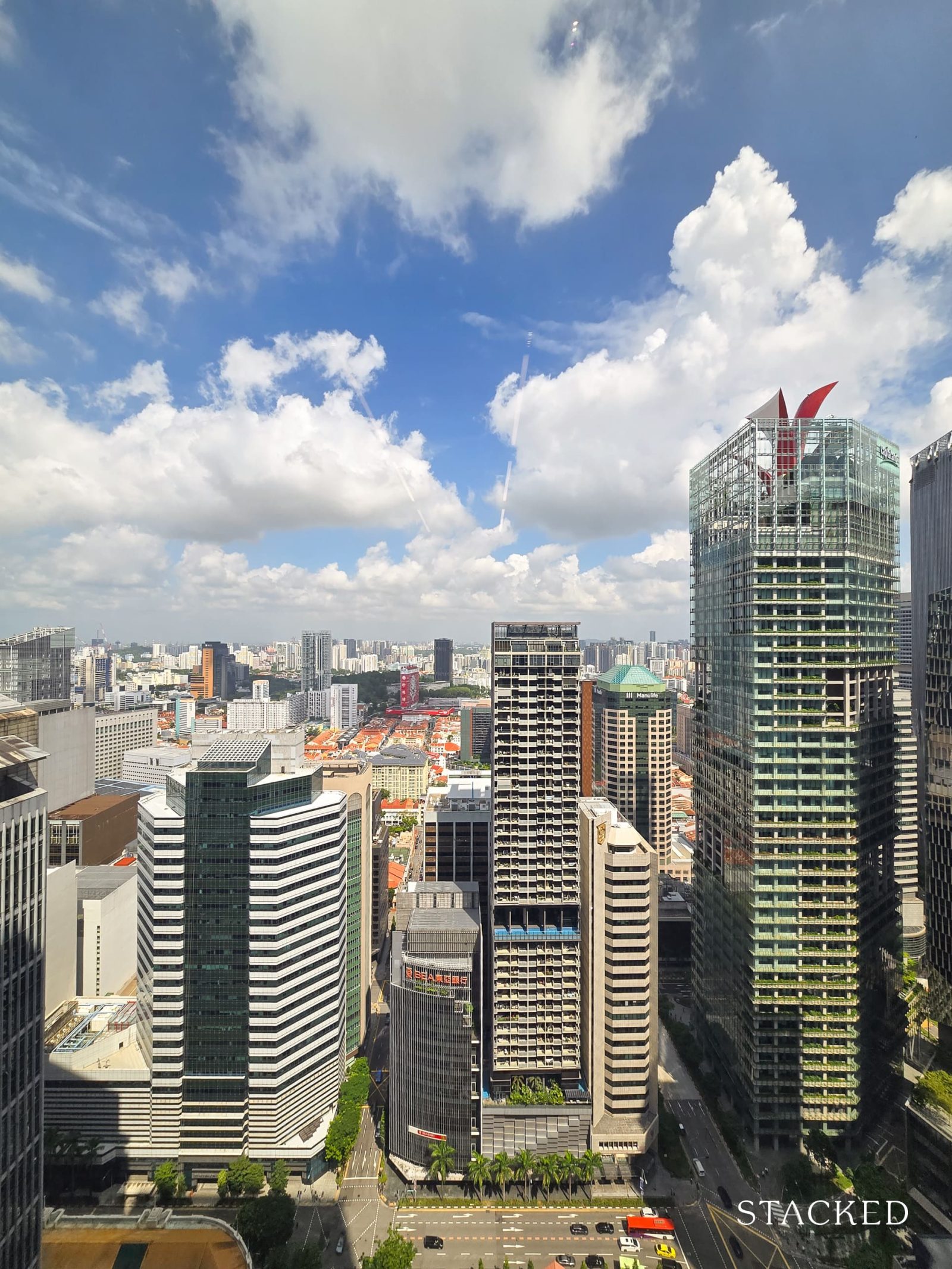
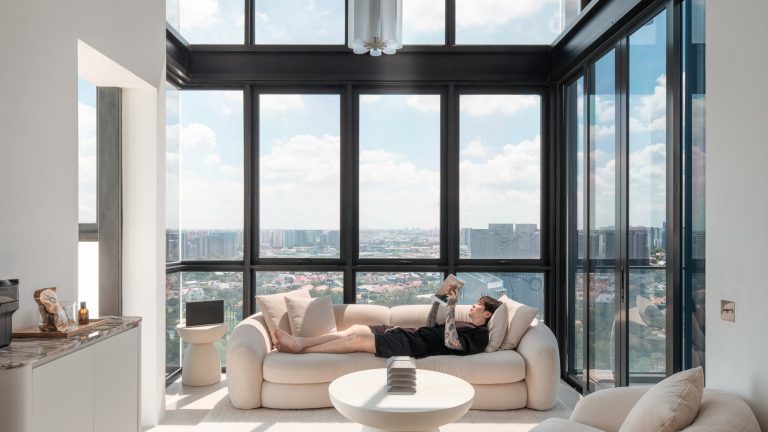
From this high floor space on the 32nd floor at IOI Central Boulevard Towers, the views overlook the city and are sufficient to clear the height of most of the surrounding Grade A office towers.
The hospitality experience extends to the staff as well. Many of the team members here come from relevant food and beverage backgrounds; a far cry from the ad-hoc part-timer thrown behind a coffee machine, which was sometimes typical of co-called “co-working cafes” in the past.
Even the reception area is deliberately designed. Instead of the traditional desk separating staff from visitors, there is a podium-like, standing setup that encourages interaction. During my visit the reception staff were rarely stationary. I noticed they moved around the space, greeting and guiding.
I also noticed the reception desk was clear of the usual mugs-holding-pens and stationary tools. Then it “clicked” that this was TEC’s characteristic vibe: friendly but not overly familiar, which is perfect for MNCs.
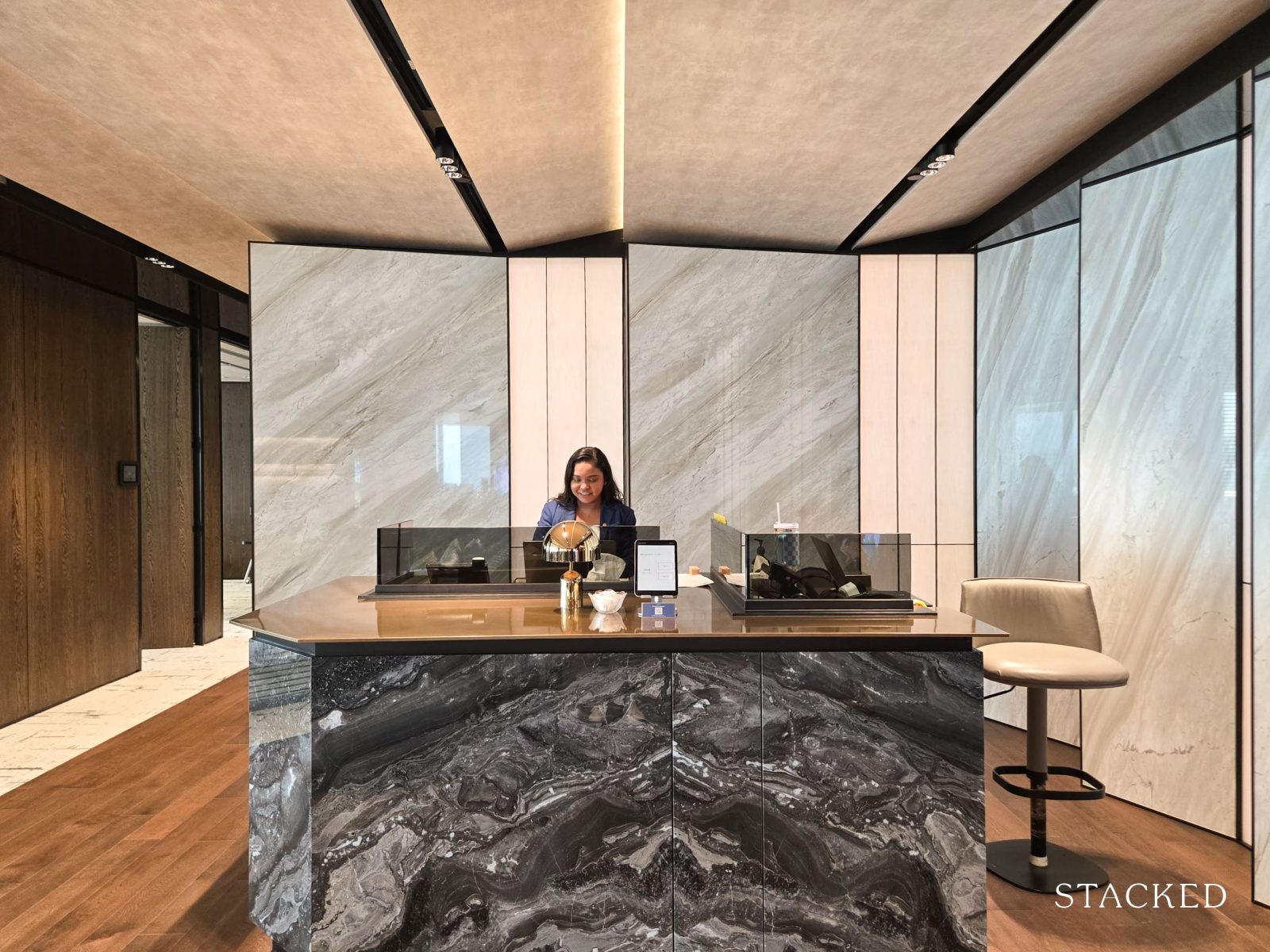
It is a small design choice, but one that reinforces the broader philosophy of the space. That attention to detail extends beyond the main lounge areas.
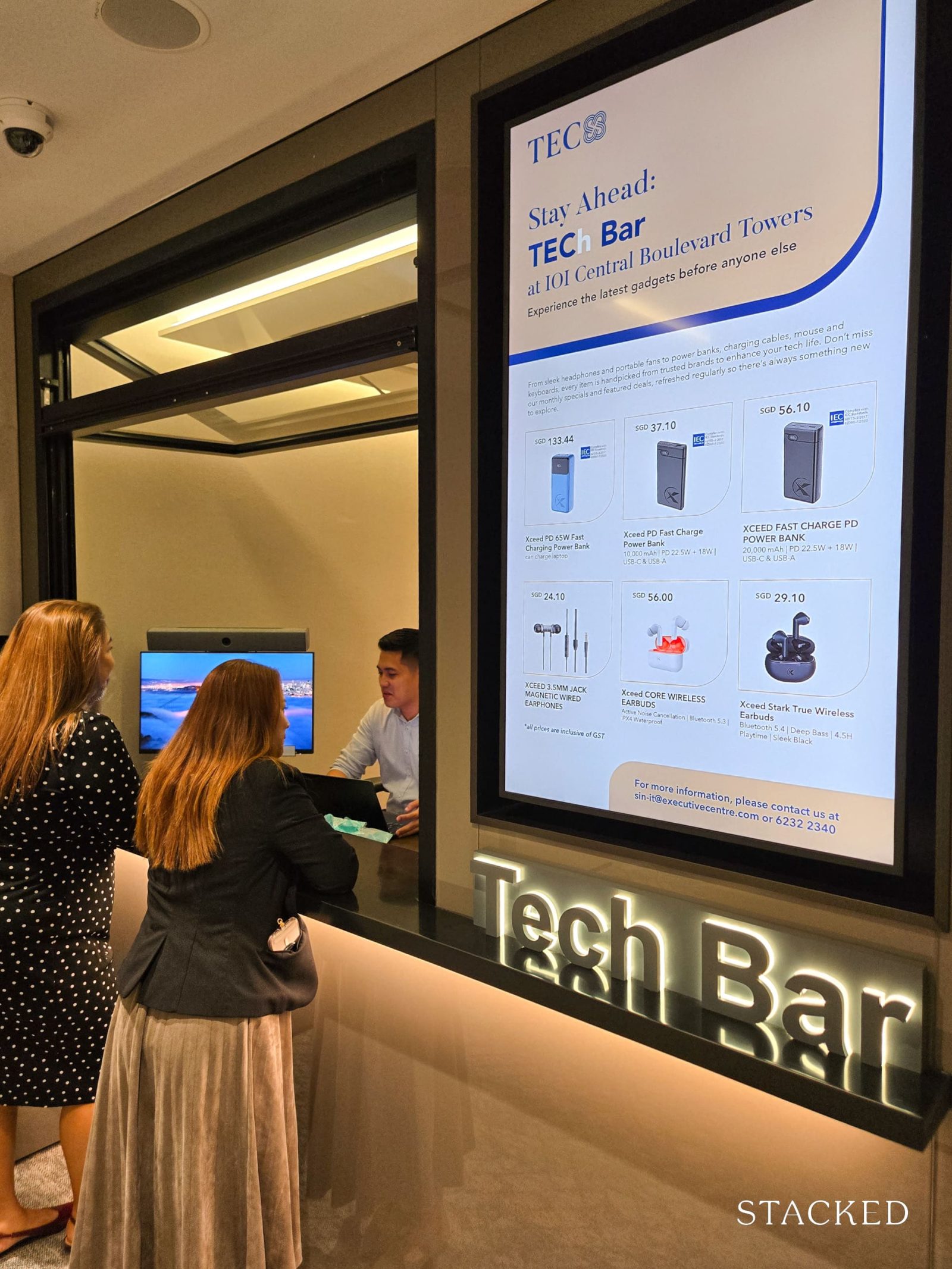
One feature highlight is the Tech Bar, where members can receive assistance with, well, tech issues. The Tech Bar also provides gear like chargers, ear pods, and other basic tools at lower rates than many regular retailers. That’s largely thanks to TEC being able to get them at corporate rates.
On average, there is around one IT specialist assigned to each centre operated by TEC. For companies with already overburdened tech departments, this is a very helpful support service.
The Tech Bar receives on an average of four to five enquiries per day, mostly focused on the retail products that TEC sells to tenants as well as support for any IT troubleshooting needs.
Even the bathrooms also reflect the same emphasis on experience. Rather than the generic hand soaps and dispensers in most office buildings, TEC has opted for Aesop toiletries.
This reinforces the hospitality-led atmosphere, which is closer in some ways to higher-end hotels than “just” an office. The overall experience of this environment – particularly in the more social spaces – feels less like a conventional office and more like a members’ lounge.
The working areas maintain privacy, despite the social orientation of the space
The balance between openness and privacy is quite delicate. Those who need a quieter work environment will be happy to see a discernible separation between the communal spaces, and the private work areas.
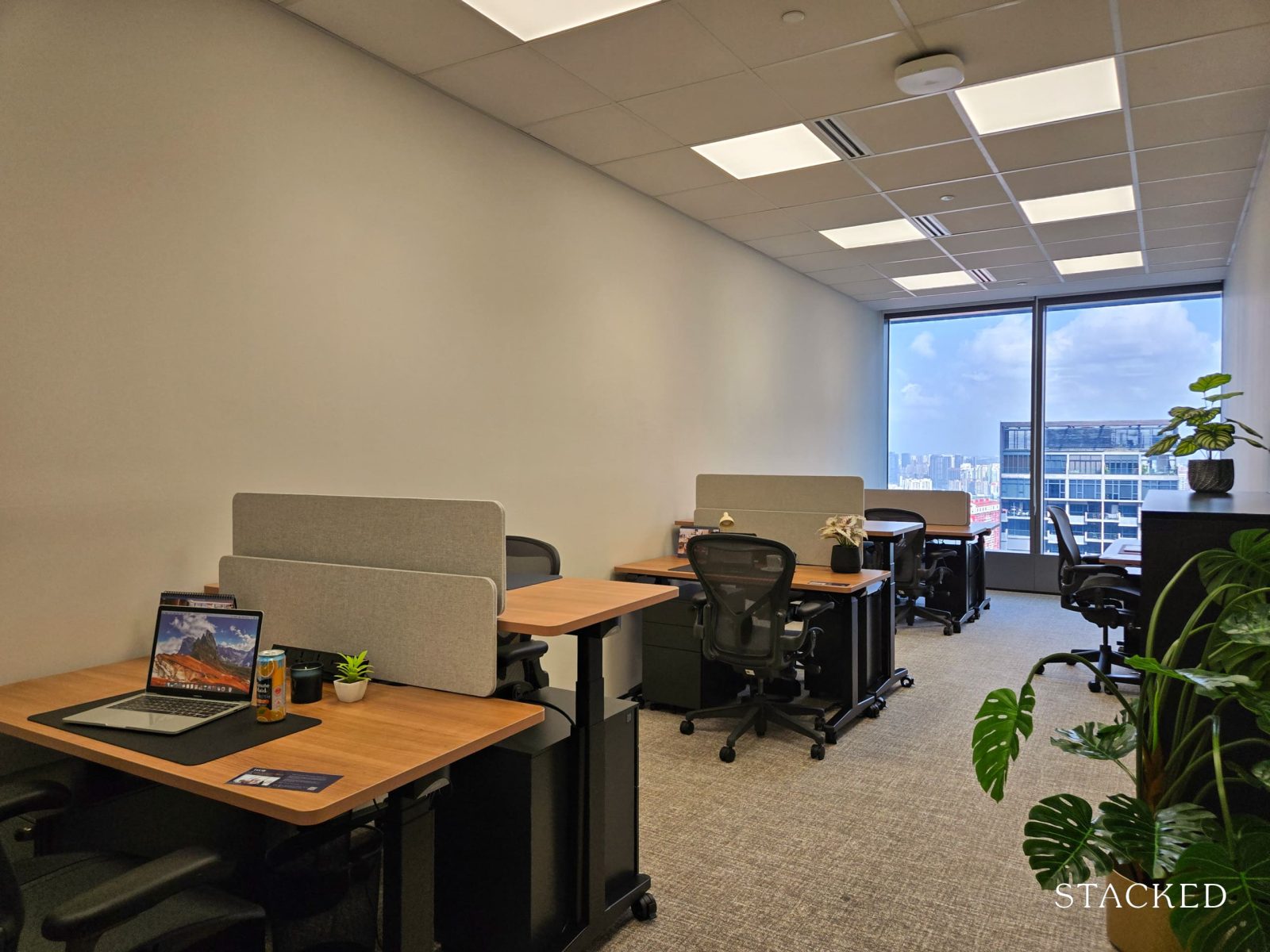
Most of the offices provide floor-to-ceiling windows, which allows for good natural ventilation; they feel private but not glum. There is also a selection of small private offices without this view, which can cater to those who prefer a more enclosed space.
Overall, this reflects a greater awareness of personal working styles as employers adjust the working experience at the office to suit different needs and to encourage more employees back to the office.
The space even includes a “Cocoon Room”, a quiet wellness corner fitted with a massage chair where members can decompress during the workday.
Speaking of privacy, the soundproof phone booths positioned throughout the centre include adjustable lighting features. Finally, it won’t look like you’re hiding in a supply closet during your Zoom calls.
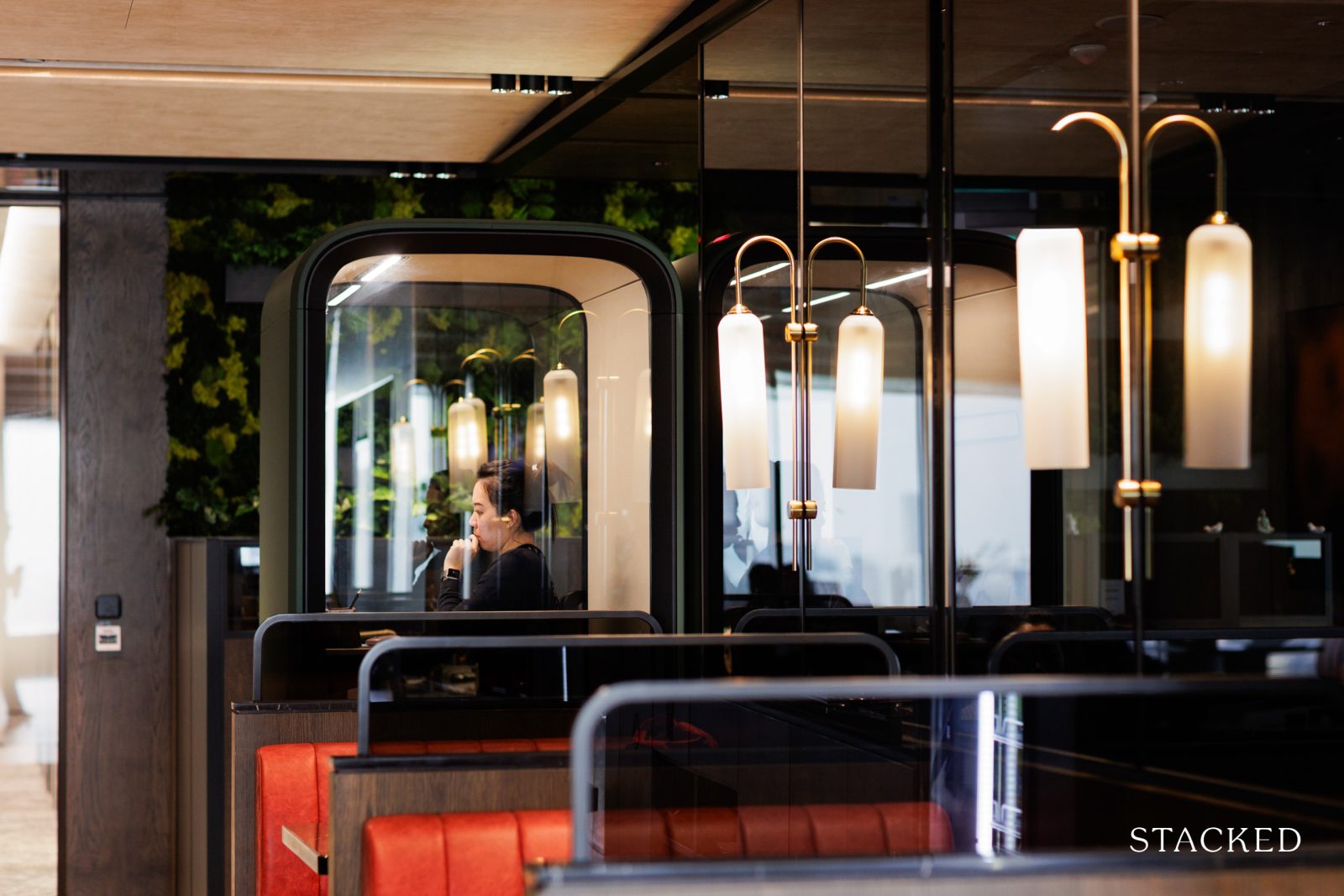
There are also lockers, private desks, and small features that – when added up – make a huge difference to the overall experience. Even the meeting rooms, for instance, come with discreet spaces for coat-hangers and minibars.
Beyond the design and amenities, the rise of premium co-working spaces like TEC also reflects broader changes that we have seen across the flexible workspace industry.
Corporate allocations for flex-space now 20% of portfolio
For many MNCs today, predicting long-term headcount has become tougher. Teams are increasingly global and project-based hiring is common. Headcount can spike in the early or later stages of a project, and this makes it harder to commit to fixed office leases for long periods.
One response has been to set aside a portion of the workspace as a flexible capacity. TEC shared that some MNCs today might allocate around 20% of their office footprint to flex space, allowing them to scale teams up or down on short notice.
As of now, TEC’s centres typically operate at occupancy levels above 90%, and the IOI location was already close to full commitment not long after opening. Add to that, TEC is opening yet another centre on the 40th floor of this same building (IOI Central Boulevard Towers) later this year; so fundamental demand is clearly strong.
One point that TEC emphasised during the visit is that location alone is not enough when selecting a site. The quality of the building itself is just as important. As such, it may only be within the traditional CBD areas that we see TEC for now – and not so much newer non-central commercial hubs like Jurong or Tampines.
It seems, however, that this isn’t so much about trust in the location, it’s also an issue of whether TEC can find office developments of a similar calibre to Grade A office spaces like IOI Central Boulevard Towers, or other top-end projects in the traditional CBD.
Overall, the distinguishing trait that has set this space apart in the market seems to be doing lots of small things, really well.
What makes TEC stand out is not a single quality like having baristas, or a tech bar, or picking a nicer building. It’s more of an accumulation of all those factors, and a focus on details like which direction the seats face, the acoustics of the area, and the proactive nature of the staff.
This also constitutes a viable reason as to why companies might prefer this, over managing the office space themselves: all that attention to detail will come to significant operational demands: someone has to think about the layout, the lighting, the maintenance, the IT infrastructure, etc. For many corporations, outsourcing those responsibilities to a specialised operator seems to be the most practical road today.
Beyond this, the major challenge that TEC takes on is making people want to come back to the office. They’re taking on an issue that didn’t exist in previous decades: If people can work from home, then the office must offer something more than just a desk and fluorescent lighting.
But the company is not resting on its laurels just yet, and has planned a series of renovations to refresh and elevate most of its existing centres in Singapore. It has completed this for its spaces on the 37th and 40th floors at Ocean Financial Centre, as well as the 11th floor at Marina Bay Financial Centre, as a phase-by-phase project.
Completed works include the reception area, pantry/barista lounge, carpet replacement, and height-adjustable tables upgrade. The next phase will be meeting room upgrades and system/IT upgrades.
Looking ahead, TEC says that they have multiple centre openings taking place across the markets in which they operate globally, but specifically for Singapore, they have Level 40 at IOI Central Boulevard Towers opening in May 2026.
They are also working on a new centre on the 34th floor of Frasers Tower, which will be opening in 4Q2026; an existing centre on the 17th floor is undergoing refurbishment works. An existing centre on the 35th floor of Gateway West is also undergoing renovations. Judging from the demand at centres like the ones at IOI Central Boulevard Towers, TEC has got a fairly solid foothold so far.
A single headline is rarely enough to change your plans. The value comes from understanding how today’s news fits into the broader direction of the market.
If you’d like to talk through what a shift like this means for your own timing, purchase, or exit, you can reach out for a one-to-one consultation here.
And if you simply have a question or want to share a thought, feel free to write to us at stories@stackedhomes.com. We read every message.
Frequently asked questions
What features make TEC's co-working space at IOI Central Boulevard Towers unique?
How does TEC ensure privacy in its co-working spaces?
What support services are available at TEC's co-working space?
What is the typical occupancy level at TEC's centres, and how is demand?
What are TEC's plans for future centres in Singapore?
0 Comments