















The recent landslide electoral win in Japan by the Liberal Democratic Party (LDP) gives one of Asia’s most developed economies a high degree of political stability and clears the way for a bump in government spending to kick-start the economy.
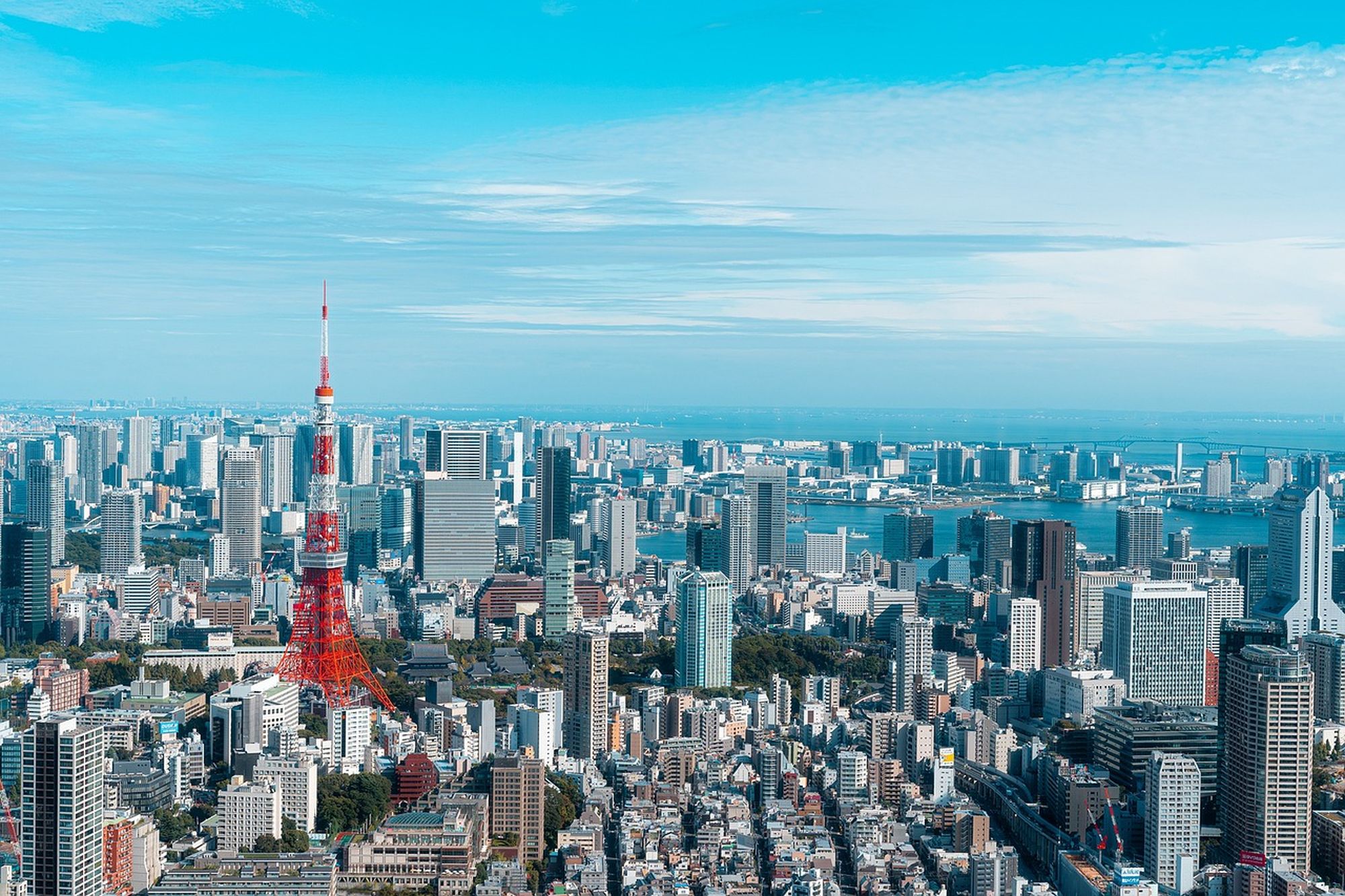
A stable and growing Japanese economy bodes well for property investors in Japan. The country is already at the top of the list among major Asia Pacific countries for real estate investors, as the top choice for investment assets and development projects, according to a market survey by the Urban Land Institute (ULI).
Real estate in Tokyo remains the hot favourite for global investors, and the buoyant sentiment is a continuation of the bullish mood that drove up investment volumes to US$17.93 million worth of deals over the first nine months of 2025.
As a result, Tokyo’s real estate market is the largest and most liquid city in the Asia Pacific region, besting runner-up Singapore and Sydney in third place. Osaka came in fourth in the regional ranking of top investment cities in the ULI survey.
The appeal of investment properties in Tokyo and other major cities in Japan comes as other gateway cities in the Asia Pacific region see a mixed bag of investment performance. According to investment managers surveyed by ULI, there is a growing preference for developed cities with robust capital markets and liquidity amid global macroeconomic uncertainty.
Tokyo’s property market is also relatively open, with good data available from a range of sources and the opportunity to score off-market deals for those in the know. There is also strong buying activity from local and international investors, private funds, REITs, and institutional investors.
“Alongside London… Tokyo and Singapore are places where many Asian families have placed significant amounts of wealth on a long-term basis”, according to an investment advisor cited by ULI.
The report adds that Tokyo’s living sector assets, such as multifamily properties, remain standout opportunities. Despite competitive capital inflows, residential investment properties continue to offer structural and cyclical support within most portfolios.
On solid rock, Japanese property stands
Japan’s property market has undergone a prolonged recovery in recent years, and this is not only evident in Tokyo but also in other fast-growing cities like Osaka, where property prices are quickly catching up to peak prices set four decades ago, according to Amous Lee, CEO and founder of FMI Japan.
The Singaporean is an international real estate veteran with over 26 years of experience. He started FMI Japan in 2015 as an end-to-end business that provides agency and consultancy services, as well as undertaking development and investment projects. In Japan, the company is also a turnkey developer that builds and sells its own properties, working closely with Japanese stakeholders throughout the process.
For Singapore-based buyers, demand for real estate in Japan in recent years has been supported due to several favourable factors – a low SGD/Yen exchange rate, low domestic interest rates in Japan, relatively low property prices compared to Singapore, and high rental yields due to persistent urban migration.
“With Japan now experiencing higher inflation and a relatively weaker Yen, investors benefit from favourable currency exchange rates that tend to outpace inflation. The Japanese market is also beginning to show signs of stronger economic recovery, which has spurred much stronger wage growth,” says Lee.
He adds that the relatively bullish sentiment also means that foreign investors should consider diversifying beyond traditional residential property segments. Portfolio diversification can come in the form of individual units across different property types or entire developments to enhance portfolios.
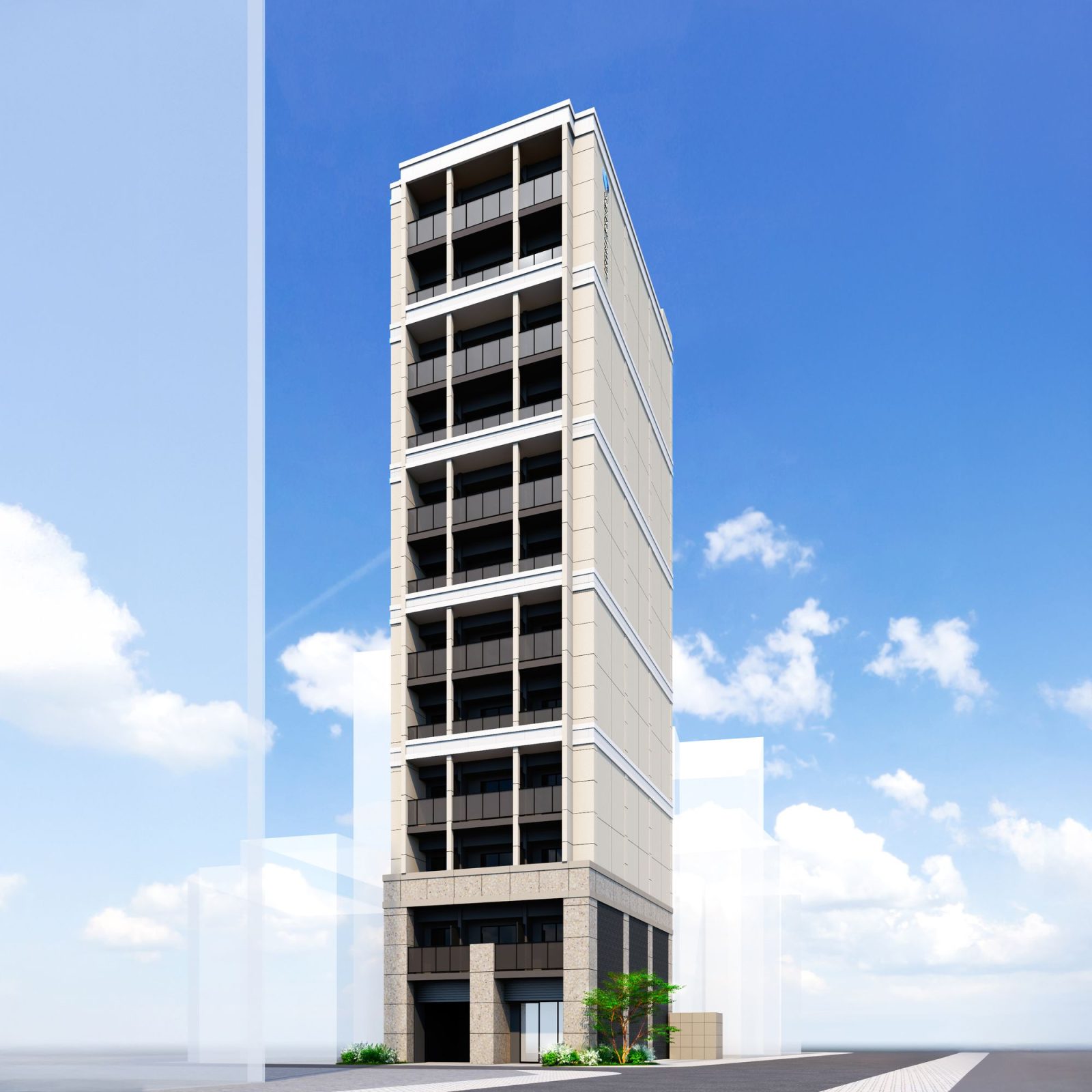
In general, apartments like multifamily units usually focus on long-term leases, which are attractive to investors looking for a stable and reliable investment property. An example is The Peak Tsutenkaku Grand, an upcoming freehold apartment in Osaka developed by FMI Japan. The 33-unit development in Naniwa Ward features units of about 314 sq ft with prices starting from $369,000.
On the other hand, bed-and-breakfast (B&B) units and serviced apartments offer more opportunities to generate higher rental returns and greater capital growth. “These types of properties are especially beginner-friendly and offer a relatively simple way for first-time investors to build up their investment portfolio,” says Lee.
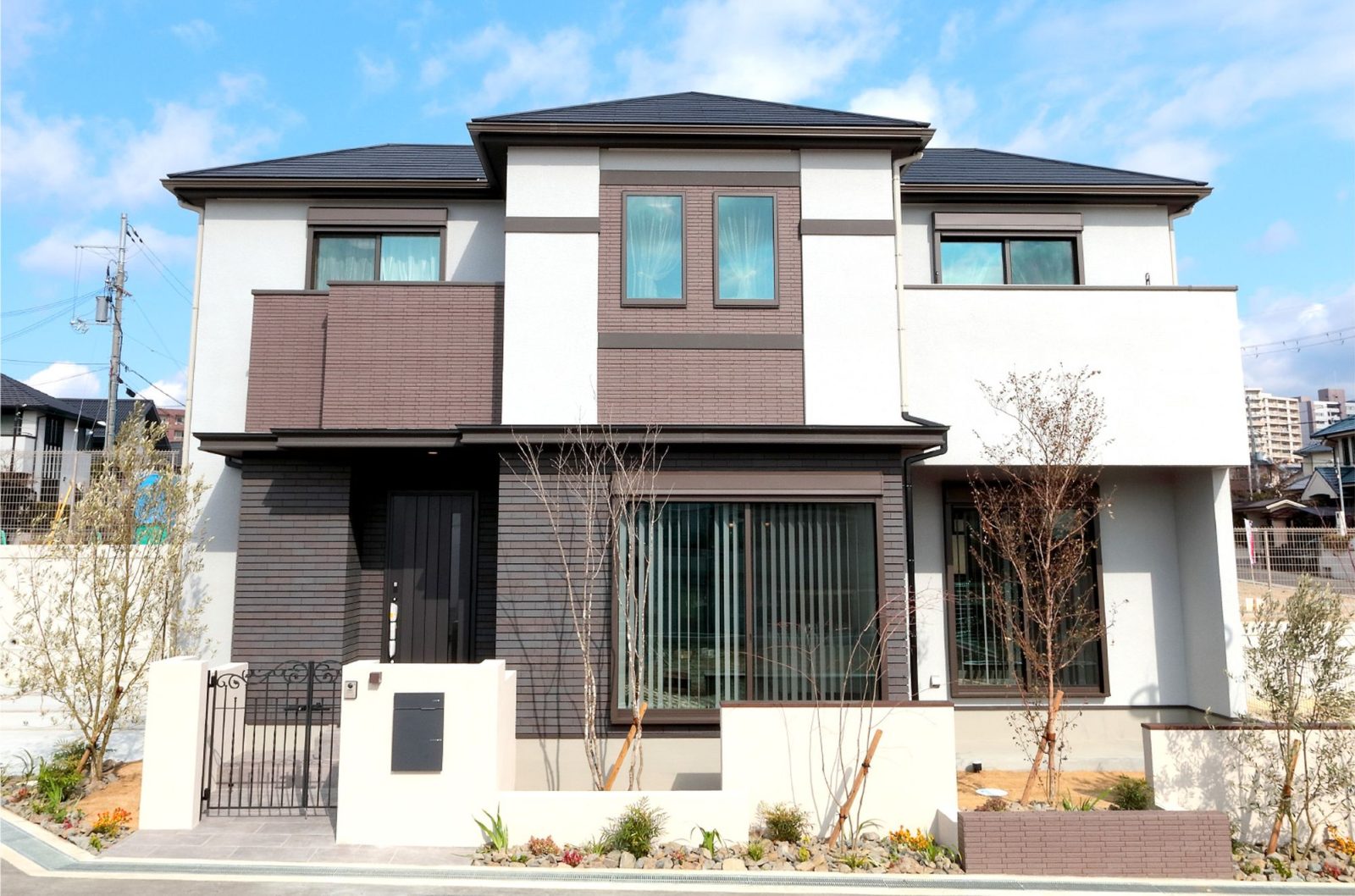
Meanwhile, landed properties are suitable for foreign buyers looking for homes for their own-use, or as a retirement home. FMI Japan’s portfolio includes The Peak Residence Hills, a collection of 19 landed two-storey homes in Toyonaka, Osaka. The freehold plots range from 1,435 sq ft to 2,184 sq ft, with houses that span 1,076 sq ft to 1,130 sq ft. Homes in this project start from $996,000.
Japan’s 3 lows are attracting investors
There are also other advantages that foreign buyers in Japan enjoy, namely, low mortgage rates, no ownership restrictions, and the absence of taxes like additional buyer stamp duties and seller’s stamp duty.
The relatively low interest rate environment means that the opportunity to access mortgages offered by Japanese banks is an appealing benefit that could also serve as an effective currency hedge, says Lee.
In a Dec 2025 market report by Savills on the prospects of the Japanese property market in 2026, the international consultancy noted that its in-house cap rates for mid-market residential assets was 3.4% in 2025.
The Savills report noted that average rents in Tokyo climbed 8.2% y-o-y in 3Q2025, while overall occupancy rates were 96%. At an institutional level, most asset managers are increasingly willing to prioritise rental growth over near-term full occupancy, particularly for higher-quality residential assets.
In 3Q2025, residential assets in Tokyo’s core five wards (Chiyoda, Chuo, Minato, Shinjuku, and Shibuya) command rental premiums of voer 20% relative to the 23 wards that make up the Tokyo Metropolitan Prefecture.
Rising construction prices and land costs, coupled with a shrinking future supply pipeline, have resulted in record-high condo prices across Tokyo’s central wards. This has increased affordability pressures and is expected to keep more households in the rental market, according to the Savills report.
Language and new regulations can put off new investors
Nevertheless, entering the Japanese property market can be daunting for first-time investors. Lee says that many Japanese agents usually hesitate to work with foreign buyers due to language barriers. In addition, building trust in Japan requires time and referrals from trusted sources, he says.
While contracts must legally be signed in Japanese, it’s helpful for foreign buyers when they can work with an end-to-end company like FMI to streamline the process with translations and support from licensed notaries.
“FMI Japan bridges this gap, providing direct access to properties often unavailable via traditional channels. Our established industry standing grants clients exclusive opportunities, including off-market private land deals,” he says.
It has an office in Singapore handling the paperwork, which works with a team in Japan that offers guidance during bank visits and appointments. Lee says that they collaborate with tax advisors and local banks to streamline financing options for international investors by offering tailored mortgage solutions.
FMI Japan is also a licensed Japanese property developer, and its services cover the full property lifecycle, including land acquisition, design and construction, property management and rentals.
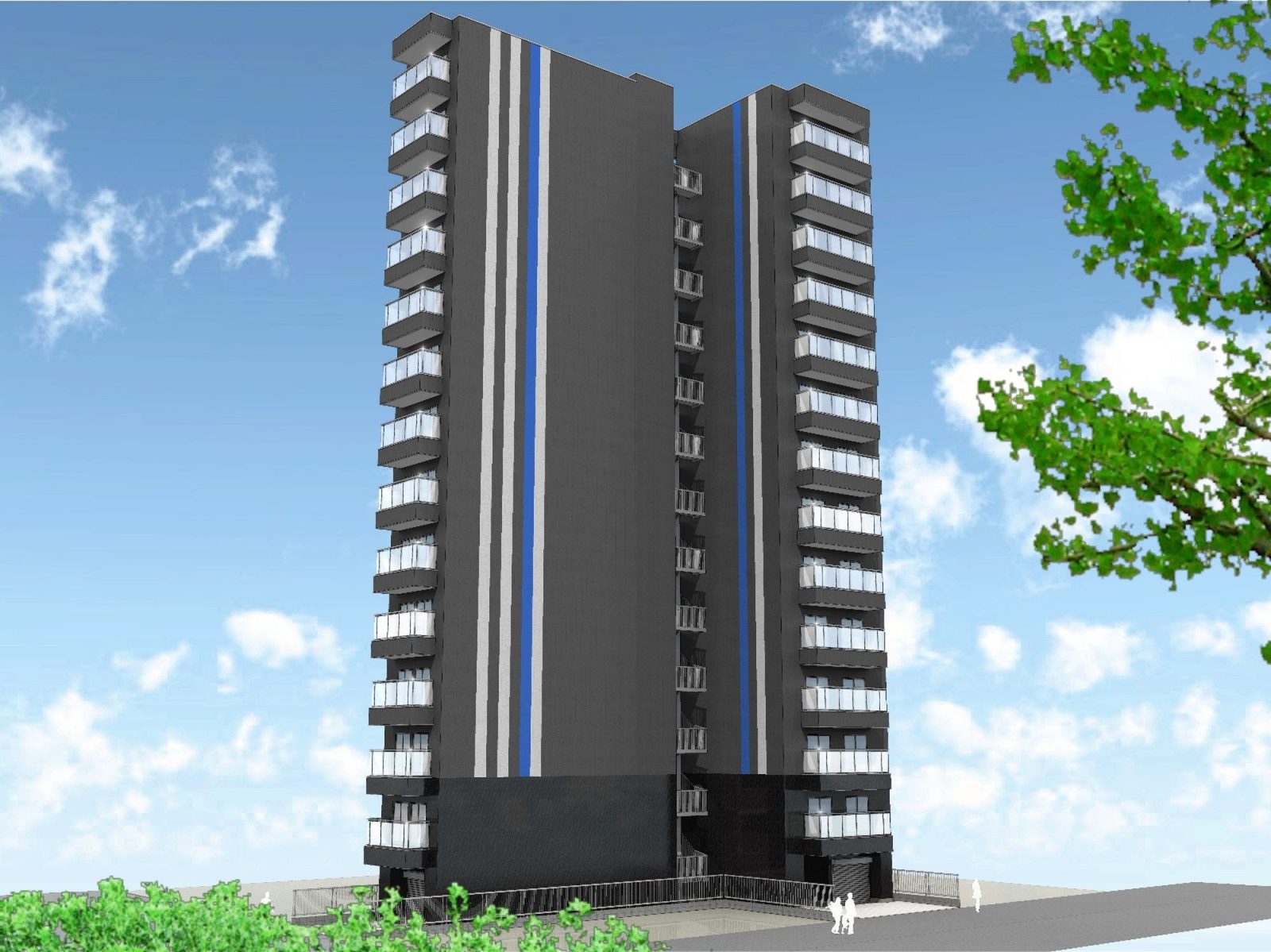
One of its recent en bloc developments is The Peak Shinsaibashi Skye, a freehold apartment in Chuo Ward, Osaka. The 39-unit development features two retail shops and is close to Shinsaibashi Station and Nagahoribashi Station. The project is expected to be completed bythe end of 2027.
“Clear laws and regulations are making it easier for foreign buyers to invest in new developments in Osaka, and we expect a strong growth trajectory for residential properties in the city,” says Lee.
He adds that while Tokyo continues to record soaring property prices over the last decade, Osaka stands out for its more affordable real estate and higher rental yields, an ideal market for redevelopment and turning flats into B&Bs.
The city’s appeal looks set to grow when Japan’s first integrated development, the MGM Osaka, is completed in 2030. The under-construction resort and casino is being built on Yumeshima Island in Osaka. The development is expected to attract substantial economic and tourism benefits.
Japan remains a top investment destination of choice
Looking ahead, Japan is expected to remain the top destination for real estate investment capital among global investors. For Singaporean-based investors, Japanese real estate are high-quality asset that is relatively affordable in terms of capital and foreign exchange rates.
Many investment opportunities in Japan are budget-friendly compared to Singapore’s private residential market, says Lee. “For Singaporeans, property investments within Singapore can be challenging due to its high costs. However, Japanese properties present a more accessible entry point, a highly promising market, and provide an appealing option within a well-regulated environment that guarantees stability and reliable returns.
He adds that mortgage options for foreign buyers are particularly appealing, and there aren’t many countries that can generate returns like Japan. It is also a stable destination for investors looking to diversify their investment real estate portfolio.
At Stacked, we like to look beyond the headlines and surface-level numbers, and focus on how things play out in the real world.
If you’d like to discuss how this applies to your own circumstances, you can reach out for a one-to-one consultation here.
And if you simply have a question or want to share a thought, feel free to write to us at stories@stackedhomes.com — we read every message.



0 Comments