





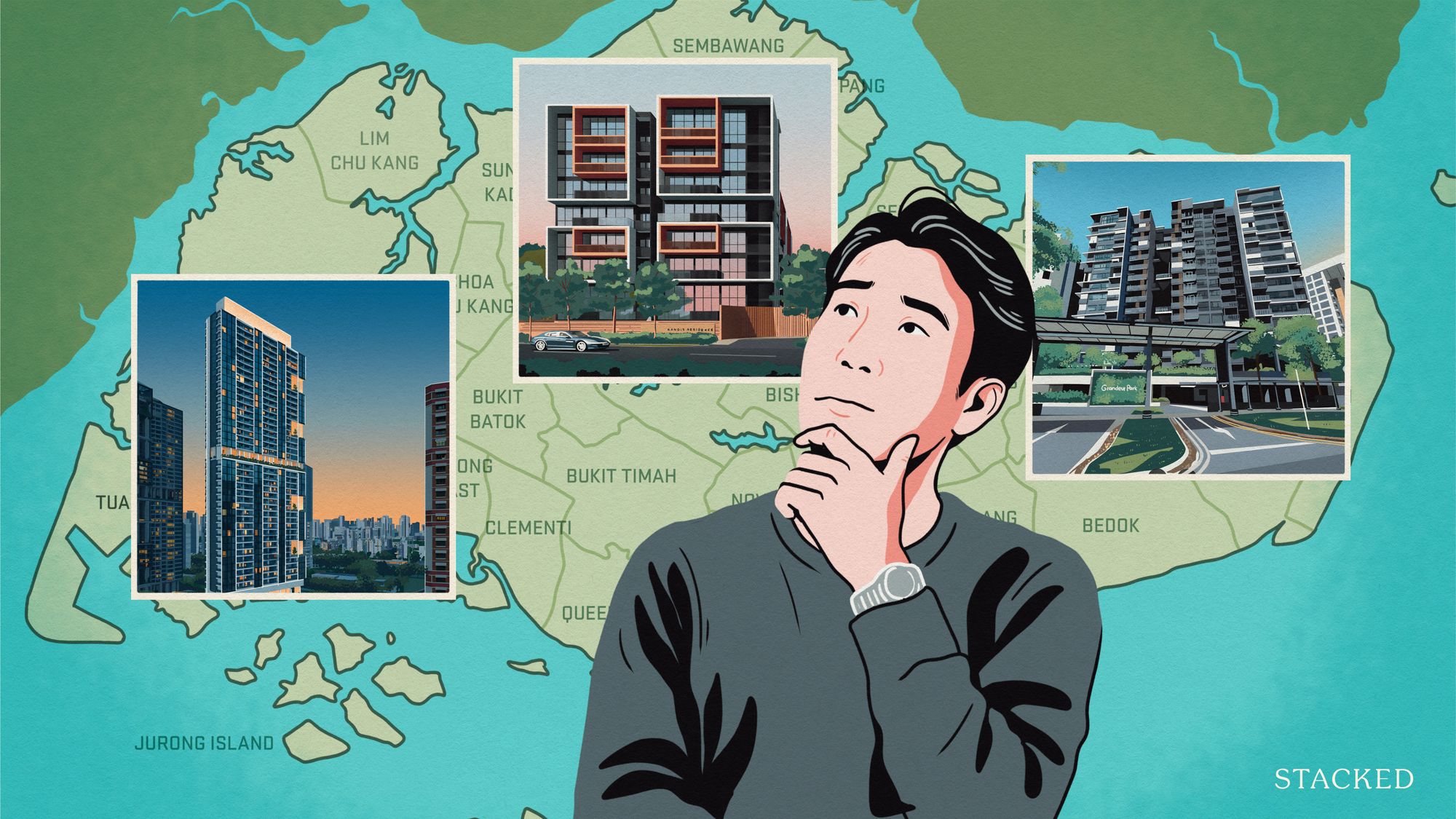








To my recollection, the last time average HDB resale prices recorded a quarterly fall was when Flappy Bird was still on every phone, and people unironically said that Instagram was dead because of Vine.
That’s how long ago it was.
This was the years between 2013 and 2018 – zero Cash Over Valuation (COV) was the norm faced by buyers, and some analysts used words like “moribund” to describe the HDB market.
It’s taken until 2026 to see a faint echo of that market dynamic. For the first time since 2019, HDB resale prices have declined on a quarterly basis. Now it is a small movement to be sure – just 0.1% in Q1 2026 – but what matters is that we’ve seen five consecutive quarters of slower or no price growth.
One of the biggest causes of this is the incoming wave of flats reaching their Minimum Occupation Period (MOP). Around 13,400 units are expected to enter the resale market this year, roughly double the number in 2025, and there are even larger tranches of resale-eligible flats expected in 2027 and 2028.
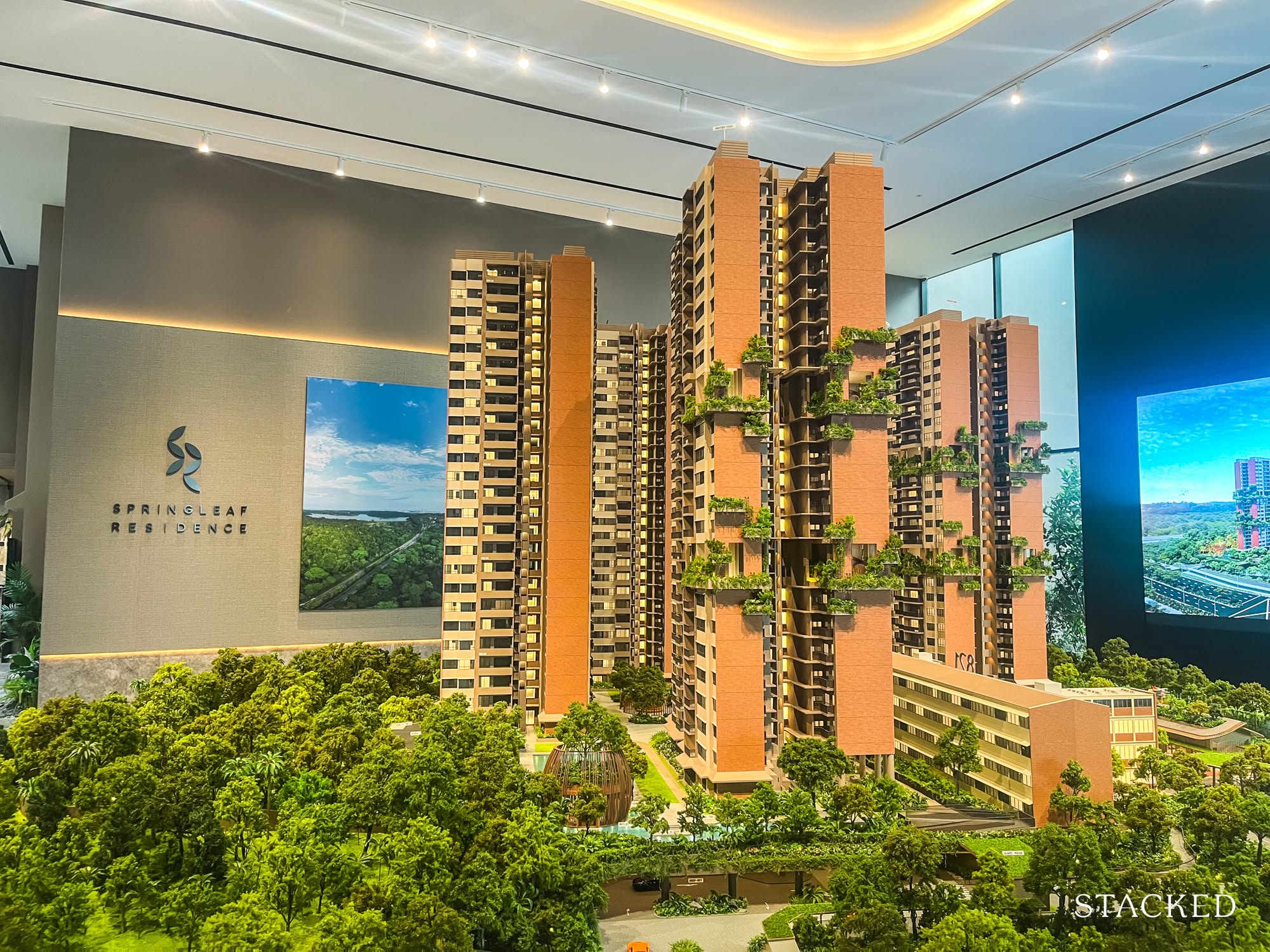
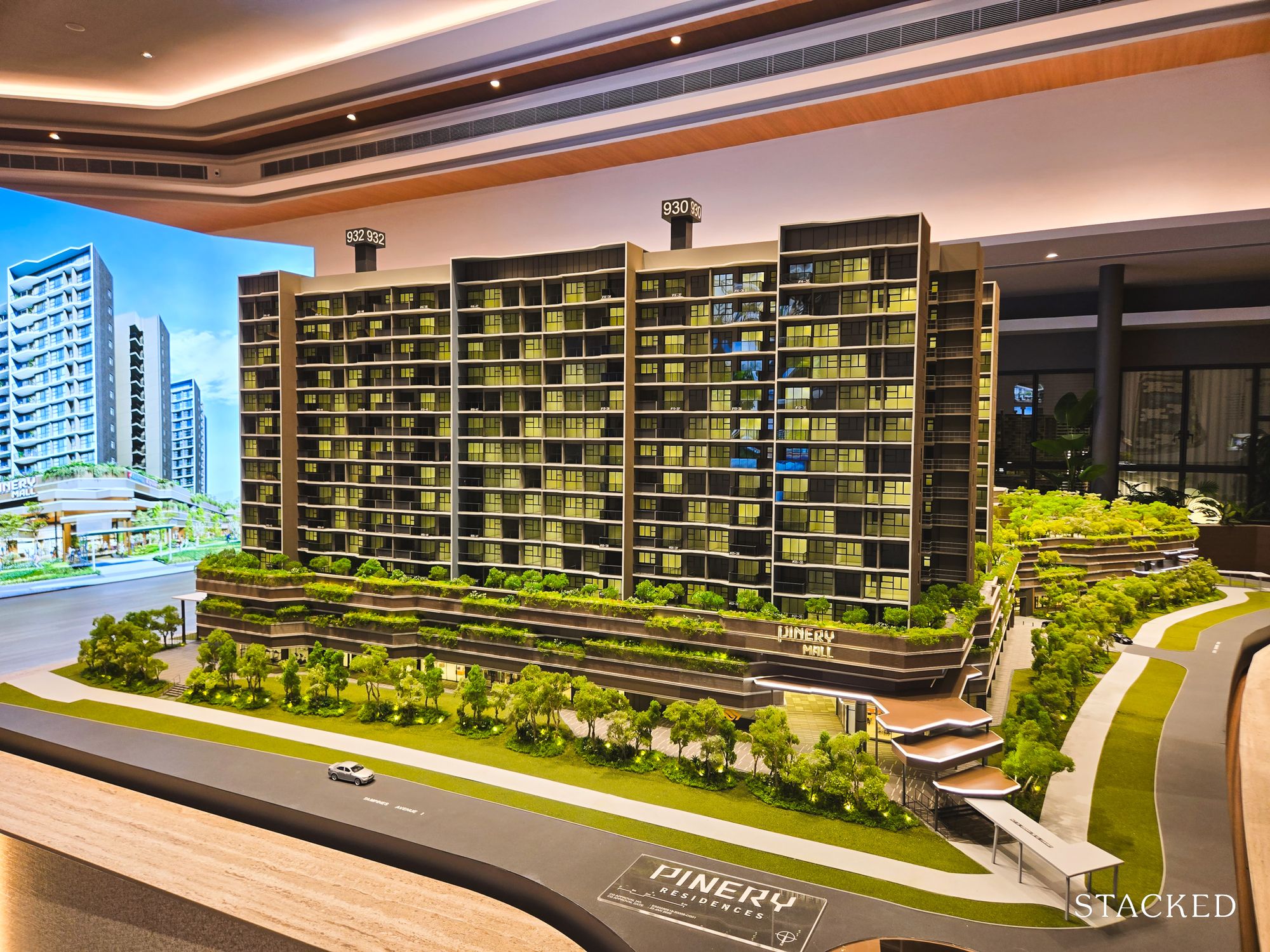
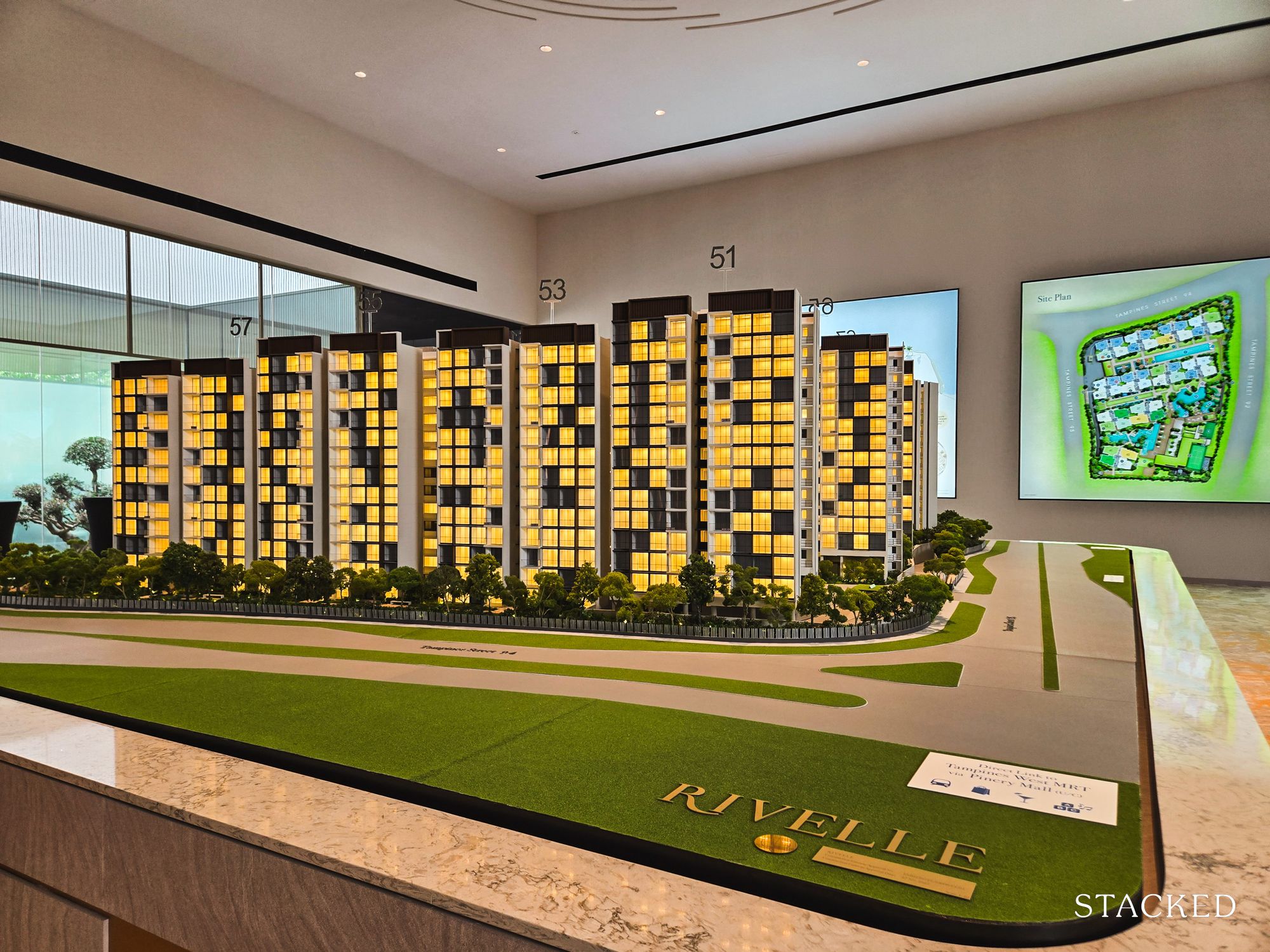
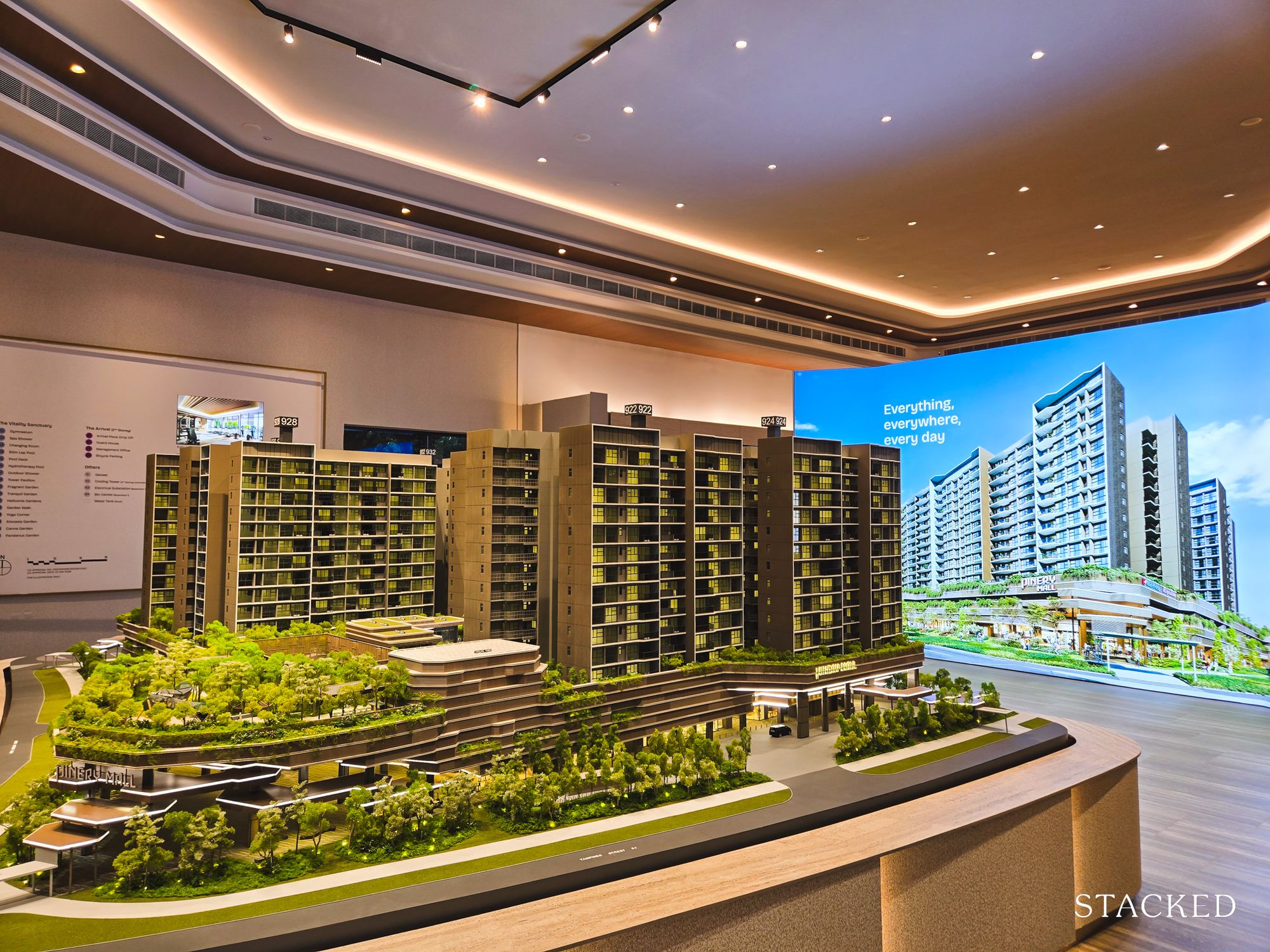
The numbers are especially high in some neighbourhoods. I mentioned Punggol North Shore as one example in June of last year, but recently, we saw the impact play out in Tampines. Both Pinery Residences and Rivelle Tampines sold over 90% of their units at launch. I’m convinced that one contributing factor was HDB upgrader demand in the area: about 2,100 to 2,200 flats in Tampines alone are reaching their MOP in 2026, making it one of the top contributors of resale flats for the year (alongside Punggol and Queenstown).
In any case, most market analysts still expect resale prices to increase in 2026 on a yearly basis, but now at a much slower pace of up to around 5% (previously some projections rose as high as 7%).
Beyond the rising supply of new MOP flats, I wonder if we’re beginning to see the first stirrings of the Plus and Prime flat categorisations taking effect.
To be clear, it’s still early days yet, and there’s nothing conclusive for now. But with the introduction of Plus and Prime flats, home buyers have access to more centrally located projects (both in terms of being near the city centre, as well as being near neighbourhood hubs) without having to turn to the resale market.
While there are drawbacks to Plus and Prime flats – such as the 10-year MOP – these impact investor-oriented buyers more than homeowners. In practice, the downsides haven’t been a major deterrent: Plus and Prime projects are almost always oversubscribed, showing that buyers will accept the stricter restrictions.
But while the issue of new public housing supply seems resolved for now, financing struggles may loom for some buyers.
Not everyone is able to get an HDB Concessionary Loan for their flat. For various reasons, some buyers have to use bank loans. And unlike HDB loans, which have stayed at 2.6% interest per annum* for decades, private home loans fluctuate.
*The HDB loan rate is not actually “fixed” at 2.6%. The rate is pegged at 0.1% above prevailing CPF interest rates. But because the CPF rate hasn’t changed in decades, it’s often treated as if it’s fixed.
As Christine Sun, Chief Researcher and Strategist at OrangeTee Group, noted in the linked report, higher energy costs could contribute to an uptick in price inflation and delay the timeline for interest rate cuts (this is related to the situation in the Middle East).
It’s not so much that interest rates will spike again, but that a prolonged conflict means they may not come down as quickly as many buyers originally expected.
This should also be of interest to those who currently have HDB loans but have been considering switching to private bank loans.
In recent years, we’ve seen periods when some SORA-pegged loans fell below the HDB loan rate of 2.6%. For some homeowners, this may have raised the issue of whether they should switch to using the bank; lower rates meant lower monthly repayments.
Given the change in the macro-economic situation, it may be a good time to consider that you can refinance your HDB loan into a bank loan, but the reverse isn’t true. In a lower-rate environment, that switch can seem appealing. But with rates potentially staying higher for longer, now might be a time to have a longer conversation with a mortgage broker.
Read our contributed article: Singapore Mortgage Rates Dropped 61% In A Year. Is There Still Room To Fall? To learn more about the home loan market in Singapore last quarter.
Now, on to this week’s reader question:
Is it silly to sell my current unit just to buy a bigger unit in the same development?”
The answer is yes if you hate the MCST or find the place unbearable for some reason. But given that you’re even considering this move, I’m going to assume you like staying there.
On that basis, I’ll say it can make sense in certain situations.
The biggest advantage is that you already know what you’re getting. Check out the immediate neighbours, of course, but other than that you already know what you need. This move prevents a lot of the uncertainty that comes with buying into a completely new development.
If you have children in nearby schools or work nearby, this move can make even more sense.
That said, there is a subtle cost to take note of.
When you sell and buy within the same development, you won’t benefit from price differences across locations or segments; you’re upgrading within the same price cycle and micro-market. For example, if prices in your condo have risen by 10%, your current unit may sell for that much more, but the larger unit you’re upgrading to has likely also risen by a similar margin.
In another development, there may be differences in pricing between locations, age, or layout, which could work in your favour. But within the same development, prices tend to move in tandem, leaving little room for any kind of outperformance.
Does that make it “silly”? Not really.
If the goal is more space and minimal disruption, it can make sense. If the goal is purely investment-driven, the numbers may be less compelling once you go over the costs.
On a more subjective note, would you consider it emotionally unsatisfying to pay the Buyers Stamp Duty, conveyancing fees, and agent commissions for what may not feel like a very big move? This is entirely personal, but it could feel a bit less satisfying to pay all that if you’re just moving up or down a few floors, or to another block.
For more specific help, do write in to us with further details, and we can take a closer look once we know which units exactly are involved.
Meanwhile, in other property news…
- How have the new launches of Q1 2026 fared so far, and what does it say about the current market? We look at how they’re holding up, and why.
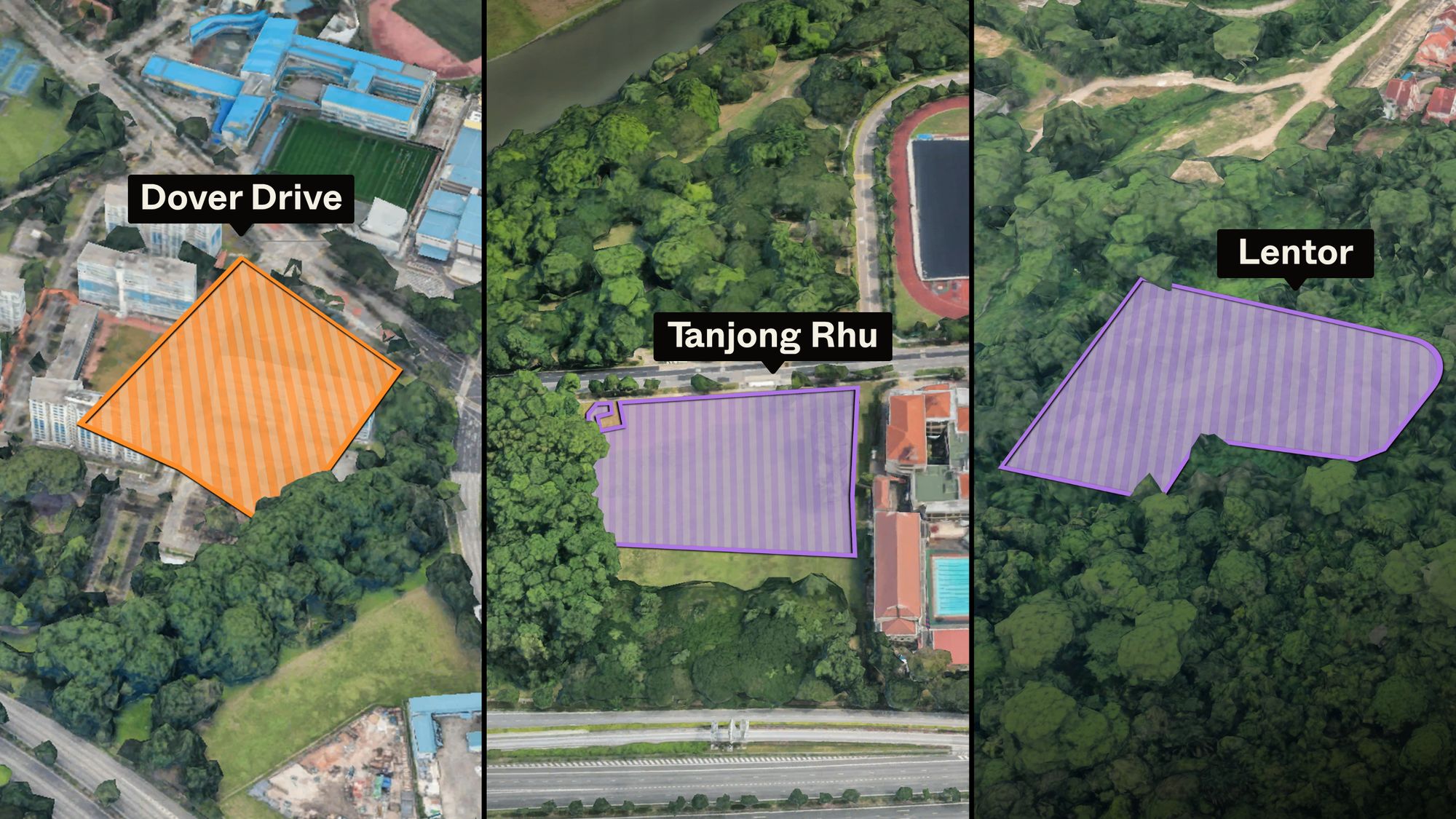
- What can we expect in 2027, from the land parcels sold in 2026? Check out our analysis of the plots.
- Weave Suites at Novena may be one of the most interesting serviced apartment options to date; check out what’s on offer.
- What happens three to five years after a big BTO launch? Find out what happened with regard to Punggol, on Stacked Pro.
Follow us on Stacked Homes for more news and updates on the Singapore property market.
At Stacked, we like to look beyond the headlines and surface-level numbers, and focus on how things play out in the real world.
If you’d like to discuss how this applies to your own circumstances, you can reach out for a one-to-one consultation here.
And if you simply have a question or want to share a thought, feel free to write to us at stories@stackedhomes.com — we read every message.


0 Comments