


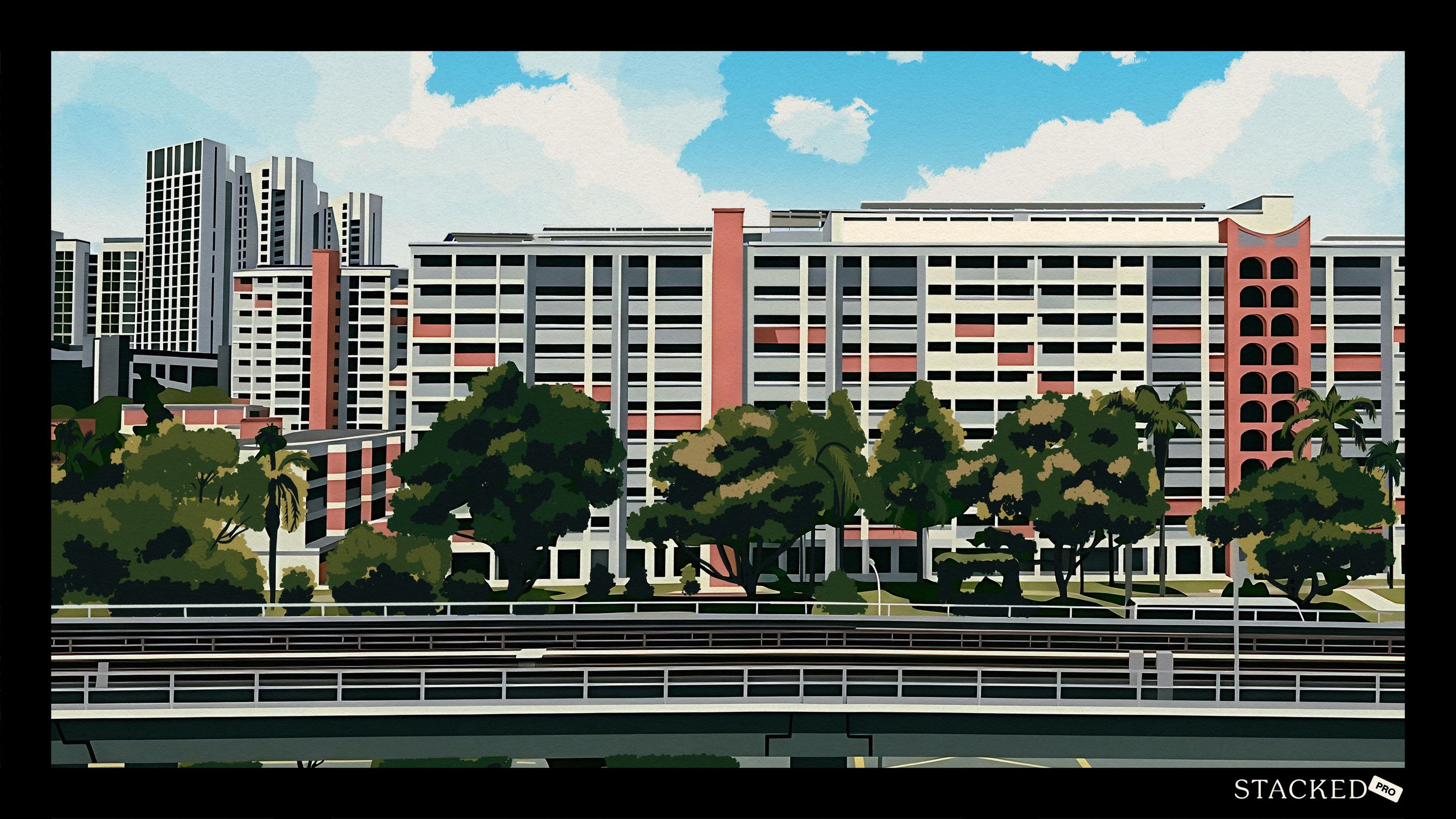
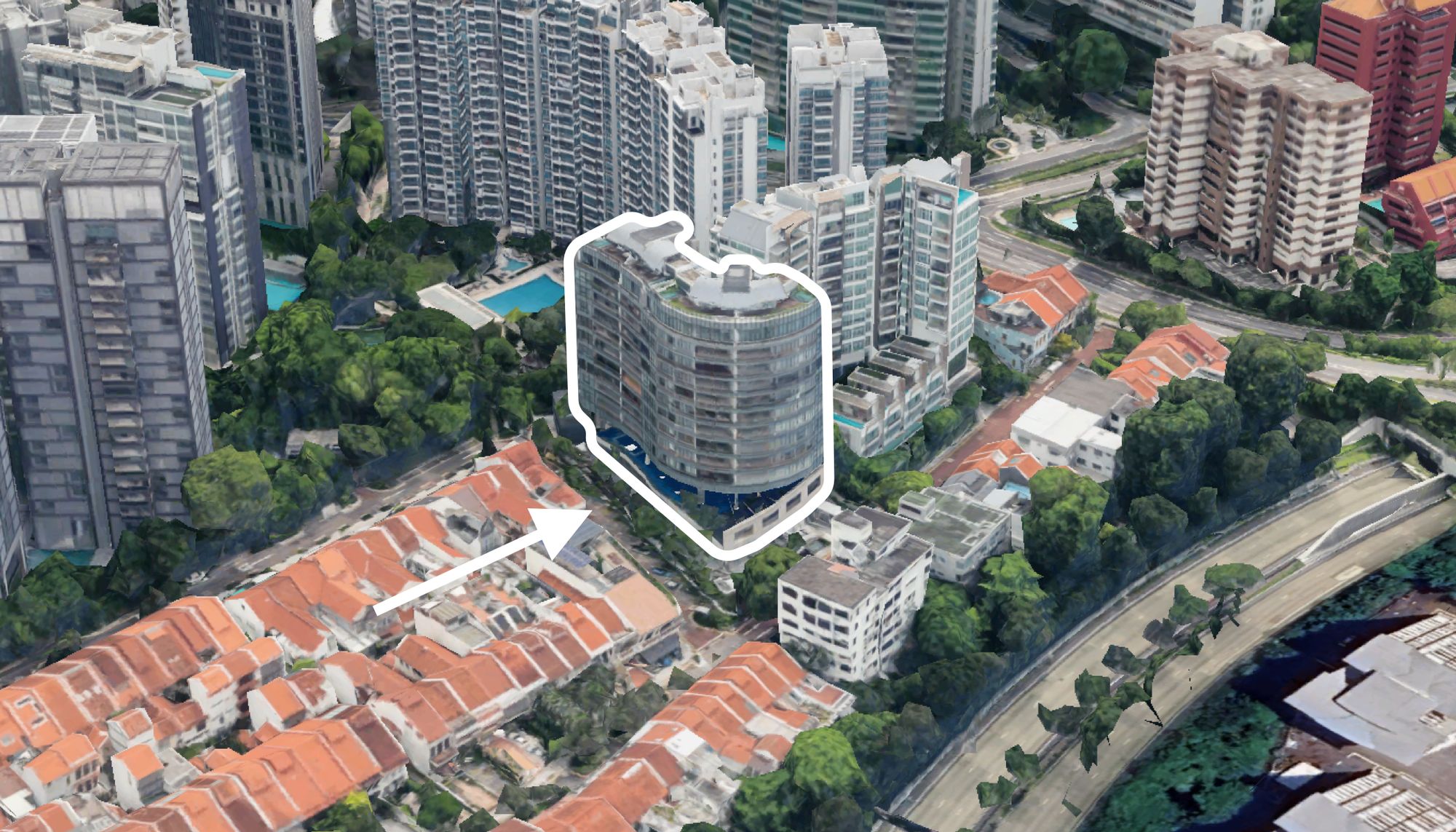
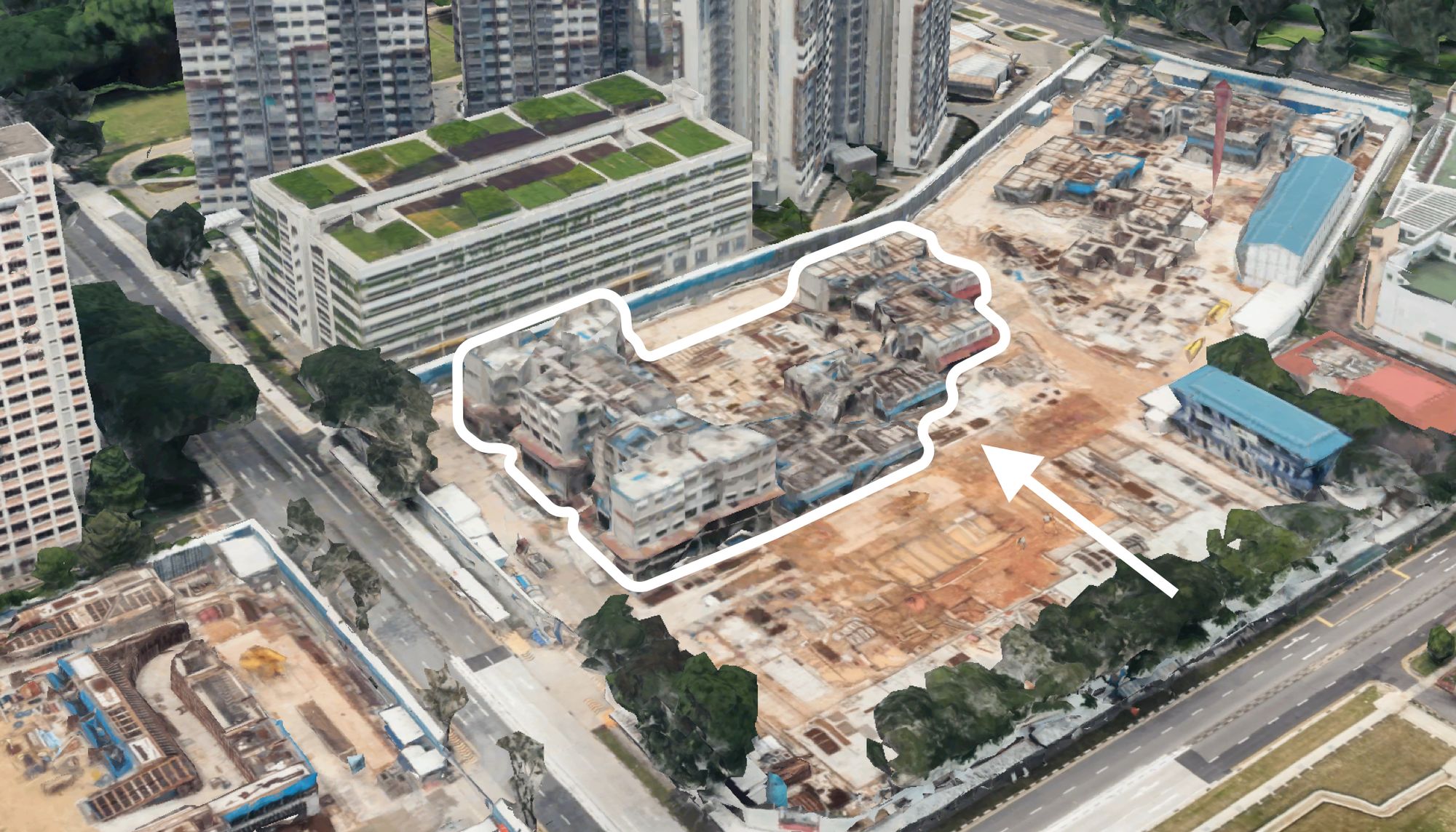
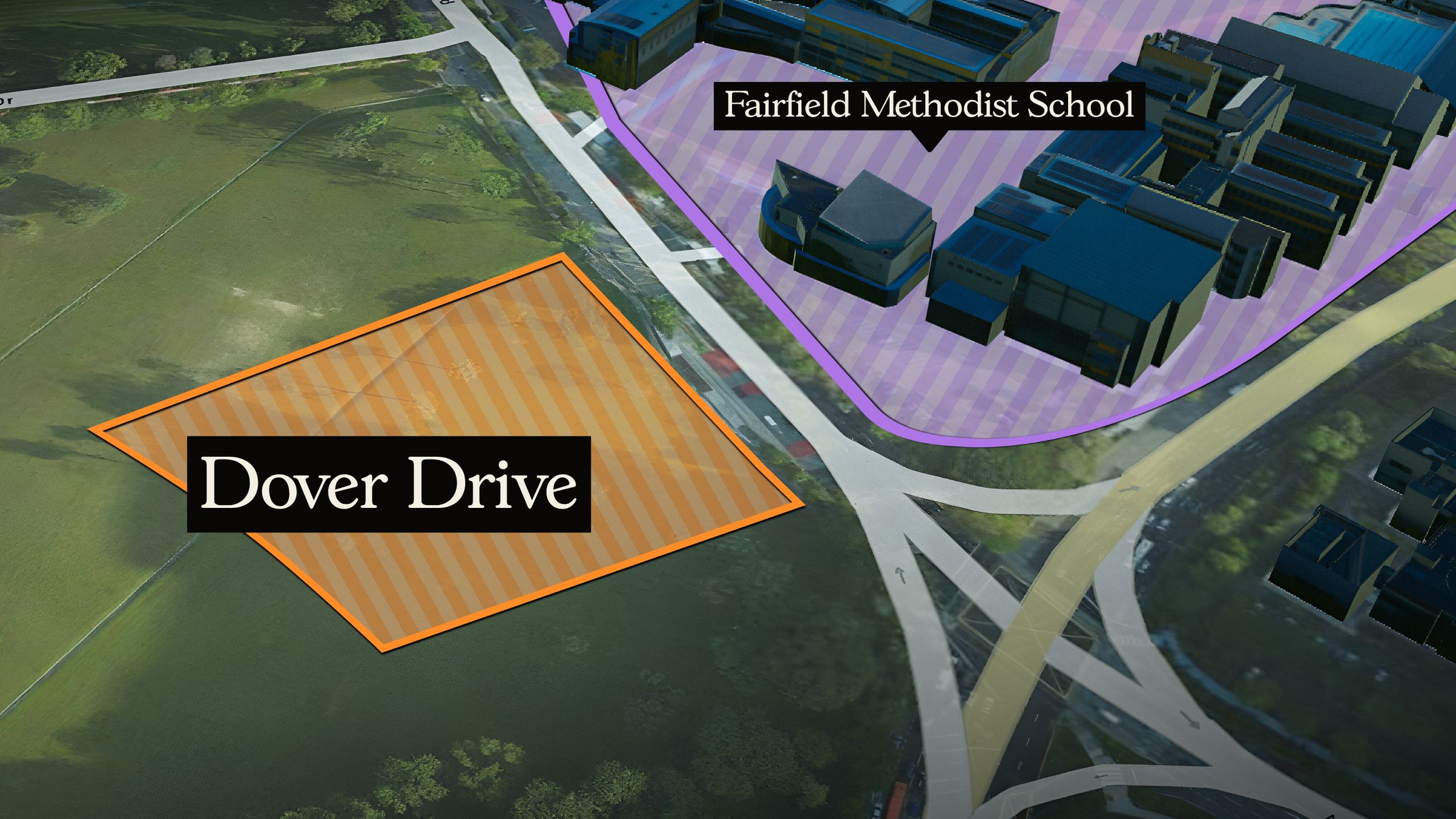


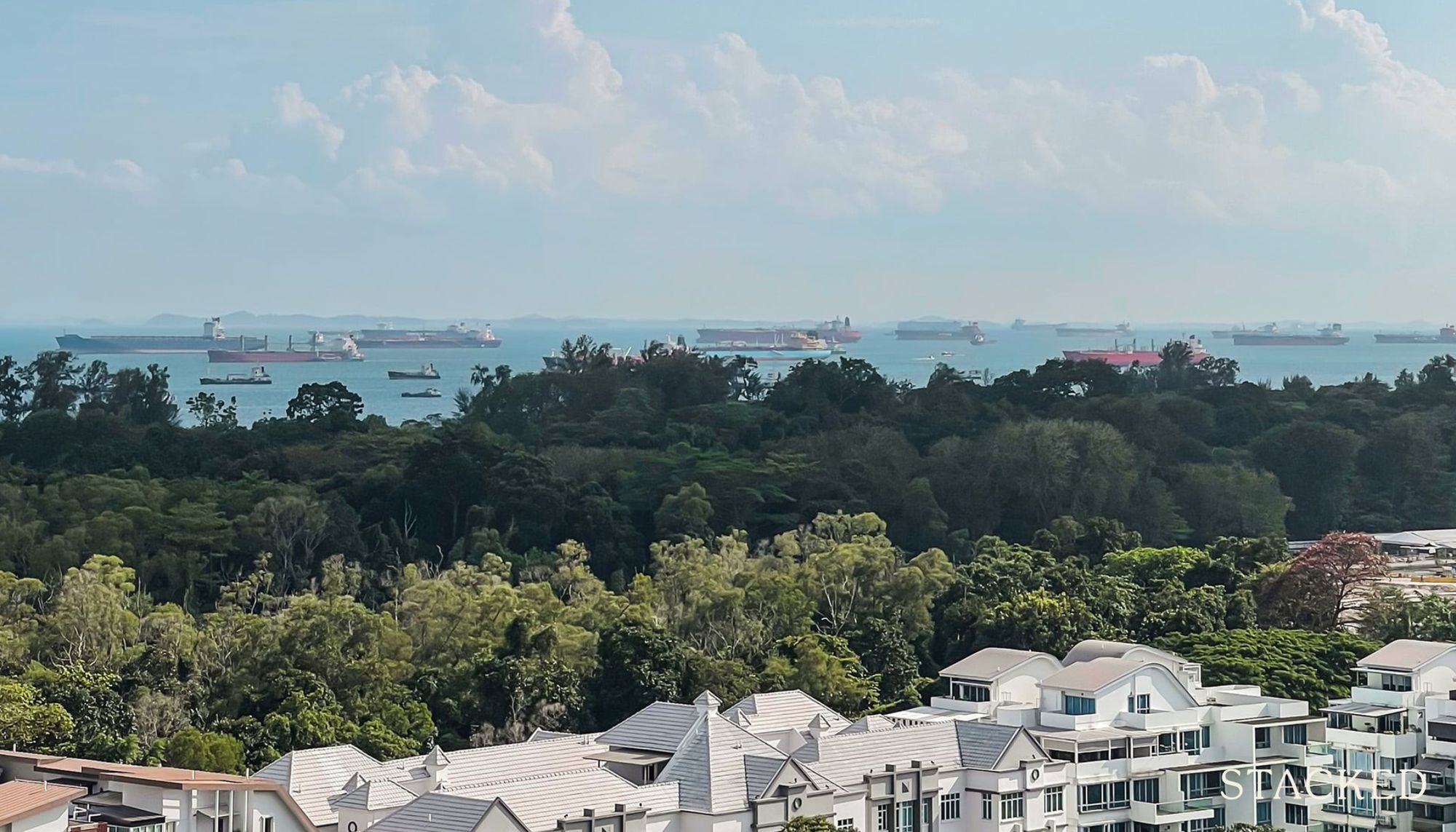
When I told people I used to live in the Bayshore neighbourhood in East Coast, the usual response used to be: “Huh? Japan is it?” For most of my teen years when I lived in that neighbourhood, the Bayshore area was associated with being an obscure and ‘ulu’ estate. For decades, when giving taxi drivers directions to its location, I often had to say “The Hua Yu Wee restaurant” since it used to be the sole recognisable amenity in the area, apart from East Coast Beach.
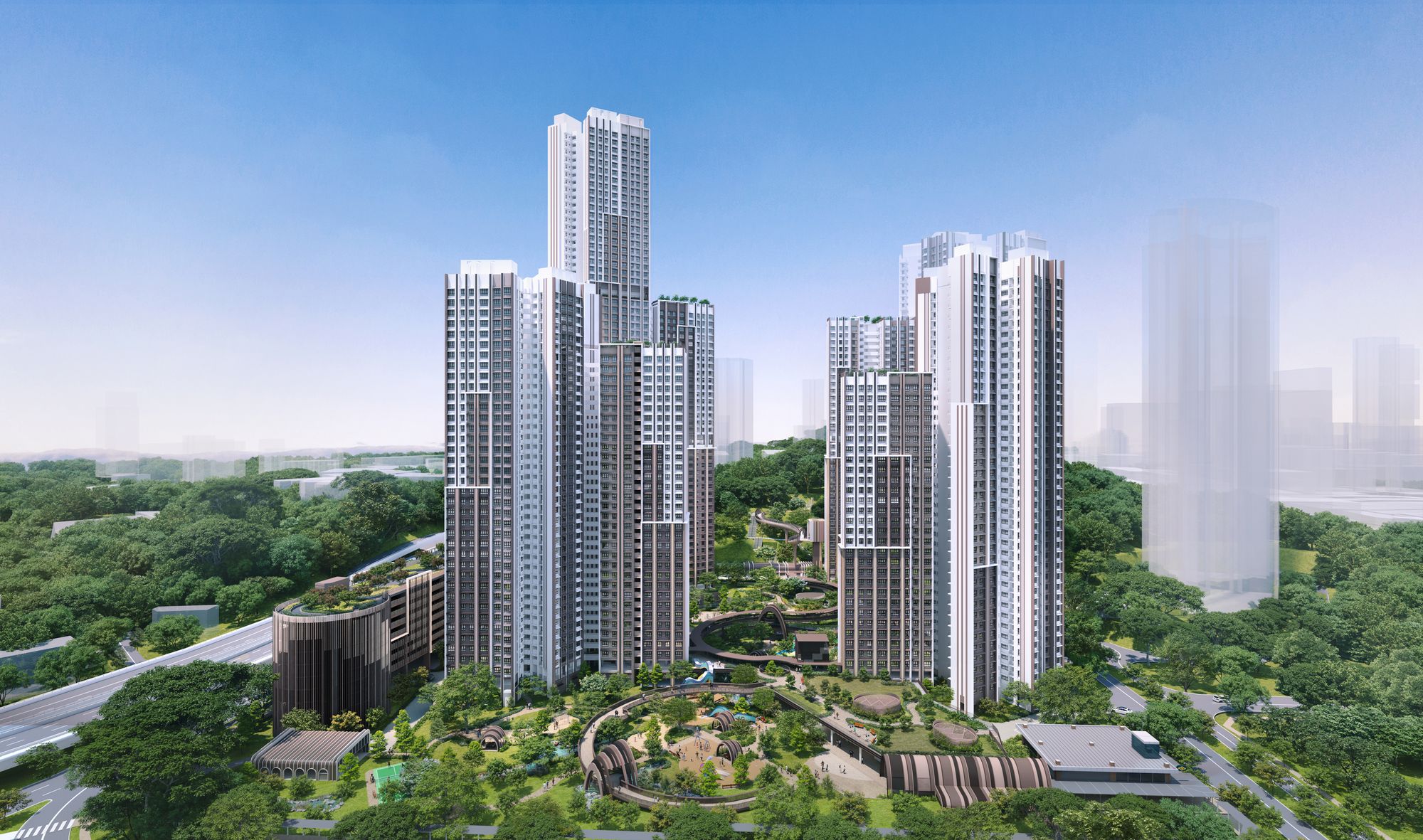
But since 2025, I haven’t experienced this type of unfamiliarity anymore because we now have GPS. But also, Bayshore has finally come into its own as a more familiar area in East Coast that is more than just a well-hidden beach front enclave. The announcement of plans to develop a new HDB neighbourhood there, and the possibility it would be a Plus location housing, has reignited interest in that enclave.
Here’s a ground-level look at what these new developments mean, from someone who lives there:
So many readers write in because they're unsure what to do next, and don't know who to trust.
If this sounds familiar, we offer structured 1-to-1 consultations where we walk through your finances, goals, and market options objectively.
No obligation. Just clarity.
Learn more here.
Back when the Bayshore area was first developed from reclaimed land, as a part of an expansive East Coast reclamation project from 1966 to 1985, it was broadly slated for mainly low-density residential use.
That’s because the ground was primarily soft marine clay that needed decades to settle. Thus, the area was characterised as mainly low-density housing, with a handful of amenities adjacent to the beach and public park.
It was only after most of the early land reclamation ended in the 1980s when the first few high-rise condos began to be constructed. Notable examples include Bayshore Park which was built in 1986, The Bayshore was completed in 1996, and Costa Del Sol was completed in 2003. If you look at the time gaps between the condos, you can see how long and measured development here has been.
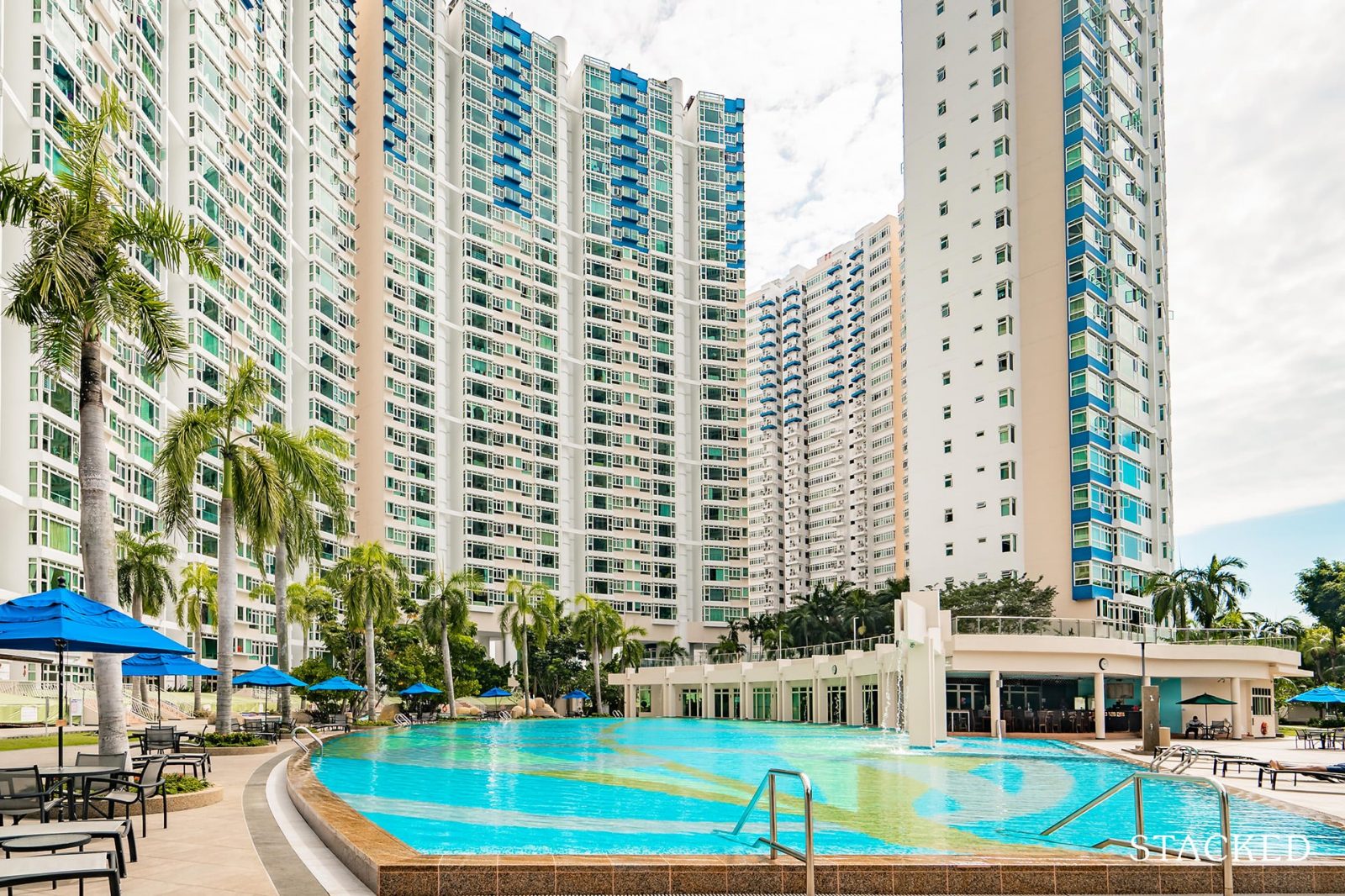
Between the completion of Costa Del Sol and the government’s announcement of the new Bayshore HDB estate back in October 2023, this had been an area that has largely sat silent for around two decades. For comparison, 20 years was enough time for Marina Bay to go from a mostly empty padang to the Esplanade and then the development of Marina Bay Sands, where a new fourth tower will be completed soon. That’s how long Bayshore had stayed relatively unchanged before the unexpected shock that a new HDB estate was being planned.
The first major change is the accessibility
At first glance, Bayshore MRT station on the Thomson-East Coast Line (TEL) doesn’t seem like it would be a big deal. While it’s the first MRT station here in decades, it’s still relatively far from the popular hubs in East Coast like Marine Parade and Tanjong Katong. But it’s a major step in making Bayshore much more liveable, and the impact of its public transport convenience is far greater than it is appears on paper.

Prior to the Bayshore MRT station, the bus stop used by many condo residents, as well as some landed homeowners in the Lucky Heights estate, was an unsheltered walk to a bus stop outside a landed preschool.
Even after you did walk there, access to the MRT network back then often meant taking a bus to Tanah Merah MRT station on the East-West Line (EWL) where, incidentally, there were also no amenities before Seneca Square, a mixed-use development next to the MRT was launched. So this was an area where even after you took a bus to the MRT, you still had to venture further for your fun.
For those with older or mobility-challenged family members, it more or less meant you had to drive to live here.
With the completion of Bayshore MRT station though, it’s now possible to travel from here to the lifestyle stretch of Katong / Joo Chiat; and usually in a shorter time than it takes to drive.
I’ve timed it. It may be three stops to Marine Parade but you can consider it two, since Marine Terrace and Marine Parade are so close, the stations are even connected.
This is where you’ll find Parkway Parade, i12 Katong, and Roxy Square, which has surprisingly resisted a number of en-bloc attempts. This area is one of the most popular lifestyle hubs in East Coast, so for residents of The Bayshore, Bayshore Park, and Costa Del Sol, the impact is massive. We’ve gone from monastery-like isolation, to being practically next door to one of the key hubs of the East Coast.
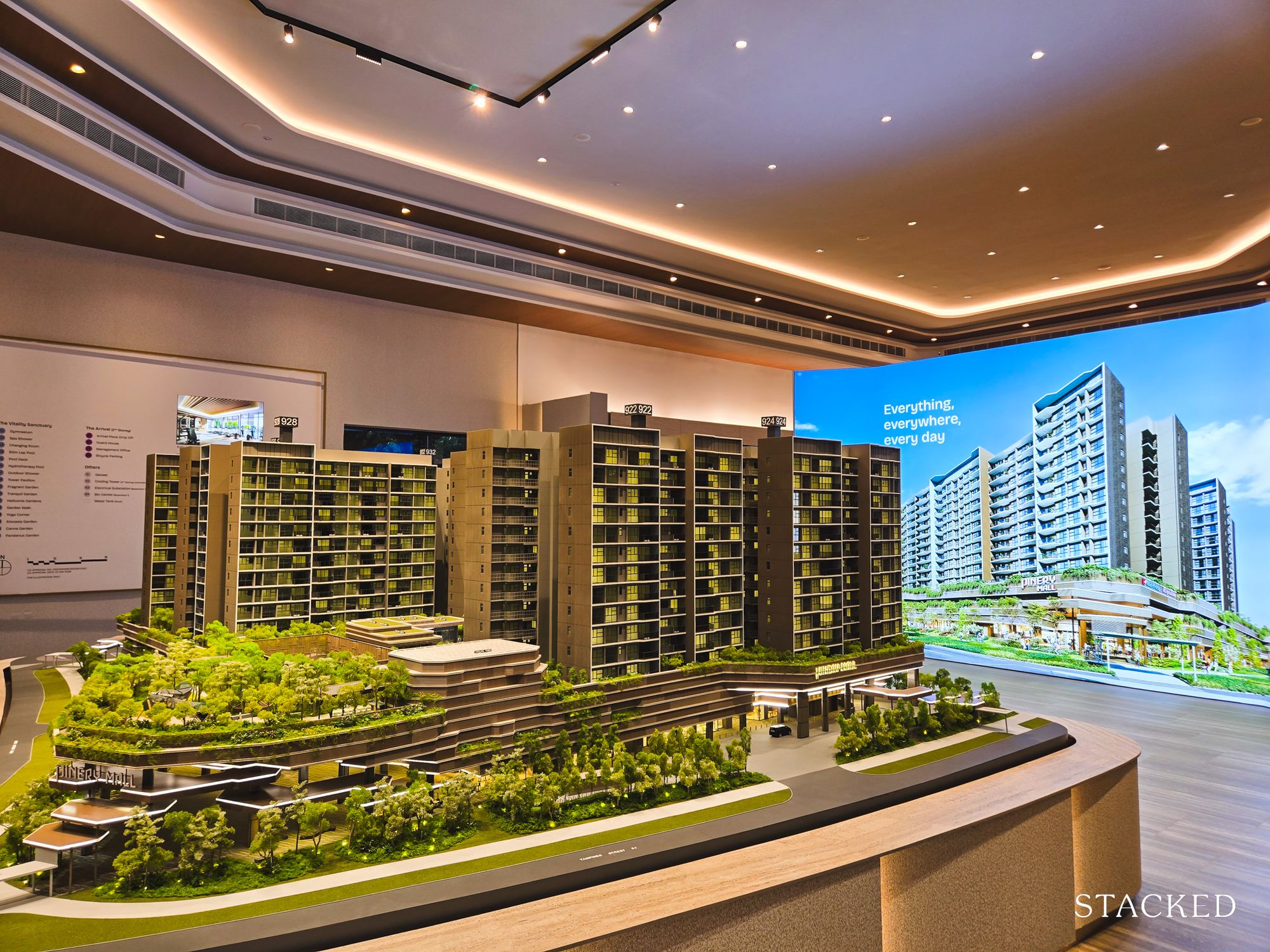
When you get a chance to experience this change yourself, you begin to understand why the government classifies the upcoming BTO flats at Bayshore as Plus flats, based on its location-based housing framework. This enclave is now truly Marine Parade-adjacent living. This is also reflected in the Bayshore GLS site reaching a record-breaking $1,388 psf, the highest price for a public land tender for an Outside of Central Region (OCR) plot recently.
From asking around, I’ve filtered the key changes to four main points and they are very relevant to homeowners hunting for an east-side project today.
- The mental distance map will shrink further
- A better environment for teens and the elderly
- There are a lot of concerns about the negative impact on views and noise
- Less exclusivity, but better price resilience
1. The mental distance map will shrink further
Before Bayshore MRT station was completed, there was a tendency for residents to travel further out when looking for amenities. It was often a case of deciding that – since you need to drive out for dinner – you may as well drive far out and maybe go all the way to Bugis, or somewhere near town.

With Bayshore MRT station, I’ve noticed trips further out into town have ceased – not just for myself, as I now see more neighbours frequenting Katong or cafes in Siglap as well. I don’t know if it’s registered in the minds of commercial businesses in these areas yet, but the Bayshore estate would likely mean a sizable boon to businesses in the Upper East Coast area.
(Or actually, maybe the landlords already see it.)
I would expect the mental distance map to shrink further once the new Bayshore HDB estate is completed. At that point, it may no longer even be worth going to Katong but just walking across the street to the nearby shops and amenities.
2. A better environment for teens and the elderly
The upcoming development plans flip the script for teenagers and the elderly. Frankly, Bayshore was not a very accommodating neighbourhood to them before. Most had to shell out for taxi rides, or wait for a family member who could drive, in order to travel out conveniently. In the past, quite a number of teens used to complain they had to start heading home from town at around 8.30 pm if they wanted to reliably be home by 10 pm.
Even for the seniors living here, there’s a limit to how long “watch man fishing on jetty” can remain an engaging pastime. So at long last, they’re no longer caught between boredom or an inconveniently long bus-and-MRT journey.
As a related aside, going from car-dependent to car-optional tends to result in more human contact, so the Bayshore area could continue to develop a more communal vibe than it experiences now. Today, that seems restricted to weekend flea markets and pet owners*.
*I think there’s an unspoken rule that the first sub-community in any condo will be the dog owners. One day, en-bloc committees will realise how the group with the fur children can make or break them.
3. There are a lot of concerns about the view and the quiet
I have met more than a few disgruntled landed home owners in this area who are less than happy about the incoming numbers of HDB residents to their area.
The Lucky Heights landed enclave in particular was unique for its high degree of privacy, and having an HBD estate with malls, coffeeshops, and other heartland amenities nearby was nowhere on the cards. Just from my experience on the ground, there’s a certain wariness from the landed homeowners here – not outright rejection, but a worry that crowds will outweigh the new amenities.
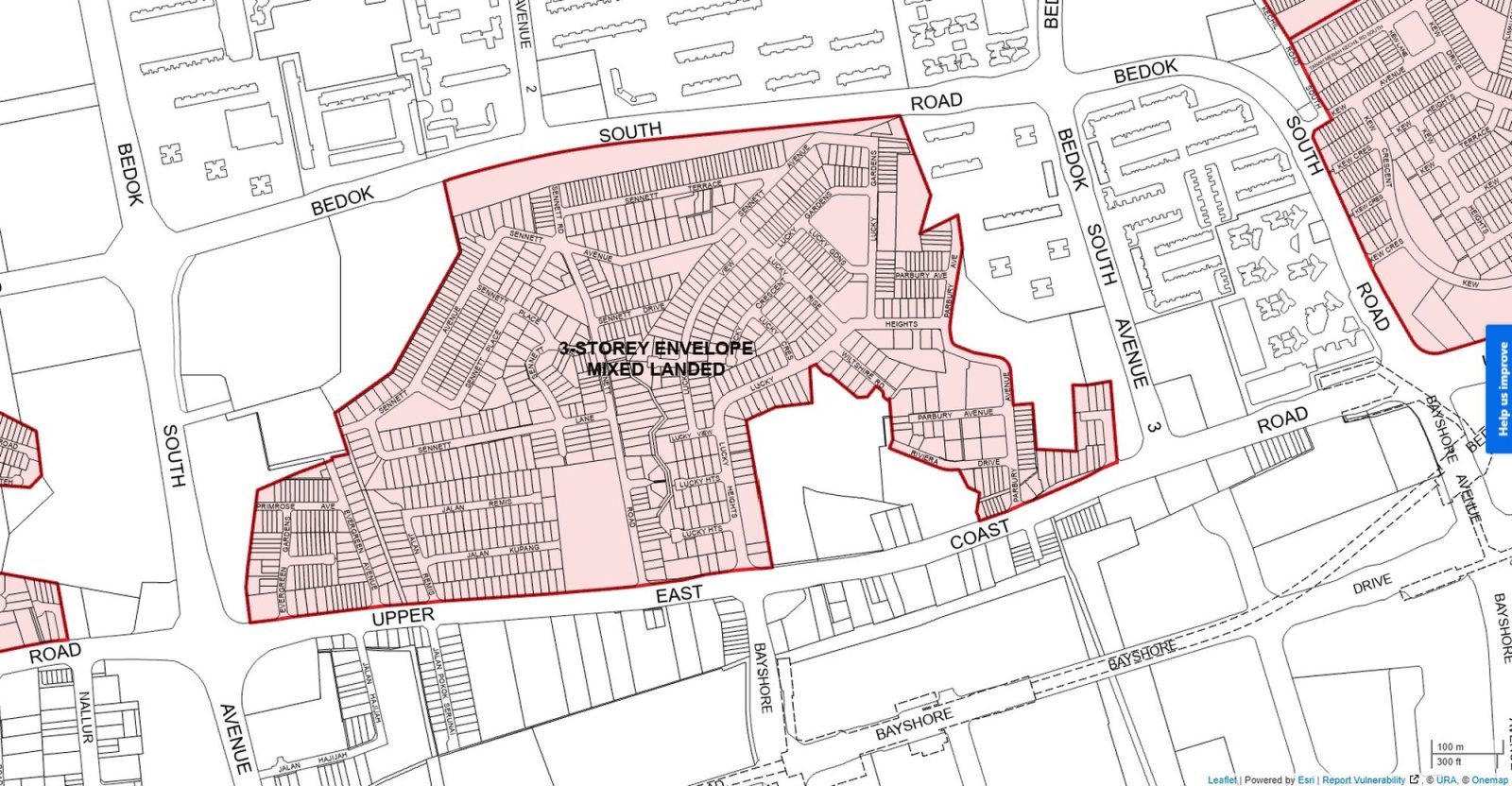
It’s a fair concern since these landed homes are the properties whose views of the area would be most affected. The site where the upcoming BTO flats will be developed used to be a large swathe of greenery, but it will soon see multiple HDB blocks, and other negative externalities such as more light pollution (from so many lit blocks in the night) that will affect the overall serenity of the neighbourhood.
And while most condo owners in the vicinity seem happy about the new MRT station and improved amenities, as well as the potential of rising property values, there’s a definite segment who aren’t too happy. For decades, the entire point of living at Bayshore was tranquility and seclusion. Now, not only is a new high-rise residential estate being developed next to them, but some also feel that the process has been abrupt.
4. Less exclusivity, but better price resilience
Bayshore looks set to lose a big chunk of its exclusivity and privacy. That’s a fact. But that doesn’t mean the trade-off isn’t worth it.
Previously, living here appealed to a very specific group – people who valued quiet above all else, didn’t mind driving everywhere, and were willing to trade convenience for seclusion. That’s not a large prospective buyer pool.
With the MRT station and a new HDB estate coming up, Bayshore is no longer a niche lifestyle location. It’s developing into an extensive residential neighbourhood. This means the area will develop a stronger appeal to a wider demographic. This doesn’t necessarily mean explosive price growth, but it does point to more resilient price growth and asset appreciation for the older condos here, and a much stronger price floor over the coming years.
Besides, we may as well pivot from “quiet sea view” to “well balanced neighbourhood” since in the long run, the Long Island project is probably going to wreck our perfect seaview anyway. The government giveth, and the government taketh away.
For more homeowner perspectives on the ground, follow us on Stacked.
At Stacked, we like to look beyond the headlines and surface-level numbers, and focus on how things play out in the real world.
If you’d like to discuss how this applies to your own circumstances, you can reach out for a one-to-one consultation here.
And if you simply have a question or want to share a thought, feel free to write to us at stories@stackedhomes.com — we read every message.


0 Comments