

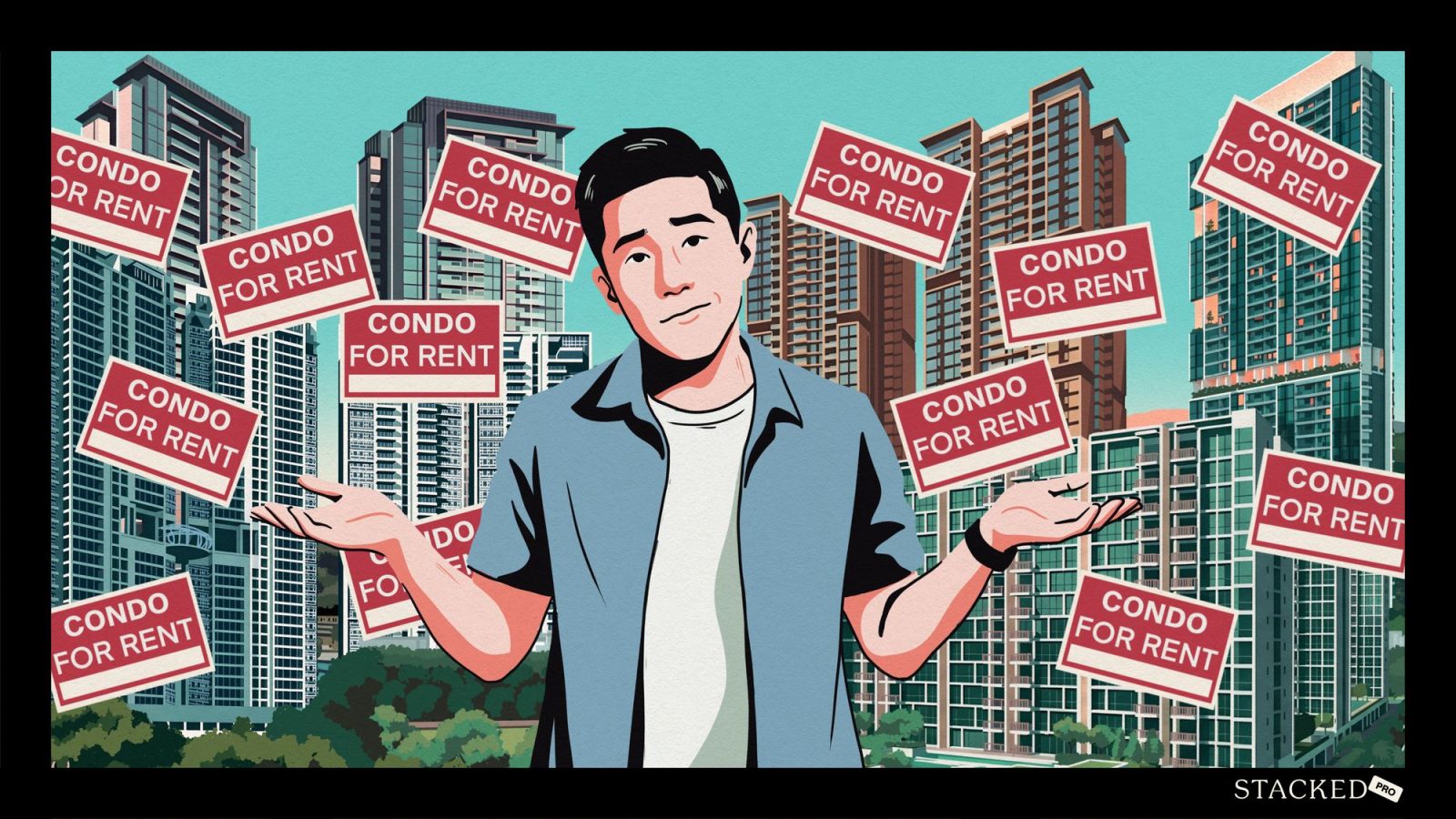
Ever since we started writing our in-depth analyses for Stacked Pro, we have focused on capital gains rather than rental income. But in this latest series of articles, we are flipping that.
We pulled rental and resale data from Urban Redevelopment Authority (URA) for every private non-landed project that cleared three conditions over the past 12 months: at least 10 registered rental contracts, at least five resale transactions, and at least 24 months past its Temporary Occupation Permit (TOP).
Then we computed gross rental yield (median monthly rent multiplied by 12, divided by median resale price) for every qualifying one- to three-bedroom project.
The rule exists for two reasons. A project needs enough transactions so that a single lucky lease or a single bargain sale can't skew its median, and it needs to have been completed for at least two years, since rents in the first year or two after completion are often unstable due to high competition among landlords.
Armed with that compilation of data, let’s first examine how the type of unit and region influence rental yields.



0 Comments