









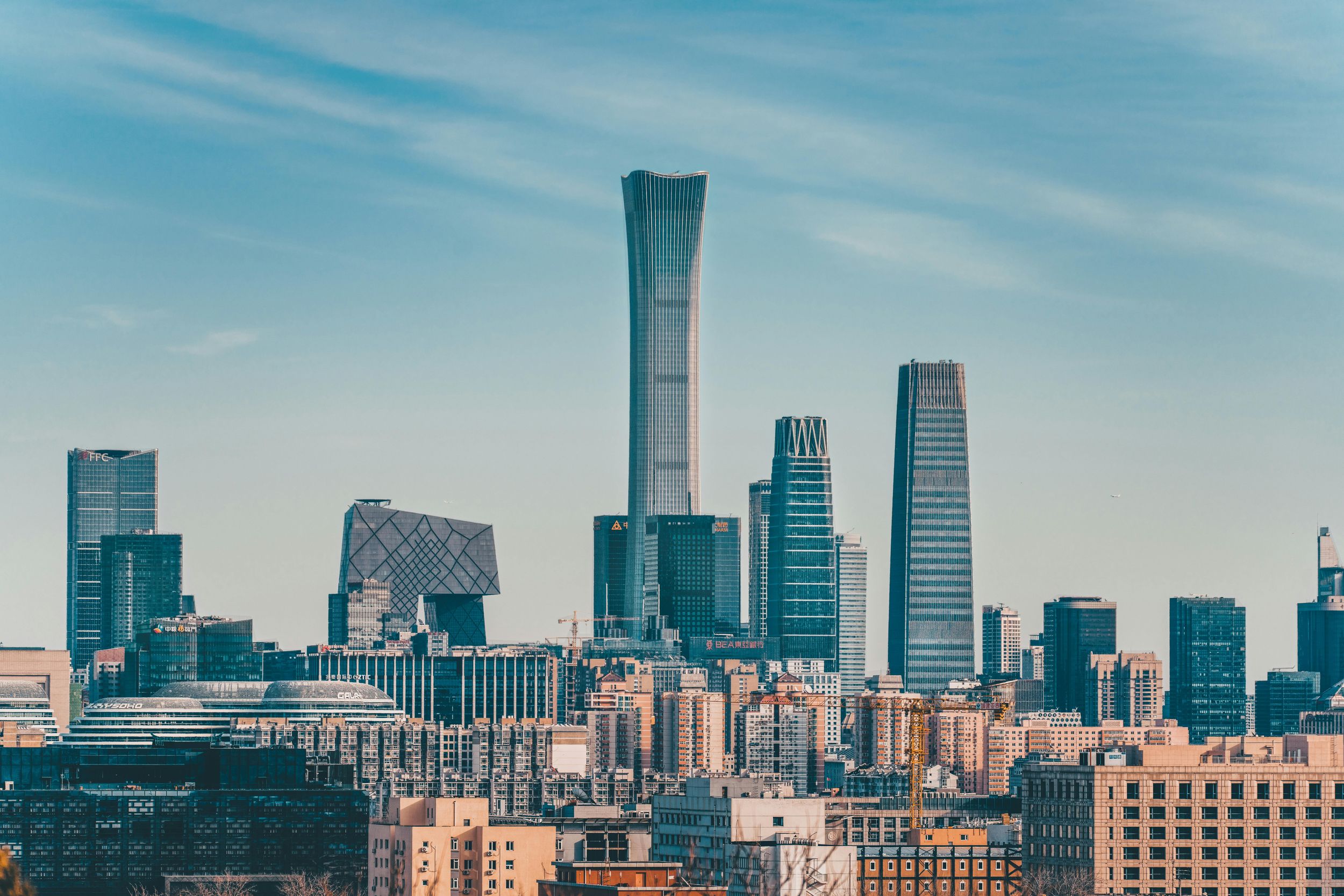
Headwinds in China’s prime residential property market continue, as the harsh winds of fragile buying sentiment contribute to weak demand across many major Chinese cities, according to a global market report by Savills.
This year, the value of prime residential properties in China is forecasted to fall by 2% to 3.9% across major Chinese cities, including Beijing, Shanghai, Hangzhou, Shenzhen, and Guangzhou.
Only Hangzhou managed to record a marginal increase in prime residential values in 2025, inching up 04% to reach an average prime capital value of US$1,210 psf (SGD$1,529) in Dec 2025. Meanwhile, Guangzhou recorded the steepest fall in prime residential values last year, falling 7.2% to hit an average capital value of US$1,430 psf in Dec 2025.
Headwinds in China’s prime residential market are largely attributed to weak demand and demographic changes, and while prime new-build properties may experience some stability in buying demand, the broader secondary market remains firmly in decline.
The expectation is that a meaningful recovery in the country’s prime residential markets this year is unlikely, since surveyed sentiment remains fragile, backed by 22 consecutive months of year-on-year declines across all surveyed cities.
An abridged table of the Savills World Cities Prime Residential Index
| City | 2026 Forecast | Capital value growth in 2025 (US$ psf) | Prime capital value in Dec 2025. |
| Seoul | +6% to 7.9% | 14.3% | $1,730 |
| Tokyo | +4% to 5.9% | 30% | $2,680 |
| Madrid | +4% to 5.9% | 4.2% | $1,200 |
| Singapore | +2% to 3.9% | -0.10% | $1,860 |
| Hong Kong | +2% to 3.9% | -3.2% | $3,730 |
| Guangzhou | -2% to -3.9% | -7.2% | $1,430 |
| Shenzhen | -2% to -3.9% | -4% | $1,460 |
| Hangzhou | -2% to -3.9% | 0.4% | $1,210 |
| Shanghai | -2% to -3.9% | -1.4% | $2,000 |
| Beijing | -2% to -3.9% | -2.5% | $1,500 |
Table: Savills Research
Across China’s property market, the government and private companies recognise that the old model for the real estate market – relying on scale, momentum, and rising prices – no longer offers a path forward.
It is not a cyclical weakness the Chinese property market faces, and regulators and businesses have to contend with a structural shift in expectations, business models, and economic purpose, according to a separate market report on the Chinese property market by James Macdonald, head of research, China Research, at Savills. He says it is time for stakeholders in the property market to break the cycle of decline.
“The cycle in which cost-cutting erodes service quality, eroded service quality weakens demand, and weaker demand triggers yet more cost-cutting. This downward spiral has reached its limit,” he says, adding that for the residential market, this means refocusing on liveability, design quality, operational consistency, and trust in developers and regulators.
On the other hand, thanks to strong demand from new Mainland Chinese buyers, Hong Kong’s prime residential prices are showing signs of stabilisation. Although capital value growth fell 3.2% in 2025, it increased by 0.3% in 2H2025. Savills expects prime residential values in Hong Kong will pick up by 2% to 3.9% this year.
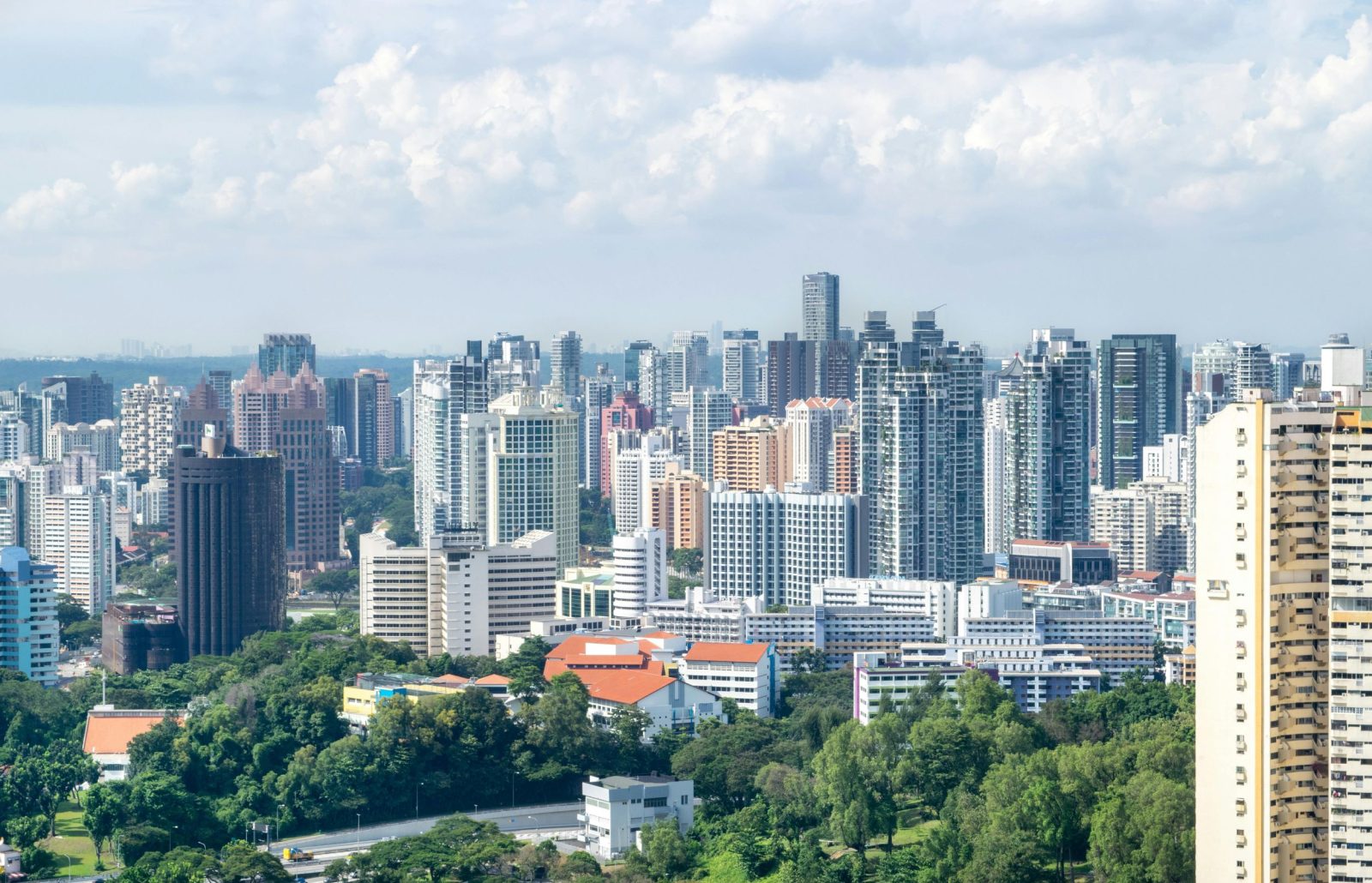
Meanwhile, in Singapore, prime residential capital values are forecast to grow between 2% and 3.9% in 2026, marking a recovery following negative growth (of 0.1%) in 2025.
“Singapore’s luxury residential market is slowly regaining momentum as more locals, as well as permanent residents, realise that value offerings are in the air after the price correction in 2025,” says Alan Cheong, executive director of research and consultancy at Savills Singapore.
Overall, the report on prime residential values by Savills indicates that global prime residential assets demonstrated resilience in 2025, delivering capital value growth despite a backdrop of economic volatility, geopolitical tensions, and shifting policy environments in 2025.
Looking ahead, prime residential values in Seoul and Tokyo may be the standout performers this year, with a forecast growth of 6% to 7.9% for the South Korean capital city, and 4% to 5.9% growth for the Japanese capital city in 2026.
In Seoul, prime apartment prices reachedan average value of US$1,730 psf as of Dec 2025, and the sector recorded growth of 14.3% over the whole year.
And it looks likely that the uptick in prime residential prices will persist this year too. Deep-rooted structural constraints, including scarce land availability, slow development pipelines, and concentrated demand in core districts, continue to place upward pressure on prices.
Although the introduction of tighter foreign buyer restrictions (read our Seoul article linked earlier) and more restrictive financing conditions have moderated overall transaction volumes in Seoul, pricing momentum is expected to remain resilient, according to Savills.
Meanwhile, Tokyo continues to be a top destination for residential real estate investors. Prime residential values rose by a staggering 30% in 2025, with average prime values reaching US$2,680 psf in Dec 2025.
The city’s residential market continues to be characterised by an acute supply scarcity, as well as an enduring domestic and international appeal. But serious concerns over the rising cost of construction, which is accelerating the growth in new apartment prices, will raise long-term pricing sustainability considerations among investors.
At Stacked, we like to look beyond the headlines and surface-level numbers, and focus on how things play out in the real world.
If you’d like to discuss how this applies to your own circumstances, you can reach out for a one-to-one consultation here.
And if you simply have a question or want to share a thought, feel free to write to us at stories@stackedhomes.com — we read every message.




0 Comments