








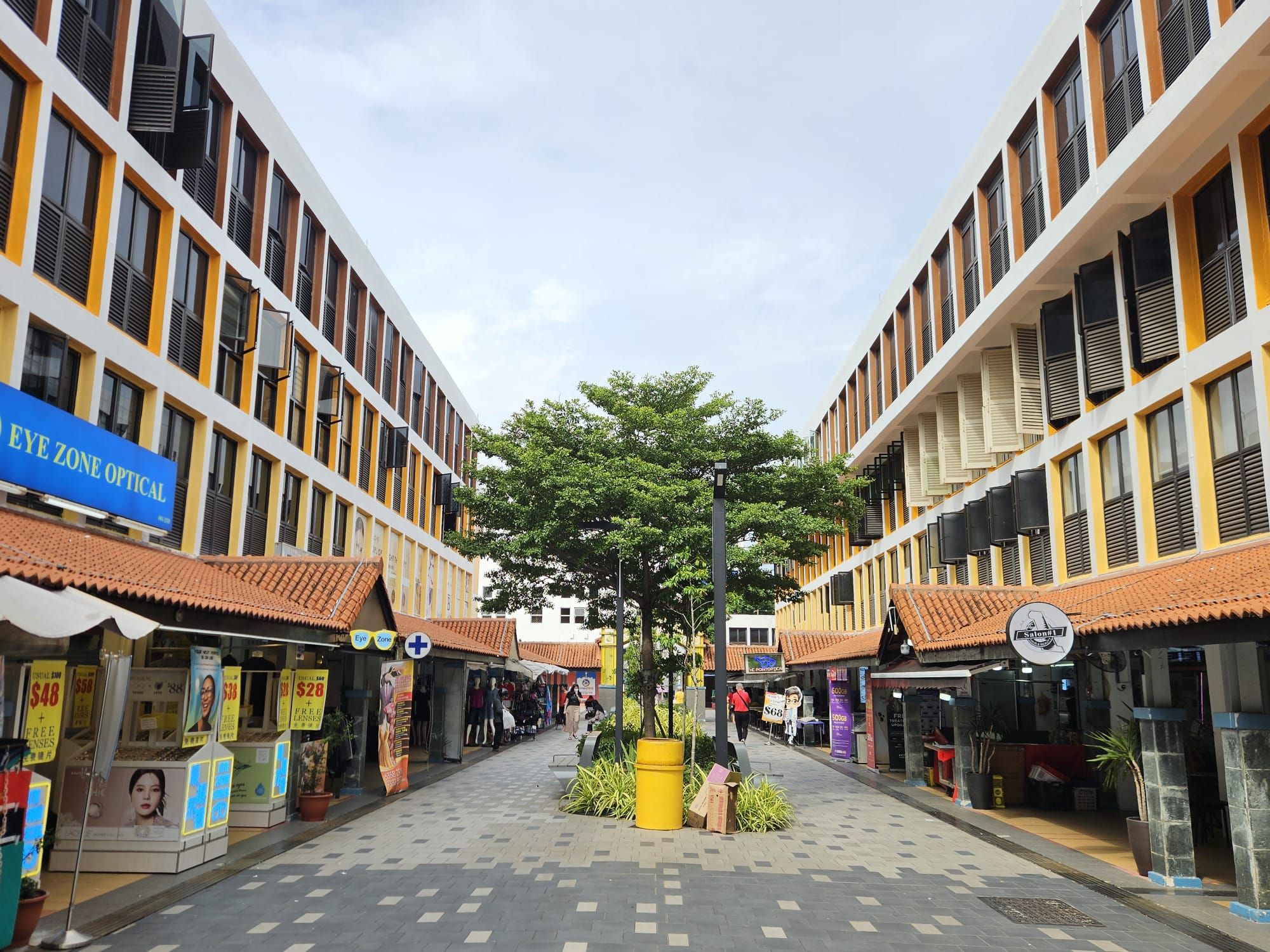
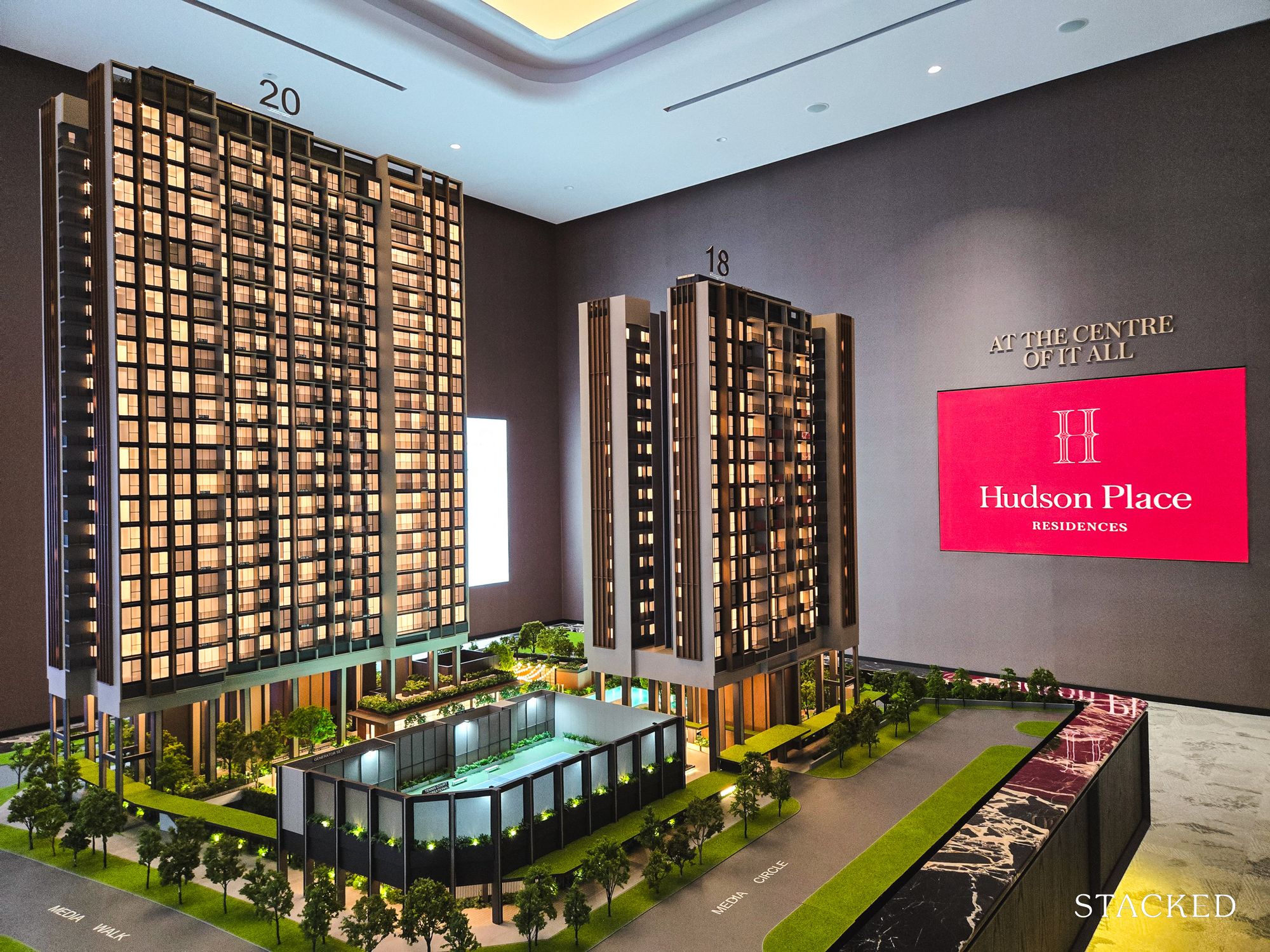









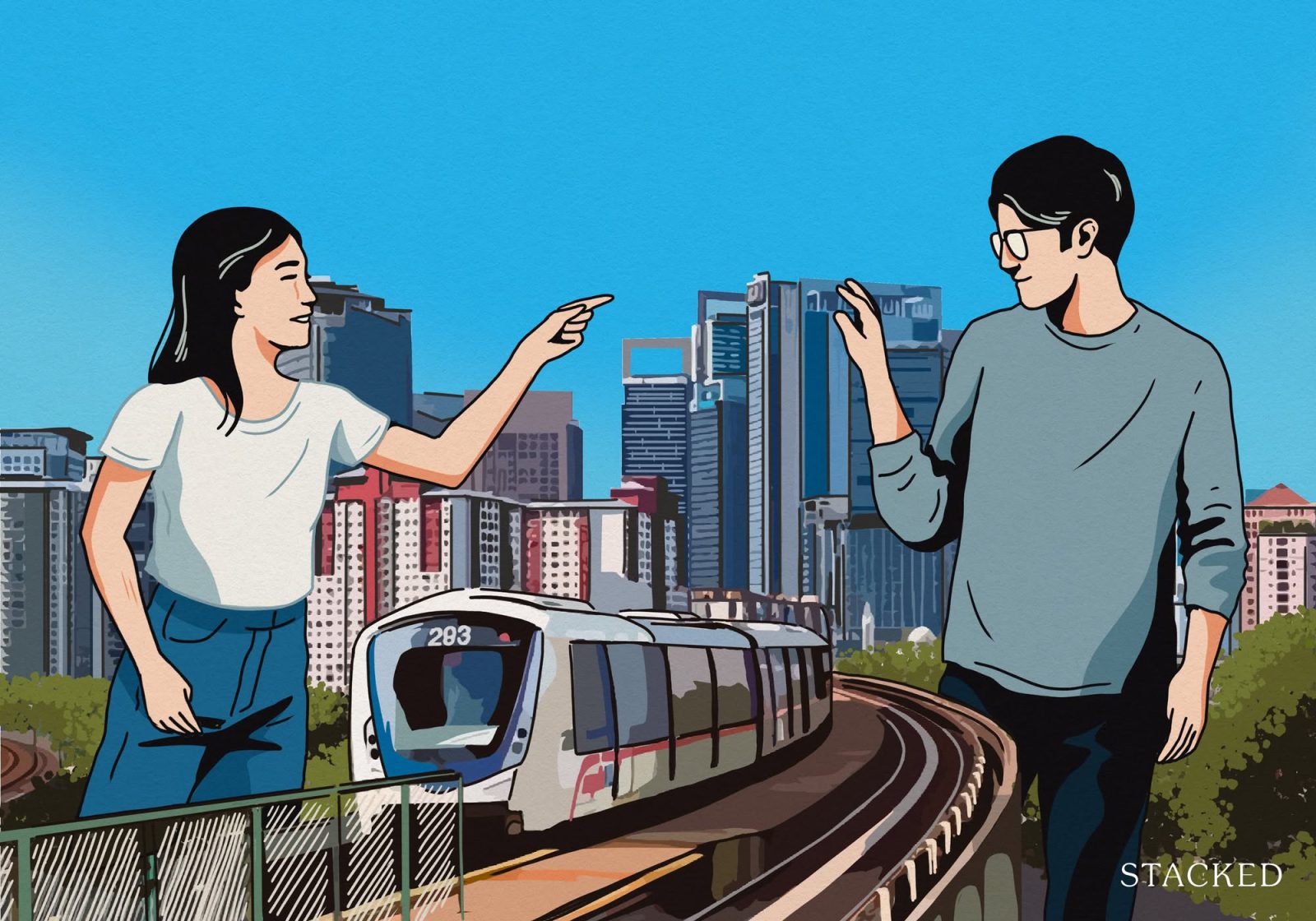
Expect to hear much more about Woodlands in the near future, thanks to the upcoming Johor Bahru – Singapore Rapid Transit System (RTS) link. This four-kilometre cross-border rail line will connect Woodlands to Malaysia; and this also means proximity to Johor’s planned Special Economic Zone (SEZ). This will cement Woodlands’ status as the regional centre of the north; and it’s quite the turnaround for a town once known for being ulu. Here’s what might make it truly different:
The challenge for many buyers today isn't access to information.
It's interpreting that information in a way that makes sense for their finances, goals, and stage of life.
Over time, that's also why we decided to work with agents who shared the same data-driven and advisory-led approach behind our editorial, consultants who could help readers think through decisions more objectively, rather than simply push transactions.
Today, the team has worked with more than 2,000 clients across over $5B in property transactions.
1. The RTS link will make future property comparisons in Woodlands quite unique
So far in the Singapore property market, comparisons with overseas properties have generally been vague or in passing. A lot of it is just buyers making remarks like “I can buy a landed home, luxury condo, whole kampung, etc. in JB for the price of this three-bedder.” And as for places like Bali or Bangkok, or Japan, serious comparisons are rare, as for most of us, the commute remains impractical.
But the presence of the RTS could throw things into sharper contrast. For the first time, a Singapore neighbourhood (Woodlands) will sit just one train stop away from a foreign property market.
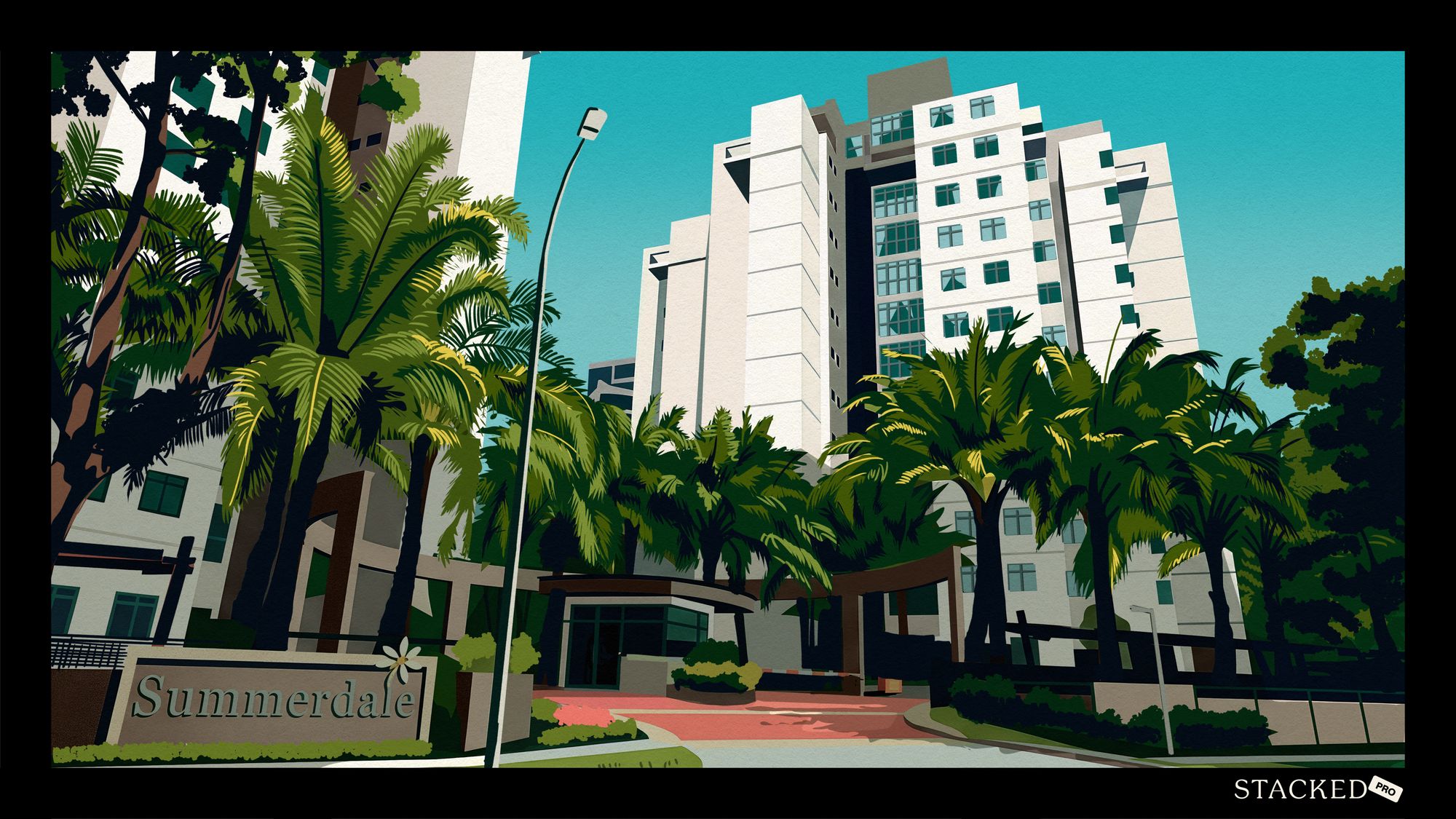
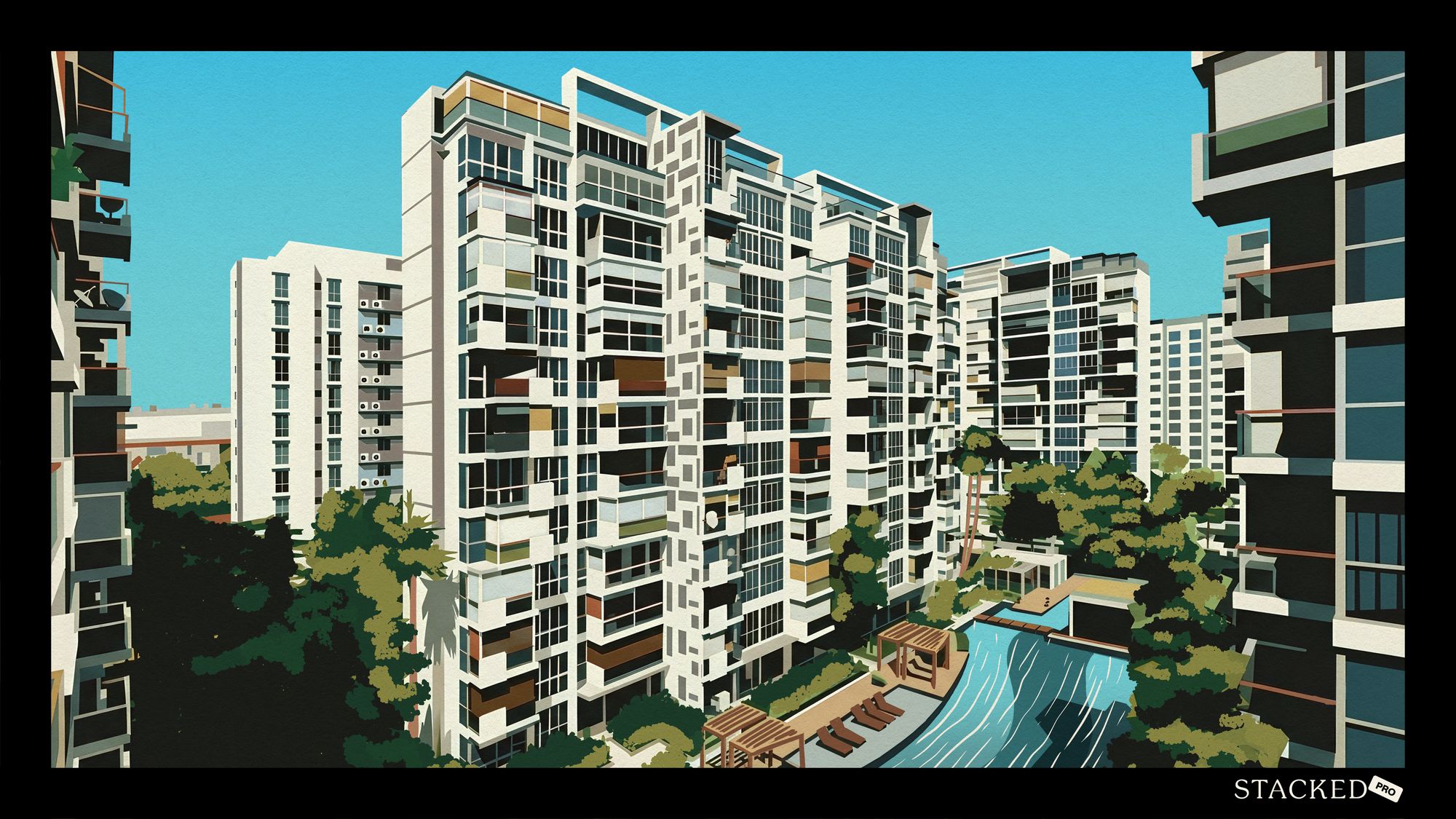
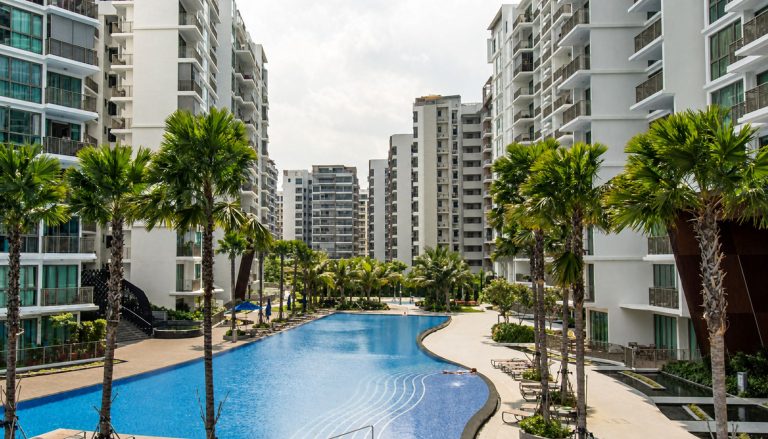
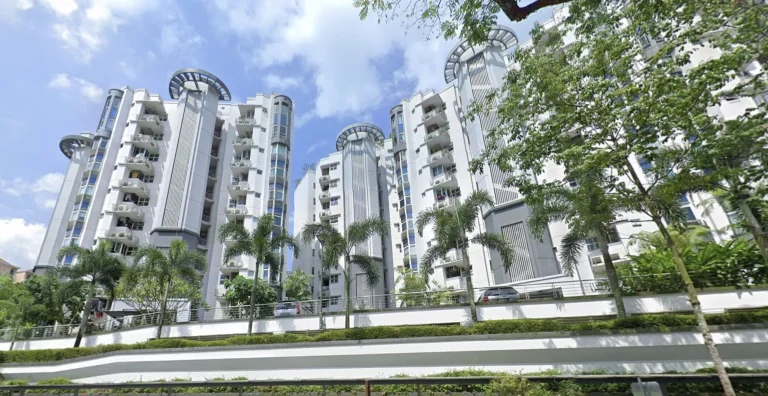
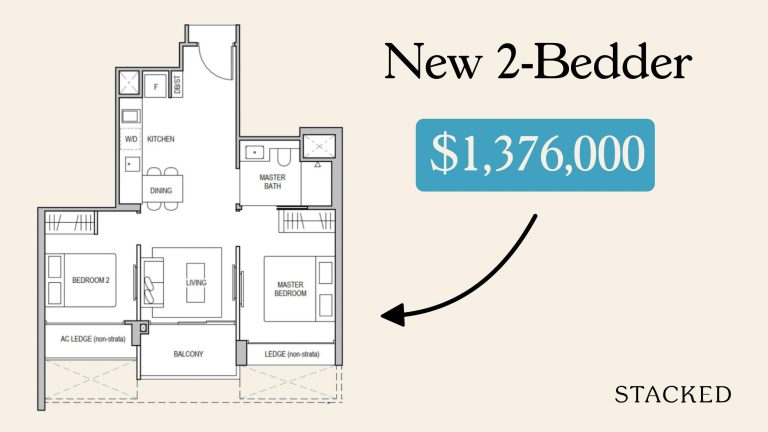
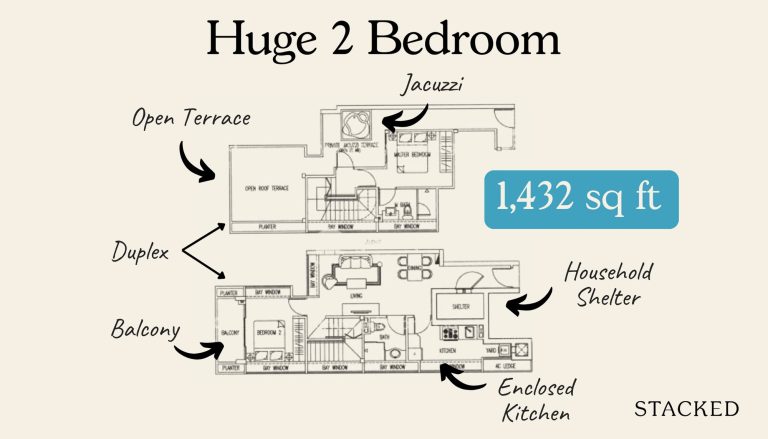
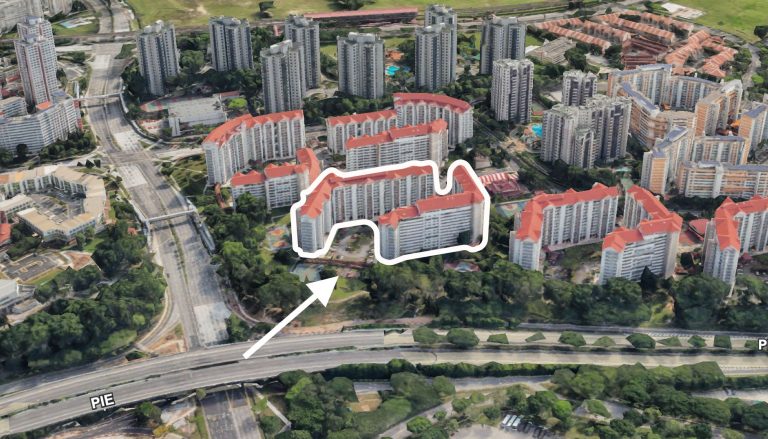
A prospective buyer looking at, say, a compact two-bedder in Parc Rosewood at around $1.1 million to $1.8 million might ponder that, just a quick train ride away, freehold units in JB are just a fraction of that. For example, we did a short review of Summer Suites in JB lately; and the three-bedder units there were below S$250,000 equivalent.
Even given the restrictions, it’s hard to overlook the sheer amount of freehold space you could buy in JB, for $1.1 million to $1.8 million. So what we might see is a real substitution effect:
Woodlands becomes a town where your “next-best option” is not another part of Singapore, but an entirely different country. If northern towns end up competing with an alternative housing market, minutes away, then Woodlands will likely be where it begins, just on the basis of the RTS link being here.
This could be an interesting spectacle for the property industry as well: for the first time, realtors may be scratching their heads over cross-border comparisons. We also wonder about the ramifications of Malaysian realtors coming across the Causeway, to court Singaporean buyers.
To be clear, Singapore addresses still carry weight – especially for schools, and also for liquidity and regulatory certainty. Our point is just that, when the RTS opens, future price movement in Woodlands may also be viewed through the lens of cheaper JB condos just a few minutes away.
This alone could mark Woodlands as one of the most unique property market areas, going forward.
2. Woodlands will be the only true “frontier town” on this island
In bigger places like the US, Europe, etc., this is nothing new, but it is quite novel in Singapore. Most Singapore towns are defined by their proximity to MRT lines, malls, or business hubs. Woodlands, however, will also be defined by cross-border amenities. Once the RTS is up, the daily rhythm of Woodlands will no longer be just heartland routines; it will also include the pulse of commuters, shoppers, and business travellers moving in and out of Johor.
To be blunt, goods and services are more affordable in JB, if for no other reason than currency rates. For those living in Woodlands, the appeal of hopping across the border isn’t just about variety; it’s also about value: groceries, dining, leisure activities, possibly even medical services in some cases.
With the RTS in place, Woodlands residents will be minutes away from an economy where their money stretches much further. This makes it way different from inter-town comparisons, like Woodlands versus Sembawang, or Tampines versus Bishan.
We may see something similar to cross-border towns in other countries
Strasbourg (France) sits right on the Rhine: cross a single bridge and you’re in Kehl (Germany). Residents and workers flow both ways every day, taking advantage of different prices. Groceries, fuel, and even medical services are often cheaper in Germany, while salaries and cultural life draw people to France. Housing demand in Strasbourg is affected by this cross-border dynamic.
Or there’s Geneva (Switzerland) and Annemasse (France). Geneva has very high property prices, so many workers choose to live in neighbouring French towns like Annemasse or Ferney-Voltaire, commuting daily across the border. The wage-cost differential (Swiss salaries vs. French housing and goods) creates a unique housing market, not unlike what Woodlands might see with JB.
Closer to home, Hong Kong and Shenzhen provide another precedent. For decades, Hong Kong residents would cross the border to shop in Shenzhen, where goods and services were far cheaper. Over time, however, the dynamic shifted: Shenzhen’s rapid development began drawing not just bargain hunters, but also significant spending power and even business activity away from Hong Kong. This cross-border flow highlights the opportunities – and the risks – for cross-border towns.
As such, Woodlands may become highly unique, in being the first Singapore town to develop similar qualities.
3. Woodlands may be the first town in Singapore to develop a true cross-border culture

Without wanting to sound too critical, most Singapore neighbourhoods feel like minor variations on the same theme. We don’t have too much diversity in our neighbourhoods simply because we’re so compact – some have better schools or malls, but all ultimately draw from the same domestic rhythms, and decentralisation will compound that effect. Woodlands, however, could break the mould.
With the RTS funnelling daily flows of people, goods, services, etc. across the Causeway, it may become the first Singapore town to develop a lived-in cross-border culture. This could mean a concentration of coffee shops or stores with an almost even mix of Singaporean and Malaysian customers in Woodlands; or communities where a higher percentage of friends and associates come from across the border.
Whether Woodlands gains this unique identity depends on how it’s allowed to evolve. Distinctive neighbourhoods don’t emerge from infrastructure alone*, even major ones like the RTS link. If the RTS becomes nothing more than a sterile transit funnel, with commuters whisked straight from JB into the MRT, then Woodlands risks being just a checkpoint with malls.
If it works though, picture night markets where Malaysian and Singaporean vendors create a shared retail space, or shared services emerging around the RTS hub: co-working spaces, tuition centres, or medical clinics designed to serve both Singaporean and Malaysian clients. Woodlands could be the hub of all this.
*Hello one-north, you know all about that.
4. Woodlands has the potential to be the CBD of the north
Fluffy lifestyle aspects aside, the RTS boosts plans to turn Woodlands into a regional centre. This isn’t new: Woodlands was identified for this role as far back as the 1991 Concept Plan. But it was mostly just aspirational back then, as Woodlands simply didn’t have the infrastructure to play that role.
Now the public transport infrastructure is finally catching up: the Thomson-East Coast Line, the upcoming North-South Corridor, and of course, the RTS link.
Over the next 10 to 15 years, URA has earmarked more than 700,000 sqm of commercial space for the Woodlands Regional Centre, with the potential to host up to 100,000 new jobs. Jurong Town Corporation (JTC) – which is now the most inappropriately named entity because its scope is way beyond Jurong – is a key player here. JTC is rolling out flexible industrial and office spaces here, aimed at businesses that want quick access to the Johor-Singapore SEZ.
If all of this comes to pass, it will be the end of Woodlands’ former reputation as a sleepy bedroom town. This could be bigger than even the transformation of Jurong East, because it provides access to a whole other country’s business hub.
This can be a serious driver of demand for properties in Woodlands – no longer about affordability, but about proximity to jobs and offices; effectively a CBD in the north.
For decades, Woodlands was the town that people cracked jokes about:
The ulu end of the MRT line. The place you only passed through on the way to JB. If your classmates lived there, you’d ask if you needed a valid passport to visit them. The RTS will almost certainly change that perception though, and Woodlands is on its way to be a more prominent part of Singapore’s housing conversation.
But whether this translates into a sustained uplift, or more uneven cycles (like the Shenzhen and Hong Kong situation) is not yet clear. For now, Woodlands stands at the start of a whole new story, one that the market will be watching very closely.
For more on what’s happening in the Singapore property market, follow us on Stacked.
At Stacked, we like to look beyond the headlines and surface-level numbers, and focus on how things play out in the real world.
If you’d like to discuss how this applies to your own circumstances, you can reach out for a one-to-one consultation here.
And if you simply have a question or want to share a thought, feel free to write to us at stories@stackedhomes.com — we read every message.
Frequently asked questions
What is the RTS link and how does it affect Woodlands?
How will the RTS change property comparisons in Woodlands?
What makes Woodlands different from other Singapore towns?
Could Woodlands become Singapore’s first true cross-border town?
Will Woodlands become the northern CBD of Singapore?





0 Comments