

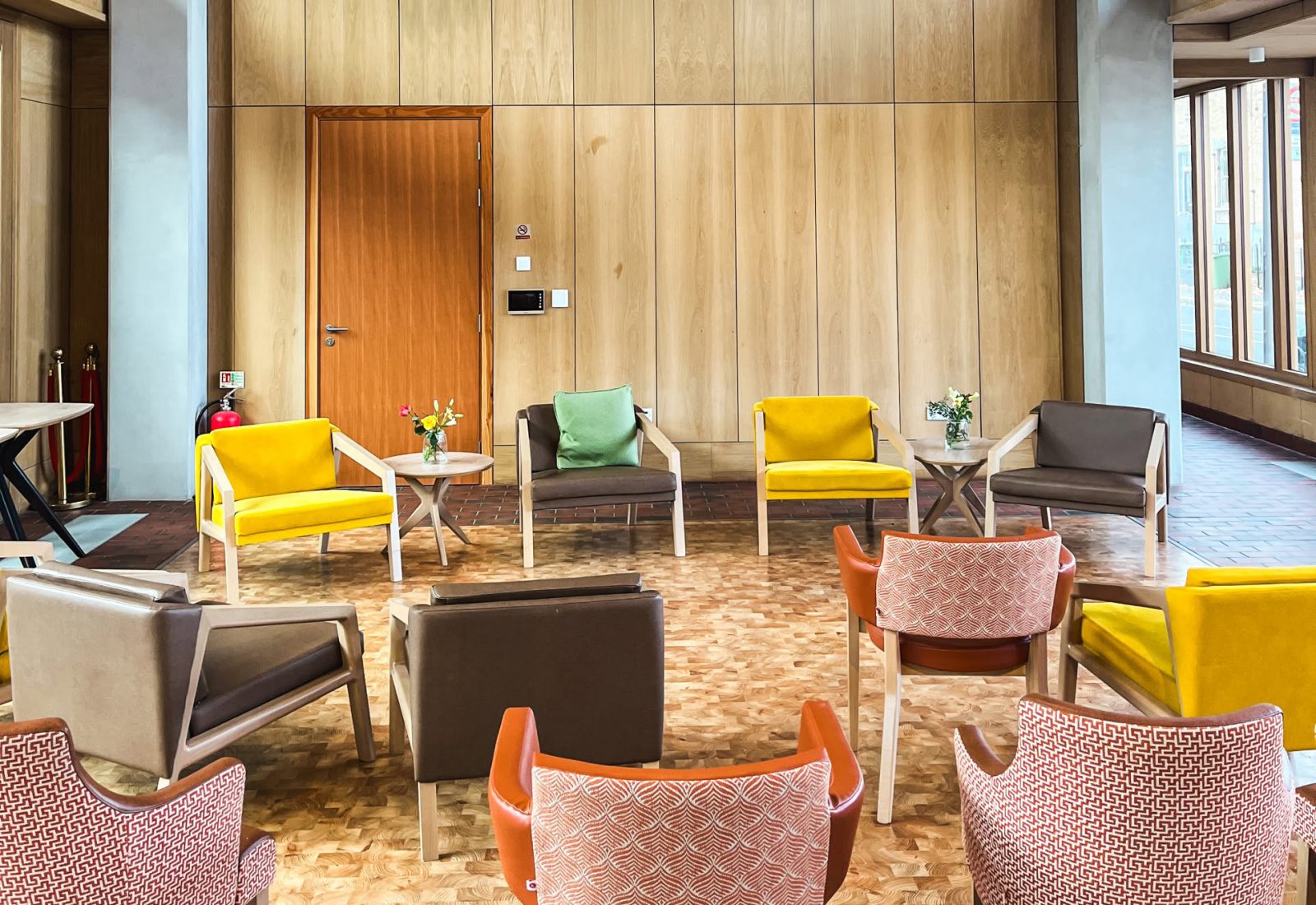
Some time ago, I wrote an article about my search for a better retirement home (as compared to what we currently have in Singapore.) It seems I’m not the only middle-aged Singaporean concerned about his/her housing situation post-retirement, as the article quickly received views and shares. (It became one of the most popular articles I’ve written for Stacked and the follow-up piece about retiring on a cruise ship was pretty well-received too, a testament to the interest in this topic.)
In the first article, I focused on a lovely retirement village that I had seen in Bath, UK. However, as with many things in life, that loveliness comes at a price, which not everyone may be able to afford. Hence, when I went back to the UK to do research for Tjtakesthetrain, my new site on car-free travel from London, and saw a social housing for seniors development (Appleby Blue) that the Guardian (a British newspaper) compared to an Alpine spa hotel, I thought it would make for an interesting piece.
The challenge for many buyers today isn't access to information.
It's interpreting that information in a way that makes sense for their finances, goals, and stage of life.
Over time, that's also why we decided to work with agents who shared the same data-driven and advisory-led approach behind our editorial, consultants who could help readers think through decisions more objectively, rather than simply push transactions.
Today, the team has worked with more than 2,000 clients across over $5B in property transactions.
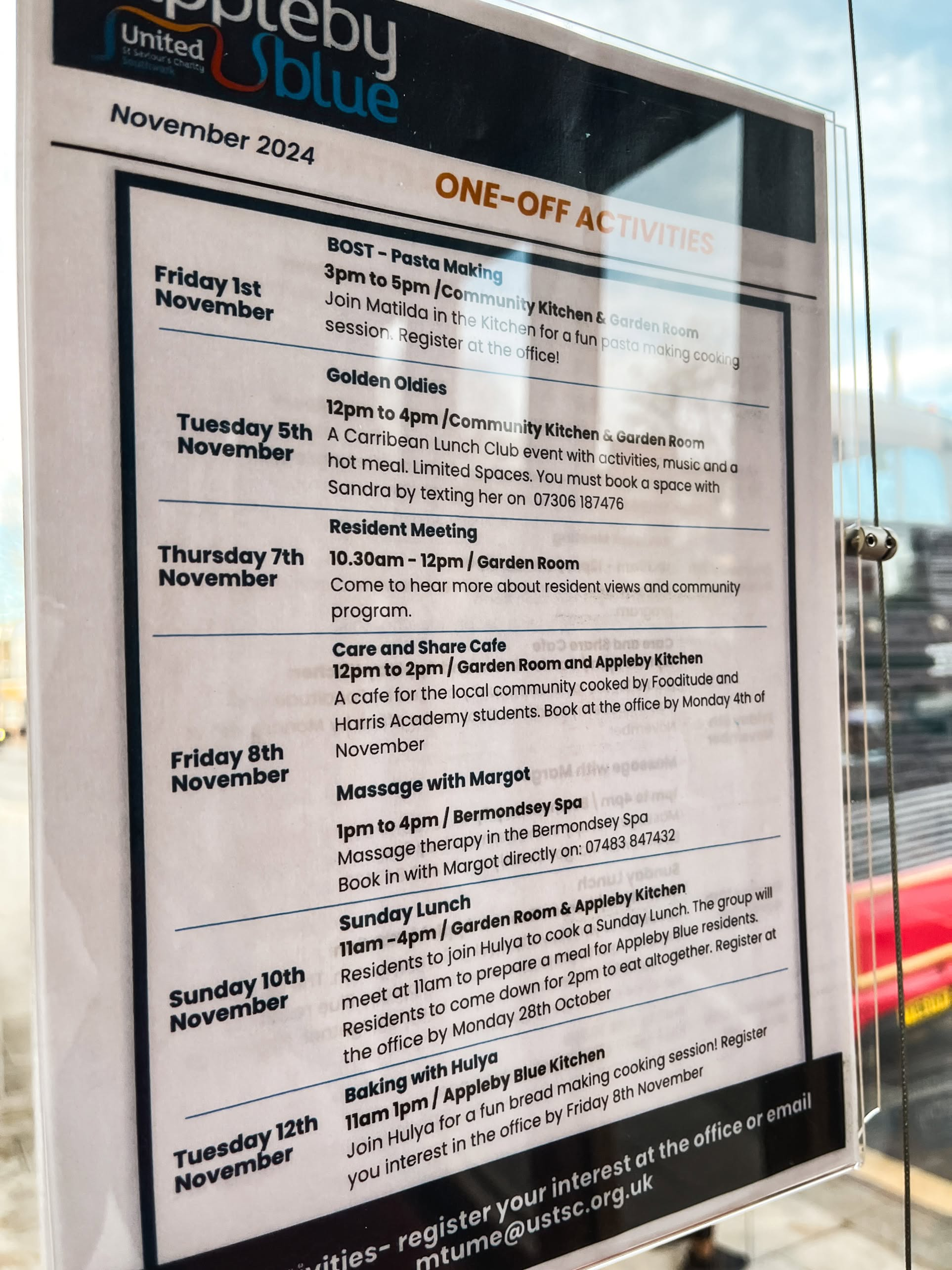
Even in Singapore, where social housing (the HDB) receives international acclaim - the New York Times called HDBs “the envy of the world" and over 80% of the population lives in public housing, no one would equate social housing with a “spa hotel.” (Or at least no one I’ve had the pleasure of meeting!)
If you’re not familiar with social housing in the UK, let’s just say they’re not quite the same as the HDB. Only about 17% of the population live in council housing (a type of social housing), for one, and there can be a stigma around living in such a development. (In some cases, getting a mortgage can even be harder if trying to buy an ex-council home.) Appleby Blue is a slightly different type of social housing to council flats, as it’s an almshouse run by United St Saviour’s Charity.
Hence, I was very intrigued by Appleby Blue, and wondered if there was anything we could learn from them to create better homes for seniors in Singapore, so let’s go have a look!
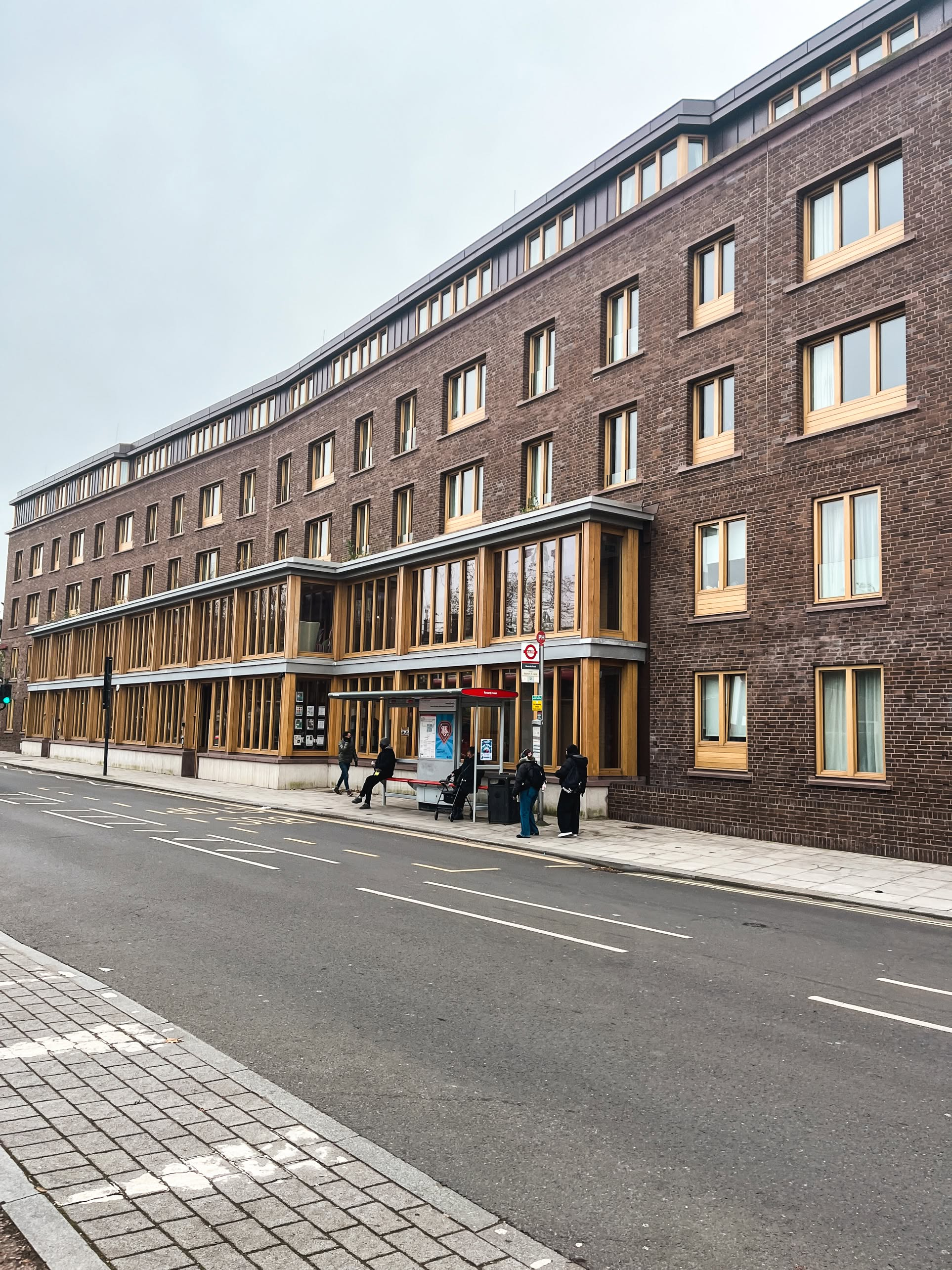
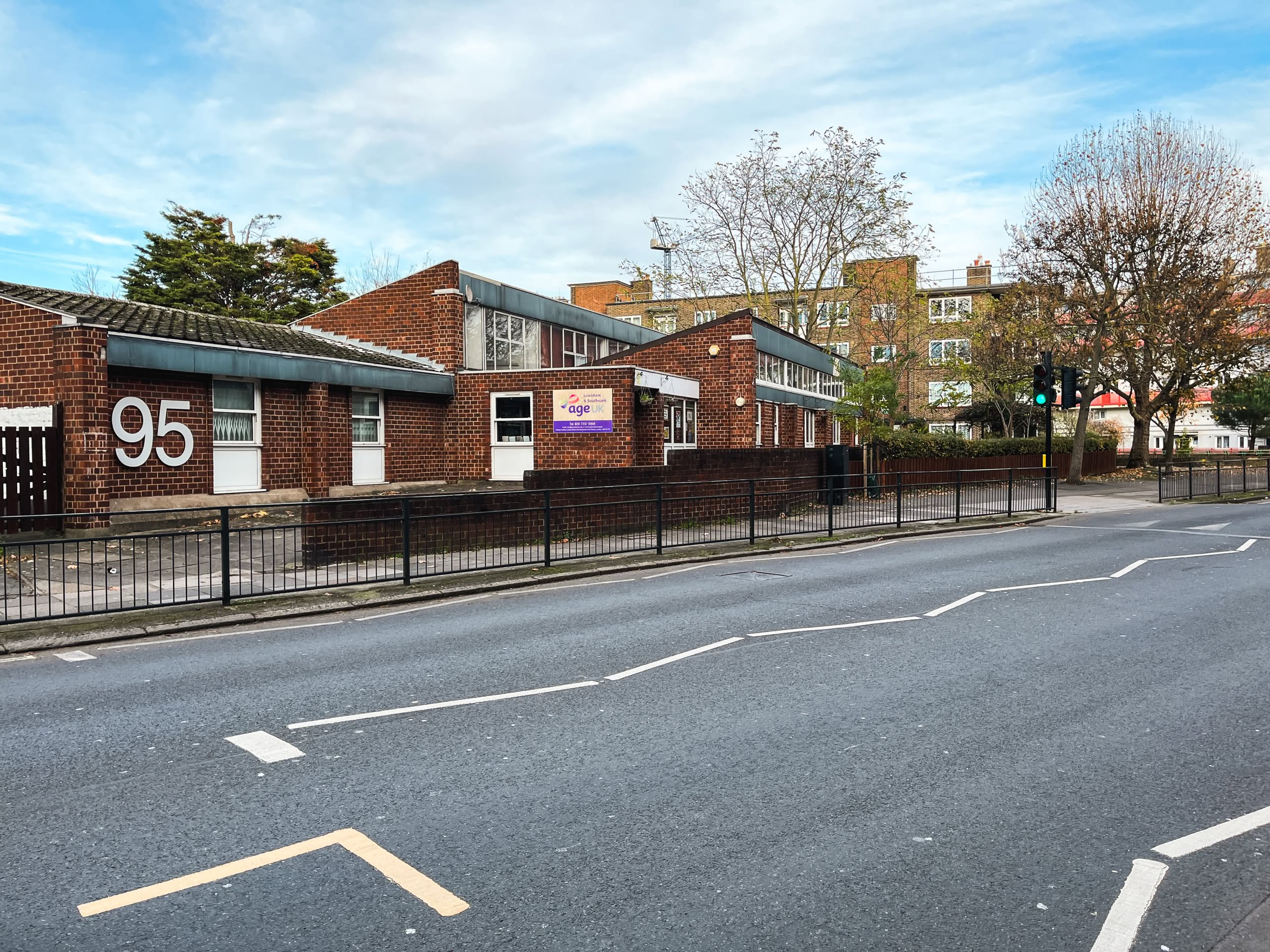
Here’s a photograph of the exterior of the development - the entrance is located by a bus stop. The development has many glass windows, from which you have a good view of the streets outside, and the people waiting at the bus stop, which increases the senior residents’ feeling of being a part of the local community.

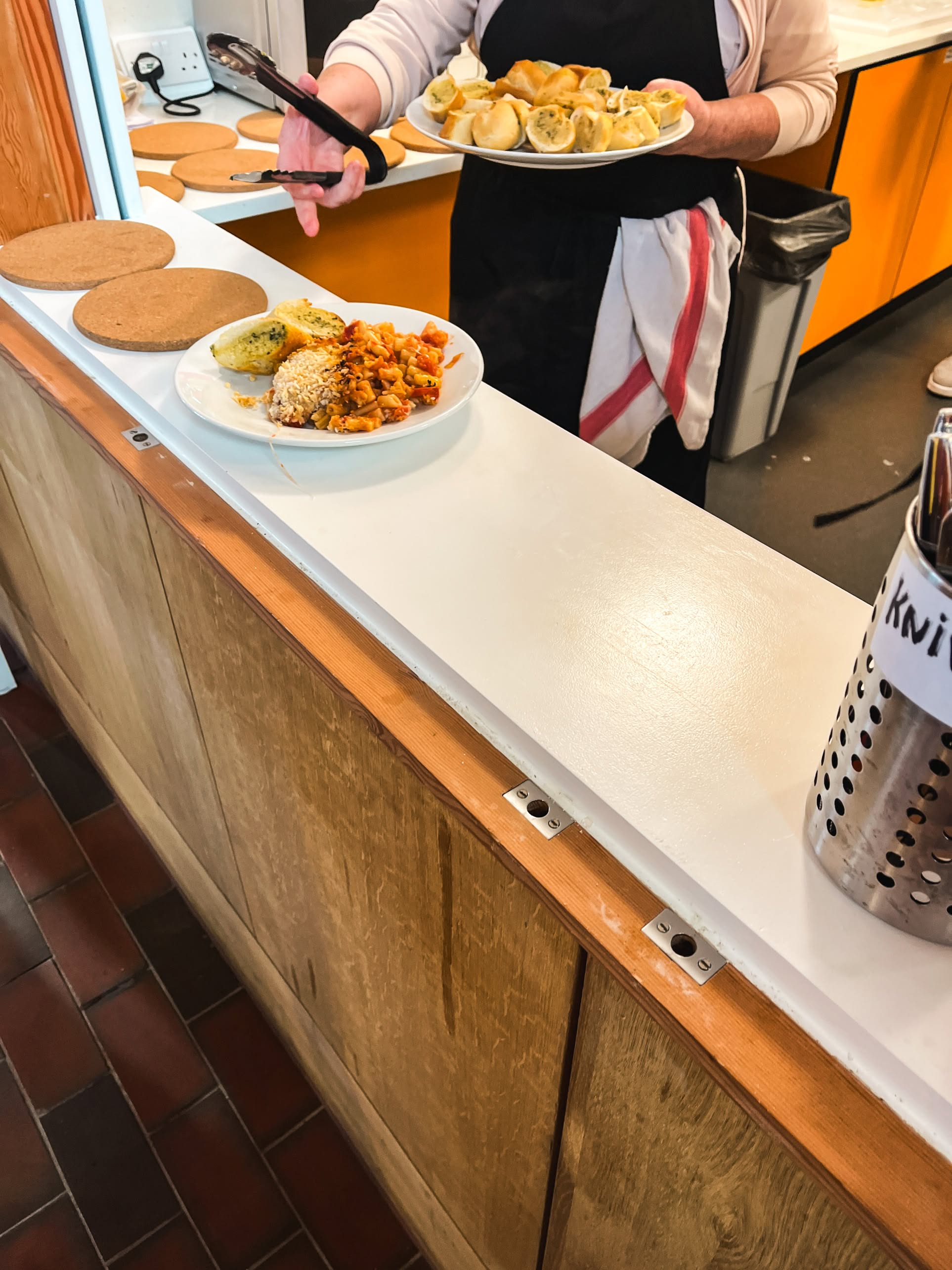

Anyway, enough about food, and back to the subject matter on hand: Appleby Blue. It was designed by award-winning architects Witherford, Watson and Mann to “combine radical design with future-proof assisted living technologies to provide self-contained homes that meet the needs of older residents, including those with emerging health conditions, within a flourishing and caring community.”
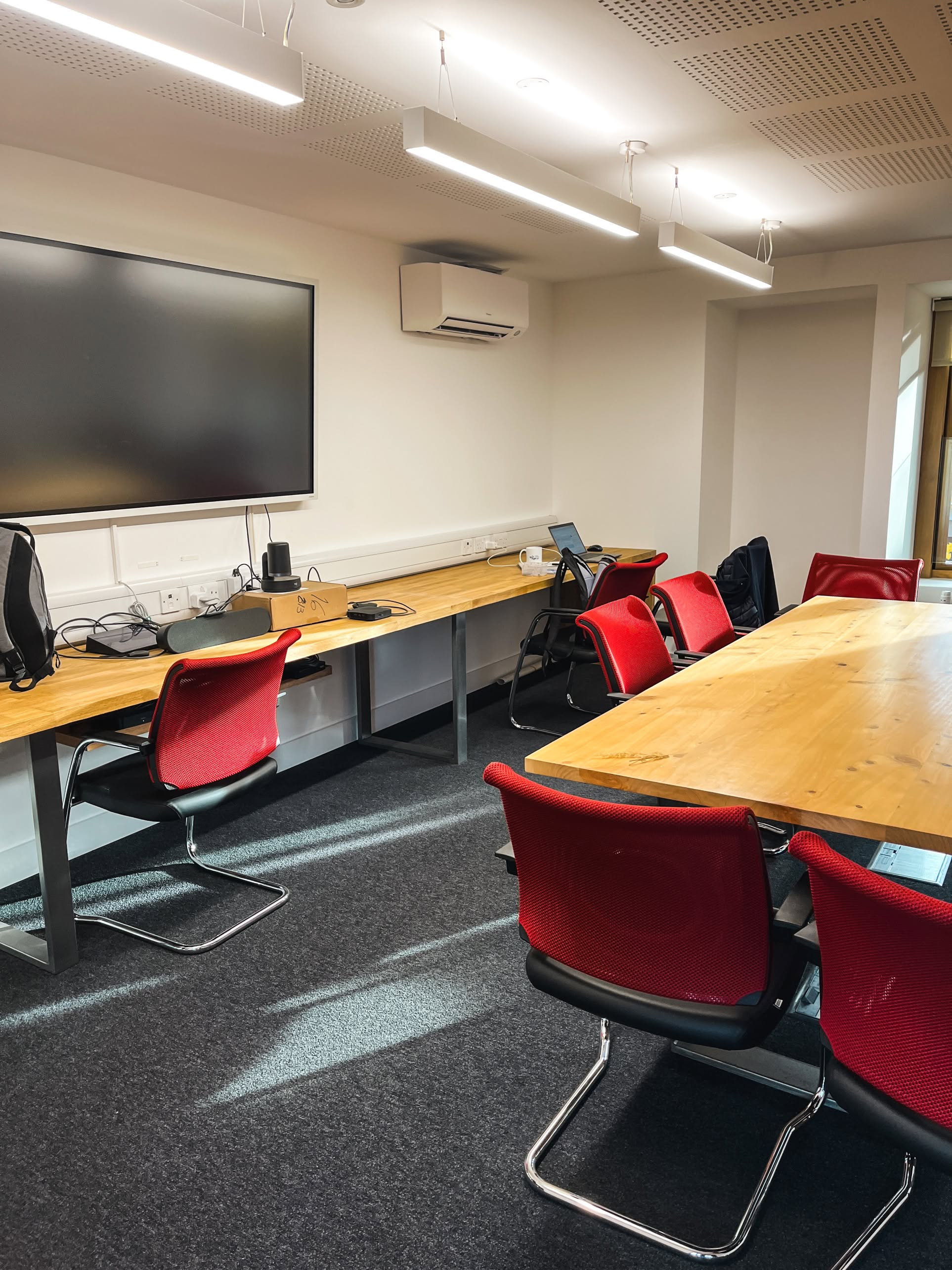
Now, as a Singaporean, I’m pretty practical so my first question was: how on earth does a charity fund all this? The answer I got was “by their investments” which I thought was a good model. To generate income, they also rent out their communal facilities, such as the event hall (called the Garden Room), hobby room, board meeting room, Spa room and communal Kitchen. These facilities are very much like our local condo’s facilities. In fact, better than many I’ve seen actually, and are available for the residents to use. Appleby Blue was completed not too long ago, but I am extremely curious to see exactly how self-sustaining it will be in the long run.
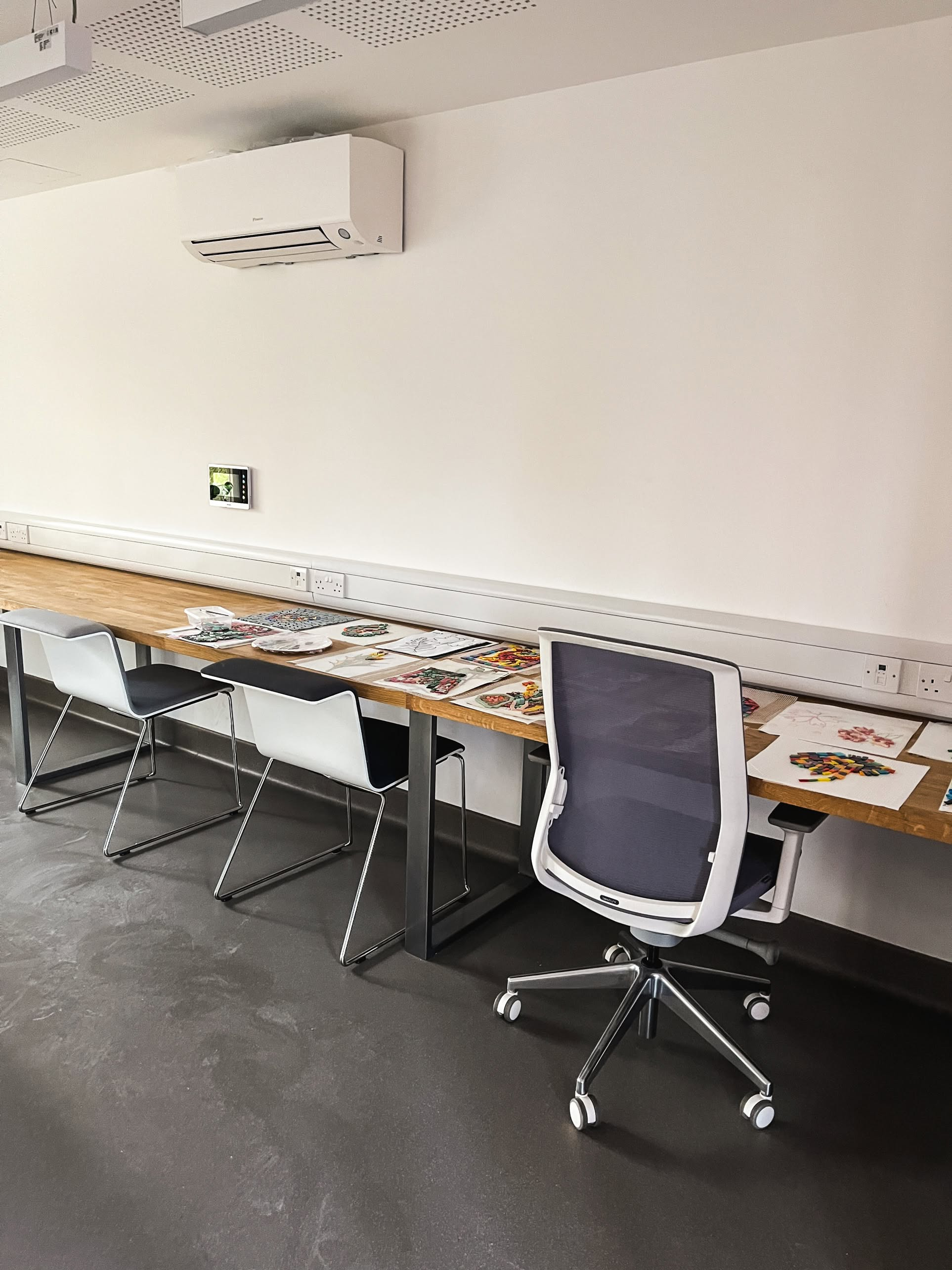
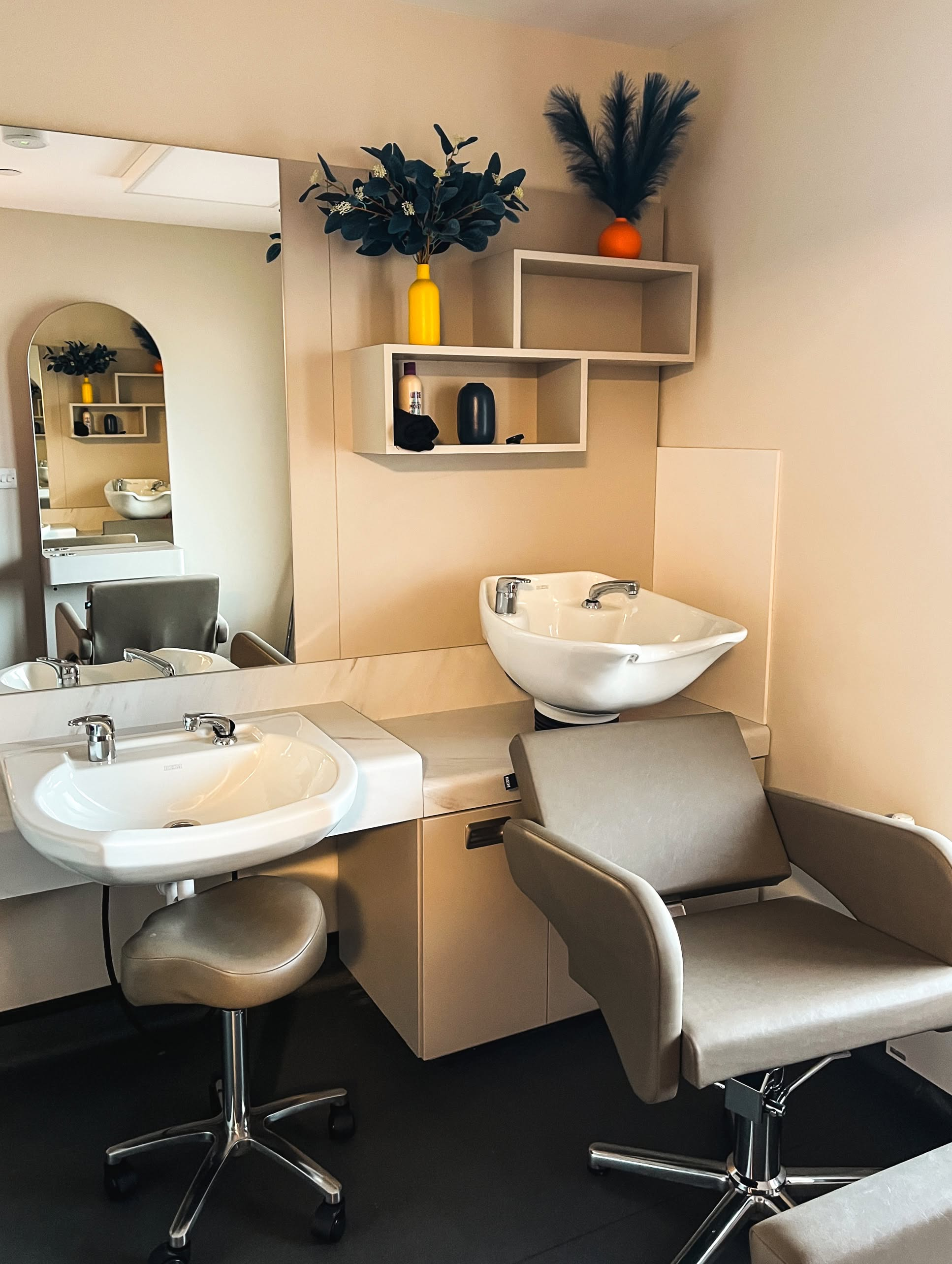
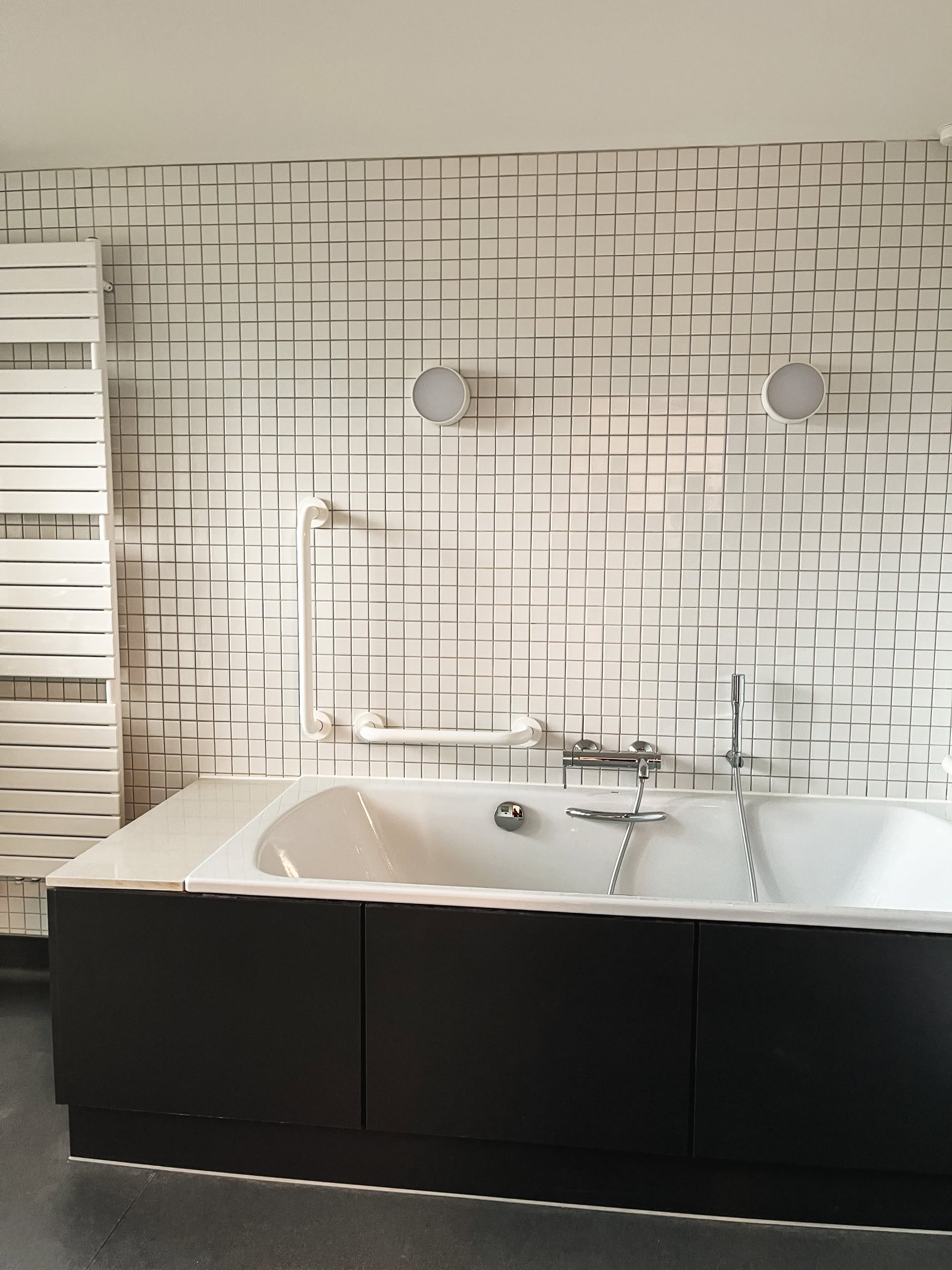
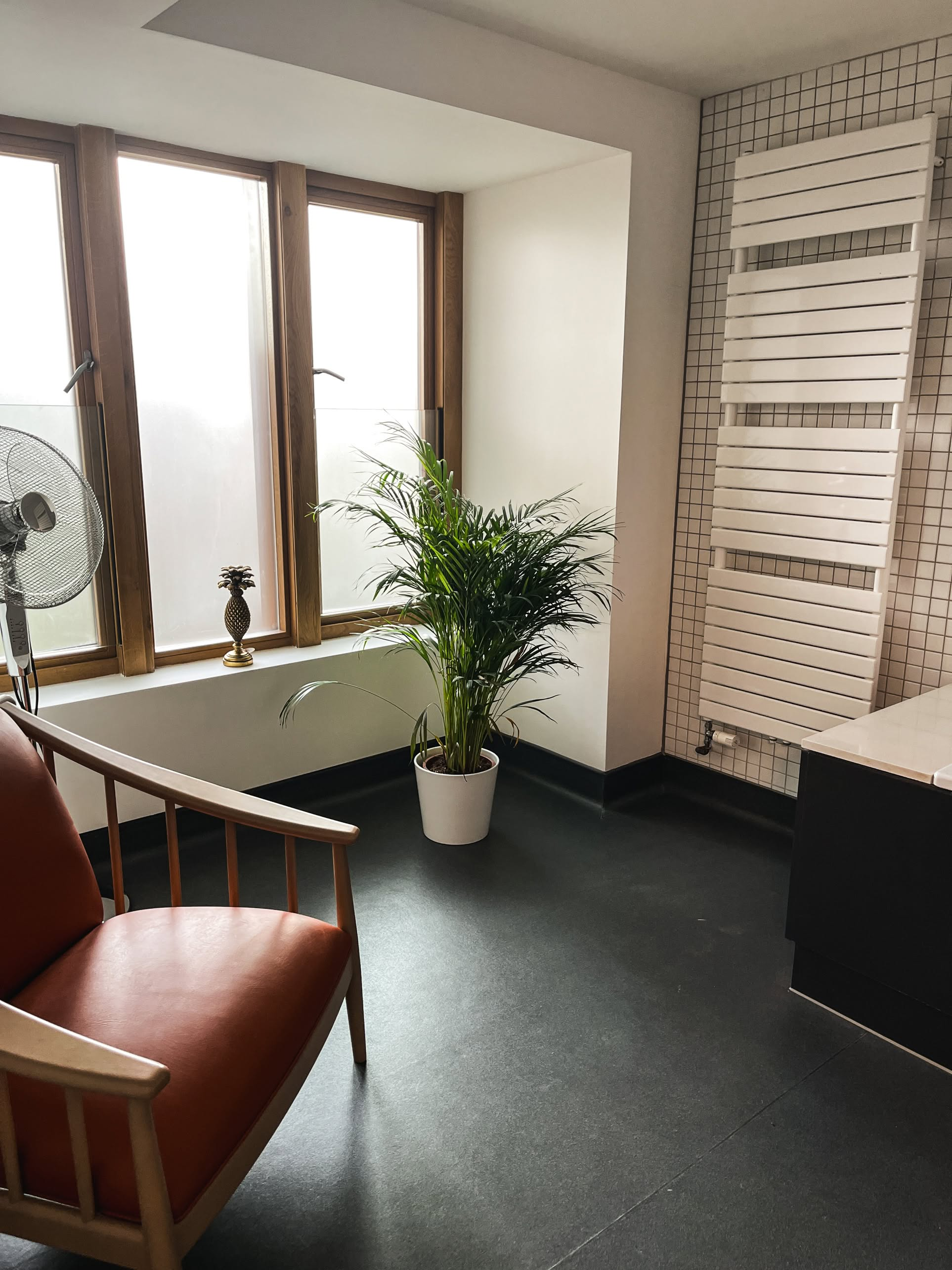
Now, not everyone may see a bathtub as an important amenity to have. However, I think there’s something to be appreciated about “outsourcing” some facilities to the public spaces of a social housing development and allowing people to enjoy access to certain things that they may not have space for in their own apartments. (Especially in a space-constrained nation like Singapore.) The retirement village that we viewed in Bath similarly had studio apartments that residents could rent at a low cost - this allows residents with no space for guest rooms to still enjoy the luxury of having people come over and stay.
What these “outsourced” facilities would be exactly - whether it’s a bathtub, a guest room, or something else entirely, would of course vary depending on the needs and wants of the residents. This is quite similar to the function rooms found in some local condos, but Singaporean condos tend to have quite “standard” offerings when it comes to facilities, in my opinion, instead of thinking about the actual needs and wants of residents.
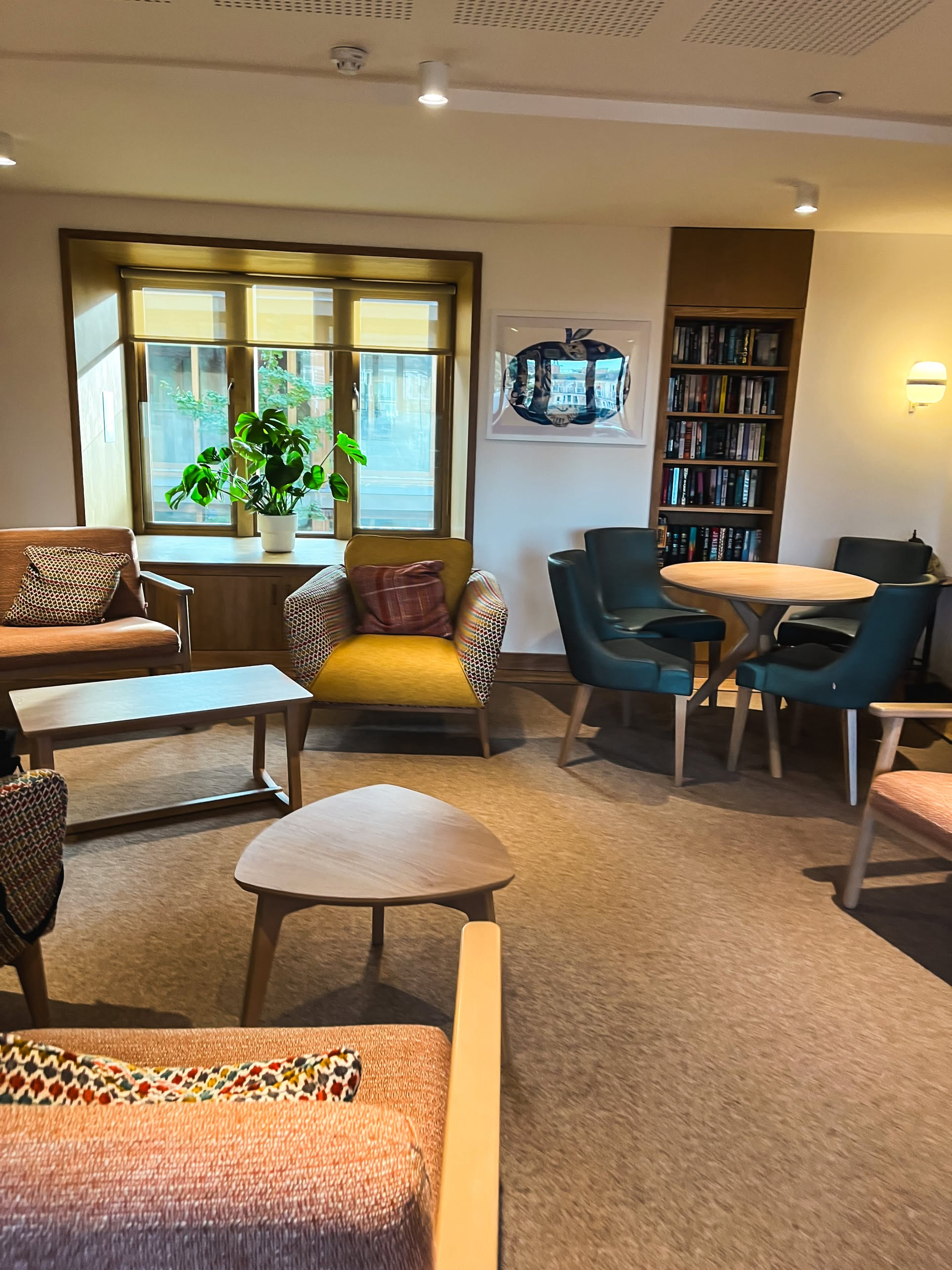
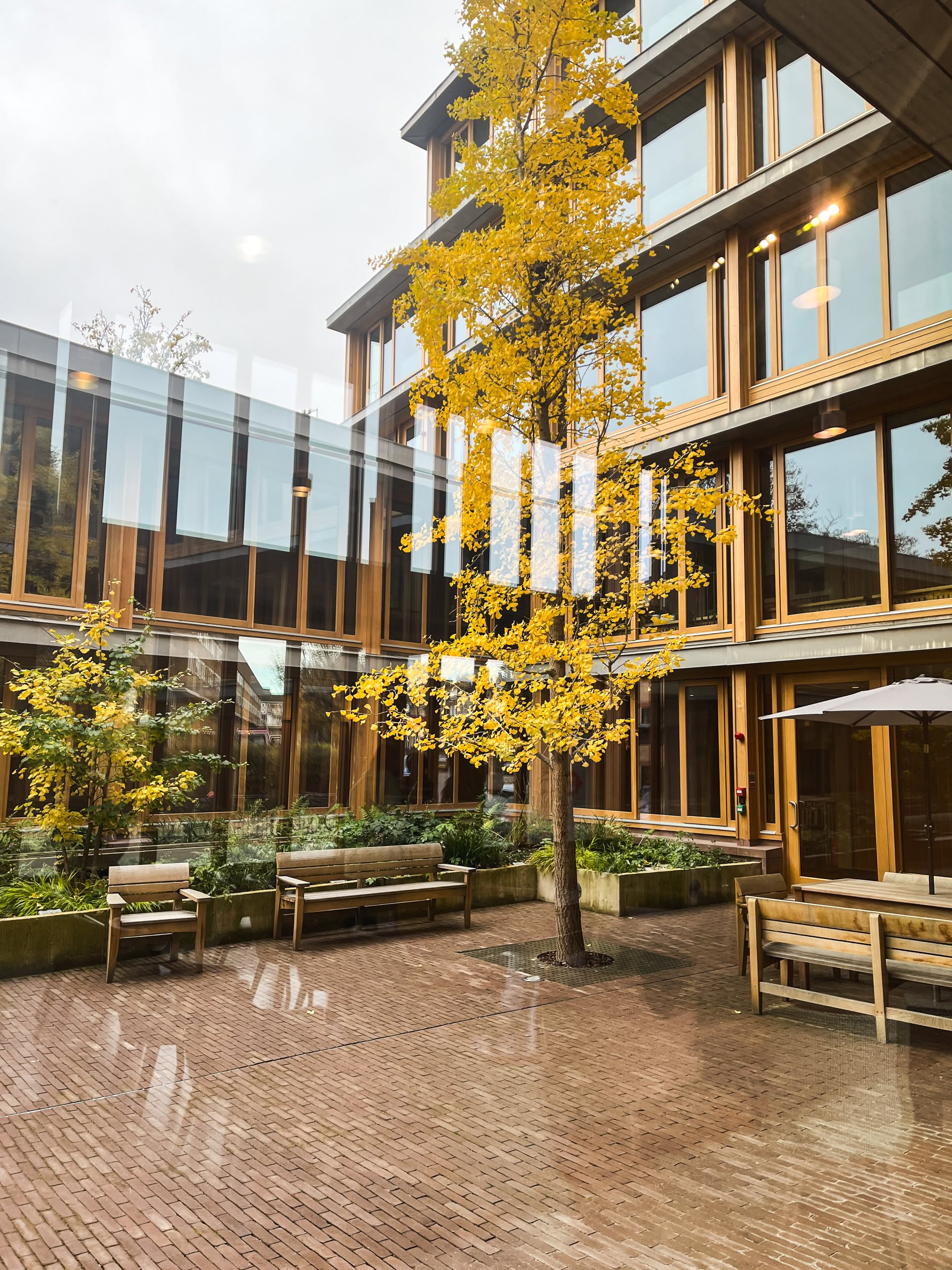
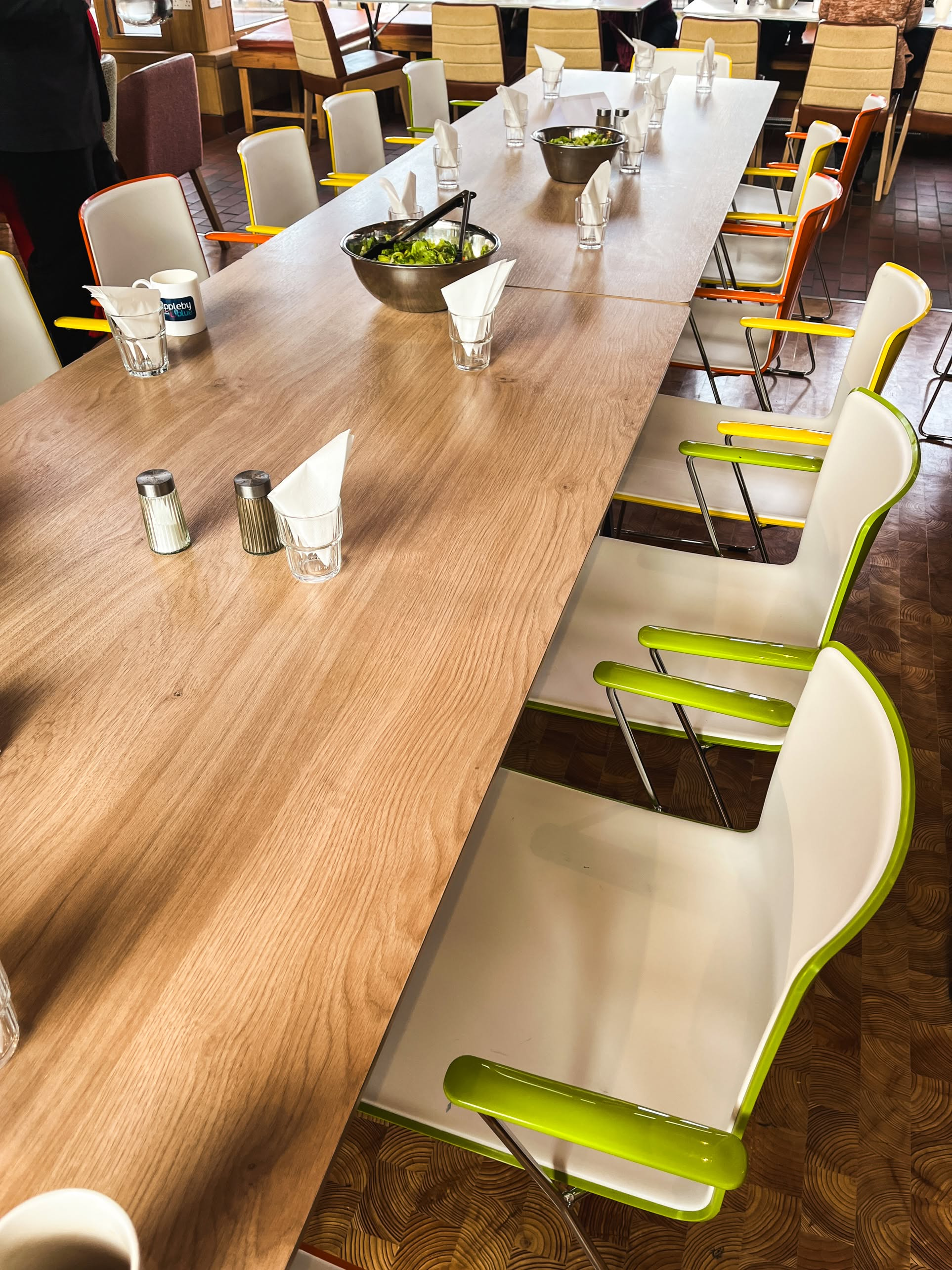
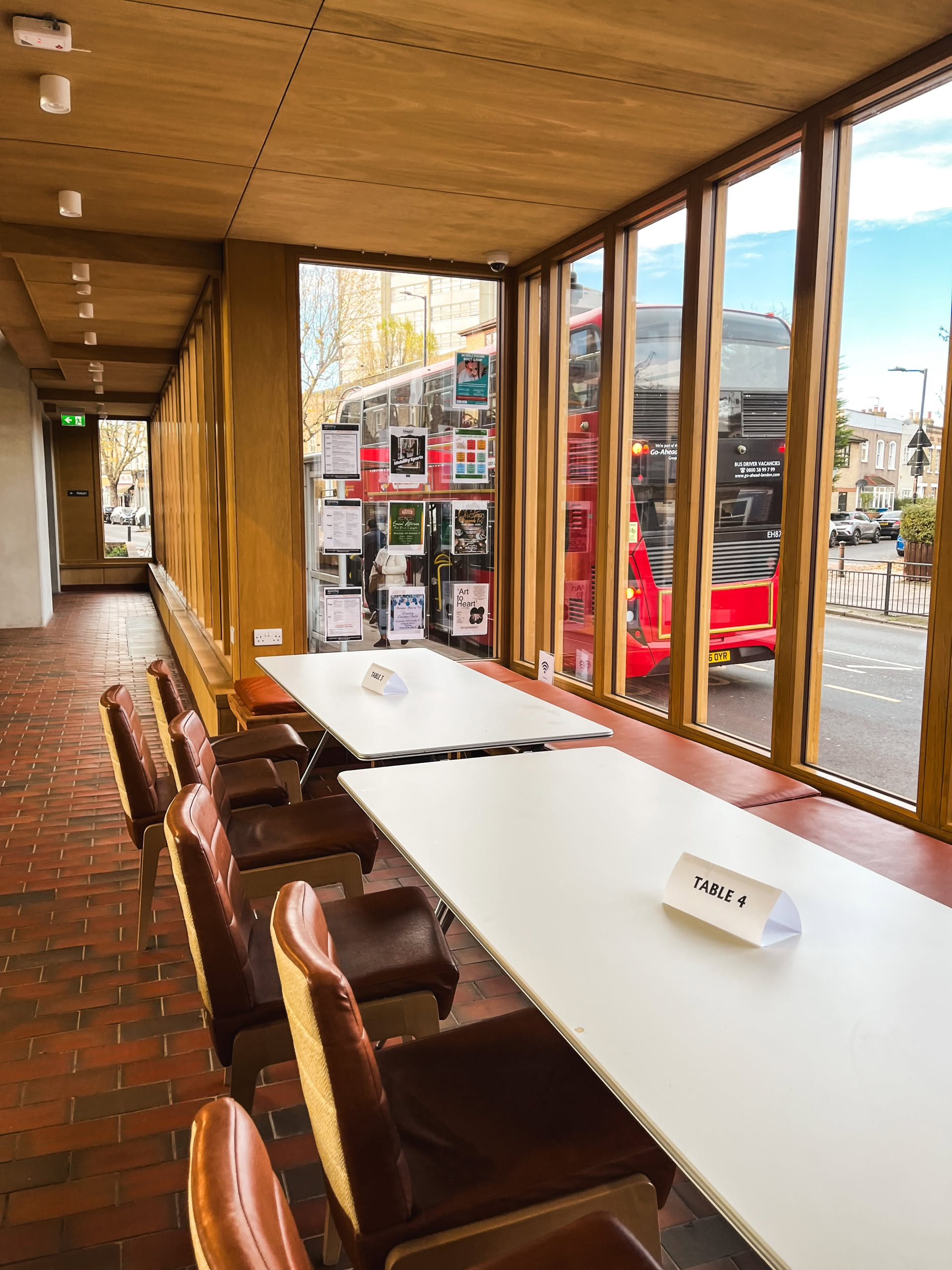
Anyway, back to inside Appleby Blue. We’ve been looking at the facilities, so let’s go look at the areas closer to the apartments themselves now.
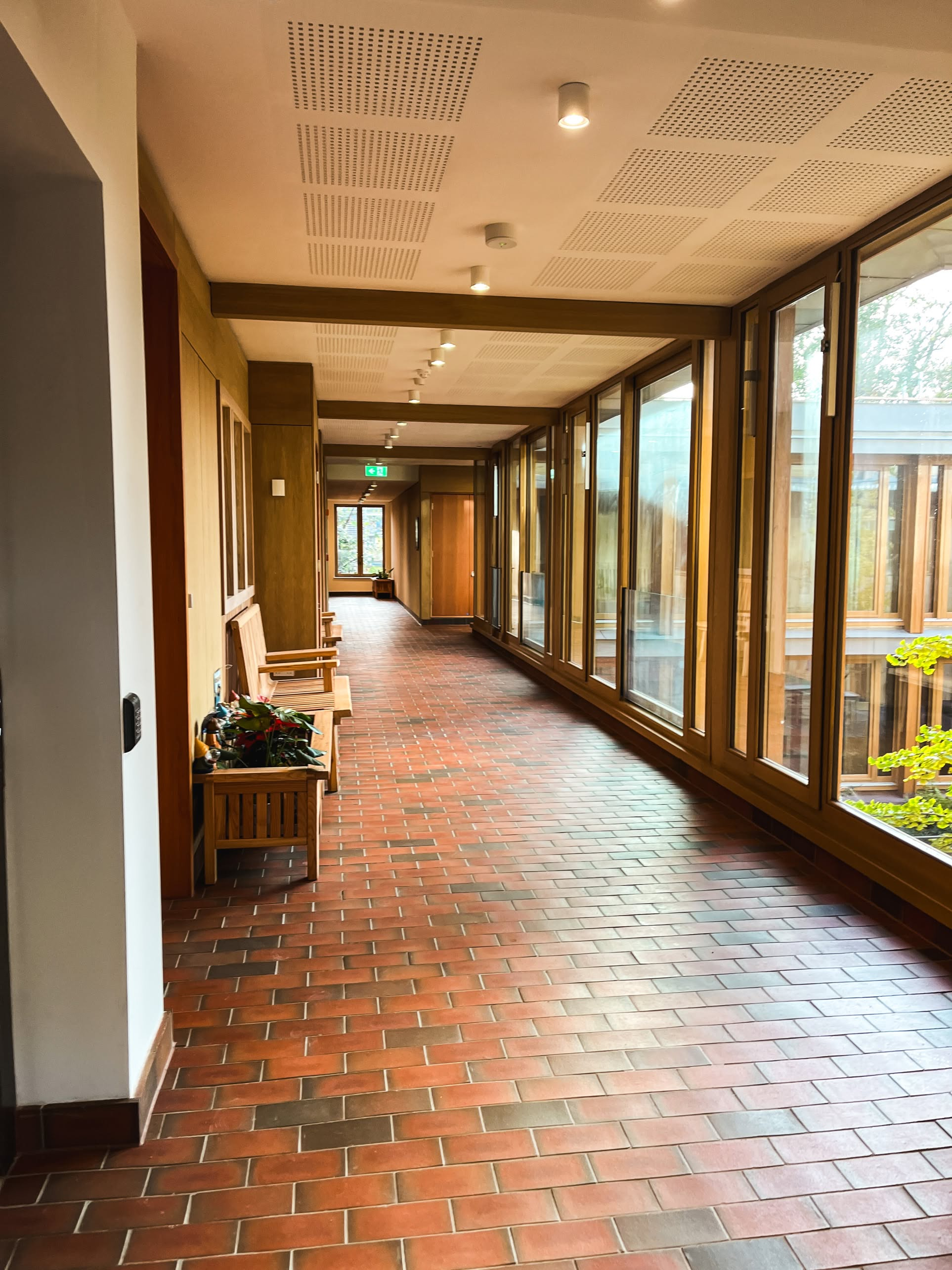
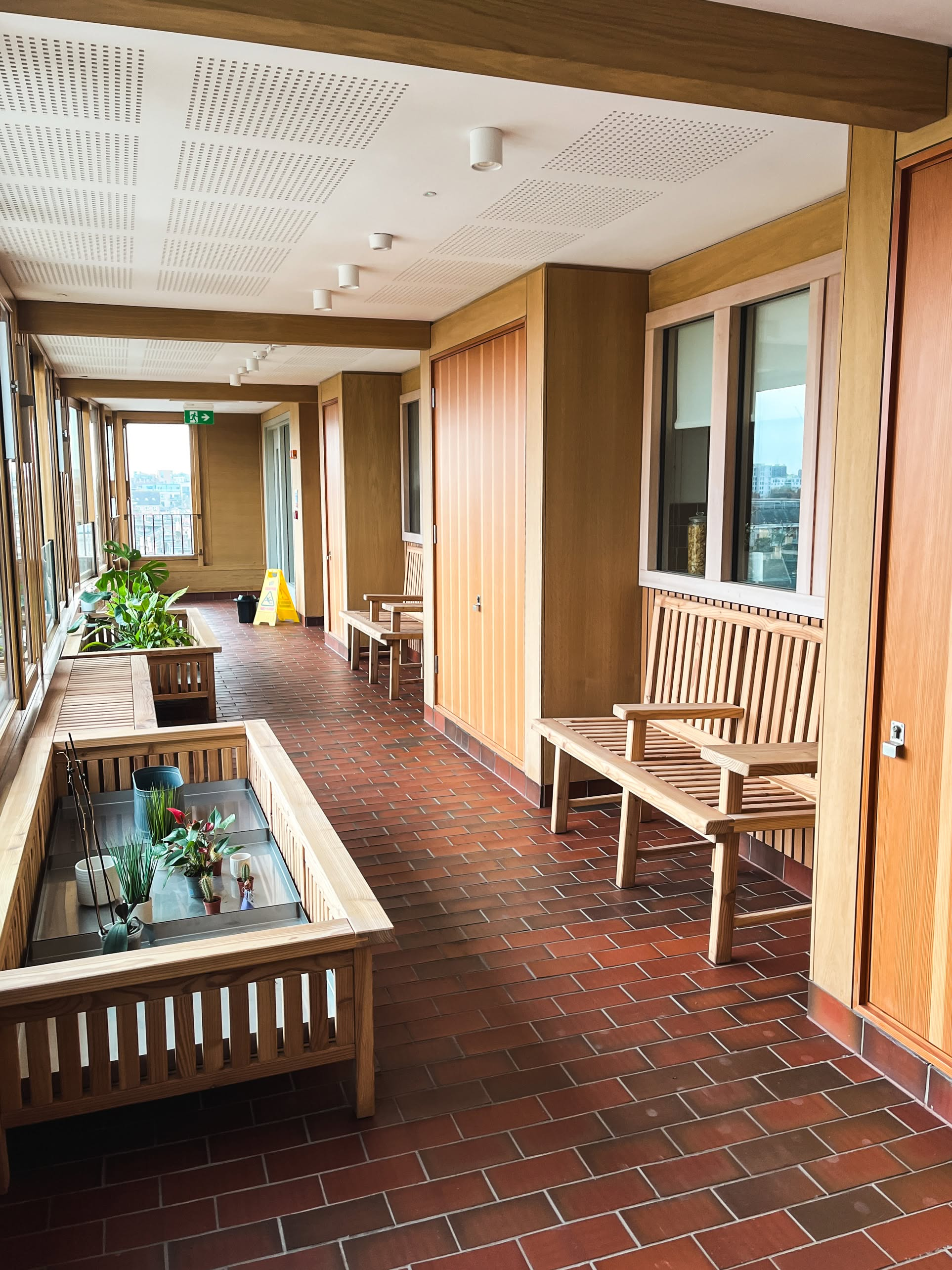
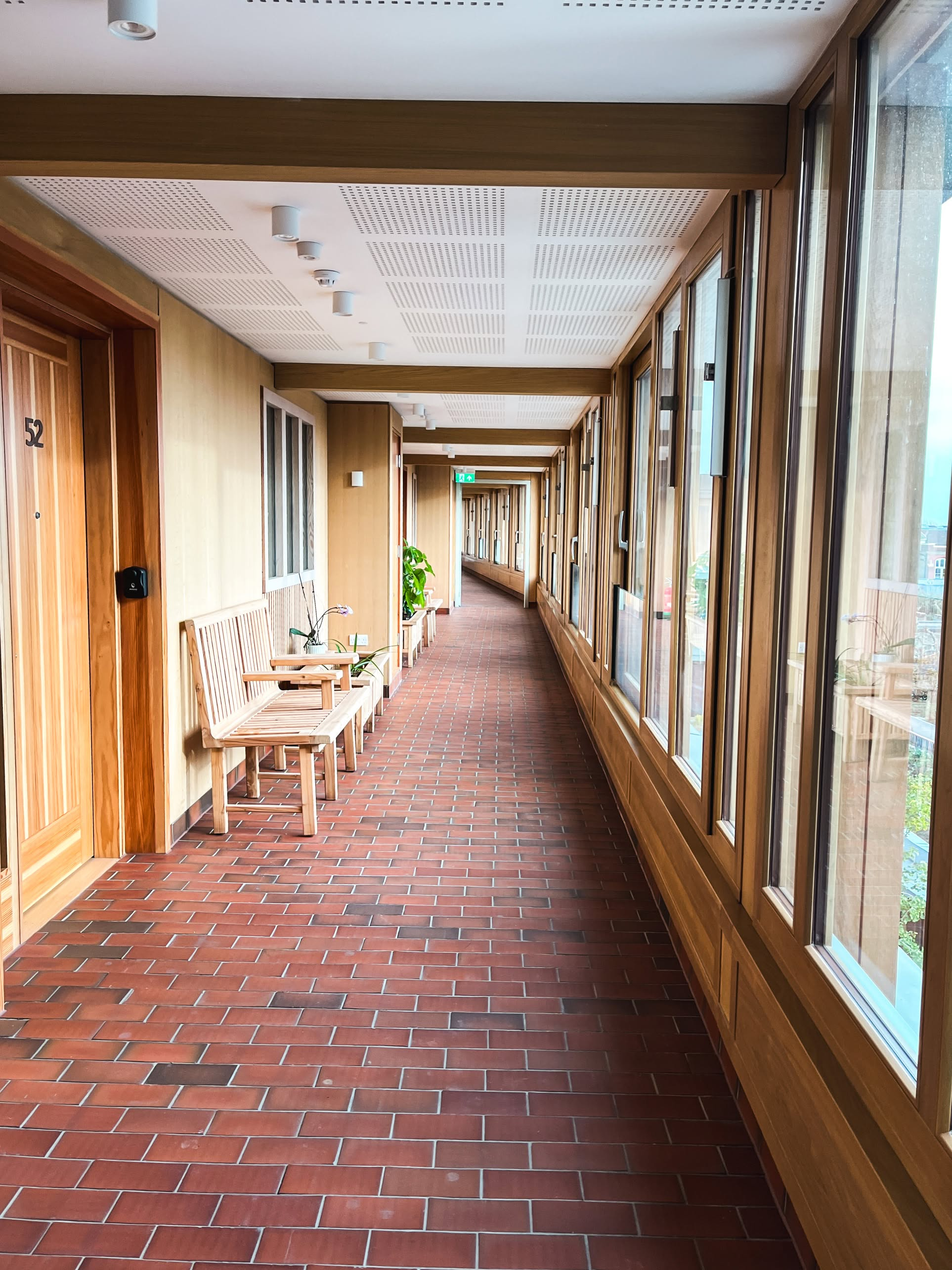
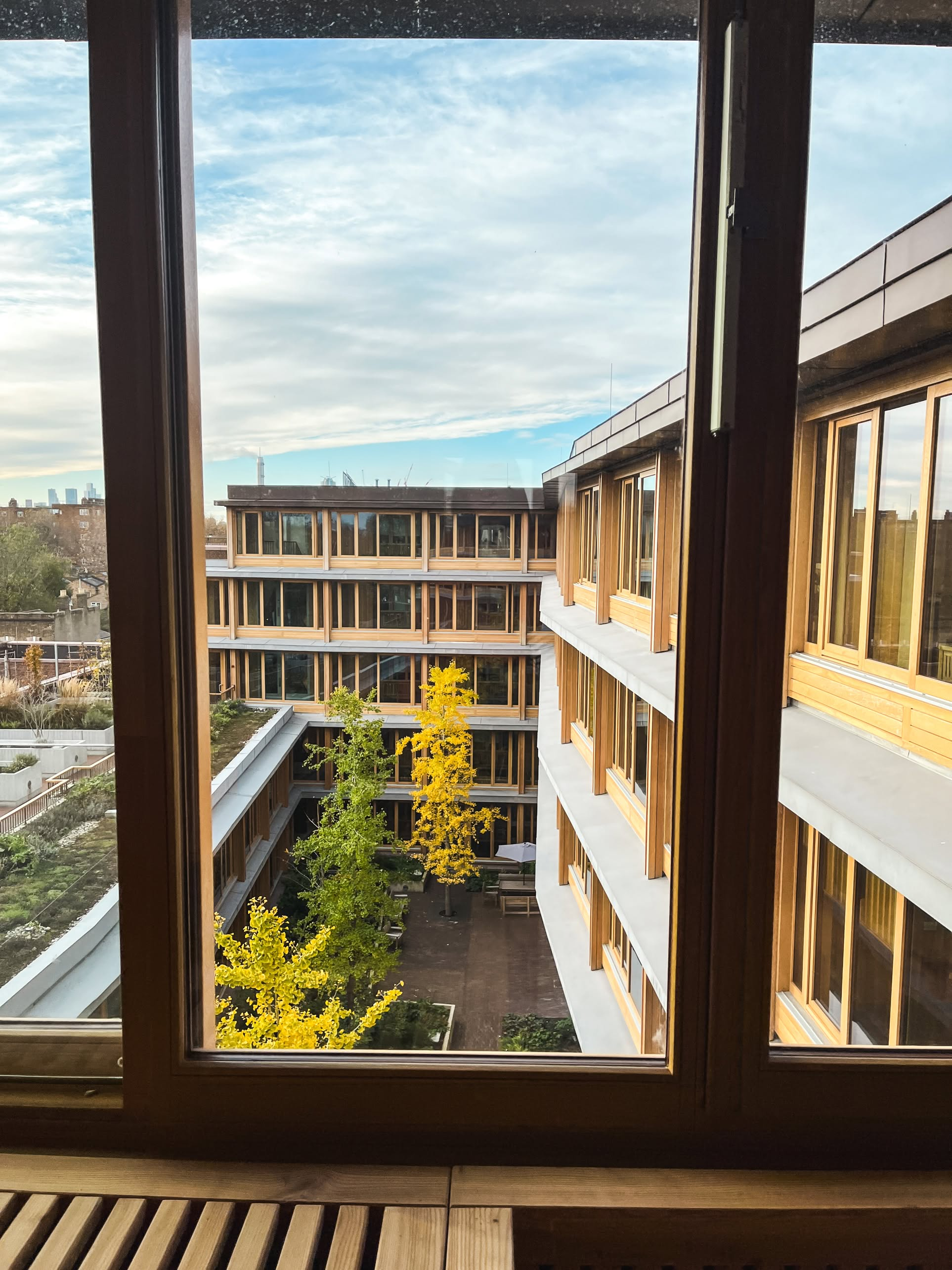
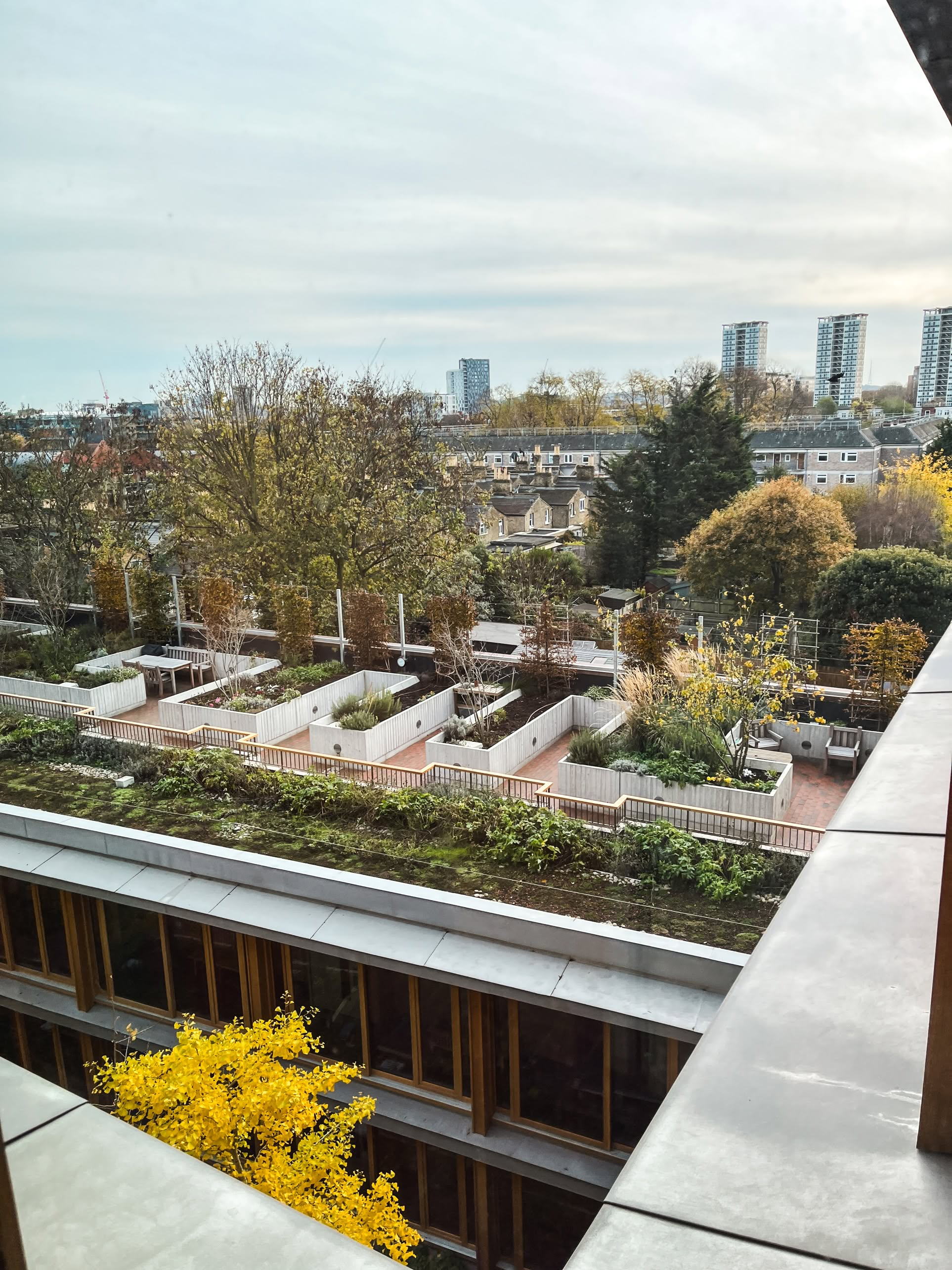
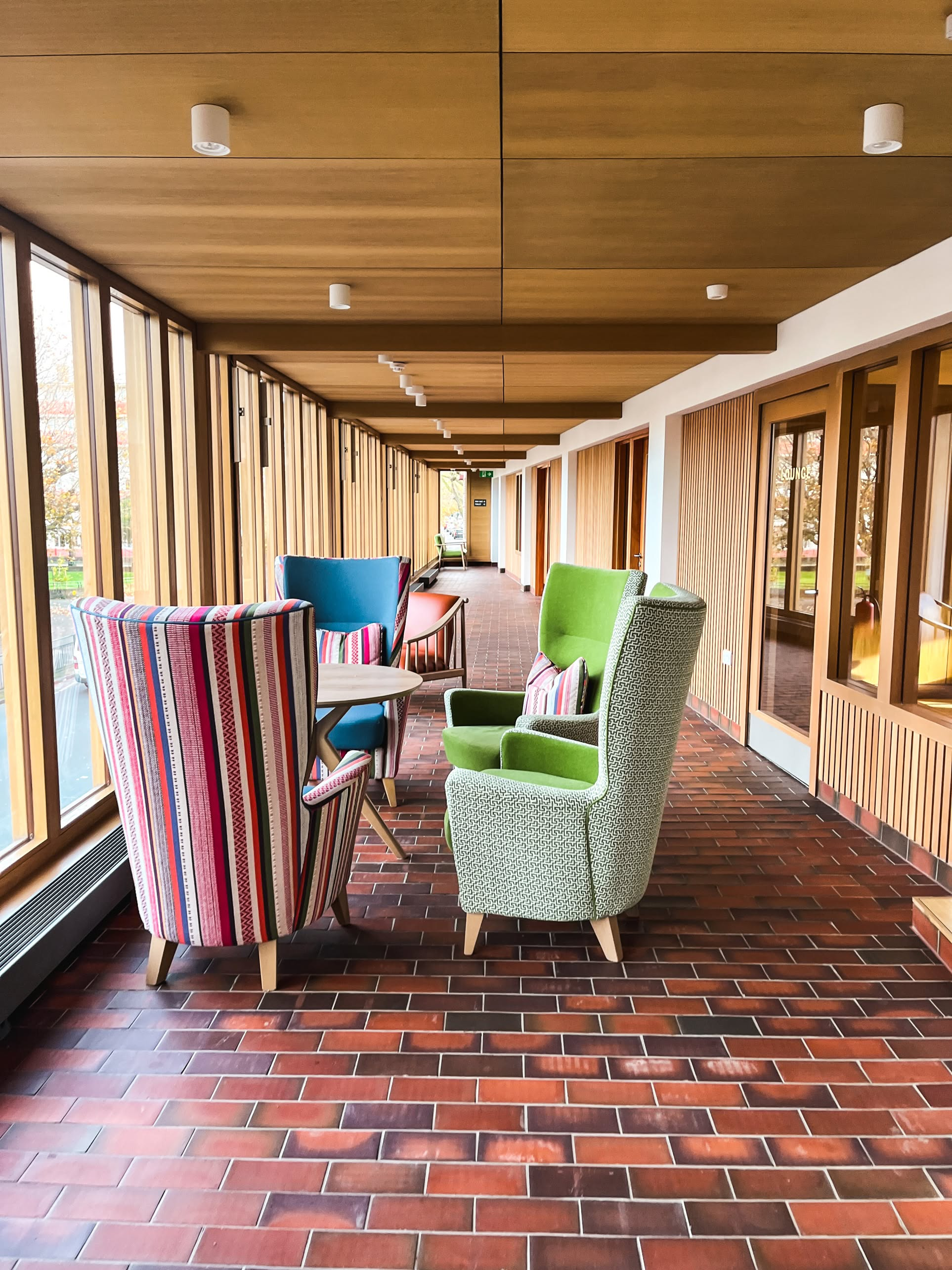
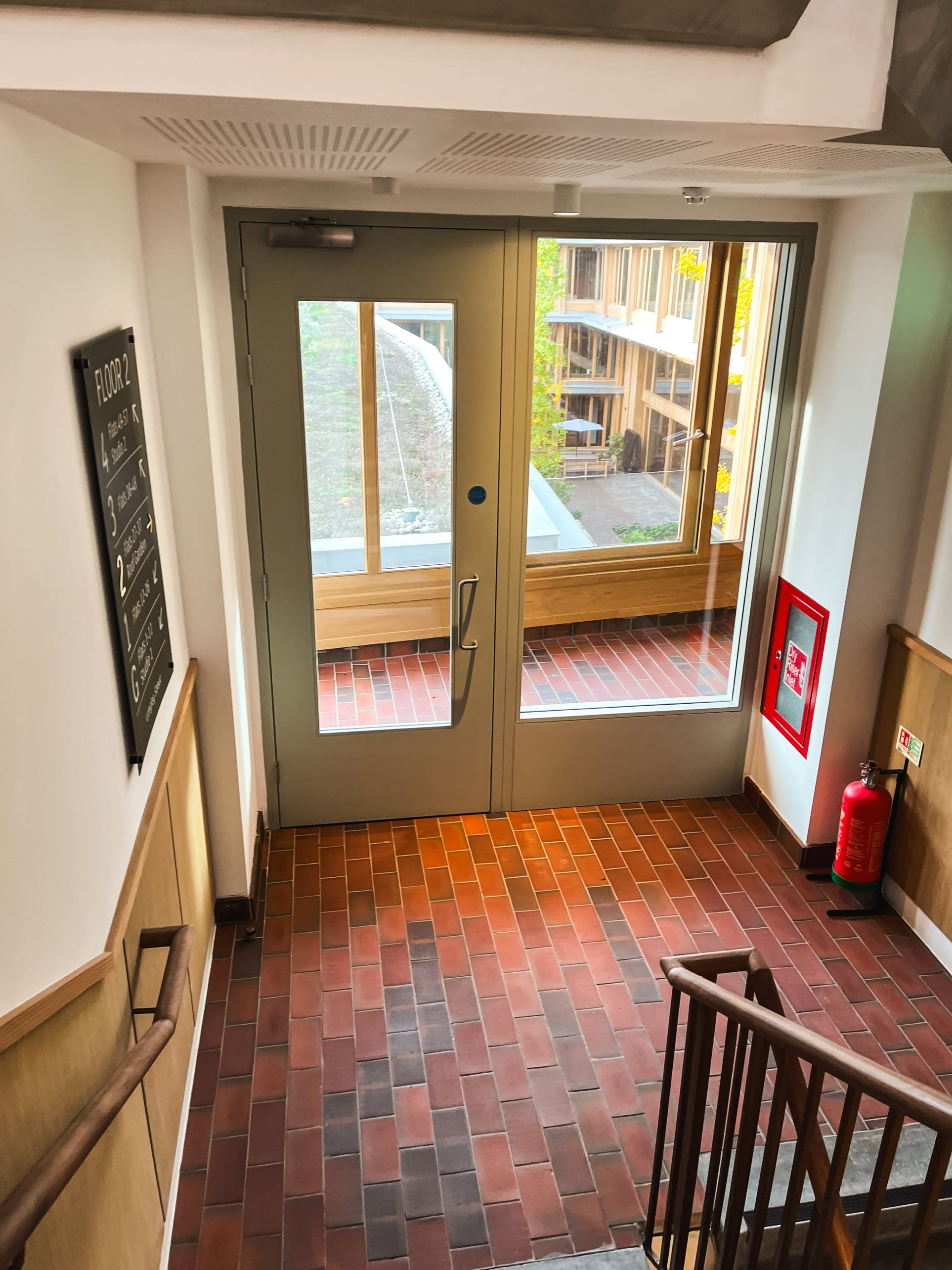
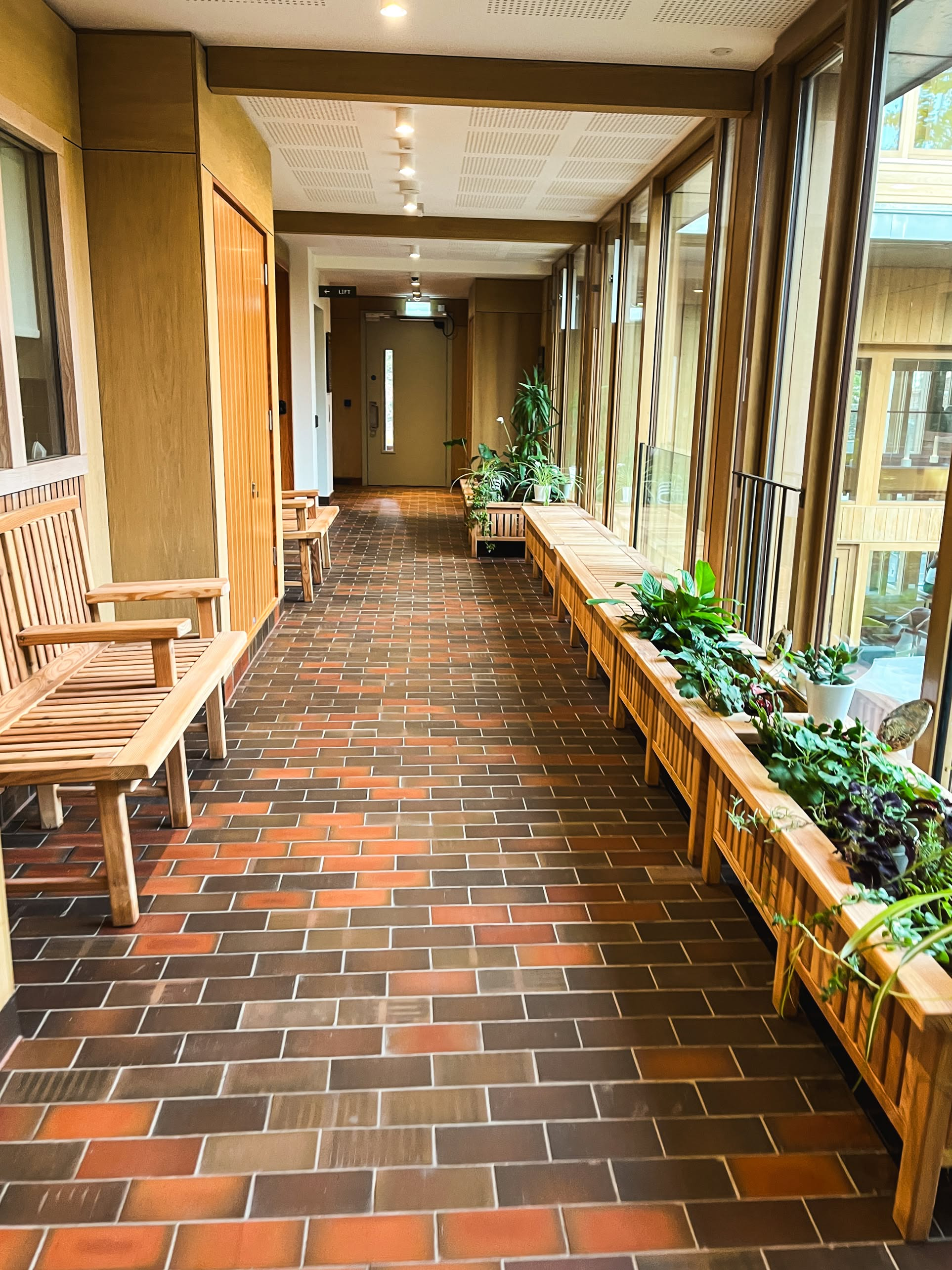
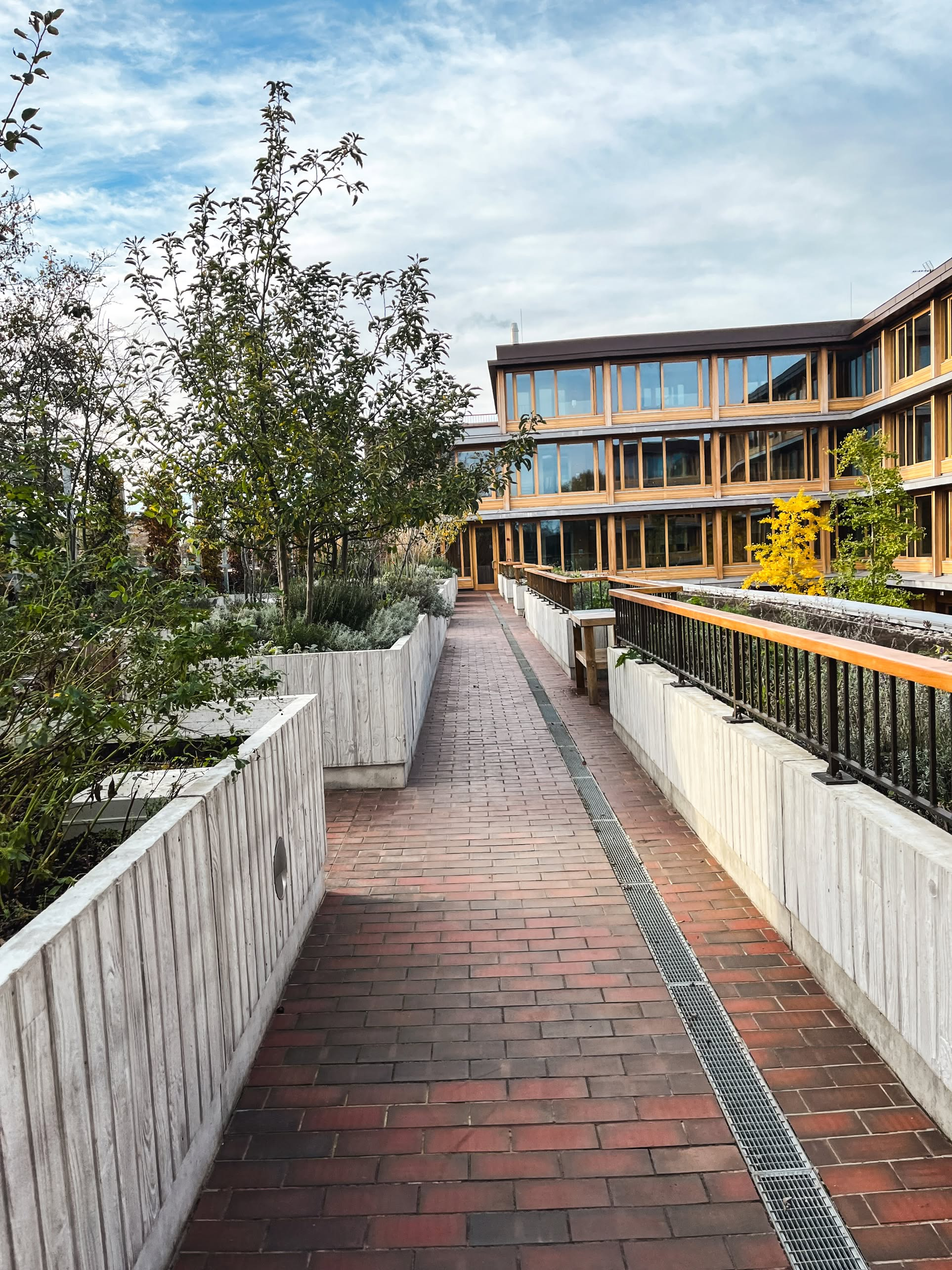
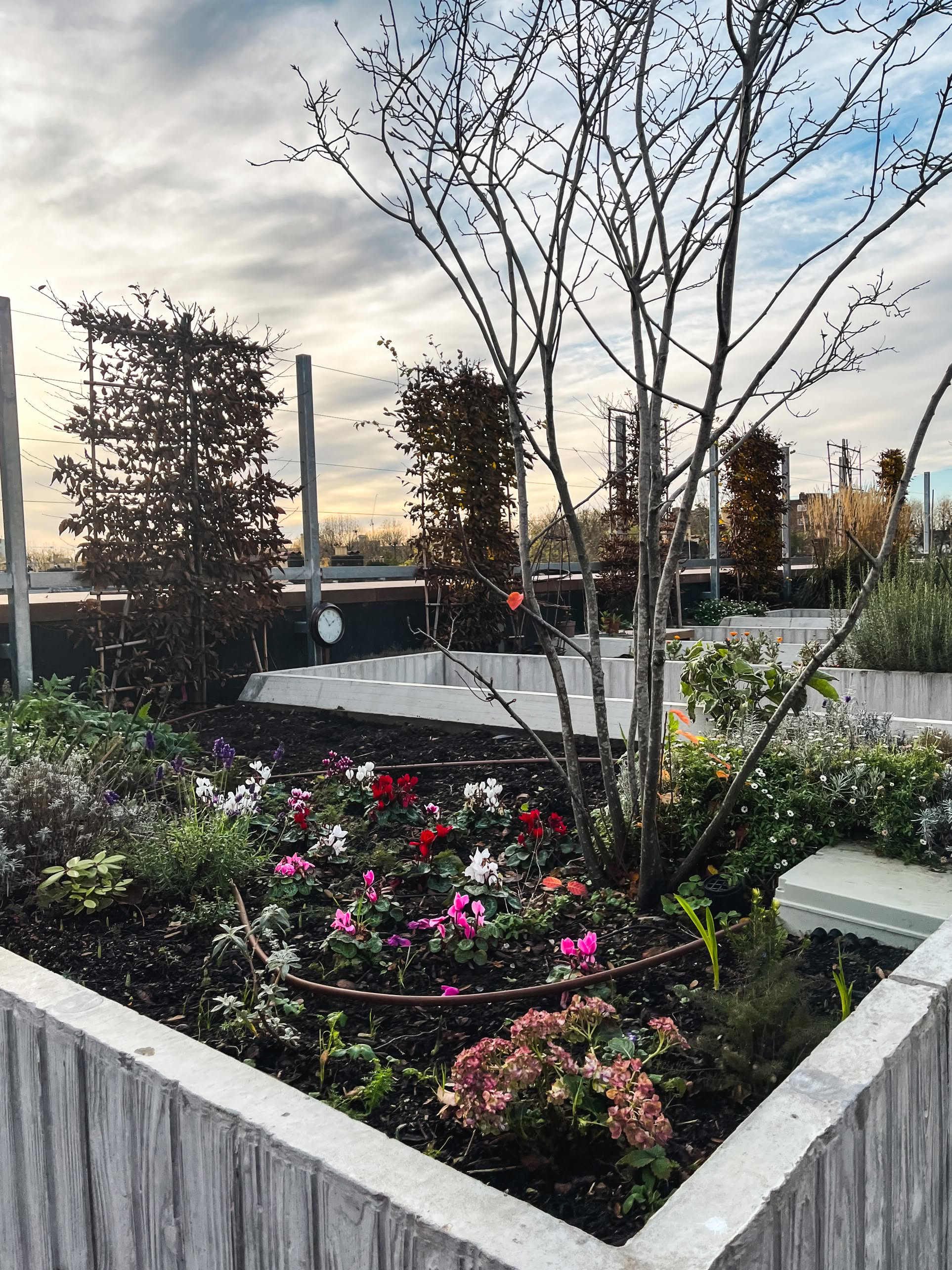
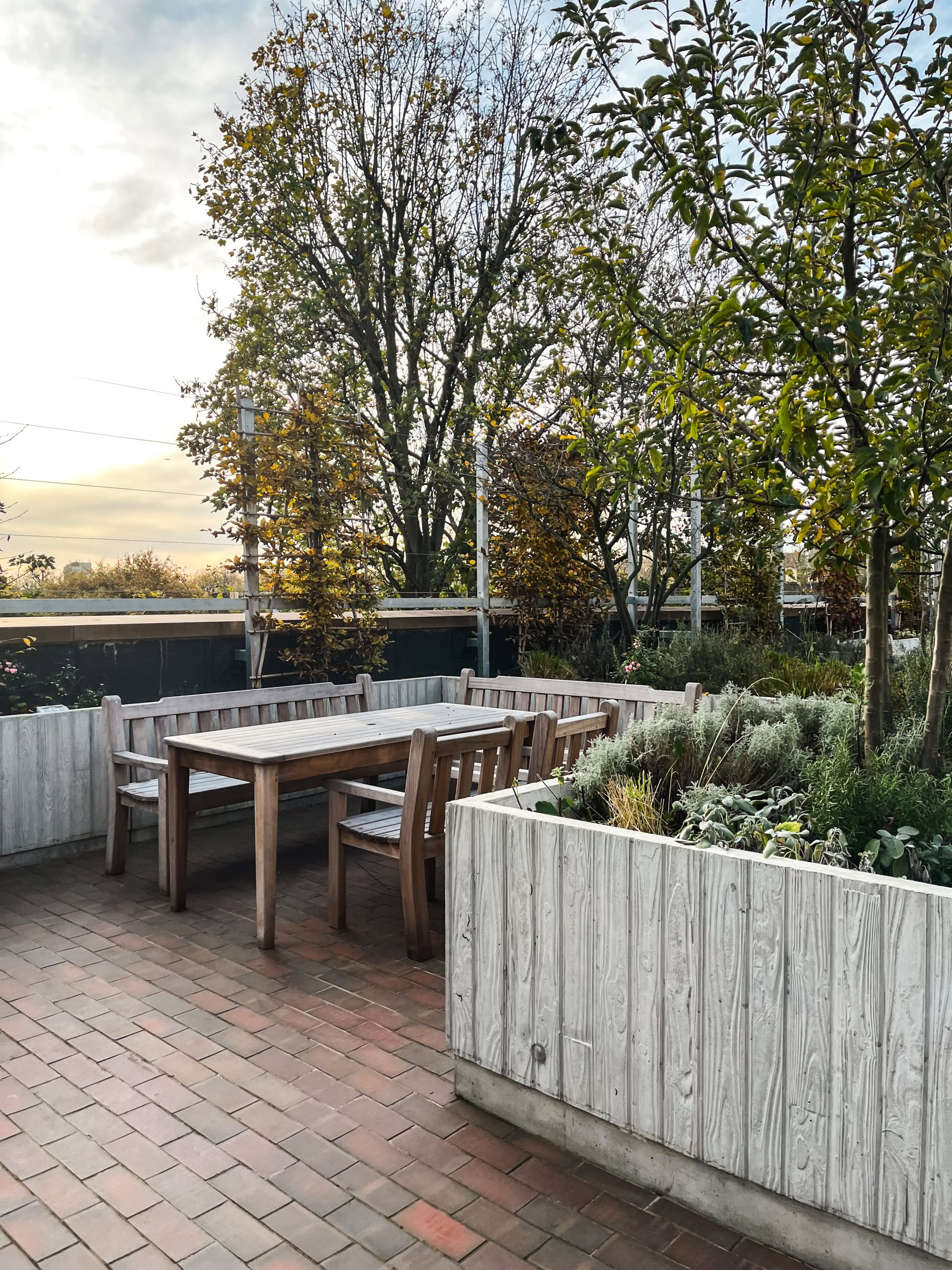
You may have noticed that there are no photos of the apartments themselves. Unfortunately, since they were occupied, we couldn’t intrude on the residents’ privacy. However, having seen the external spaces, I have no doubt the flats are all marvellously designed to the highest specifications.
In addition to the social housing flats, Appleby Blue also has 2 studio rooms and I was told that these were being offered to younger residents- apparently, it would be offered to the applicant that they felt could offer the most to the senior residents. (For example, the applicant could be a Yoga teacher who could run classes for the seniors, or maybe a trained medical professional. They were still in the process of selecting the resident when I visited, but I thought this was a terrific, terrific idea.)
This brings us to the end of today’s tour. How did you find Appleby Blue?
Personally, I left feeling like I’ve found a place I would be very happy to grow old in. I would love to see similar affordable developments crop up in Singapore one day! (Hopefully, before I reach retirement age.)
At Stacked, we like to look beyond the headlines and surface-level numbers, and focus on how things play out in the real world.
If you'd like to discuss how this applies to your own circumstances, you can reach out for a one-to-one consultation here.
And if you simply have a question or want to share a thought, feel free to write to us at stories@stackedhomes.com. We read every message.


3 Comments
london or singapore, i am confused?
Looking for something like this in Asia!