







Can The Government Really “Take Back Your Home” In Singapore?


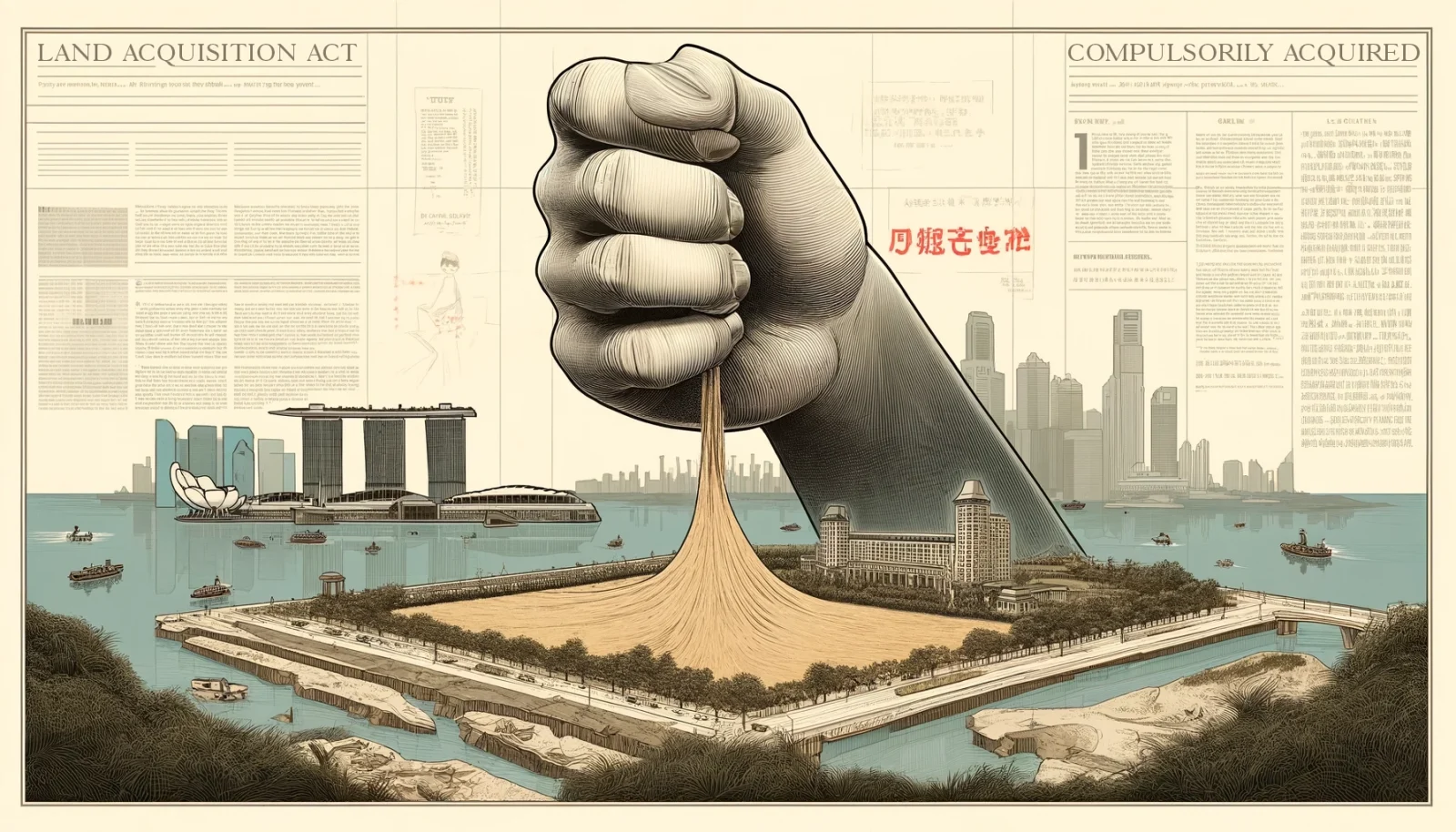
The Singapore government has significant powers to take back land, freehold or otherwise, under the Land Acquisition Act. Fortunately, this power has been used sparingly after the 1960s, when it was needed to build mass housing and reorganise the city. That doesn’t mean, however, that it hasn’t been used – to the surprise of some private property owners – even in more recent years. Here’s a look:
Market commentary like this is only useful if you can translate it into what it means for your own purchase: your entry price, holding period and exit options.
That’s where many buyers get stuck. General market insights rarely tell you whether a specific unit, at a specific price, is the right decision for your circumstances.
Over time, that’s also why we decided to work with agents who shared the same data-driven and advisory-led approach behind our editorial, consultants who could help readers think through decisions more objectively, rather than simply push transactions.
Today, the team has worked with more than 2,000 clients across over $5B in property transactions.
What is the Land Acquisition Act?
This act allows the government to take back privately owned land, for the purposes of developments in the interest of the public good. Whilst it’s not been used extensively in recent years, there was a period (1959 to 1984) when the act was used to take back around 177 sq. km. of land, or about a third of Singapore at the time.
There are just three simple requirements:
5 (1) Whenever any particular land is needed –
- For any public purpose
- by any person, corporation or statutory board, for any work or an undertaking which, in the opinion of the Minister, is of public benefit or of public utility or in the public interest; or
- for any residential, commercial or industrial purposes
This isn’t without controversy. You’ll meet people who will tell you, quite vehemently, what they think of acquiring residential land to sell to private developers; and whether such a move counts as being “of public utility” or “in the public interest.”
(But that’s their opinion, and the government can legally do it)
Does the government really “take back land for cheap”?
This is a common fear among property owners. What if your land is taken, and you suffer a serious loss because of low compensation? Let’s look at where the fears came from:
Way back in the past, compensation for land taken back by the government wasn’t based on land value at the date of acquisition. For acquisitions back in 1987, for example, the prices paid for the land were pegged to their values in 1973. For acquisitions between ‘87 to ‘93, prices were pegged to 1986 values, and so forth. This usually meant losing money, as land values often rise over time. It’s likely the source of old complaints about how the government “gets land for cheap.”
But changes have been made. Back on 12th February 2007, the act was amended so that current values (i.e., at the actual date of acquisition) are used. So property owners from that point got a much better deal if their land was taken back, compared to our parents and grandparents’ era.
More recent cases of land acquisition, and its related issues:
1. The Chuan Park car park case
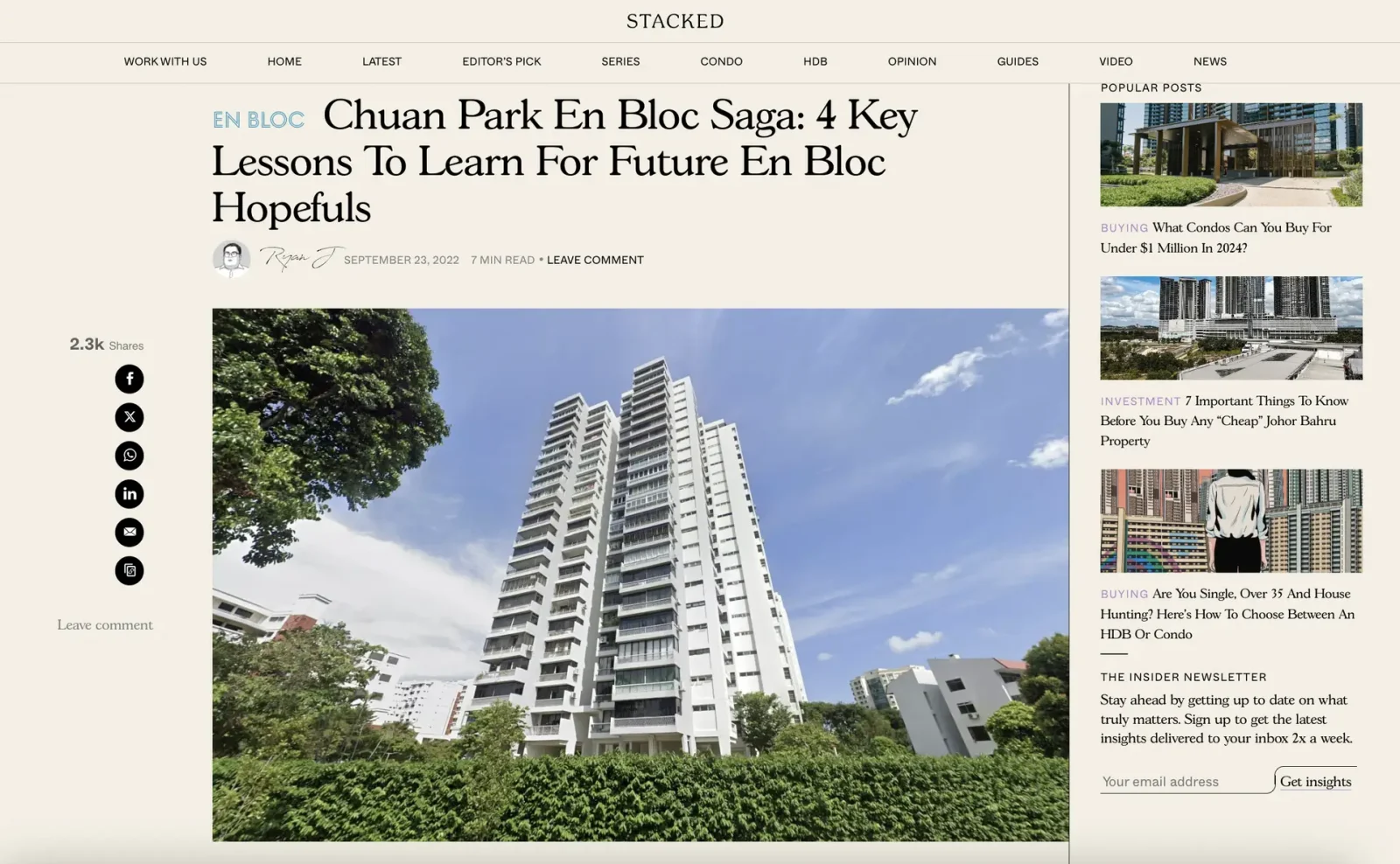
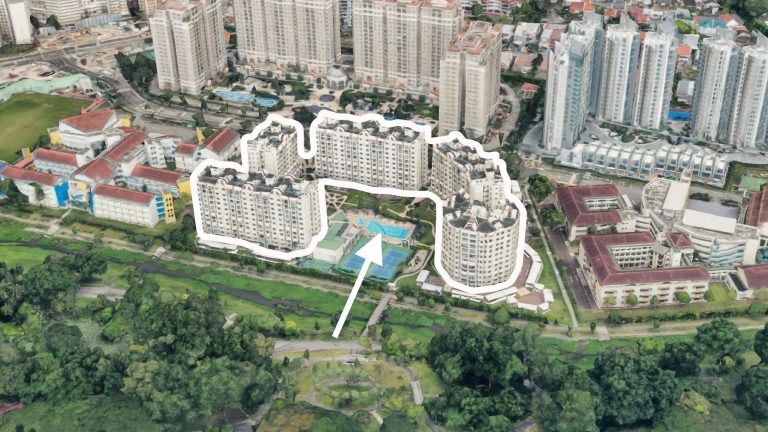
In June 2003, Chuan Park ( a leasehold condo completed in 1985) lost 220 sqm. of land to the needs of the Circle Line. The affected area was around 17 car park lots, and residents got a bit steamed when they heard the compensation was $1.
However, it was argued that the same acquisition would result in the Lorong Chuan MRT station being very near to Chuan Park condo; and that the resulting boost in property values, for the arguably small space of 17 parking lots, made the move sufficiently fair.
We suppose it’s sound on paper, but till today, we still hear people argue over this. We would say that situations like this create the potential for misunderstandings, which in turn fuel the rumour mill about the government “seizing properties” for cheap.
2. The church car park incident
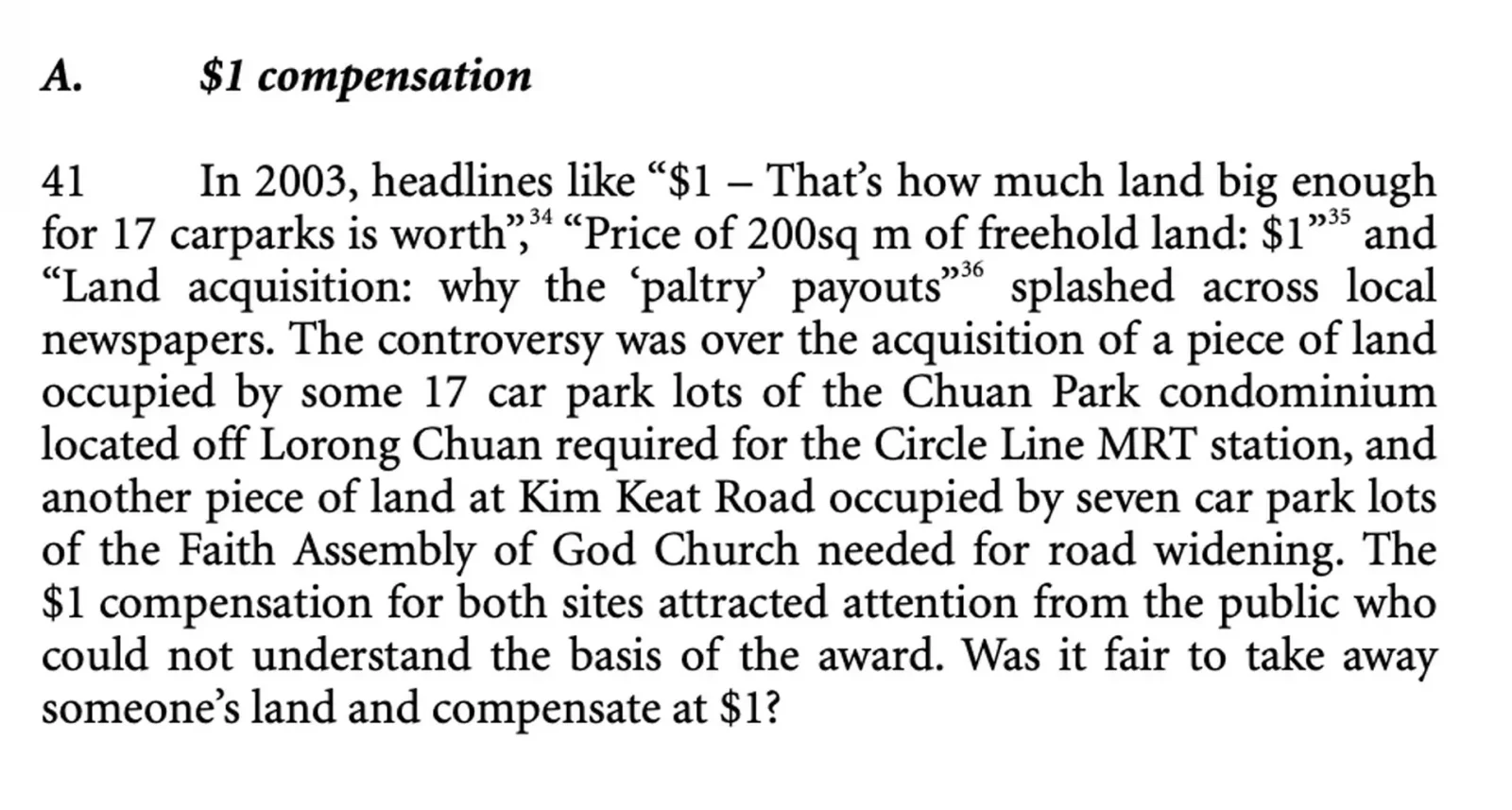
This is mentioned in the same link above. In this situation, a church lost part of its car park for $1. This time, however, it’s due to a mix-up in the plan, in which the area was zoned as a “road.”
(If it’s zoned as a road, it’s unsurprising that the owner gets $1, as you can’t actually do anything with the land).
As it turns out, it was mislabelling, and the government offered compensation of $64,000 once it was cleared up. But not, however, before the rumour again got out that the government was seizing land for $1.
(The Chuan Park residents who got $1 for their 17 car park lots probably also had something to say about that!)
3. Homes lost to the Thomson-East Coast Line needs
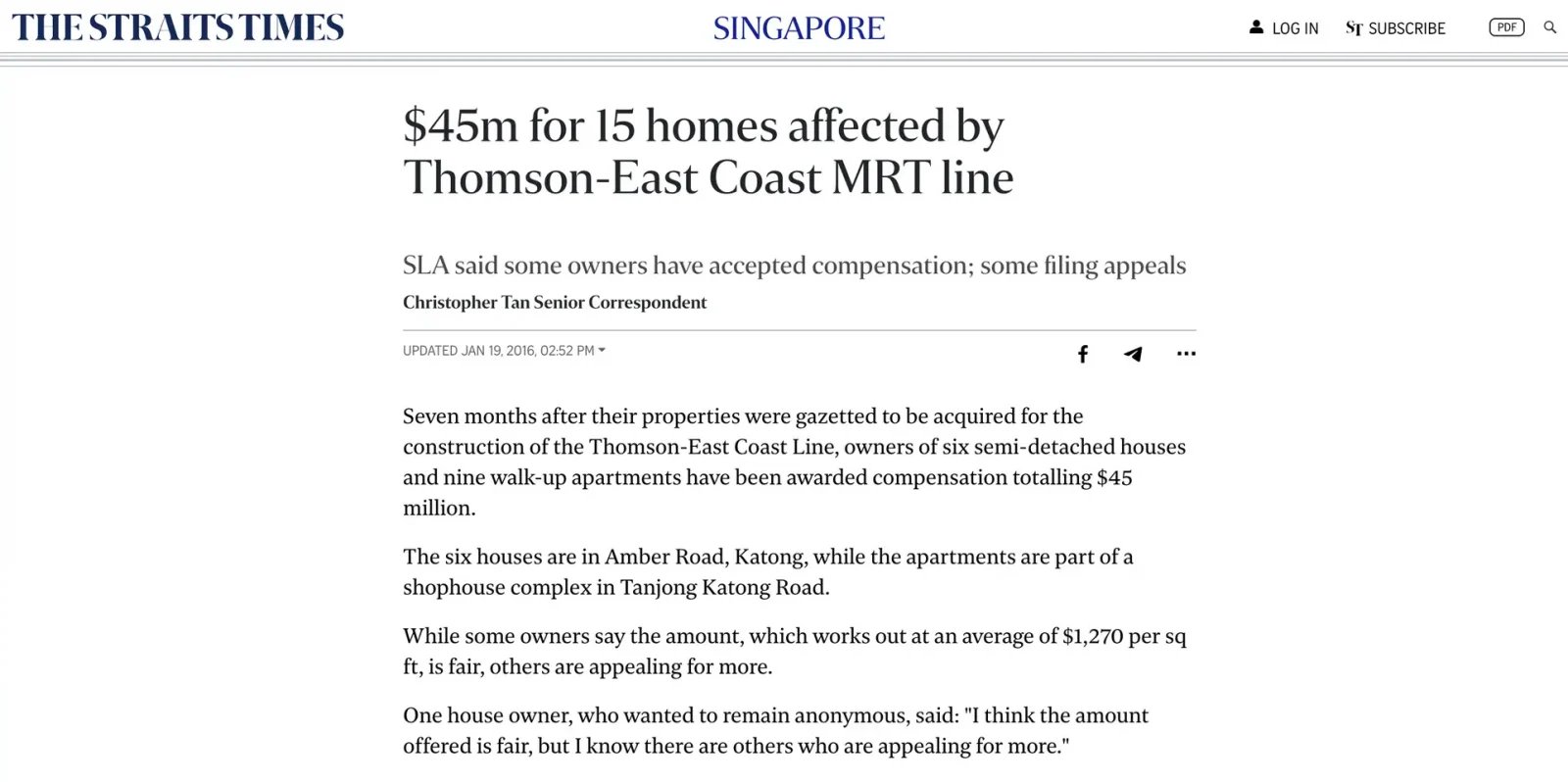
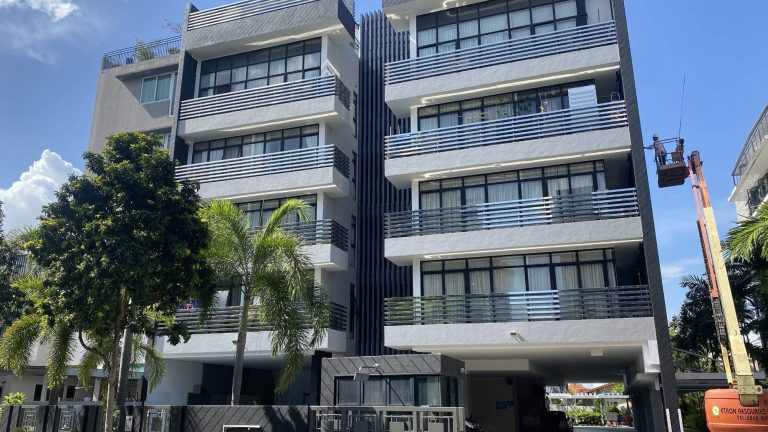
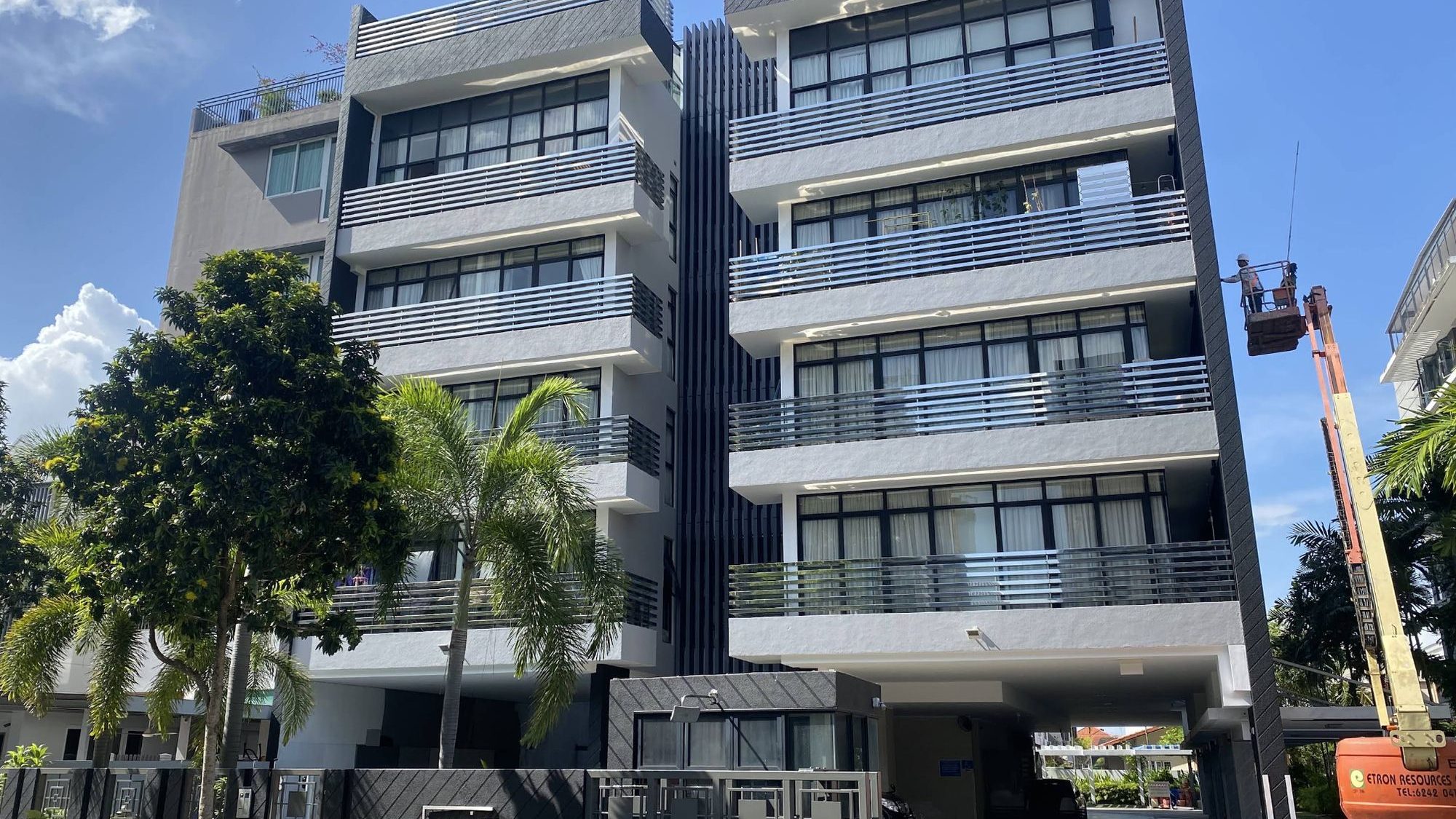
In 2016, 15 homes in the Katong Area were taken back, for the purposes of the Thomson-East Coast Line (TEL) construction. These included six semi-detached houses and nine walk-up apartments, with total compensation of $45 million.
This worked out to around $1,270 psf, and some homeowners appealed. One of them claimed that $1,300 to 1,600 psf would have been the fair amount. Just out of curiosity, we decided to check, and he was wrong.
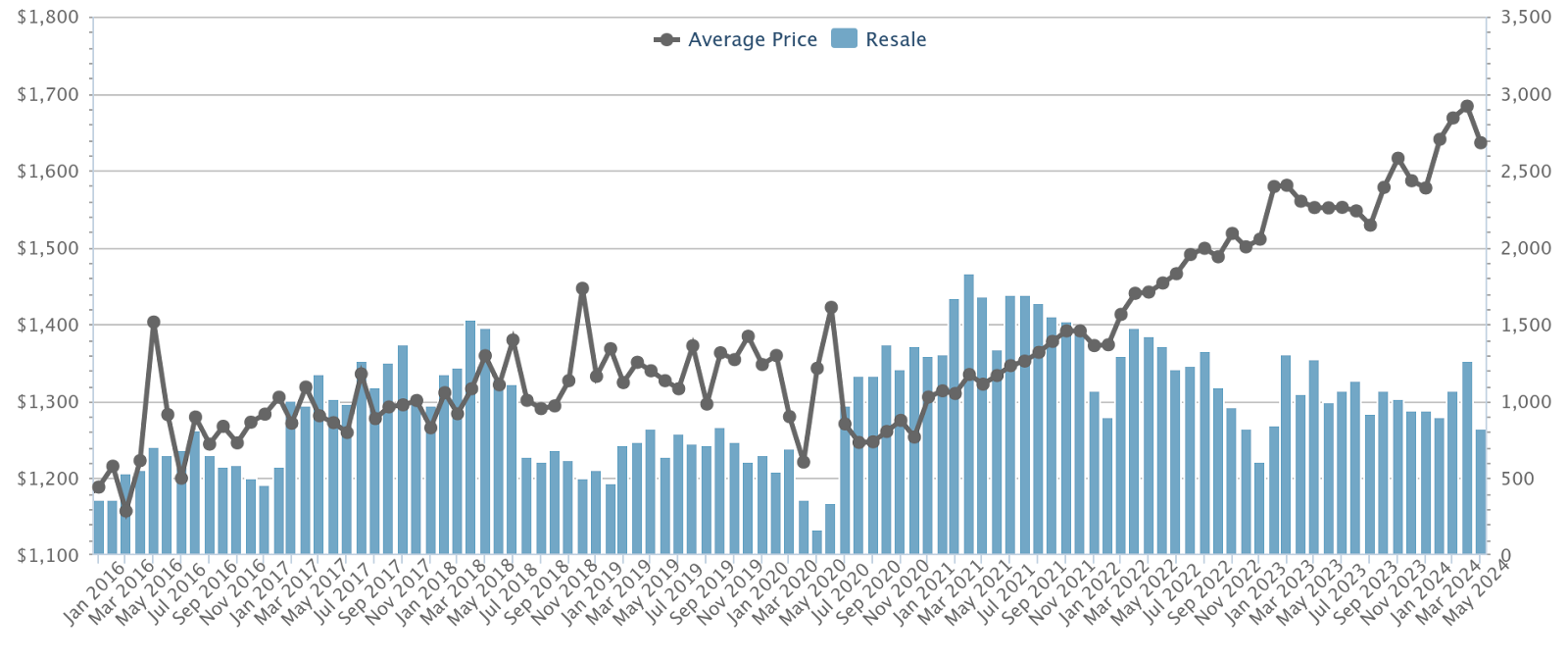
The average for 2016 was $1,189 to $1,273 psf for 2016, which last appreciated to $1,636 psf in May this year. So it was actually an average deal for the residents after you tack on the inconveniences of having to move.
4. The case at 68 to 74 Thomson Road
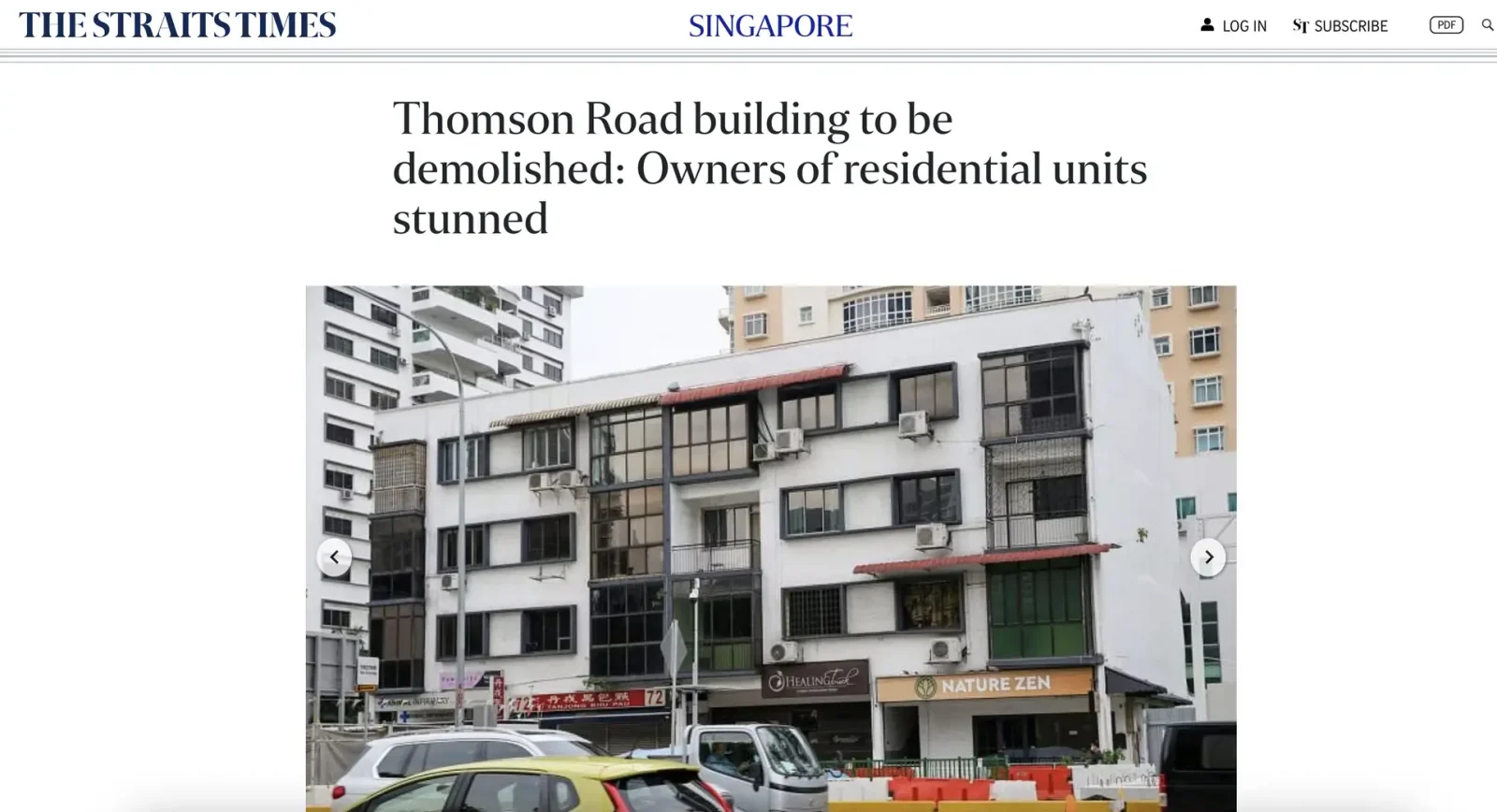
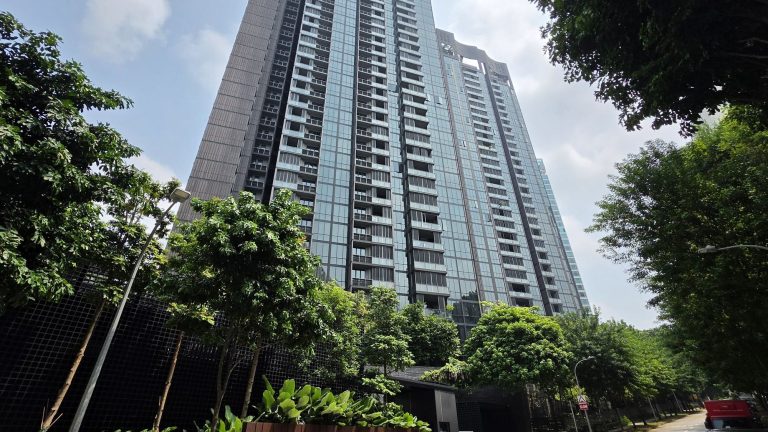
We went into detail on this incident in a previous article. But to summarise, this was a freehold building completed in 1964. Engineers found it was too dangerous to leave it occupied, due to earthworks for the North South Corridor (NSC) compromising its structural integrity.
We don’t know the compensation figures for this one, although again, there were owners who felt shortchanged. The impact of this incident, however, was the wake-up call that a freehold property is no protection against land acquisition. It does call into question the risk of a highly central property (e.g., a freehold property in a major neighbourhood hub), if new road and train connections need to be made.
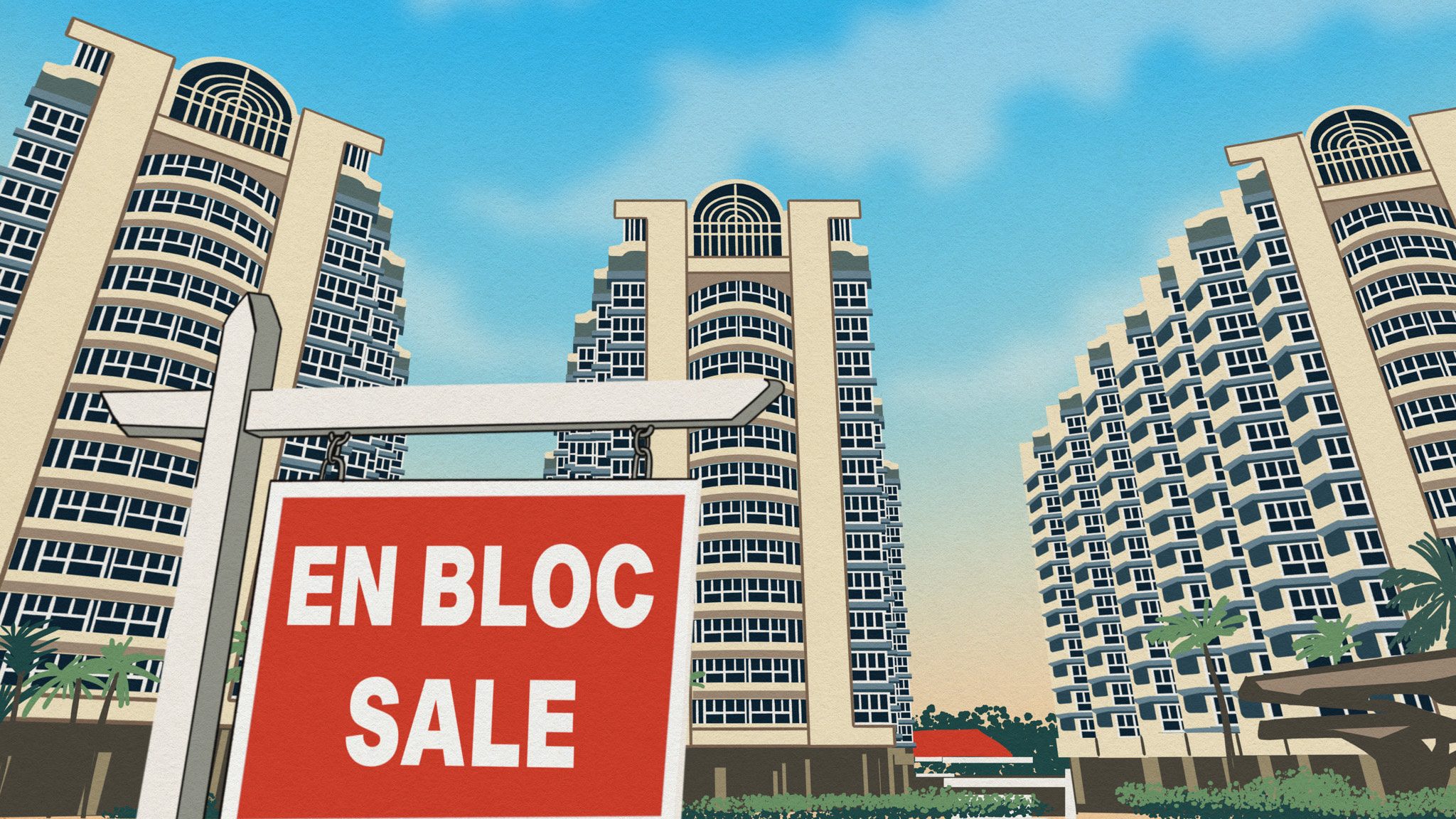
Most people also wouldn’t expect land acquisition to take the place of a (probably more generous) en-bloc sale.
5. Taking the space under your condo
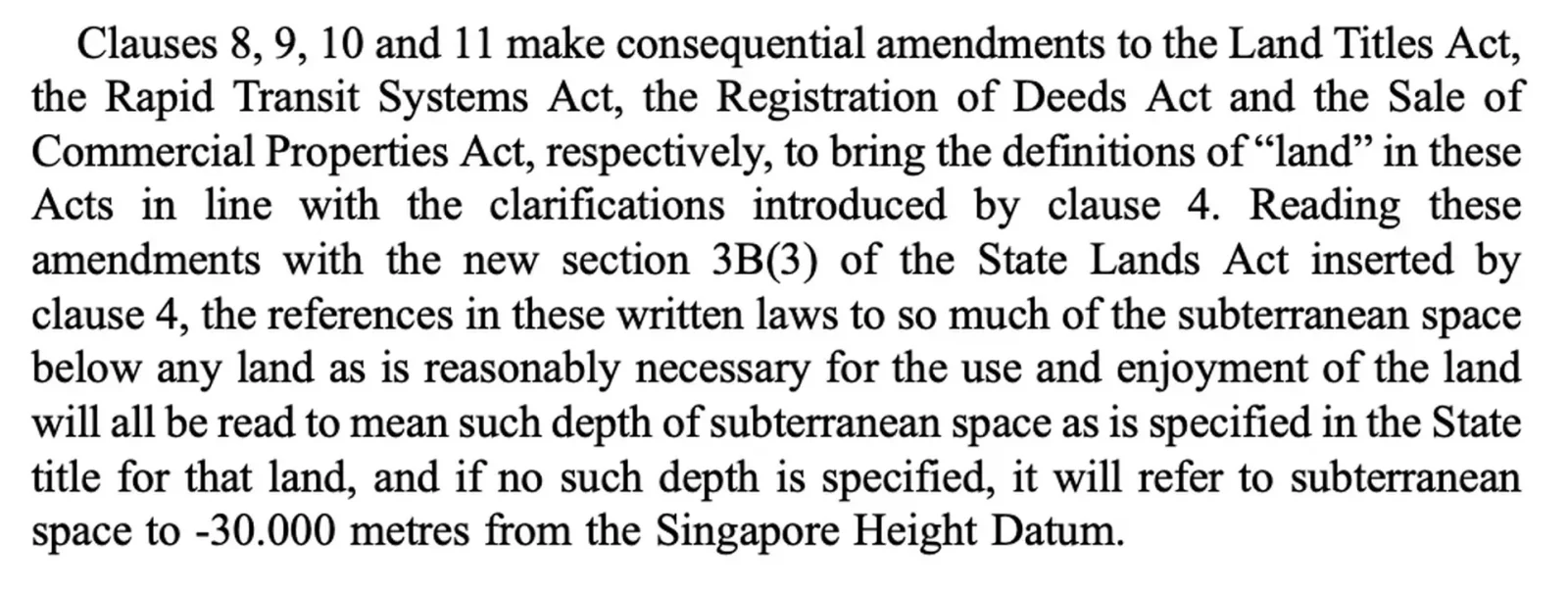
In 2015, the State Lands Act was amended, and the land under your home is now yours to a depth of 30 metres; further than that, it’s in the hands of the government. The amendment also allows for the government to claim air space and underground space without needing to first claim the surface land, but that’s mostly irrelevant to homeowners.
Why the sudden interest in claiming the land under your homes? The reason appears to be underground cities. Rather than just building upward, future Singapore may also build more downward, tucking away roads and other infrastructure below the surface. This may even help with our car situation, as roads can be placed underground, while the surface is mainly for pedestrian use.
We’ve yet to see any implications for this, and it will be far in the future before we do. When it does come around, we’ll see how Singaporeans react to the issue of tunnelling highways, train lines, etc. underneath their homes.
For more flashbacks into historical policy changes and events, follow us on Stacked. We’ll also update you on recent changes to the Singapore private property market, and with an in-depth review of new and resale properties alike.
Commentary like this is useful for understanding the broader market. The harder part is applying those ideas to a specific property, budget or decision you’re actually considering.
That’s often where a second opinion becomes valuable.
If you’d like to discuss how this applies to your own circumstances, you can reach out for a one-to-one consultation here.
And if you simply have a question or want to share a thought, feel free to write to us at stories@stackedhomes.com. We read every message.

1 Comments
Please do an article on the groups of people who bought leasehold and pop up now and then to wonder aloud in the media whether their lease will get extended.